Lifestyle
Dr Oguntola Odunbaku Sapara: The Physician Who Fought Disease and Superstition in Colonial Nigeria

How a visionary doctor from Lagos transformed public health and modern medicine in early 20th-century Nigeria
Meta Description:
Dr Oguntola Odunbaku Sapara (1861–1935) was one of Nigeria’s earliest Western-trained physicians. Renowned for his campaign against smallpox and his efforts to improve public sanitation, Sapara laid the foundations for modern public health in Lagos during the colonial era.
A Pioneer of Nigerian Medicine
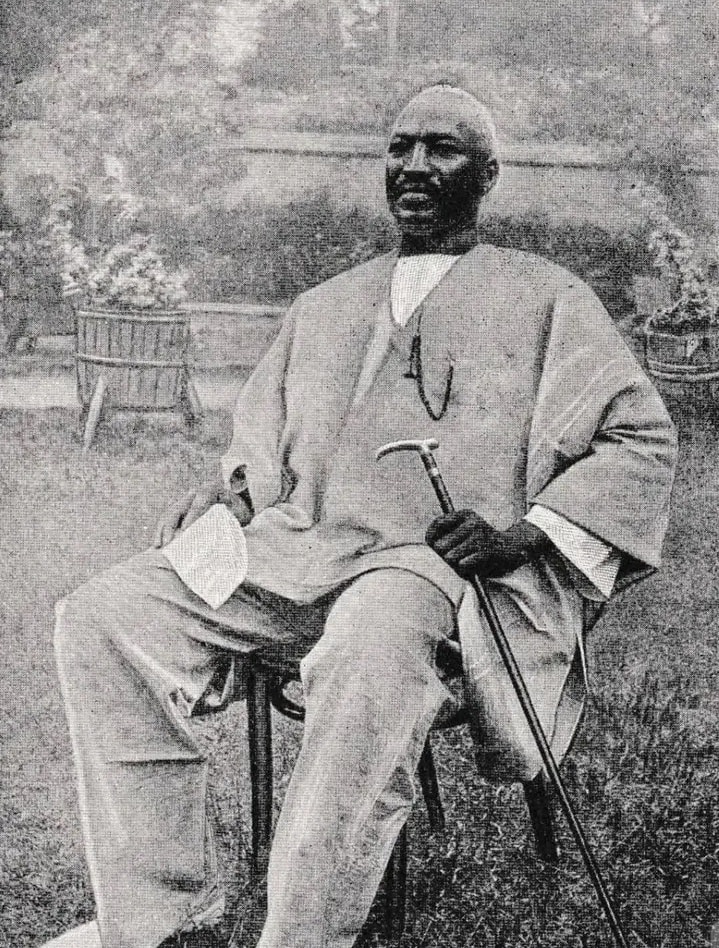
The image shows Dr Oguntola Odunbaku Sapara (1861–1935) — a pioneering Nigerian physician, public health reformer, and one of the most influential figures in early colonial medicine. His work bridged the worlds of traditional Yoruba culture and Western scientific practice, earning him lasting recognition as a man who devoted his life to fighting disease, ignorance, and unsanitary living conditions.
Born Alexander Johnson Williams in Freetown, Sierra Leone, to Yoruba parents, Sapara’s early life was shaped by a blend of Western education and African heritage. Later in life, he would reclaim his cultural identity by adopting the name Oguntola Odunbaku Sapara, symbolising his deep pride in his Yoruba roots.
Education and Early Career
Sapara pursued medical studies at St Thomas’ Hospital Medical School in London and qualified as a doctor in the late 19th century. His education reflected the growing class of African professionals trained in Europe during the colonial period, returning home with new ideas for improving local health systems.
After completing his studies, Sapara returned to West Africa and joined the colonial medical service in Lagos Colony in 1896 as an Assistant Colonial Surgeon. At the time, Lagos — then a bustling port city — was plagued by poor sanitation, overcrowded slums, and recurring outbreaks of infectious diseases such as smallpox, malaria, and yellow fever.
Fighting Disease and Improving Public Health
Dr Sapara’s tenure in the colonial service lasted over three decades, from 1896 until his retirement in 1928. Throughout this period, he became a relentless advocate for public hygiene, disease prevention, and medical education.
One of his major achievements was the establishment of Lagos’ first public dispensary in 1901, which provided free or affordable healthcare to the city’s poor residents. At a time when access to Western medicine was limited to the wealthy or colonial officials, this initiative represented a groundbreaking step toward public health equity.
Sapara was also instrumental in founding a society for training midwives, recognising that many childbirth-related deaths could be prevented through better maternal care. His foresight in promoting women’s participation in healthcare demonstrated a progressive understanding of community-based health systems.
The War Against Smallpox and the “Cult of Disease”
Perhaps Sapara’s most famous — and most dangerous — work was his fight against smallpox. Smallpox was rampant in Yoruba communities at the turn of the 20th century, and traditional “smallpox cults” had emerged around the worship of Ṣọ̀npọ̀nná, the Yoruba deity associated with the disease.
Many of these cults discouraged vaccination, insisting that the disease should be appeased through ritual rather than prevented through science. Sapara, deeply aware of the cultural roots of such beliefs, chose an unconventional strategy: he infiltrated the cult under disguise to study its practices from within.
Armed with first-hand knowledge, he worked to demystify smallpox rituals, expose harmful practices, and promote vaccination campaigns among the Yoruba people. His actions — blending cultural insight with medical science — not only helped curb smallpox outbreaks but also marked an early example of medical anthropology in practice.
Sapara’s work eventually led to the colonial government banning secret inoculation practices and expanding official vaccination programmes across the Lagos Colony.
Urban Reform and Sanitation Advocacy
Beyond medicine, Sapara was a passionate urban reformer. He recognised that diseases thrived in the congested, unplanned areas of Lagos and tirelessly campaigned for slum clearance and proper drainage systems. His advocacy contributed to early public health policies that improved living conditions in parts of the city.
Sapara’s reports to the colonial authorities highlighted how environmental neglect and poor hygiene perpetuated epidemics. He argued that health reform should go hand-in-hand with social reform — a philosophy far ahead of its time.
Legacy and Recognition
Dr Oguntola Sapara retired from service in 1928 and passed away in 1935, leaving behind a monumental legacy in Nigerian public health. His life embodied courage, compassion, and the pursuit of scientific truth amidst cultural and colonial tensions.
In recognition of his contributions, a street in Lagos bears his name — Sapara Street — and he is frequently cited in Nigerian medical history as one of the founding figures of modern healthcare in West Africa.
His ability to balance Western medicine with indigenous understanding remains a model for culturally sensitive public health practice. Sapara’s approach demonstrated that reforming health systems in Africa required not only scientific skill but also respect for local traditions and empathy for the people.
References
National Archives of Nigeria, Lagos Division
Adeloye, A. “Some Early Nigerian Doctors and Their Contribution to Modern Medicine in West Africa.” Medical History Journal, 1974
Colonial Reports—Annual: Lagos, 1901–1928
Nigerian Tribune: “Remembering Dr Oguntola Sapara, Nigeria’s Forgotten Medical Reformer” (2020)
The Guardian Nigeria Archives

FOLLOW US ON:


