Lifestyle
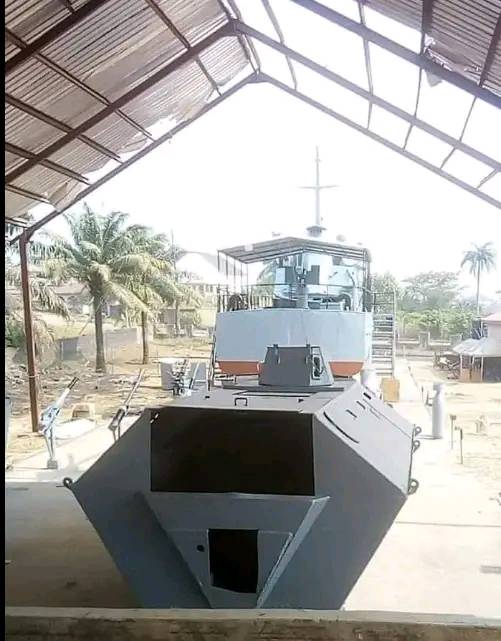
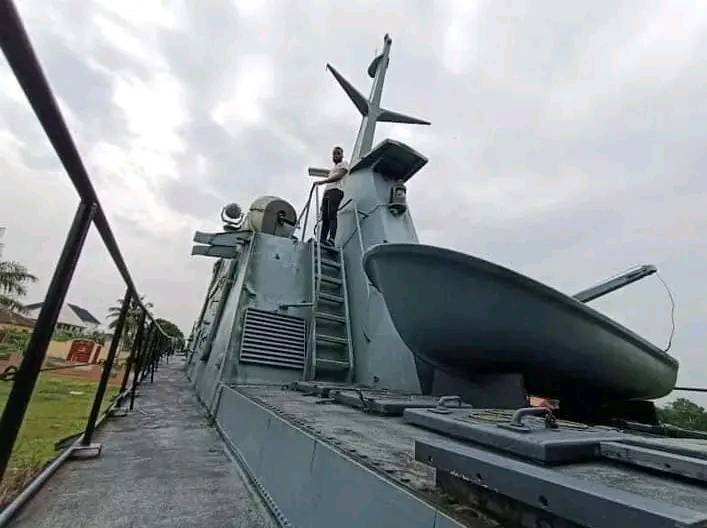
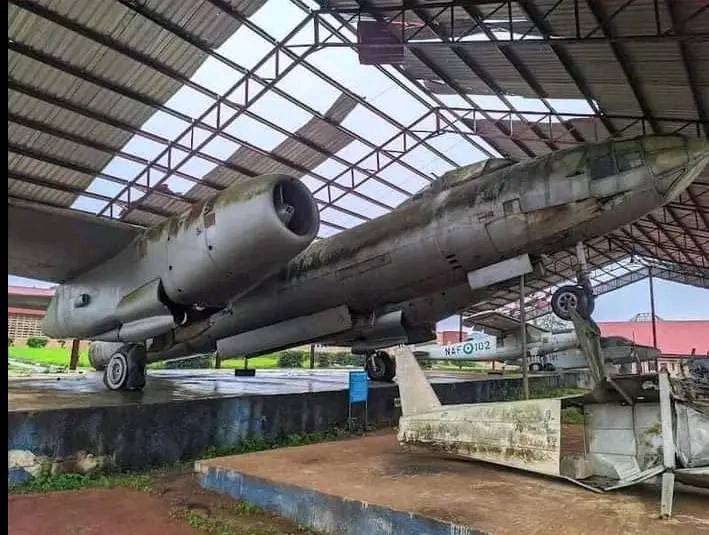
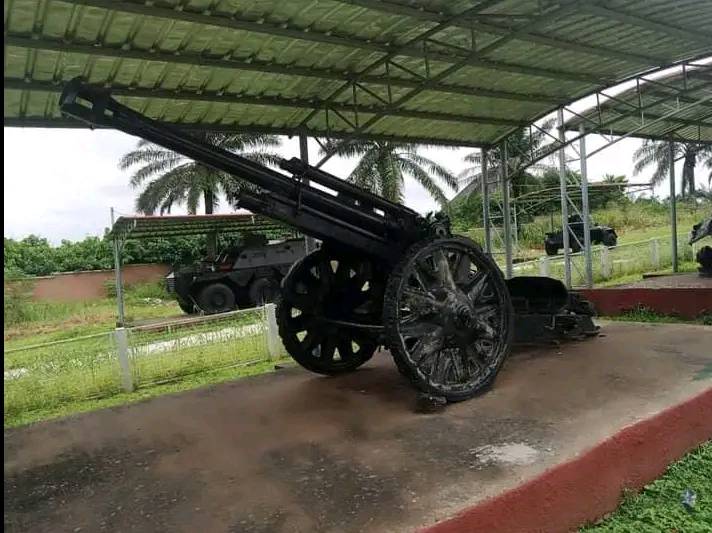
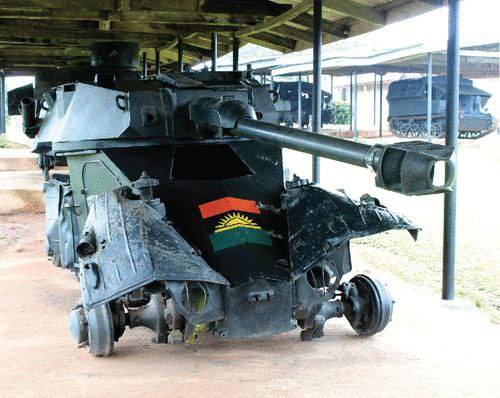
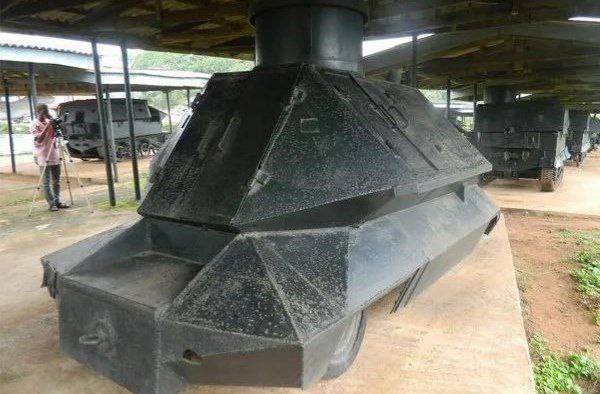
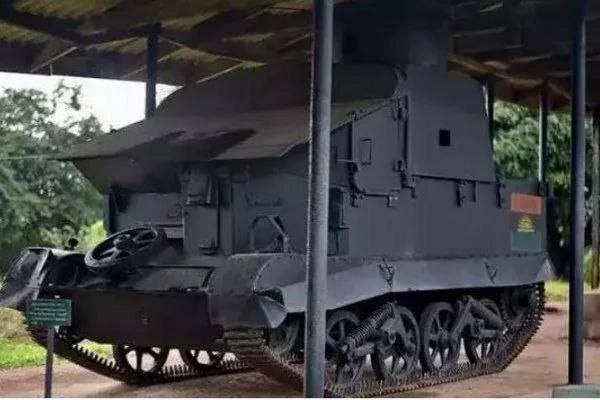
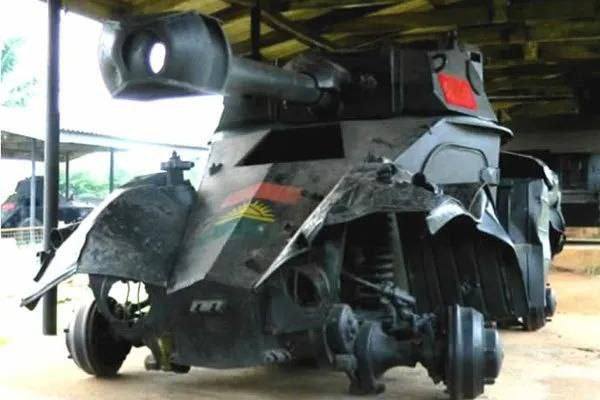
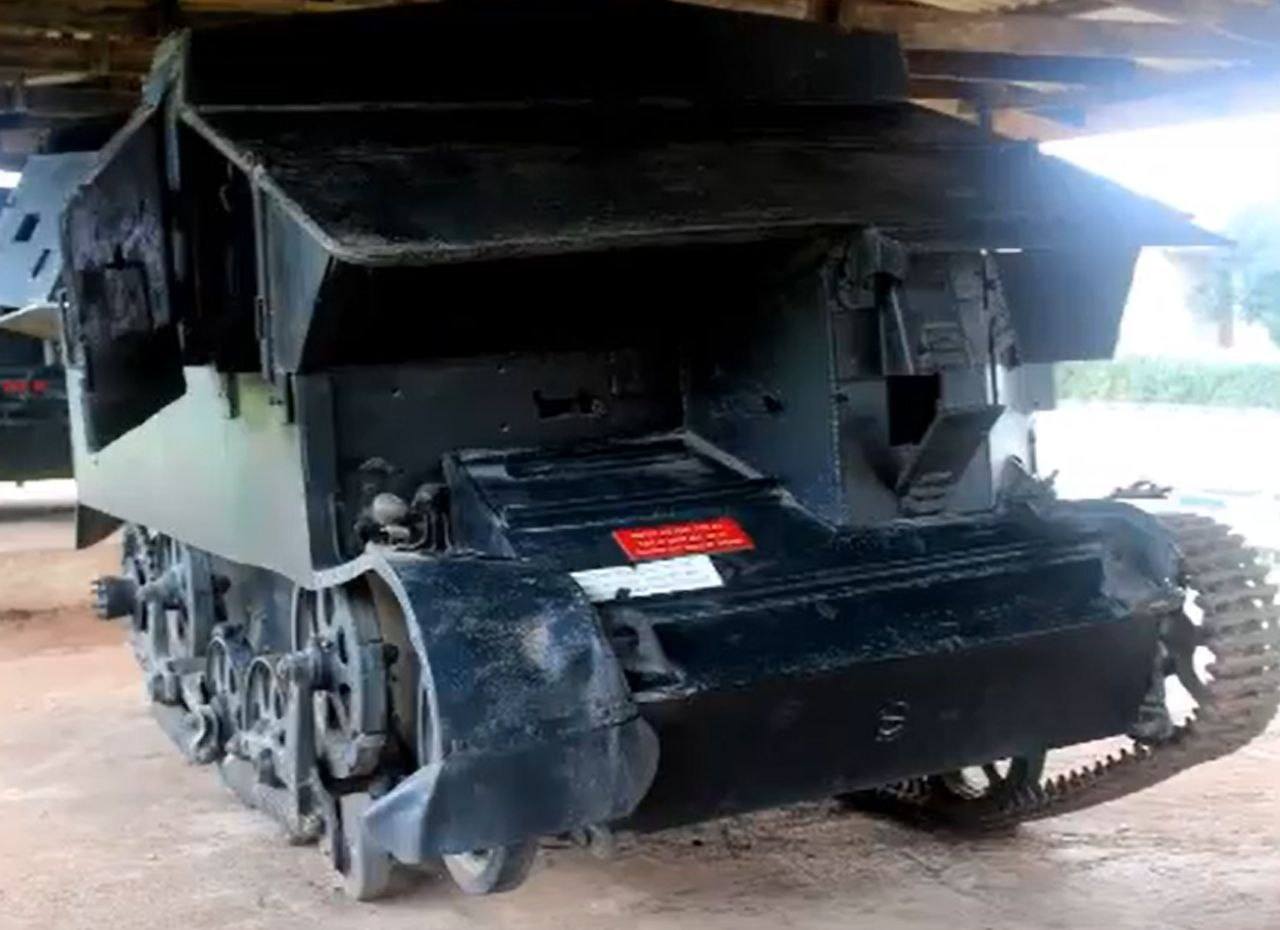
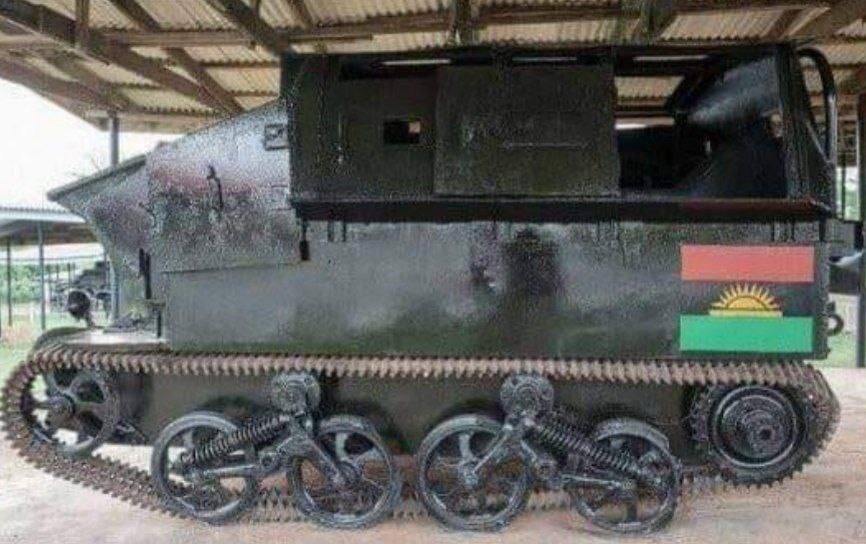
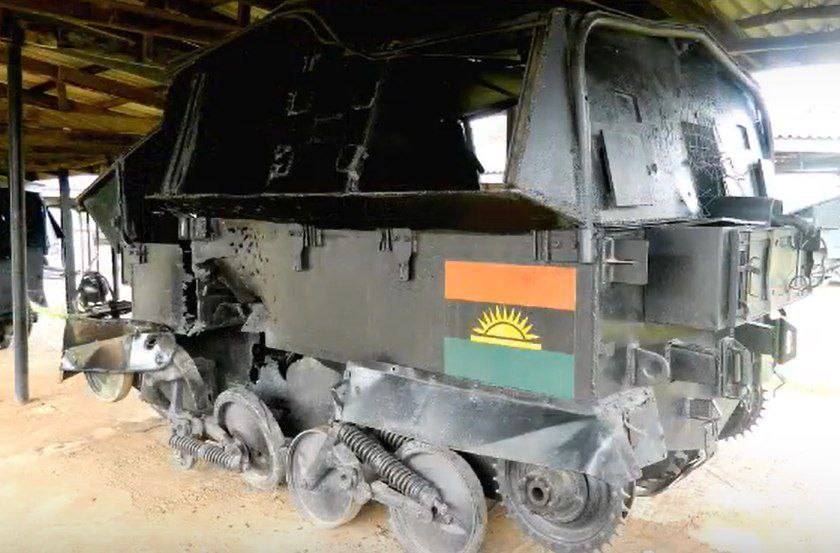
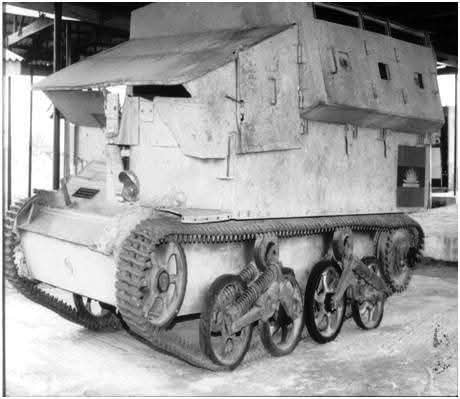
PHOTOS: A Biafran Armoured Vehicle at the National War Museum, Umuahia: Ingenuity in a Time of Siege

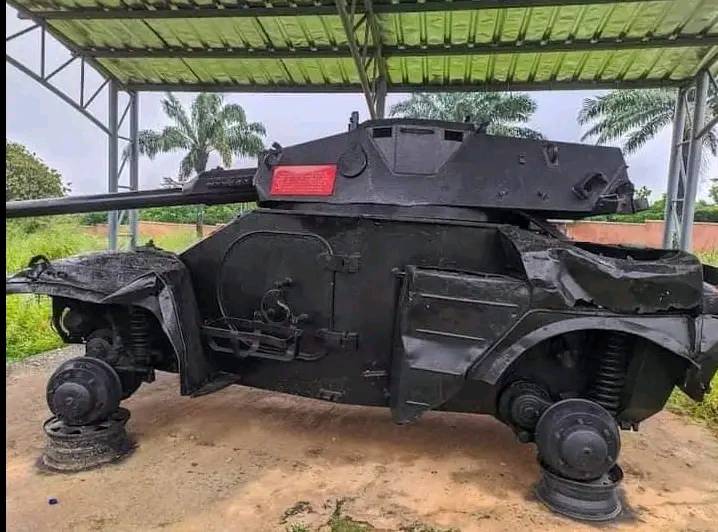
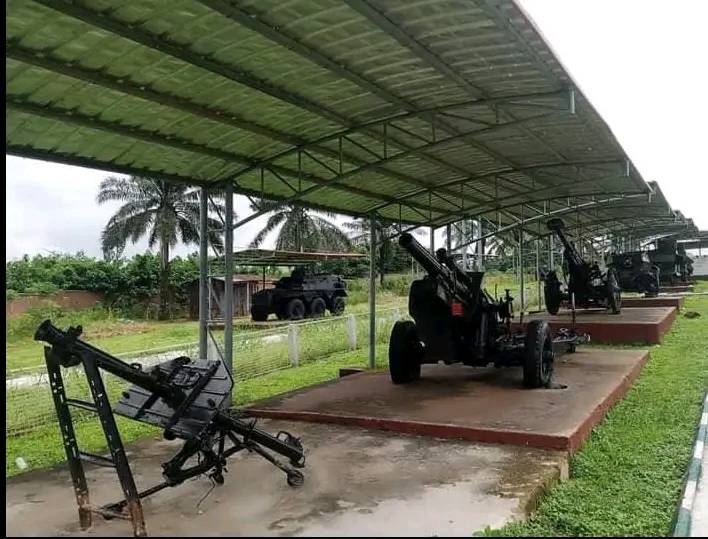
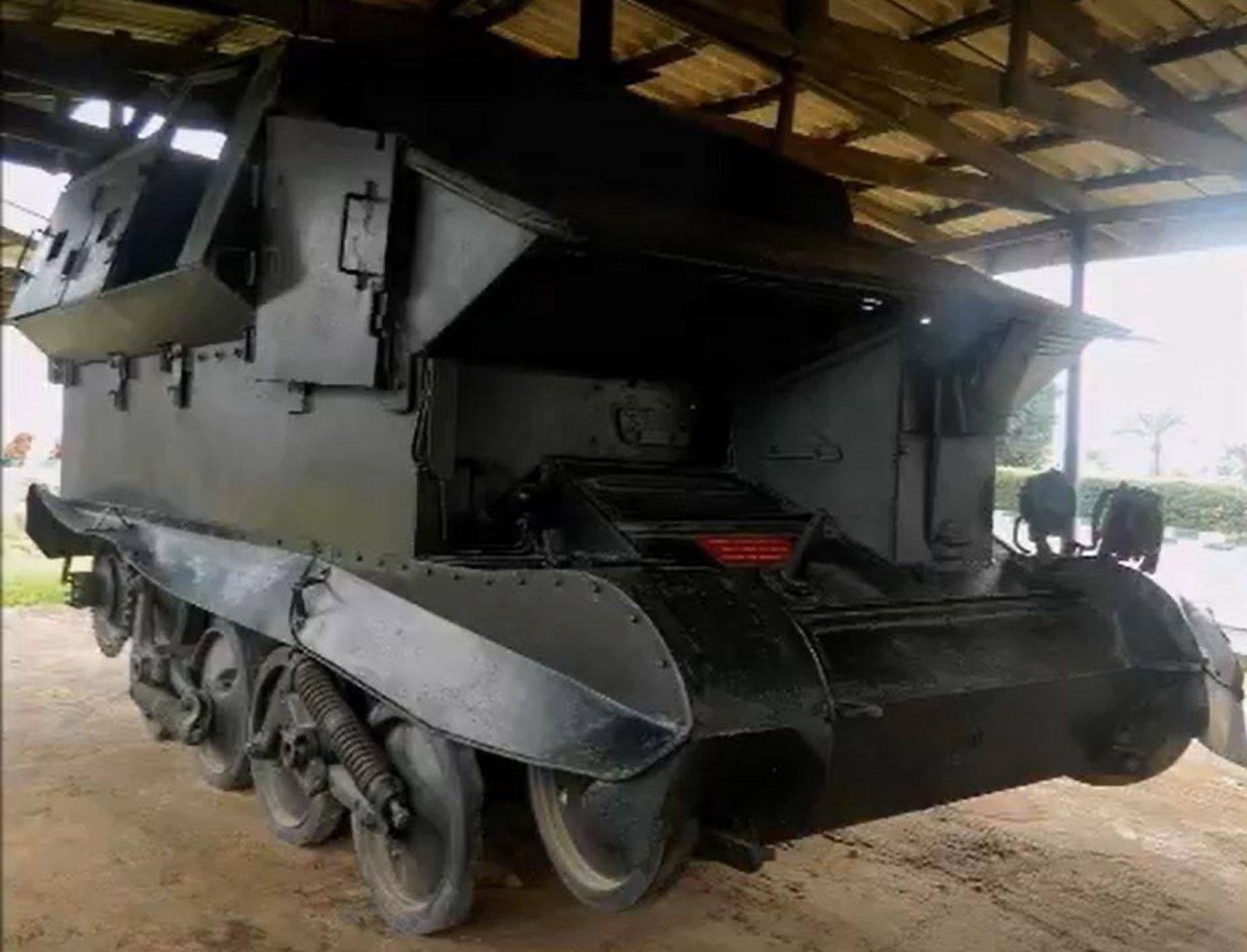
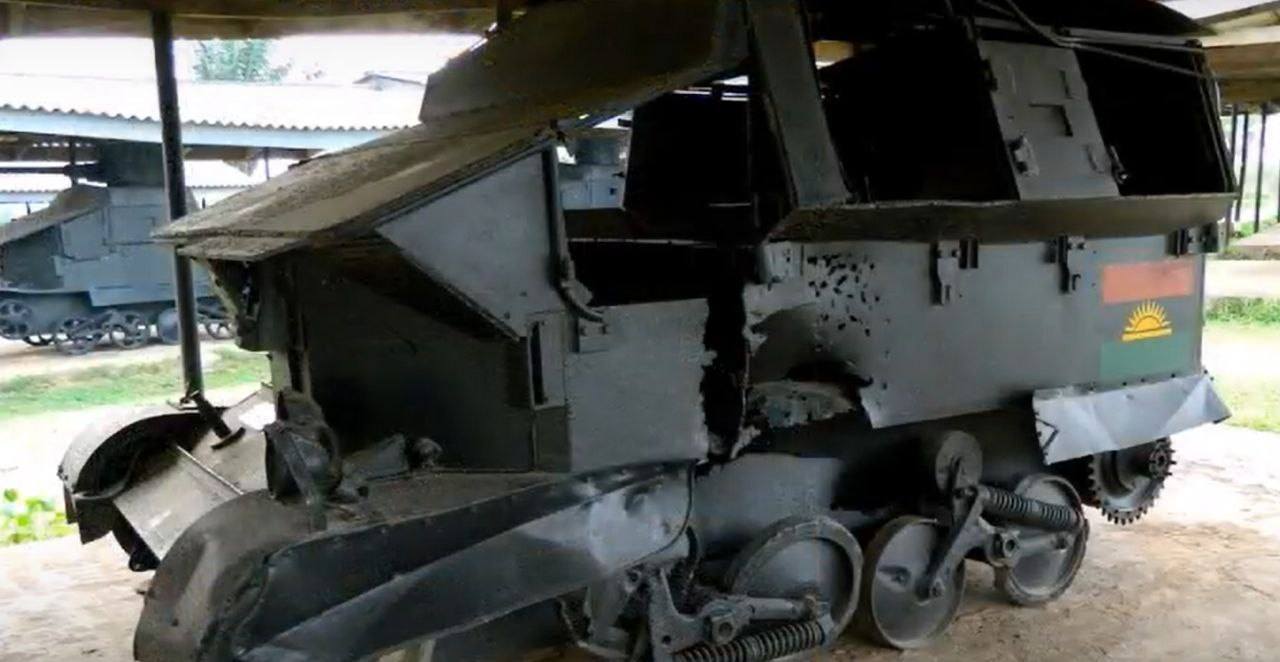
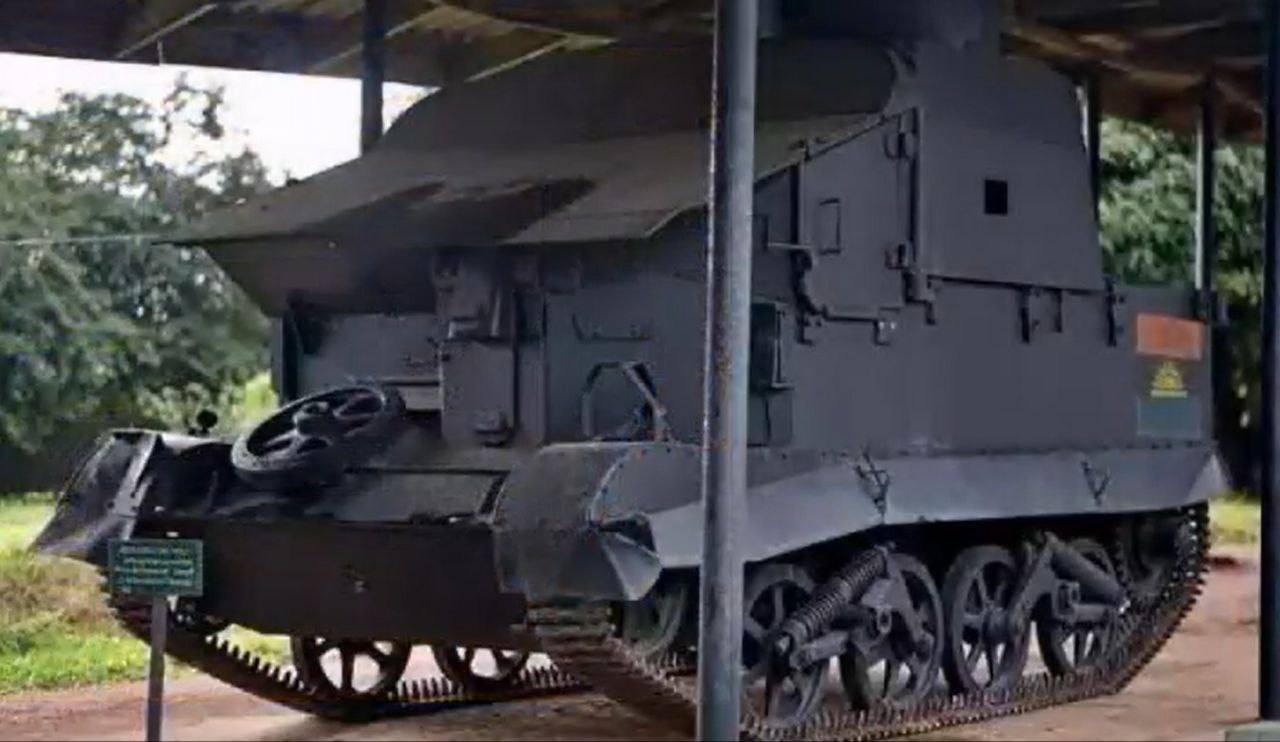
Displayed at the National War Museum in Umuahia, Abia State, this armoured vehicle stands as a striking material reminder of the technological improvisation that characterised the Biafran side during the Nigerian Civil War (1967–1970). The vehicle is commonly identified as an up-armoured T16 Universal Carrier, adapted and deployed by Biafran forces in the face of severe resource constraints.
The Nigerian Civil War in Context
The Nigerian Civil War, often called the Biafran War, erupted in July 1967 following the secession of the Eastern Region of Nigeria as the Republic of Biafra under the leadership of Lt. Col. Chukwuemeka Odumegwu Ojukwu. The conflict was rooted in a complex mix of political instability, ethnic tensions, economic disputes, and the fallout from the 1966 military coups.
The federal government imposed a land, sea, and air blockade on Biafra, drastically limiting access to weapons, fuel, spare parts, and food. This blockade forced Biafran engineers, mechanics, and technicians to rely heavily on local innovation and adaptation to sustain their war effort.
The Up-Armoured Universal Carrier
The vehicle shown in the museum is believed to be based on the T16 Universal Carrier, a light tracked armoured vehicle originally designed during the Second World War. Universal Carriers were widely used by Allied forces and were present in Nigeria during the colonial era.
During the war, Biafran forces modified available carriers by:
Reinforcing them with improvised armour plating
Adapting engines and mechanical components using locally available materials
Reconfiguring them for reconnaissance, troop movement, or limited combat roles
Although such vehicles could not match the firepower or durability of modern armoured tanks, they represented a pragmatic response to isolation, allowing Biafra to maintain some level of mechanised capability.
Ingenuity Under Pressure
The armoured carrier exemplifies what many historians describe as Biafran wartime ingenuity. Alongside makeshift armoured vehicles, Biafra also produced:
Locally assembled rockets and mortars (such as the Ogbunigwe)
Modified civilian vehicles for military use
Small-scale refineries and workshops to support logistics
These efforts were driven by necessity rather than abundance, highlighting the role of technical skill and improvisation in asymmetric warfare.
Human Cost and Global Attention
The war resulted in devastating human losses. Scholarly estimates suggest around 100,000 military deaths, while civilian deaths range from approximately 500,000 to over 2 million, largely due to famine and disease exacerbated by the blockade. These figures vary widely among historians and humanitarian organisations, reflecting the difficulty of precise wartime accounting.
Notably, the Nigerian Civil War was among the first conflicts to receive extensive global television coverage. Images of starving Biafran children broadcast internationally shaped global humanitarian awareness and influenced the development of modern relief organisations.
Preservation and Historical Memory
Today, the presence of this armoured vehicle at the National War Museum, Umuahia serves an educational purpose rather than a celebratory one. It invites reflection on:
The realities of civil conflict
The limits and possibilities of local technological innovation
The enduring human and social consequences of war
As an artefact, it underscores how material culture can help future generations understand both the creativity and tragedy that emerge under extreme historical conditions.
Sources
National War Museum, Umuahia (museum displays and archival descriptions)
Nigerianland, Nigeria History Makers – Pictures
Falola, T. & Heaton, M., A History of Nigeria (Cambridge University Press)


FOLLOW US ON:


