News
PHOTOS: Will Nigerians Welcome Robots Delivering Their Food?

In some parts of the world, food delivery robots have already become a reality, using cameras, sensors and navigation technology to transport meals from restaurants to customers, potentially reducing delivery costs and easing the pressure on human couriers.
In Nigeria, however, the idea raises interesting questions. Could robots navigate busy Lagos roads, uneven pavements, heavy rain and the unpredictable traffic that often delays deliveries? Would customers trust a machine to handle their food safely?
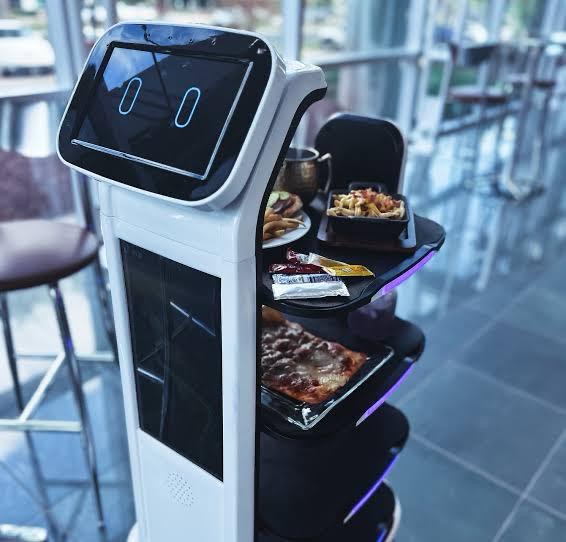
Photo Credit: WGXA

Journalist Christie Doyin says she would welcome robotic food delivery because she feels safer trusting a machine than an unfamiliar person, except when it comes to her own children.
“I’ll feel more food secured than when an unknown human has to deliver it. I’ll prefer it if it’s any of my children since I feel safer with them,” she said.
However, not everyone is comfortable with the technology. Businessman Victor Kato questions whether these machines can be as reliable as humans. “I will not use the service of robot here in Nigeria because I don’t think robot will be as reliable as real humans,” he said.
And what would become of the thousands of dispatch riders who depend on delivery jobs for their livelihoods?
Some delivery riders in Nigeria have complained about poor road conditions and the risks they face when delivering to dangerous areas. In a first-person account published by TechCabal, Abuja-based delivery rider Christian Ogbu recounted how riders working for some delivery franchises could face penalties for refusing deliveries to unsafe locations. However, delivery companies also provide a means of livelihood for many riders, which the widespread adoption of robot delivery systems could threaten.
Meanwhile, a report published on TechRadar.com says Deliveroo’s plans to introduce robot deliveries in the United Kingdom have drawn criticism from the GMB trade union, which represents human couriers. The union described the trials as “disappointing” and criticised the company for failing to consult workers about the plans.
GMB organiser Claude Bahati said, “Innovation should not come at the expense of real people, and these developments must always be negotiated with workers.”
There is also the question of affordability. Restaurants would need to justify the cost of acquiring and maintaining the technology, while customers would expect faster service without paying significantly more.
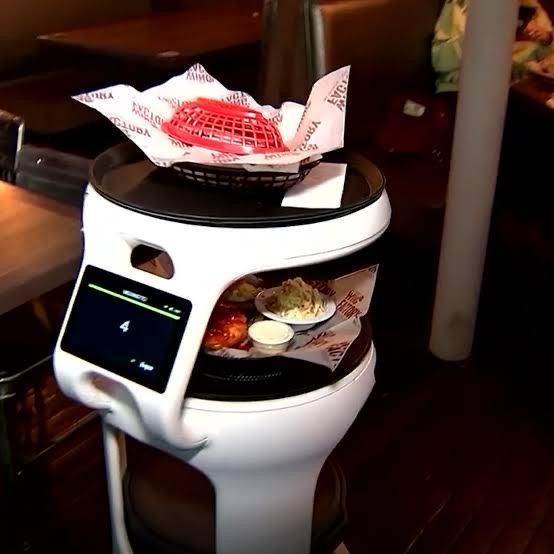
Photo Credit: Prospera Robotics

CEO of Payfair Corporate Services Limited, Bob Ugochukwu Ani, who works in the food sector, says he would consider robotic delivery for his customers but would not invest in technology simply because it is innovative.
“In Nigeria, the investment must be justified by its ability to reduce delivery costs, improve customer experience, and generate sustainable returns,” he explained.
“I would start with a pilot in a controlled environment, measure the results, and scale up only when the numbers make commercial sense,” Ani remarked.
Still, robots could find a place in controlled environments such as shopping malls, hotels, university campuses and gated estates, where routes are easier to manage.
For now, Nigeria’s food delivery future may depend less on whether the technology exists and more on whether it can work reliably, affordably and safely in the country’s unique environment.
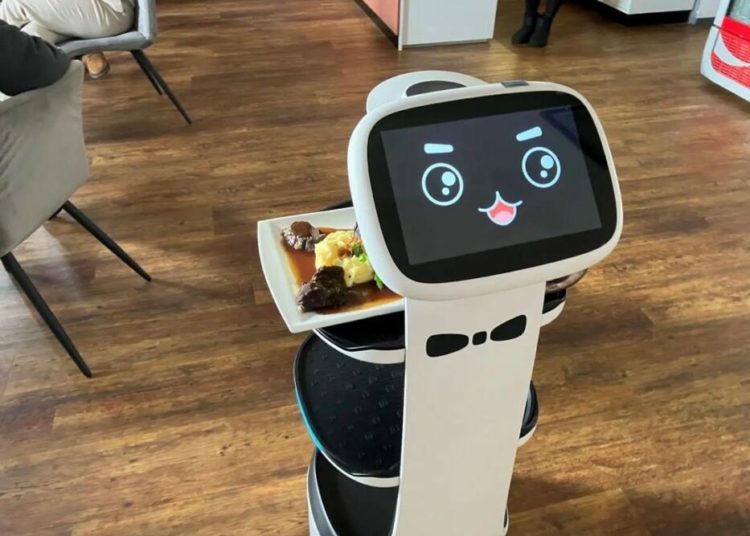

Would you collect your next meal from a robot?
FOLLOW US ON:


