Connect with us

Business

Ending over-the-counter antibiotics sales to tackle antimicrobial resistance

Published

on

As World Antimicrobial Resistance Awareness Week takes place from November 18–24, 2025, under the global theme “Act Now: Protect Our Present, Secure Our Future”, Nigeria finds itself at a critical turning point. Antimicrobial resistance is no longer a distant threat; it is already a daily reality, undermining our healthcare system and threatening countless lives.

Nigeria bears a heavy burden: more than 260,000 deaths in 2019 were linked to AMR, and the problem persists amid soaring rates of sepsis, especially in infants and underserved communities. One of the most dangerous drivers of AMR in Nigeria is the widespread, unregulated over-the-counter sale of antibiotics.

From pharmacies and chemist shops to informal markets, people can easily purchase powerful antibiotics, such as amoxicillin, ciprofloxacin, tetracycline, and metronidazole, without prescriptions or any medical oversight. Despite the National Agency for Food and Drug Administration and Control classifying antibiotics as prescription-only medications, enforcement remains minimal, creating a gap between policy and practice that allows resistant pathogens to thrive.

This access fuels rampant misuse. Nigerians self-medicate for malaria, coughs, diarrhoea, or vague “body pains”, often stopping antibiotic courses after just two or three tablets. This behaviour leads to sub-therapeutic exposure, allowing bacteria to adapt and become resistant. Compounding the problem is the proliferation of counterfeit and substandard drugs in informal markets, along with economic barriers that make clinic visits more expensive than a quick trip to a chemist. In addition, there is a lack of public awareness. Many still believe antibiotics are universal “cure-all” medicines rather than targeted treatments, and the result is a perfect storm for resistance to spread. The consequences are already severe. Hospitals report resistance rates of 67.8 per cent for methicillin-resistant Staphylococcus aureus and 28.6 per cent for carbapenem-resistant Enterobacterales, far exceeding global averages. An estimated 60,000 Nigerians die annually from AMR-related infections, a toll that persists year after year, draining our fragile healthcare system and threatening to reverse decades of progress in public health.

See also  Oil nears $110 as Trump threatens strike in Iran

NAFDAC’s efforts deserve recognition. The agency has conducted increased market surveillance, issued public alerts about dangerous or substandard drugs, and cracked down on open drug markets in cities like Lagos, Kano, and Onitsha. Yet the persistence of over-the-counter antibiotic sales highlights a clear enforcement gap.

For real change, these efforts must evolve from one-off actions into a long-term, integrated strategy. To close this gap, Nigeria needs a bold, scalable reform initiative. First, NAFDAC should launch a national “Prescribe to Protect” campaign during AMR Week, focusing on high-risk antibiotics like amoxicillin, ciprofloxacin, and azithromycin. This campaign should include a simple digital platform that enables pharmacists and medicine vendors to verify prescriptions in real-time, helping to curb irrational sales while tracking antibiotic distribution trends. Building on that, renewal of pharmacy and patent medicine shop licenses should be tied to compliance with prescription-only rules, with regular audits, spot checks, and tiered penalties, including fines or temporary suspensions, for violators. On the flip side, vendors who comply should be rewarded with priority access to verified supplies and reduced renewal costs. Furthermore, NAFDAC should partner with the Pharmacists Council of Nigeria, the Association of Community Pharmacists, the Nigerian Association of Patent and Proprietary Medicine Dealers, and local authorities to deploy community-based enforcement teams. These units can educate, monitor, report violations, and help vendors transition away from risky practices. Antibiotic cartons and blister packs should carry prominent “prescription-only” warnings to empower consumers and discourage illegal sales.

Equally important is public education. Radio messages in local languages, market-day outreach, and social media campaigns must emphasise that antibiotics do not treat infections like malaria or the common cold. Finally, NAFDAC must accelerate efforts to formalise drug distribution, retrain patent and proprietary medicine vendors, establish regulated zonal pharmacies, and phase out open-market sales. By shifting antibiotic access to regulated outlets, we reduce the flow of unregulated products and limit opportunities for misuse. AMR is not waiting for us to catch up, but with decisive steps, digital verification, enforcement incentives, public engagement, and market reform, I believe Nigeria can turn the tide. The future of our antibiotics and our health depends on bold action now.

Continue Reading
Click to comment

Leave a Reply

Your email address will not be published. Required fields are marked *

Business

11 firms spend N842bn on energy due to power crisis, read details

Published

on

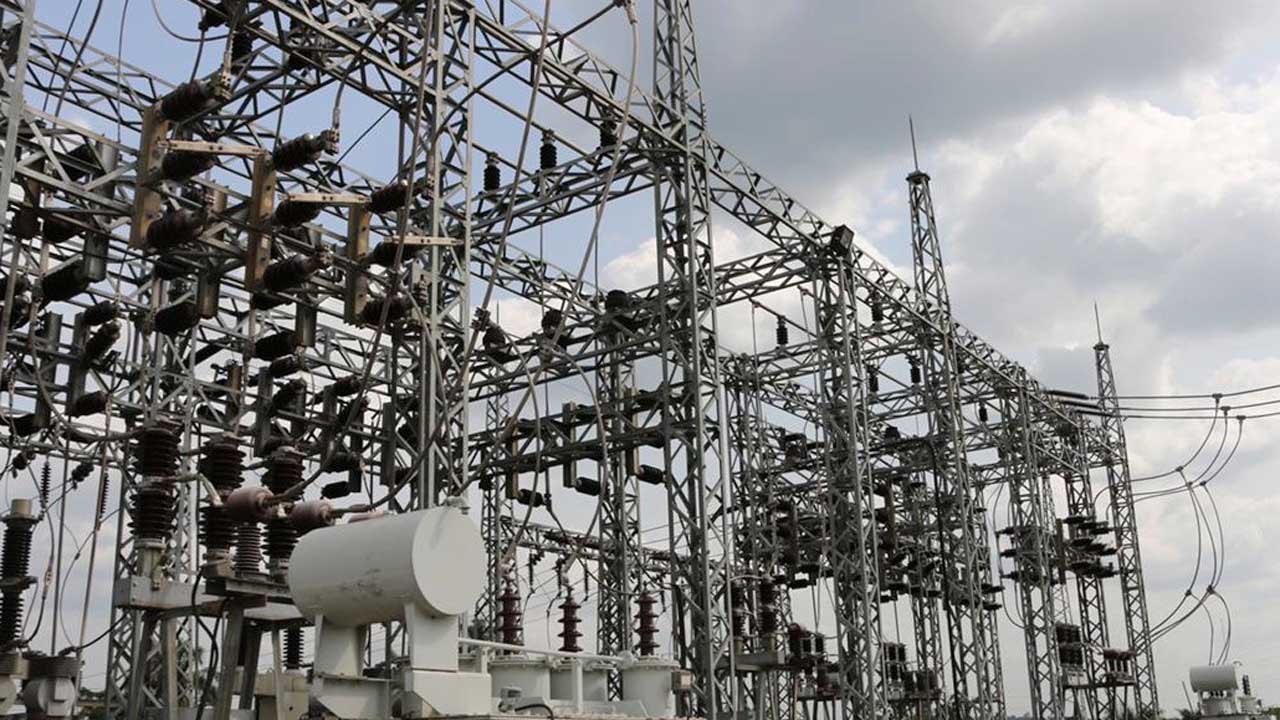
Eleven manufacturing firms listed on the Nigerian Exchange spent about N841.99bn on energy in the first nine months of 2026, up 7.4 per cent from N784.08bn in the corresponding period of 2025. This indicates energy cost challenges that have prevailed in the productive sector, leading manufacturers to decry the crisis.

The PUNCH analysed the companies’ unaudited financial statements for the period ended September 30, 2026, covering electricity, power, diesel, fuel, petrol, gas and energy lines in the firms’ factory and administrative costs.

Cement producers took most of the spending. Dangote Cement and BUA Cement together spent N797.44bn, or 94.7 per cent of the total, compared with N747.33bn a year earlier.

BUA Cement posted the biggest naira increase. Its energy bill rose by N38.59bn, or 21.6 per cent, to N216.95bn from N178.36bn. Its cost of sales took N216.62bn of that. The company also spent N329.58m on energy in administration, 161 per cent more than the N126.28m it spent in 2025.

Dangote Cement’s group fuel and power cost rose by two per cent to N580.49bn from N568.97bn.

Outside cement, the pressure was sharper. The other nine firms spent N44.55bn on energy, up 21.2 per cent from N36.75bn.

UAC of Nigeria recorded the steepest rise in percentage terms. Its electricity and power cost jumped 172.1 per cent to N13.24bn from N4.87bn.

BUA Foods spent 32.8 per cent more on diesel, fuel and electricity, at N938.98m against N707.13m. Meyer’s fuel and lubricants bill rose 23.8 per cent to N19.99m from N16.15m.

See also  TCN refutes Kaduna Electric’s claim on Jos power supply

Dangote Sugar Refinery’s petrol and oil cost climbed 22.3 per cent to N317.50m from N259.71m, while Champion Breweries’ energy and water cost rose 20.8 per cent to N2.54bn from N2.11bn.

NASCON Allied Industries’ petrol and oil spending edged up two per cent to N94.13m from N92.24m.

Three firms cut or held their energy spending. Beta Glass reduced its fuel, gas and electricity cost by 5.3 per cent to N23.22bn from N24.52bn.

Fidson Healthcare’s energy spending was flat at N4.18bn against N4.19bn. Its factory energy cost fell two per cent to N3.92bn, but its administrative diesel and fuel bill rose 37.4 per cent to N264.55m. MeCure Industries’ gas factory expense fell to N203,000 from N277,000.

Triple Gee and Company spent N62.03m on electricity and power in its period ended 30 September, 2026, up 60.4 per cent from N38.68m a year earlier. The firm’s financial year ended in March, so its figures are not comparable with the nine-month data and are excluded from the totals above. However, the spending still constitutes an energy cost.

The data matches manufacturers’ complaints that they bear the burden of unreliable grid supply.

The Director-General of the Manufacturers Association of Nigeria, Segun Ajayi-Kadir, said members’ spending on self-generated power rose every year from 2023 to 2025, despite the introduction of the Band A tariff category.

Ajayi-Kadir said MAN members spent less than N800bn on generating their own power in 2023. He said the figure rose to N1.1trn in 2024, when Band A took effect, and to N1.35trn in 2025.

He spoke recently as a panellist at the FATE Institute’s 12th Policy Dialogue Series on Leadership.

See also  Toyota hikes profit, sales forecasts despite US tariff impact

“So you can see progressively, Band A has not helped,” Ajayi-Kadir said.

He said manufacturers care less about the source of their power than about its terms. “To a manufacturer, it is irrelevant what kind of source of energy you are getting basically – either from the national grid or from gas or any other means. What is important is how reliable it is. Is it predictable?” Ajayi-Kadir remarked.

Source: punchng.com

FOLLOW US ON:

FACEBOOK

WHATSAPP CHANNEL

TWITTER

PINTEREST

TIKTOK

YOUTUBE

LINKEDIN

INSTAGRAM

Continue Reading

Business

FAAN reopens Owerri airport for flight operations, read details

Published

on

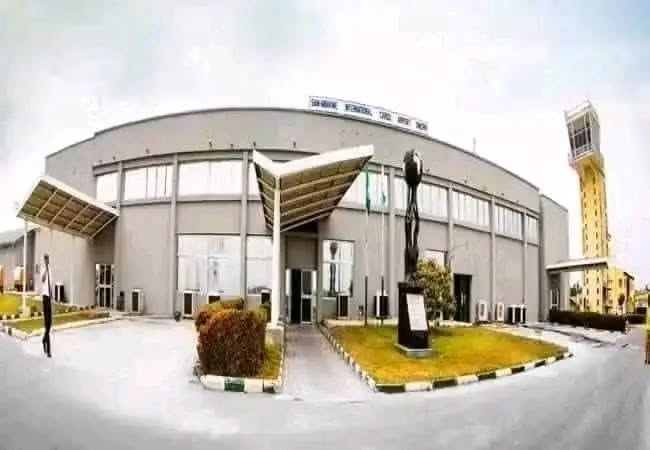
The Federal Airports Authority of Nigeria has reopened the Sam Mbakwe International Cargo Airport, Owerri, Imo State, for flight operations following the successful completion of runway rehabilitation works.

FAAN announced the reopening in a statement signed by its Director of Public Affairs and Consumer Protection, Henry Agbebire, and posted on its official X handle on Wednesday.

FAAN stated that the airport resumed operations on Wednesday, November 25, 2026, following approval by the Nigerian Civil Aviation Authority after post-rehabilitation technical assessments and inspections.

The runway was temporarily closed on October 20, 2026, to allow for rehabilitation works aimed at improving its condition, enhancing operational efficiency and ensuring compliance with aviation safety standards.

FAAN said, “Following post-rehabilitation technical assessments and inspections, the NCAA approved the reopening of Runway 17, subject to specified operational conditions.”

The authority also acknowledged the contributions of Imo State Governor, Hope Uzodimma, and the state government, particularly in extending the runway from 2,700 metres to 3,200 metres.

According to FAAN, the intervention underscores the importance of federal-state collaboration in advancing aviation infrastructure, improving air connectivity and stimulating regional economic development.

However, the authority said the initial resumption of flight operations would be limited to daytime services under Visual Flight Rules.

It added that night operations and other applicable instrument flight operations would commence after the completion and verification of outstanding runway lighting installations.

“Appropriate safety measures will remain in place around areas where associated works are ongoing, in line with NCAA requirements,” the statement added.

See also  Blackouts cost Nigeria N40tn yearly – Report

FAAN also thanked airlines, passengers, host communities and other stakeholders for their patience and cooperation during the temporary closure.

The authority reaffirmed its commitment to providing safe, secure and efficient airport infrastructure in accordance with national and international aviation standards.

Continue Reading

Business

NGF distances self from $100m Paris Club refund dispute, read details

Published

on

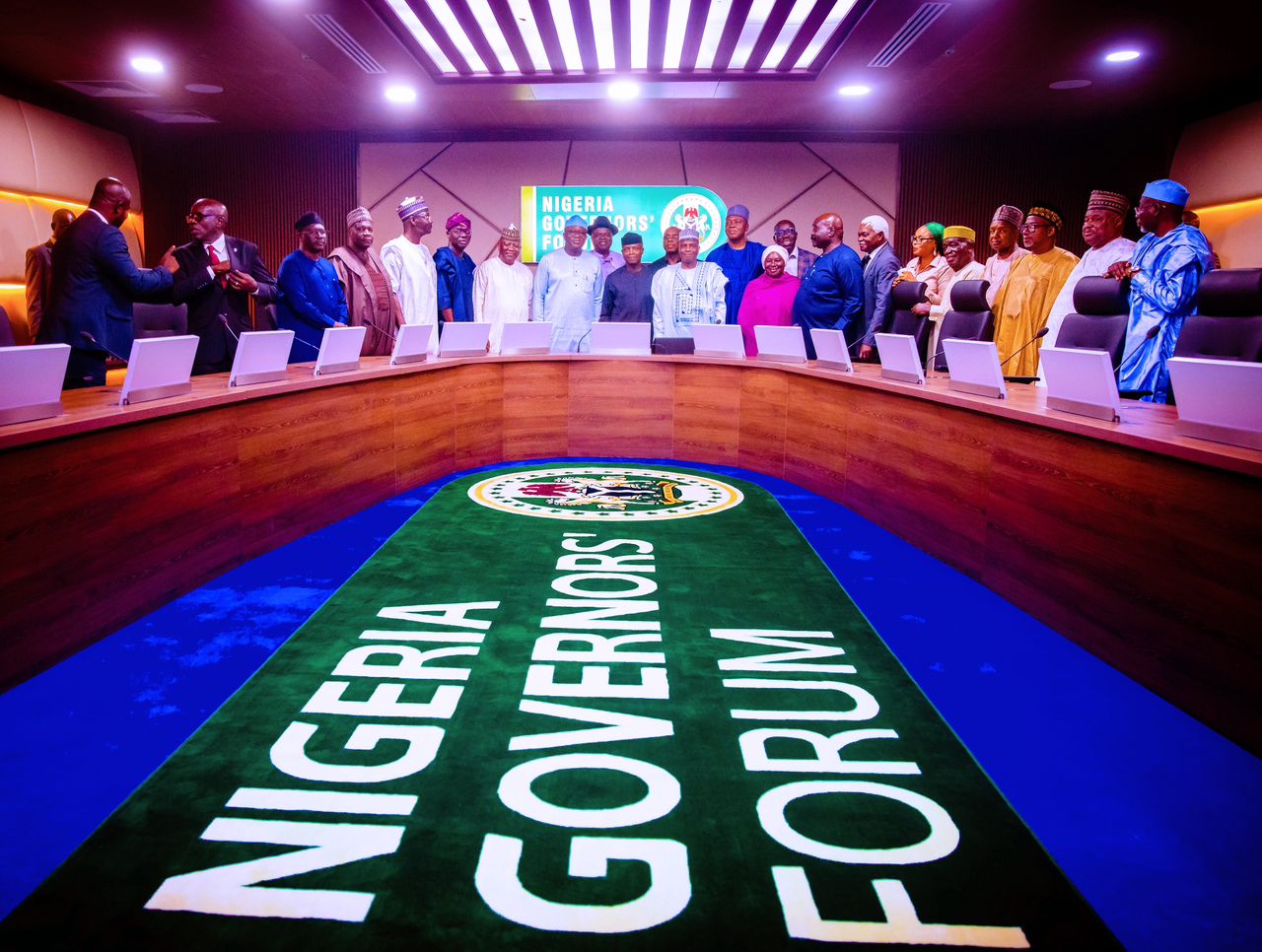
The Nigeria Governors’ Forum has distanced itself from the ongoing Paris Club refund suit, insisting that it was not involved in the transaction between the plaintiff, Dr Ted Iseghohi-Edwards, and the Association of Local Governments of Nigeria.

In a statement issued on Wednesday and signed by its Director of Media and Strategic Communications, Yunusa Abdullahi, the NGF said it neither participated in the transaction nor held any of the funds allegedly involved.

The development followed an interim order issued by the High Court of the Federal Capital Territory, Abuja, directing the freezing of $100m (about N135.58bn) allegedly held by the NGF over a dispute involving the Paris Club refunds and outstanding legal and consultancy fees.

Justice O.C. Agbaza granted the Mareva injunction on November 19, following an ex parte application filed by Iseghohi-Edwards against the Incorporated Trustees of the NGF and 29 commercial banks.

According to the Certified True Copy of the order obtained by The PUNCH on Tuesday, Iseghohi-Edwards is seeking to recover the money based on an alleged indemnity issued by the NGF on December 20, 2018.

The arrangement reportedly involved the Federal Government paying $100m to the forum as a stakeholder pending the determination of its liability for professional fees.

Reacting, the forum said the dispute originated from events in 2016, adding that its legal team was reviewing the court documents and would take appropriate steps in response.

The statement read, “The Nigeria Governors’ Forum is aware of recent media reports regarding the November 19, 2026 interim order, obtained ex parte, issued by the High Court of the Federal Capital Territory, Abuja, in the Paris Club refund suit filed by Dr Ted Iseghohi-Edwards over events that happened in 2016.

See also  FG to give Nigerian shipowners $25m each under new shipping fund

“Please note that this issue emanated from allegations of transactions between the plaintiff and the Association of Local Governments of Nigeria. The Nigeria Governors’ Forum had no hand in that transaction and did not engage any party thereto, nor did it hold any such monies in its custody at any time.

“Meanwhile, the NGF’s legal team is currently reviewing the court processes and will respond accordingly.

“The forum reiterates its unwavering commitment to the rule of law, transparency and accountability.”

Source: punchng.com

FOLLOW US ON:

FACEBOOK

WHATSAPP CHANNEL

TWITTER

PINTEREST

TIKTOK

YOUTUBE

LINKEDIN

INSTAGRAM

Continue Reading

Trending