Connect with us

News

Oyo allied health workers suspend strike, resume Monday

Published

on

The Nigerian Union of Allied Health Professionals, Oyo State Hospital Management Board (OYSHMB) chapter, has suspended its ongoing industrial action for two weeks.

The suspension takes effect from 11:59 p.m. on November 22, while work resumes on the morning of November 23, according to NAN on Saturday.

The News Agency of Nigeria recalls that the allied health professionals embarked on an indefinite strike on October 28.

Among the union’s demands are the “payment of teaching allowance to members, implementation of skipping of CONHESS 10 as applicable to GL 11, and restoration of call duty allowance for dental therapists.”

Others include the “promotion of some Medical Laboratory Scientists and Radiographers who were denied promotion, and implementation of ward coat/lab coat allowance for members.”

The demands also include a review of the operational guidelines to accommodate members in management and other major committees in government hospitals across the state.

The decision was contained in an official communique issued after a meeting held on Thursday between the executive members of NUAHP OYSHMB and representatives of the Oyo State Government.

The communique, signed by the NUAHP OYSHMB Chairman, Olanrewaju Ajani; the General Secretary, Kayode Oyediran; and the Public Relations Officer, Olatunde Fatola, was made available to NAN on Saturday in Ibadan.

According to the communique, government representatives at the meeting included the Head of Service, the Commissioner for Establishment and Training, permanent secretaries, and representatives of OYSHMB and the State Ministry of Health (SMOH).

The union said government representatives appealed for the suspension of the ongoing industrial action, assuring it of concrete steps towards addressing its grievances and demands.

See also  Police back down on tinted glass enforcement

It said that, “after due consultation, deliberation and consideration of the government’s appeal, the union resolved to suspend the ongoing strike for an initial period of two weeks.”

The union said the” period would serve as an opportunity for the government to demonstrate its commitment through tangible actions towards resolving the issues raised.”

It added that, at the expiration of the two-week period, it would review the level of implementation and determine its next line of action.

(NAN)

Source: punchng.com

FOLLOW US ON:

FACEBOOK

WHATSAPP CHANNEL

TWITTER

PINTEREST

TIKTOK

YOUTUBE

LINKEDIN

INSTAGRAM

Continue Reading
Click to comment

Leave a Reply

Your email address will not be published. Required fields are marked *

News

AI-generated fake content threatens national security – Ex-FPRO reveals

Published

on

A former Force Public Relations Officer, Olumuyiwa Adejobi, has warned that the misuse of artificial intelligence and social media to spread fake news poses a growing threat to Nigeria’s national security.

Adejobi, a Deputy Commissioner of Police in charge of Operations at the Delta State Police Command, said fabricated images, videos, audio recordings and narratives could mislead the public, provoke hostility, incite violence and undermine confidence in public institutions.

He gave the warning in a statement titled, “The Palongo Dance of Social Media Palava,” issued in Lagos on Saturday, urging Nigerians to exercise caution and communicate responsibly on digital platforms.

The former police spokesperson expressed concern about the growing ability of artificial intelligence to make people appear to have said or done things they never did.

According to him, such fabricated content could have serious consequences for public safety and national security.

“Fabricated content can provoke hostility, incite violence, create panic and undermine public confidence in institutions,” he said.

Adejobi also blamed the monetisation of social media for encouraging some content creators to prioritise views, engagement and financial rewards over accuracy and responsibility.

He said some influencers resorted to sensational headlines, unverified allegations and provocative publications without considering the consequences for individuals, institutions and the country.

“Freedom of expression must be exercised responsibly and should not be used to fabricate information, destroy reputations, incite violence or deliberately mislead the public,” he said.

He urged Nigerians to verify information before believing, sharing or reposting it, describing fact-checking as a civic responsibility in the digital age.

See also  NIMC gives diaspora partners 48 hours to activate upgraded licences

Adejobi commended the Inspector-General of Police, Olatunji Disu, for recently urging the public to remain vigilant against fake news and irresponsible information dissemination.

He also acknowledged the efforts of former Minister of Information and National Orientation, Lai Mohammed, and the incumbent minister, Mohammed Idris, in drawing attention to the dangers of misinformation and disinformation.

The former police spokesman called for sustained public enlightenment, strategic communication, institutional collaboration and appropriate regulatory measures to address the problem.

He, however, warned against allowing regulation to undermine constitutionally guaranteed freedoms, stressing that legitimate criticism and dissent must be distinguished from deliberate fabrication, impersonation and incitement.

Adejobi advocated a whole-of-society approach involving government institutions, security agencies, media organisations, technology companies, professional bodies, traditional and religious leaders, civil society groups and citizens.

Recalling his personal experience with misinformation and social media manipulation, he said false narratives could cause emotional and reputational damage that might take years to repair.

He warned that fabricated stories could be created within seconds, while the damage they caused could persist for years.

Adejobi urged Nigerians to promote digital literacy, ethical journalism, responsible content creation, fact-checking and constructive public engagement.

He said social media should serve as a platform for enlightenment, innovation, accountability, economic advancement and national development rather than hatred, hostility and destruction.

He also appealed to Nigerians not to “dance Palongo”, a Yoruba expression he said his grandmother used to describe an irregular and disorderly dance.

He urged citizens to reject digital recklessness and embrace truth, responsibility, civility and patriotism.

“Protect the country’s collective destiny from misinformation and manipulation. Nigeria is bigger than our individual interests, political affiliations, personal grievances and social media engagements,” he said.

See also  Ododo introduces regulated hours for social, religious gatherings in Kogi state due to insecurity

NAN

Source: punchng.com

FOLLOW US ON:

FACEBOOK

WHATSAPP CHANNEL

TWITTER

PINTEREST

TIKTOK

YOUTUBE

LINKEDIN

INSTAGRAM

Continue Reading

News

Lagos urges banks, eateries to open toilets to public due to high rates of open defecation, read details

Published

on

The Lagos State Government has urged banks, eateries and filling stations to make their toilet facilities accessible to members of the public as part of efforts to improve access to safe and hygienic sanitation across the state.

The Special Adviser to the Governor on Environment, Olakunle Rotimi-Akodu, made the appeal at the 2026 World Toilet Day celebration held at ASSBIFI House, Alausa.

The Director of Public Affairs, Ministry of the Environment and Water Resources, Kunle Adeshina, disclosed this in a statement on Saturday.

“He specifically encouraged commercial establishments, including banks, eateries and filling stations, to make their restroom facilities accessible to members of the public, noting that such partnerships would complement government efforts and expand access to decent toilet facilities in busy urban communities,” the statement read.

Speaking on the theme, ‘Sanitation and Gender Equality,’ Rotimi-Akodu said access to safe and hygienic toilets was not merely an infrastructure or environmental issue but a fundamental component of human dignity, personal security and social inclusion.

He noted that inadequate sanitation disproportionately affected women and girls, exposing them to insecurity, harassment and challenges associated with menstrual hygiene management.

The special adviser said the absence of safe, private and hygienic toilets in schools, workplaces, markets, transport terminals and healthcare facilities could undermine women’s confidence, school attendance, economic productivity and general well-being.

“Genuine gender equality cannot be achieved without addressing the structural inequalities that limit access to adequate sanitation,” he said.

Rotimi-Akodu disclosed that Lagos had more than 1,769 functional public toilet facilities, while the state government was constructing 200 public toilets and 80 bathrooms, alongside 100 urinals and 160 handwashing basins across its five divisions.

See also  Egbin shutdown, grid fault paralyse Lagos power supply

He said the facilities formed part of the government’s roadmap towards achieving an Open Defecation-Free Lagos.

The special adviser stressed that public toilets must meet standards of safety, accessibility, privacy, cleanliness and gender responsiveness, with special consideration for women, children, older persons and people living with disabilities.

Source: punchng.com

FOLLOW US ON:

FACEBOOK

WHATSAPP CHANNEL

TWITTER

PINTEREST

TIKTOK

YOUTUBE

LINKEDIN

INSTAGRAM

Continue Reading

News

Kogi extends retirement age for health workers to 65

Published

on

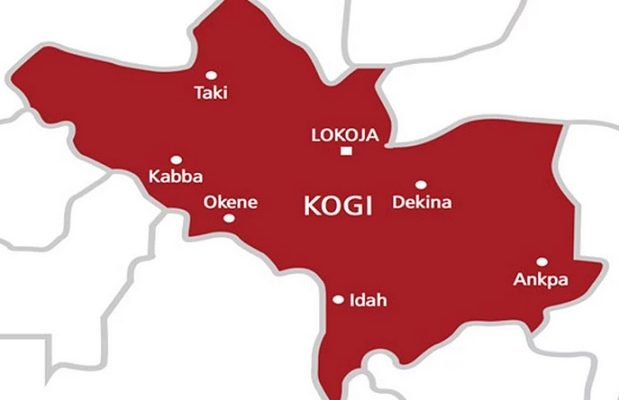
The Kogi State Government has approved an extension of the retirement age for eligible skilled clinical health professionals in state-owned health institutions from 60 to 65 years, or from 35 to 40 years of service, whichever comes first.

A statement issued on Saturday by the state Commissioner for Information, Kingsley Fanwo, said the approval was granted by the state Governor, Alhaji Ahmed Usman Ododo, as part of his administration’s deliberate efforts to improve the welfare of healthcare personnel, retain experienced professionals and ensure that the state continues to benefit from the expertise of skilled health workers while they are still active and capable of contributing meaningfully to healthcare delivery.

The commissioner said, “The decision reflects Governor Ododo’s recognition of the invaluable contributions of healthcare professionals to the well-being of citizens and the need to create an enabling environment that encourages them to remain in service and give their best.”

Fanwo disclosed that the governor conveyed the approval through the Office of the Head of Service for formal communication and implementation across the affected health institutions.

The State Head of Service, Hajiya Falilat Yusuf Musa, Esq., applauded the governor for the approval, describing it as a progressive workforce policy that recognises the value of experience, professional competence and the need to sustain critical manpower in the state’s healthcare system.

She said, “This is a commendable decision by His Excellency, Governor Ahmed Usman Ododo. It demonstrates his sensitivity to the needs of our healthcare professionals and his appreciation of the enormous contributions they make to the well-being of our people. Retaining experienced and competent personnel for longer years will strengthen our institutions, improve mentorship and ensure continuity in the delivery of essential services.”

According to the approved guidelines, the new retirement age applies to eligible skilled clinical health professionals in state-owned tertiary hospitals, general hospitals, cottage and comprehensive hospitals, primary healthcare centres and clinics.

See also  Kebbi schoolgirls’ abduction: DHQ summons, grills soldiers in Abuja

The State Commissioner for Health, Dr Abdulazeez Adams Adeiza, also commended the governor for the approval, describing it as a timely intervention that would boost morale among health professionals and further strengthen the state’s capacity to deliver quality healthcare.

He said, “This approval is a major boost to the health sector in Kogi State. Experienced clinical professionals remain invaluable to our healthcare system, particularly in mentoring younger practitioners, handling complex cases and sustaining quality service. Governor Ododo has demonstrated a clear understanding of the importance of keeping our skilled health personnel in service while they remain physically fit, professionally competent and productive.”

The policy is expected to strengthen the state’s healthcare workforce by retaining experienced personnel, promoting continuity in service delivery and allowing younger health professionals to benefit from the wealth of knowledge and practical experience accumulated by senior colleagues.

The Commissioner for Health said the development was consistent with the Ododo administration’s commitment to improving healthcare infrastructure, personnel welfare and access to quality medical services across the state.

“The Ododo administration has continued to invest in healthcare development as part of its determination to build a responsive health system, improve citizens’ well-being and ensure that residents have access to quality and affordable medical services,” the commissioner noted.

Source: punchng.com

FOLLOW US ON:

FACEBOOK

WHATSAPP CHANNEL

TWITTER

PINTEREST

TIKTOK

YOUTUBE

LINKEDIN

INSTAGRAM

Continue Reading

Trending