



Connect with us

Education

Nigeria needs more libraries to revive reading culture – UNESCO

Published

on

The Secretary-General of the Nigeria National Commission for United Nations Educational, Scientific and Cultural Organization, UNESCO, Dr Olagunju Idowu, has said that more libraries are needed across the country to revive reading culture among Nigerians.

Olagunju, who spoke at the celebration of the designation of Abuja as a Creative City of Literature, noted that having more libraries will promote reading culture in the country.

Abuja, Nigeria’s capital city, was designated as a Creative City of Literature by UNESCO, becoming one of the literary capitals of the world. The launch of the designation took place on November 27, during which a certificate was formally presented to the city.

Speaking at the event, Olagunju said, “One of the things the government is doing is to ensure that the reading culture is brought back to life and that is why the government is collaborating with UNESCO by providing books in our libraries.

“Most of the primary and secondary schools in the country don’t have functional libraries. To maintain and sustain the reading culture, we can have reading clubs in our primary and secondary schools where books can be exchanged.

“There is a saying that if you want to hide anything from Africans, put it in a book but I don’t agree with this saying because there are people who still read. If you want to read, make sure you write, the more you read, the more informed and knowledgeable you will become.

“The government should promote reading culture through the Federal Ministry of Education. This should also be done in all the states and local governments through the departments and agencies managing education.

See also  Cross River shuts 36 illegal schools

“But I think it is equally important that as members of the society and even families, we should encourage one another to read. We don’t have to waste our spare time, we should use it to read.

“Parents should buy books for their children while they still very young; they should expose them to reading, with that, all of us will begin to promote reading culture. Once you start early to promote reading culture among the children, when they grow up, they will continue with it because it would have been part of them.

“With the designation of Abuja as City of Literature, it is an opportunity to harvest books. As you can see, people are already donating books and we will at this point encourage Nigerians to read a book per day. We want to make Abuja, an international hub for reading.

“We received the news of Abuja being designated as a City of Literature with joy, it’s something we’ve worked hard for, for seven years and now that we got it, it’s a feat to be celebrated and that’s why we are here today.”

The UNESCO Representative in Nigeria, Dr. Isaías Barreto da Rosa, congratulated Abuja for attaining the feat.

He said UNESCO will support Abuja with everything needed to sustain and maintain the designation as a City of Literature.

“I want to congratulate Nigeria and Abuja for being designated as a City of Literature. Abuja is now part of the network with its designation as a City of Literature. Abuja is a city that is working hard to promote literature and the designation is in recognition of its efforts and commitment to promote culture and literature.

See also  Sterling Bank unveils first 30 beneficiaries of N2bn scholarship

“Since Abuja has been designated as a literature city, we are ready to support in whatever way is needed to further promote culture and reading in Abuja,” he said.

The event was co-hosted by Professor Emmanuel Dandaura, Chairman of the Board of Trustees of Artist Concern for Development Initiative, ACOND, which led the bid and coordinates the designation, and Dr. Olagunju Idowu, Secretary-General of the Nigeria National Commission for UNESCO.

The UNESCO Creative Cities Network was created in 2004 to promote cooperation among cities that place creativity at the heart of sustainable urban development.

FOLLOW US ON:

FACEBOOK

WHATSAPP CHANNEL

TWITTER

PINTEREST

TIKTOK

YOUTUBE

LINKEDIN

INSTAGRAM

Continue Reading
Click to comment

Leave a Reply

Your email address will not be published. Required fields are marked *

Education

PHOTOS: Businessman, Isaac Fayose, raises alarm over the deplorable state of a primary school in Abuja

Published

on

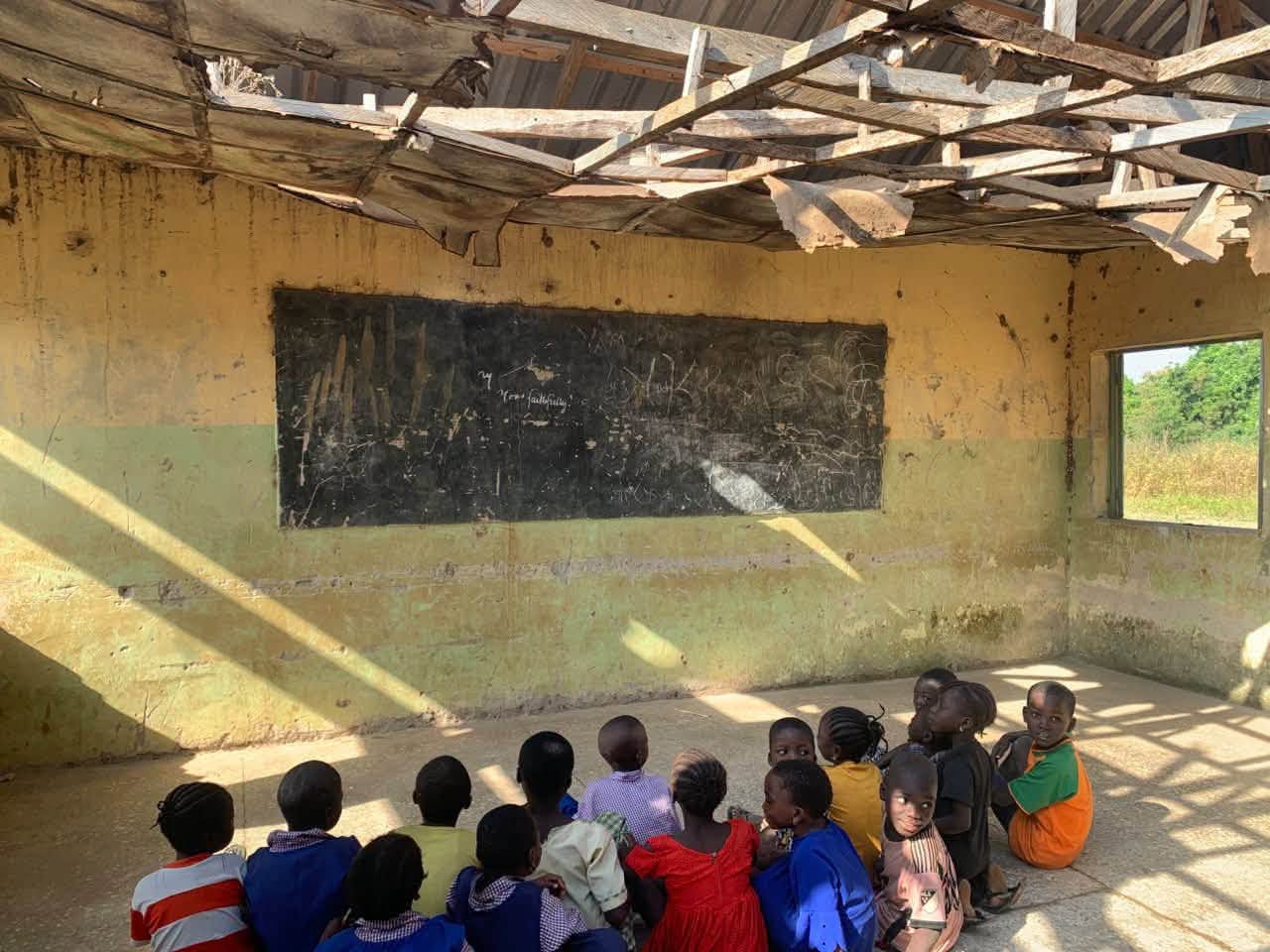
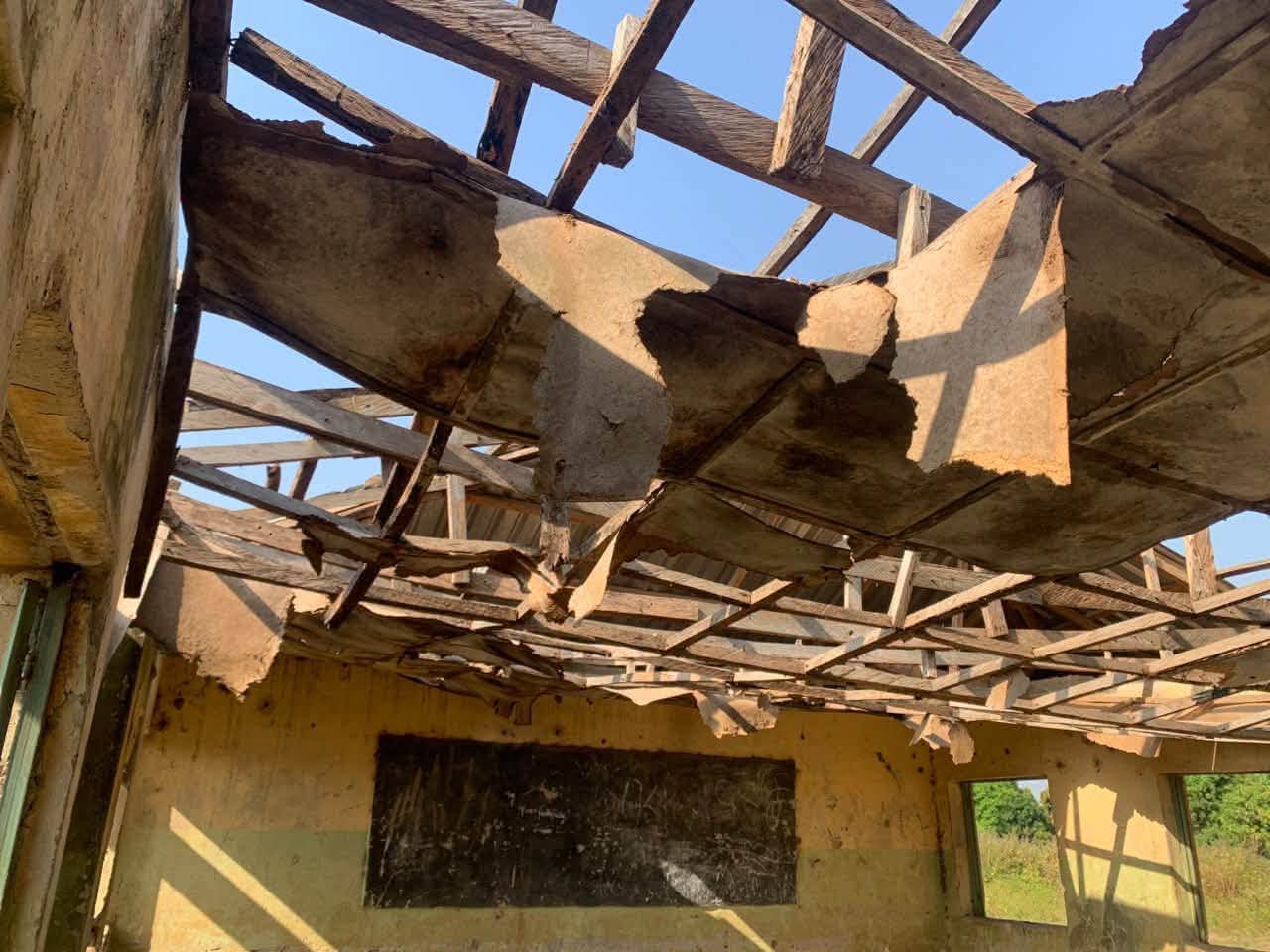
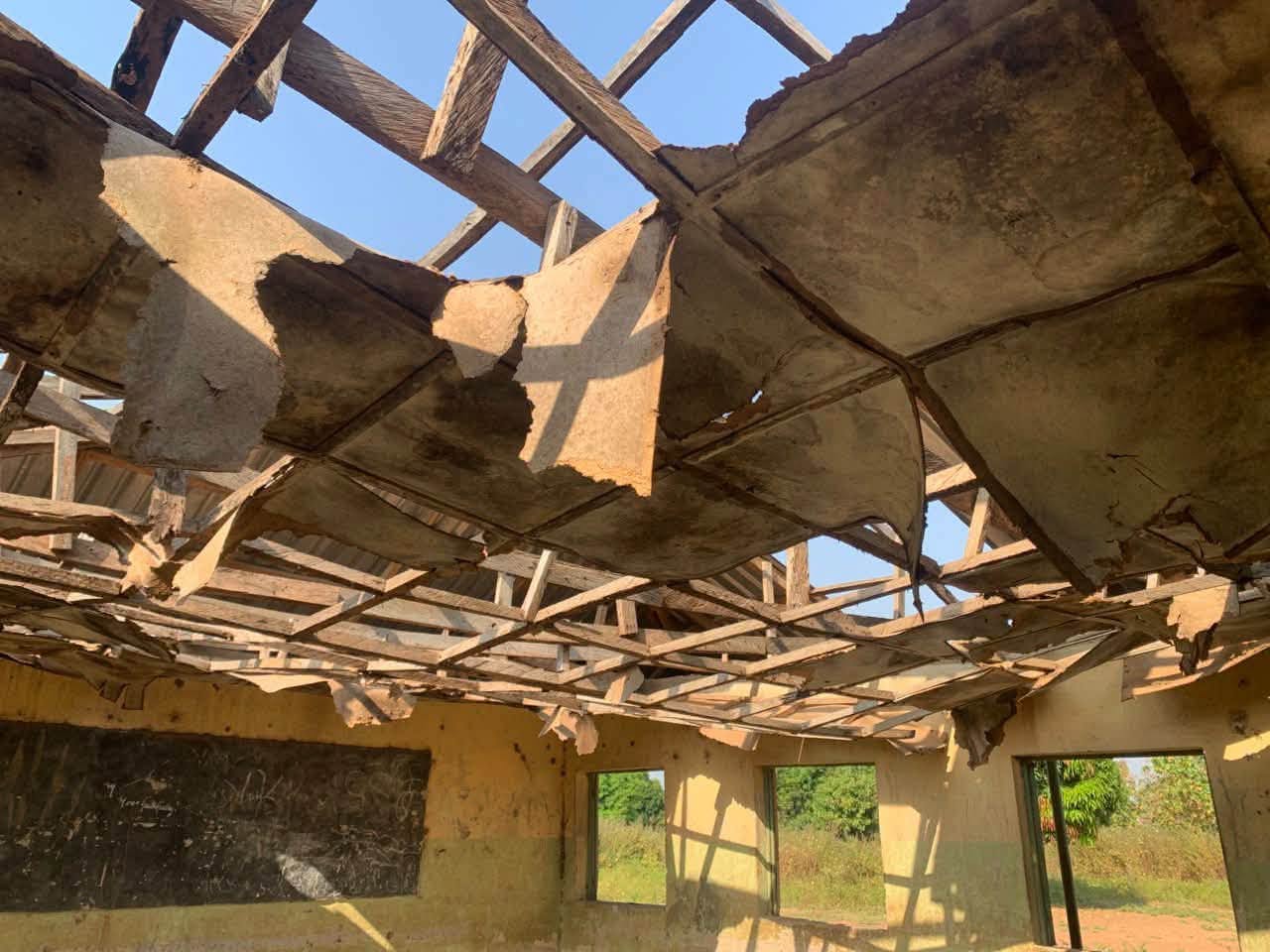
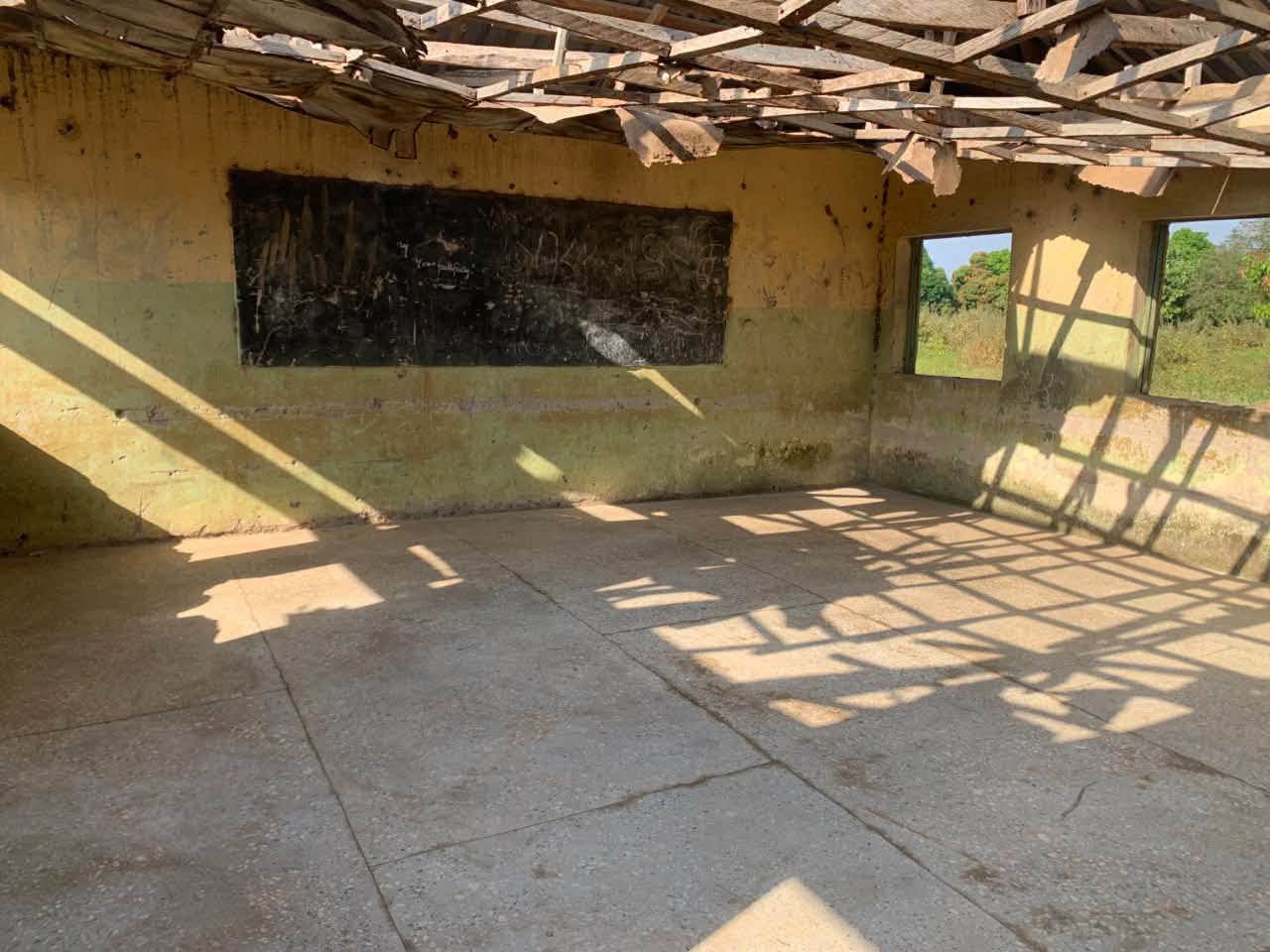
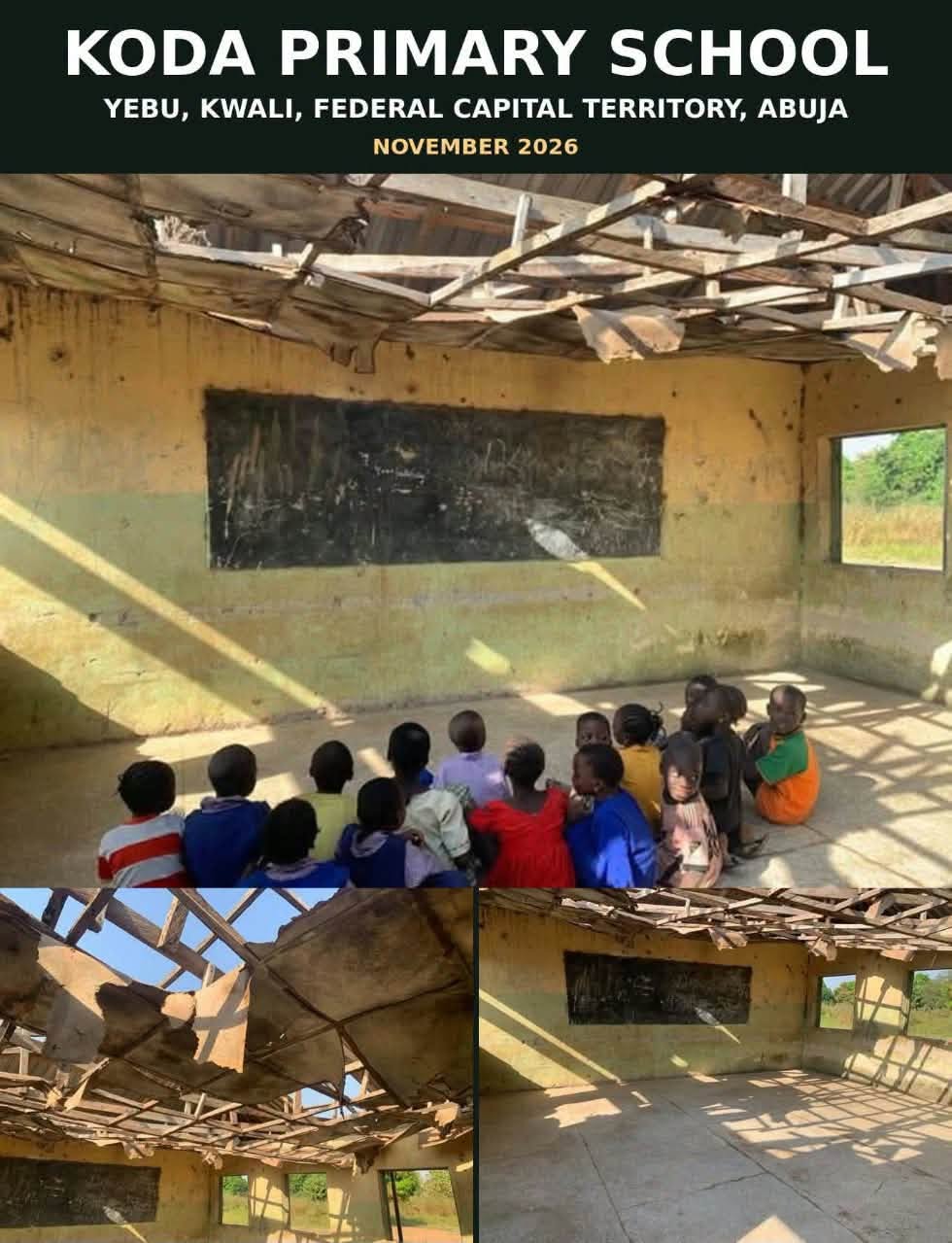
Businessman Isaac Fayose has raised an alarm over the deplorable state of Koda Primary School in Yebu, Kwali in the Federal Capital City of Abuja.

Fayose shared photos showing the deplorable condition of the classrooms which had torn roofs, bad chalkboard and no chairs for the pupils to sit on.

He asked Nigerians to draw the attention of the FCT Minister, Wild to the poor state of the school.

”This is Koda Primary School, Yebu Ward, Kwali Area Council, in Nigeria’s capital city of Abuja.

This school has about 100 pupils and has been like this for 2 years.

Those who celebrate Wike for building multi-billion naira lodges for judges, can as well do well to bring this to his notice so these poor child can at least BREATHE!”

FOLLOW US ON:

FACEBOOK

WHATSAPP CHANNEL

TWITTER

PINTEREST

TIKTOK

YOUTUBE

LINKEDIN

INSTAGRAM

See also  Cross River shuts 36 illegal schools
Continue Reading

Education

Ekiti federal varsity seeks increased TETFund intervention

Published

on

The Federal University of Technology and Environmental Sciences, Iyin-Ekiti, Ekiti State, has called for increased support from the Tertiary Education Trust Fund to accelerate infrastructure development and strengthen its capacity to deliver on its mandate as a specialised institution.

The FUTES-IYIN Vice-Chancellor, Prof. Gbenga Aribisala, said the permanent site and other areas of the young university needed substantial support from TETFund to fast-track infrastructure development.

Aribisala, according to a statement from the institution made available in Ado Ekiti on Saturday, spoke in Iyin-Ekiti on Thursday during the university’s maiden lecture, with the theme, ‘Repositioning Nigerian Universities for Productive Industry Collaboration and Relevance’, delivered by TETFund Executive Secretary, Sonny Echono.

The VC said, “We commend TETFund for its various interventions in FUTES-IYIN. But the young university needs more of such interventions, particularly towards the ongoing development at its permanent site and other areas requiring critical infrastructure support.”

Aribisala, who led the TETFund delegation and other guests around the campus to inspect the level of development and ongoing projects, seized the opportunity to draw attention to projects which he said required additional support as FUTES-IYIN continued to expand its facilities to accommodate its growing academic and administrative needs.

He thanked Echono for accepting the invitation to deliver the university’s maiden lecture, saying his choice was based on “his wealth of experience in the education sector and his strategic position in the administration of interventions aimed at strengthening tertiary education in Nigeria”.

Delivering the lecture, Echono, who was represented by the Director of Strategic Planning Department, TETFund, Erivwo Inene, said universities must move beyond conventional teaching methods and embrace practical learning, research and innovation that respond to the needs of industry and society.

See also  Cross River shuts 36 illegal schools

The TETFund Executive Secretary said, “The relevance of our universities must, therefore, also be seen in the extent to which their teaching and research activities contribute to national development.”

He called for stronger partnerships between tertiary institutions and industries to ensure that graduates acquired relevant skills and were better prepared for the workplace.

Echono highlighted TETFund’s interventions in research, innovation, digital learning and skills development, explaining how such investments could help universities prepare graduates for the changing demands of the economy.

He said, “TETFund is supporting six Centres of Excellence in Artificial Intelligence, Robotics and Cyber Sciences across the six geopolitical zones, in addition to six pilot ICT Experience Centres and a further 12 centres listed under its 2026 project.

“The interventions also include the upgrading of ICT laboratories into AI-powered pedagogical centres, with the aim of exposing students and academics to emerging technologies and improving their capacity to respond to changing demands in the world of work.”

Echono also highlighted TETFund’s digital learning initiatives, including a platform incorporating Learning Management Systems, Blackboard and digital literacy programmes such as the International Computer Driving Licence.

Other areas of intervention include access to online academic resources, electronic books and journals, staff and student capacity development, as well as the Diaspora Digital Bridge Platform, which connects Nigerian institutions with experts abroad for knowledge exchange and academic collaboration.

Source: punchng.com

FOLLOW US ON:

FACEBOOK

WHATSAPP CHANNEL

TWITTER

PINTEREST

TIKTOK

YOUTUBE

LINKEDIN

INSTAGRAM

Continue Reading

Education

UK rejects 84% Nigerian student visa interviewees, read details

Published

on

The United Kingdom Visas and Immigration has rejected about 84 per cent of Nigerian students applying to study in British universities in 2026, a study has revealed.

Nigerians were the only Africans in the top six foreign nationalities refused visas by the UKVI between May and October 2026, The PIE reported.

The UKVI report also revealed that Nigerians were in third spot of the 79 per cent of prospective international students called to a credibility interview but denied visas in the six-month period.

Aside from Nigerians, other students came from Asian countries of Nepal, India, Bangladesh, Sri Lanka and Pakistan.

In the report, 9,043 were considered by UK case officers to be non-credible from 11,415 interviews conducted between May and October 2026.

“Nepalese students were the most likely cohort to be denied a visa after an interview, with 92% students deemed non-credible by UKVI caseworkers,” the PIE News stated.

“This was followed by India (89% of interviewed students rejected), Nigeria (84% of students rejected) and Bangladesh (79% of students rejected).

“Meanwhile, 79% of Sri Lankan students were rejected after their interview, followed by 73% of Pakistani students.”

It, however, highlighted that the data did not represent an annual scenario but only covered six-month statistics.

“The briefing document also revealed sharp rises in the likelihood of certain cohorts being called to interview. For example, between 2025 and 2026, the proportion of Nigerian students invited for an interview rose sharply – from 7% to 21%,” it stated.

UKVI disclosed that a common reason for a visa refusal was a lack of research about the student’s chosen institution.

See also  Aba Polytechnic to introduce education technology courses, tackles drug abuse

It added that the majority of the applicants could not clearly explain why they have chosen to study in the UK and how their preferred institution and programmes corresponded with their future plans.

“Other reasons included a lack of knowledge about their chosen program or subject, their English language ability and the credibility of their funds,” it added.

The Head of Work, Study, Family and Ukraine Services at the Home Office, Oliver Rae, recently said stricter compliance was not being used by the UK government as a way to manage international student numbers.

“There is no cap on the number of students that we want to see coming to the UK, but very much a focus on genuine students,” Rae said.

Source: punchng.com

FOLLOW US ON:

FACEBOOK

WHATSAPP CHANNEL

TWITTER

PINTEREST

TIKTOK

YOUTUBE

LINKEDIN

INSTAGRAM

Continue Reading

Trending