Connect with us

News

Forged state house letter used to create fake PFIPC agency, Acct-General reveals

Published

on

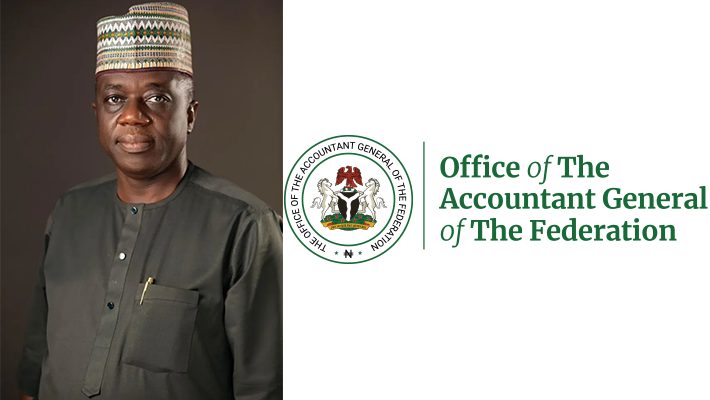
The House of Representatives’ investigation into the operations of the controversial Presidential Foreign Investment Promotion Council took a dramatic turn on Monday after the Accountant-General of the Federation, Shamseldeen Ogunjimi, revealed that a forged State House letter was used to obtain official government recognition for the ‘fake’ agency.

Appearing before the House Ad Hoc Committee probing the circumstances surrounding the establishment and operations of the council, Ogunjimi disclosed that the Office of the Accountant-General acted on what appeared to be an authentic correspondence from the presidency requesting the creation of an administrative code for the PIFPC, only for investigations to later establish that the letter did not originate from the State House.

The revelation is the latest in a series of disclosures before the committee, which is investigating how a non-existent presidential agency allegedly secured office accommodation in the Federal Secretariat, sought budgetary allocations, recruited personnel and obtained official government recognition through what investigators believe were forged documents.

Presenting his report, Ogunjimi said the Office of the Accountant-General first interacted with the purported council in November 2024.

According to him, “a letter dated November 7, 2024, bearing a State House reference number, requested the creation of an administrative code for the Presidential Economic Advisory Council to facilitate budgeting, accounting and financial reporting.”

He explained that, in line with established procedures, “the Office of the Accountant-General processed the request, created the administrative code and communicated its approval to the State House,” with a copy sent to the Office of the Auditor-General for the Federation.

See also  55 Ghanaians k!lled while fighting for Russia in Ukraine

Following that approval, the office received additional requests from the purported council, including applications for self-accounting status, deployment of personnel, opening of Treasury Single Account and domiciliary accounts, as well as funding approvals.

Ogunjimi, however, stressed that although some administrative processes were carried out, no public funds were ever released to the council.

“It is important to note that no funds were released under salaries, overhead, capital, or any form of intervention or special allocation to the council,” Ogunjimi told the committee.

He further disclosed that while the council requested an establishment grant of ₦27.4bn, the application was rejected because there was no budgetary provision for such expenditure.

The Accountant-General also explained that although the Central Bank of Nigeria opened two domiciliary accounts for the organisation to receive inflows, the accounts never became operational because the council failed to satisfy the regulatory conditions required for their activation.

Lawmakers expressed concern over how the purported agency was able to navigate several layers of government bureaucracy without raising suspicion.

Responding, Ogunjimi made what committee members described as one of the most significant revelations of the hearing.

“The letter that was received by the Treasury was respectfully addressed as coming from the State House. That letter was never issued by the State House”, he said

The disclosure prompted members of the committee to conclude that a “hijacked” State House letter had allegedly been used to mislead government institutions into processing official requests for an agency that had no legal existence.

The committee also questioned how civil servants originally posted to the Office of the Chief Economic Adviser to the President eventually became attached to the purported council without the knowledge of the Office of the Accountant-General.

See also  FRSC officer, daughter’s suspected killer arrested in Ghana

Ogunjimi explained that two officers deployed to the Office of the Chief Economic Adviser in 2010 and 2013 remained in the office after it was allegedly taken over by the new council, but no formal communication was sent to the treasury notifying it of any change.

“It was never assumed or written to us that those two officers were being taken over. The staff also never reported to the office to say that another council had taken over the office and the name had changed. As far as I was concerned, we were dealing with a new agency, not the Office of the Chief Economic Adviser,” he said.

He further disclosed that when the purported council later requested the deployment of five additional officers, the treasury approved only three after determining that the organisation’s size did not justify the number requested.

“It was when all this matter came to light that I got to know that two of our staff were actually working or being absorbed by the agency. We never knew. We believed, based on the records available to us, that those officers were still with the Office of the Chief Economic Adviser,” he added.

The ongoing House investigation centres on allegations that forged presidential approvals, counterfeit State House correspondence, fake Acts of the National Assembly and other falsified government documents were used to create and operate the purported Presidential Foreign Investment Promotion Council and the Presidential Economic Advisory Council.

The committee has already heard evidence from the Nigeria Police Force, which confirmed that criminal charges bordering on conspiracy and fraud have been filed against the prime suspect, Adeyemi Adeniyi, at the Federal High Court.

See also  See what caused Abuja-Kaduna train derailment

At its sitting on Monday, the committee also directed the Inspector-General of Police to produce Adeyemi before lawmakers by noon on Wednesday to answer questions relating to the alleged forgery of official government documents and the operations of the purported presidential agency.

The committee is expected to conclude its investigation with recommendations on possible administrative, legislative and criminal actions against those found culpable.

punch.ng

FOLLOW US ON:

FACEBOOK

TWITTER

PINTEREST

TIKTOK

YOUTUBE

LINKEDIN

Continue Reading
Click to comment

Leave a Reply

Your email address will not be published. Required fields are marked *

News

Buni presents N532bn 2027 budget to Yobe assembly

Published

on

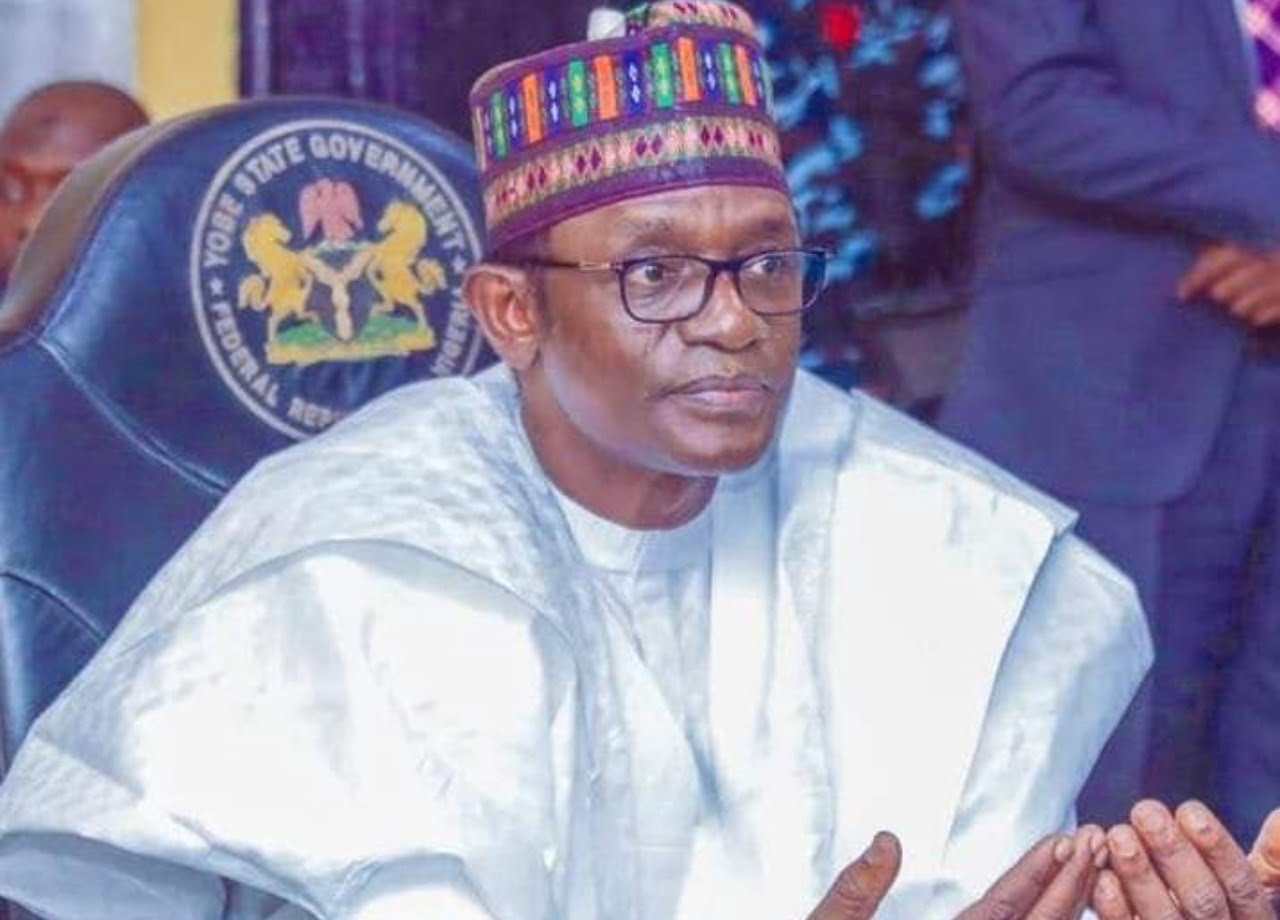
Yobe State Governor, Mai Mala Buni, has presented a proposed budget of N532.27bn for the 2027 fiscal year, with recurrent expenditure taking the largest share of the estimates.

Buni presented the 2027 Appropriation and Finance Bills before the Yobe State House of Assembly in Damaturu on Tuesday, describing the proposal as the final budget of his administration.

Tagged the Budget of Consolidation, Sustainability and Inclusive Growth, the proposed budget represents an increase of N16.739bn, or 3.2 per cent, over the N515.532bn approved for the 2026 fiscal year.

A breakdown of the estimates shows that N288.426bn, representing 54.2 per cent, is allocated to recurrent expenditure, while N243.845bn, representing 45.8 per cent, is earmarked for capital projects.

Presenting the budget, Buni said it was designed to consolidate the achievements of his administration, complete ongoing projects and ensure the sustainability of existing investments.

He said, “Today, with a sense of humility and fulfilment, and in accordance with Section 121(1) of the 1999 Constitution of the Federal Republic of Nigeria (as amended), I once again stand before this Honourable House of Assembly to present the Eighth and last Finance and Appropriation Bills by this administration for your kind consideration and approval for the 2027 fiscal year.”

The governor said the administration would prioritise project completion, improved service delivery and prudent management of public resources.

“The 2027 budget is therefore designed to balance immediate service delivery with the long-term development interest of the state,” he said.

Buni disclosed that the education sector would receive N99.792bn, while N80.543bn was allocated to healthcare.

See also  FRSC officer, daughter’s suspected killer arrested in Ghana

He said the education allocation would support the completion of ongoing school construction and rehabilitation projects, the provision of teaching materials, assistance to tertiary institutions and scholarship programmes.

On healthcare, the governor said the government would sustain investments in hospital upgrades, maternity and emergency services, medical equipment and healthcare training institutions.

He also identified the establishment of a modern kidney centre in Gashua as one of the administration’s priority projects.

“We are equally committed to advancing the ongoing establishment of a modern Kidney Centre in Gashua, with emphasis on a safe, accessible, patient-centred treatment environment, appropriate dialysis equipment and the clinical and operational arrangements required for sustainable service delivery,” Buni said.

The governor said infrastructure development would remain a major priority, with emphasis on completing ongoing road, drainage, electricity and commercial infrastructure projects.

He specifically mentioned the Gashua-Masaba, Balanguwa-Kumagannam and Dumbulwa-Lailai roads among the projects requiring attention.

Other priority areas include agricultural development, livestock production, water supply, environmental protection, peacebuilding and the rehabilitation of communities affected by insurgency.

Reviewing the performance of the 2026 budget as of September 30, Buni said the state recorded revenue receipts of N347.078bn, representing 67.3 per cent of the annual projection.

He said the approved 2026 budget stood at N515.532bn, comprising N291.904bn for capital expenditure and N223.628bn for recurrent expenditure.

According to him, recurrent expenditure during the first nine months amounted to N139.346bn, while capital expenditure stood at N94.280bn.

The governor said the administration remained committed to the payment of salaries, pensions and gratuities despite prevailing economic challenges and the demands of post-insurgency recovery.

See also  INEC trains staff to tackle misinformation ahead of 2027 elections

Buni, who described the 2027 proposal as the final budget of his administration, said the government would ensure an orderly transition and preserve ongoing development projects.

“Development must not depend entirely on the presence of any individual in public office. It must be supported by strong institutions, competent public servants, credible planning frameworks and effective systems of accountability,” he said.

The governor assured residents that his administration would continue to discharge its responsibilities until the final day of its tenure.

“We shall continue to work, supervise, deliver and remain accountable until the final day of our mandate. There will be no abandonment of our responsibilities and projects,” he said.

He urged the House of Assembly to give the proposed budget timely consideration and passage.

In a political appeal towards the end of his address, Buni urged the people of Yobe to support President Bola Tinubu’s second-term ambition, arguing that the state’s membership of the ruling All Progressives Congress had created opportunities for it to benefit from the Federal Government.

He also commended Tinubu for approving the Federal Government’s takeover and reimbursement of the Muhammadu Buhari International Cargo Airport project in Damaturu, saying the intervention would free up resources for other development projects.

Source: punchng.com

FOLLOW US ON:

FACEBOOK

WHATSAPP CHANNEL

TWITTER

PINTEREST

TIKTOK

YOUTUBE

LINKEDIN

INSTAGRAM

Continue Reading

News

US military base shooter seeks halt to firing squad execution

Published

on

Nidal Hasan, who is set to be executed by firing squad next month for his 2009 massacre at a US military base, asked a court on Tuesday to halt his execution, according to documents obtained by AFP.

The former US Army major and military psychiatrist asked a federal court to delay his execution, which is set for December 3, while he prepares a case to challenge it on constitutional grounds.

If the execution goes ahead, Hasan will be the first person killed by a US military firing squad since 1945.

A furore over plans to livestream the killing erupted in early October.

US Defence Secretary Pete Hegseth initially said the execution would be “public” before a Pentagon spokesperson added it would be available online.

Concerns mounted far and wide about making the execution into a spectacle and turning Hasan into a martyr.

After days of debate and condemnation, US President Donald Trump cancelled the plans to broadcast the killing, while allowing some witnesses to observe it in person.

Hasan killed 13 people, including 12 soldiers, and wounded 30 others in his November 2009 rampage.

He was shot by a civilian police officer and is paralysed from the waist down.

During his trial, Hasan chose to conduct his own defence, and court-appointed attorneys raised concerns that he was seeking to be executed.

Ultimately, he was sentenced to death by a military jury in 2013.

AFP

Source: punchng.com

FOLLOW US ON:

FACEBOOK

WHATSAPP CHANNEL

TWITTER

PINTEREST

TIKTOK

YOUTUBE

LINKEDIN

INSTAGRAM

See also  Abductions surge: Northern govs demand mining suspension, unveil N228bn security fund
Continue Reading

News

Kwara unveils five-year strategy to tackle malnutrition, read full details

Published

on

The Kwara State Government has unveiled a five-year nutrition strategy aimed at tackling the social, cultural and behavioural factors contributing to malnutrition, particularly among women and children.

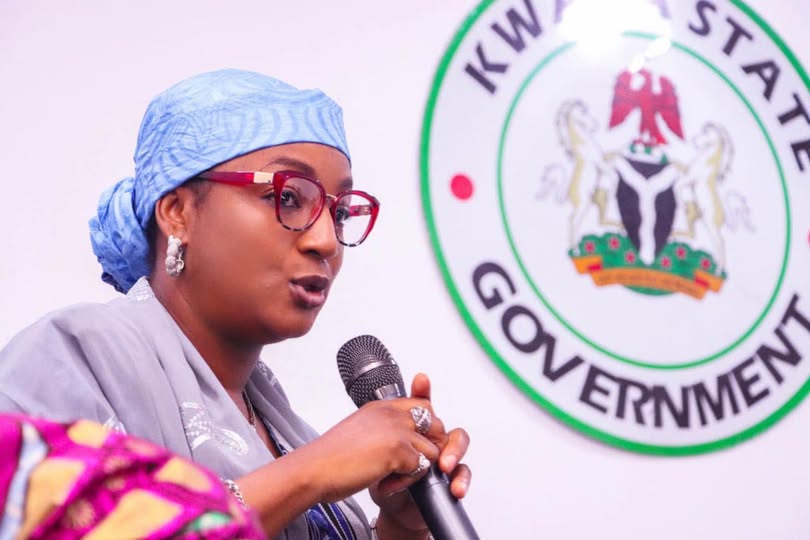
The development was contained in a statement issued on Tuesday by the Assistant Press Secretary, Ministry of Health, Funke Olutemilehin, following the unveiling of the strategy by the Commissioner for Health, Amina El-Imam.

The State Social and Behavioural Change Strategy for Nutrition Across the Life Cycle was unveiled at a dissemination meeting held at the ministry’s headquarters on Monday, with representatives of the United Nations Children’s Fund, government ministries, departments and agencies, religious organisations and civil society groups in attendance.

Speaking at the meeting, El-Imam said addressing malnutrition required interventions beyond the provision of healthcare services and nutrition commodities.

“Poor nutritional knowledge, harmful traditional beliefs, inadequate dietary practices, gender norms, poor health-seeking behaviour and weak community engagement remain major contributors to malnutrition,” the commissioner said.

El-Imam explained that the ministry, with financial and technical support from UNICEF, had successfully domesticated, costed and validated the National Social and Behavioural Change Strategy for Nutrition Across the Life Cycle.

“The framework will promote positive nutrition practices through strategic communication, advocacy, community mobilisation, social norm transformation and stronger intersectoral collaboration,” she added.

Highlighting the state’s progress, the commissioner disclosed that findings from the Mini Nigeria Demographic and Health Survey 2025/26 showed that stunting prevalence in Kwara had declined from 40.8 per cent to 35.5 per cent.

“Stunting prevalence has reduced from 40.8 per cent to 35.5 per cent, wasting from 6.1 per cent to 3.5 per cent and underweight from 24.5 per cent to 14.8 per cent,” she said.

See also  FRSC officer, daughter’s suspected killer arrested in Ghana

El-Imam attributed the improvements to sustained government commitment and interventions, including Accelerating Nutrition Results in Nigeria 1.0, nutrition promotion campaigns, dietary diversification and micronutrient supplementation.

She also listed the distribution of oral rehydration salts and zinc at primary healthcare facilities and community levels among the interventions contributing to the progress recorded.

The commissioner called on ministries, departments and agencies, development partners, traditional and religious institutions, the media and community structures to support the transition to ANRiN 2.0.

She urged stakeholders to ensure effective implementation of the strategy, stressing the importance of collective action in addressing the factors responsible for malnutrition.

In his remarks, the Acting Chairman of the State Committee on Food and Nutrition, Mohammed Ibrahim, representing the Ministry of Planning and Economic Development, reaffirmed the state government’s commitment to improving nutrition outcomes.

Ibrahim disclosed that the government had contributed N100m to the Child Nutrition Fund, which UNICEF leveraged at a one-to-one ratio to procure 3,964 cartons of Ready-to-Use Therapeutic Food.

He also highlighted advocacy for six-month paid maternity leave and sustained investments in primary healthcare as part of the state’s efforts to improve maternal and child nutrition.

The acting chairman said, “We need adequate budgetary provisions and stronger multisectoral collaboration to further accelerate improvements in the nutrition indices of the state.”

Earlier, the Nutrition Focal Person in the Ministry of Health, Dr Habib Abayomi Lawal, commended members of the multisectoral committee for their contributions towards improving nutrition outcomes.

Lawal urged stakeholders to sustain their collaboration and demonstrate continued commitment to the successful implementation of the strategy.

See also  TikToker denies recording sacred Oyo deity, dismisses claims she is de@d

Source: punchng.com

FOLLOW US ON:

FACEBOOK

WHATSAPP CHANNEL

TWITTER

PINTEREST

TIKTOK

YOUTUBE

LINKEDIN

INSTAGRAM

Continue Reading

Trending