Connect with us

Education

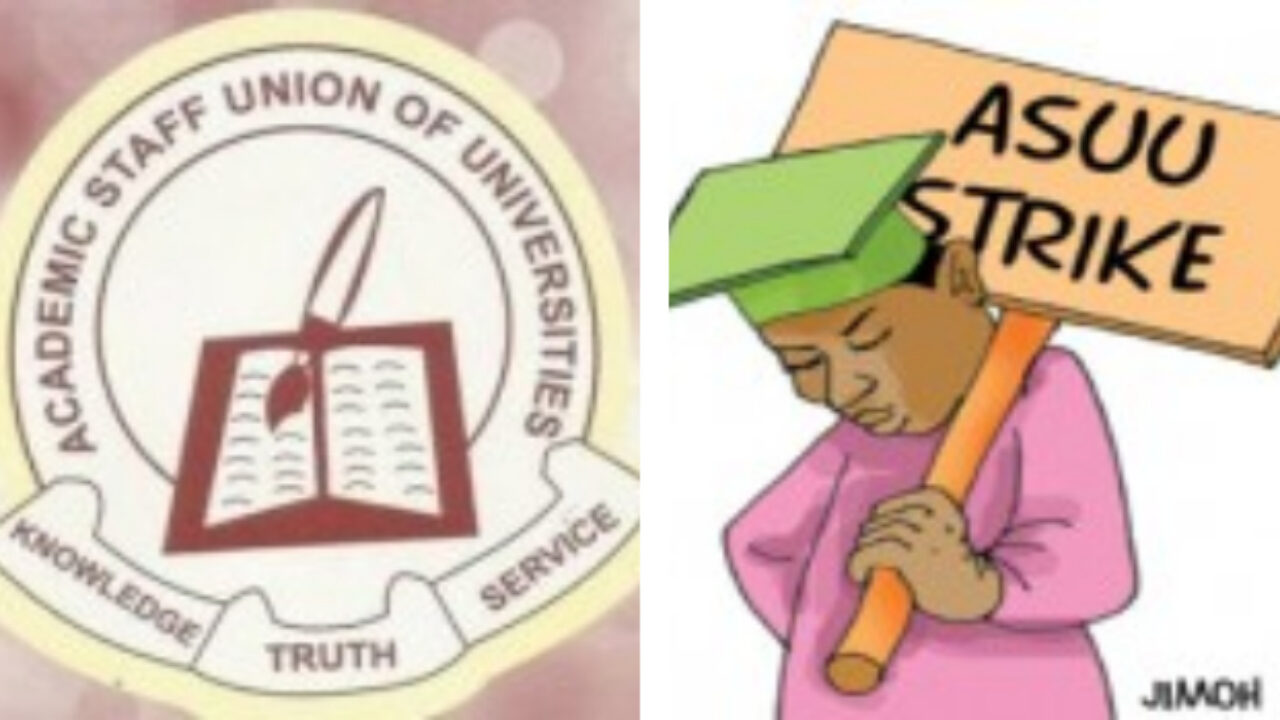
Read about the return of ASUU strikes at state universities

Published

on

ALL eyes are back on tertiary education. While most federal universities are running smoothly, it is not the case at some state-owned universities. From Lagos to Plateau, Kaduna to Taraba, the age-long disruption of the academic calendar is rearing its head again at state-owned universities. State governors, who are basking in more resources than before, should address the underlying issues.

In the recent past, Nigeria’s public universities were infamous for lengthy strikes.

But President Bola Tinubu’s mantra to end lecturers’ strikes that had plagued the public university system appears to have worked so far. In January, the Federal Government increased salaries by 40 per cent. This has restored stability in these institutions.

Conversely, strikes have returned to some state-owned institutions.

The states have no genuine excuse. After Tinubu removed the petrol subsidy, floated the naira and expanded the tax net, including VAT, the sub-national governments are more buoyant than ever.

Since 2009, public universities have experienced persistent strikes, which Tinubu pledged to end. Until the Tinubu administration’s pact, the 2009 agreement of N1.51 trillion for the revitalisation of universities and the enhancement of salaries was poorly implemented.

The outcome is predictable. In the latest Webometrics ranking, the best is the University of Ibadan at No. 1,291 in the world. UI is followed by the University of Lagos (1,355) and the University of Nigeria (1,397). This is depressing.

At the core of the face-off is the December 2025 Federal Government-Academic Staff Union of Universities agreement. Essentially, the Federal Government increased lecturers’ salaries by 40 per cent.

See also  Timi Dakolo offers to pay school fees for struggling parents

Other key provisions include an annual credit allowance of N1.8 million for professors and between N840,000 and N870,000 per annum for academic readers, and enhanced pensions.

Ironically, Lagos, Tinubu’s home, is the latest state where ASUU has just declared a strike, following the breakdown in negotiations between the state government and the joint unions of the three universities in Lagos.

According to the ASUU chapters of Lagos State University, Lagos State University of Science and Technology and Lagos State University of Education, the government did not implement the 2025 FGN-ASUU agreement despite a 14-day notice.

In Kaduna, the ASUU state chapter at the Kaduna State University, Kakuri, recently ended its strike after Governor Uba Sani approved the implementation of the agreement from October 1.

A similar story is unfolding in Plateau State. After downing tools over the agreement, the ASUU chapter of the Plateau State University, Bokkos, terminated its strike on September 16.

It said the state government had agreed to implement its six-point demand.

But lecturers at the three state-owned universities in Ondo State are still on strike over the non-implementation of the FGN-ASUU pact.

On September 15, the ASUU chapter of the Taraba State University, Jalingo, issued a 14-day ultimatum to the state government to implement the agreement or face a strike. The ultimatum will expire on September 28.

These contradictions expose Nigeria’s flawed federalism. The centre was at the forefront of the negotiations with ASUU. While the Federal Government has gone ahead to implement the agreement, states are delaying implementation for reasons best known to them.

See also  UniAbuja land dispute: ASUU threatens industrial action

In many areas of national life, the Federal Government imposes its will on the federating units. The unbridled federal power is an overreach. In a federal jurisdiction, this is wrong.

So, state governments should not be under this overarching federal influence in the funding and administration of universities at the second tier of government.

The independence of states and the centre has a crucial inflexion point.

In this, private universities offer the best lesson. With their independence and self-funding system, the 182 private institutions determine the remuneration they can offer the academic and non-academic staff. Therefore, strikes over pay are non-existent in private institutions. With proper independence and control, it could also be so at state-owned universities.

State governments share in the blame. Currently, there are 69 state-owned universities in the country. Without proper preparation for funding, staffing and infrastructure, state governments establish multiple universities. This is ridiculous.

Some states have more than three universities. Thus, they find it difficult to cope with the financial and infrastructure demands of such institutions. But it is wrong to see universities as a political symbol.

After a spree, the Federal Government placed a seven-year moratorium on the establishment of new universities in a bid to address the issues at stake.

Therefore, the National Universities Commission should exercise its independence. It should thoroughly scrutinise the centre, the states and private entrepreneurs who bid to establish universities.

Source: punchng.com

FOLLOW US ON:

FACEBOOK

TWITTER

PINTEREST

TIKTOK

YOUTUBE

LINKEDIN

INSTAGRAM

Continue Reading
Click to comment

Leave a Reply

Your email address will not be published. Required fields are marked *

Education

Troops foil suspected kidnap attempt at school in Kaduna, rescue students

Published

on

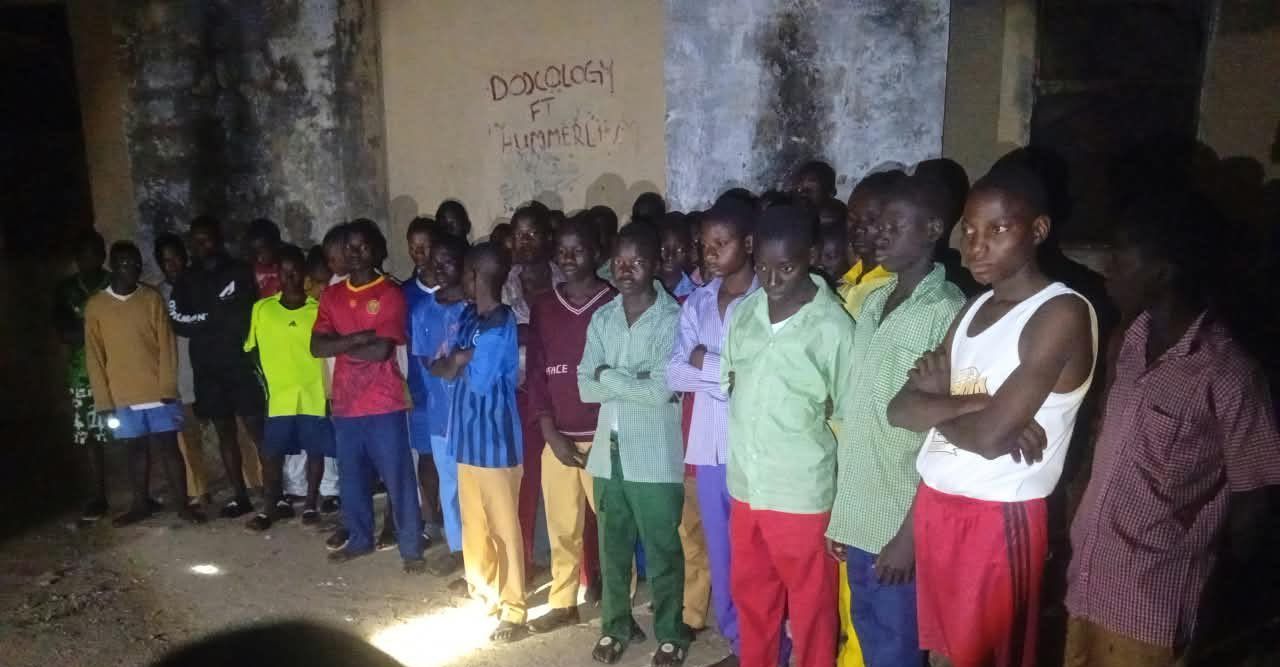
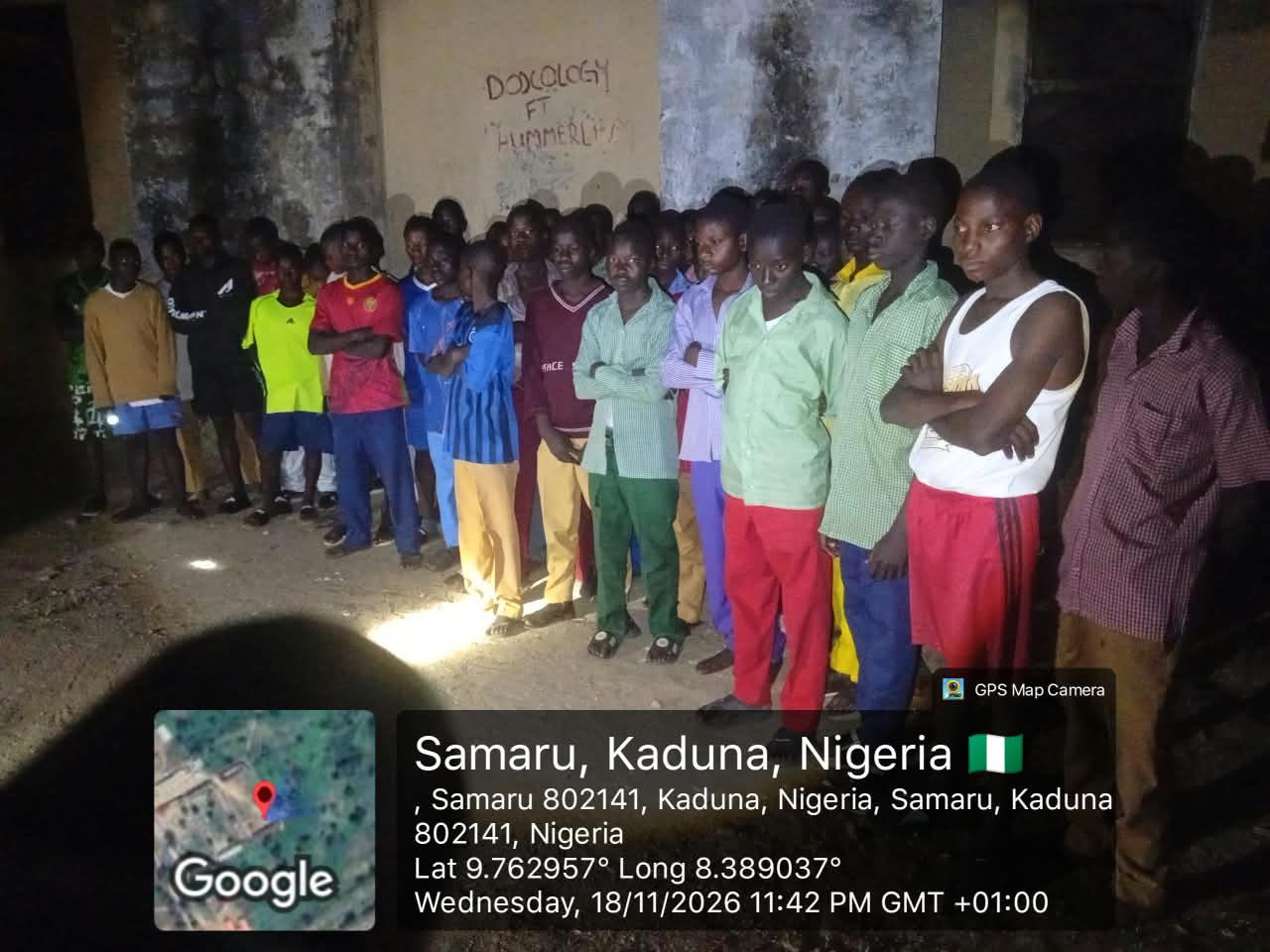
Troops of Operation ENDURING PEACE (OPEP) have foiled a suspected kidnapping attempt at Tafawa Balewa Memorial Commercial College, Samaru, in Zangon Kataf Local Government Area of Kaduna State.

Security analyst Zagazola Makama disclosed this in a report on Saturday, November 21, 2026.

The incident occurred at about 11:56 p.m. on November 18, following reports of suspicious movements by unidentified criminals around the school premises.

The troops of Sector 7 swiftly responded to the report and moved to the school, forcing the suspected criminals to abandon their mission and flee.

The troops subsequently conducted a thorough search of the school premises and surrounding areas but made no contact with the fleeing suspects.

A headcount was also conducted by the school authorities in collaboration with the troops, with no student or other occupant recorded missing.

The troops have continued to dominate the area to prevent further criminal activities, while efforts are ongoing to coordinate with 97 Battalion and 2 Nigerian Military Police Brigade to strengthen security in the general area, which falls within their respective areas of responsibility.


FOLLOW US ON:

FACEBOOK

WHATSAPP CHANNEL

TWITTER

PINTEREST

TIKTOK

YOUTUBE

LINKEDIN

INSTAGRAM

See also  Education, agriculture candidates now exempted from UTME, says JAMB
Continue Reading

Education

ASUU to Tinubu: Release our withheld salaries now or risk fresh varsity crisis, read details

Published

on

The Academic Staff Union of Universities (ASUU) has demanded that President Bola Ahmed Tinubu immediately release the remaining three-and-a-half months of salaries withheld during its 2022 nationwide strike.

In a press release issued on Thursday, November 19, and signed by its President, Prof. Chris Piwuna, the union warned that the continued non-payment of the arrears was an undeserved punishment that could trigger a major crisis in Nigeria’s public university system.

The statement followed resolutions reached at ASUU’s National Executive Council (NEC) meeting held between November 13 and 14, 2026, at the University of Abuja.

According to ASUU, former President Muhammadu Buhari’s administration seized seven-and-a-half months of lecturers’ salaries over the 2022 industrial action.

Before winning the 2023 presidential election, Tinubu had intervened in the dispute, endorsing the principle of “clemency” and pledging to prevent future crises.

However, three-and-a-half years into his administration, the union lamented that only four months of the backlog had been paid.

Prof. Piwuna noted that efforts to resolve the impasse had stalled.

He revealed that the Chief of Staff to the President, Femi Gbajabiamila, had previously informed the union that the government was not ready to pay the balance in full, a stance currently echoed by the Minister of Education, Dr Tunji Alausa.

Furthermore, all requests by the union to meet directly with President Tinubu had been rebuffed.

The union faulted the Federal Government’s enforcement of the “No Work, No Pay” policy, pointing out that academics forfeited their annual and research leaves to clear academic backlogs and ensure that affected students graduated on time.

See also  CIS, ABUAD deepen market-academia ties

“If the Tinubu government would not commend Nigerian academics for moderating their demands to guarantee industrial harmony in the universities, it should at least release what they are owed,” the statement read. “ASUU members are no beggars. Neither are they a conquered people or slaves.”

Rejecting what it termed empty platitudes and “No more ASUU strikes” sloganeering by the ruling party, the union urged President Tinubu to act in the spirit of fairness and justice by clearing the remaining three-and-a-half months’ salaries without further delay.

Source: tribuneonlineng.com

FOLLOW US ON:

FACEBOOK

WHATSAPP CHANNEL

TWITTER

PINTEREST

TIKTOK

YOUTUBE

LINKEDIN

INSTAGRAM

Continue Reading

Education

ASUP strike rocks four South West states, read details

Published

on

The Academic Staff Union of Polytechnics (ASUP), Zone C, has directed all its chapters across state-owned polytechnics, colleges of technology and monotechnics in Ogun, Oyo, Osun and Ekiti states to embark on an industrial strike over the non-implementation of the Consolidated Academic Tools Allowance and Earned Academic Allowance.

This was contained in a statement signed by the Zonal Executive Council of ASUP Zone C and read by its coordinator, Adekunle Nurudeen, during a press conference held at the ASUP Secretariat, The Polytechnic, Ibadan, the Oyo State capital, on Thursday.

The union lamented that while the Federal Government had commenced the payment of CATA and EAA to academic staff in federal institutions on the CONPCASS salary structure, state governments in the zone, with the exception of Ondo State, had failed to follow suit.

Nurudeen stated that the strike action took effect on Monday, November 16, 2026, following the expiration of a 15-day ultimatum issued to state governments across the South-West zone.

According to the union, “The Federal Government concluded the renegotiation of the 2009/2010 agreement with ASUP in April 2026 under the Yayale Ahmed-led committee, birthing the 2025/2026 FGN/ASUP Agreement with an effective implementation date of January 1, 2026.

“It is on record and in the public domain that the Federal Government had commenced the implementation of CATA and EAA for members on the CONPCASS salary structure with reference to the effective date as contained in the agreement.

“However, our members in state-owned polytechnics and colleges of technology have not been considered after 10 months despite performing the same duties and facing the same economic hardship.

See also  Proprietors defend 30% fee hike as schools resume Monday

“We had written to all state governors on August 10, 2026, requesting the implementation of the agreement, and followed up with a reminder on September 21, 2026, to maintain industrial harmony.

“Following the lack of response, ASUP resolved at its 118th National Executive Council meeting held in Abuja between October 23 and 24, 2026, to issue a 15-day ultimatum to defaulting state governments, which elapsed on Tuesday, November 10, 2026.

“We are now directing all our chapters across state-owned polytechnics, colleges of technology and monotechnics in Ogun, Oyo, Osun and Ekiti states to embark on an industrial strike over the non-implementation of the Consolidated Academic Tools Allowance and Earned Academic Allowance.”

While commending the Ondo State Government as the first and only state in the zone to implement the 2025/2026 agreement, ASUP criticised the governments of Ogun, Oyo, Osun and Ekiti states for their silence.

“State governments should endeavour to treat our members in state-owned institutions appropriately, not as second-class citizens within the same national economy,” the union demanded.

ASUP Zone C listed its core demands to include the immediate implementation of CATA and EAA for academic staff in state-owned polytechnics, colleges of technology and monotechnics across Ogun, Oyo, Osun and Ekiti states, as well as the payment of accrued arrears from January 1, 2026, to date.

“Considering the unimpressive and demoralising conduct of the state governments of Ogun, Oyo, Osun and Ekiti on the implementation of CATA and EAA, which has resulted in the non-implementation of these allowances, the Zonal Executive Council hereby reiterates the directive of the National Executive Council at the 118th NEC meeting; hence, we have directed all state chapters of ASUP to proceed on industrial strike effective from Monday, November 16, 2026,” the statement concluded.

See also  UniAbuja land dispute: ASUU threatens industrial action

Source: punchng.com

FOLLOW US ON:
FACEBOOK

WHATSAPP CHANNEL

TWITTER

PINTEREST

TIKTOK

YOUTUBE

LINKEDIN

INSTAGRAM

Continue Reading

Trending