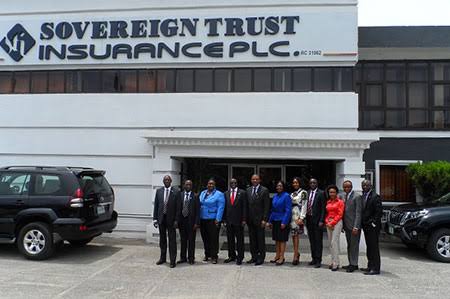
Sovereign Trust Insurance Plc increased its total assets by 48 per cent to N41.78bn as of September 2026, from N28.31bn at the end of December 2025, supported by growth in cash holdings, financial investments and reinsurance contract assets.
The insurer disclosed this in its unaudited financial statements for the nine months ended 30 September, 2026, filed with the Nigerian Exchange.
Cash and cash equivalents rose by 36.3 per cent to N15.94bn from N11.69bn, while investments in financial assets measured at fair value through profit or loss increased to N4.99bn from N2.07bn.
Reinsurance contract assets recorded one of the largest increases, rising to N9.90bn from N3.95bn, representing a 150.7 per cent increase.
The company’s statutory deposit also rose to N1.5bn from N315m, while property, plant and equipment increased to N3.08bn from N2.70bn.
The balance sheet expansion coincided with a return to profitability, as the insurer posted a profit after tax of N1.04bn in the nine months ended September 2026, compared with a N100.53m in the corresponding period of 2025.
Profit before tax increased to N1.23bn from N171.67m a year earlier.
The improvement in earnings came despite a decline in insurance revenue, which fell by 21.4 per cent to N31.53bn from N40.13bn in the corresponding period of 2025.
Insurance service expenses declined by 24.9 per cent to N13.75bn from N18.31bn, while the insurance service result stood at N1.69bn from N1.70bn.
However, net expenses from reinsurance contracts held remained high at N16.09bn, although they declined from N20.12bn in the previous year.
Investment returns increased to N3.64bn from N1.53bn, supported by higher investment income and fair value gains on financial assets.
Shareholders’ funds rose to N21.71bn from N15.66bn at the end of December 2025, partly supported by N5.02bn raised through the issuance of share capital during the period.
Insurance contract liabilities also increased to N14.09bn from N6.50bn, reflecting higher obligations associated with the company’s insurance business.
Sovereign Trust Insurance provides general insurance and risk management services to individual and corporate customers.
Telecom operators are increasingly adopting equipment reuse and refurbishment to reduce network investment costs, limit waste and cut emissions as the industry faces pressure to meet its net-zero target by 2050.
The shift is moving operators away from the traditional practice of replacing equipment during network upgrades towards extending the lifespan of existing infrastructure, according to a Research Analyst at GSMA Intelligence, Muskan Gadodia.
In an article published on the GSMA website, Gadodia reported that the world’s 10 largest mobile network operators by subscriber base had introduced or supported more than 500 unconventional sustainability initiatives since 2020, either independently or through partnerships.
She identified equipment reuse, energy management, smarter procurement, redesigned network sites, environmental restoration and community clean-energy partnerships as six areas in which operators were expanding their sustainability efforts beyond conventional measures.
Under the equipment reuse approach, Telefónica’s MAIA platform and Orange’s OSCAR programme are helping to extend the lifespan of network equipment through reuse and refurbishment. According to Gadodia, the initiatives can reduce waste, lower capital requirements and mitigate supply-chain risks.
The development is also drawing equipment manufacturers into operators’ sustainability programmes. Orange’s OSCAR programme, for instance, has established a formal refurbishment partnership with Nokia, reflecting the growing role of suppliers in efforts to extend the useful life of telecommunications infrastructure.
Gadodia said achieving net-zero emissions by 2050 remained one of the industry’s biggest challenges, despite operators’ investments in network efficiency and renewable energy.
“Achieving net-zero emissions by 2050 remains one of the telecom industry’s biggest challenges. Most mobile network operators are pursuing this goal through traditional measures such as improving network energy efficiency and increasing the use of renewable energy,” the analyst wrote.
Those measures alone might not be sufficient to close the industry’s remaining emissions gap, prompting operators to explore additional initiatives involving infrastructure, energy management and environmental restoration.
The analysis also highlighted efforts to turn telecommunications infrastructure into energy assets. Finland’s Elisa is using backup batteries at base stations in a virtual power plant model to support electricity grid balancing, while Deutsche Telekom is deploying waste heat from network facilities.
Other operators are incorporating environmental considerations into procurement decisions. Telefónica, for example, has introduced internal carbon pricing into its procurement processes, taking into account energy consumption, emissions and lifetime operating costs alongside purchase prices.
In Africa, Airtel Africa’s lean-site model in Nigeria was cited as an example of how operators are redesigning network infrastructure to reduce operational requirements. Japan’s NTT DOCOMO also operates a self-powered hydropower base station.
The sustainability drive extends to environmental monitoring and community energy projects. Orange Business and Tēnaka are collaborating on coral reef monitoring, while Vodafone has an environmental monitoring initiative in Scotland. In Kenya, Safaricom’s partnership with Sistema.bio is helping farmers access biodigesters through mobile-enabled payments and loyalty mechanisms.
The GSMA’s Mobile Net Zero report showed that the mobile industry’s operational emissions fell by eight per cent between 2019 and 2023, even as data traffic quadrupled. However, the industry needs to reduce emissions by 7.5 per cent annually by 2030, more than twice the average annual rate achieved so far, to reach net zero by 2050.
Gadodia said the unconventional initiatives were designed to complement, rather than replace, network modernisation and renewable energy adoption, as operators seek to reduce emissions across their wider operations and supply chains.
he National Agency for Food and Drug Administration and Control (NAFDAC) has insisted that all locally manufactured packaged food and beverages, including zobo and tigernut drinks, must be registered with the agency before they can be sold in Nigeria.
The agency said all packaged food products must undergo safety assessments and laboratory testing to verify their suitability for human consumption before being introduced to the market.
NAFDAC’s Resident Media and Communication Consultant, Sayo Akintola, explained that the registration requirement applies to all businesses, regardless of their size, involved in manufacturing, importing, distributing or selling products under the agency’s regulated categories.
He stressed that samples of packaged food products must undergo laboratory testing to ensure they are safe for consumption.
“Samples of your products must undergo NAFDAC laboratory testing to ensure that what you claim is food is not poison in disguise. It’s the responsibility of the Agency to safeguard the health of the Nation,” Akintola said.
He further warned that businesses selling regulated products without the required NAFDAC registration risk having their goods seized, production facilities shut down and facing prosecution under federal law.
The agency’s clarification follows a viral video showing police officers questioning a woman selling bottled zobo drinks and demanding to see the products’ NAFDAC registration number and labels.
NAFDAC maintained that obtaining its registration number is a mandatory requirement for packaged food products to be legally sold in Nigeria.
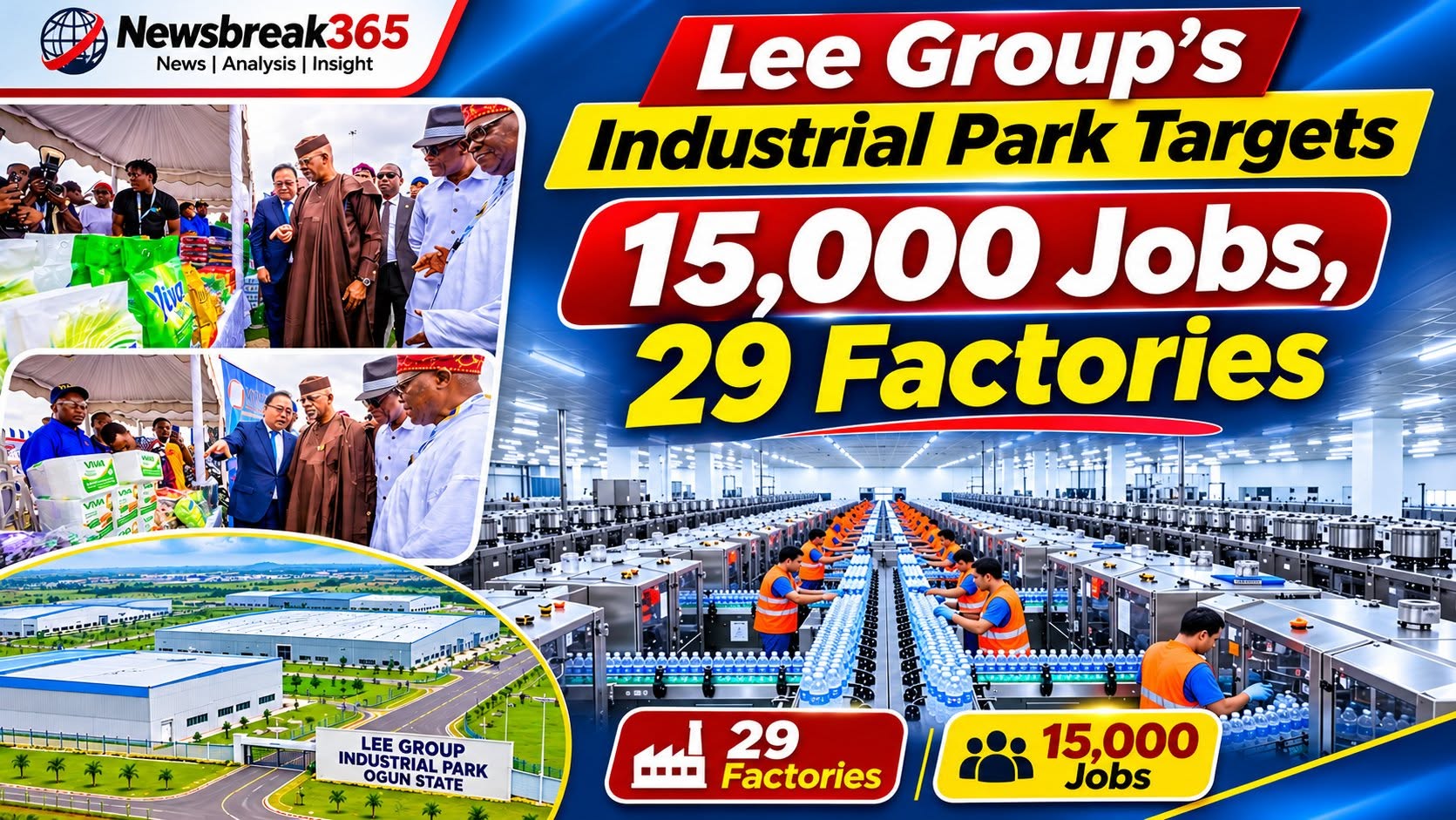
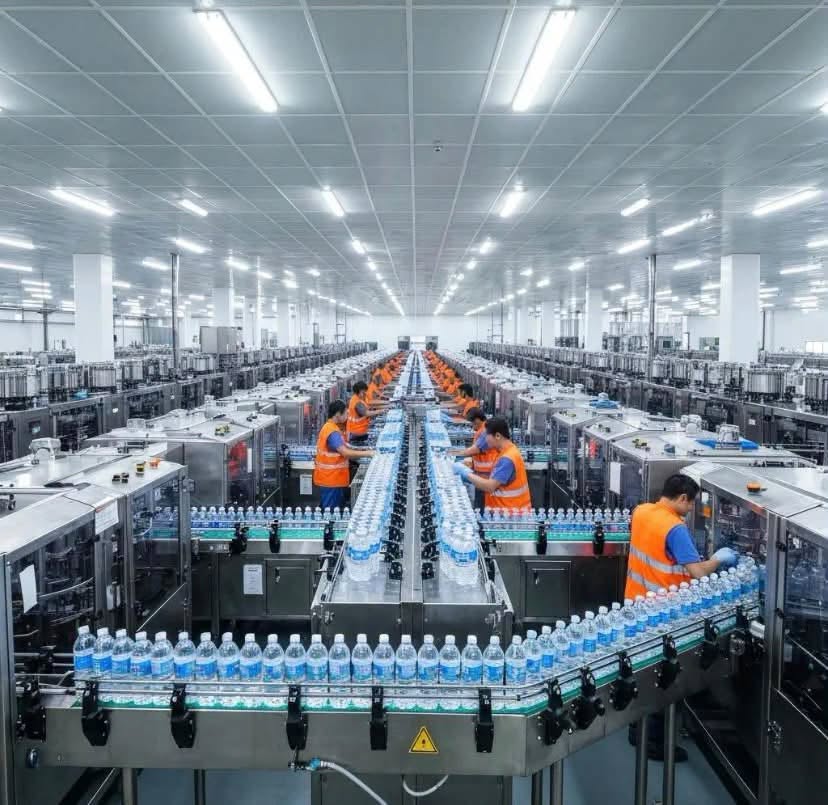
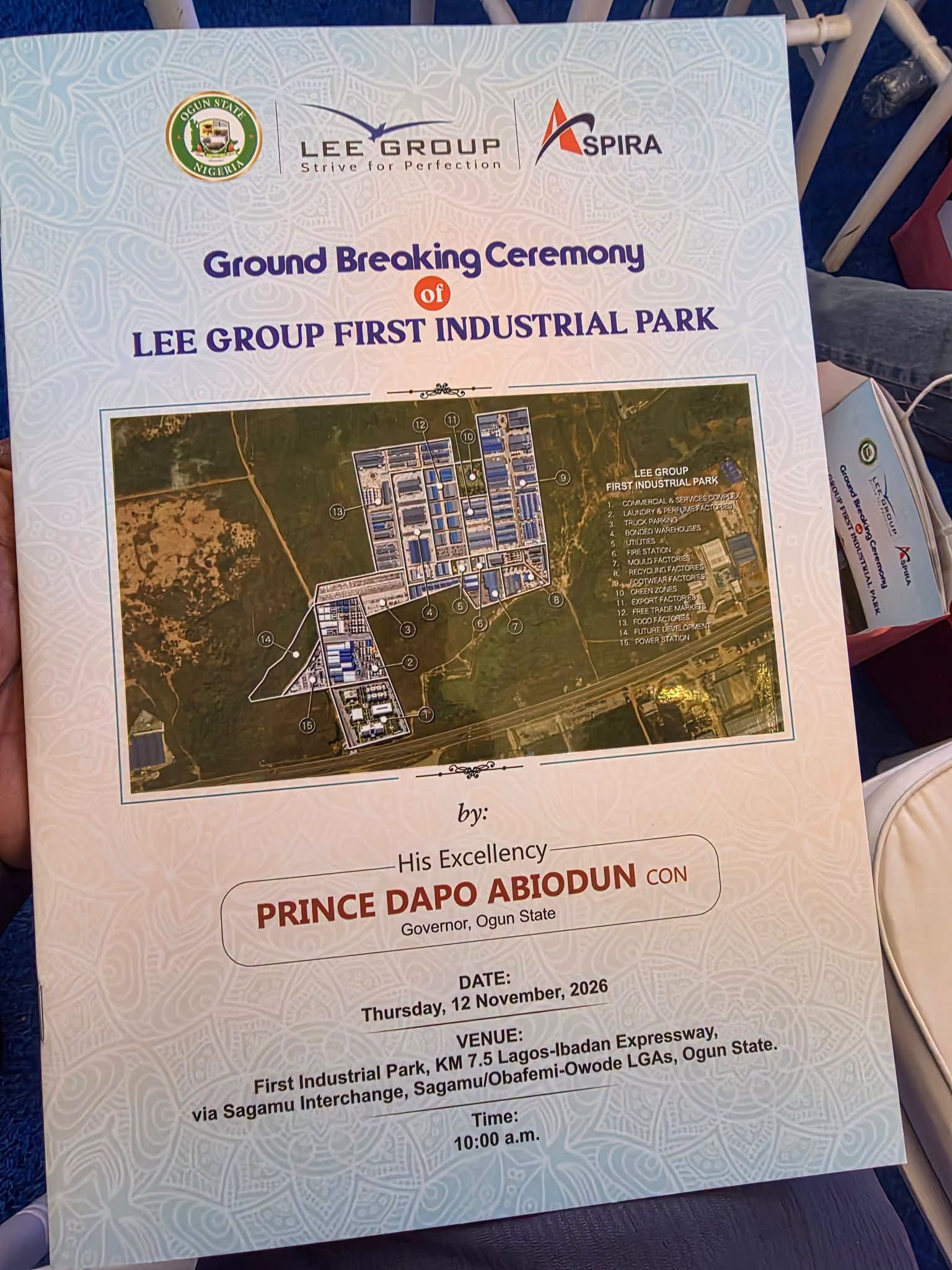
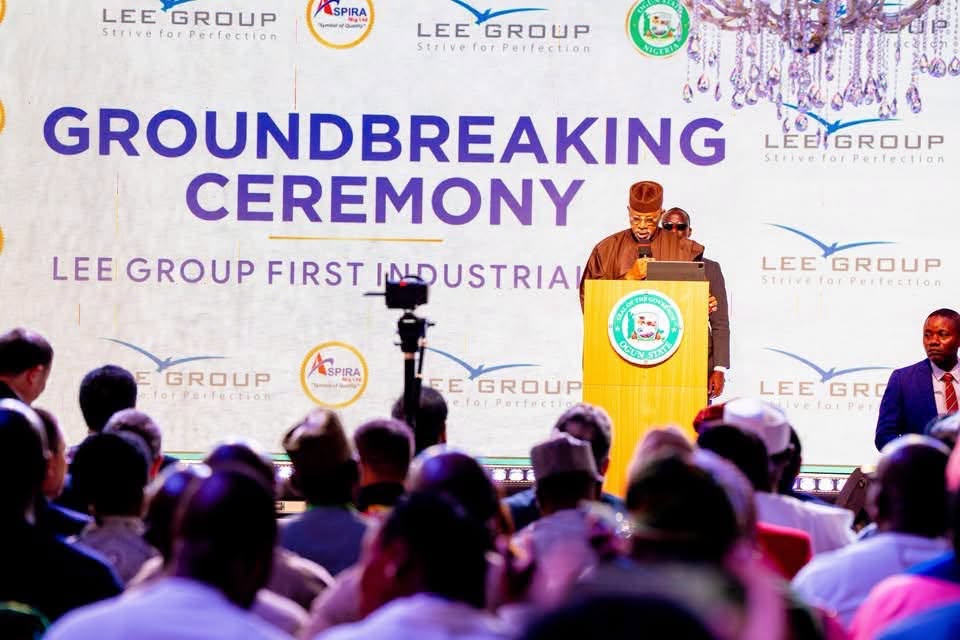
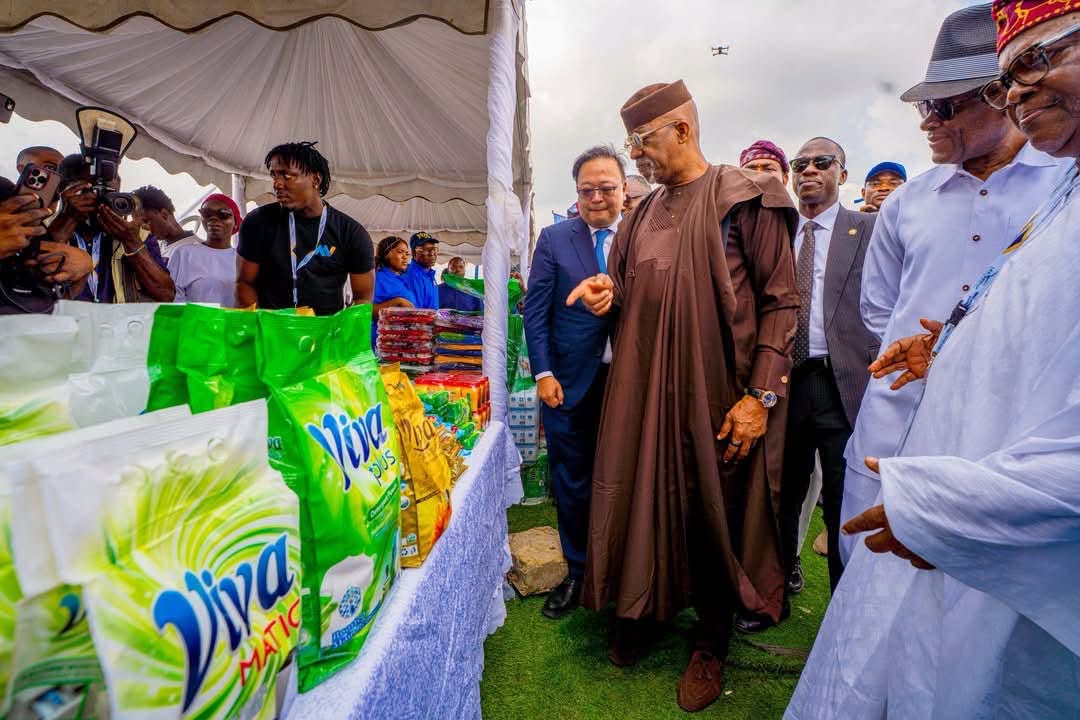
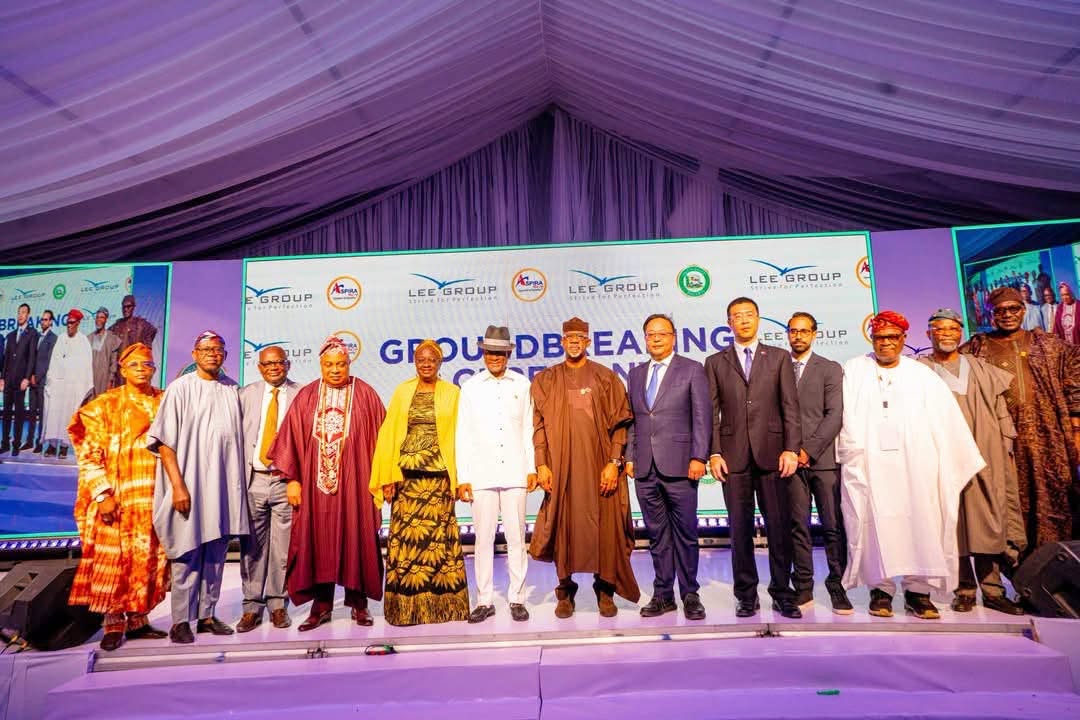
The Lee Group of Companies has commenced the development of a $1.8bn industrial park in Ogun State, with plans to establish more than 29 manufacturing facilities and generate about 15,000 direct and indirect jobs upon completion.
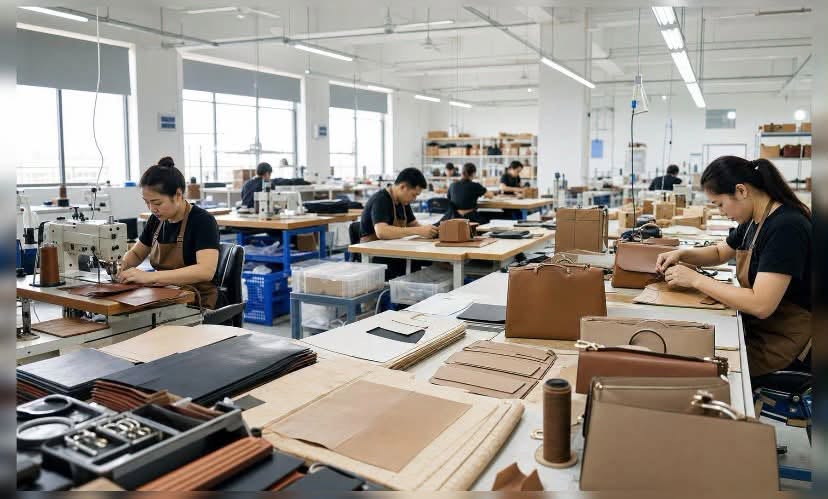
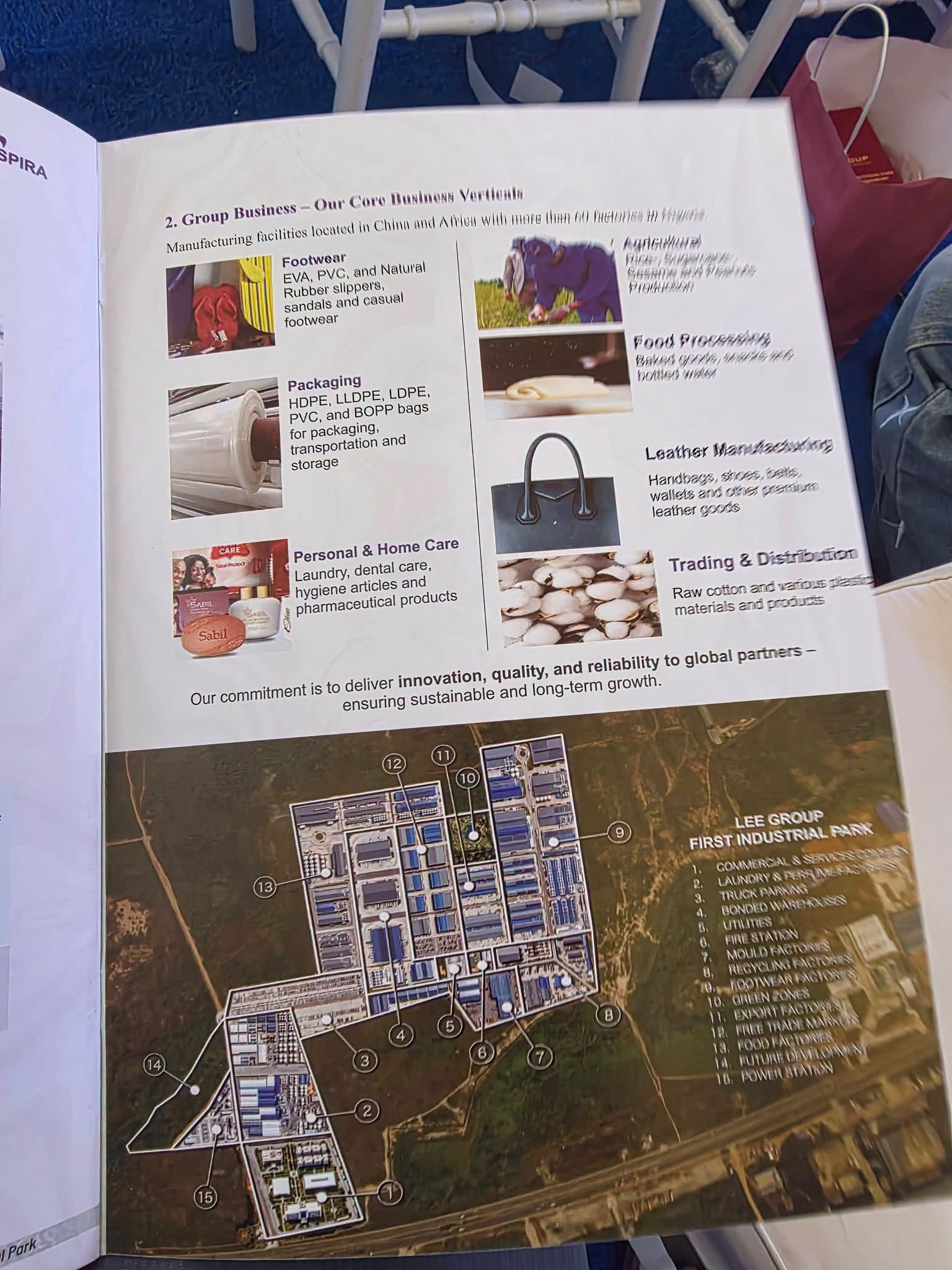
The 450-hectare industrial park, located at Makun Bridge, near the Sagamu Interchange along the Lagos-Ibadan Expressway, is expected to accommodate manufacturing businesses covering food and beverages, footwear, leather processing, detergents, personal care products, automotive components, plastics and recycling.
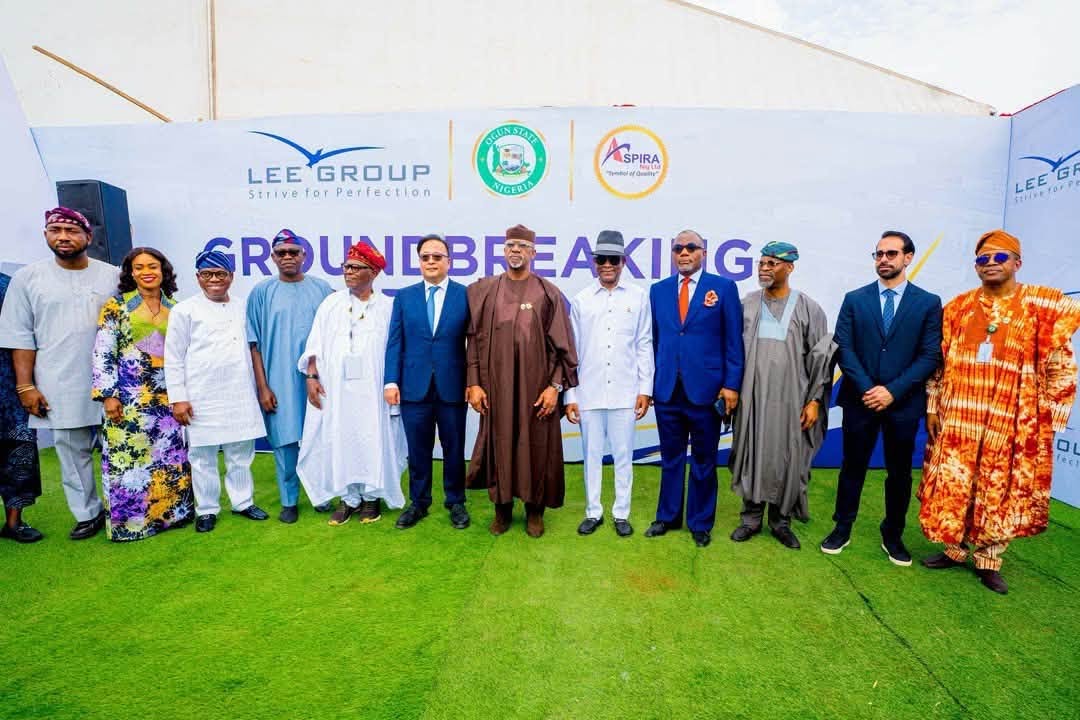
The Chairman of Lee Group, Mr Sheau Lee, disclosed this on Thursday during the groundbreaking ceremony of the project, which he said was conceived in 2009 by his late father, Mr Man Lung Lee, as his final project in Africa.
Lee said the proposed development, which was initially planned for about 650 hectares, would have an estimated gross development value of $3bn when completed.
He explained that the investment would be implemented in phases, with more than 29 factories expected to be established on the site.
According to him, the industrial park is designed primarily to serve the Nigerian market through local manufacturing rather than the conventional model of developing industrial plots for resale or rental.
He said, “On this site, we envisage an investment of approximately $1.8bn over the coming years, with more than 29 manufacturing facilities planned, and approximately 15,000 direct and indirect jobs expected. The completed development is projected to have a gross development value of $3bn.
“This investment is founded on our confidence in the Nigerian market. The country’s population and domestic demand offer substantial opportunity for local production, while its location allows manufacturers to serve neighbouring countries as well.
“Our park will operate outside the Free Trade Zone system, with the focus of meeting Nigerian consumption through local manufacturing.”
The chairman said the project would be driven by factories owned by the Lee Group and investments undertaken in partnership with other companies, particularly manufacturers from China.
He listed the proposed manufacturing activities to include food and beverages, footwear-related industries, detergent and personal care products, trucks, trailers, automotive activities, PVC leather production, mould manufacturing and plastic recycling.
The chairman, however, said the project had suffered years of delay due to misunderstandings about the company’s intentions, including perceptions that it was involved in land speculation.
He commended Governor Dapo Abiodun for his intervention, which he said helped resolve the issues and enabled the company to proceed with the development.
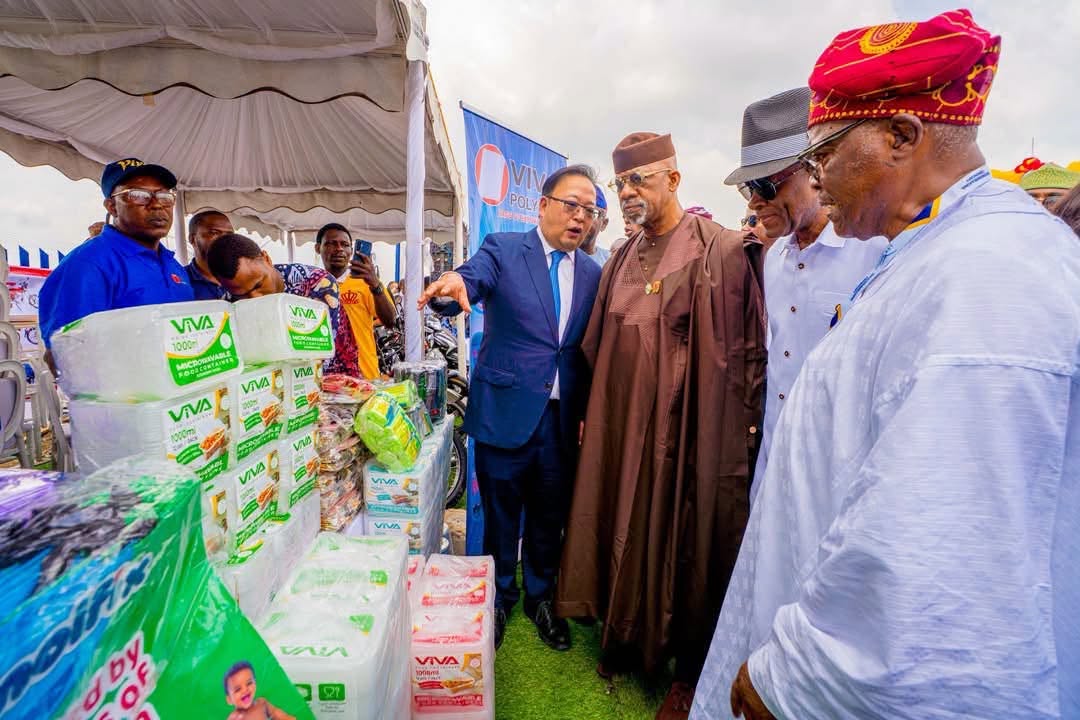
In his remarks, Abiodun described the groundbreaking as a defining moment in Ogun State’s industrialisation drive, saying the project represented a major vote of confidence in the state’s investment climate.
The governor said the development was particularly significant because it had been conceived several years before his administration but had remained unrealised until his government engaged the investors.
He said, “Today is a day of celebration of perseverance, focus and tenacity. These initiatives were procrastinated by others before me. But today, we’re here conducting this flag-off.
“It represents a very defining moment in our collective journey towards building a prosperous, industrialised and economically competitive Ogun State.
According to the governor, the proposed 450-hectare facility would significantly strengthen the state’s manufacturing base and attract additional commercial activities to the surrounding communities.
He said nearly 80 per cent of the land would be devoted to industrial production, while the remaining facilities would support commercial activities, exhibitions, bonded warehousing, road networks and other essential services.
The governor urged the company to prioritise local employment, skills development and technology transfer, assuring the investors of the state government’s continued institutional support.
He also described the project as an endorsement of President Bola Tinubu’s economic reforms, particularly the Federal Government’s efforts to promote local manufacturing and reduce dependence on imported goods.
Speaking at the event, the Minister of State for Industry, Trade and Investment, Senator John Enoh, described the project as an important step towards implementing Nigeria’s industrial policy, which prioritises productivity, value addition and economic transformation.
Enoh said the Federal Government had unveiled a new Nigerian Industrial Policy in February 2025, adding that the establishment of industrial parks and manufacturing clusters was central to achieving its objectives.