Connect with us

Lifestyle

PHOTOS: Seriki Williams Abass Slave Museum: A Historic Reminder of Nigeria’s Role in the Transatlantic Slave Trade

Published

on

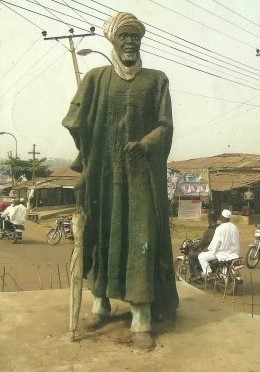
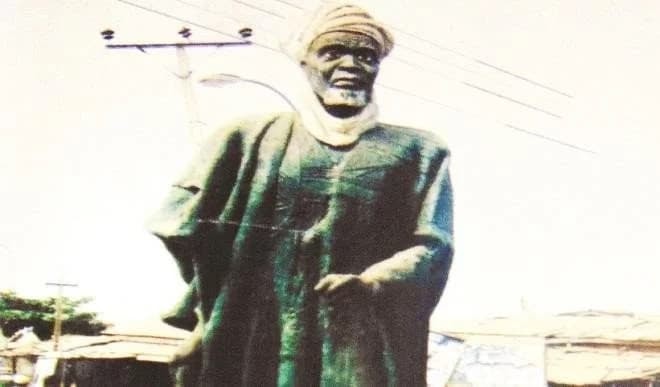
The Badagry monument that tells the story of pain, power, and redemption through the legacy of Chief Seriki Williams Abass

Meta Description:

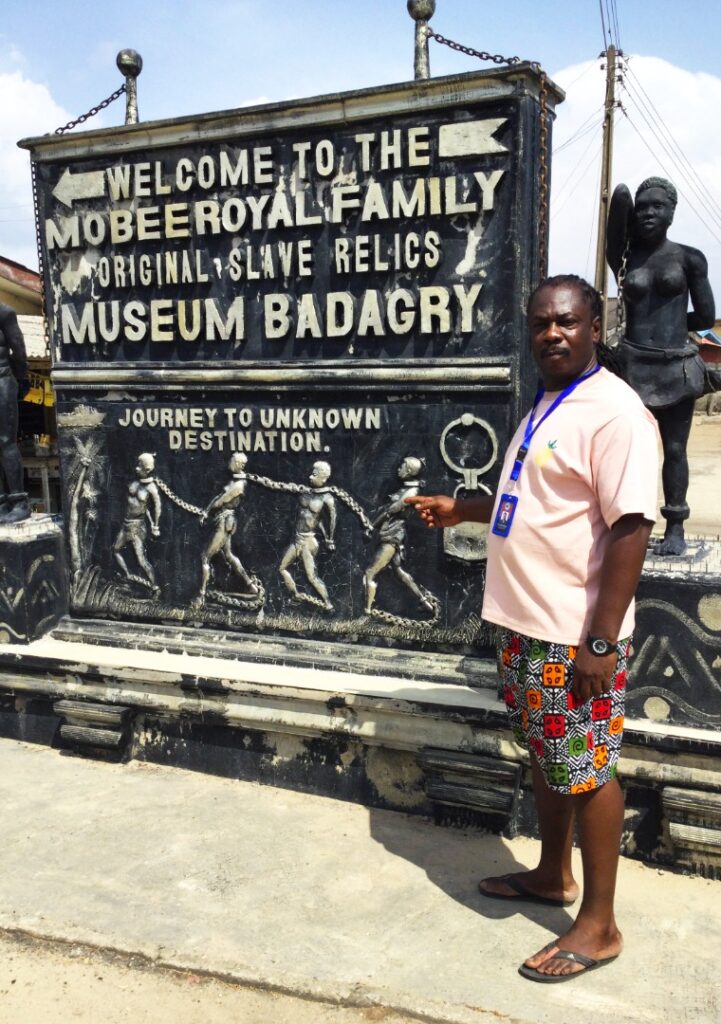
Located in Badagry, Lagos State, the Seriki Williams Abass Slave Museum—also known as the Seriki Abass Barracoon—stands as a solemn reminder of Nigeria’s involvement in the transatlantic slave trade and the complex legacy of Chief Seriki Williams Abass, a former slave turned slave merchant.

A Gateway to History and Memory

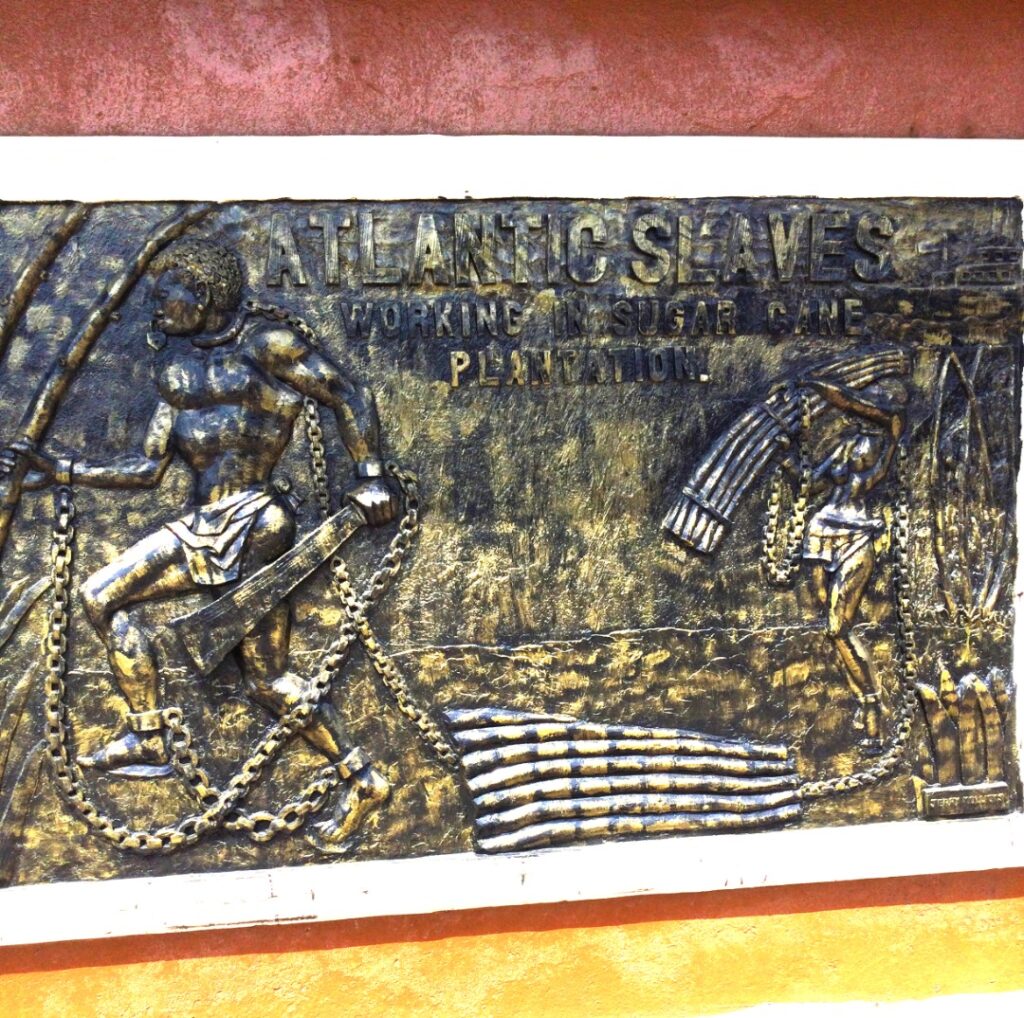
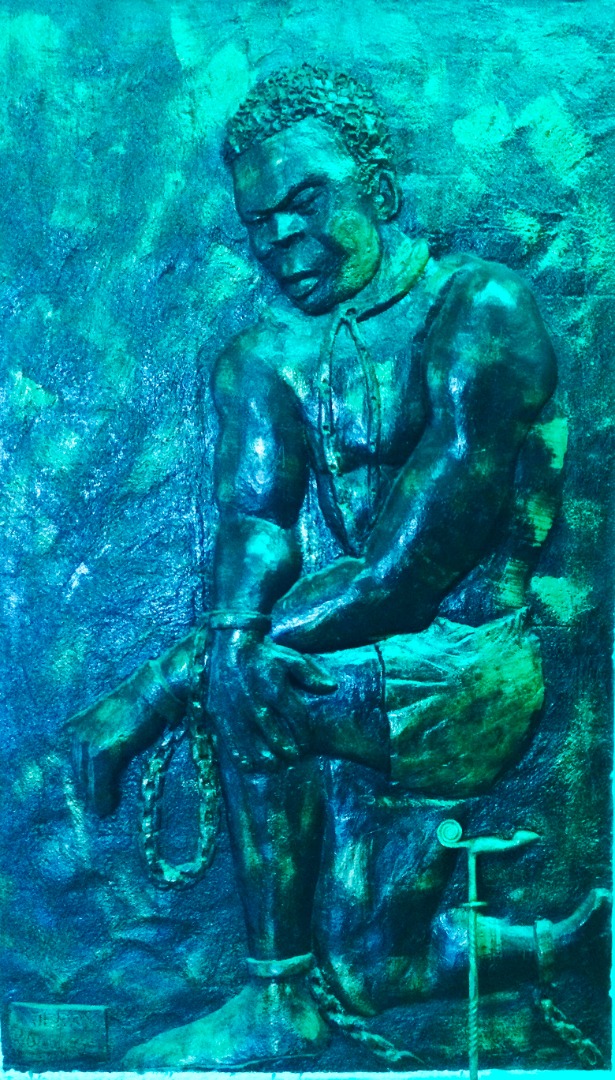
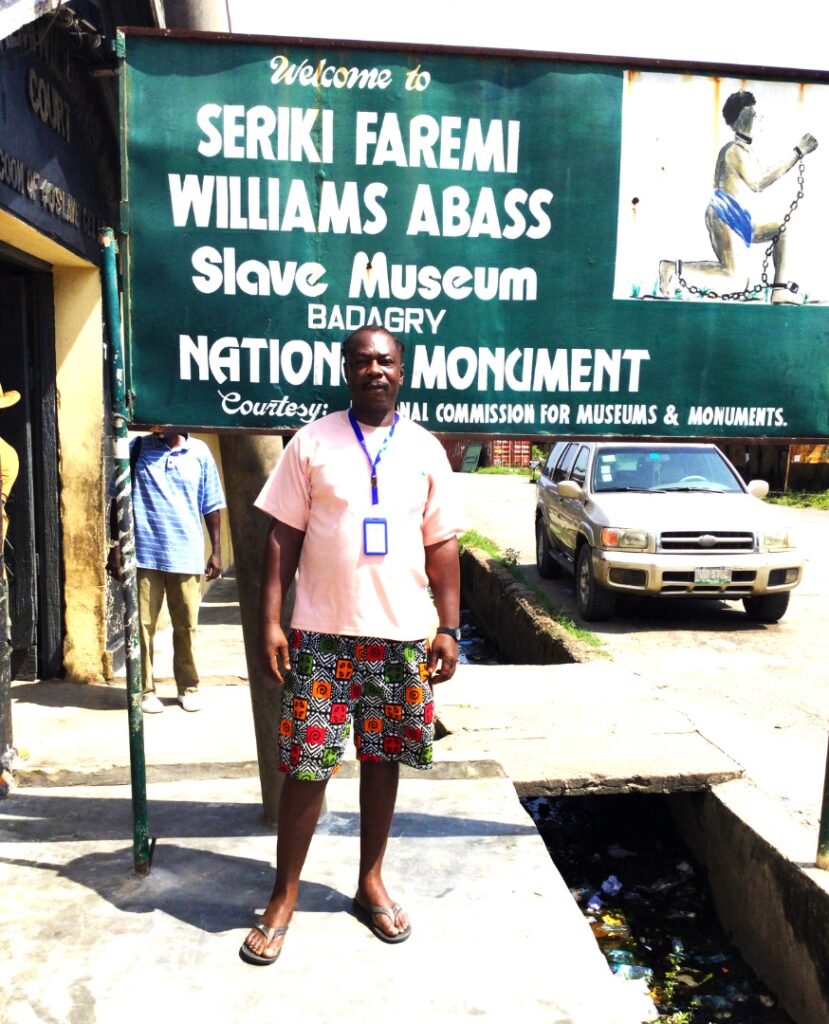
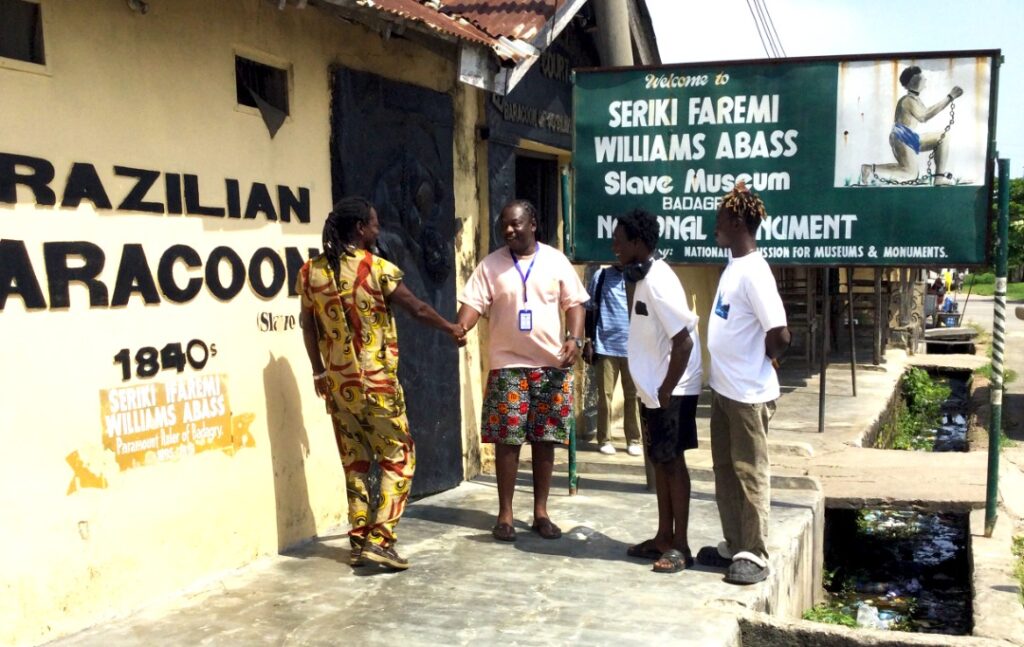
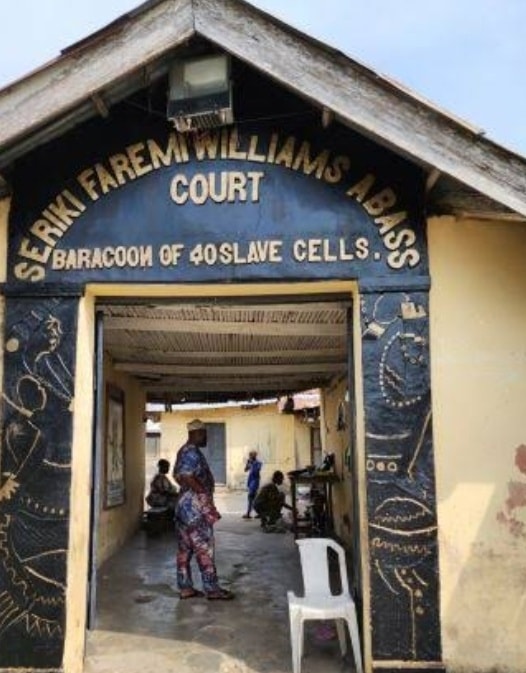
The image depicts the entrance to the Seriki Williams Abass Slave Museum, one of Nigeria’s most haunting and historically significant landmarks. Situated in Badagry, Lagos State, this museum occupies a 19th-century barracoon—a holding cell where enslaved Africans were kept before being shipped across the Atlantic.

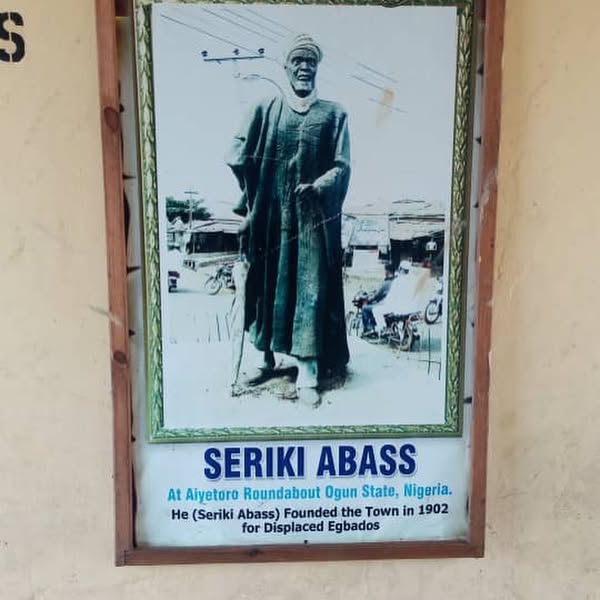
The structure was once owned by Chief Seriki Williams Abass, a man whose life tells a complex story of bondage, survival, and complicity. Born in the early 19th century, Abass was captured and sold into slavery at a young age. He was taken to Brazil, where he learned to read, write, and speak Portuguese fluently. Upon his return to Nigeria, he became a powerful middleman in the slave trade, working with European merchants to supply enslaved people from the interior to the coast.

The Man Behind the Museum

Chief Seriki Williams Abass, born Ifaremilekun Fagbemi, hailed from Ijoga-Orile in Ogun State. After his capture and eventual return from Brazil, he settled in Badagry, where he established a thriving business empire. His multilingual skills and connections with European traders elevated him to a position of immense influence.

Although he had once suffered the horrors of enslavement, Abass participated in the trade for decades, maintaining large holding rooms—known as barracoons—where enslaved people awaited transportation. His barracoon, now a museum, is said to have held at least 40 captives per room, often shackled and awaiting an uncertain fate across the ocean.

See also  LOCAL SPOTLIGHT: Meet The Nigerian Studio Making Games In Yoruba, Hausa

After the abolition of the slave trade, Abass transitioned into legitimate commerce and governance. He served as a traditional chief and maintained relations with the British colonial administration until his death in 1919.

Preserving the Legacy of the Enslaved

The Seriki Williams Abass Slave Museum was designated a national monument in 2003 by the National Commission for Museums and Monuments (NCMM). Today, the site offers visitors a glimpse into the dark history of slavery in West Africa.

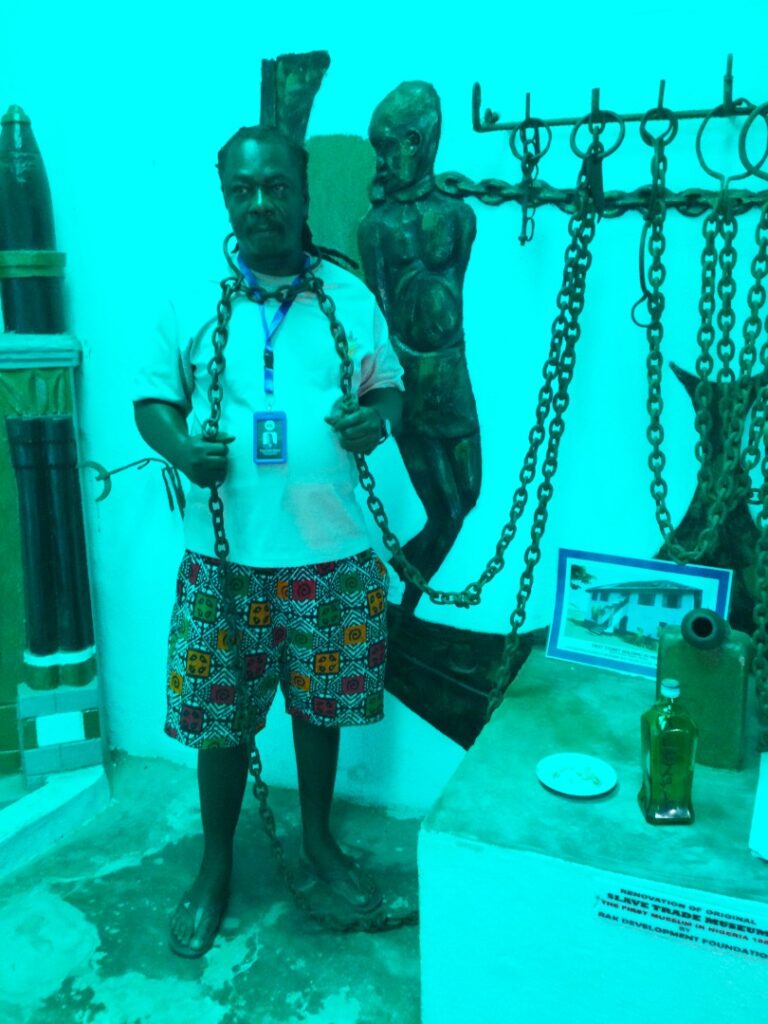
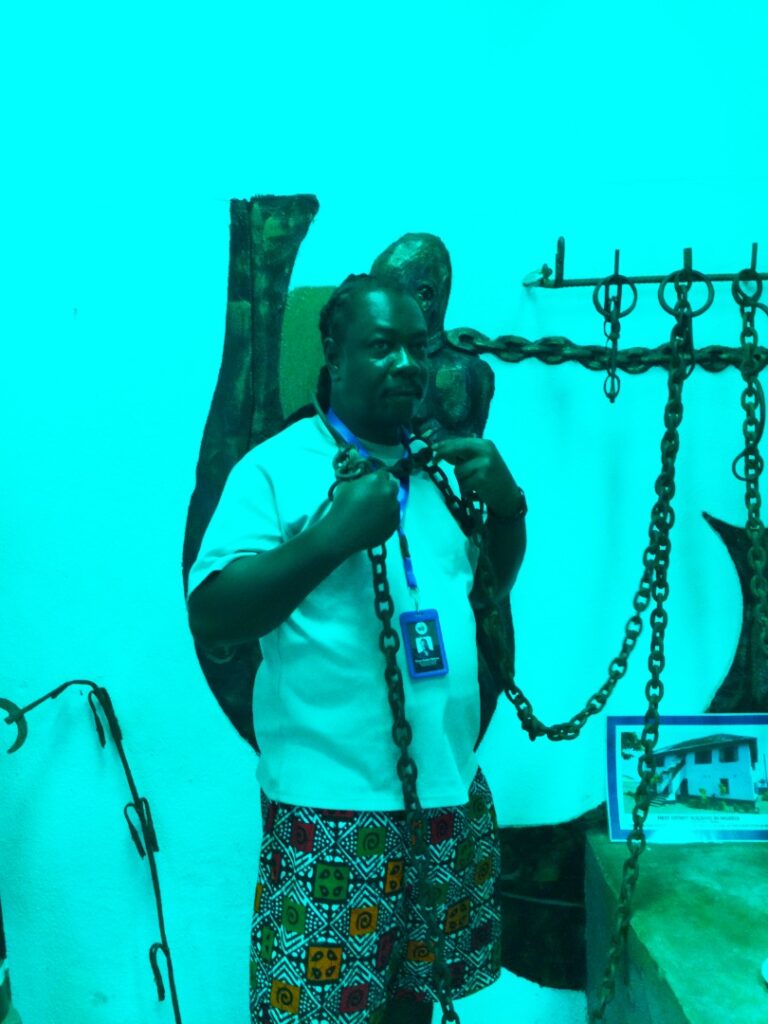
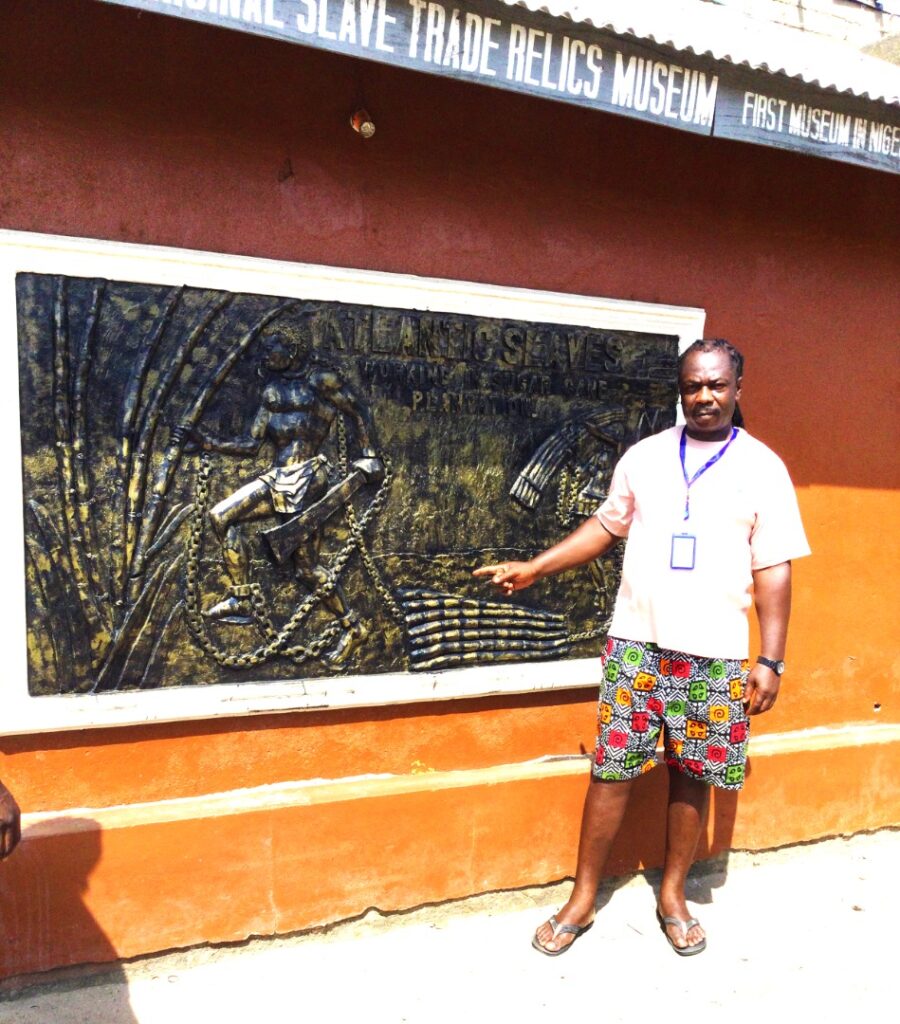
The museum’s exhibits include chains, branding irons, documents, and photographs that detail the transatlantic slave trade. Some of the original wooden holding rooms are still intact, preserving the eerie atmosphere of a place that once echoed with the cries of men, women, and children bound for the unknown.

Guides at the museum narrate the stories of the enslaved, the traders, and the eventual abolition efforts that reshaped global history. Visitors can also explore nearby landmarks such as the “Point of No Return”, where captives were loaded onto ships bound for the Americas, never to return.

Badagry: A City of History and Resilience

Badagry itself is one of Nigeria’s most historically significant towns. Located along the Atlantic coast, it was one of the major ports for the exportation of enslaved Africans between the 16th and 19th centuries.

Today, Badagry stands as a centre of remembrance, featuring several notable attractions, including:

The First Storey Building in Nigeria (1845)

The Slave Route and Point of No Return

The Vlekete Slave Market

The Heritage Museum

These sites, including the Seriki Abass Museum, collectively form a living classroom for history, reminding Nigerians and the world of the human cost of slavery and the resilience of those who endured it.

See also  Professor Patrick Okedinachi Utomi is a renowned Nigerian political economist, management expert, academic, author, and entrepreneur.

The Symbolism and Lessons of the Museum

Beyond its historical significance, the museum symbolises the complexity of human morality. Chief Seriki Williams Abass represents both the victim and the participant—captured and enslaved as a young man, yet later complicit in perpetuating the same system that once destroyed his own freedom.

This contradiction invites reflection on the cycles of oppression, the human thirst for power, and the redemptive potential of memory. By preserving this history, Nigeria confronts its past not to glorify it, but to ensure it is never repeated.

A Journey Through Time

Visitors to the museum often describe the experience as deeply emotional. Standing within the barracoon’s narrow rooms, one can almost feel the weight of chains and hear the whispers of those who never made it home. It’s a reminder that the past lives on—not in bitterness, but in the pursuit of truth, justice, and reconciliation.

References

National Commission for Museums and Monuments (NCMM)

UNESCO Slave Route Project

Vanguard Nigeria: “The Story of Chief Seriki Williams Abass”

Badagry Heritage Museum Records

Guardian Nigeria Archives
FOLLOW US ON:

FACEBOOK

TWITTER

PINTEREST

TIKTOK

YOUTUBE

LINKEDIN

TUMBLR

INSTAGRAM

Continue Reading
Click to comment

Leave a Reply

Your email address will not be published. Required fields are marked *

Lifestyle

Ohanaeze disowns installation of Igbo king in S’Africa

Published

on

The Ohanaeze Ndigbo Worldwide has rejected the controversial installation of an “Igwe Ndigbo na East London” in East London, South Africa.

It stated that the title is not recognised and lacks legal backing.

The PUNCH had earlier reported that violent unrest broke out on Monday in the Eastern Cape Province of South Africa following protests against the coronation, with demonstrators torching vehicles and looting shops owned by foreign nationals.

Video evidence shared on X showed protesters setting several vehicles and buildings allegedly belonging to foreigners ablaze, as security forces intensified efforts to restore order.

The outrage has continued to grow, with foreign-owned properties becoming primary targets.

However, in a statement by its National Publicity Secretary, Ezechi Chukwu, the group expressed concern over tensions triggered by the development, noting reports of attacks on innocent persons and destruction of property.

The statement read, “We express deep concern over the resulting disturbances, condemn the unwarranted attacks on innocent persons and destruction of property and call on relevant authorities to take necessary steps to prevent further escalation.”

The organisation condemned the violence and urged South African authorities to act swiftly to prevent further breakdown of law and order.

Ohanaeze stressed that the Igbo are globally known for their peaceful disposition, enterprise and respect for the laws of their host communities, as it dissociated itself from any conduct that contravenes local customs and traditions.

It clarified that the purported installation in East London “only amounts to a mere nominal observance since it is not backed by any law.”

See also  Alaafin vs Ooni: Monarchs under spell, say traditionalists

The group further noted that, in line with the position of the South East Council of Traditional Rulers, it did not recognise the conferment of the “Eze Ndigbo” title outside Igbo land.

Ohanaeze advised Igbo communities in the diaspora to adopt non-kingship titles such as “Onyendu” for internal coordination to avoid misrepresentation.

It also urged Igbo residents abroad to conduct themselves with discipline and respect for the laws of their host countries, while calling on the South African government and citizens to uphold peaceful coexistence.

The group appealed for calm, mutual respect and constructive engagement among all parties involved.

punch.ng

FOLLOW US ON:

FACEBOOK

TWITTER

PINTEREST

TIKTOK

YOUTUBE

LINKEDIN

Continue Reading

Lifestyle

Political titans, Dangote attend El-Rufai mother’s burial

Published

on

On Sunday, dignitaries from different political divides were present at the Central Mosque, Abuja, in honour of Hajiya Umma El-Rufai, the deceased mother of the former governor of Kaduna State, Mallam Nasir El-Rufai.

From his residence in Abuja to the mosque and lastly to the Gudu cemetery, both members of the opposition parties and the ruling party were present to offer condolences.

Specifically, his successor, Governor Uba Sani, the National Security Adviser, Mallam Nuhu Ribadu, were present in his house and at the funeral prayers.

The two had parted ways politically with El-Rufai, though they were mutual friends before.

Also present were former Vice President Atiku Abubakar, 2023 Labour Party presidential candidate, Peter Obi, former governor of Rivers State, Rotimi Amaechi, former governor of Sokoto State, Aminu Tambuwal, and ex-Adamawa State governor, Jibrilla Bindow.

All Progressives Congress governors were also in attendance, including Governors Babagana Zulum (Borno) and Mohammed Bago (Niger); former national chairman of APC, Abdullahi Ganduje; former Minister of Interior, Abdulrahman Dambazau, among others.

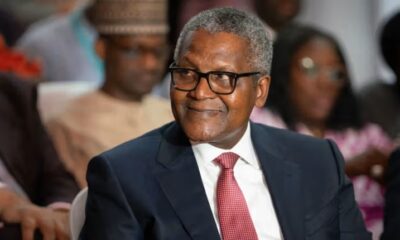
The 16th Emir of Kano, Lamido Sanusi, a former Zamfara State governor, Abdulaziz Yari, Senator Shehu Sani and billionaire businessman, Aliko Dangote, were also present.

At the interment of Hajiya El-Rufai at the Gudu Cemetery, Abuja, on Sunday, the former Minister of Communications and Digital Economy, Isa Pantami, held the two estranged friends (El-Rufai and Sani) by their shoulders and spoke a few words capable of melting the hardest of hearts.

Looking across his shoulders, he said, “Let us focus on the things that unite us because they are more than the things that divide us.

See also  Meet Samuel Johnson (1846–1901): The Man Who Saved Yoruba History

This life and everything it contains will end, and the grave is our end. No matter how you strive, you won’t get anything until Allah (God) grants it to you.”

Atiku had earlier announced his attendance in a post on his verified  X handle, saying, “Today, I joined family, friends and associates of Mallam Nasir El-Rufai and the extended El-Rufai family at the Janazah (funeral prayer) of the matriarch of the family, Hajiya Umma El-Rufai.

“May God continue to comfort the family and all who mourn her. And may Allah grant her Aljannah Firdaus. Amin.”

Prominent Nigerians, including President Bola Tinubu, had earlier paid tributes to the deceased.

Tinubu, in a statement signed by his spokesman, Bayo Onanuga, commiserated with El-Rufai, urging him to find the strength to move on in the absence of his beloved mother.

“Nasir, please accept my heartfelt condolences on the passing of your beloved mother, Hajiya Umma, which happened today (Friday) in Cairo. As someone who had also lost an old mother, I share in your grief,” Onanuga wrote on behalf of President Tinubu.

Sani also earlier extended condolences on behalf of the Kaduna State Government and its people, describing the late Hajiya Umma as “a devoted mother and matriarch, a woman of rare grace, moral clarity, and quiet strength,” who embodied faith, patience, generosity, and community reconciliation.

“On behalf of the government and people of Kaduna State, I extend my deepest condolences to His Excellency, Mallam Nasir El-Rufai, and the entire El-Rufai family on the passing of their beloved mother, Hajiya Umma El-Rufai,” Sani said.

See also  Major General Henry Edmund Olufemi Adefope (1926–2012)

The National Chairman of the APC, Prof Nentawe Yilwatda, visited El-Rufai and his family, urging them to put their faith in God at all times.

He posted, “I visited the home of Mallam Nasir El-Rufai to commiserate with him and the entire family on the painful loss of his beloved mother, Hajiya Umma El-Rufai, who passed away yesterday (Friday).

“The death of a mother is a deeply personal and irreplaceable loss. It is a moment of profound grief not only for the immediate family, but also for all who understand the priceless role of a mother in the life of her children and family.

“Mama lived a fulfilled life and, by the grace of God, leaves behind a legacy through her children, family and all those whose lives she touched.

“At this difficult time, I pray that Almighty Allah forgives her shortcomings, grants her Aljannatul Firdaus, and comforts Mallam Nasir El-Rufai, the entire El-Rufai family, and all loved ones she left behind. May Allah grant the family the strength, patience and fortitude to bear this painful loss,” the APC Chairman wrote.

Also, the immediate past governor of Ekiti State and former Chairman of the Nigerian Governors’ Forum, Dr Kayode Fayemi, expressed deep sorrow over the passing of Hajiya Umma.

In a statement issued on Sunday by the Fayemi Media Office, the ex-governor described her death as a profound loss, not only to the El-Rufai family but also to all who were touched by her life of humility, faith, and service.

He noted that the late Hajiya Umma lived a life defined by strong moral values, devotion to family, and commitment to community—qualities he said are reflected in her son’s life and public service.

See also  Seriki Williams Abass: From Captive to Contested Power in Badagry (PHOTOS)

“I received with deep sadness the news of the passing of Hajiya Umma El-Rufai. Her departure is a painful loss, but we take solace in the exemplary life she lived and the legacy she leaves behind,” Fayemi said.

The death came at a time when El-Rufai was in the custody of the Independent Corrupt Practices and Other Related Offences Commission following his arrest over allegations of corruption and money laundering.

He was arraigned before a Federal High Court in Kaduna on March 24 on a 10-count charge, with the case adjourned until March 31, 2026, for hearing of pending applications, including his bail request.

He was released temporarily from the ICPC custody, reportedly to witness the burial rites of his mother.

Continue Reading

Lifestyle

Veteran Filmmaker, Wale Adenuga Reveals Why He Sacked And Recalled Papa Ajasco

Published

on

According to Adenuga, the actor was initially removed from the role due to serious misconduct, including attempts to claim ownership of the Papa Ajasco brand.

Veteran filmmaker Wale Adenuga has revealed the reasons behind the removal and subsequent return of Abiodun Ayoyinka in his role as Papa Ajasco.

According to Adenuga, the actor was initially removed from the role due to serious misconduct, including attempts to claim ownership of the Papa Ajasco brand.

The conflict reportedly began when Ayoyinka organised a tour using the Papa Ajasco name without informing the production team.

The situation escalated after the Nigerian Copyright Commission discovered that he had tried to register the brand under his name, even though the producers already held the legal rights.

Adenuga, in an interview with Punch, described this act as a betrayal that led to the actor’s dismissal.

Despite the controversy, Ayoyinka was later brought back to the role, a decision Adenuga said was based on practicality and the actor’s talent rather than personal feelings.

He noted that while talented actors can be challenging, their skills sometimes make them indispensable.

The producer also discussed changes in the entertainment industry, mentioning that his productions have adapted to digital platforms.

Shows like Akpan and Oduma are now distributed mainly on YouTube, while WAPTV maintains an online presence and mobile app to reach audiences.

On the topic of royalties and actor welfare, Adenuga said the current system needs reform and that responsibility should not rest solely on producers.

He suggested that a well-structured industry could ensure fair compensation and long-term support for actors, reducing the burden on individual production teams.

See also  Seriki Williams Abass: From Captive to Contested Power in Badagry (PHOTOS)

He said, “That level of betrayal led to his dismissal. I understand the psychology of actors. Sometimes the most talented can also be the most difficult. As a producer, you sometimes have to choose between talent and temperament. Despite everything, I would still work with him because he is a good actor. Our content is now on social media.

“Some productions like Akpan and Oduma are distributed primarily on YouTube, while WAPTV also has an online presence and app. I agree that actors should benefit more in a structured system. It is not the sole responsibility of producers to manage long-term welfare. A proper industry structure would ensure that everyone is taken care of.”

FOLLOW US ON:

FACEBOOK

TWITTER

PINTEREST

TIKTOK

YOUTUBE

LINKEDIN

Continue Reading

Trending