Connect with us

Lifestyle

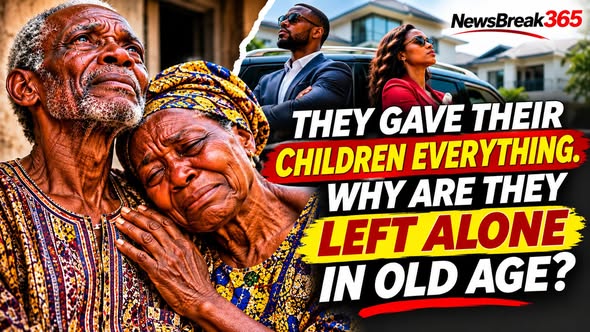
THE PAINFUL BETRAYAL: SOME PARENTS SACRIFICE EVERYTHING FOR THEIR CHILDREN, ONLY TO BE ABANDONED IN OLD AGE

Published

on

How can parents spend their entire lives building a better future for their children, only to find themselves lonely, forgotten and neglected when they become old and vulnerable?**

There is a painful reality happening in many families that deserves more attention: some parents give everything they have to raise their children, yet those same children struggle to show them love, attention and care when they grow old.

From sleepless nights to financial struggles, countless parents sacrifice their comfort, dreams and personal happiness to ensure their children have opportunities they never enjoyed themselves.

They deny themselves good food so their children can eat. They wear old clothes so their children can look presentable. They work through exhaustion, endure humiliation and sometimes go into debt just to pay school fees, provide shelter and secure a better future for their families.

For many parents, raising children is not simply a responsibility; it becomes a lifelong sacrifice.

But what happens when the tables turn?

## When the parents who gave everything become old

The same parents who once carried their children when they could not walk may eventually struggle to walk themselves.

The hands that prepared meals, washed clothes, paid bills and provided comfort may one day become weak and need assistance.

The voices that encouraged their children through difficult moments may eventually become quiet, lonely voices waiting for someone to call.

Unfortunately, some elderly parents experience a painful transformation in their relationships with their adult children.

Phone calls become less frequent. Visits become occasional. Financial assistance becomes an argument. Even spending a little time with them becomes an inconvenience.

See also  Birds of a Feather: Does Your Circle Reflect Who You Really Are?

Some parents live alone, waiting for visits that never come. Others struggle with their daily needs while their children appear to have moved on with their comfortable lives.

For these parents, the pain is not always about money. Sometimes, what they miss most is simply knowing that their children still care.

## From childhood dependence to parental neglect

One of the most heartbreaking contradictions in family life is that children who once depended entirely on their parents can grow into adults who barely acknowledge their parents’ needs.

These parents did not necessarily expect their children to become wealthy or famous. Many simply hoped that the love they gave would not disappear when they became old.

Yet, in some families, success, career advancement, marriage, business and personal ambitions gradually take priority over maintaining relationships with ageing parents.

Some children remember their parents when they need financial assistance, connections or help with their own children, but become unavailable when those parents need support.

It raises an uncomfortable question: Have some people become so occupied with building their own lives that they have forgotten the people who helped them get there?

## Is it always the children’s fault?

This conversation also requires honesty.

Not every parent was loving, responsible or supportive. Some children carry painful childhood experiences, emotional wounds and histories of abuse or neglect.

Nobody should be expected to tolerate abuse simply because someone is their biological parent.

However, where parents genuinely provided love, protection, guidance and support, abandoning them without compassion raises serious moral questions.

See also  WHO SHOULD BE BLAMED WHEN A MARRIAGE BECOMES A SOURCE OF REGRET?

Caring for ageing parents does not necessarily mean giving them everything they demand. It means recognising their humanity, treating them with dignity and offering reasonable support where possible.

## The African family culture and the changing meaning of responsibility

Across many African communities, caring for elderly parents has traditionally been regarded as an important family responsibility.

Parents were respected as the foundation of the family, and adult children were expected to remember their sacrifices.

However, migration, economic hardship, unemployment, changing lifestyles and family disagreements have complicated these responsibilities.

Many Africans living abroad are also caught between building their own families and supporting ageing parents back home.

Distance and financial difficulties can make caregiving challenging, but genuine concern does not always require enormous financial resources.

A regular phone call, an occasional visit, emotional support and practical assistance can make a significant difference.

The issue is not whether children must become wealthy before caring for their parents. It is whether they are willing to show compassion when their parents need them most.

## One day, the roles may be reversed

Ageing is a natural part of life. Nobody remains young, physically strong or financially independent forever.

The parent who once worked tirelessly to provide for the family may eventually need someone to accompany them to the hospital, prepare their meals or simply sit beside them.

The tragedy is that some parents spend their final years wondering whether their sacrifices meant anything.

Children should remember that success is not measured only by the houses they build, cars they drive, businesses they establish or luxurious lifestyles they display.

See also  Olubadan seeks integration of traditional medicine with modern healthcare

How they treat the people who raised them also says something about their character.

**You may not be able to repay every sacrifice your parents made, but you can choose not to make their old age a season of loneliness and abandonment.**

## FINAL THOUGHT: DON’T WAIT UNTIL IT IS TOO LATE

There are parents who would give anything to hear their children’s voices one more time. There are elderly mothers and fathers who do not need expensive presents; they simply want to feel remembered.

Unfortunately, time does not wait for anyone. One day, the opportunity to call, visit, apologise or show appreciation may disappear forever.

Before celebrating how far you have travelled in life, remember those who helped you take your first steps.

**The people who once sacrificed their happiness to give you a better tomorrow should not have to spend their old age begging for your attention.**

—

### THE BIG QUESTION

Should adult children be morally responsible for caring for parents who sacrificed everything to raise them, or should caring for elderly parents be entirely a personal choice?

Can a child genuinely claim to be successful while neglecting the parents who struggled to give them a better life?

We want to hear your perspective.

*NewsBreak365 — Bringing important conversations to the forefront.*

FOLLOW US ON:

FACEBOOK

WHATSAPP CHANNEL

TWITTER

PINTEREST

TIKTOK

YOUTUBE

LINKEDIN

INSTAGRAM

Continue Reading
Click to comment

Leave a Reply

Your email address will not be published. Required fields are marked *

Lifestyle

THE DISTURBING OBSESSION WITH ARTIFICIAL BEAUTY: BREAST ENLARGEMENT, BUTT ENHANCEMENT, SKIN BLEACHING AND BODY TATTOOS — HAVE WE LOST OUR NATURAL IDENTITY?

Published

on

Has the modern obsession with physical appearance gone too far? From breast enlargement and butt enhancement to skin bleaching and excessive body modifications, society is increasingly caught in a troubling battle with natural beauty.**

There was a time when people were encouraged to appreciate their natural appearance. Today, however, the definition of beauty seems to be changing at an alarming pace. Bigger breasts, bigger buttocks, lighter skin, artificial curves and elaborate body modifications have become increasingly visible in popular culture.

The uncomfortable question is: **Are people genuinely expressing themselves, or has society created a generation that feels ashamed of looking natural?**

## THE NEVER-ENDING RACE FOR BIGGER BREASTS AND BUTTOCKS

One of the most controversial developments in modern beauty culture is the growing desire for breast enlargement and butt enhancement.

For some individuals, cosmetic surgery is a personal decision that improves their confidence. However, the increasing pressure to achieve exaggerated body proportions raises serious questions about the influence of social media, celebrity culture and unrealistic beauty standards.

Some people undergo multiple procedures in pursuit of a particular appearance. Unfortunately, cosmetic procedures can carry significant medical risks, including complications that may be life-threatening.

When does the desire to look attractive become an obsession that puts personal health at risk?

## SKIN BLEACHING: WHY IS NATURAL SKIN COLOUR NO LONGER ENOUGH?

Perhaps one of the most troubling beauty trends is skin bleaching.

Why should anyone feel that their natural skin colour is something that needs to be corrected?

Across different societies, lighter skin is sometimes associated with attractiveness, social status and acceptance. These harmful perceptions can create pressure, particularly among young people, to abandon their natural complexion.

See also  Some People Know Very Little, Yet They Behave as Though They Know Everything

The consequences can go beyond appearance. Some skin-lightening products contain dangerous ingredients, including mercury or potent corticosteroids, which can cause serious health problems.

**Imagine being so uncomfortable with the skin you were born with that you are willing to risk your health just to become several shades lighter.**

Who benefits from this insecurity?

## BODY TATTOOS: SELF-EXPRESSION OR AN EXCESSIVE OBSESSION?

Body tattoos have become an increasingly popular form of personal expression.

For some people, tattoos represent memories, culture, identity, art or deeply personal experiences. There is nothing inherently wrong with that.

However, questions arise when body modification becomes an endless pursuit, with people repeatedly altering their appearance without considering the long-term consequences.

Personal expression should come with personal responsibility.

## SOCIAL MEDIA IS REDEFINING BEAUTY

Instagram, TikTok and celebrity culture have created an environment where physical appearance can seem more valuable than character.

Filters, cosmetic enhancements, edited photographs and unrealistic body proportions have influenced how people judge themselves and others.

The danger is that people begin comparing their ordinary lives and natural bodies with carefully manufactured images.

Instead of developing confidence, they develop new insecurities.

Instead of appreciating what makes them unique, they start chasing somebody else’s appearance.

And the beauty industry continues to benefit from the belief that people are never attractive enough.

## HAVE WE BECOME ASHAMED OF OUR NATURAL SELVES?

This is not an argument against personal freedom, fashion, cosmetic surgery or individual choices. Everyone has the right to make decisions about their own body.

But personal freedom should not prevent society from having an honest conversation about insecurity, dangerous beauty standards and the pressure to change one’s appearance.

See also  When Parents Hurt Their Own Children: Where Should the Line Be Drawn?

Natural beauty should never be treated as a disadvantage.

Dark skin is beautiful. Natural body shapes are beautiful. Ageing is natural. Individual differences are part of what makes human beings unique.

Perhaps the real problem is not that people want to look beautiful. It is that society has created an endless list of things people supposedly need to change before they can feel beautiful.

## THE BIG QUESTION: WHERE DO WE DRAW THE LINE?

Are we witnessing a new era of personal freedom and self-expression, or are we gradually becoming prisoners of artificial beauty standards?

How much should someone alter their natural appearance in the name of beauty?

And why has appreciating our natural features become such a difficult message to promote?

**The truth may be uncomfortable, but it deserves to be discussed.**

### JOIN THE CONVERSATION

1. Has society become dangerously obsessed with artificial beauty?
2. What drives the increasing demand for breast and butt enlargement?
3. Why do some people feel pressured to bleach their natural skin colour?
4. Are excessive body modifications becoming a cause for concern?
5. Is social media destroying people’s confidence in their natural appearance?

**Drop your honest opinion in the comments. Is this modern beauty, personal freedom or a disturbing obsession with changing what nature gave us?**

*Newsbreak365 — Bringing the conversations society is afraid to have.*

FOLLOW US ON:

FACEBOOK

WHATSAPP CHANNEL

TWITTER

PINTEREST

TIKTOK

YOUTUBE

LINKEDIN

INSTAGRAM

Continue Reading

Lifestyle

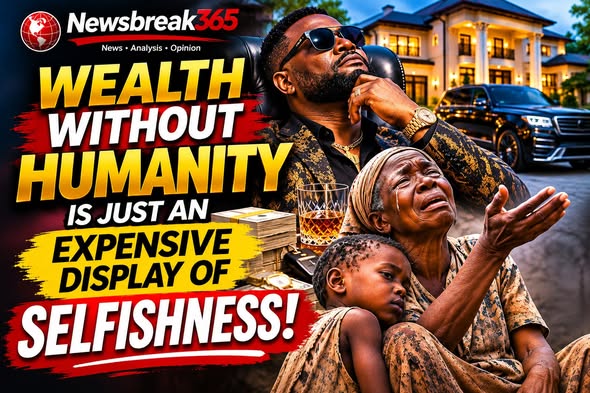
WEALTH WITHOUT HUMANITY: WHEN BEING RICH BECOMES AN EXPENSIVE DISPLAY OF SELFISHNESS

Published

on

Money can buy mansions, luxury cars, designer clothes and expensive lifestyles. But when wealth destroys compassion, what exactly is there to celebrate?**

In today’s society, one disturbing reality is becoming increasingly difficult to ignore: we have created a culture where people are celebrated more for what they possess than for who they are.

The size of someone’s mansion, the brand of their car, the designer clothes they wear and the amount of money they spend have become powerful measurements of social importance. Meanwhile, kindness, generosity, integrity and compassion are increasingly pushed into the background.

But here is an uncomfortable question: **What is the true value of wealth when the person possessing it has no compassion for others?**

## When money becomes more important than humanity

There is something deeply disturbing about a society that can celebrate someone spending millions on a lavish party but considers helping a struggling family an unnecessary burden.

Some wealthy individuals will spend enormous amounts of money trying to impress strangers, yet hesitate to assist someone genuinely in need.

They will buy another luxury vehicle while ignoring the suffering happening just outside their gates. They will throw extravagant celebrations, invite influential people and display their riches on social media, but struggle to show ordinary human kindness.

Of course, nobody should be forced to give away their wealth. People have the right to enjoy the rewards of their hard work. Being wealthy is not a crime, and enjoying luxury is not automatically selfish.

The problem begins when personal comfort becomes more important than human dignity, and when wealth produces arrogance instead of responsibility.

See also  Olubadan seeks integration of traditional medicine with modern healthcare

## We have started worshipping money instead of character

Perhaps one of the biggest problems in modern society is how easily we confuse financial success with human greatness.

Someone can be extremely wealthy and still be dishonest, arrogant, insensitive and cruel. Yet society may continue to celebrate that individual simply because of their financial status.

People who own expensive properties are treated like celebrities, while hardworking people struggling to survive are sometimes treated as though they have failed in life.

What kind of values are we teaching the next generation?

Are we raising children to become good human beings, or are we raising them to believe that becoming rich is more important than becoming responsible, compassionate and decent?

When children grow up watching society worship money without questioning character, we should not be surprised when material possessions become their ultimate definition of success.

## Your bank account cannot measure your humanity

True success should not be measured exclusively by how much money someone accumulates.

It should also be measured by how they treat people who cannot offer them anything in return.

Can you respect someone who cannot help you financially? Can you show kindness without expecting publicity? Can you recognise the dignity of someone who has nothing to offer you?

These are questions that reveal character far more than expensive watches, luxury homes and impressive bank balances.

A person who uses modest resources to support struggling people may demonstrate greater humanity than someone with enormous wealth who lives entirely for personal gratification.

See also  HAVE MEN FORGOTTEN WHAT MAKES THEM MEN? WHEN MEN START COMPETING WITH WOMEN IN BRAIDING THEIR HAIR AND WEARING EARRINGS!

**Being rich is an economic achievement. Being humane is a character achievement. They are not the same thing.**

## One day, the display will end

There is a reality that money cannot negotiate with: time.

The cars will eventually change owners. The mansions will pass into other hands. Expensive clothes will become outdated, and the attention that once surrounded someone’s wealth will eventually disappear.

What remains is the impact that person made on other people’s lives.

People may forget the car you drove, the expensive restaurants you visited and the amount of money you spent on celebrations.

But they are less likely to forget how you treated them when they were struggling.

You may impress thousands of people with your wealth, but genuine kindness can earn you something money cannot purchase: sincere respect.

## Society must stop confusing luxury with greatness

This is not an attack on wealthy people. There are generous, compassionate and responsible wealthy individuals who use their resources to create opportunities, support communities and improve lives.

They deserve recognition.

But we must stop treating wealth as automatic evidence of good character.

A society that celebrates financial success while ignoring moral failure risks producing generations that know how to make money but have forgotten how to care about other human beings.

We need to change what we admire.

Celebrate people who create opportunities, support the vulnerable, treat workers with dignity, stand up for justice and use their influence responsibly.

Let wealth be a tool for progress, not a weapon for arrogance.

**The ultimate tragedy is not being poor while others are rich. It is becoming so obsessed with being rich that you lose the ability to recognise another person’s suffering.**

See also  Some People Know Very Little, Yet They Behave as Though They Know Everything

—

## THE BIG QUESTION: IS WEALTH STILL SUCCESS WHEN HUMANITY IS MISSING?

Can someone genuinely be called successful if they have everything money can buy but lack compassion, kindness and concern for others?

Should society continue celebrating people simply because they are wealthy, or should character and positive contributions to humanity matter more?

Perhaps it is time to stop asking only, “How much money does this person have?” and start asking, “What kind of human being is this person?”

**Because wealth without humanity is not greatness. It is simply an expensive display of selfishness.**

*What is your opinion? Join the debate and share your perspective.*

FOLLOW US ON:

FACEBOOK

WHATSAPP CHANNEL

TWITTER

PINTEREST

TIKTOK

YOUTUBE

LINKEDIN

INSTAGRAM
Continue Reading

Lifestyle

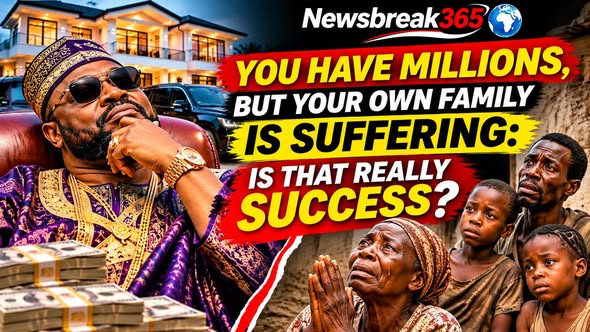
YOU ARE RICH, BUT YOUR FAMILY AND COMMUNITY ARE SUFFERING: WHAT IS THE REAL VALUE OF YOUR WEALTH?

Published

on

Having millions in your bank account means very little if you have lost the ability to show compassion to people who genuinely need your help.**

In a society where wealth is increasingly celebrated as the ultimate symbol of success, an uncomfortable question deserves to be asked: What is the real value of being wealthy when the people around you are struggling to survive?

You drive expensive cars, own luxurious properties, wear designer clothes, travel to exotic destinations and spend enormous amounts of money maintaining an image of success. Your social media pages are filled with pictures of luxury, expensive celebrations and extravagant lifestyles.

But behind that beautiful display of wealth, there may be a painful reality.

Your elderly parents may be struggling. Your siblings may be unable to pay their children’s school fees. A relative may be battling a medical emergency. Children in your community may be dropping out of school because their families cannot afford basic educational expenses.

Yet, despite having the financial capacity to make a difference, you choose to look away.

## WHEN WEALTH BECOMES MORE IMPORTANT THAN HUMANITY

One of the disturbing realities of modern society is how some people allow financial success to change their attitude towards others.

Before becoming wealthy, they understood the pain of poverty. They knew what it meant to struggle, borrow money and depend on the kindness of others.

But after acquiring wealth, some begin to behave as though they have forgotten where they came from.

Suddenly, struggling relatives become irresponsible. Poor friends become liabilities. People asking for assistance are labelled opportunists.

See also  History: Oba Olateru Olagbegi II — The King Who Fathered Over 140 Children

They have money for expensive parties, luxury holidays, unnecessary shopping and public displays of generosity, but helping someone in genuine need becomes an unbearable financial responsibility.

Is this really what success should look like?

## YOU CAN BE WEALTHY WITHOUT BECOMING EVERYBODY’S BANK

To be fair, nobody is suggesting that wealthy individuals should become the financial responsibility of their entire extended family.

Not every request for financial assistance is genuine. Some people take advantage of kindness, refuse to work towards improving their circumstances and expect others to solve every problem.

Wealthy people also have personal responsibilities, financial commitments, businesses, children and future plans to protect.

However, there is a significant difference between setting healthy financial boundaries and deliberately turning your back on people who genuinely need help.

You do not have to give away your entire fortune to demonstrate compassion.

Sometimes, paying a child’s school fees, helping someone access medical treatment, providing food for a struggling household or supporting a young person with vocational training can change an entire life.

The problem is not that wealthy people cannot help everybody. The problem is when some people have the ability to help somebody but choose to help nobody.

## WHAT EXACTLY ARE YOU CELEBRATING?

There is something deeply questionable about celebrating extraordinary financial success while remaining completely indifferent to the suffering around you.

What is the purpose of accumulating wealth if it only serves to make your lifestyle more comfortable while you ignore every opportunity to improve another person’s life?

What is the value of building mansions when your elderly parents cannot afford basic necessities?

See also  Some People Know Very Little, Yet They Behave as Though They Know Everything

What is the achievement in buying another luxury vehicle when a struggling relative cannot afford life-saving medical treatment?

And what does it say about your character when you spend millions entertaining strangers but cannot offer reasonable assistance to someone genuinely struggling within your own family?

These are uncomfortable questions, but they deserve honest answers.

## WEALTH SHOULD NOT DESTROY YOUR SENSE OF HUMANITY

Money can provide comfort, security, opportunities and freedom. It can transform families and communities when used responsibly.

A wealthy individual who invests in education, supports struggling families, creates employment and contributes to community development leaves a legacy that goes beyond material possessions.

But wealth without compassion can create a dangerous illusion: the belief that financial superiority makes someone more important than everyone else.

Your bank balance does not determine your humanity. Your expensive lifestyle does not automatically make you successful as a human being.

One day, the cars will become old, the houses will change ownership, the expensive clothes will wear out and the money you worked so hard to accumulate will eventually be left behind.

What will people remember about you?

Will they remember someone who accumulated wealth and displayed it proudly, or someone whose success brought hope and opportunities to others?

## THE BIG QUESTION: IS WEALTH A PERSONAL PRIVILEGE OR A SOCIAL RESPONSIBILITY?

This debate deserves more attention, especially in communities where poverty, unemployment, educational inequality and inadequate access to healthcare remain serious challenges.

Should wealthy people feel morally responsible for helping struggling members of their families and communities?

Or should people have the absolute freedom to enjoy their wealth without being judged for refusing to assist others?

See also  Birds of a Feather: Does Your Circle Reflect Who You Really Are?

Where should the boundary between personal financial freedom and social responsibility be drawn?

Perhaps the real measure of wealth is not simply how much money you accumulate, but how wisely you use the opportunities that money gives you.

**You do not have to make everybody rich. But if you have the power to make someone’s difficult life a little easier, why choose to make no difference at all?**

**WHAT IS YOUR POSITION?**

Is a wealthy person who refuses to help struggling family members and neighbours selfish, or does nobody have the right to demand assistance simply because someone else is rich?

Share your opinion in the comment section. We want to hear both sides of this debate.

*Newsbreak365 — Beyond the Headlines.*

FOLLOW US ON:

FACEBOOK

WHATSAPP CHANNEL

TWITTER

PINTEREST

TIKTOK

YOUTUBE

LINKEDIN

INSTAGRAM

Continue Reading

Trending