News
Ogun police present ₦10.7m to families of fallen officers




News
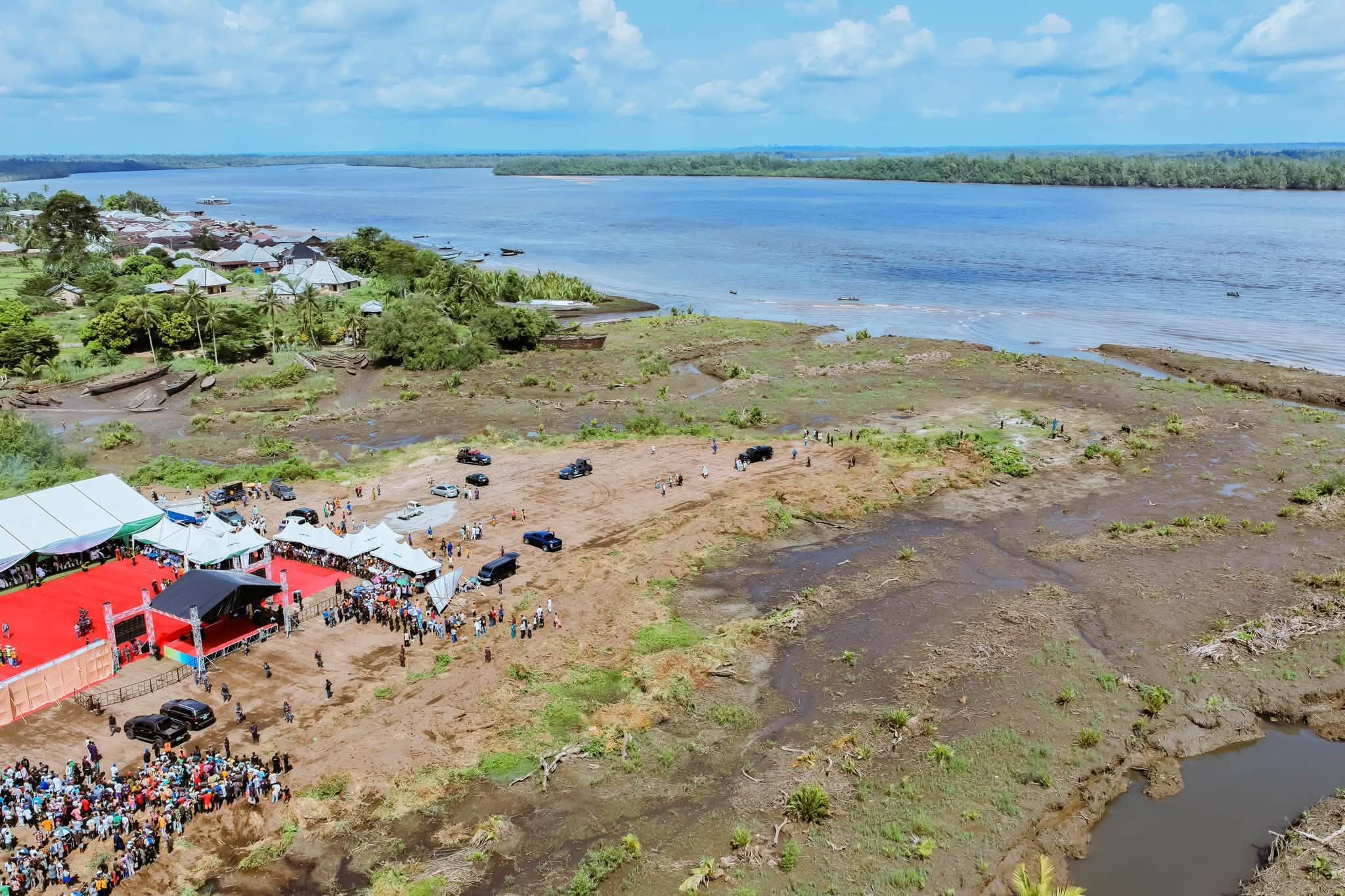
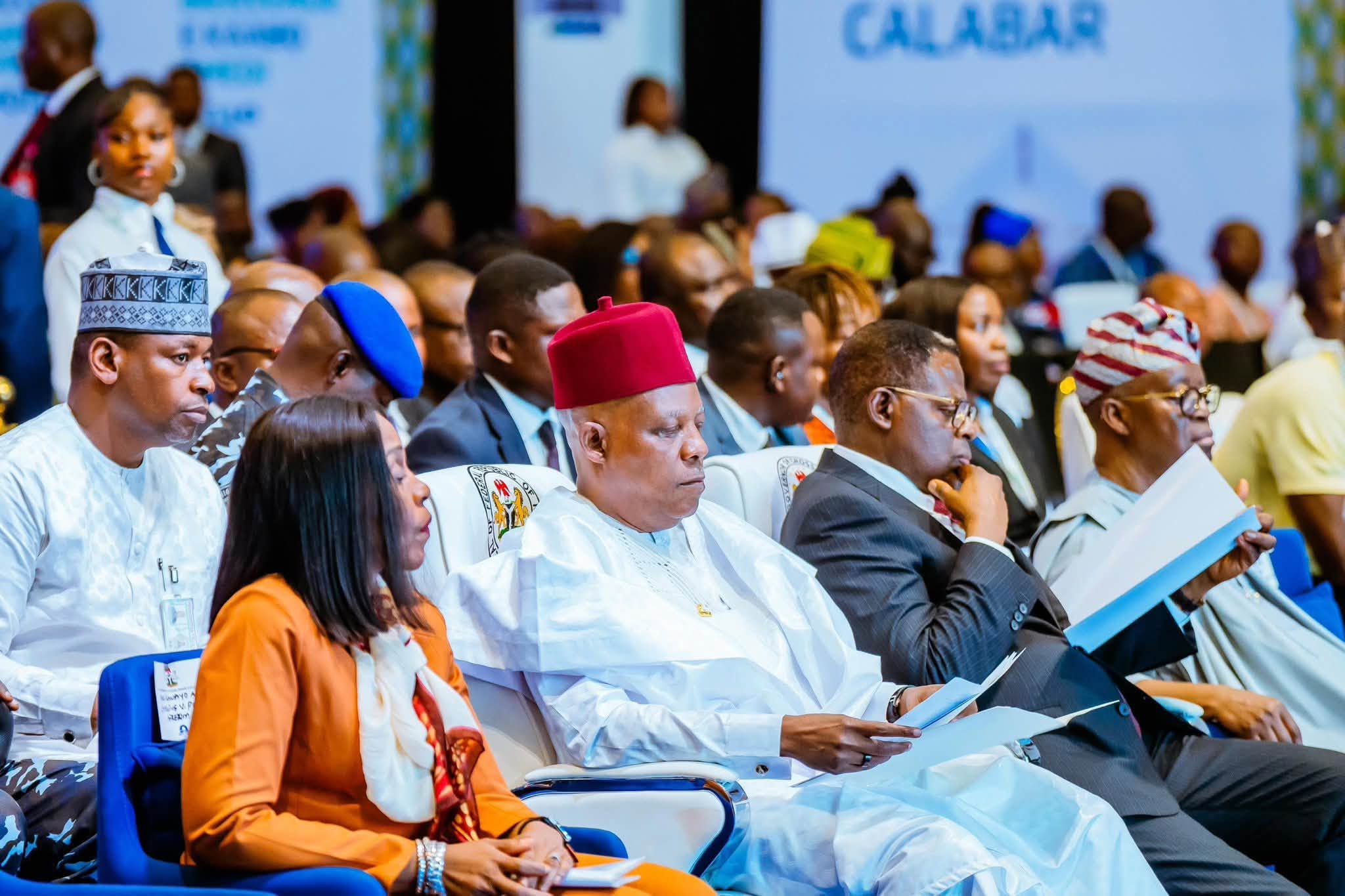
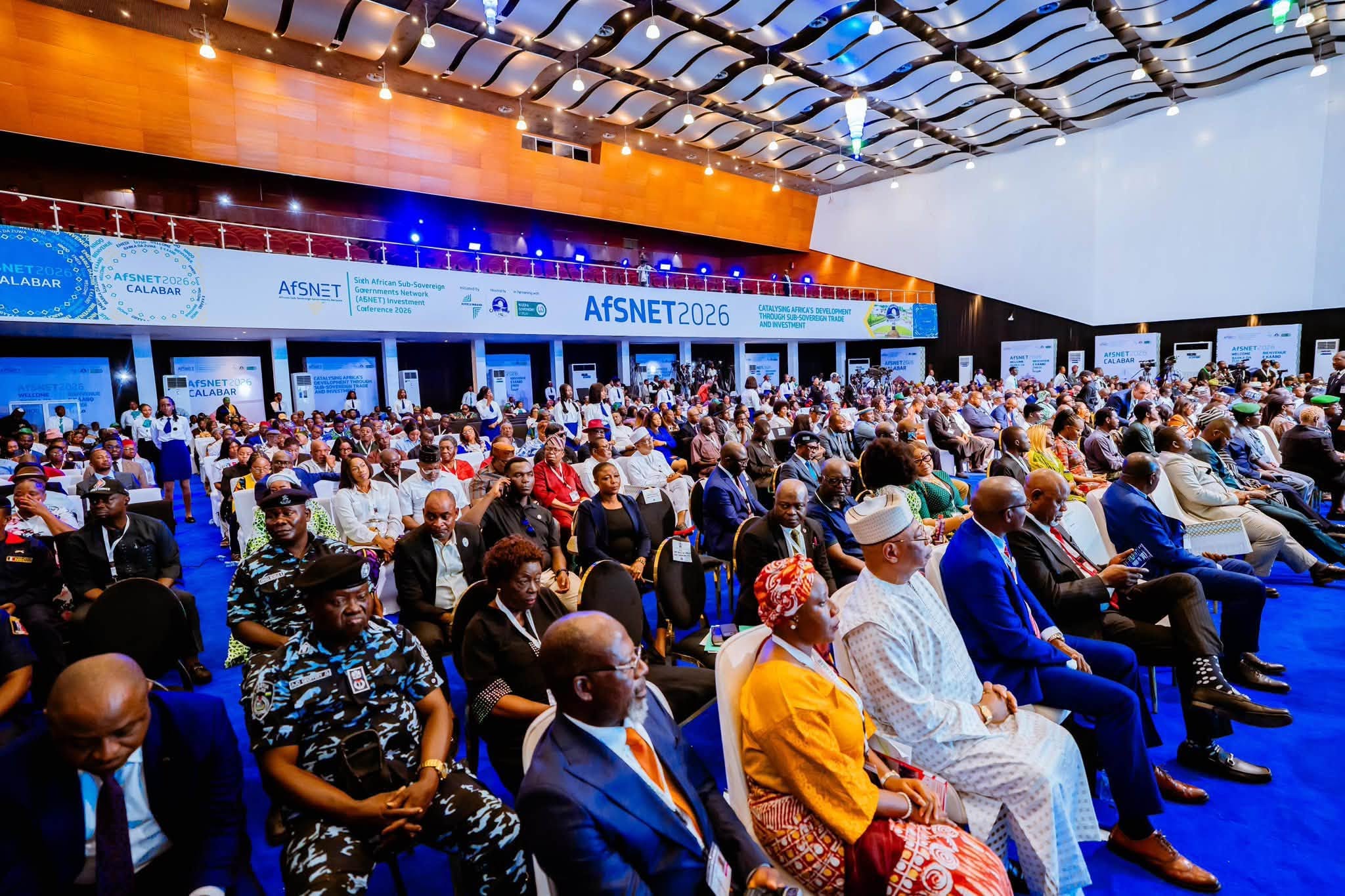
PHOTOS: Tinubu flags off construction of $3.5 billion Bakassi Deep Seaport project in Cross River State

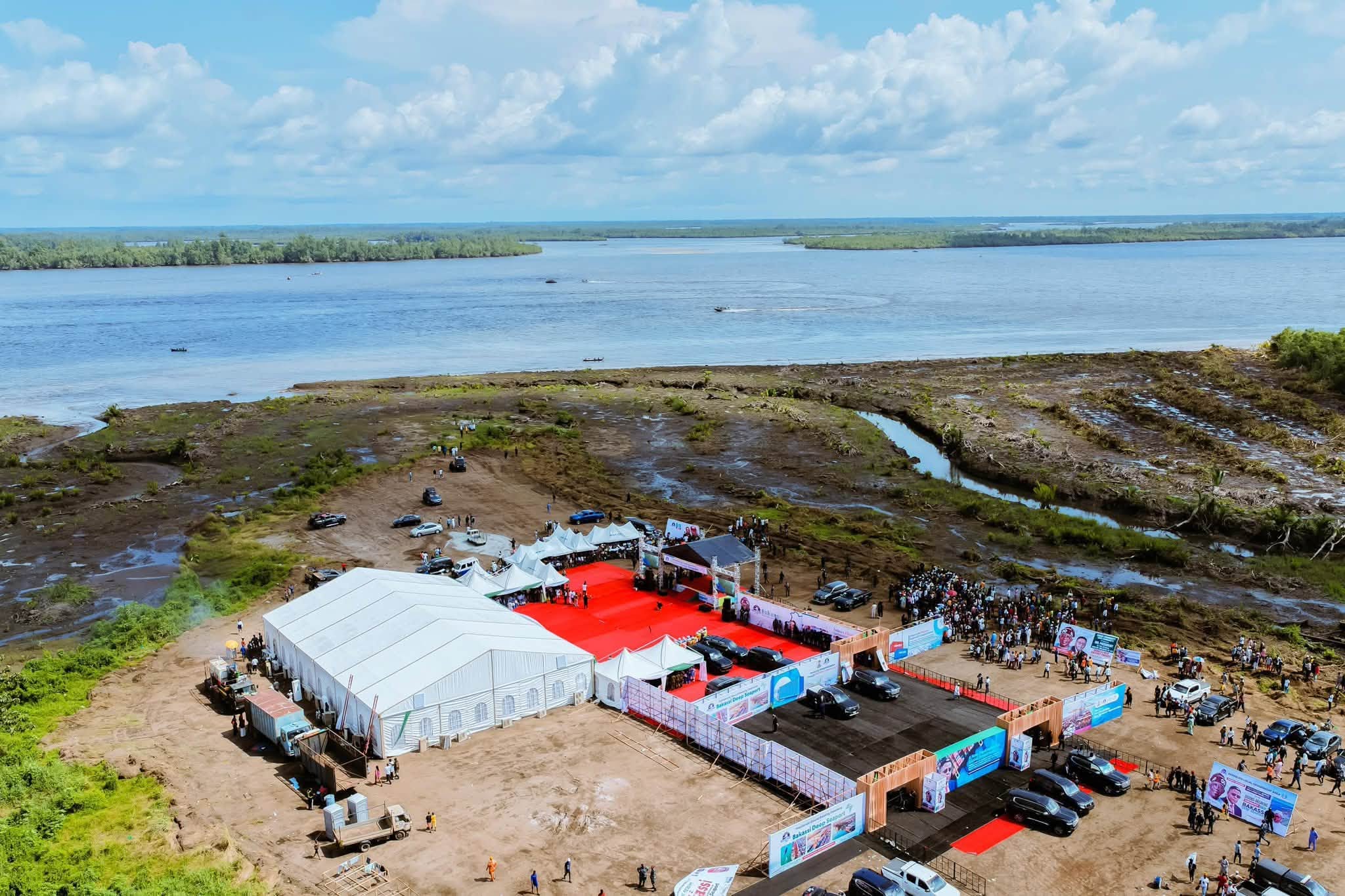
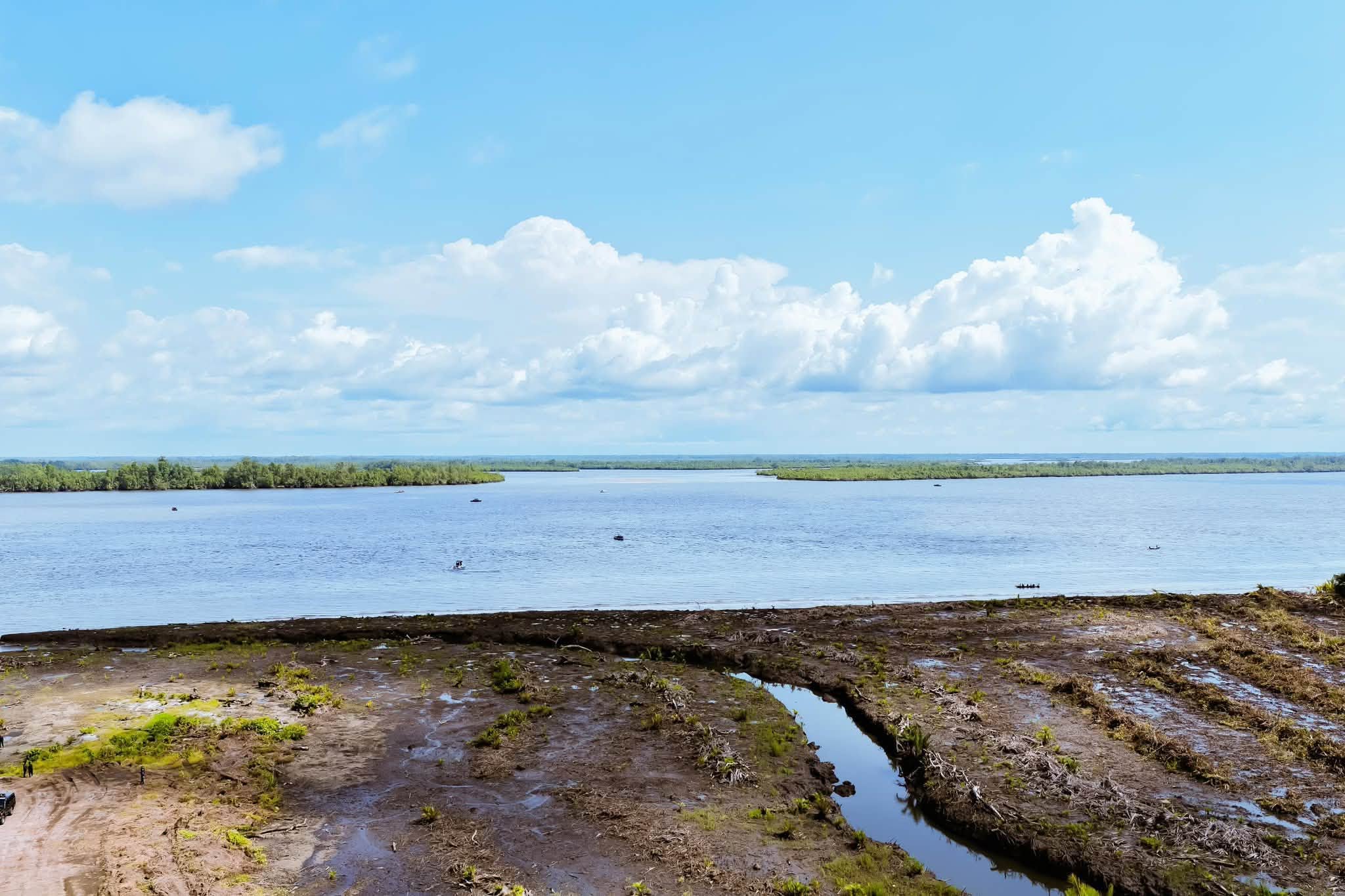
Cross River State is taking another major step towards reclaiming its position as an important centre of maritime trade with the groundbreaking of the proposed Bakassi Deep Seaport, a multibillion-dollar infrastructure project expected to expand Nigeria’s shipping capacity and open new economic opportunities.
Located in Bakassi Local Government Area, the proposed deep seaport is designed with a 20-metre navigational draft, allowing it to accommodate large commercial vessels that require deeper waters.
The project, valued at approximately $3.5 billion, is intended to provide Nigeria with another major maritime gateway, complementing existing ports and strengthening the country’s participation in international trade.
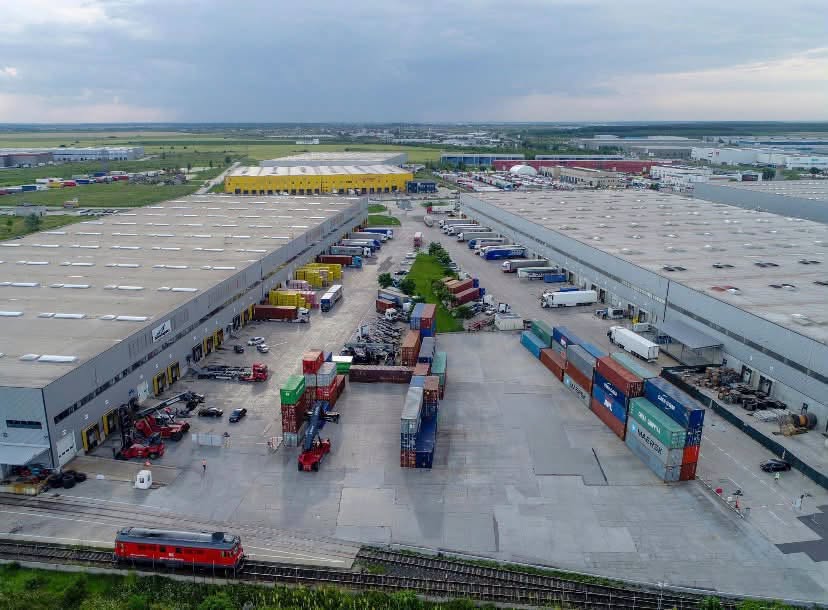
Beyond its deep-water harbour, the development is expected to incorporate cargo-handling and container terminal facilities, berthing infrastructure and supporting logistics operations.
An important part of the wider development is the proposed 275-kilometre Calabar–Ogoja–Gakem Superhighway, designed as a six-lane tolled road to facilitate cargo evacuation and connect the coastal port with inland markets.
The Federal Government also referred to a 260-kilometre highway during the groundbreaking, although the difference between the two published figures requires clarification.
The project is expected to stimulate activities beyond shipping and cargo handling.
Governor Bassey Otu identified logistics, trade, fishing, shipping, tourism and shipbuilding as sectors that could benefit from the development.
Other opportunities include seafood processing, cold storage, warehousing, freight services, marine engineering and agro-processing.
Cross River’s agricultural products, including cocoa, oil palm and other commodities, could potentially benefit from improved access to domestic and international markets.
The wider industrial ambition is to attract businesses that can process, manufacture, package and distribute goods through the port, rather than simply use it as a cargo-discharge facility.
These are anticipated opportunities, not a list of factories already approved for construction.
The project is being developed through a partnership between the Cross River State Government and Arise Integrated Industrial Platforms (Arise IIP), with the ownership structure providing for 80 per cent private-sector participation and 20 per cent state government ownership.
Afreximbank is the identified financing partner. Governor Otu announced an initial funding approval of $2.27 billion at the groundbreaking, while the overall project investment is estimated at $3.5 billion.
Conceived in 2014, the Bakassi Deep Seaport has faced years of institutional, financial, legal and environmental challenges.
The project subsequently underwent environmental assessments, hydrographic investigations, geotechnical studies and other preparatory processes.
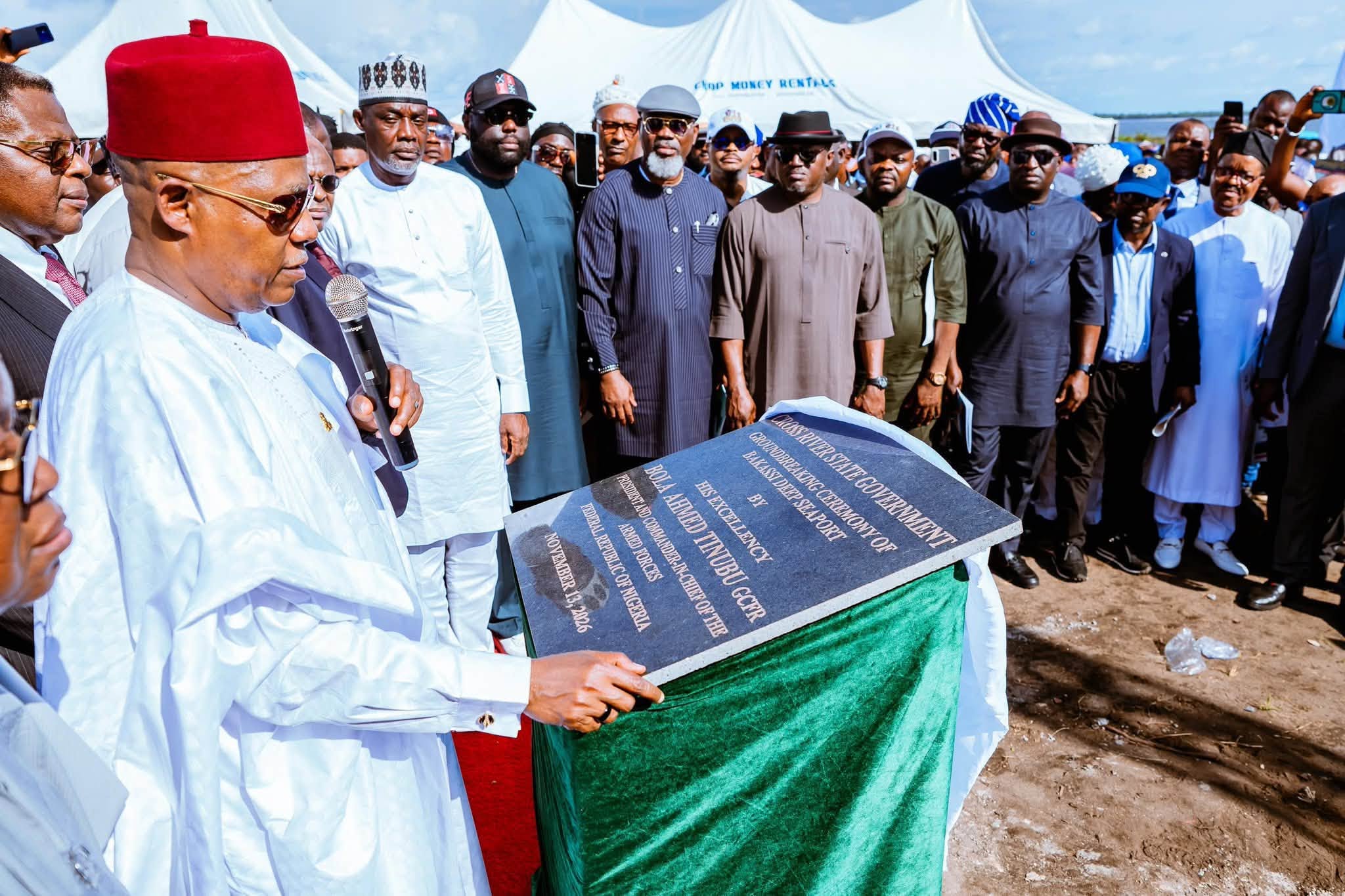
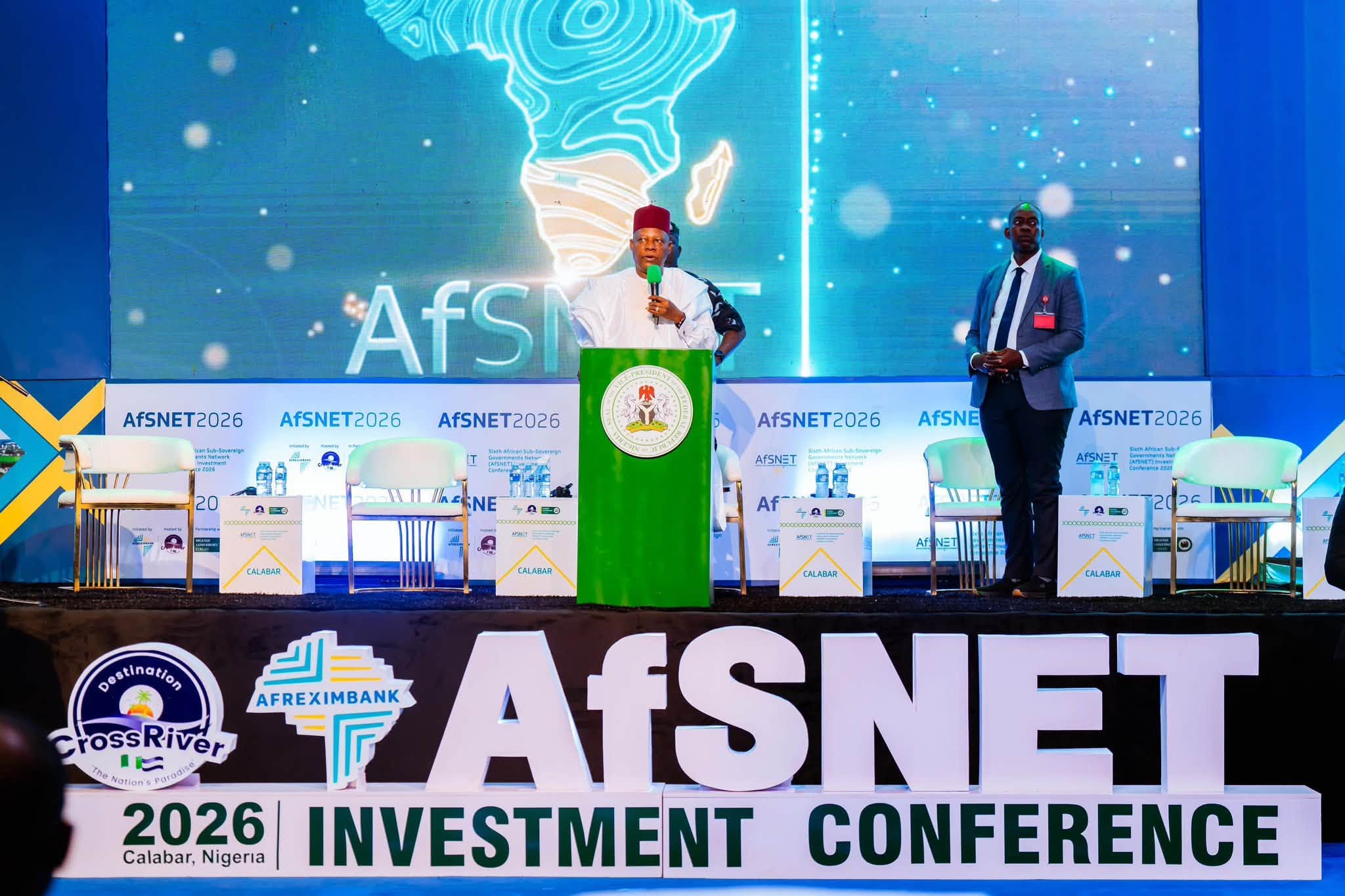
On Friday, 13 November 2026, President Bola Ahmed Tinubu, represented by Vice-President Kashim Shettima, performed the groundbreaking ceremony, marking an important milestone towards its implementation.
During his address, Shettima emphasised the need for Nigeria to diversify its maritime infrastructure instead of depending excessively on one major trading gateway.
“Lagos is not our enemy. Lagos is our elder brother in trade. No country eats with one hand. No country carries all its loads on one shoulder. That shoulder will break,” he said.
He further declared: “When Calabar works, Nigeria works on two legs.”
The President also described the project as more than a regional investment, declaring: “This is beyond a Cross River dream. It is a Nigerian project. It is a poverty breaker.”
Governor Otu, meanwhile, assured that Cross River residents were already undergoing specialised training to prepare them for opportunities associated with the project, with plans to expand training for artisans, skilled workers and professionals.
He also highlighted the proposed economic corridor linking the seaport, Calabar airport and the Lagos–Calabar Coastal Highway.
If successfully delivered alongside its supporting infrastructure, Bakassi Deep Seaport could strengthen Cross River’s position in maritime commerce, attract industrial investments, support agricultural exports and create opportunities in logistics, manufacturing and other related businesses.
For Nigeria, it offers an opportunity to diversify its maritime gateways, reduce pressure on existing ports, attract more regional cargo and strengthen its competitiveness in international trade.
However, the November 13 ceremony marks the formal groundbreaking, not the completion of construction. The real test will be the delivery of the port, its supporting transport infrastructure and the businesses needed to make it a commercially successful maritime and industrial hub.
For Cross River State, the ambition goes beyond building another seaport. It is about turning its coastal location into a stronger foundation for trade, industrial development and long-term economic growth.
FOLLOW US ON:


MSF raises alarm as diphtheria deaths exceed 1,260 in Nigeria

Ogun police present ₦10.7m to families of fallen officers

PHOTOS: Tinubu flags off construction of $3.5 billion Bakassi Deep Seaport project in Cross River State

‘Sleeping Prince’ of Saudi Arabia dies after 20 years in coma

2027: Atiku delays ADC membership card collection amid rumoured Jonathan comeback

STOP Overpaying Your Electricity Bills! | EEDC Estimated Billing EXPOSED ⚠️

🔥 SEYI TINUBU IN THE NORTH! KEBBI AND SOKOTO SHOW MASSIVE LOVE, WATCH VIDEO

🔥 JAGABAN IN JIGAWA! RENEWED HOPE, MASSIVE ENERGY AND A SHOW OF LEADERSHIP! 🇳🇬

🚧 GOOD NEWS FOR MORO COMMUNITIES! RESIDENTS APPLAUD AMB. YAHAYA SERIKI OVER ROAD GRADING PROJECT!
-

 News11 hours ago
‘We don’t need a deal’ – Trump tells Vance to turn his focus away from Iran
-
Lifestyle10 hours ago
DISOBEDIENT CHILDREN: WHY SOME CHILDREN WANT THEIR PARENTS’ SACRIFICES BUT REJECT THEIR CORRECTION AND AUTHORITY
-
Crime23 hours ago
PHOTOS: Police arrest suspected thief, recover 222 phones, 29 power banks, accessories and other stolen goods in Kano
-
News39 minutes ago
All US flights grounded due to “safety and communication issues”
-
News1 minute ago
MSF raises alarm as diphtheria deaths exceed 1,260 in Nigeria
-
News11 hours ago
Sweden returns 39 Benin Bronzes to Nigeria, 129 years after British forces looted them
-
News24 hours ago
Multi-vehicle crash leaves 14 dead and injures 30 after truck loses control
-
Crime11 hours ago
Nigerian shot dead in Malaysia after chopping off cop’s hand