




Connect with us

Lifestyle

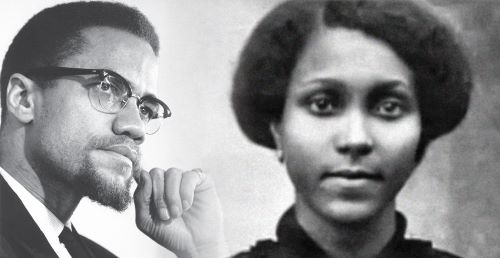
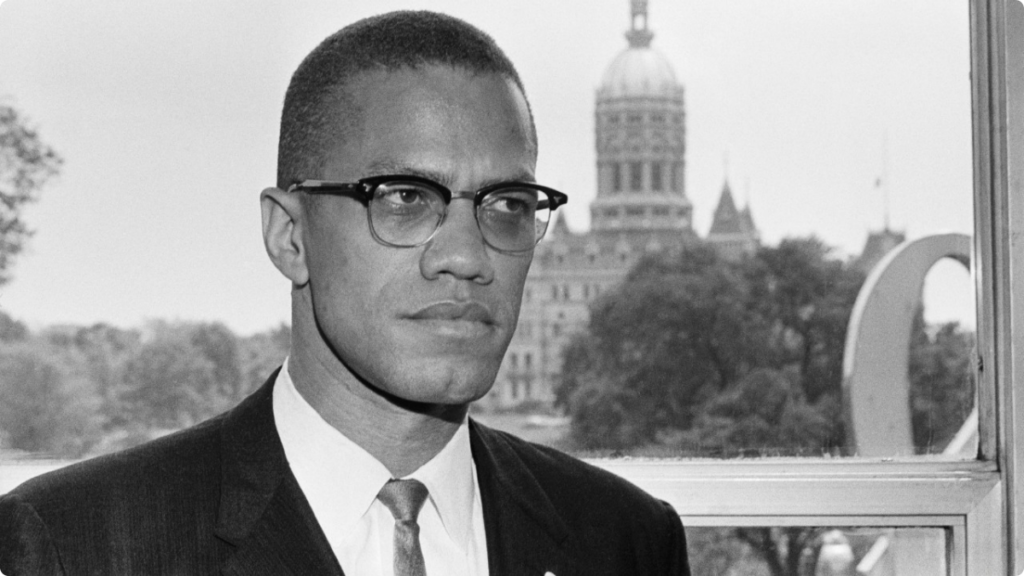
PHOTOS: Louise Norton Little: The Grenadian Mother of Malcolm X and Her Ancestral Roots in Nigeria

Published

on

Exploring the Nigerian heritage and enduring legacy of Louise Norton Little, the mother who shaped one of the most influential Black leaders of the 20th century.

Early Life and Ancestry

Louise Helen Norton Little was born in Grenada in the late 19th century, at a time when the scars of slavery still marked the Caribbean landscape. Her lineage tells a remarkable story of displacement, resilience, and the enduring strength of African heritage.

Her mother, Edith, was the daughter of two captured Nigerians who were illegally sold into slavery despite the British Empire’s abolition of the slave trade in the early 1800s. These ancestors were believed to have been taken from what is now Nigeria, possibly from one of the Yoruba or Igbo communities along the West African coast.

This Nigerian connection placed Louise Little’s family among thousands in the Caribbean whose African heritage remained deeply embedded in oral history and cultural practices. Edith’s marriage to a Scotsman symbolised the complex intersections of African and European ancestry that characterised much of the Caribbean’s colonial history.

Heritage and Migration

Growing up in Grenada, Louise Norton Little was raised in a household where discipline, independence, and self-worth were paramount. Her Nigerian ancestry, passed down through her mother’s stories, gave her a strong sense of African pride.

As a young woman, Louise moved to Canada and later to the United States, where she became involved in social and political activism. Her transnational background — bridging Africa, the Caribbean, and North America — would later influence her children’s global view of race, freedom, and identity.

See also  SUCCESS WITHOUT CHARACTER IS AN EMPTY ACHIEVEMENT: THE DANGEROUS OBSESSION WITH WEALTH, POWER AND STATUS

Marriage and Family Life

Louise married Earl Little, a Baptist minister and activist closely associated with Marcus Garvey’s Universal Negro Improvement Association (UNIA). The Garvey movement, with its message of Black pride and Pan-Africanism, aligned perfectly with the values Louise had inherited from her Nigerian and Grenadian roots.

Together, Louise and Earl Little raised eight children, among them Malcolm Little, who would later become known as Malcolm X — one of the most powerful voices in the global struggle for Black liberation.

Their household in Omaha, Nebraska, and later in Lansing, Michigan, was marked by both hope and hardship. Louise taught her children about self-reliance, education, and the importance of knowing one’s heritage — lessons that would shape Malcolm X’s philosophy throughout his life.

Influence on Malcolm X

Louise’s impact on her son Malcolm cannot be overstated. In his autobiography, Malcolm X described his mother as a proud, strong, and intelligent woman who instilled in him an early awareness of Black dignity and identity.

Her stories about Africa, including her mother’s Nigerian ancestry, formed the foundation of Malcolm’s understanding of his roots. This connection to Nigeria — through his maternal grandmother Edith — gave Malcolm X a tangible sense of African belonging long before he ever set foot on the continent.

When Malcolm X visited Africa in 1964, meeting leaders from Nigeria, Ghana, and Egypt, it was more than a political journey — it was a spiritual return to his ancestral homeland. The values his mother taught him — pride, self-discipline, and defiance against oppression — echoed the strength of his Nigerian lineage.

See also  Mother, daughter slam Davido for bullying over paternity claim

Challenges and Resilience

After the death of her husband, Earl Little, under suspicious circumstances, Louise faced immense hardship. The family suffered from poverty and discrimination, and eventually, she was institutionalised for mental health treatment for many years.

Despite this tragedy, her legacy endured through her children, who carried forward her teachings of perseverance, unity, and racial pride. Louise’s life embodied the struggle of African-descended women who preserved their dignity in the face of systemic injustice.

Cultural and Historical Significance

Louise Norton Little’s story bridges Africa, the Caribbean, and the United States, illustrating how the African diaspora retained its cultural strength despite centuries of displacement. Her Nigerian ancestry links her family to the broader history of the transatlantic slave trade, through which millions of Africans were taken from the coasts of West Africa — including present-day Nigeria — to the Americas.

In Nigerian historical memory, such connections are a reminder of the shared heritage that binds African peoples across continents. Today, Louise Little’s descendants, through Malcolm X’s legacy, continue to inspire global conversations about identity, justice, and the enduring power of African consciousness.

Legacy

Louise Norton Little passed away in 1989, but her influence remains immortal through her son Malcolm X and the ongoing global recognition of his message. Her emphasis on African pride and cultural awareness laid the foundation for one of the most transformative movements in modern history.

Through her, the Nigerian spirit — embodied in the resilience, intellect, and dignity of her ancestors — found new expression in a family that redefined the struggle for Black freedom.

See also  It Doesn't Guarantee A Relationship - Actress Sarah Martin Kicks Against Biblical Demands Of 'No S*x Before Marriage'

References

The Autobiography of Malcolm X (as told to Alex Haley), 1965

Manning Marable, Malcolm X: A Life of Reinvention (2011)

BBC News Archives: “Malcolm X’s Mother and the Caribbean Connection”

FOLLOW US ON:

FACEBOOK

TWITTER

PINTEREST

TIKTOK

YOUTUBE

LINKEDIN

TUMBLR

INSTAGRAM

Continue Reading
Click to comment

Leave a Reply

Your email address will not be published. Required fields are marked *

Lifestyle

THE DANGEROUS PRICE OF SUCCESS: BEFORE YOU DESTROY OTHER PEOPLE’S LIVES TO RISE, REMEMBER THAT KARMA HAS A LONG MEMORY

Published

on

Some people are so desperate to become successful that they are willing to destroy other people’s happiness, ruin families, manipulate innocent people, and crush anyone standing in their way. But what happens when the same life they have damaged becomes a mirror reflecting their own wickedness?**

There is something deeply disturbing about a society where some people measure success not by what they have achieved but by how many people they have managed to push down along the way.

For some individuals, ambition has become an excuse for cruelty. They will betray friends, sabotage colleagues, destroy reputations, spread lies, manipulate relationships, and deliberately inflict emotional suffering on innocent people simply because they believe another person’s downfall will create an opportunity for their own rise.

They want the money. They want the power. They want the influence. They want the recognition.

But they don’t care about the human cost.

**WHEN AMBITION BECOMES WICKEDNESS**

There is absolutely nothing wrong with wanting a better life. Everybody deserves the opportunity to succeed, become financially independent, and achieve their dreams.

However, when your ambition requires another person to suffer unnecessarily, perhaps you should question the kind of success you are pursuing.

What is the value of becoming wealthy when you have destroyed people’s peace of mind?

What is the honour in becoming influential when your reputation is built on betrayal and manipulation?

What is the achievement in climbing to the top when you have deliberately pushed innocent people into misery?

A position of power cannot automatically make someone a person of character. Neither can wealth erase the suffering inflicted on others.

See also  Dad told us ‘I’m going home’ hours before his death – Late Kola Oyewo ’s son

**NEVER CONFUSE SOMEONE’S SILENCE WITH DEFEAT**

One of the biggest mistakes cruel people make is assuming that everyone they have hurt will remain helpless forever.

Some people will not fight back. Some will walk away quietly. Others will cry privately, rebuild their lives, and move on without seeking revenge.

But their silence does not mean the damage was insignificant.

You may never fully understand the emotional scars you have left behind. You may even convince yourself that you did nothing wrong.

But remember, the absence of immediate consequences does not mean your actions have no consequences.

**KARMA DOES NOT ALWAYS ANNOUNCE ITS ARRIVAL**

Whether you describe it as karma, divine justice, conscience, or the natural consequences of human actions, one truth remains: the way we treat people matters.

People who build their lives around deception and cruelty often create enemies, destroy trust, damage relationships, and eventually find themselves surrounded by the very problems their behaviour helped create.

The person you humiliated today may become someone you need tomorrow.

The colleague you sabotaged may no longer be there to support you.

The family you helped destroy may never forget the damage.

And the person whose kindness you exploited may eventually decide that you no longer deserve a place in their life.

Life is unpredictable. Power is temporary. Wealth can disappear. Positions can change.

**THE QUESTION EVERYONE SHOULD ASK THEMSELVES**

Before you use another person’s weakness against them, think.

Before you spread lies to destroy someone’s reputation, think.

Before you manipulate someone just to secure your own advantage, think.

See also  See what made Imisi win Big Brother Naija

Before you celebrate another person’s suffering because it benefits you, think.

Because there is a difference between succeeding through hard work and succeeding by deliberately destroying other human beings.

You can rise without stepping on people’s necks. You can become wealthy without exploiting others. You can achieve greatness without becoming the reason someone else loses their happiness.

Never become so obsessed with reaching the top that you forget your humanity on the way there.

**FINAL THOUGHT:**

One day, the money may finish. The influence may disappear. The applause may stop. The people celebrating you today may move on.

But the consequences of how you treated others can remain long after your moment of glory has passed.

**Don’t destroy another person’s world just to build your own. You may win the battle for success and still lose the battle for humanity.**

—

### LET’S HEAR YOUR OPINION

Do you believe people who deliberately destroy others to get ahead eventually face the consequences of their actions?

Or do you think some wicked people get away with everything simply because they have money, power, and influence?

**Join the conversation. Your opinion matters.**

*Newsbreak365 – Beyond the Headlines.*

FOLLOW US ON:

FACEBOOK

WHATSAPP CHANNEL

TWITTER

PINTEREST

TIKTOK

YOUTUBE

LINKEDIN

INSTAGRAM

Continue Reading

Lifestyle

SOME SIBLINGS ARE SECRETLY AT WAR: MONEY, BIGGER HOUSES, MARRIAGES AND SUCCESS HAVE TURNED FAMILY LOVE INTO A DANGEROUS COMPETITION

Published

on

When siblings begin measuring their worth against one another, family relationships can become a battlefield of jealousy, silent resentment, unhealthy comparisons and hidden bitterness.**

There is a disturbing reality in some families that people rarely want to discuss openly: not every sibling genuinely celebrates another sibling’s success.

Behind family smiles, birthday celebrations, Christmas gatherings and public displays of unity, there can sometimes be an invisible competition over who is doing better in life.

Who has more money? Who owns the biggest house? Who drives the most expensive car? Whose marriage appears happier? Whose children are more educated, successful or financially comfortable? And perhaps most painfully, who receives the greatest respect, attention and recognition from their parents and extended family?

What should be a relationship built on love and mutual support can gradually become a competition in which everybody is keeping score.

## WHEN YOUR SIBLING’S SUCCESS BECOMES YOUR PERSONAL PROBLEM

Imagine working hard to build your life, only to discover that someone in your own family is uncomfortable with your achievements.

You buy a house, and instead of genuine congratulations, somebody immediately begins discussing the bigger property another sibling owns.

You get married, and rather than celebrating your happiness, relatives start comparing your marriage with somebody else’s.

Your children perform exceptionally well academically, but instead of celebrating their achievements, someone begins listing the qualifications and accomplishments of another sibling’s children.

Even financial success becomes a source of tension.

Some siblings seem unable to enjoy their own blessings without knowing how much everybody else has achieved.

**When did another person’s progress become a threat to your happiness?**

## THE HOUSE, THE MONEY AND THE MARRIAGE COMPETITION

For some people, family gatherings have become unofficial exhibitions of wealth and achievement.

See also  Breast cancer in Nigeria: Study reveals profound social, emotional toll on women

The house you own becomes a statement. Your car becomes a symbol of superiority. Your children’s academic achievements become weapons of comparison. Your marriage becomes something relatives judge against other marriages.

Even the clothes you wear, the holidays you take and the lifestyle you display can become part of an invisible contest.

Unfortunately, the competition does not always end when one sibling achieves more.

Sometimes, the more one person succeeds, the more another feels pressured to prove that they are doing even better.

It becomes an endless race with no finish line.

## PARENTS AND FAMILY RECOGNITION CAN MAKE THE SITUATION WORSE

Another painful dimension of sibling rivalry is the struggle for parental approval and family recognition.

Some siblings spend their entire lives trying to prove that they are the most successful, responsible, generous or accomplished child in the family.

Who receives more praise? Who gets more attention? Whose financial contributions are appreciated? Who is considered the family favourite?

When parents or relatives constantly compare their children, they can unintentionally deepen existing divisions.

Instead of encouraging healthy relationships, comparisons can create resentment that follows siblings into adulthood.

A child who grows up feeling less appreciated may eventually become an adult who sees every sibling’s achievement as another reminder of their perceived disadvantage.

## THE MOST DANGEROUS COMPETITION IS THE ONE NOBODY ADMITS

Not every family rivalry involves shouting, arguments or physical confrontation.

Some of the most damaging competitions are silent.

They appear in sarcastic comments, unnecessary questions, subtle insults, exaggerated achievements, gossip and the inability to congratulate another family member sincerely.

Some people will attend your celebration but spend the entire occasion comparing your achievements with somebody else’s.

See also  It Doesn't Guarantee A Relationship - Actress Sarah Martin Kicks Against Biblical Demands Of 'No S*x Before Marriage'

Others may support you publicly while privately hoping that you do not become more successful than them.

This is why family relationships require more than sharing the same surname or coming from the same parents.

They require genuine love, emotional maturity, mutual respect and the ability to celebrate another person’s happiness without feeling diminished.

## YOUR SIBLING’S SUCCESS DOES NOT MAKE YOU A FAILURE

Here is something every family needs to understand: life is not a competition in which only one sibling can win.

One sibling may become wealthy while another lives comfortably on a modest income. One may own a mansion while another rents an apartment. One may have a seemingly perfect marriage while another is still searching for a suitable partner.

One person’s children may become doctors, lawyers or successful entrepreneurs, while another person’s children follow completely different paths.

None of these differences should determine who deserves respect, love or recognition.

People have different opportunities, challenges, talents, responsibilities and timelines.

Comparing everybody’s journey is not a measure of wisdom or success.

It is often a recipe for unnecessary bitterness.

## ONE DAY, THE COMPETITION WILL MEAN NOTHING

Think about this carefully.

The expensive house you are desperate to use as evidence of superiority will eventually change ownership.

The money you use to impress relatives will eventually be spent.

The expensive car will eventually become old.

The recognition you desperately seek may eventually be forgotten.

But the emotional wounds created by jealousy, disrespect and family rivalry can remain for years.

Imagine losing a meaningful relationship with your brother or sister because you could not tolerate seeing them succeed.

Imagine allowing your children to grow up in an atmosphere where their cousins are treated as competitors rather than family.

See also  Mother, daughter slam Davido for bullying over paternity claim

Is that really the family legacy you want to leave behind?

**There is no prize for being the richest sibling if you have destroyed every meaningful relationship along the way.**

## FINAL THOUGHT: FAMILY SHOULD NOT BE A BATTLEFIELD

Siblings should be able to celebrate one another without feeling threatened. They should be able to support one another without keeping financial records of who has contributed more. They should be able to attend family celebrations without turning another person’s happiness into a personal defeat.

Real success is not simply owning the biggest house, having the most money, enjoying the most celebrated marriage or raising the most accomplished children.

Sometimes, real success is having a peaceful family where nobody needs to compete for love, attention or respect.

**The question is not who is doing better than whom. The real question is why people who share the same family name sometimes struggle to be genuinely happy for one another.**

—

## LET’S HEAR YOUR OPINION!

1. Why do some siblings become jealous when another sibling becomes financially successful?
2. Should parents be blamed when constant comparisons create rivalry among their children?
3. Can siblings genuinely love one another while secretly competing over money, marriage and children’s achievements?
4. Is it possible to rebuild family relationships after years of jealousy and unhealthy competition?

**Share your experience and opinion. Do you believe sibling rivalry is destroying the meaning of family in modern society?**

*Newsbreak365 — Bringing important family and social issues into the conversation.*

FOLLOW US ON:

FACEBOOK

WHATSAPP CHANNEL

TWITTER

PINTEREST

TIKTOK

YOUTUBE

LINKEDIN

INSTAGRAM

Continue Reading

Lifestyle

Islam projected to overtake Christianity as world’s largest religion by 2035

Published

on

Islam is projected to overtake Christianity as the world’s largest religion by 2035, with higher birth rates among Muslim women expected to drive the shift, according to a new study by the Pew Research Center.

The global Muslim population is forecast to reach 2.57 billion by 2035, slightly ahead of the projected 2.52 billion Christians, marking a significant change in the religious composition of the world, where Christianity has remained the largest faith for centuries.

The trend is expected to continue beyond 2035, with Muslims projected to number 3.6 billion by 2070, compared with 3 billion Christians. By then, Islam could account for 37 per cent of the world’s population, up from 26 per cent in 2020, while Christianity is expected to maintain a 29 per cent share.

Pew attributed the projected growth largely to differences in fertility rates across religious groups. Between 2020 and 2025, Muslim women had an average of 3.1 children, compared with 2.5 children per Christian woman.

The average fertility rate across all other religious groups combined stood at 1.6 children per woman during the same period, below the 2.1 children required for a population to replace itself from one generation to the next.

Beyond birth rates and natural population growth, religious conversion is also expected to influence the changing global religious landscape, according to the Washington-based, non-partisan research organisation.

However, the study projected that both Christianity and Islam would experience a net loss of followers through religious switching between 2020 and 2070. Christianity is expected to lose about 105 million adherents, significantly more than the projected eight million net loss for Islam.

See also  See what made Imisi win Big Brother Naija

The projections also indicate that the world’s religious composition will change alongside overall population growth. While the global population is expected to increase by 29 per cent between 2020 and 2070, the Muslim population is projected to grow by 80 per cent and the Christian population by 30 per cent.

Other major religions are expected to experience different growth patterns over the same period.

Hinduism is projected to increase in absolute numbers but decline slightly as a proportion of the world’s population, accounting for 13.6 per cent by 2070. The Jewish population is also expected to record a slight proportional decline, reaching 0.17 per cent of the global population.

Buddhism, meanwhile, is projected to experience a decline in both population numbers and its share of the world’s population, falling to 2.5 per cent by 2070.

Other religious groups, including Baha’is, Daoists, Jains, Sikhs and followers of various folk religions, are expected to record modest numerical growth. However, their combined share of the global population is projected to fall below two per cent.

The number of people without religious affiliation, including atheists and agnostics, is also expected to decline as a proportion of the world’s population, dropping from 24 per cent in 2020 to 17 per cent in 2070.

Geographical changes are also expected to reshape the distribution of major religions across countries.

In the United States, Christianity is projected to remain the largest religion by 2070, although Christians are not expected to constitute a majority of the country’s population. The Democratic Republic of Congo is also projected to overtake the US as the country with the largest concentration of Christians.

See also  Dad told us ‘I’m going home’ hours before his death – Late Kola Oyewo ’s son

Although the number of religiously unaffiliated people is expected to increase in most countries, the projected decline in China’s population is expected to offset those gains globally, as the country currently accounts for the largest share of people without religious affiliation.

(Reuters)

Source: tribuneonlineng.com

FOLLOW US ON:

FACEBOOK

WHATSAPP CHANNEL

TWITTER

PINTEREST

TIKTOK

YOUTUBE

LINKEDIN

INSTAGRAM

Continue Reading

Trending