Connect with us

News

Kaduna gives El-Rufai one week to prove N1bn bandits payment

Published

on

The Kaduna State Government, on Sunday, gave ex-governor Nasir El-Rufai one week to substantiate his claim that Governor Uba Sani’s administration paid N1 billion to bandits.

The government, which dismissed El-Rufai’s allegation as “false and politically motivated”, said he must provide proof or tender a public apology for the claim, failing which he would face legal action.

El-Rufai had alleged during a recent interview on Channels Television that the state government made payments to criminal groups as part of security arrangements.

But in the Sunday statement, the state’s Commissioner for Internal Security and Home Affairs, Sule Shu’aibu (SAN), described the claim as “reckless, baseless and deliberately misleading.”

The government criticised El-Rufai for “weaponising a sensitive security issue for political grandstanding,” noting that such conduct falls below the standards expected of a former governor.

It reiterated that Governor Sani has never authorised, negotiated, or paid any money to criminal elements. “Not one naira. Not one kobo,” the commissioner said.

The statement highlighted that the Office of the National Security Adviser had previously dismissed similar claims by El-Rufai as unfounded and inconsistent with national security practices, affirming that neither the Federal Government nor state governments engage in ransom payments to criminals.

Kaduna’s administration emphasised its community-focused security strategy, which includes strengthened military operations, engagement with legitimate community leaders, and improved access to education, healthcare, and economic opportunities.

“The state engages communities, not bandits,” the statement said.

Grassroots groups, including the Birnin-Gwari Vanguard for Security and Good Governance, which endured severe security challenges during El-Rufai’s tenure, have publicly refuted the former governor’s claims as misleading.

See also  PSC unveils 50,000 successful police constable recruits

The government also referenced past accusations from senior members of El-Rufai’s administration alleging that he used public funds to appease certain groups, describing his current allegations as “deeply paradoxical.”

“Since assuming office, Governor Sani has focused on stabilising vulnerable communities, reopening schools, markets, and farmlands, and rebuilding trust among previously fractured groups,” the state said, urging former officials to show restraint and support ongoing peacebuilding efforts.

The statement challenged El-Rufai to produce any credible evidence, such as bank records, internal memos, or security documents, noting that previous similar allegations he made in September 2025 lacked proof.

Reaffirming its commitment to transparency and responsible security governance, the Kaduna State Government said it will not be distracted by “the politics of bitterness, fear mongering, or orchestrated falsehoods.”

Continue Reading
Click to comment

Leave a Reply

Your email address will not be published. Required fields are marked *

News

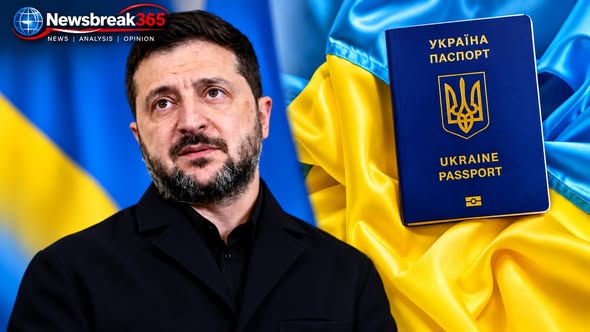
Ukraine sets age requirements for foreigners seeking citizenship

Published

on

Ukraine has outlined age-based requirements for foreigners and stateless persons seeking citizenship, specifying who can apply and when minors must consent in person.

The State Migration Service of Ukraine published the guidelines in accordance with the Law of Ukraine on Ukrainian Citizenship and Presidential Decree No. 215 of March 27, 2001.

Under the requirements, as obtained by PUNCH Online on Wednesday from the state’s migration service of Ukraine’s website, foreigners and stateless persons aged 18 and above must personally submit their applications for Ukrainian citizenship.

For children below 18, applications must generally be submitted by their parents or legal representatives. However, minors aged between 14 and 17 must personally consent to acquiring Ukrainian citizenship.

This means parents or legal guardians cannot independently secure citizenship for teenagers within that age bracket without their consent.

The guidelines divide applicants into three categories based on age.

Children below 14 must have applications submitted on their behalf by a parent or legal representative, while those aged 14 to 17 must provide personal consent even though an adult handles the application.

Applicants aged 18 and above are required to submit their naturalisation applications independently.

The Ukrainian authorities have also outlined requirements for applicants who already hold citizenship of another country.

“Foreign nationals seeking Ukrainian citizenship under the procedure described by the migration authority must pledge to terminate their existing citizenship within two years of being registered as Ukrainian citizens.

“Applicants who make the required pledge are issued temporary Ukrainian identity cards valid for two years rather than full passports during the transitional period,” the migration service added.

See also  Family seeks answers after Lagos socialite surfaces in Liberia

A Ukrainian passport is issued after the individual has formally terminated their previous citizenship or submitted a written declaration renouncing it, in accordance with the applicable procedure.

However, stateless persons are exempt from the requirement to pledge to terminate another country’s citizenship and are not subject to the same two-year transitional arrangement.

The migration authority advised foreigners and stateless persons interested in acquiring Ukrainian citizenship to familiarise themselves with the relevant legal provisions and documentation requirements before commencing the application process.

Further information on citizenship applications and the required procedures is available through the official website of Ukraine’s State Migration Service.

FOLLOW US ON:

FACEBOOK

WHATSAPP CHANNEL

TWITTER

PINTEREST

TIKTOK

YOUTUBE

LINKEDIN

INSTAGRAM

Continue Reading

News

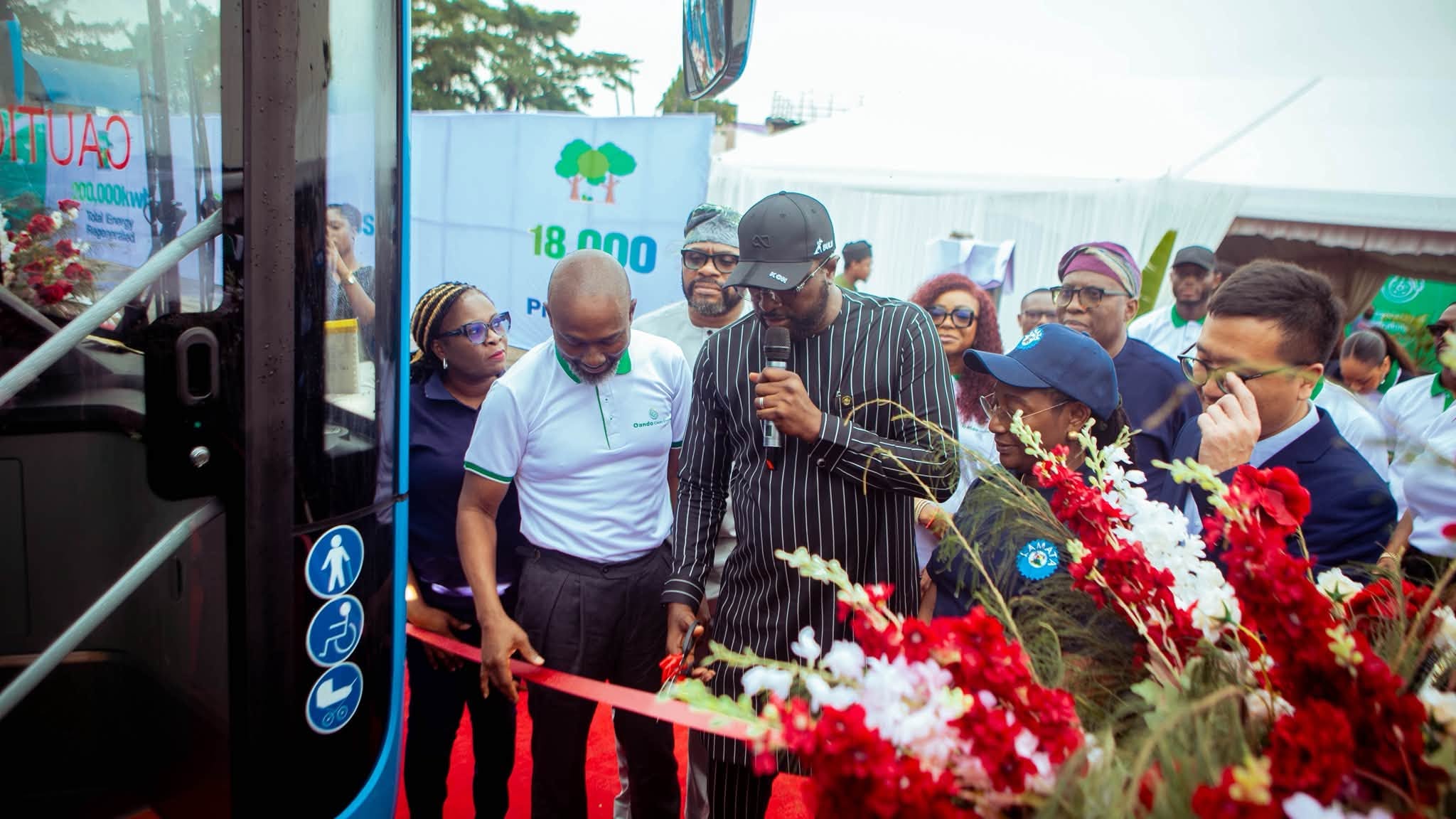
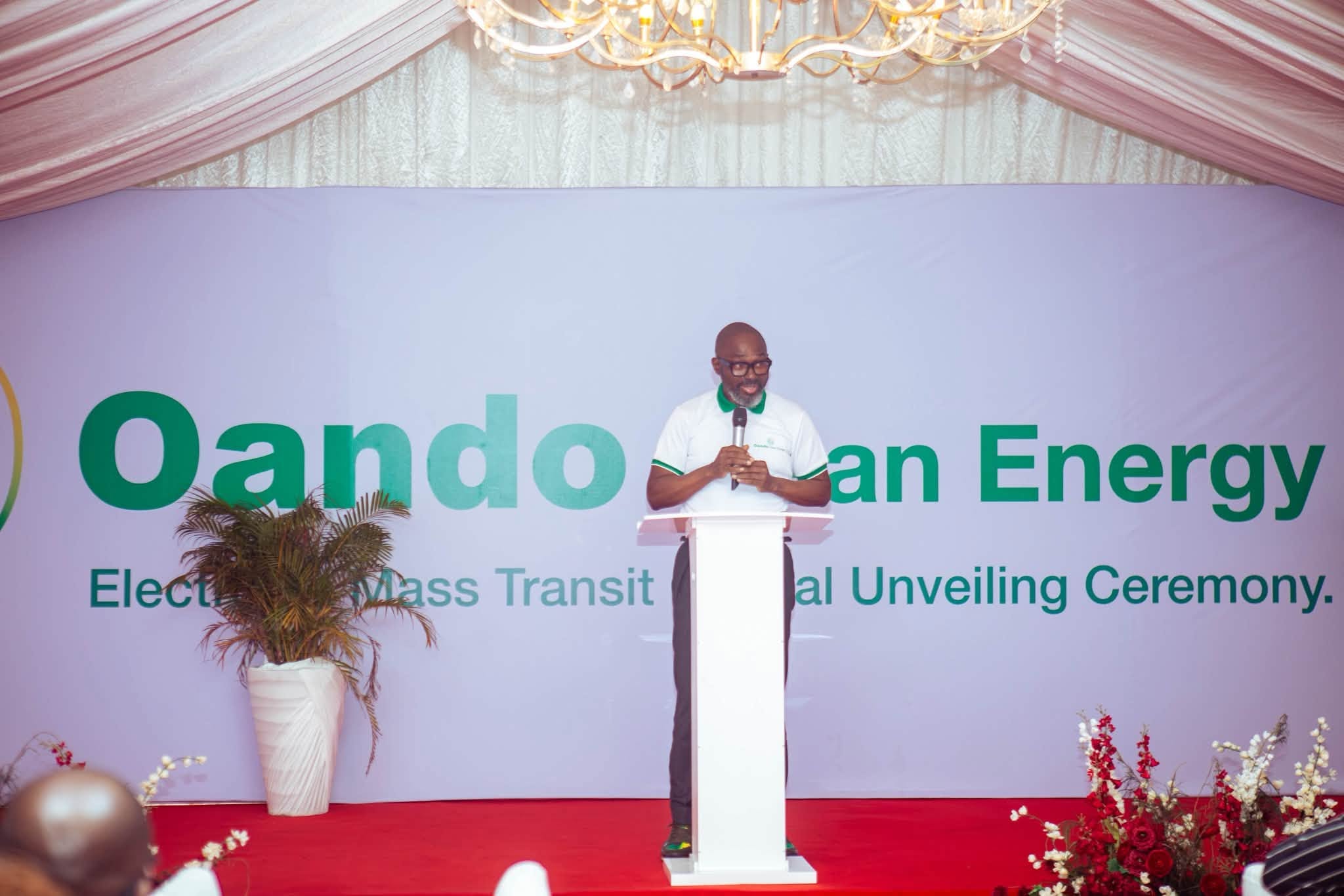
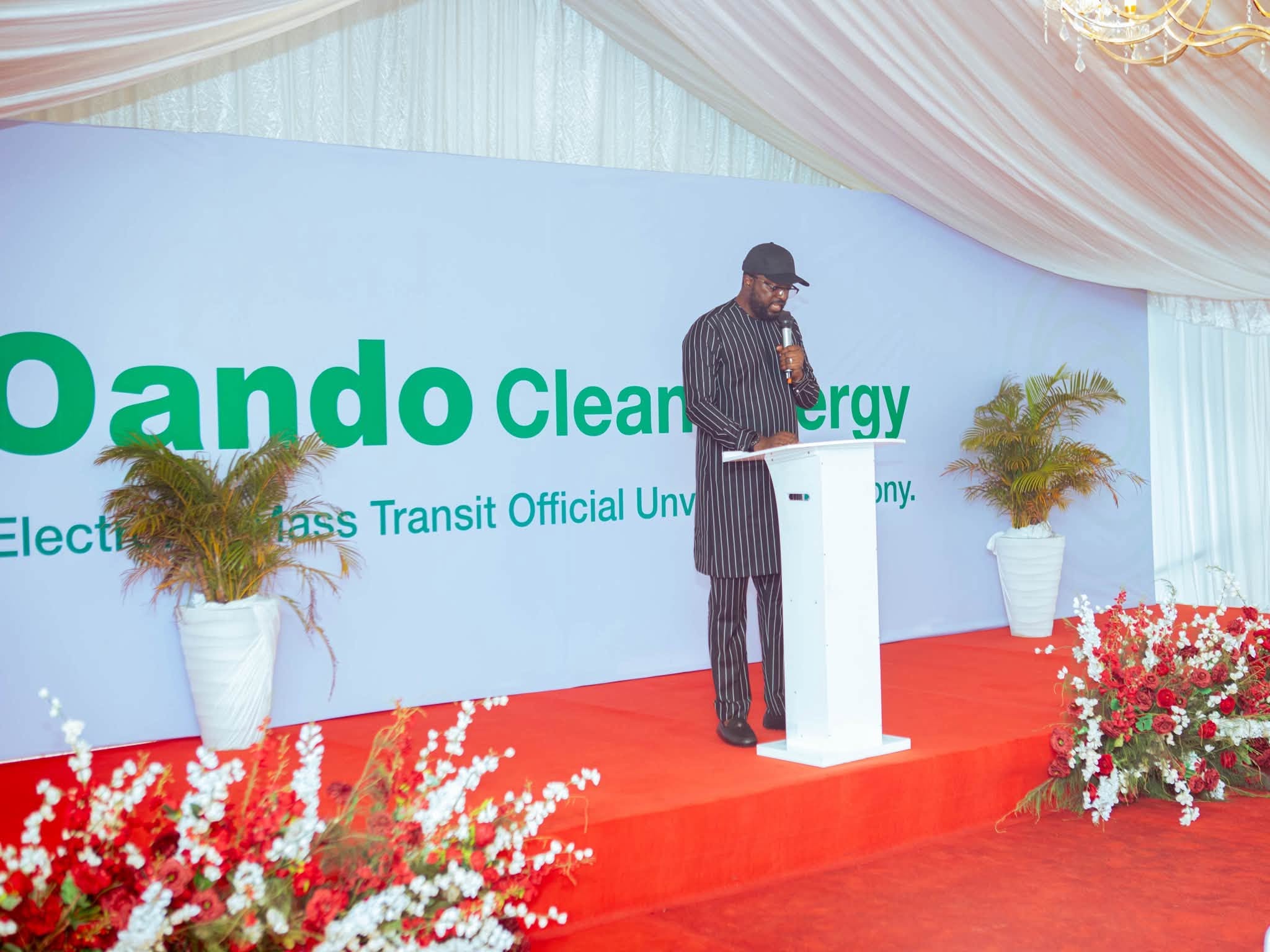
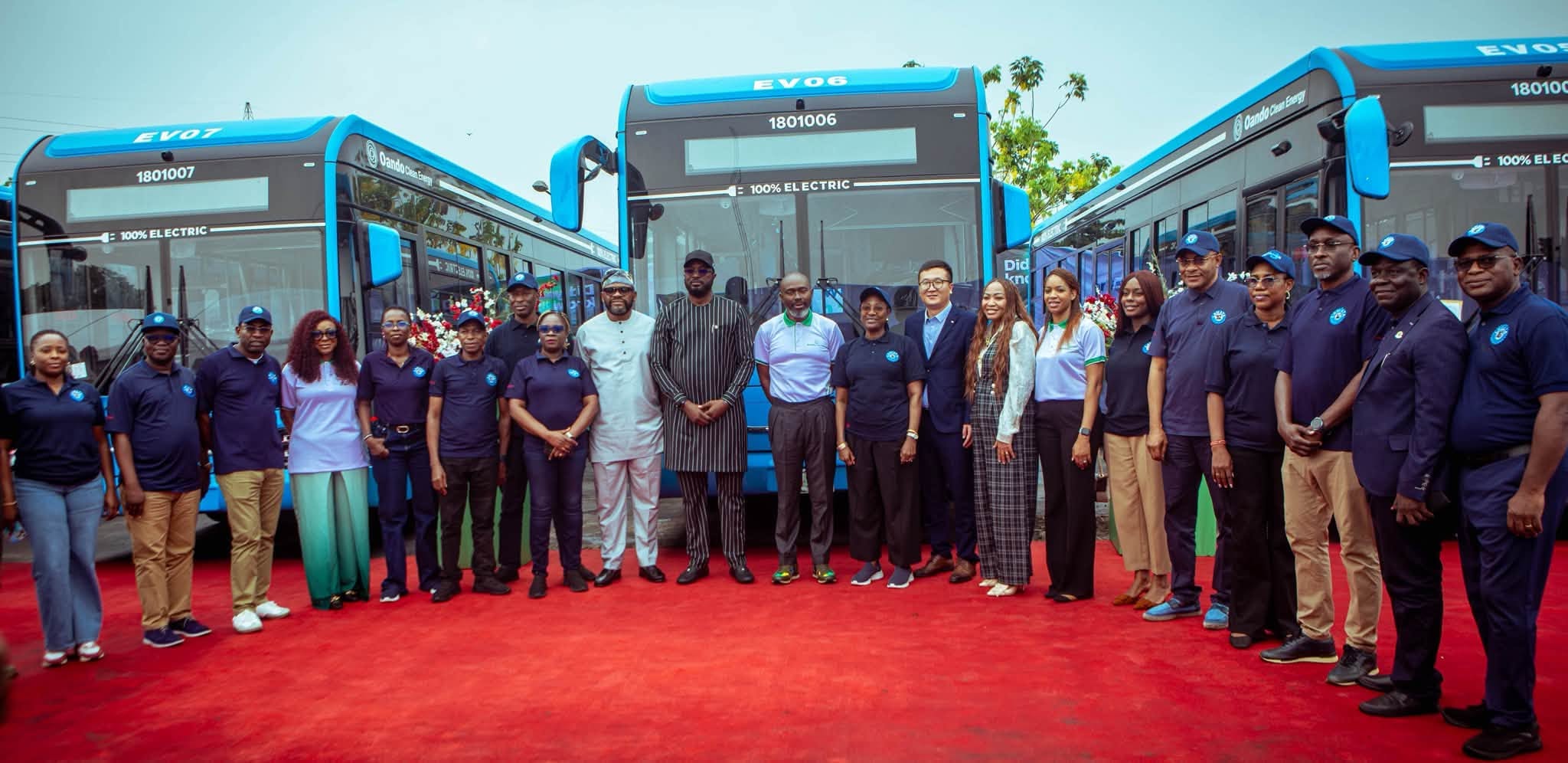
PHOTOS: LAGOS ADVANCES GREEN MOBILITY AS LAMATA, OANDO UNVEIL 11 NEW ELECTRIC BUSES

Published

on

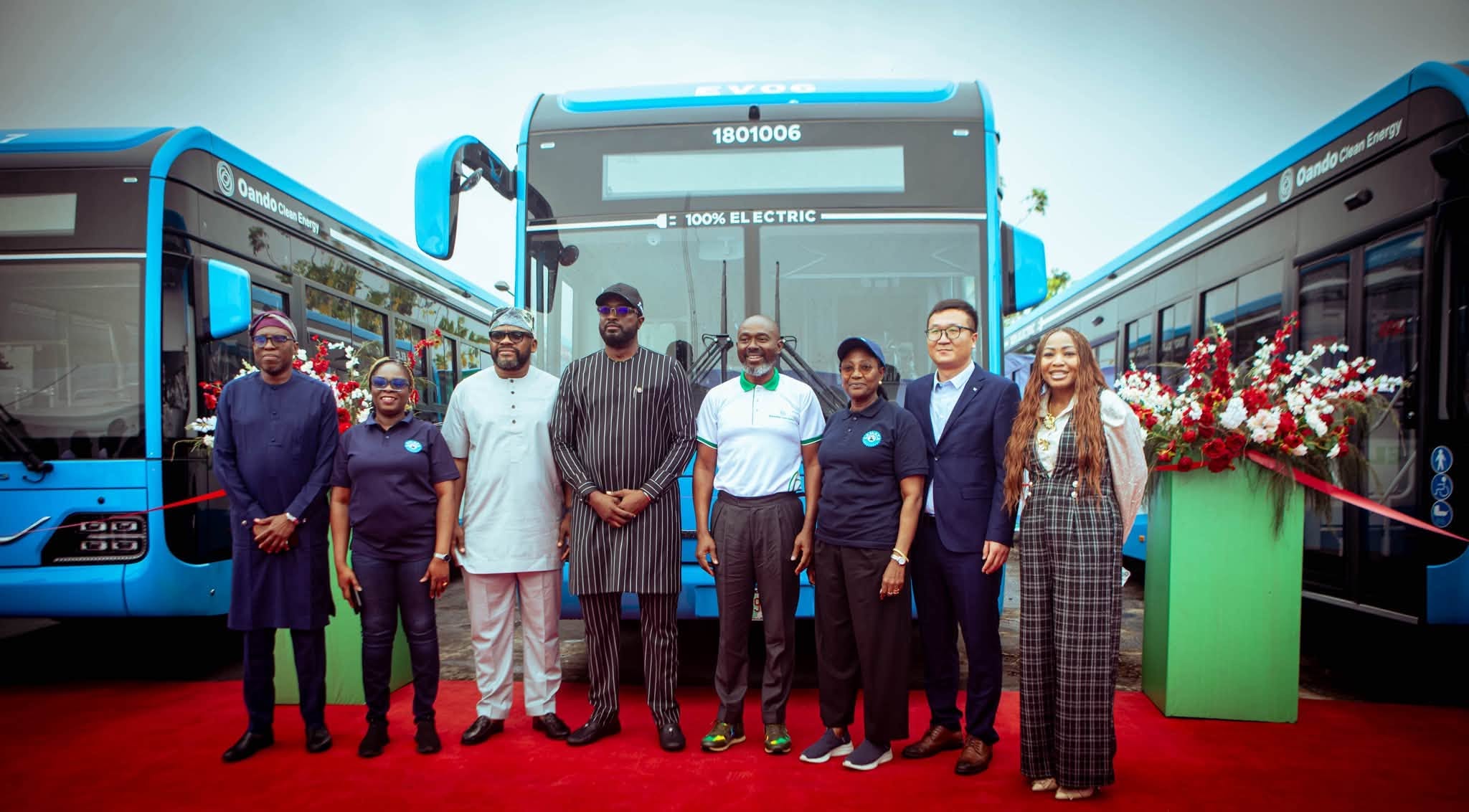
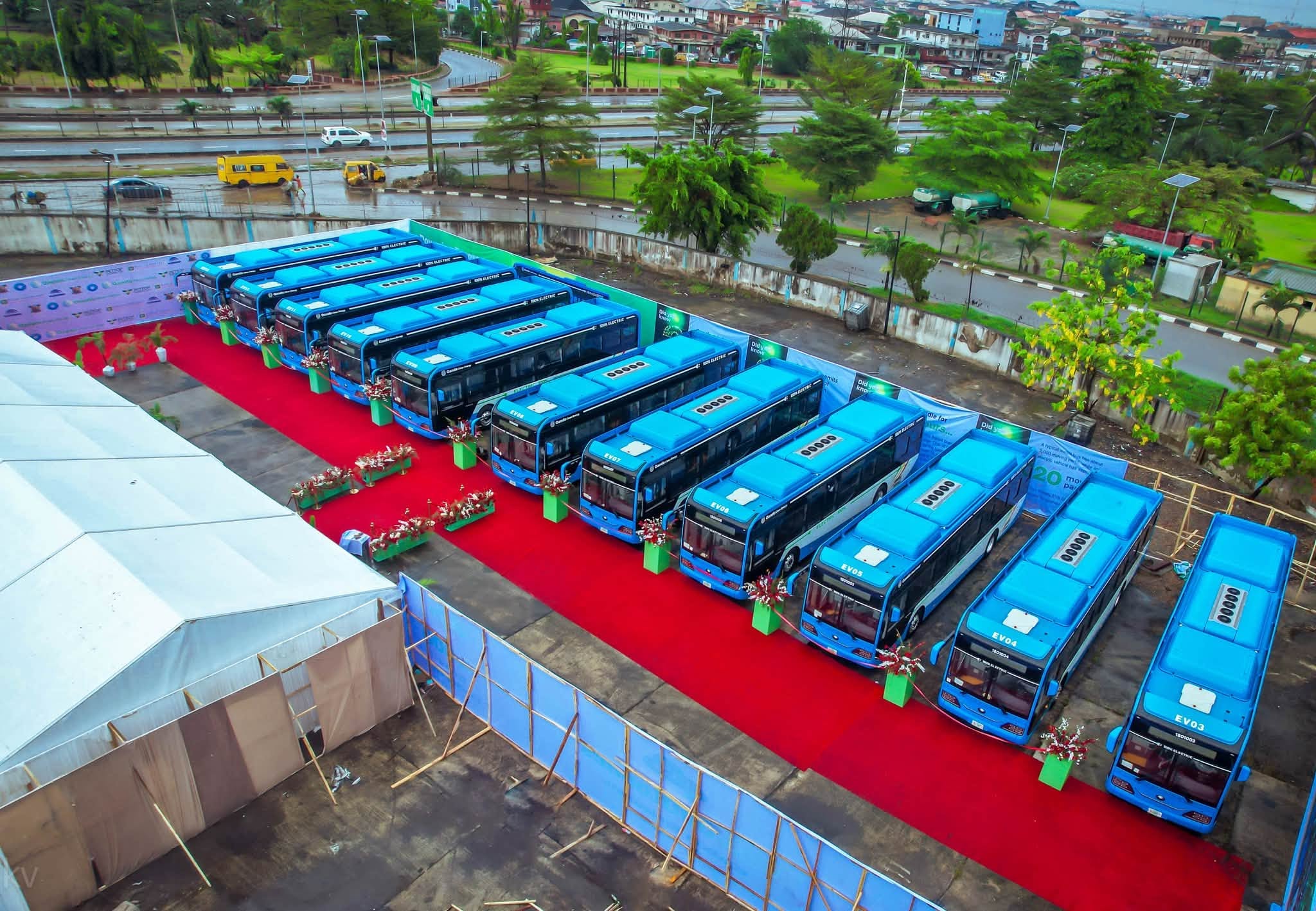
The Lagos State Government has taken another significant step towards transitioning to cleaner and more sustainable public transportation with the addition of 11 new electric buses (EVs) by Oando Clean Energy Limited (OCEL) under the regulation of the Lagos Metropolitan Area Transport Authority (LAMATA).

The presentation of the buses, the first batch of a set of 50-bus commitment under the current phase by Oando, represents a major expansion of the electric bus initiative, which began with two pioneer buses deployed for proof-of-concept operations in 2023.

The initiative is expected to pave the way for the eventual deployment of 552 electric buses across Lagos public transport corridors, reinforcing the state’s ambition to develop an environmentally sustainable and energy-efficient mass transit system.

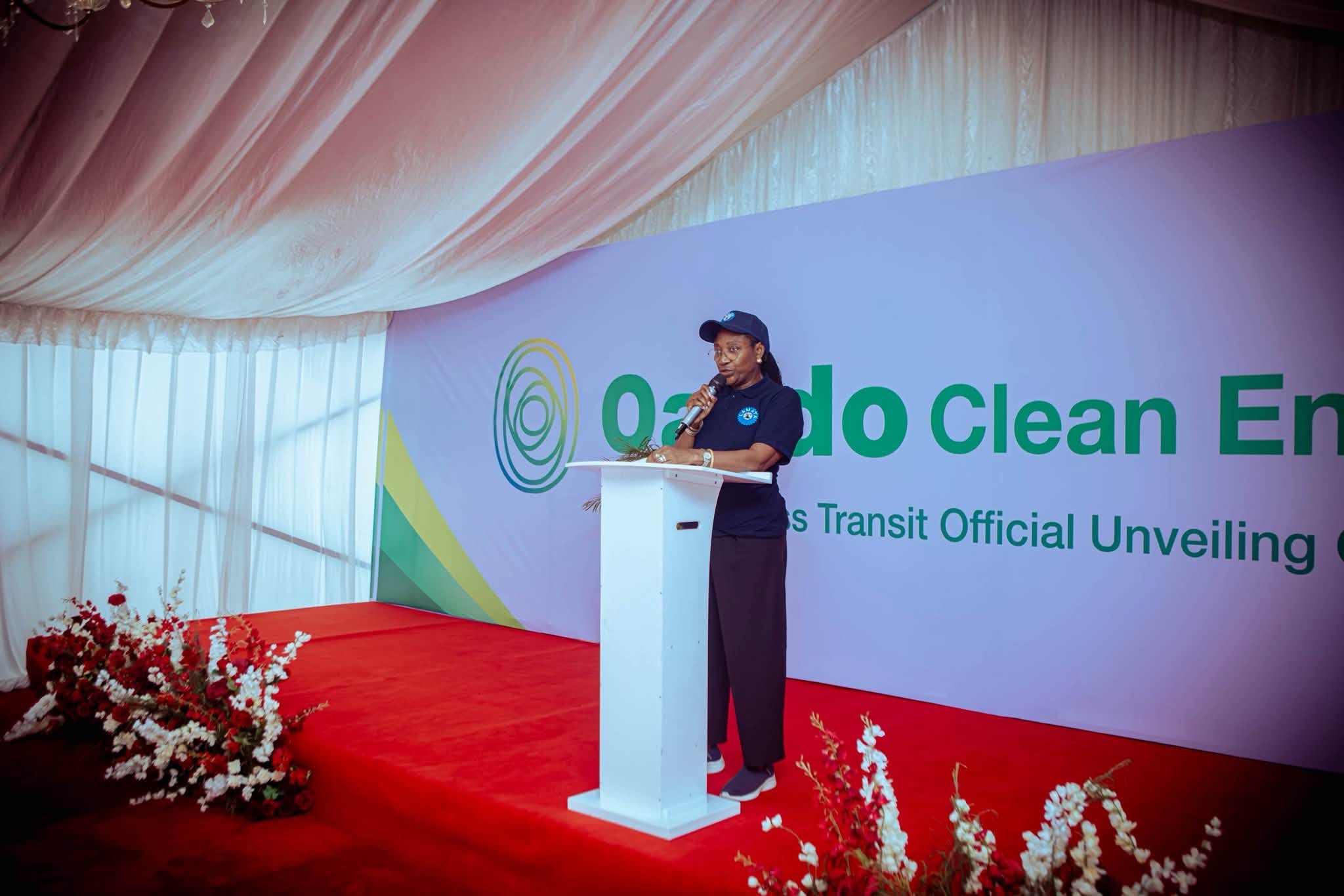
Speaking at the event, the Commissioner for Transportation, Mr. Oluwaseun Osiyemi, said the transition to cleaner energy was essential to meeting the transportation needs of Lagos as its population and economic activities continue to expand.

He noted that the state government recognises that the future of transportation must be anchored on sustainability, energy efficiency, innovation and environmental responsibility.

According to him, Lagos is pursuing a progressive reduction in carbon emissions in line with the State Government’s net-zero ambitions by 2050.

The Managing Director of LAMATA, Engr. Mrs. Abimbola Akinajo, described the presentation as evidence of the progress achieved through sustained collaboration between the state government and its private-sector partners.

She said electric buses offer significant environmental advantages, including reduced greenhouse gas emissions, improved air quality and lower noise pollution, while supporting the development of a more sustainable urban transport system.

See also  FBI Submits Tinubu’s Records To US Judge

Akinajo noted that the partnership with Oando was translating a shared vision for cleaner transportation into practical results, adding that the deployment would strengthen Lagos’ efforts to modernise public transport operations.

In his remarks, the President and Chief Executive Officer of Oando Clean Energy Limited, Mr. Ademola Ogunbanjo, described the initiative as a defining moment in the evolution of electric mobility in Nigeria and Africa.

He said the project went beyond the introduction of electric buses, representing the foundation of a cleaner, more efficient and sustainable transportation ecosystem that could be replicated across the country and the continent.

Ogunbanjo recalled that the partnership between LAMATA and Oando began with the signing of a Memorandum of Understanding in April 2022, followed by the deployment of two pioneer electric buses in 2023.

He explained that the intervening years had been devoted to testing the technology, evaluating its operational resilience, assessing environmental impact and gauging public acceptance.

According to him, the experience and data gathered over the period provided the necessary foundation for moving from proof-of-concept operations to a larger-scale deployment.

Beyond the supply of electric buses, Ogunbanjo said Oando’s ambition was to establish a comprehensive domestic electric mobility ecosystem comprising charging infrastructure, maintenance facilities, technical manpower development, spare-parts supply chains and, ultimately, local vehicle assembly.

He added that the initiative was being supported by financial and technical partners, including the Bank of Industry, Wema Bank and Yutong, with prospective funding partnerships involving the Africa Finance Corporation (AFC) and the International Finance Corporation (IFC).

The partnership reflects the growing importance of public-private collaboration in mobilising the investment, technology and expertise required to transform urban transportation.

See also  Tension mounts over NHIA office relocation in Edo

The deployment of the additional buses is expected to provide further operational experience for the expansion of electric mobility across Lagos, while supporting the state’s broader climate action and sustainable development objectives.

Ogunbanjo expressed confidence in the scalability of the initiative, declaring that the success of electric mobility in Lagos could provide a model for other Nigerian cities.

“If it can work in Lagos, it can work anywhere in Nigeria. The future of mobility is electric, and that future is already taking shape here in Lagos,” he said.

The latest presentation reinforces Lagos State’s determination to position itself at the forefront of Africa’s transition to cleaner urban transportation, with electric mobility emerging as a critical component of its long-term public transport development strategy.

default

FOLLOW US ON:

FACEBOOK

WHATSAPP CHANNEL

TWITTER

PINTEREST

TIKTOK

YOUTUBE

LINKEDIN

INSTAGRAM

Continue Reading

News

Ebola updates: 28 contacts still under surveillance, 34 cleared, says NCDC

Published

on

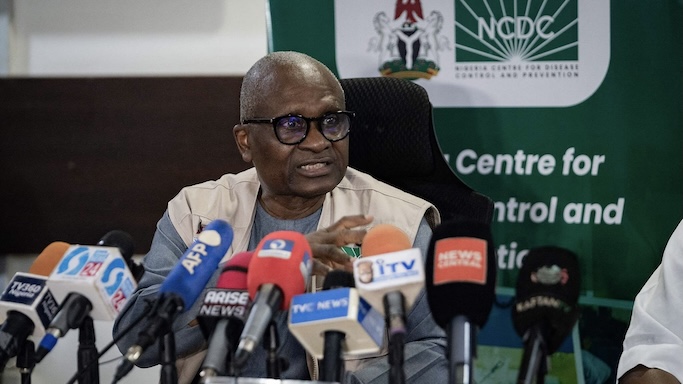
The Nigeria Centre for Disease Control and Prevention has said 28 people linked to the country’s imported Ebola case are still being monitored, while 34 others have completed the mandatory 21-day follow-up.

The Director-General of the NCDC, Dr. Jide Idris, disclosed this in the agency’s national health security update released on Tuesday.

He said Nigeria had continued to strengthen its response to the outbreak through coordinated efforts involving the Federal Ministry of Health and Social Welfare, the Federal Capital Territory Administration, state authorities and development partners.

According to Idris, the response measures include contact tracing, investigation of reported alerts, laboratory testing, infection prevention and control, safe clinical care and surveillance at points of entry.

“As of 9 November 2026, Nigeria had confirmed only one imported case of Bundibugyo virus disease, with no additional confirmed cases,” he said.

“We continue to investigate reported alerts and maintain heightened surveillance across the country to ensure that suspected cases are promptly identified and investigated.

“A total of 62 contacts have been identified. Of these, 34 have completed their individual 21-day follow-up, while the remaining 28 are still under monitoring.”

The NCDC chief clarified that being identified as a contact did not automatically mean that an individual had contracted the virus.

He explained that the 21-day monitoring period was designed to enable health officials to detect possible symptoms early and initiate appropriate medical interventions.

Idris also cautioned against confusing the monitoring period for individual contacts with the total number of days since the index case was confirmed.

See also  PHOTOS: Security operatives rescue kidnap victim in Rivers

Earlier in November, the NCDC projected that surveillance of all 62 contacts traced to the imported Ebola case would be concluded by November 13.

The agency had said, “Contacts are expected to complete follow-up by November. Expected completion dates range from 31 Oct to 13 Nov 2026.”

The Federal Government announced the confirmation of an Ebola case in the FCT in October.

The Coordinating Minister of Health and Social Welfare, Ali Pate, said 44 close contacts had initially been identified for tracing as part of efforts to prevent further transmission.


Pate disclosed that the index patient, a woman who recently arrived in Nigeria aboard an international flight from Uganda, was admitted to a private hospital in the FCT, where she received treatment for several days before the disease was confirmed.

The patient was subsequently evacuated to Switzerland for further medical care.

On October 31, the NCDC also announced the identification of two suspected Ebola cases in the North-East, prompting further surveillance and investigation.

Source: punchng.com

FOLLOW US ON:

FACEBOOK

WHATSAPP CHANNEL

TWITTER

PINTEREST

TIKTOK

YOUTUBE

LINKEDIN

INSTAGRAM

Continue Reading

Trending