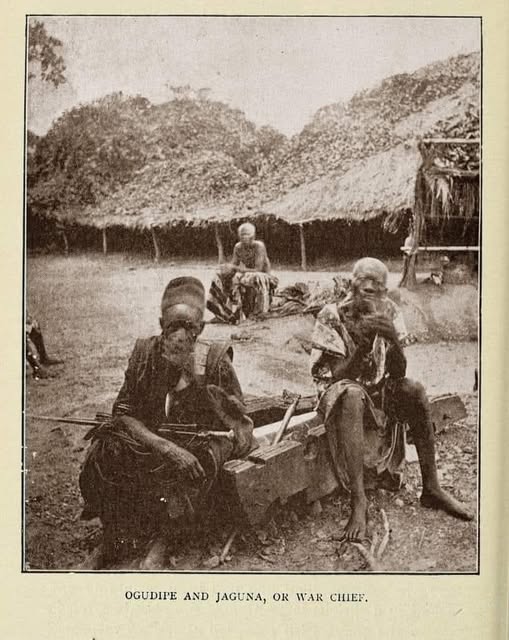
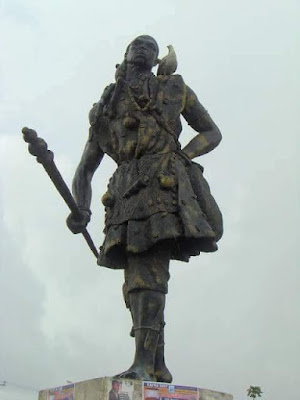
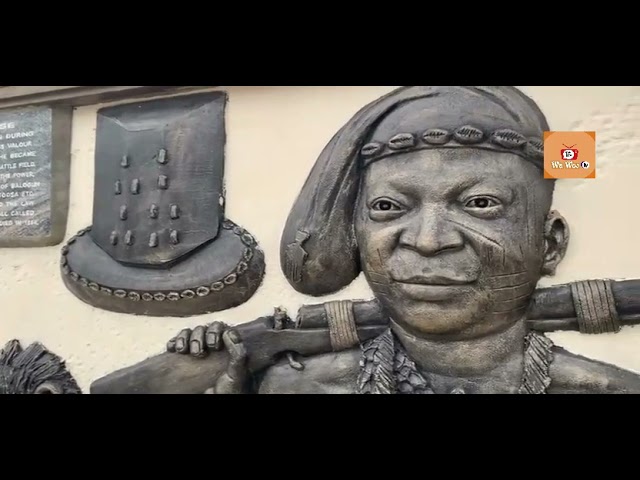
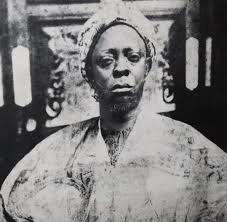


In the annals of Yoruba history, few titles carry as much weight and reverence as that of the Balogun.
Below is a list of some of the most formidable Baloguns who shaped Yoruba history.
1. Balogun Oderinlo (Ibadan) Active: c. 1840s
A tactical genius and fearless leader, Oderinlo is best remembered for his role in the Osogbo War, where he led Ibadan forces to a decisive victory over the Fulani warriors of Ilorin, halting their southern advance into Yorubaland.
2. Balogun Ajikobi (Ilorin) Active: 1830s–1840
A controversial but powerful figure, Ajikobi conquered Alaafin Oluewu and the Oba of Ibaruba. However, his reign of conquest ended during the Osogbo War, where he was captured and publicly executed in Oyo.
3. Balogun Ibikunle (Ibadan) Active: 1850s–1860s
Known for his confrontation with the formidable Aare Ona Kakanfo Kurunmi of Ijaiye, Ibikunle emerged victorious, cementing his reputation as a warrior without equal.
4. Balogun Akere (Ibadan) Active: c. 1860s
Fought valiantly in the Ijesha War, but tragically lost his life in battle.
5. Balogun Orowusi (Ibadan) Active: Mid-1800s
The first commander to lead Ibadan to a historic victory over the Ijesha, Orowusi’s victory marked a turning point in regional dominance.
An exceptional strategist, Ogunbona played a crucial role in repelling the powerful Dahomey army during the Dahomey Wars, securing Egba independence and stability.
7. Balogun Ayikodu (Abeokuta) Active: Mid-1800s
A tenacious warrior who fought in numerous campaigns to protect and strengthen the Egba kingdom, often placing himself in the front lines.
After the betrayal and death of Aare Latoosa, Osungboekun took control during the Ekiti Parapo (Kiriji) War.
9. Balogun Olasile (Ijaye) Active: c. 1860–1862
A loyal general under Kurunmi, Olasile fought in multiple campaigns and served as one of the backbones of Ijaiye’s military structure.
10. Balogun Singusee (Ile-Ife) Active: c. 1821–1825
Led the ancient city of Ile-Ife during the Old Owu War, eventually leading to the downfall of the Owu kingdom. His campaign reshaped the political landscape of the time.
11. Balogun Ogundipe (Abeokuta) Active: c. 1860s–1870s
A relentless defender of Egba sovereignty, Ogundipe’s name is associated with countless victories and an unshakable will.
Perhaps one of the most legendary Baloguns, Kuku fought multiple wars and was the first Yoruba commander to resist British colonial forces, making him a symbol of both traditional military valor and anti-colonial defiance.
These Baloguns were not mere warriors; they were protectors, visionaries, and architects of Yoruba survival and identity.
Their legacies continue to echo across Yorubaland—from the city-states of Ibadan and Abeokuta to the sacred grounds of Ile-Ife and Ijebu.
Yoruba saying:
“A kii jẹ ọmọ Balogun ki a má níkarahun”
(One does not descend from a Balogun and lack courage.)
One of the biggest mistakes a person can make is choosing a life partner simply because they are afraid of being alone.
Marriage is not something to rush into because of pressure, age, loneliness, or the fear that nobody else will love you. The person you marry can either become a great source of peace and support—or make your life incredibly difficult.
The Bible says:
“Whoso findeth a wife findeth a good thing, and obtaineth favour of the LORD.” — Proverbs 18:22 (KJV)
Notice that the Bible calls a good wife “a good thing.” It does not say every relationship automatically brings favour. The choice matters.
The same Bible warns:
“Be not deceived: evil communications corrupt good manners.” — 1 Corinthians 15:33 (KJV)
The wrong person can influence your character, your decisions, your finances, your peace, your relationship with God, and even your future.
That is why you should never beg someone to love you, manipulate someone into marrying you, or ignore obvious warning signs simply because you desperately want a relationship.
Jesus said:
“For what shall it profit a man, if he shall gain the whole world, and lose his own soul?” — Mark 8:36 (KJV)
What is the point of getting married if, in the process, you lose your peace, your purpose, your dignity, and your relationship with God?
Wait. Pray. Observe. Seek wisdom. 🙏
The Bible says:
“In all thy ways acknowledge him, and he shall direct thy paths.” — Proverbs 3:6 (KJV)
Don’t allow loneliness to make your decision for you.
Don’t allow social media to pressure you.
Don’t marry because everyone around you is getting married.
And don’t stay in a destructive relationship simply because you are afraid you will never find another person.
KABBA was founded by Aro, Balaja, and Areka from Ile-Ife.
IFE-OLUKOTUN/IFE-YAGBA was founded by Ajalorun and Iyewoyo.
EKINRIN-ADDE was founded by Esein and Omoye from Ile-Ife.
OGIDI was founded by descendants of Esein and Omoye.
IYARA was founded by descendants of Esein and Omoye.
IYAH-GBEDDE was founded by Owa from Ile-Ife.
ISANLU was founded by Isanlugbara from Ile-Ife.
IYAMOYE was founded by Oyeniyi.
ODO-ERE was founded by sixteen communities that came together for security.
📍 EDO STATE — YORUBA-LINKED SETTLEMENTS
USEN/ODE-USEN/AWURE/UFE-KEKERE was founded by Olu Awure (Elawure), traditionally associated with the Oranmiyan tradition.
EGBETA was founded by Ajibuwa from the ancient Uso/Owo area.
📍 DELTA STATE — YORUBA MIGRANT AND YORUBA-LINKED SETTLEMENTS
TEBU was founded by Ijebu migrants.
UGBORODO was founded by five Ijebu brothers.
OGIDIGBEN/ESCRAVOS was founded by five Ijebu brothers.
INORIN was founded by Ogunmaja from Ile-Ife.
UREJU was founded by Ilaje fishermen from Itebu Manuwa, Atijere, and Itebu Olero.
OMADINO was founded by Lenuwa.
IRIGBO/OKOTOMU was founded by Yoruba-linked settlers, according to Itsekiri historical tradition.
WARRI was established as the centre of the Itsekiri Kingdom under Prince Ginuwa, while earlier communities in the Warri area preserved Yoruba, Ijebu, and Ilaje migration traditions.
📍 REPUBLIC OF BENIN — YORUBA HISTORICAL SETTLEMENTS
KETU was founded by Soipasan from Ile-Ife.
DASSA-ZOUME/IGBO-IDAASHA was founded by Jagun Olofin.
SHABE/ILE-SHABE was founded by Prince Akiyo from Ile-Ife via Oyo.
Founder and presiding Pastor of Salvation Ministries, David Ibiyeomie, has stated that Nigerians are no longer afraid of the message of hell due to economic hardship.
According to him, they should preach a message of love and compassion instead.
It was reports that the clergyman made the remarks while addressing his congregants.
Ibiyeomie said many Nigerians are already struggling with severe economic challenges, making messages focused solely on the consequences of hell less effective in winning them to Christ.
“Just tell them God loves you; He can change your story. Come to Jesus. But if you say, ‘You’ll go to hell,’ the man will say, ‘The suffering wey I dey suffer now, na wetin e be?’
“That kind of message can’t convert one soul. You go there and say, ‘If you don’t convert to Jesus, you are going to hell.’ The man will say he has not even seen food to eat, he has not bought petrol; already, he is in hell,” he said.
Ibiyeomie said compassion should motivate Christians to tell people that Jesus loves them regardless of what they are going through and that God can show them mercy.
“Compassion will make you tell them Jesus loves you. In spite of what you’re going through, He will show you His mercy. Compassion is the greatest tool that brings people to Christ. It is from your heart,” he said.
The pastor said God himself is compassionate and urged Christians to extend the same quality to others.
Citing Psalm 103:8, he said: “The Lord is compassionate and gracious, slow to anger, abounding in loving devotion.”
He added that God does not treat people according to their past mistakes and failures, saying those who have received God’s compassion should also show compassion to others.
Ibiyeomie, who cited Ephesians 4:32, said: “Be kind and compassionate to one another, forgiving each other, just as in Christ God forgave you.”
He described compassion as one of the most powerful expressions of God’s nature, stressing that it goes beyond merely feeling sorry for another person.