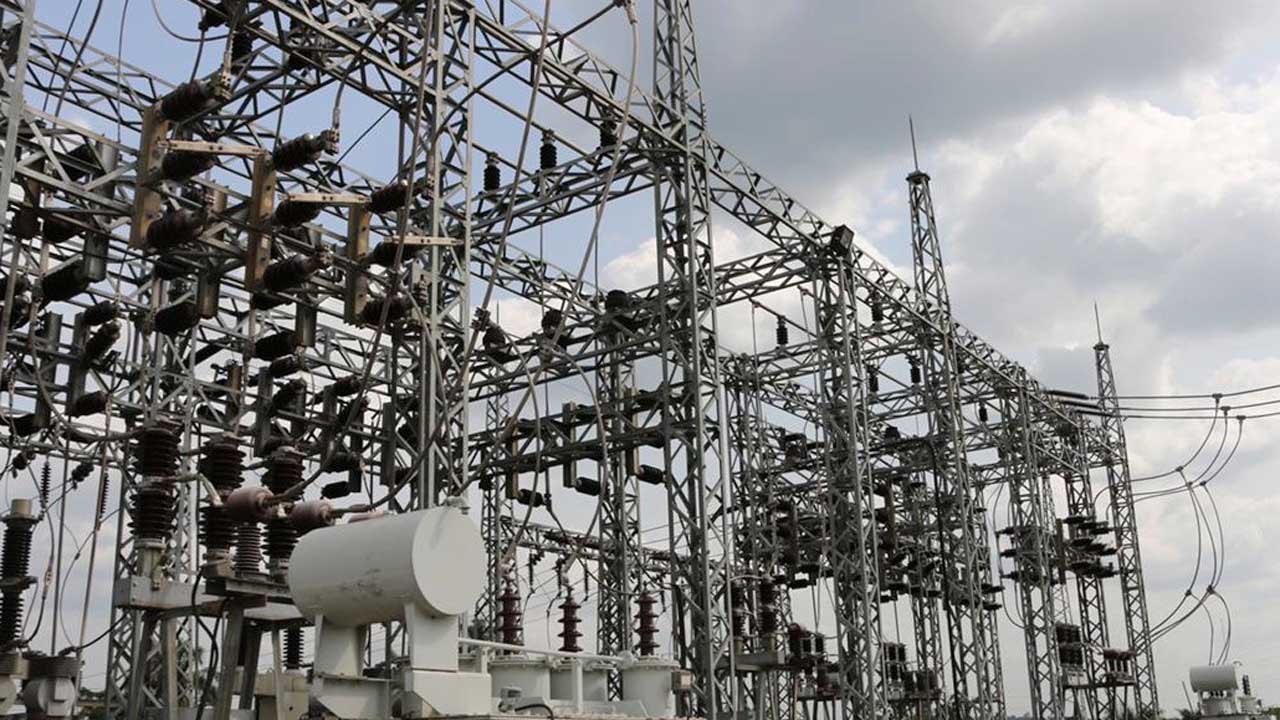
A fresh battle over the control of Nigeria’s electricity sector is brewing, as state electricity regulators have accused the National Assembly of attempting to claw back powers already devolved to states under the Constitution and the Electricity Act 2023.
In a strongly worded memorandum submitted to the Senate Committee on Power and obtained by our correspondent on Tuesday, electricity regulatory commissions and bureaus from 16 states warned that the proposed Electricity Act (Amendment) Bill 2026 could reverse one of the most significant reforms in Nigeria’s power sector.
The regulators argued that the amendment bill, rather than strengthening the electricity market, seeks to restore extensive federal oversight over matters they insist have constitutionally become the responsibility of states.
The concerns were contained in a letter dated May 26, 2026, addressed to the Chairman of the Senate Committee on Power and signed on behalf of the State Electricity Regulatory Commissions and Bureaus.
Signatories to the document included the chairmen and chief executives of electricity regulators in Abia, Anambra, Bayelsa, Edo, Ekiti, Enugu, Gombe, Imo, Kogi, Lagos, Nasarawa, Niger, Ogun, Ondo, Oyo and Plateau states.
The regulators said they had taken advantage of the Electricity Act 2023 to begin building sub-national electricity markets and had already engaged investors based on the framework created by the law.
They noted that they had earlier met with the Senate committee and were subsequently requested to consolidate their concerns into a single memorandum for the consideration of lawmakers, the Nigerian Electricity Regulatory Commission and other stakeholders.
The letter stated, “We represent State Regulatory Commissions/Bureaus that have taken advantage of the Electricity Act 2023 to commence the development of our sub-national electricity markets and sectors.
We are grateful for the audience you granted us to raise concerns on the ongoing consideration of the proposed Amendment Bill 2026 to the Electricity Act 2023.
“As agreed during our discussion, we have collated and consolidated the comments into one document which is hereby attached for the consideration of the Senate and House Committees on Power, NERC and other stakeholders.”
The state electricity regulators said they had identified 17 contentious provisions in the proposed amendments to the Electricity Act that they believed could undermine the constitutional powers already granted to states in the electricity sector.
According to the regulators, the areas of disagreement include the authorisation of State Houses of Assembly to legislate on electricity matters, the supremacy of state laws within state electricity markets, and provisions seeking to retain federal control over all activities connected to the national grid.
Other disputed clauses relate to restrictions on states’ participation in the wholesale electricity market, matters concerning the Nigerian Wholesale Electricity Market, the authority of states over independent transmission and distribution networks, and the establishment and administration of the Power Consumers Assistance Fund.
The regulators also raised concerns over the proposed expansion of the powers of the Nigerian Electricity Management Services Agency, the structure and decisions of the Forum of Electricity Regulators, and the provision granting the Nigerian Electricity Regulatory Commission final administrative appellate jurisdiction on certain issues arising within the forum.
They further opposed provisions designating electricity generation, transmission, distribution and supply as essential services, as well as clauses dealing with government-owned enterprises as licensees and obligations to host communities.
Additional areas of contention include the regulation of intra-state electricity matters that may have implications for the national grid, the imposition of timelines and phased conditions for states transitioning into independent electricity markets, and proposed federal oversight on consumer protection, anti-trust measures and tariff design within state electricity jurisdictions.
The regulators argued that the disputed provisions require further consultation to ensure that the decentralisation objectives of the Electricity Act are not weakened by subsequent amendments.
“A review of the Bill suggests that the general intention is to reverse the devolution of legislative, governance and regulatory powers over electricity matters that occur solely within the respective states to the state governments, in favour of a reconsolidation of powers at the federal level, with the Nigerian Electricity Regulatory Commission retaining full supervisory powers over the market. Effectively, it appears that the intention of the Bill is that Nigeria should continue with the same regime that, for 20 years, has not led to any significant increase in power availability or per capita consumption for Nigerians, despite ever-increasing (and unsustainable) federal debt.”
At the centre of the dispute is the interpretation of the constitutional amendments that allowed states to legislate on electricity matters within their territories. The regulators argued that the proposed amendment bill wrongly assumes that state legislatures derive their powers from the National Assembly rather than directly from the Constitution.
According to them, any attempt by the National Assembly to grant, restrict or redefine those powers through ordinary legislation would amount to a constitutional violation.
The memorandum stated, “Section 2 of the Bill aims to amend Section 2(2)(a)-(e) of the Principal Act. By that section, the National Assembly reserves to itself the power to delegate legislative powers to States’ Houses of Assembly, suggesting that the Bill (or the Principal Act) is the source of the powers of a state to make laws on its electricity markets.
“This provision is based on a shocking miscomprehension of Nigerian constitutional law—it proceeds from the wrong assumption that the NASS, by ordinary legislation and not constitutional amendment, can confer (or restrict) the legislative power of states.
“The constitutional division of powers is fundamental to federalism, ensuring a balance between national unity and state autonomy. There is no legal framework for the NASS to ‘empower’ state governments to make law by ordinary legislation, as the language of the Bill attempts to do.
“The constitutional division of powers is fundamental to federalism, ensuring a balance between national unity and state autonomy. There is no legal framework for the NASS to ‘empower’ state governments to make law by ordinary legislation, as the language of the Bill attempts to do. Consequently, Section 2 of the Bill, seeking to amend Section 2 of the Act, is not consistent with the Constitution.”
The regulators described as “a shocking miscomprehension of Nigerian constitutional law” the provisions of the bill that appear to suggest that the National Assembly is the source of states’ authority over electricity matters.
They warned that the proposed law could undermine the principle of federalism by weakening state autonomy. Beyond constitutional concerns, the regulators said the bill could create uncertainty in the electricity market and discourage investors who had already committed resources based on the existing legal framework.
“The clear intention behind the new drafting is to reconsolidate in the Federal Government matters solely within the state electricity markets which had been devolved to the states,” the memorandum stated.
“This will defeat the key objectives of the Electricity Act and the various states’ electricity laws, even before the regime introduced by them has taken any root. It will introduce avoidable disruption in the industry as significant investment decisions have already been taken based on the Electricity Act 2023, and these investments are now put at risk by this proposed amendment.”
The state regulators specifically faulted provisions relating to federal oversight of activities connected to the national grid, restrictions on state authority over wholesale electricity transactions, the proposed expansion of NERC’s powers and changes affecting mini-grids and independent distribution systems.
They argued that allowing NERC to retain overriding authority over electricity activities merely because they have some connection to the national grid would effectively render state powers meaningless.
The memorandum stated, “What is required, in order to attain the full benefits of the decentralisation of the Nigerian Electricity Supply Industry that is the theme of the Fifth Alteration and provided for in the Principal Act, is proper coordination on transmission matters between NERC and state regulators, and not top-down federal legislation.”
The regulators also rejected provisions that would permit NERC to exercise final administrative appellate jurisdiction over disputes involving state electricity regulators. According to them, NERC and the SERCs are on equal standing within their respective constitutional spheres of authority.
“NERC and the SERCs are on equal standing within their respective constitutional spheres of authority,” the memorandum said. “The National Assembly cannot arrogate to NERC quasi-judicial authority over SERCs, especially where the dispute might be on a matter over which NERC has no authority.”
They further argued that the Constitution already vests judicial powers in the courts and that such responsibilities cannot be transferred to a regulatory agency. The proposed establishment of a Forum of Electricity Regulators also drew criticism.
Although the regulators acknowledged the importance of coordination among electricity regulators, they argued that participation in such arrangements should be voluntary rather than imposed through federal legislation.
“The better approach would be a Memorandum of Understanding or similar instrument jointly negotiated by all relevant regulatory bodies in which the principles of coordination and harmonisation will be agreed,” they said.
The state regulators equally opposed provisions declaring generation, transmission, distribution and supply of electricity as essential services covering both federal and state electricity markets.
According to them, such provisions could inadvertently expand NERC’s jurisdiction into areas already devolved to states, including tariff regulation. “The provision is invidious, regressive and should be expunged,” the memorandum stated.
The regulators also faulted proposals empowering NERC to determine contributions to the Power Consumers Assistance Fund from electricity consumers. They argued that since electricity tariffs and retail supply have become matters for state regulation, decisions relating to subsidies and customer contributions should similarly reside with state authorities.
Other contentious areas identified by the regulators included host community obligations, the role of the Nigerian Electricity Management Services Agency, licensing arrangements involving government-owned electricity enterprises and timelines for states transitioning into independent electricity markets.
The dispute highlights the growing tension between the Federal Government and states over the future structure of Nigeria’s electricity industry. The Electricity Act 2023 was enacted following the Fifth Alteration to the 1999 Constitution, which removed electricity from the Exclusive Legislative List and empowered states to generate, transmit and distribute electricity within their territories.
Since then, several states have enacted electricity laws and established regulatory agencies to oversee emerging sub-national electricity markets. Lagos, Enugu, Ekiti, Ondo, Edo and other states have already commenced varying stages of implementation of their electricity reform programmes.
Energy experts have repeatedly described the decentralisation of the sector as a major opportunity to attract investment, improve efficiency and expand access to electricity. However, the latest amendment proposals appear to have reopened the debate over how regulatory powers should be shared between Abuja and the states.
As the National Assembly continues deliberations on the amendment bill, the position adopted by lawmakers could shape the future direction of Nigeria’s electricity reforms and determine whether the country deepens its experiment with decentralisation or returns to a more centralised regulatory model.
The Electricity Act 2023 was designed to operationalise the constitutional amendments that empowered states to participate directly in electricity generation, transmission and distribution within their boundaries. Since its enactment, several states have passed their own electricity laws and established regulatory commissions.
The proposed Electricity Act (Amendment) Bill 2026 seeks to amend several provisions of the principal legislation. However, state regulators contend that some of the proposed changes amount to an attempt to reverse the gains of decentralisation and restore broad federal control over the Nigerian Electricity Supply Industry.
punch.ng
FOLLOW US ON: