Connect with us

News

Fake PFIPC agency probe: Reps to grill controversial DG at undisclosed location; Read details

Published

on

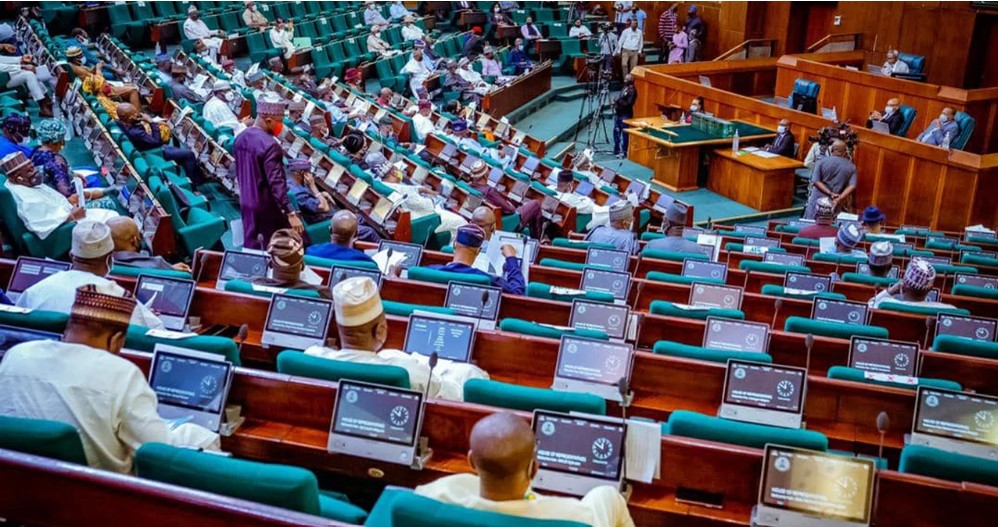
The House of Representatives Ad-hoc Committee investigating the alleged establishment and operations of the Presidential Foreign Investment Promotion Council has said it will interrogate the council’s purported Director-General, Prince Adeniyi Adeyemi, at an undisclosed location while he remains in police custody, saying the move is necessary to avoid jeopardising ongoing investigations by security and anti-graft agencies.

The committee was constituted to investigate the circumstances surrounding the alleged establishment and operations of the PFIPC following allegations of impersonation, forgery, financial impropriety and the unlawful use of government facilities and official insignia.

It is also examining how the purported council allegedly operated, the identities of those involved, the source of its funding and whether public institutions or officials aided its activities. It is expected to conclude its hearings this week before submitting its report to the House of Representatives for further legislative action.

The committee summoned the Corps Marshal of the Federal Road Safety Corps, Shehu Mohammed, to appear before it on Thursday over official Federal Government number plates allegedly used on vehicles linked to the purported council, amid concerns over how the plates were obtained.

The developments came after the Managing Director of Divine Dopacy Nigeria Limited, Gbenga Collins, told lawmakers that he paid N400m to Adeyemi after allegedly being promised a contract to renovate and furnish what was presented as the official residence of the agency’s Director-General.

Collins said he believed the PFIPC was a genuine Federal Government institution because Adeyemi operated from an office in the Federal Secretariat, Abuja, moved with security personnel and official vehicles bearing government number plates, and received visitors in what appeared to be an authentic government office.

Collins, a graduate of Federal University of Agriculture, Abeokuta, said he first met Adeyemi, whom he described as a fellow indigene of Ogbomoso, during a programme in their hometown in December 2024.

According to him, Adeyemi later invited him to Abuja in early 2025 to discuss a business opportunity.

“When I arrived at the airport, he sent an official car to come and pick me from the airport to his office at the Federal Secretariat, Abuja.

“When I got to his office, I met him there. He is a well-known man in Ogbomoso. I met a lot of people, very big dignitaries in his office, and I met a group of security officers guarding the office,” he said.

Collins said Adeyemi introduced himself as the Director-General of both the Presidential Economic Advisory Council and the Presidential Foreign Investment Promotion Council.

He told lawmakers that it was his first visit to Abuja and that the official setting gave him no reason to question Adeyemi’s claims.

“I saw police officers with him. That was my first time of coming to Abuja because I’m not familiar with Abuja very well. He sent his official car to pick me from the airport. It had a Federal Government registration number attached to the Lexus SUV,” he said.

See also  Tinubu Decorates Service Chiefs, Charges them to Defeat Terrorism

Collins said Adeyemi later informed him that he had been allocated an official residence as Director-General and wanted Divine Dopacy Nigeria Limited to handle its renovation and furnishing.

According to him, Adeyemi personally took him to inspect the property.

“He told me that he wanted to do refurbishment and renovation of the official house assigned to him as the DG of that agency and asked whether I would be able to handle the contract.

“He took me to the house to show me the property because I slept in Abuja. We went there the following day with his staff. We went with more than four, five or six vehicles with security. They opened the house and took us round, showing me what they wanted to do,” Collins added.

He said discussions continued until April 2025 when Adeyemi allegedly handed him a contract award letter, scope of work and an agreement between the purported council and his company.

Collins told the committee that he was informed he needed to pay N400m to demonstrate his company’s financial capacity and facilitate mobilisation for the contract.

“He gave me the contract award letter, the scope of work and the agreement with my company to execute the refurbishment project.

“I had to pay N400m for the facilitation of that project to show my strength that I would be able to handle the project. At the same time, he said it would fast-track the mobilisation for the contract,” he said.

The businessman disclosed that he raised the money from business associates who trusted him because he had personally visited Adeyemi’s office.

According to him, N380m was paid in four instalments between May and June 2025 into a Guaranty Trust Bank account belonging to World Entrepreneurs Limited, while the balance of N20m was paid on July 29, 2025, into an Access Bank account belonging to Sunshine Confectionery and Catering Services.

“When I was paying the money, I kept telling him that I collected the money from my colleagues who were doing business with me.

“I was the one who told them I had gone to this man’s office, so I believed it was going to be a great opportunity for us. That was why people started giving me the money,” Collins said.

He said Adeyemi repeatedly assured him that mobilisation for the project would commence in August 2025, but the promise never materialised.

“When I finished the payment, he said they were going to do the mobilisation by August,” he said.

Collins said subsequent explanations centred on security concerns before fresh assurances were given that payment would be made in November.

See also  Lagos summons power operators over erratic electricity supply

“I continued calling him. He kept managing me, telling me they were handling security issues and that they would pay in November,” he added.

The witness said he became suspicious after repeated attempts to reach Adeyemi failed and later consulted a lawyer in Abuja.

“My lawyer was the first person who told me that I had been scammed,” he told the committee.

He disclosed that his lawyer petitioned the Economic and Financial Crimes Commission on November 13, 2025, and that he adopted the petition six days later.

“The petition was written on the 13th and I was invited to adopt it on the 19th,” he said.

He added that investigators later informed him that Adeyemi repeatedly failed to honour invitations from the EFCC, allegedly citing ill health through his lawyer.

“Since then, the EFCC has been trying to invite him. I think he has been sending his lawyer. According to the Investigating Police Officer handling the case, his lawyer kept saying he would appear.

“Since then, I have not heard anything further, but they are on top of the matter. The EFCC will be in the best position to handle the rest,” Collins said.

Appealing to lawmakers, the businessman said the incident had ruined his business and forced him to dispose of personal assets.

“I just want to beg the Chairman and the honourable members to help me talk to all the agencies involved because I have been frustrated, especially by those people who gave me the money. I have started selling my property. My business is not going well again,” he lamented.

He maintained that he acted in good faith because everything surrounding Adeyemi suggested he was dealing with a genuine government official.

“I did all this based on trust. When I went to his office, I met a lot of big dignitaries there, people waiting to see him and people he was discussing contracts with. I also did it because he is from my hometown,” Collins said.

During the hearing, committee chairman, Yusuf Gagdi, asked Collins whether the N400m amounted to a bribe paid to secure the contract.

The witness rejected the suggestion, insisting that the payment was presented to him as a prerequisite for facilitating and mobilising the contract.

Lawmakers also asked whether he complied with the provisions of the Public Procurement Act before accepting the purported contract.

Collins admitted that he did not follow any formal procurement process.

“What I just have to say is to beg the committee, or to implore the committee, to please, in all their capacity, whatever they can use to assist me with the police that are investigating him because I was invited to the Cybercrime office. He said the same thing, that he did not deny collecting the N400m,” he told lawmakers.

See also  Tinubu axes two N’Assembly bills over policy clash

He also confirmed that the money was never converted to United States dollars before it was transferred.

Adeyemi grilling

Responding to questions over Adeyemi’s absence from the public hearing, Gagdi said the committee was bound by an existing court order under which the suspect remains in police custody.

“For the benefit of the general public, we are not refusing to invite Prince Adeniyi here. We have pronounced him to appear here and police have responded that he is in their custody based on the court order,” Gagdi clarified.

He stressed that the National Assembly would not undermine the authority of the courts.

“As an arm of government, we respect the principle of federalism and separation of powers. We respect the powers of the judiciary, the executive and we equally limit ourselves within our own powers.

“We do not have the power as the National Assembly to vacate an existing court order and say that somebody who is in the custody of the Nigerian Police should leave the police to appear before the National Assembly.”

The committee chairman, however, disclosed that lawmakers would question Adeyemi at an undisclosed date and location to avoid interfering with ongoing investigations by the EFCC, the Independent Corrupt Practices and Other Related Offences Commission and the police.

“We will not announce to the general public when we will interact with Prince Adeniyi. We will not because the ICPC are investigating this matter. EFCC are investigating this matter. Part of this matter is before the court of law and many other agencies.

“To say that we will put the suspect under direct camera and interact with him the way we are interacting with everyone here will definitely undermine the ongoing investigation by the EFCC and ICPC.

“In view of that, we are meeting him on an unannounced date and at an unannounced time. We will meet him with a camera that will exonerate members of the committee on our interaction with him.

“Just as you came here with your lawyer, we will inform the police whenever we are going to meet him and, as directed by the court, it will be in the presence of his lawyers,” he added

Gagdi said the panel’s priority was to obtain necessary clarifications from Adeyemi rather than insist on his appearance at a public hearing.

“Whether he appears before this committee or this committee appears before him, the most important thing is to have an interaction with him to get some things clarified. And we are going to do just that,” he said.

punch.ng

FOLLOW US ON:

FACEBOOK

TWITTER

PINTEREST

TIKTOK

YOUTUBE

LINKEDIN

News

Ukraine sets age requirements for foreigners seeking citizenship

Published

on

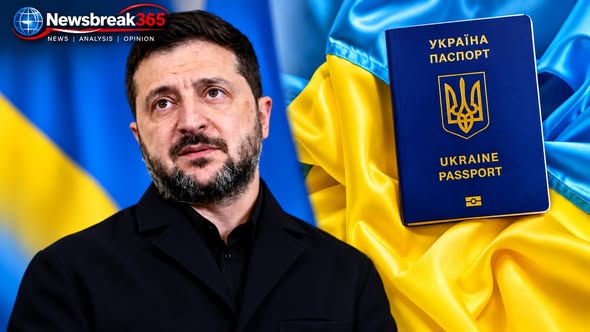
Ukraine has outlined age-based requirements for foreigners and stateless persons seeking citizenship, specifying who can apply and when minors must consent in person.

The State Migration Service of Ukraine published the guidelines in accordance with the Law of Ukraine on Ukrainian Citizenship and Presidential Decree No. 215 of March 27, 2001.

Under the requirements, as obtained by PUNCH Online on Wednesday from the state’s migration service of Ukraine’s website, foreigners and stateless persons aged 18 and above must personally submit their applications for Ukrainian citizenship.

For children below 18, applications must generally be submitted by their parents or legal representatives. However, minors aged between 14 and 17 must personally consent to acquiring Ukrainian citizenship.

This means parents or legal guardians cannot independently secure citizenship for teenagers within that age bracket without their consent.

The guidelines divide applicants into three categories based on age.

Children below 14 must have applications submitted on their behalf by a parent or legal representative, while those aged 14 to 17 must provide personal consent even though an adult handles the application.

Applicants aged 18 and above are required to submit their naturalisation applications independently.

The Ukrainian authorities have also outlined requirements for applicants who already hold citizenship of another country.

“Foreign nationals seeking Ukrainian citizenship under the procedure described by the migration authority must pledge to terminate their existing citizenship within two years of being registered as Ukrainian citizens.

“Applicants who make the required pledge are issued temporary Ukrainian identity cards valid for two years rather than full passports during the transitional period,” the migration service added.

See also  New Year: Put people first or risk Nigeria’s future — Goodluck Jonathan tells leaders

A Ukrainian passport is issued after the individual has formally terminated their previous citizenship or submitted a written declaration renouncing it, in accordance with the applicable procedure.

However, stateless persons are exempt from the requirement to pledge to terminate another country’s citizenship and are not subject to the same two-year transitional arrangement.

The migration authority advised foreigners and stateless persons interested in acquiring Ukrainian citizenship to familiarise themselves with the relevant legal provisions and documentation requirements before commencing the application process.

Further information on citizenship applications and the required procedures is available through the official website of Ukraine’s State Migration Service.

FOLLOW US ON:

FACEBOOK

WHATSAPP CHANNEL

TWITTER

PINTEREST

TIKTOK

YOUTUBE

LINKEDIN

INSTAGRAM

Continue Reading

News

PHOTOS: LAGOS ADVANCES GREEN MOBILITY AS LAMATA, OANDO UNVEIL 11 NEW ELECTRIC BUSES

Published

on

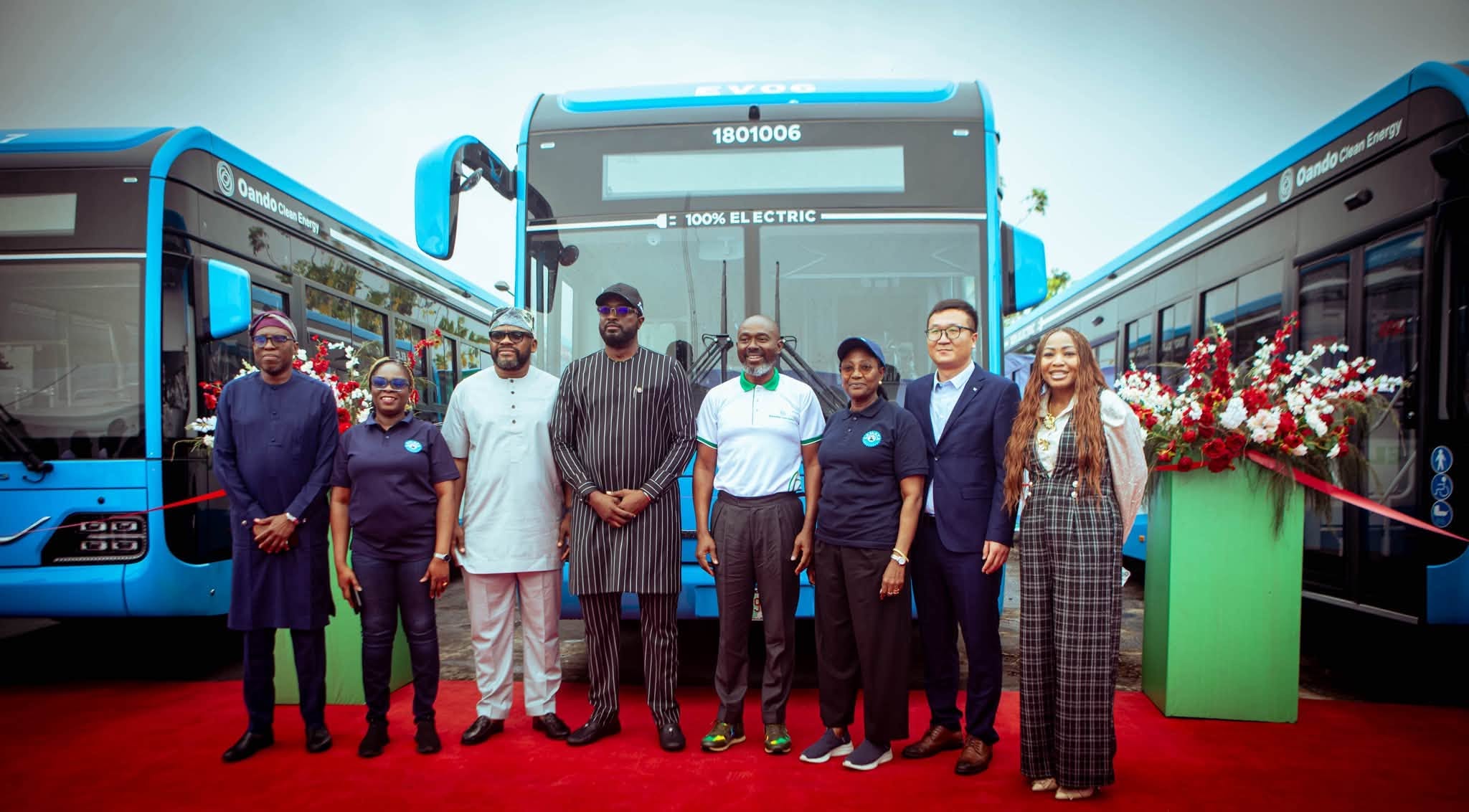
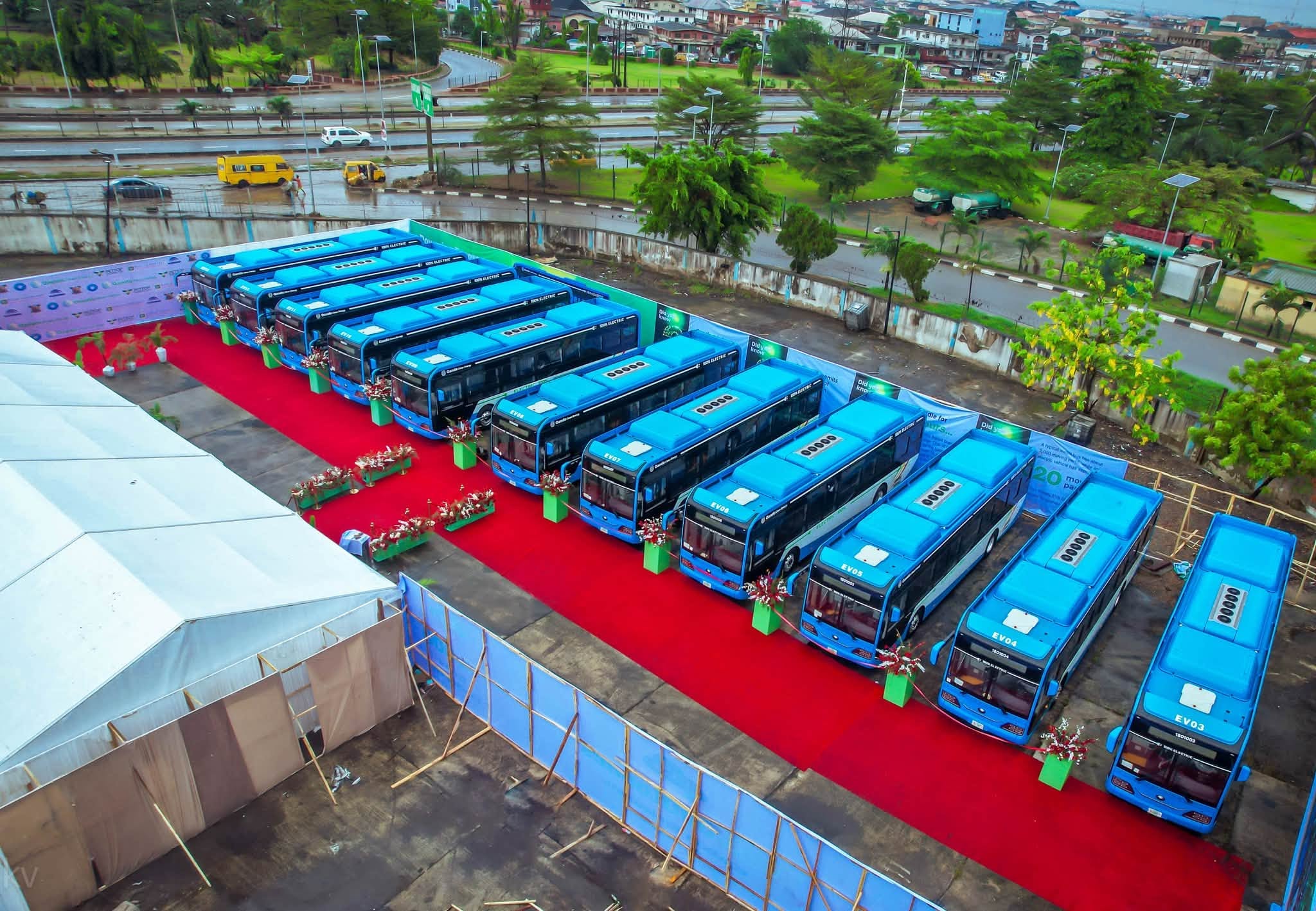
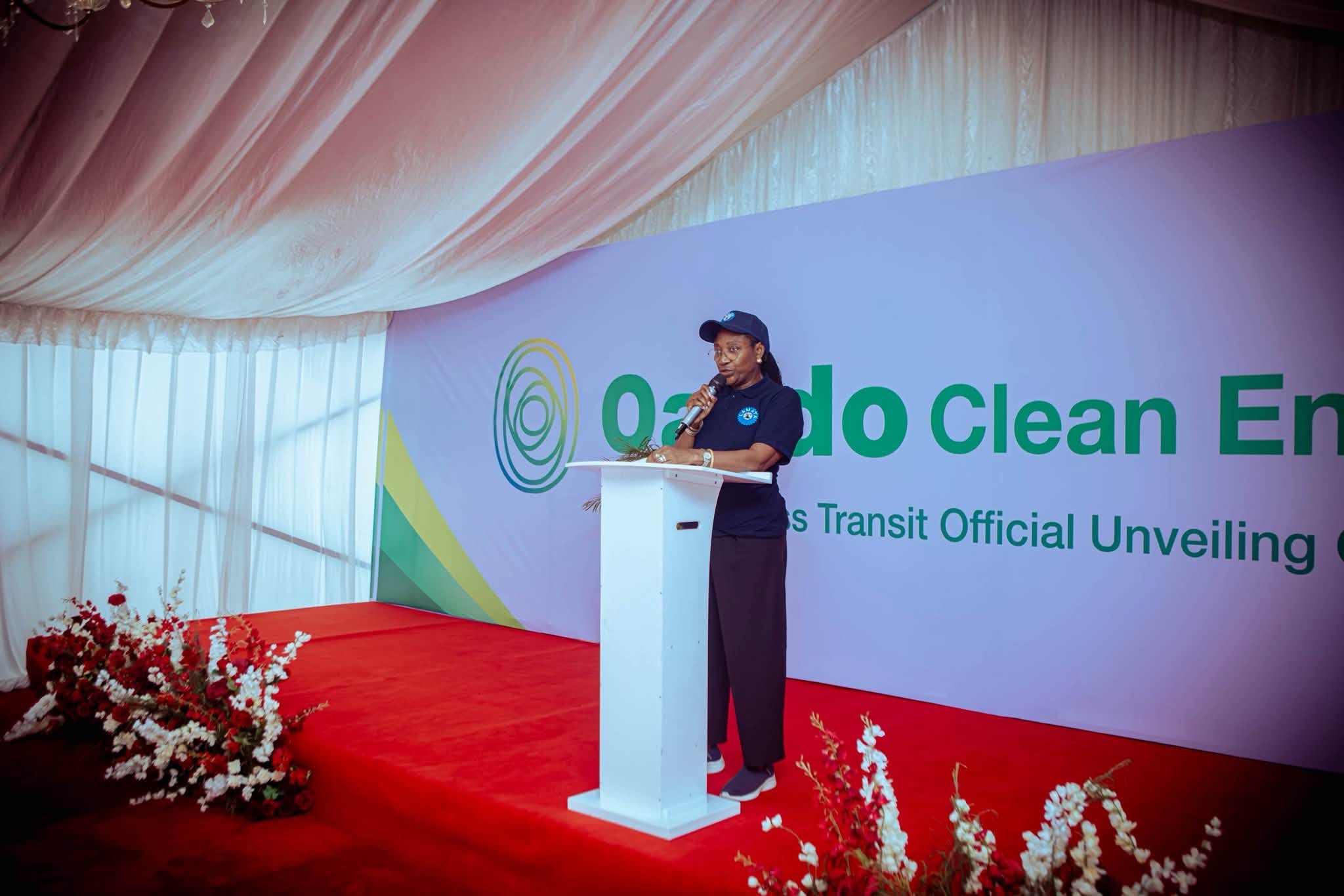
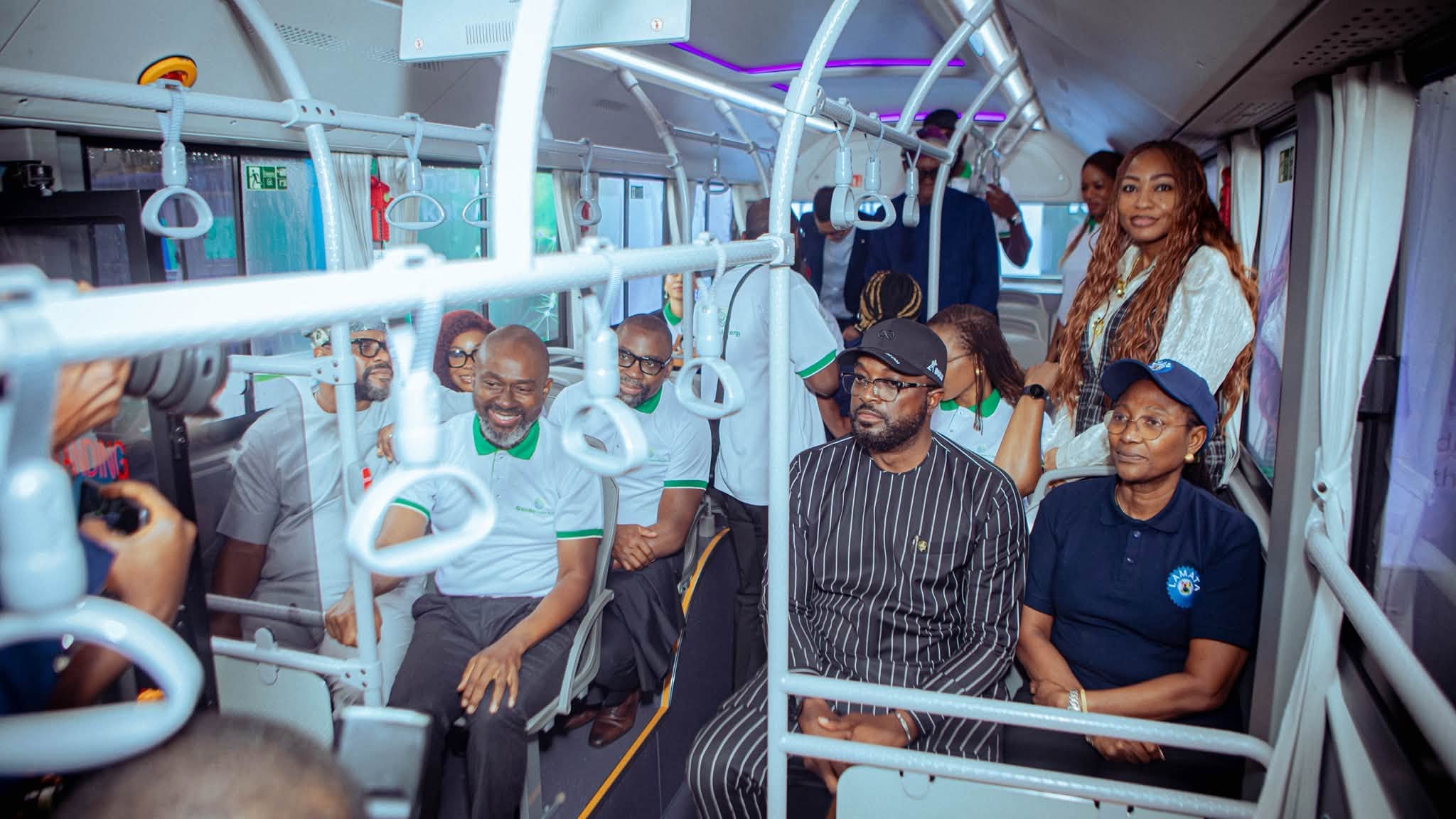
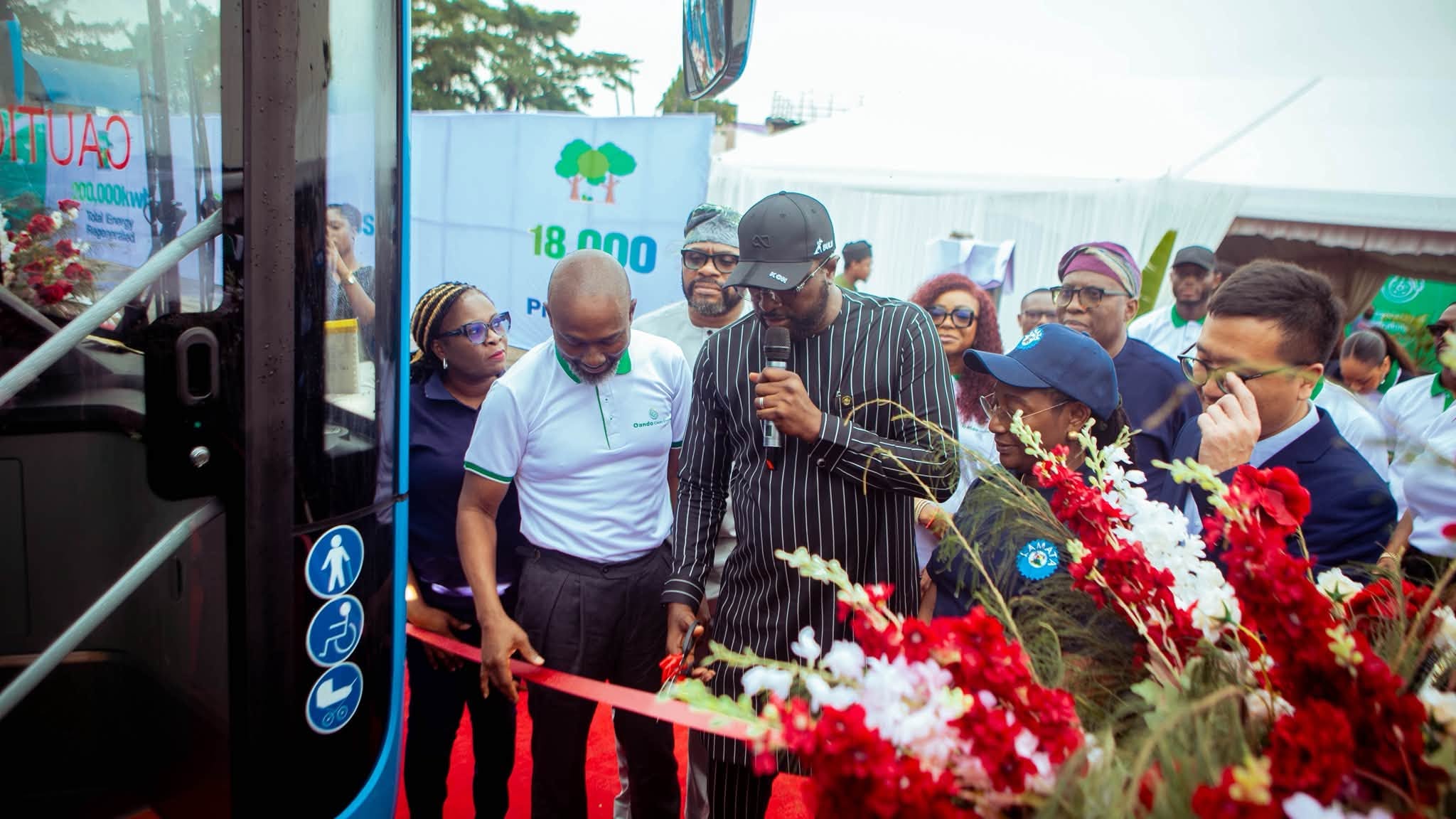
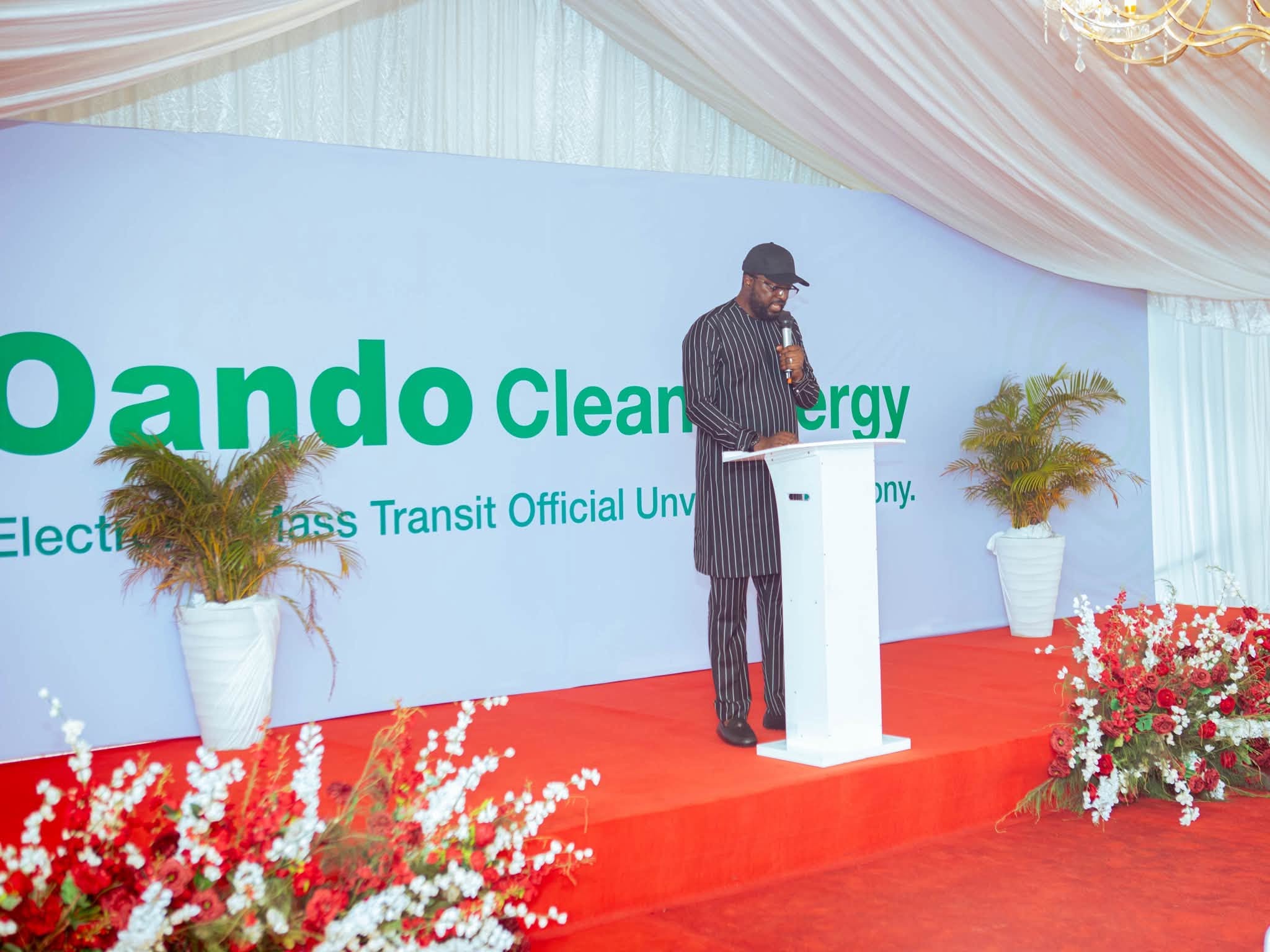
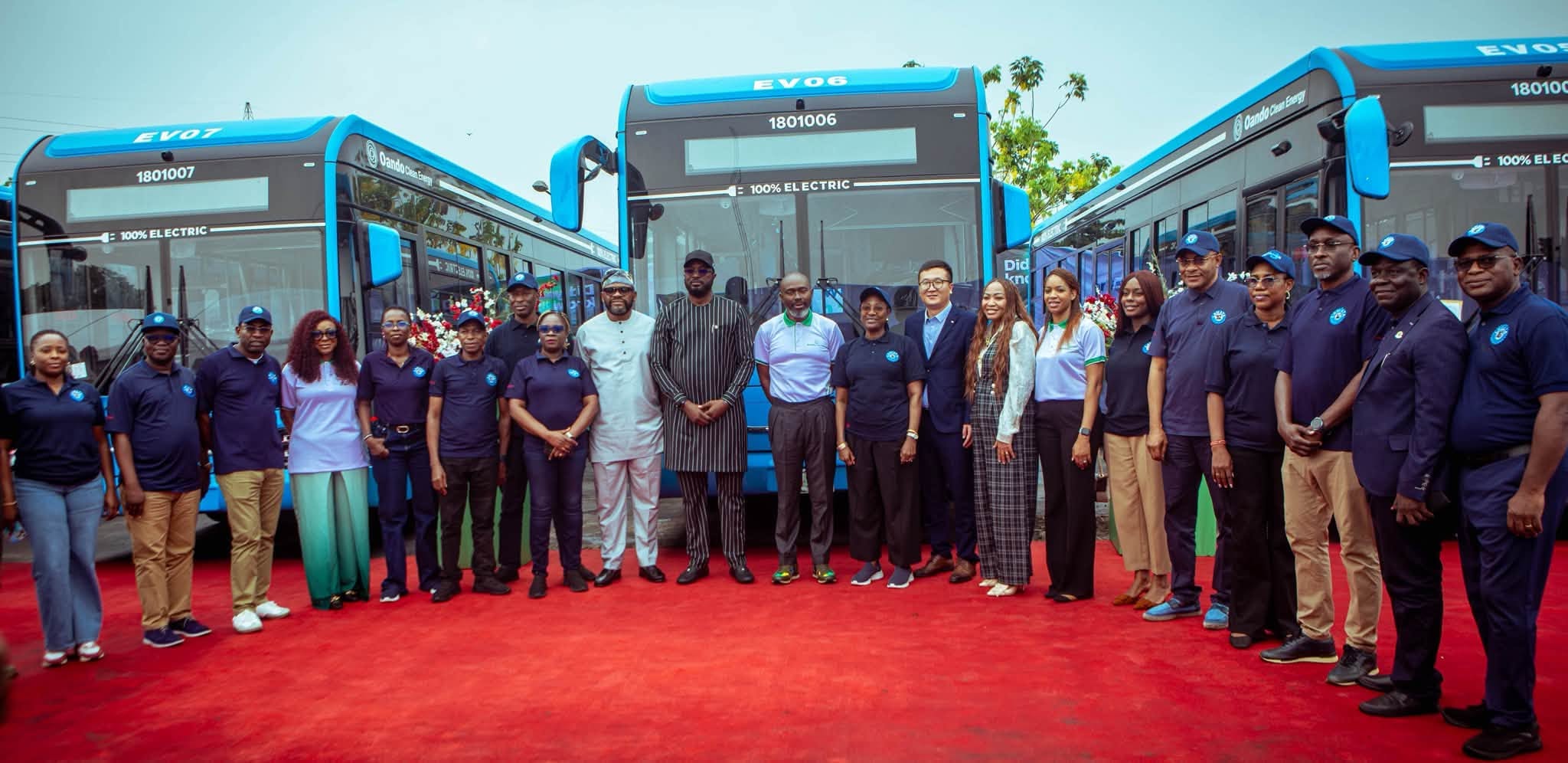
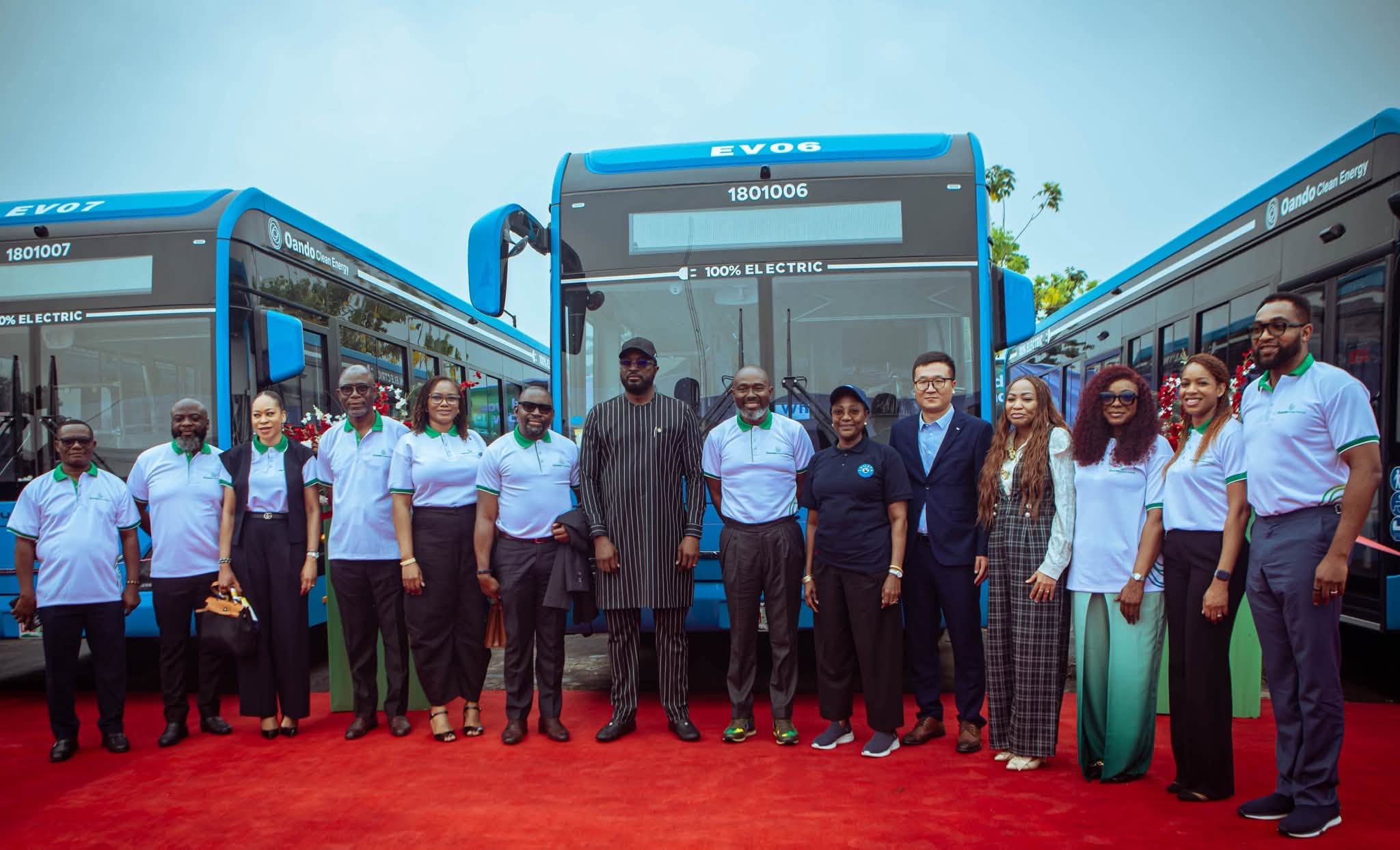
The Lagos State Government has taken another significant step towards transitioning to cleaner and more sustainable public transportation with the addition of 11 new electric buses (EVs) by Oando Clean Energy Limited (OCEL) under the regulation of the Lagos Metropolitan Area Transport Authority (LAMATA).

The presentation of the buses, the first batch of a set of 50-bus commitment under the current phase by Oando, represents a major expansion of the electric bus initiative, which began with two pioneer buses deployed for proof-of-concept operations in 2023.

The initiative is expected to pave the way for the eventual deployment of 552 electric buses across Lagos public transport corridors, reinforcing the state’s ambition to develop an environmentally sustainable and energy-efficient mass transit system.

Speaking at the event, the Commissioner for Transportation, Mr. Oluwaseun Osiyemi, said the transition to cleaner energy was essential to meeting the transportation needs of Lagos as its population and economic activities continue to expand.

He noted that the state government recognises that the future of transportation must be anchored on sustainability, energy efficiency, innovation and environmental responsibility.

According to him, Lagos is pursuing a progressive reduction in carbon emissions in line with the State Government’s net-zero ambitions by 2050.

The Managing Director of LAMATA, Engr. Mrs. Abimbola Akinajo, described the presentation as evidence of the progress achieved through sustained collaboration between the state government and its private-sector partners.

She said electric buses offer significant environmental advantages, including reduced greenhouse gas emissions, improved air quality and lower noise pollution, while supporting the development of a more sustainable urban transport system.

See also  Tinubu vows safe return of abducted Oyo teachers, pupils; read details

Akinajo noted that the partnership with Oando was translating a shared vision for cleaner transportation into practical results, adding that the deployment would strengthen Lagos’ efforts to modernise public transport operations.

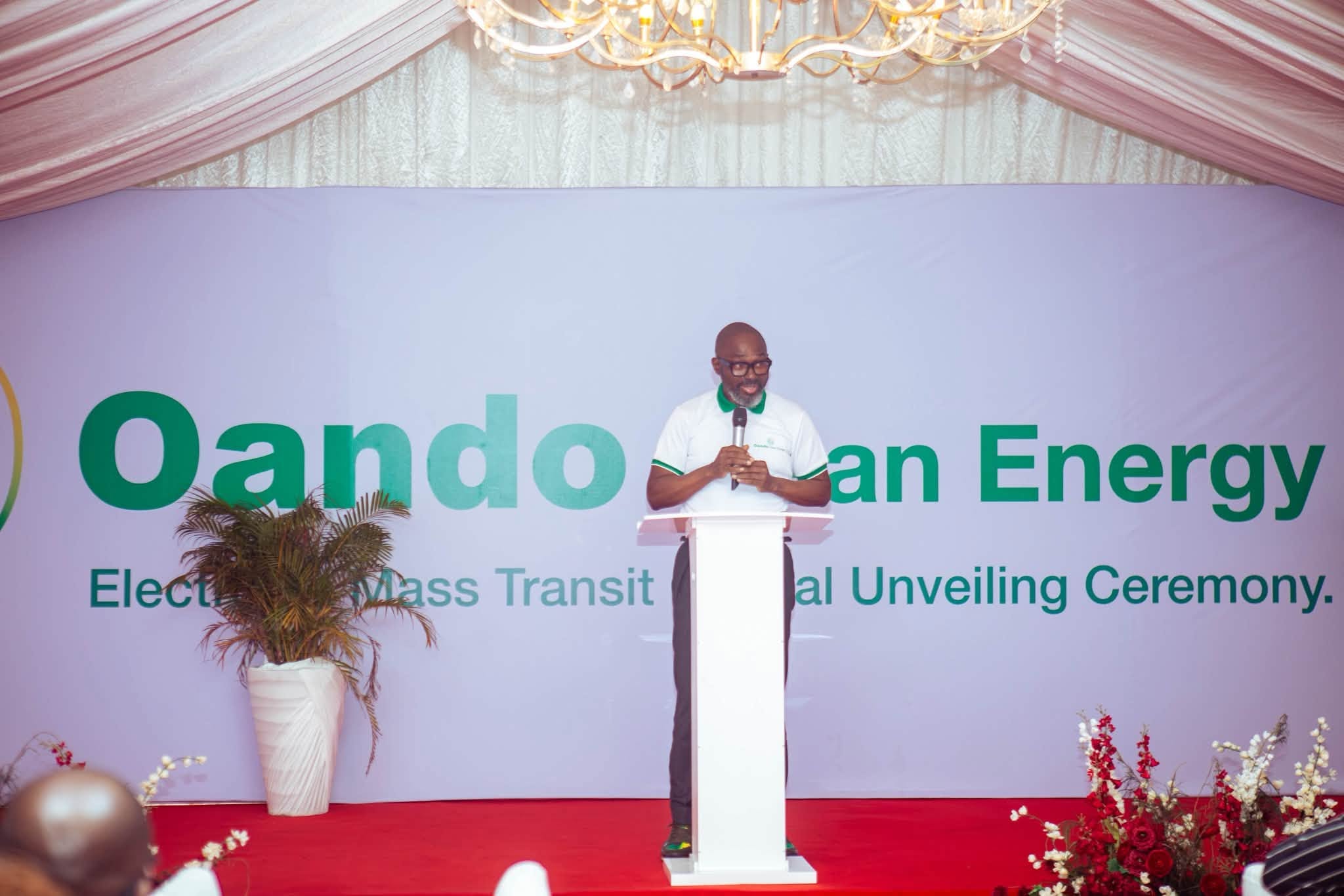
In his remarks, the President and Chief Executive Officer of Oando Clean Energy Limited, Mr. Ademola Ogunbanjo, described the initiative as a defining moment in the evolution of electric mobility in Nigeria and Africa.

He said the project went beyond the introduction of electric buses, representing the foundation of a cleaner, more efficient and sustainable transportation ecosystem that could be replicated across the country and the continent.

Ogunbanjo recalled that the partnership between LAMATA and Oando began with the signing of a Memorandum of Understanding in April 2022, followed by the deployment of two pioneer electric buses in 2023.

He explained that the intervening years had been devoted to testing the technology, evaluating its operational resilience, assessing environmental impact and gauging public acceptance.

According to him, the experience and data gathered over the period provided the necessary foundation for moving from proof-of-concept operations to a larger-scale deployment.

Beyond the supply of electric buses, Ogunbanjo said Oando’s ambition was to establish a comprehensive domestic electric mobility ecosystem comprising charging infrastructure, maintenance facilities, technical manpower development, spare-parts supply chains and, ultimately, local vehicle assembly.

He added that the initiative was being supported by financial and technical partners, including the Bank of Industry, Wema Bank and Yutong, with prospective funding partnerships involving the Africa Finance Corporation (AFC) and the International Finance Corporation (IFC).

The partnership reflects the growing importance of public-private collaboration in mobilising the investment, technology and expertise required to transform urban transportation.

See also  Edun emerges boxing federation president

The deployment of the additional buses is expected to provide further operational experience for the expansion of electric mobility across Lagos, while supporting the state’s broader climate action and sustainable development objectives.

Ogunbanjo expressed confidence in the scalability of the initiative, declaring that the success of electric mobility in Lagos could provide a model for other Nigerian cities.

“If it can work in Lagos, it can work anywhere in Nigeria. The future of mobility is electric, and that future is already taking shape here in Lagos,” he said.

The latest presentation reinforces Lagos State’s determination to position itself at the forefront of Africa’s transition to cleaner urban transportation, with electric mobility emerging as a critical component of its long-term public transport development strategy.

default

FOLLOW US ON:

FACEBOOK

WHATSAPP CHANNEL

TWITTER

PINTEREST

TIKTOK

YOUTUBE

LINKEDIN

INSTAGRAM

Continue Reading

News

Ebola updates: 28 contacts still under surveillance, 34 cleared, says NCDC

Published

on

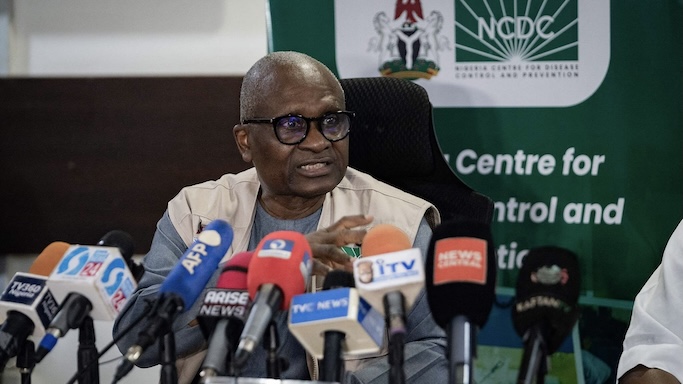
The Nigeria Centre for Disease Control and Prevention has said 28 people linked to the country’s imported Ebola case are still being monitored, while 34 others have completed the mandatory 21-day follow-up.

The Director-General of the NCDC, Dr. Jide Idris, disclosed this in the agency’s national health security update released on Tuesday.

He said Nigeria had continued to strengthen its response to the outbreak through coordinated efforts involving the Federal Ministry of Health and Social Welfare, the Federal Capital Territory Administration, state authorities and development partners.

According to Idris, the response measures include contact tracing, investigation of reported alerts, laboratory testing, infection prevention and control, safe clinical care and surveillance at points of entry.

“As of 9 November 2026, Nigeria had confirmed only one imported case of Bundibugyo virus disease, with no additional confirmed cases,” he said.

“We continue to investigate reported alerts and maintain heightened surveillance across the country to ensure that suspected cases are promptly identified and investigated.

“A total of 62 contacts have been identified. Of these, 34 have completed their individual 21-day follow-up, while the remaining 28 are still under monitoring.”

The NCDC chief clarified that being identified as a contact did not automatically mean that an individual had contracted the virus.

He explained that the 21-day monitoring period was designed to enable health officials to detect possible symptoms early and initiate appropriate medical interventions.

Idris also cautioned against confusing the monitoring period for individual contacts with the total number of days since the index case was confirmed.

See also  Obi, Kwankwaso Movement unveils 59-member campaign council ahead of 2027 elections

Earlier in November, the NCDC projected that surveillance of all 62 contacts traced to the imported Ebola case would be concluded by November 13.

The agency had said, “Contacts are expected to complete follow-up by November. Expected completion dates range from 31 Oct to 13 Nov 2026.”

The Federal Government announced the confirmation of an Ebola case in the FCT in October.

The Coordinating Minister of Health and Social Welfare, Ali Pate, said 44 close contacts had initially been identified for tracing as part of efforts to prevent further transmission.


Pate disclosed that the index patient, a woman who recently arrived in Nigeria aboard an international flight from Uganda, was admitted to a private hospital in the FCT, where she received treatment for several days before the disease was confirmed.

The patient was subsequently evacuated to Switzerland for further medical care.

On October 31, the NCDC also announced the identification of two suspected Ebola cases in the North-East, prompting further surveillance and investigation.

Source: punchng.com

FOLLOW US ON:

FACEBOOK

WHATSAPP CHANNEL

TWITTER

PINTEREST

TIKTOK

YOUTUBE

LINKEDIN

INSTAGRAM

Continue Reading

Trending