Connect with us

News

Mambilla power: Nigeria wins $3.38bn battle, 1,500MW project gets lifeline

Published

on

The Federal Government has won a nearly nine-year international arbitration battle against Sunrise Power and Transmission Company Limited over the long-delayed 1,500MW Mambilla Hydroelectric Power Project, defeating claims that put Nigeria’s potential exposure at more than $3.38bn.

The project was originally conceived as a 3,050-megawatt hydroelectric plant in Taraba State, but the Federal Government later reduced the planned capacity by about 50 per cent to 1,525MW before subsequently rescoping it to about 1,500MW to make it financially viable and “bankable” for lenders.

President Bola Tinubu confirmed the victory in a State House statement on Thursday, saying an International Arbitration Tribunal under the auspices of the International Chamber of Commerce in Paris, France, issued an award in Nigeria’s favour and rejected Sunrise’s claims.

The arbitration battle dates back to October 10, 2017, when Sunrise commenced proceedings against Nigeria at the ICC International Court of Arbitration over an alleged breach of a 2003 agreement concerning the development of the Mambilla power project.

According to the Presidency, Sunrise demanded $680m as a settlement sum and interest in the latest arbitration relating to another case in which it is claiming more than $2.7bn in compensation and interest over disputes associated with the development of the Mambilla project in Taraba State.

Combined, the two related claims put Nigeria’s potential exposure at more than $3.38bn.

The final award issued on September 17, 2026, came nearly nine years after the company commenced arbitration proceedings against the Federal Government.

Tinubu said the ruling had removed a major impediment that prevented the multibillion-dollar power project from progressing. “Today’s ICC ruling clears the single biggest legal hurdle that has paralysed the Mambilla hydro power project for years,” the President said.

Details of the award earlier reported by TheCable showed that the three-member tribunal dismissed Sunrise’s claim for a declaration that Nigeria breached its contractual obligations under a settlement agreement and an addendum entered into by the parties.

The tribunal also rejected the company’s request for an order compelling Nigeria to pay $400m, comprising a settlement sum of $200m and another $200m claimed as a default payment.

According to the report, the tribunal further declared that Sunrise promoter, Leno Adesanya, was bound by the arbitration agreement with Nigeria under the settlement agreement and addendum.

See also  States’ capital spending plunges 58% as 2027 politics intensifies

It consequently held that it had jurisdiction over Nigeria’s counterclaim against Adesanya and Sunrise. The tribunal also ordered Sunrise and Adesanya to reimburse Nigeria for 75 per cent of the legal fees and expenses incurred by the country in defending the arbitration.

Nigeria’s legal fees were put at $11.82m, of which $2.5m is expected to be covered directly from funds held in escrow by the ICC and released upon notification of the final award.

Sunrise and Adesanya were ordered to pay the outstanding $9.32m, alongside interest at an annual rate of 10 per cent, compounded annually from the date of notification of the final award until the amount is fully paid.

The arbitration costs were fixed at $1.66m, with Sunrise and Adesanya expected to bear 75 per cent while Nigeria would shoulder the remaining 25 per cent.

TheCable identified the three members of the tribunal as Melaine van Leeuwen, who presided over the panel, alongside Stavros Brekoulakis and Simon Nesbitt as co-arbitrators.

Nigeria was represented by a legal team led by Elizabeth Oger-Gross and Tolu Obamuroh of Paul Hastings LLP.

Tinubu commended the Attorney-General of the Federation and Minister of Justice, Lateef Fagbemi, alongside officials of the Federal Ministry of Justice, for their handling of the dispute.

He also praised the country’s legal team for what he described as its professional defence of Nigeria’s interests.

“This latest decision affirms the Nigerian State’s determination not to succumb to predatory and exploitative claims by corrupt local and international entities and their enablers and funders,” Tinubu said.

Tinubu hails ex-Presidents

The President also hailed former President Olusegun Obasanjo and the late former President Muhammadu Buhari, who testified in Nigeria’s defence during the arbitration proceedings.

“I commend the patriotism and support of former President Olusegun Obasanjo, GCFR, and late President Muhammadu Buhari, GCFR, who testified in the case, which dated back to an illegal 2003 contract to build a 3,050-megawatt hydroelectric plant in Taraba State under a build-operate-transfer model. The Federal Executive Council never authorised the contract,” he said.

Tinubu also acknowledged former ministers, Babatunde Fashola and Suleiman Adamu, who participated as witnesses in the case, as well as experts involved in Nigeria’s defence.

He further commended the National Security Adviser for supporting the government’s case and the Economic and Financial Crimes Commission for its investigation into the dispute.

See also  36 states’ budgets jump 47% to N40tn, capital spending falls

Two-decade delay

The dispute has its roots in an agreement reached more than two decades ago over the proposed development of the Mambilla power project. The 2003 contract provided for the construction of a 3,050-megawatt hydroelectric plant in Taraba State under a build-operate-transfer model.

In 2016, then Minister of Power, Works and Housing, Babatunde Fashola, described the project as one that would generate about 3,000MW.

However, in February 2021, then Minister of Power, Saleh Mamman, announced that the Federal Government had revised the planned capacity downward by 50 per cent, from 3,050MW to about 1,525MW.

The stated reason was to reduce the project cost by about $1bn and make it more financially viable.

In July 2021, Mamman told the Senate Committee on Power that the project had subsequently been rescoped to 1,500MW to make it “bankable” and acceptable to lenders.

He said the original 3,050MW capacity was not considered financially viable under prevailing market conditions.

The original project was estimated at about $5bn–$5.8bn, while the rescoped project was reported at roughly 1,500–1,525MW and about $4bn.

The parties subsequently attempted to resolve the dispute through a settlement agreement in 2020.

However, disagreement over the implementation of that settlement led to further arbitration, with Sunrise seeking payment from the Federal Government for allegedly failing to honour the agreement.

The Mambilla project itself has remained largely on the drawing board despite successive administrations identifying it as a major component of efforts to increase Nigeria’s electricity generation capacity.

The project has suffered repeated setbacks arising from legal disputes, financing challenges and changes to its implementation arrangements.

A Federal Ministry of Power implementation document had identified the arbitration, completion of financing arrangements with the Export-Import Bank of China and the need to re-scope the project among the challenges affecting its execution.

In the latest case, Tinubu said the government would continue to honour legitimate contractual obligations and work with genuine investors while defending the country against claims it considered unjustified.

See also  Group claims responsibility for Borno massacre, abduction of 300 residents

“I want to assure you that while our country remains committed to partnering with genuine investors and honouring its legal obligations, it will continue to defend all opportunistic claims instituted against our commonwealth strongly,” the President said.

The arbitration victory also comes against the backdrop of Nigeria’s efforts to defend itself against multibillion-dollar international claims arising from disputed government contracts.

In 2023, Nigeria recorded another major legal victory when a United Kingdom court set aside an $11bn arbitration award obtained by Process & Industrial Developments Limited over a failed gas processing agreement.

The PUNCH earlier reported that Justice James Omotosho of the Federal High Court sentenced former Minister of Power, Saleh Mamman, to 75 years’ imprisonment in absentia over a N33.8bn money laundering and fraud case instituted by the Economic and Financial Crimes Commission.

Omotosho further directed Mamman to refund the outstanding balance from the N22bn the prosecution established was diverted from funds meant for the Mambilla and Zungeru hydroelectric power projects.

Former Minister of Power, Prof. Barth Nnaji, recently made an assessment of Nigeria’s power sector, blaming over a decade of stalled investment on policy inconsistency, weak infrastructure development, and the abrupt discontinuation of a financing framework that had begun attracting global capital into electricity generation projects.

Nnaji spoke in Lagos at the 2026 conference of the Nigerian Association for Energy Economics, where he addressed participants on the future of Nigeria’s energy mix, the role of natural gas in powering the economy, the financing bottlenecks facing major projects, and the long-standing delays around strategic assets such as the Mambilla hydropower project.

Nnaji regretted that Nigeria has gone 11 years without financing any new major power plant, a situation he traced directly to the dismantling of a government-backed financing support mechanism introduced during his tenure as minister.

Expanding beyond the financing challenge, Nnaji argued that Nigeria must take a realistic and pragmatic view of energy transition, especially in light of recent global events.

Source: punchng.com

FOLLOW US ON:

FACEBOOK

TWITTER

PINTEREST

TIKTOK

YOUTUBE

LINKEDIN

INSTAGRAM

Continue Reading
Click to comment

Leave a Reply

Your email address will not be published. Required fields are marked *

News

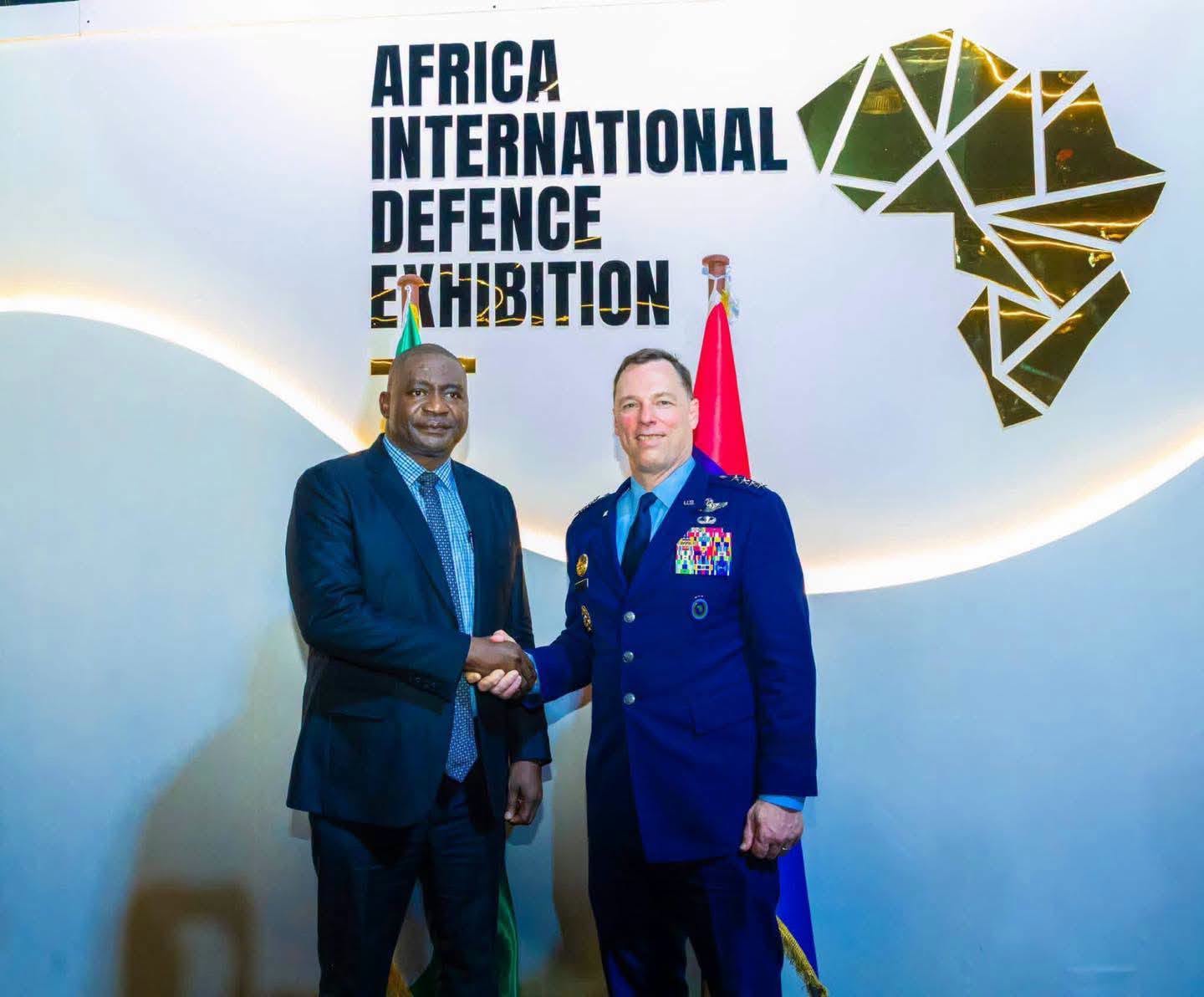
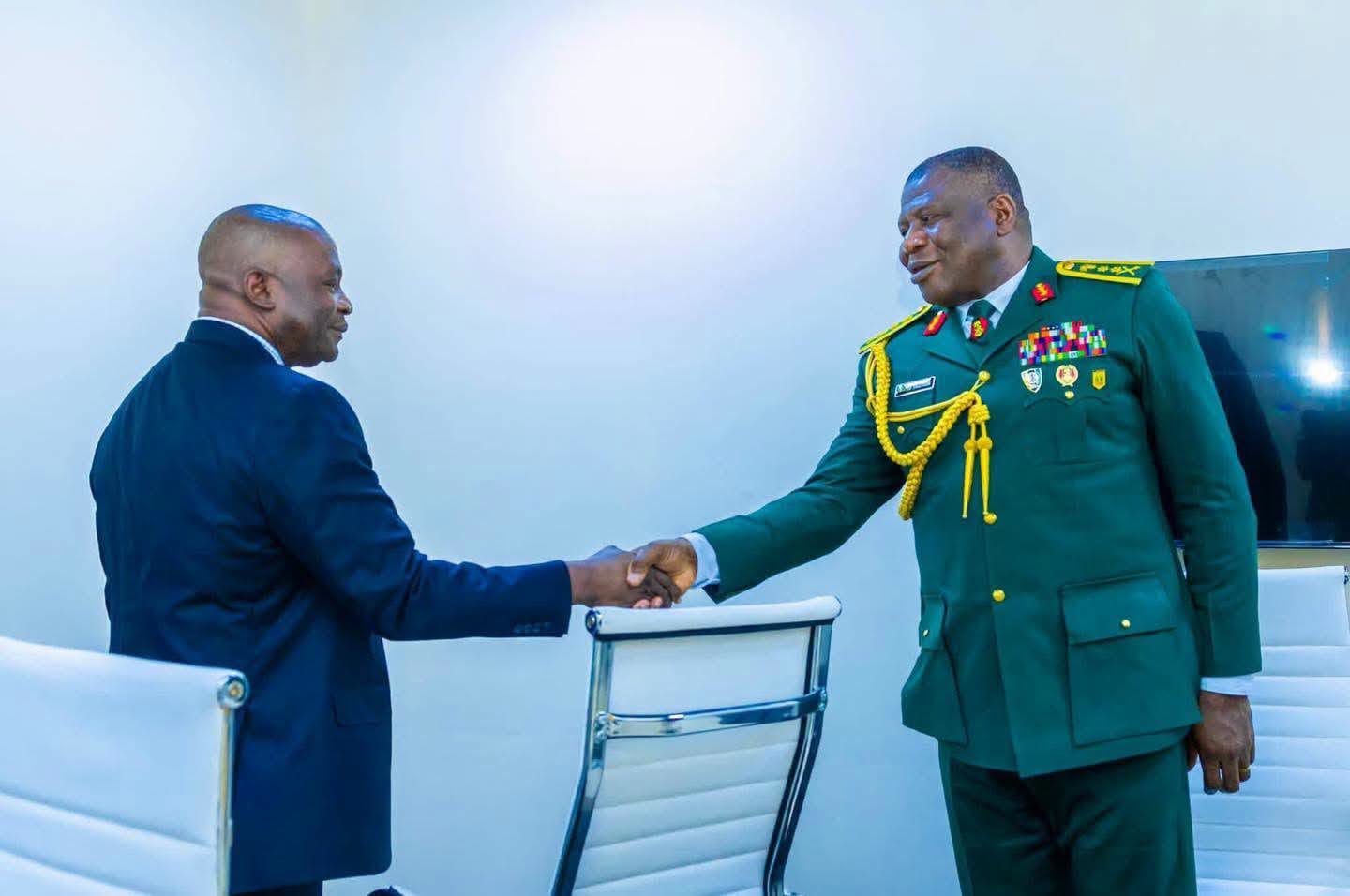
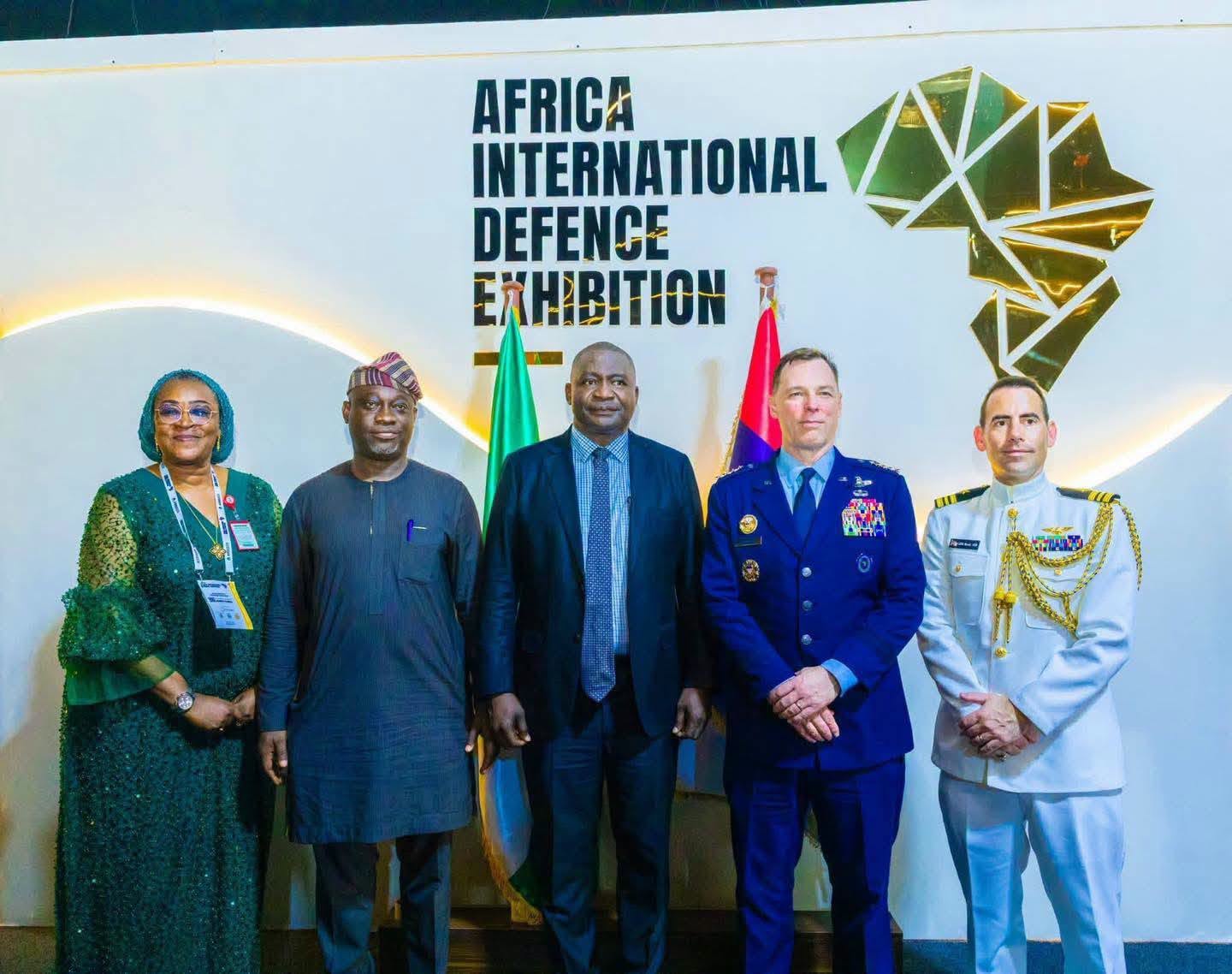
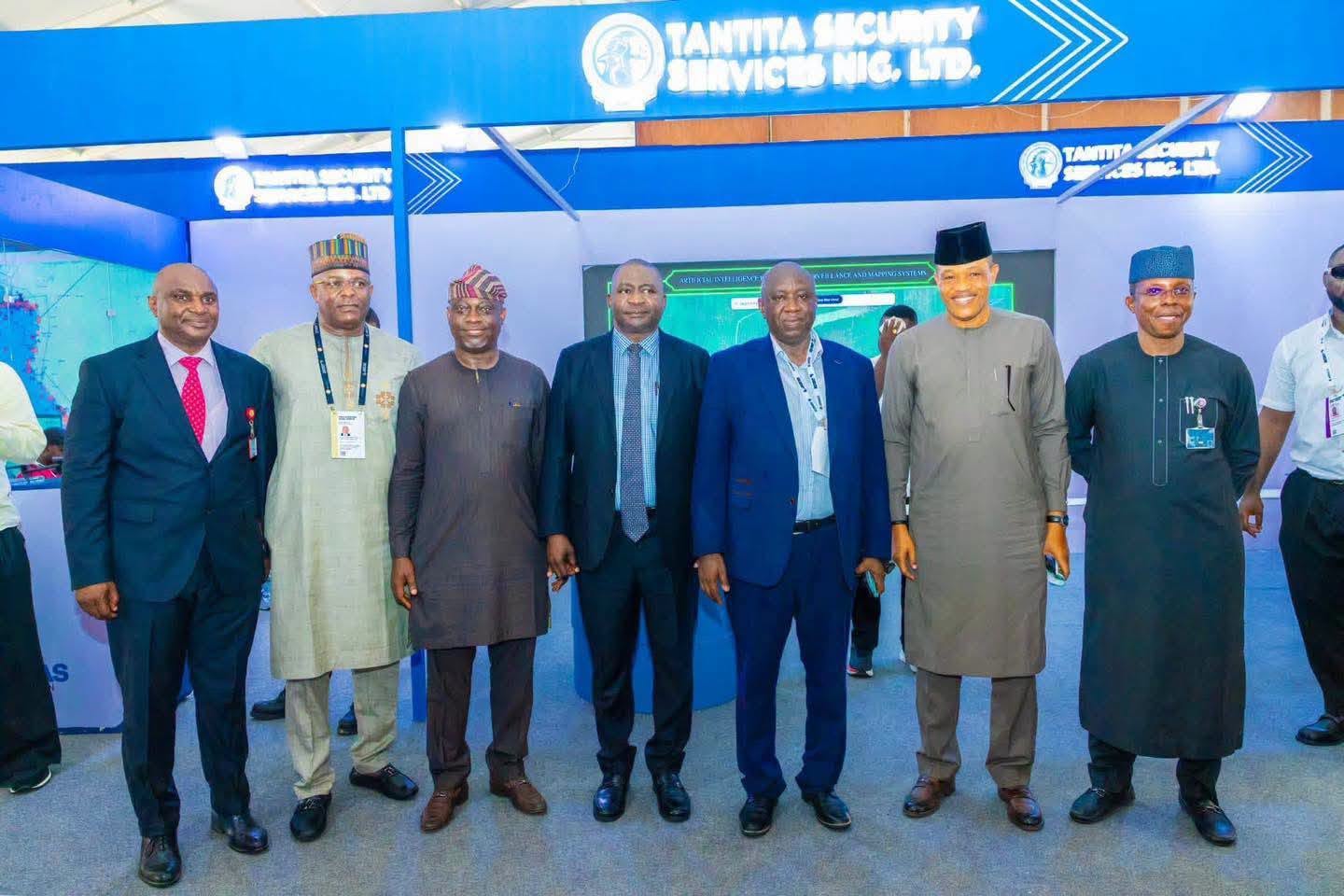
PHOTOS: Nigeria to Begin Large-Scale Local Production of Military Hardware Within One Year – Defence Minister

Published

on

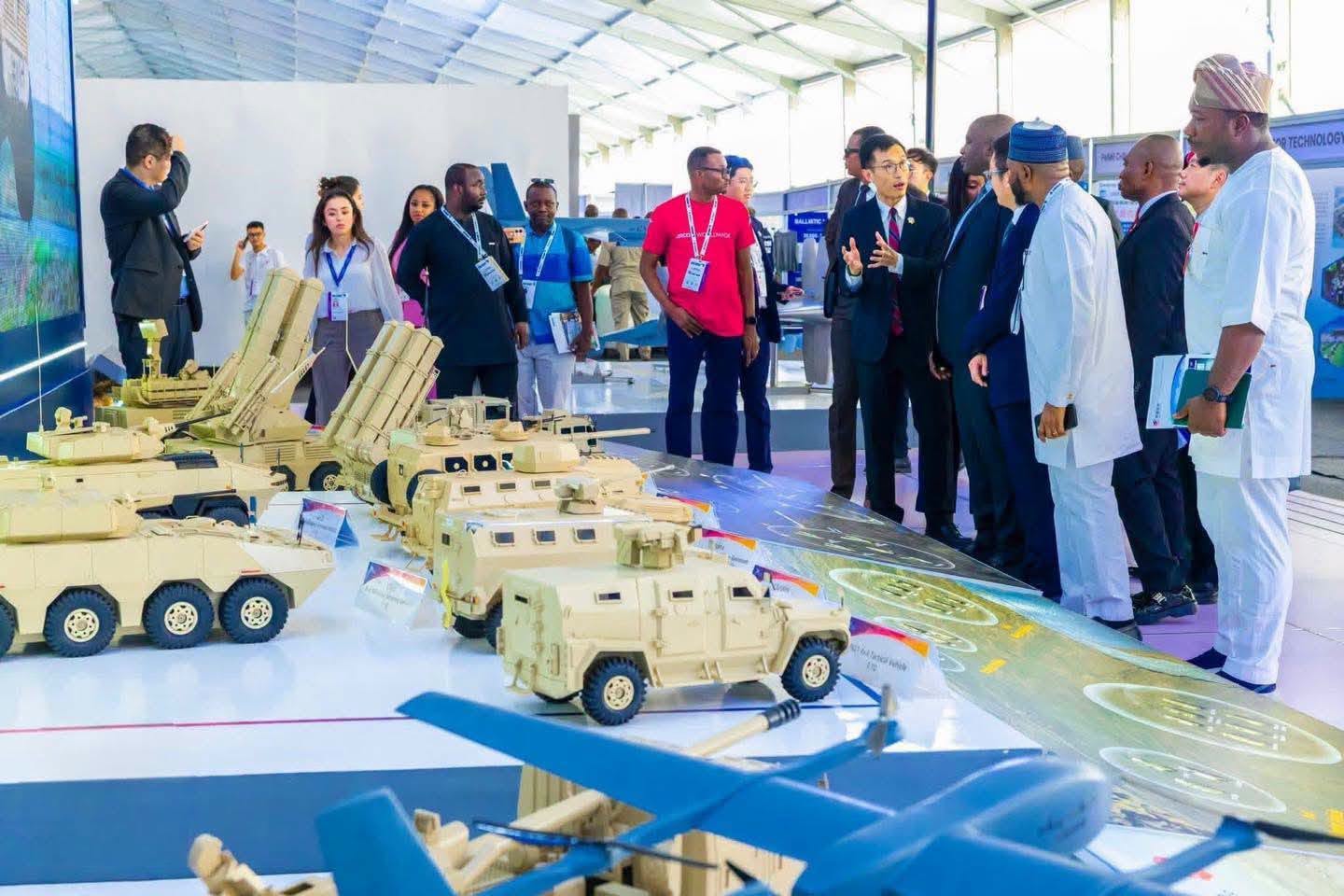
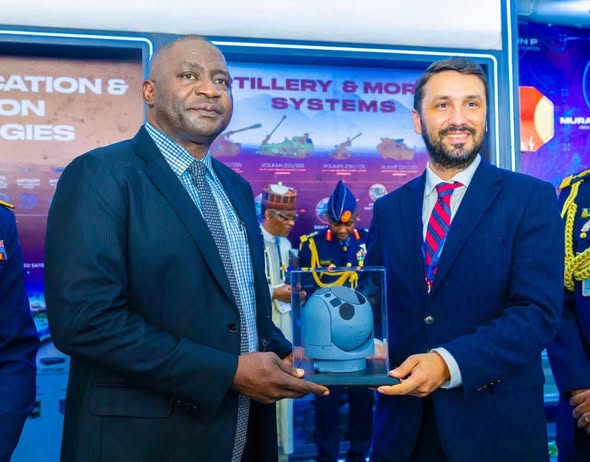
Nigeria will begin large-scale local production of military hardware within the next year as the Federal Government moves to reduce dependence on imported defence equipment and strengthen the country’s domestic defence industry.

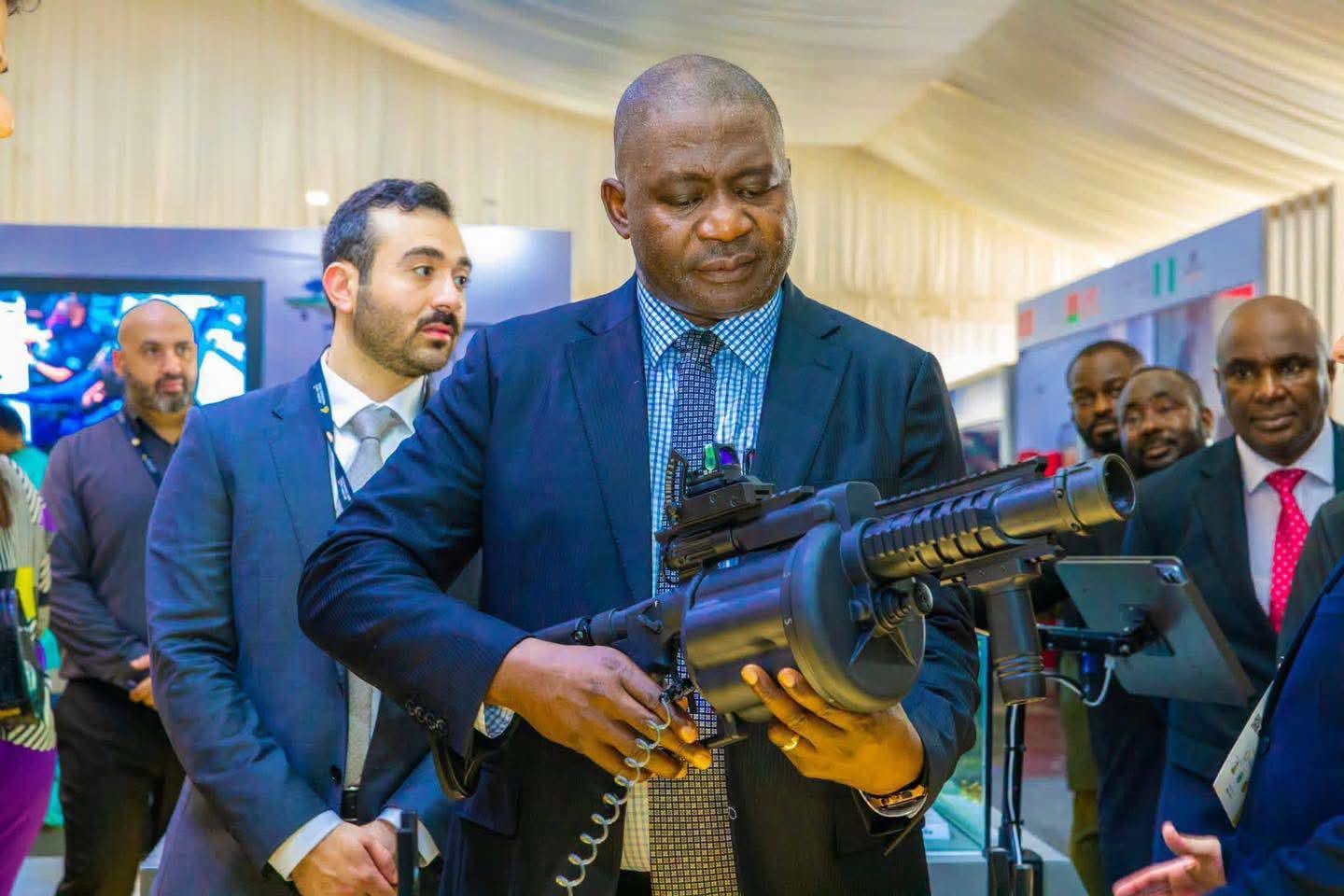
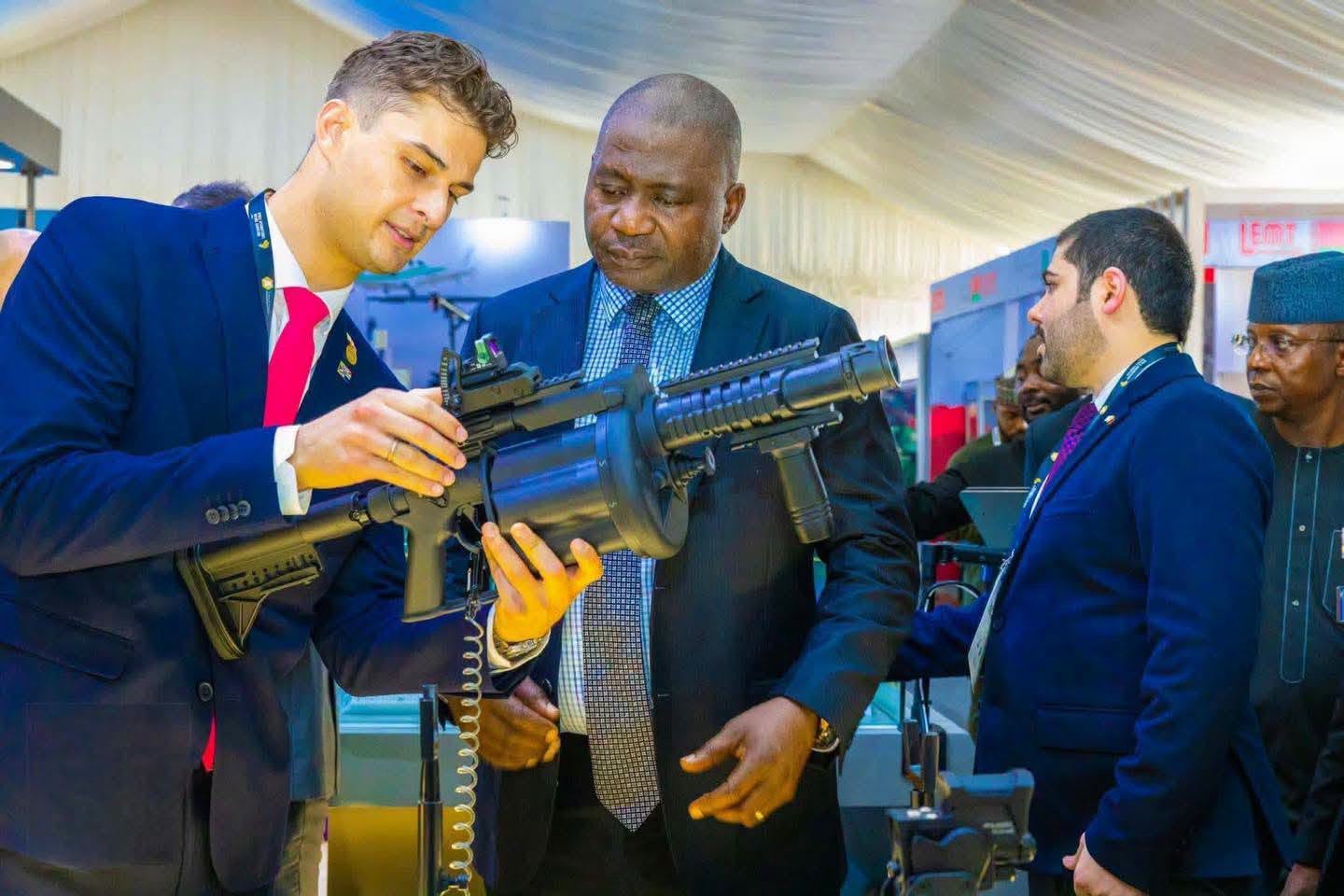
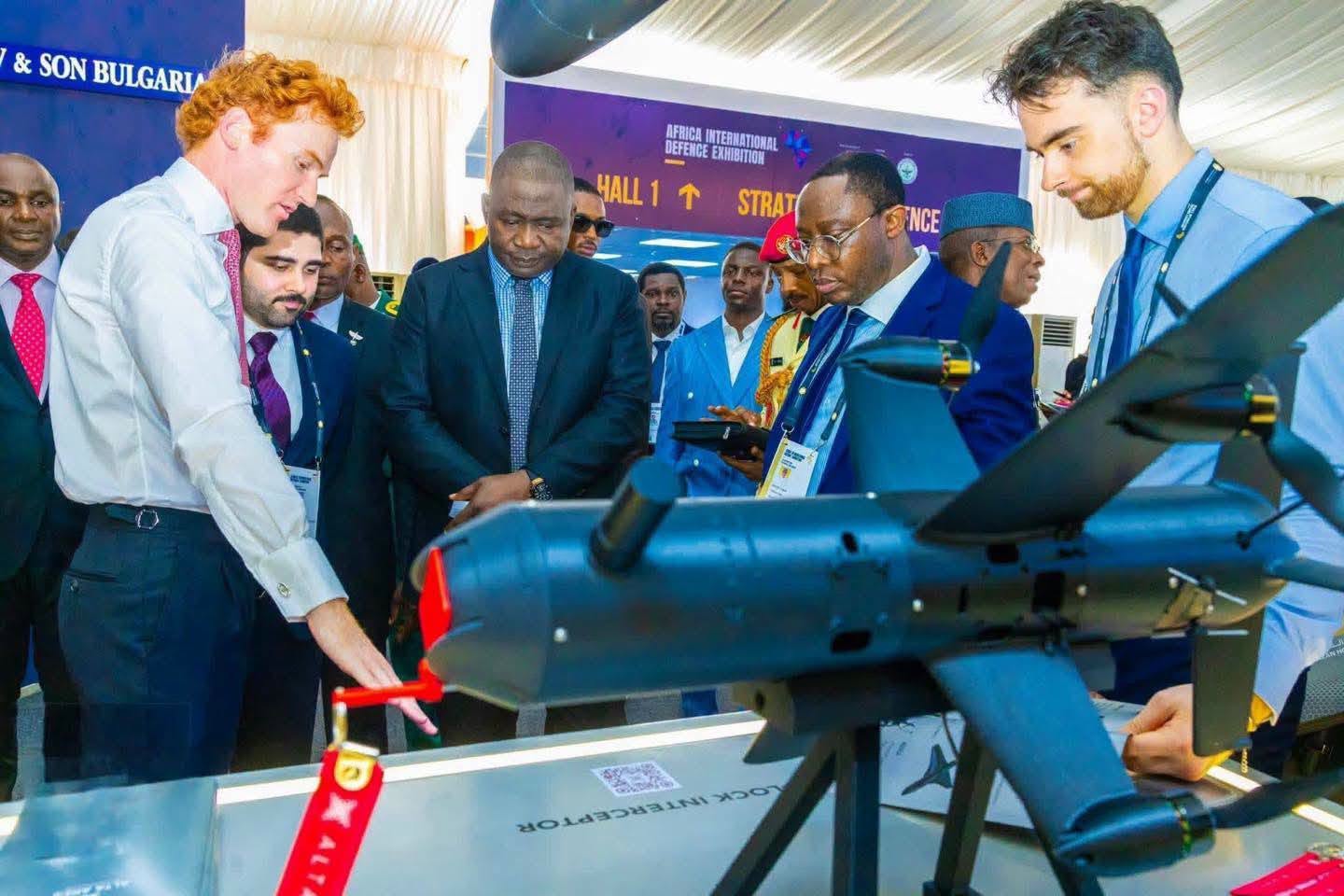
The Minister of Defence, General Christopher Musa, announced this after attending the maiden Africa International Defence Exhibition (AFRIDEX) 2026, which brought together African governments, military institutions, defence manufacturers and technology innovators to explore opportunities for defence cooperation and indigenous manufacturing.

Musa said the government was working to expand Nigeria’s defence production capacity through the Defence Industries Corporation of Nigeria (#DICON), with emphasis on investment, research and development, technology transfer and partnerships with international manufacturers.

He explained that the initiative would focus on the local production of military equipment, weapons, ammunition and other essential defence systems to meet the operational requirements of the Nigerian Armed Forces.

According to the minister, developing domestic manufacturing capacity would strengthen the military’s ability to respond to security threats while reducing reliance on foreign suppliers for critical defence materials.

Musa also identified #AFRIDEX as an important platform for building international partnerships, exchanging technical expertise and attracting investments into Nigeria’s defence sector.

He said the exhibition would help position Nigeria as a potential supplier of military equipment to other African countries, in addition to meeting its own defence requirements.

The planned expansion of local production forms part of broader efforts to strengthen Nigeria’s defence industrial base and promote indigenous technological capabilities in response to evolving security challenges.

However, the minister did not provide specific details on the production facilities, equipment categories, investment commitments or implementation timeline for individual manufacturing projects.

See also  Counter-insurgency campaigns: US votes $413m for security operations in Nigeria, others

FOLLOW US ON:

FACEBOOK

WHATSAPP CHANNEL

TWITTER

PINTEREST

TIKTOK

YOUTUBE

LINKEDIN

INSTAGRAM

Continue Reading

News

PHOTOS: FG receives 180 Nigerian returnees from Libya

Published

on

The Federal Government, through the National Emergency Management Agency, has received 180 Nigerian returnees from Sebha, Libya.

The agency disclosed this in a statement issued on Tuesday and posted on its X handle on Wednesday, noting that the returnees arrived at the Cargo Terminal of the Murtala Muhammed International Airport, Ikeja, Lagos State, at about 4:20 pm on Tuesday.

The returnees. Photo: NEMA

According to NEMA, the returnees were received under the Assisted Voluntary Return Programme coordinated by the International Organisation for Migration in collaboration with the Federal Government.

The returnees arrived aboard an Air Buraq Airlines flight with registration number 5A-BAE and were received by NEMA’s Lagos Operations Office in collaboration with the National Commission for Refugees, Migrants and Internally Displaced Persons.

The group comprised 143 adults, including 75 males and 68 females; 26 children, made up of 12 boys and 14 girls; and 11 infants, comprising three boys and eight girls.

“Upon arrival, officers of the Nigeria Immigration Service conducted biometric registration and documentation to establish the identities of the returnees, maintain accurate records and facilitate subsequent reintegration processes,” the statement said.

According to the agency, the returnees received immediate humanitarian assistance, including food, potable water and medical screening.

The returnees entering a bus. Photo: NEMA

It added that ambulance services were provided for those requiring medical attention, alongside luggage handling, logistical support, reception coordination and counselling.

“Reintegration support was also provided to facilitate their return to their respective communities,” the statement added.

NEMA said the reception exercise involved relevant government agencies and partners working together to ensure the safe and dignified arrival of the returnees.

See also  Atiku demands probe of N17.5tn pipeline security spending

The agency added that the intervention was aimed at providing the necessary assistance to the returnees following their arrival in Nigeria.

The returnees. Photo: NEMA

Source: punchng.com

FOLLOW US ON:

FACEBOOK

WHATSAPP CHANNEL

TWITTER

PINTEREST

TIKTOK

YOUTUBE

LINKEDIN

INSTAGRAM

Continue Reading

News

Egypt releases prominent journalist from custody

Published

on

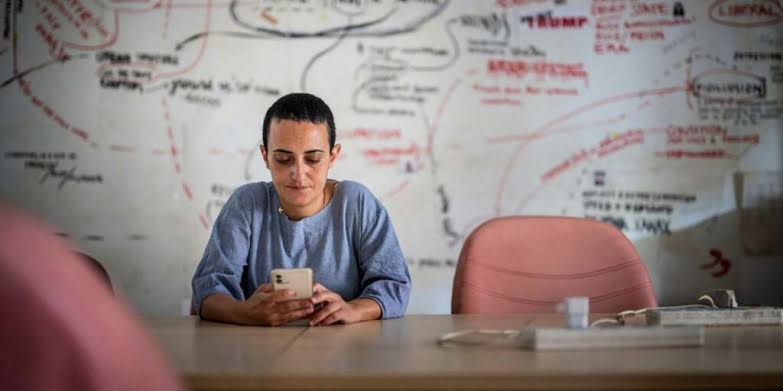
Egyptian authorities released independent journalist Lina Attalah from custody on Tuesday, hours after she was detained and after a court ordered her website shut, her lawyer told AFP.

Attalah is one of Egypt’s most prominent journalists, and her detention had sparked swift condemnation from rights groups and press freedom advocates.

A court had earlier fined Attalah three million Egyptian pounds (around $53,400) for operating website Mada Masr without a licence, the maximum possible penalty for the misdemeanour she was charged with, and ordered Mada’s closure.

“Lina Attalah was released after we paid the said fine,” her lawyer Hassan al-Azhari said, referring to a three million Egyptian pound ($53,400) fine.

“In the process, we discovered that she had been sentenced in absentia in 2024 to a year in prison, as well as a fine of 20,000 Egyptian pounds,” he told AFP.

Attalah’s defence team has appealed that sentence, and a new court hearing is scheduled for November 11, Azhari said.

News of the release followed condemnation by rights groups of the detention, which they described as a sharp escalation in Cairo’s crackdown on press freedom.

Mada Masr says it has not received a response from authorities about its licence application since 2023.

The hours-long detention comes weeks after the arrest of an entire fact-checking newsroom, on charges of fake news, which are frequently levelled against media seen to be critical of the government.

Hossam Bahgat, head of prominent rights group the Egyptian Initiative for Personal Rights (EIPR), was present at the court and gave AFP an account of events leading up to the arrest.

See also  Peter Obi - From all indications, our President is not finding his home in Nigeria conducive for a long stay

During the hearing Tuesday, the defence team said the judge ordered the room cleared except for Attalah and her lawyers, before security officers also entered the room.

Attalah’s eight-person defence team had made procedural requests denied by the court, which then announced it had appointed its own lawyer for the journalist.

“In a move that astonished all those present, the judge recorded in the official court minutes that the court had appointed a lawyer from the Lawyers’ Syndicate to represent the defence,” Bahgat said.

“Lina herself spoke up to object to this lawyer being appointed to represent her, which the judge refused to record in the court minutes.”

“In an even more shocking turn, the judge proceeded to dictate motions on behalf of this lawyer — who had not uttered a single word — and entered them into the official record,” he added.

The judge then announced the fine and ordered Mada’s closure “amid shouts and protests from the defence”, before Attalah was detained by the security personnel in the room.

– ‘Wiping out’ free press

This was the sixth case brought against Attalah and Mada Masr in as many years, but none had ever gone to trial.

Egypt is currently holding 26 journalists in connection with their work, according to an EIPR tally.

The crackdown “can only mean that Egypt’s security agencies are moving from years of harassing independent media to wiping them out completely”, Bahgat had told AFP when Attalah was referred to trial.

Reporters Without Borders (RSF) branded the court’s decision “outrageous” and “shameful”, urging authorities to release Attalah “at once”.

See also  How Tinubu And I Escaped Death On Third Mainland Bridge – Babafemi Ojudu

The Committee to Protect Journalists (CPJ) also condemned the verdict.

“If Egypt can put in custody one of its most respected editors and shut down her newsroom, no independent journalist in the country is safe,” CPJ regional director Sara Qudah said in a statement.

Earlier this month, six journalists from fact-checking platform Matsadaash were charged with terrorism offences, after being arrested in a series of raids in September.

EIPR, which represents the journalists, said they had reported torture following their arrests, allegations denied by the interior ministry.

Authorities accused them of links to the outlawed Muslim Brotherhood and spreading “rumours and false news” to undermine confidence in state institutions and incite people to protest.

They are currently being held in pretrial detention, which rights groups say can be extended for months or years before detainees are released or face trial.

AFP

Source: punchng.com

FOLLOW US ON:

FACEBOOK

WHATSAPP CHANNEL

TWITTER

PINTEREST

TIKTOK

YOUTUBE

LINKEDIN

INSTAGRAM

Continue Reading

Trending