Connect with us

Business

Ogun begins N6bn fund disbursement to 3,855 women groups

Published

on

The Ogun State Government, in partnership with the Federal Government and the World Bank, has begun disbursing N6 billion from the Community Investment Fund to 3,855 women affinity groups across four local government areas under the Nigeria for Women Programme Scale-Up.

The intervention is aimed at expanding women-led businesses, strengthening household livelihoods and increasing women’s participation in economic activities.

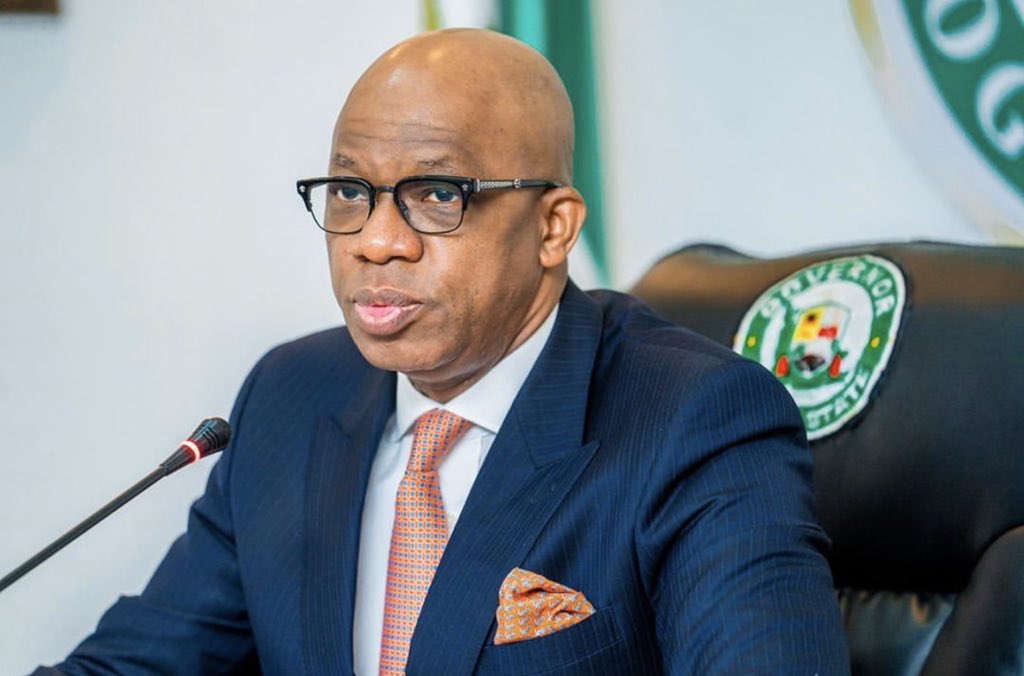
Speaking at the flag-off ceremony in Ijebu-Ode, Governor Dapo Abiodun, represented by the immediate-past Commissioner for Women Affairs and Social Development, Motunrayo Adeleye, said the fund was designed to enable women to move from subsistence activities to sustainable enterprises.

“Today, we gather not merely to mark the disbursement of a fund, but to celebrate another important step in our deliberate journey of empowering women, strengthening families and expanding opportunities for sustainable livelihoods.

“The beneficiary groups have demonstrated their readiness for the intervention by meeting key programme requirements, including regular participation, savings and internal lending, opening bank accounts and preparing Micro-Investment Plans.”

He disclosed that the women had collectively saved N2.6bn in the past seven months, while loans accessed through the groups had risen to more than N4bn.

According to him, the figures demonstrated the financial discipline, trust and commitment developed by the WAGs.

“These figures are more than statistics; they are compelling evidence of the financial discipline, trust, commitment and readiness that the Women Affinity Groups have developed under the programme,” he said.

The governor clarified that the N6bn CIF was not an outright grant but a sustainable revolving financing facility designed to provide capital for establishing and expanding businesses, creating employment and improving household welfare.

See also  Venezuela must buy only made in America products with money made from oil deal, Trump says

He explained that the intervention was an extension of the Nigeria for Women Project, which commenced in the state in December 2020, following the signing of the project between the World Bank and the Federal Government in 2018.

Abiodun said the parent project established 3,792 WAGs across 1,003 communities in Odeda, Ikenne, Ijebu North-East and Yewa North Local Government Areas.

He added that 368 Ward Facilitators were trained and deployed, while 67,094 women beneficiaries received individual grants in April 2022.

According to him, the Scale-Up phase has expanded to seven local government areas— Ifo, Ado-Odo/Ota, Ijebu-Ode, Sagamu, Abeokuta North, Ipokia and Remo North.

He said 5,394 WAGs had been formed under the scale-up phase, reaching 124,062 women as of September 21, 2026.

“The programme has also covered 3,489 communities, with 664 trained ward facilitators, while about 26 states have visited Ogun to study its model and the World Bank has adopted the state as a training hub,” Abiodun stated.

The governor said the WAG model went beyond providing access to finance, noting that it also incorporated financial literacy, savings, responsible borrowing, collective accountability, business and entrepreneurial skills, gender awareness and life skills.

He added that beneficiaries were also being exposed to opportunities relating to health insurance, climate adaptation, strategic partnerships and National Identification Number enrolment.

“In other words, the programme is building not only businesses, but knowledgeable, financially disciplined and economically resilient women,” he said.

Abiodun reaffirmed his administration’s commitment to providing the policy support and institutional collaboration required to complement the intervention, while appreciating the World Bank, Federal Project Coordinating Unit and other partners for their support.

See also  N100 notes still legal tender, says CBN

Also speaking, the Minister of Women Affairs, Hajiya Imaan Sulaiman-Ibrahim, represented by her Special Assistant on Technical Management, Jummaih Idonije, described the initiative as a strategic economic intervention consistent with the Renewed Hope Agenda of President Bola Ahmed Tinubu.

She said expanding women’s economic opportunities remained central to inclusive national development.

The minister commended Ogun State for its leadership in implementing the programme, urging the beneficiaries to sustain the momentum and serve as models to other WAGs across the participating local government areas.

The World Bank Task Team Manager, Michael Ilesanmi, said the programme was helping to bridge financial access gaps for women while strengthening their capacity to withstand economic pressures.

The Commissioner for Finance and Chief Economic Adviser to the Governor and Chairman of the Multi-Sectoral Committee of the NFWP-SU, Dapo Okubadejo, said the intervention underscored the importance of deliberate investment in women.

Okubadejo, who was represented by the Permanent Secretary, Ministry of Women Affairs and Social Development, Adebimpe Obienu, noted that women played significant roles as traders, farmers, processors, artisans, entrepreneurs and community builders.

He commended the World Bank, Federal Ministry of Women Affairs and other stakeholders for their contributions to the implementation of the programme, while acknowledging the support of community leaders in ensuring its acceptance at the grassroots.

Some beneficiaries, including Oyesanya Omotoke of Irede WAG in Sagamu, Ayomide Ogunleye of Ifeoluwa WAG in Ijebu-Ode and Adesola Teriba, Chairperson of Success WAG in Abeokuta North, expressed appreciation for the intervention.

They said the fund would help women strengthen their businesses and improve their livelihoods, while commending the WAG model for promoting savings, internal lending, financial discipline and collective responsibility.

See also  Nigerians now hold $59bn in Cryptocurrency assets —FDC

Source: punchng.com

FOLLOW US ON:

FACEBOOK

TWITTER

PINTEREST

TIKTOK

YOUTUBE

LINKEDIN

INSTAGRAM

Continue Reading
Click to comment

Leave a Reply

Your email address will not be published. Required fields are marked *

Business

IMF advises Nigeria against restoring blanket petrol subsidy, read details

Published

on

The International Monetary Fund has advised Nigeria against restoring blanket petrol subsidy, urging the Federal Government to channel support towards vulnerable citizens as rising energy costs put pressure on households.

The Director of the IMF’s Fiscal Affairs Department, Rodrigo Valdés, gave the advice on Wednesday while responding to a question about calls for the return of petrol subsidy in Nigeria ahead of elections, during the IMF and World Bank Group annual meetings in Bangkok, Thailand.

Valdés acknowledged the political pressure governments face when fuel prices rise but said blanket subsidies were costly and that available resources would be better used to support people most affected by higher energy prices.

He said, “At the end of the day, it’s very tempting politically speaking because it’s not trivial the political effect of the price of oil, of fuels, of gasoline, of diesel.

“But you have to explain that this is a global shock, first. Second, that it’s very, very expensive for the country not to recognise that shock.

“And third, it’s much better to use some of that money that would you spend in the subsidies channeled towards more vulnerable people.”

He added that targeted support was preferable to a blanket subsidy, saying: “Yeah, gasoline could go up and perhaps bus fees may be subsidised in a way. That is a much better policy at the end of the day than just a blanket subsidy for everybody.”

He said governments should consider targeted assistance rather than keeping fuel prices artificially low for all consumers.

See also  New Tax Law: S£x Workers, Hookup Girls to Pay Tax from 2026 – Presidency (VIDEO)

The IMF has argued that broad-based fuel subsidies are expensive and often disproportionately benefit higher-income consumers, who tend to consume more fuel.

The advice comes as Nigeria faces renewed pressure over petrol prices following increases in global energy costs.

The Federal Government recently announced a 30-day petrol discount at Nigerian National Petroleum Company Limited retail stations, with priority for public transport operators, to cushion the impact on consumers.

Finance Minister Taiwo Oyedele said NNPC retail would sell petrol at cost by foregoing its retail profit margin, describing the measure as temporary relief rather than a return to petrol subsidy.

The government has also proposed negotiating a ceiling of N1,350 per litre on petrol’s ex-gantry or landing cost, subject to monthly reviews.

Valdés said fuel subsidies could also worsen global energy pressures by preventing demand from adjusting when supplies were constrained.

“When you subsidise, you don’t allow, at the end of the day, demand to adjust.

“And reality is that we have less fuels in the world economy. That means that someone else has to adjust more, and the market produces a higher price for that,” he said.

The IMF also recommended targeted interventions to cushion the impact of higher fuel prices on transportation costs.

A division chief in the fund’s Fiscal Affairs Department, Davide Furceri, suggested that governments could redirect resources from blanket subsidies towards support for public transport users and other vulnerable groups.

He also suggested measures such as school feeding programmes, geographical targeting and assistance for vulnerable farmers.

Furceri acknowledged that some countries lacked household registries and digital payment systems needed to deliver targeted assistance effectively, but said governments could adopt alternative approaches while developing stronger systems.

See also  NNPC sets 36-year oil production record at 355,000bpd

He recommended that support should be limited, targeted and temporary.

Source: punchng.com

FOLLOW US ON:
FACEBOOK

TWITTER

PINTEREST

TIKTOK

YOUTUBE

LINKEDIN

INSTAGRAM

Continue Reading

Business

African cocoa farmers face possible exclusion from EU market, group warns

Published

on

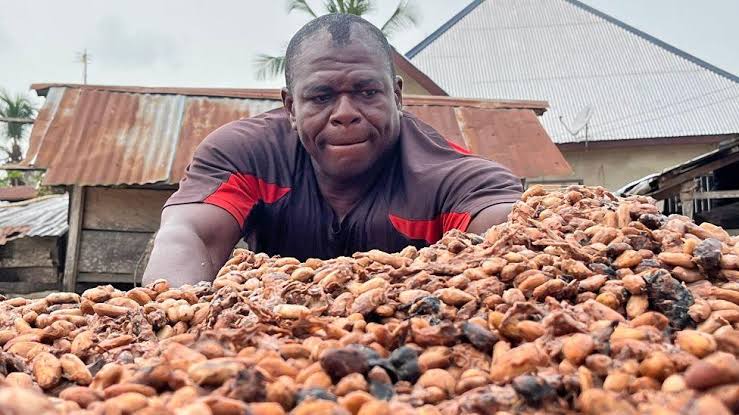
The Coffee Farmers Alliance Association of Africa has warned that up to 40 per cent of African smallholder cocoa farmers could be excluded from the European market because they cannot meet compliance requirements under the European Union Deforestation Regulation.

The Global President of COCEFAAA, Adeola Adegoke, raised the concern at the conclusion of the two-day Africa Cocoa and Coffee Conference held in Lagos, where stakeholders called for stronger African participation in shaping international trade policies affecting the continent’s cocoa and coffee industries.

In a statement issued on Wednesday, Adegoke expressed concern that the regulation could impose significant challenges on smallholder farmers, particularly those who lack the financial resources, technology and documentation systems required to meet its traceability standards.

He said, “Up to 40 per cent of African smallholder farmers could face exclusion from the European market if they are unable to comply with the requirements.

“The EUDR is designed to ensure that certain commodities entering the European Union market are not linked to deforestation. However, concerns have emerged over the cost and complexity of compliance, particularly for small-scale farmers who may struggle to provide the necessary information to demonstrate compliance,” he added.

Adegoke stressed the need for African cocoa-producing countries to strengthen their negotiating positions and improve traceability systems to protect farmers from potential disruptions to international trade.

He called for measures to ensure that smallholder farmers receive adequate technical and financial support to meet evolving market requirements without losing access to key export destinations.

See also  N100 notes still legal tender, says CBN

Another major issue discussed at the conference was the emergence of cell-cultured cocoa technologies and their potential implications for traditional cocoa-producing communities.

Adegoke expressed concern that increased investment in alternative cocoa production technologies could affect demand for conventionally grown cocoa and create additional uncertainty for farmers whose livelihoods depend on the crop.

He urged African countries to assess the potential economic and social implications of these technologies while developing strategies to safeguard the interests of cocoa farmers and their communities.

The conference also highlighted the need for stronger cooperation among African cocoa- and coffee-producing countries to ensure that the continent has a greater voice in shaping international trade policies and standards.

Participants adopted the Lagos Declaration 2026, a shared statement of commitments aimed at improving farmers’ livelihoods, boosting productivity and expanding African ownership of the cocoa and coffee industries.

More than 200 delegates attended the conference, representing producing countries, governments, research institutions, development partners, commodity associations, private businesses, multilateral organisations and the media.

Speaking on the challenges facing the continent’s cocoa and coffee sectors, Adegoke said Africa had the expertise and solutions needed to transform the industries but lacked effective mechanisms to scale them across the continent.

“Africa is not short of solutions. We are short of mechanisms to scale them,” he said.

The Lagos Pact outlines three key positions that African cocoa- and coffee-producing countries intend to advance at continental and international negotiations.

These include reserving the terms “cocoa” and “coffee” for farmed products, advocating mandatory “Cell-Cultured Product” labelling at the Codex Alimentarius, and proposing a one per cent adaptation levy on revenues from cell-cultured products to support African smallholder farmers through the Common Fund for Commodities.

See also  New Tax Law: S£x Workers, Hookup Girls to Pay Tax from 2026 – Presidency (VIDEO)

The pact is expected to serve as Africa’s common position at the African Union Summit scheduled for February 2027.

The conference further highlighted Africa’s limited share of the value generated by its cocoa and coffee production, despite the continent’s significant contribution to global output.

According to figures presented by Adegoke, Africa produces about 75 per cent of the world’s cocoa and 12 per cent of its coffee but captures less than six per cent of the value of chocolate, while many farmers earn approximately $1.20 a day.

The Lagos Declaration 2026 commits participants to coordinated action in eight key areas: planning and coordination; unity and governance; farmers’ welfare; productivity; sustainability; traceability and product identity; value addition and finance; and people’s welfare.

Under the declaration, participants pledged to develop African strategic plans with clear responsibilities, timelines, and measurable outcomes. They also committed to strengthening farmers’ cooperatives, improving farmers’ incomes, investing in research and extension services, protecting forests and promoting climate resilience.

The declaration further calls for greater investment in local processing, stronger African brands and expanded access to markets under the African Continental Free Trade Area (AfCFTA).

The commitments are intended to strengthen Africa’s position in global cocoa and coffee value chains, protect farmers’ livelihoods and ensure that a greater share of the value generated by these commodities remains on the continent.

Source: punchng.com

FOLLOW US ON:

FACEBOOK

TWITTER

PINTEREST

TIKTOK

YOUTUBE

LINKEDIN

INSTAGRAM

Continue Reading

Business

NNPC awaits reports on PH, Warri refineries’ revival

Published

on

The Nigerian National Petroleum Company Limited is waiting for technical assessments from two Chinese firms on Port Harcourt and Warri refineries before proceeding with plans for additional investment agreements.

The NNPC’s Chief Corporate Communications Officer, Andy Odeh, disclosed this in an exclusive interview with our correspondent, following the company’s latest update on the proposed partnership.

The Chinese firms – Sanjiang Chemical Company Limited and Xinganchen (Fuzhou) Industrial Park Operation and Management Co. Limited – have conducted about three months of detailed on-site assessments alongside NNPC’s technical teams.

In its response to questions from The PUNCH, the company said the technical report was being finalised after the assessment, which is expected to establish the work and technology required to make the refineries commercially competitive.

“The prospective partners have carried out approximately three months of detailed on-site assessment with their senior engineers, working alongside NNPC teams. The technical report is being finalised. The assessment is intended to establish what work and technology are needed for competitive operations,“ Odeh said.

The NNPC said it was pursuing a technical equity partnership model to restore the facilities to sustainable operations, stressing that rehabilitation work alone would not guarantee success.

“As the Group Chief Executive Officer, Engr Bayo Ojulari, has explained, successful rehabilitation requires financing, competent engineering and construction, and strong operating capability.

“Completing repairs alone is not enough; the facilities must also be able to operate reliably and profitably,” he noted.

The company said the next steps would involve completing the assessment report, receiving a detailed proposal from the prospective partners and agreeing on the technical and commercial terms.

See also  Nigerians now hold $59bn in Cryptocurrency assets —FDC

“The next milestones are completion of the assessment report, a detailed partner proposal, and agreement on the technical and commercial terms. Definitive agreements, the necessary approvals and an investment decision would then provide the basis for a credible programme for completing work and restarting operations,” it stated.

However, the NNPC said it could not announce a restart date until the requirements had been settled.

“We cannot responsibly promise a restart date before these requirements are settled,” the company said, adding that the assessment was concrete progress but that Nigerians would ultimately judge the initiative by sustained production and reliable product supply.

“We cannot responsibly promise a restart date before these requirements are settled. The engineering assessment is concrete progress, but Nigerians will ultimately judge success by sustained production and reliable product supply. We will continue to communicate verified milestones as the process advances,“ Odeh stated.

The proposed partnership follows the memorandum of understanding signed by the NNPC and the two Chinese firms on 30 April, 2026. The agreement covers the completion of outstanding work, operation and maintenance of the Port Harcourt and Warri refineries, and the assessment of possible upgrades and expansion, including petrochemical opportunities.

The NNPC, however, clarified that the MoU was only a preliminary framework and not a final investment or operating agreement.

At a media parley on 29 September, Ojulari reaffirmed that the company would not proceed with further rehabilitation without a credible route to commercial viability.

The company said the proposed model was intended to bring in partners willing to invest and share responsibility for the refineries’ performance, rather than contractors whose involvement ends after payment for completed work.

See also  FG woos Diaspora Nigerians for investments, knowledge transfer

“This is intended to protect public value and avoid repeating arrangements that did not deliver sustained results,” the NNPC stated.

It also clarified that work on the Kaduna refinery had not commenced under the partnership model, noting that the agreement with the Chinese firms covered only Port Harcourt and Warri.

On the impact of the proposed revival on petrol prices, the NNPC said more efficient domestic refining could strengthen supply, increase competition and reduce dependence on imported finished products.

“We understand why Nigerians are asking about our refineries as petrol prices put pressure on household budgets and businesses. Our priority is to restore reliable, commercially sustainable refining capacity while supporting practical relief for customers,“ Odeh noted.

Meanwhile, the NNPC said its retail petrol discount, introduced on 1 October, would continue until 31 October, 2026, as part of efforts to provide temporary relief to customers.

Source: punchng.com

FOLLOW US ON:

FACEBOOK

TWITTER

PINTEREST

TIKTOK

YOUTUBE

LINKEDIN

INSTAGRAM

Continue Reading

Trending