Connect with us

News

Senate, Reps extend capital implementation of the 2025 budget to December

Published

on

The Senate and House of Representatives, on Tuesday, approved another extension of the implementation of the capital component of the 2025 Appropriation Act, moving the deadline from September 30 to December 31, 2026.

The latest decision marks another extension of the lifespan of the 2025 capital budget.

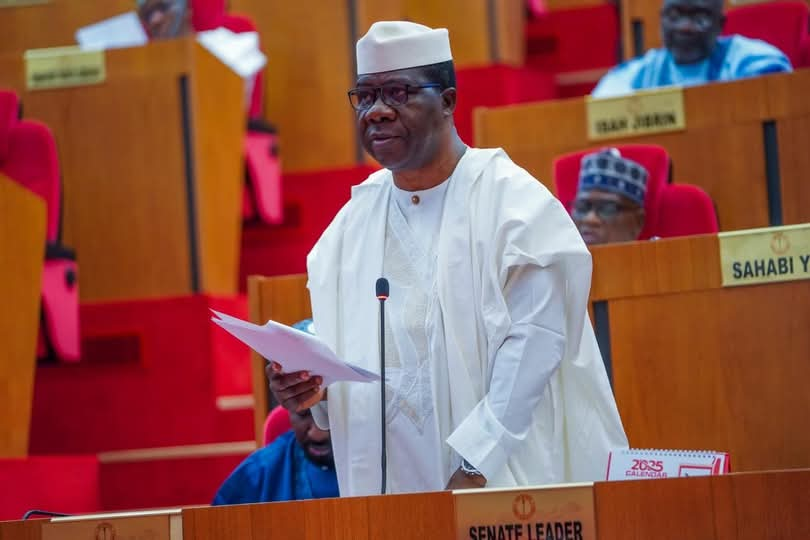
At the Senate, the extension followed the passage of a bill sponsored by the Senate Leader, Opeyemi Bamidele (APC, Ekiti Central), after clause-by-clause consideration by the lawmakers.

The bill seeks to amend the 2025 Appropriation Act and further extend the implementation period of its capital component to enable Ministries, Departments and Agencies to complete ongoing projects and utilise appropriated funds.

Moving the bill, Bamidele said the amendment was necessary because the implementation of capital projects under the 2025 Appropriation Act had not reached optimal levels despite the release of funds to MDAs.

In his presentation, Bamidele said he was forwarding “A Bill for an Act to Amend the Appropriations (Repeal & Enactment) Act 2025 to Extend the Implementation of the Capital Aspect of the Appropriations (Repeal & Enactment) Act 2025 from 30th September, 2026 to 31st December, 2026 and for other Related Matters, 2026 (SB. 1067).

“A Bill for an Act to Amend the Appropriations (Repeal & Enactment) Act 2025 to Extend the Implementation of the Capital Aspect of the Appropriations (Repeal & Enactment) Act 2025 from 30th September, 2026 to 31st December, 2026 (SB. 1067).”

At the House of Representatives, members also extended the implementation of the capital component of the 2025 Appropriation Act for the fourth time, moving the deadline from September 30 to December 31, 2026.

See also  Senator secures presidential approval for 5km access road in Osun

The extension was approved during Tuesday’s plenary following a motion moved by the House Leader, Julius Ihonvbere.

The latest extension means the implementation period of the 2025 capital budget, originally due to expire on December 31, 2025, has now been carried over for another full year.

The National Assembly had previously extended the implementation period from March 31 to June 30, 2026, and subsequently to September 30, 2026, to allow the government to complete ongoing capital projects and meet outstanding obligations.

The latest extension means that funds appropriated under the capital component of the 2025 budget will remain available for implementation until December 31, 2026, subject to the President’s assent.

The extension also comes against the backdrop of the Federal Government’s earlier pledge to end the practice of overlapping budgets.

While presenting the 2026 Appropriation Bill in December 2025, President Bola Tinubu said the government would move away from multiple overlapping budget cycles and operate within a single revenue cycle.

However, the government had previously justified extensions of the 2025 budget on the need to complete ongoing projects and ensure effective utilisation of appropriated funds.

In April, the Presidency said an earlier extension was intended to enable MDAs to consolidate ongoing works, improve project completion rates and maximise value for public expenditure.

The Senate’s approval of the latest extension came on the first day of its resumed plenary after an extended legislative recess.

The National Assembly had shifted its resumption from September 15 to September 29 to allow for the completion of rehabilitation works in the legislative chambers.

See also  FG arraigns Sowore over alleged false posts about President Tinubu

With the passage of the bill, the 2025 capital budget will now remain open for implementation for an additional three months beyond the September 30 deadline.

Source: punchng.com

FOLLOW US ON:

FACEBOOK

TWITTER

PINTEREST

TIKTOK

YOUTUBE

LINKEDIN

INSTAGRAM

Continue Reading
Click to comment

Leave a Reply

Your email address will not be published. Required fields are marked *

News

Atiku demands independent audit of INEC’s proposed AI system, read details

Published

on

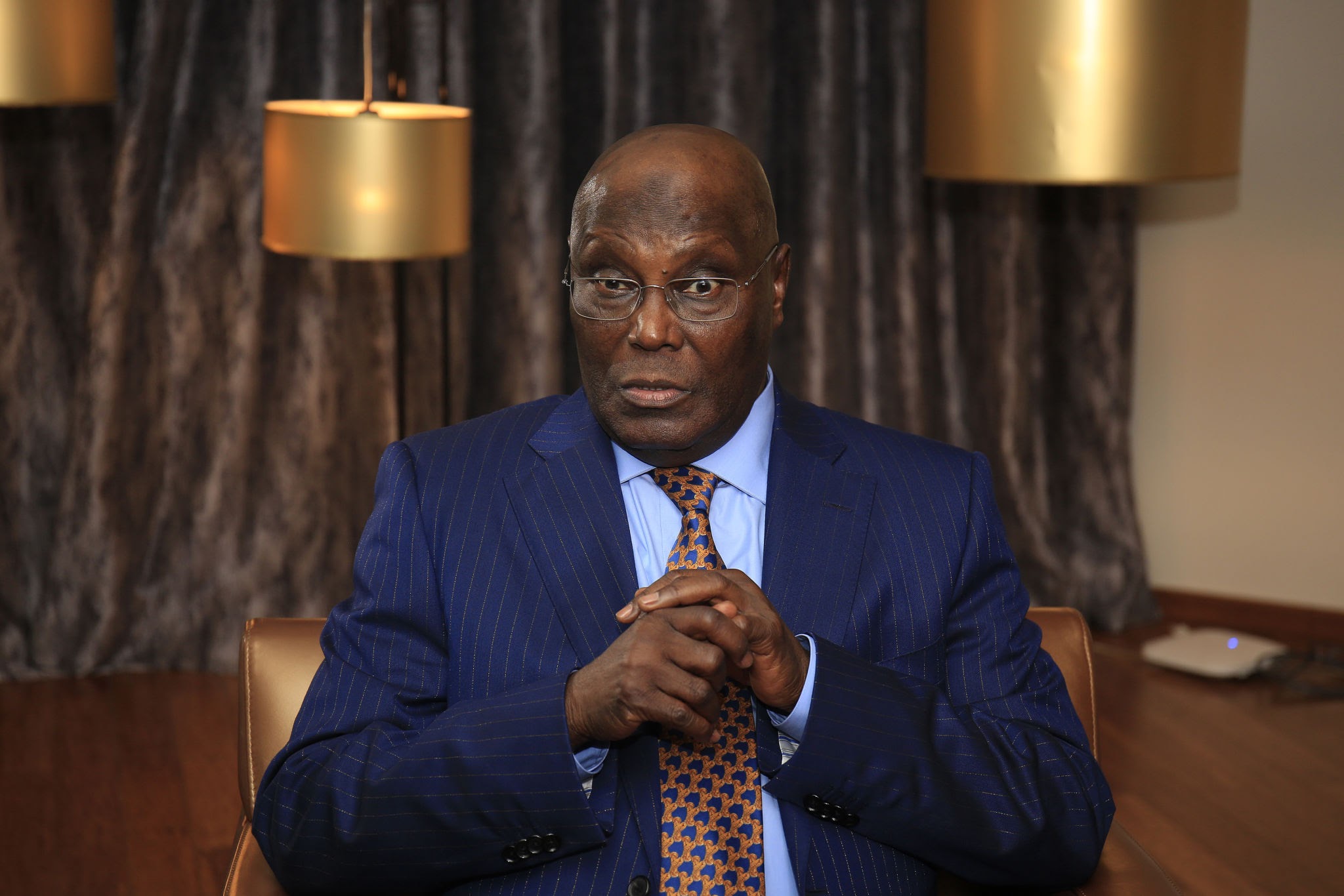
Former Vice President Atiku Abubakar has called on the Independent National Electoral Commission to open its proposed Artificial Intelligence system to independent audit before deploying it to process results in the 2027 general elections.

Atiku warned that the use of AI in election result management without adequate transparency and safeguards could undermine public confidence in the electoral process, particularly if algorithms were allowed to delay, reject or interfere with the transmission of polling unit results.

He asked the electoral commission to disclose the technical and operational details of the system, including its source code, training data, discrepancy-detection criteria and the identities of its developers and third-party vendors.

The former vice president made the demands in a petition addressed to the INEC Chairman on behalf of the African Democratic Congress and allied democratic stakeholders.

In a statement issued on Thursday by the Director of Strategic Communication, African Democratic Congress Presidential Campaign Council, Phrank Shaibu, Atiku said independent cybersecurity experts, representatives of political parties and civil society technologists should be granted access to the system for a comprehensive audit before the nationwide mock accreditation exercise scheduled for November 28, 2026.

He expressed concern over INEC’s announced integration of AI and intelligent document processing into the process linking its Data Verification and Authentication System (DIVAS) with the INEC Result Viewing portal (IReV).

According to him, Nigerians must be allowed to understand how the technology works and the extent of its influence on the handling of election results.

“INEC cannot ask Nigerians to trust a system whose rules they are forbidden to see. If an algorithm can flag a polling unit result sheet, the public deserves to know what triggers that flag, who set the threshold, who can change it and what happens to the result afterward,” he said.

See also  Senator secures presidential approval for 5km access road in Osun

Atiku cautioned that technical limitations could cause legitimate result sheets to be flagged or delayed, citing poor lighting, unfamiliar handwriting and worn-out paper as possible challenges that could affect the system’s ability to recognise uploaded documents.

He argued that such technical difficulties should not become grounds for withholding valid election results, insisting that similar discrepancies must be treated consistently across polling units.

The former presidential candidate also demanded that INEC establish and publicise a clear procedure for reviewing results flagged by the AI system.

He said the commission must explain who would review such results, how decisions would be documented, how political parties would be notified and the mechanism available for promptly challenging erroneous assessments.

Atiku maintained that AI should serve only as an administrative tool under human supervision and must not be empowered to delete, alter or permanently block election results.

He further insisted that the commission must reaffirm the legal status of Form EC8A, the polling unit result sheet completed and signed by presiding officers and party agents.

“The polling unit result sheet, Form EC8A, records what happened where the people voted. INEC must publicly reaffirm the legal status of the physical form completed and signed at the polling unit, and explain how it will resolve any conflict between that document and an AI assessment.

“A machine’s verdict cannot be allowed to quietly displace the evidence witnessed by voters and party agents,” he added.

The ADC presidential candidate also called for real-time monitoring access for political parties through a dedicated dashboard or observer interface to enable them to identify unusual patterns of result flagging, upload delays and blocked submissions during elections.

See also  Nigeria, US Strike Targeted Terrorists, Not Religion — Presidency

He urged the National Assembly to summon INEC’s leadership and its Information and Communication Technology Directorate to explain the system’s design, safeguards and independent audit arrangements.

Atiku also called on election observers and international partners to extend their monitoring activities beyond polling unit activities to include the digital handling and transmission of results.

He advised voters to lawfully document results as announced and displayed at their polling units to provide a public record against which electronically uploaded results could be verified.

The former vice president linked the demand for transparency to his campaign’s promise of an affordable life, arguing that Nigerians must be allowed to freely determine their political future without technological interference.

“Voters must be free to accept or reject that promise at the ballot box. No hidden algorithm should stand between a struggling family’s vote and the change that family hopes to see,” he said.

He urged INEC to address the concerns before public mistrust over the technology escalates into an electoral crisis.

The demand comes amid growing attention to the role of technology in Nigeria’s electoral process, particularly following controversies surrounding the electronic transmission and public viewing of polling unit results in previous elections.

INEC’s IReV portal was introduced to provide public access to scanned copies of polling unit result sheets, although its role is distinct from the statutory collation and declaration of election results.

The proposed use of AI in processing election documents has raised questions about transparency, accountability, human intervention and the safeguards required to ensure that technological tools do not compromise the integrity of votes cast by Nigerians.

See also  PHOTOS: Displaced Borno indigenes return home after years of sojourn in Yobe

Source: punchng.com

FOLLOW US ON:

FACEBOOK

WHATSAPP CHANNEL

TWITTER

PINTEREST

TIKTOK

YOUTUBE

LINKEDIN

INSTAGRAM

Continue Reading

News

See full list of fake documents that could earn applicants five-year Canada ban

Published

on

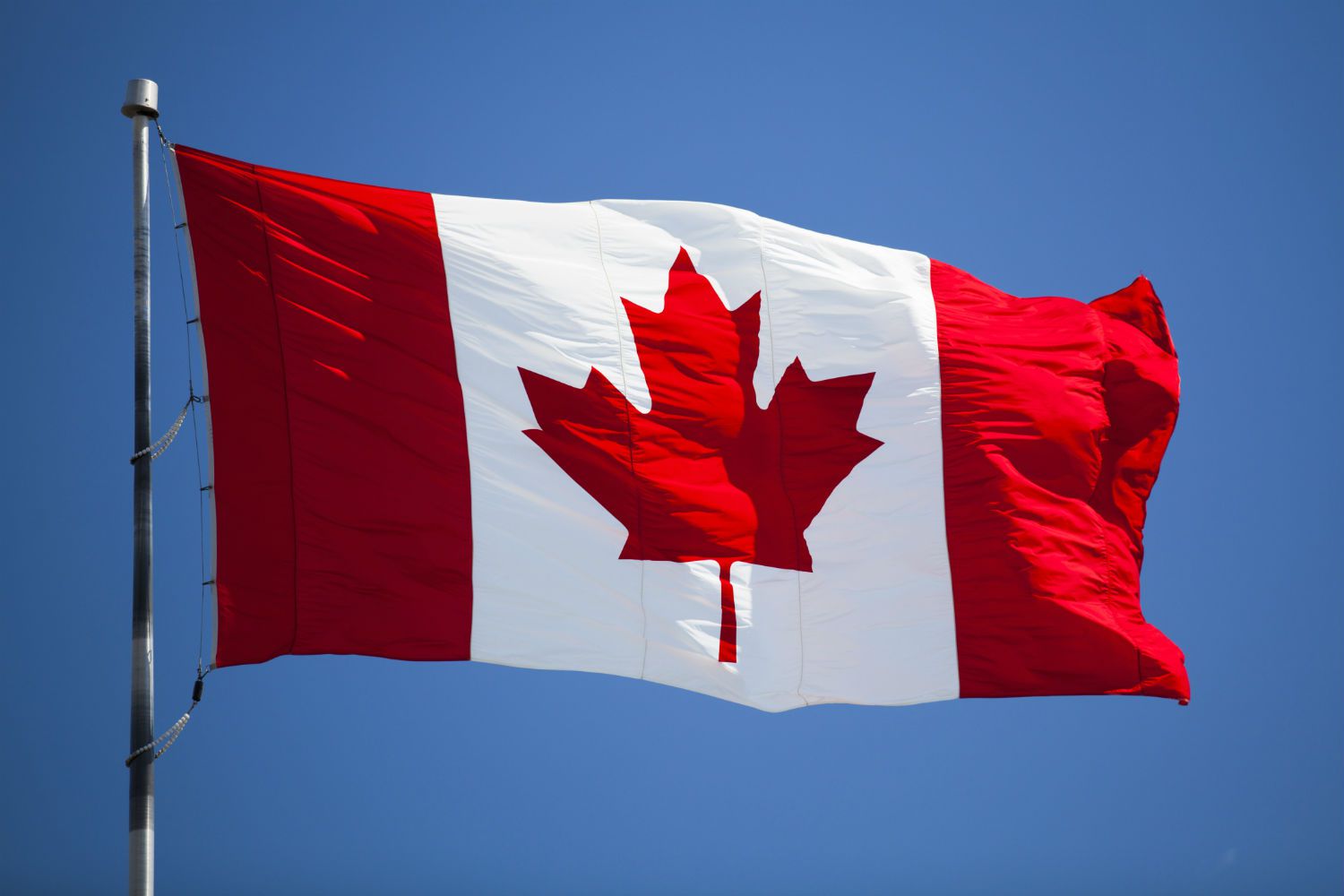
Canadian authorities have warned prospective visa applicants against the falsification of required documents to gain entry into the country.

According to a tweet via the X handle of the Immigration, Refugees and Citizenship Canada on Thursday, it noted that submitting falsified or altered documents during visa applications can stop an applicant from entering Canada for a minimum of five years.

Such documents range from marriage certificates to language results, entry and exit stamps, visas, transcripts and divorce documents, among others.

The IRCC also warned that one could face legal consequences in their home country if found guilty of any related criminal activity.

Information obtained from the IRCC website noted that providing false information about one’s medical conditions to the panel physician during a person’s medical exam is also considered fraud.

Below is the full list of documents whose falsification is considered fraud in Canada:

1. Passports and travel documents

2. Visas, exit and entry stamps

3. Language results

4. Proof of employment or job offers

5. Letters of acceptance from learning institutions, tuition receipts and transcripts

6. Diplomas, degrees and apprenticeship or trade papers

7. Proof of relationship, including certificates of birth, adoption, marriage, final divorce, annulment, separation, death or custodianship

8. Police certificates or court documents

9. DNA testing

The IRCC noted that while it’s not bent on punishing people affected by fraud, it’s determined to identify “those who are responsible for fraud.”

“Lying about how long you or someone else has been physically present in Canada while applying for a permanent residency (PR) renewal or citizenship is also considered fraud. Learn more about PR card residency obligations and physical presence,” the information added.

See also  PHOTOS: Displaced Borno indigenes return home after years of sojourn in Yobe

It highlighted consequences of immigration and citizenship fraud to include application refusal, a minimum of a five-year ban from Canada, a permanent fraud record with the IRCC, and the removal of one’s temporary or permanent residency status, or Canadian citizenship.

Others include a five-year ban from citizenship application and an outright expulsion from Canada.

The IRCC further warned that Canadian citizens or permanent residents who are in a relationship of convenience for immigration reasons may be charged with a crime.

A relationship of convenience is a marriage, a common-law or conjugal relationship whose main goal is to immigrate to another country.

The IRCC warned that its officers are well-trained to detect false marriages and common-law or conjugal relationships, via document checks, visits to people’s homes, and interviews with both sponsors and applicants.

“Our officers are trained to recognise genuine immigration applications. They know how to detect false marriages and common-law or conjugal relationships.

“They have many ways to spot marriage fraud, including document checks, visits to people’s homes and interviews with both sponsors and applicants,” the information read partly.

Authorities also warned that in the case of credit card payment reversals, it could cause one’s visa application to be cancelled or delayed.

This, it said, could also attract a 10-year entry ban.

“If the fee paid with a credit card is reversed, your visa application could be cancelled or delayed. Your visa application could also be denied and you could potentially be banned from travelling to Canada for up to 10 years. Applications you submit in the future can also be impacted,” it added.

See also  “Awujale Was More Than A Royal Father To Me” — Tinubu Pays Tribute

Source: punchng.com

FOLLOW US ON:

FACEBOOK

WHATSAPP CHANNEL

TWITTER

PINTEREST

TIKTOK

YOUTUBE

LINKEDIN

INSTAGRAM

Continue Reading

News

I would rejoin British Army to fight Russia if needed – Prince Harry reveals

Published

on

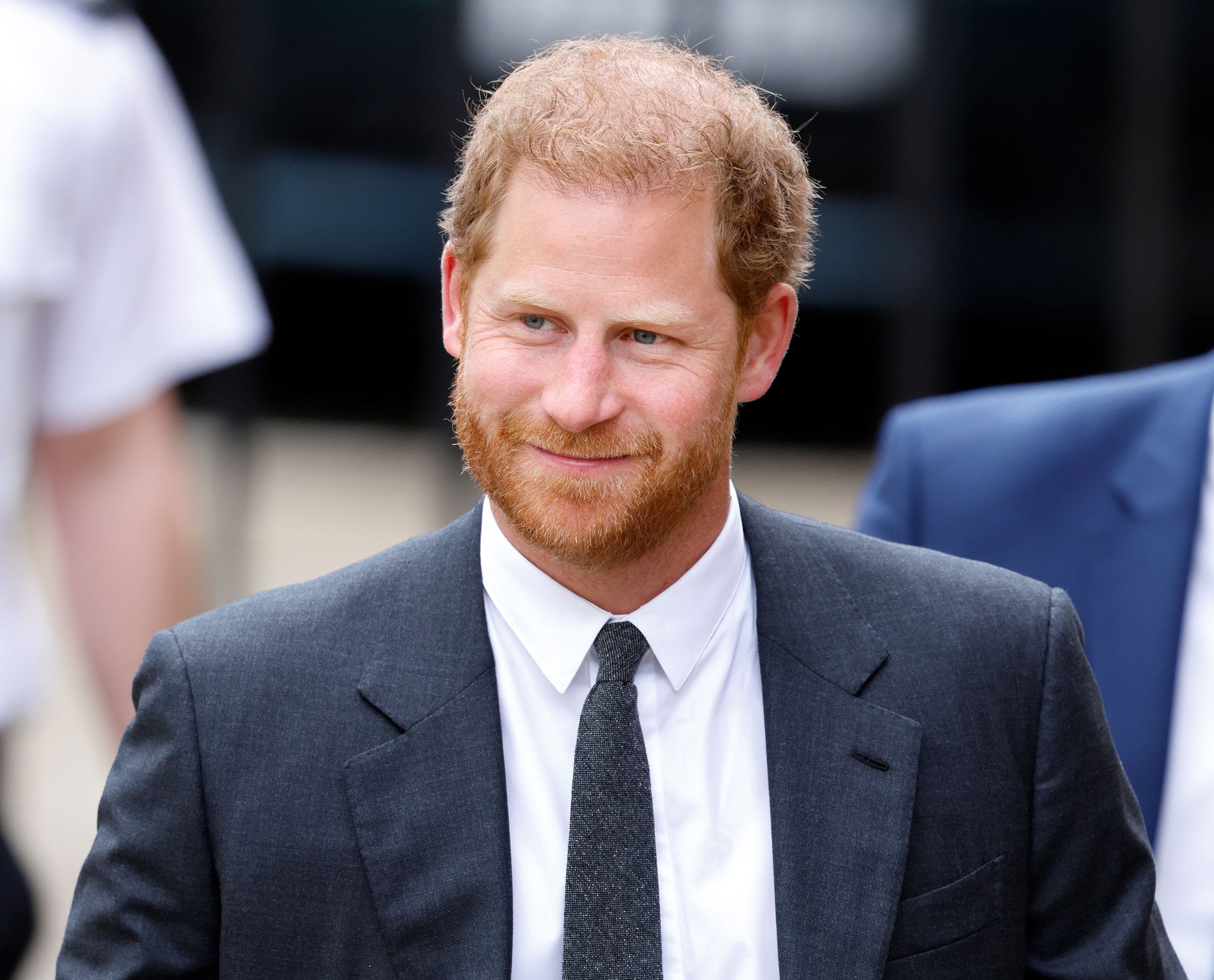
Prince Harry, the Duke of Sussex, has said he would return to the British Army to fight Russia if called upon, declaring his readiness to serve alongside other veterans and military personnel amid the ongoing war in Ukraine.

The former British Army officer made the remarks during a visit to Lviv, western Ukraine, where he said Europe had become more aware of the threat posed by Russian President Vladimir Putin. He also argued that the United Kingdom and Russia had effectively been in conflict for the past decade, despite the absence of direct military attacks on British soil.

“Just because there’s not drones, bullets and rockets flying at us, it doesn’t mean that we’re not at war,” he said.

Harry stressed that countries should draw lessons from Ukraine’s resistance to Russian aggression, saying the experience had valuable lessons for the international community.

“If asked to sign up again, if the need is there, then I will 100 per cent be there to serve my country alongside my fellow veterans and service personnel.”

“There is a lot that we can learn from Ukraine. I think there’s a lot that the whole world can learn from Ukraine,” he told The Telegraph.

He also expressed concern about the current international security situation, urging people who had previously served in the military to remain prepared for another call to duty.

“I think we should all be nervous, absolutely. And I think we should be prepared, and I think that those of us that have served should be ready to serve again.”

See also  PHOTOS: Displaced Borno indigenes return home after years of sojourn in Yobe

The Duke’s comments come against the backdrop of his military background, having completed two operational tours in Afghanistan as an Apache helicopter pilot with the British Army. His first deployment lasted from December 2007 to February 2008, while the second ran from September 2012 to January 2013. He ended his military career in 2015.

During the visit, Harry also criticised the approach of US President Donald Trump’s administration towards the war, suggesting that its position did not reflect the level of support for Ukraine among Americans.

“I think there’s been a big separation between what American society feels regarding support for Ukraine, which I think is incredibly high and always has been, compared to a certain group – or in this case an administration that was perhaps thinking about it differently,” he told the podcast.

He expressed optimism about the expected political changes in the United States following the midterm elections, particularly the Democrats’ forthcoming takeover of the House of Representatives and the Senate.

“As of January, things are going to change, so I think we should all be looking forward to that.

“Europe has a united front, and it would be fantastic to have more American support for that as well.”

Harry, who has developed a professional relationship with Ukrainian President Volodymyr Zelensky, said he believed Ukraine was gaining ground against Russia. He based his assessment on four visits to the country and regular briefings from political and military officials.

However, he argued that the conflict would require a possible way out for Moscow, adding: “There needs to be some form of exit strategy for Russia.”

See also  ICPC to arraign El-Rufai in Kaduna today

He described the number of Russian soldiers being killed by Ukrainian forces as “insane” and warned against reducing military and humanitarian assistance to Kyiv at a critical stage of the conflict.

According to Harry, Ukraine’s battlefield position suggested that Russia was struggling to make further advances, while its continued attacks on civilian facilities reflected growing desperation.

“There is no version of where Russia is making any more advances.

“It’s quite the opposite. What I’m told is the more strikes from rockets from Russia and and drone strikes into civilian infrastructure is just a sign of desperation, a sign that they are losing.”

He further described the reported monthly losses of 30,000 or more Russian and North Korean soldiers as unsustainable, arguing that international support for Ukraine should increase rather than diminish.

Harry also condemned attacks on medical facilities and humanitarian centres, calling for stronger international action to protect civilians and uphold international law.

“I think it’s appalling that civilian infrastructure, especially hospitals and medical centres, are being targeted. Humanitarian aid centres are being targeted as well.

“International law must mean something. So I think the rest of the world could and should do more in that regard.”

He described the conflict as a psychological campaign aimed at exhausting Ukrainians through repeated overnight attacks and constant bombardment.

Drawing a connection between Ukraine’s resilience and his work supporting injured military personnel through the Invictus Games, Harry praised the determination of the people he had encountered during his visits.

“The Invictus spirit lives in every single Ukrainian person, not just veterans, that I’ve met.”

See also  Troops rescue six kidnap victims after clash with terrorists in Borno

Harry and his wife, Meghan, returned to the UK in August with their two children after spending six years in the United States. The couple stepped down as senior members of the British royal family in 2020.

(The Independent)

Source: tribuneonlineng.com

FOLLOW US ON:

FACEBOOK

WHATSAPP CHANNEL

TWITTER

PINTEREST

TIKTOK

YOUTUBE

LINKEDIN

INSTAGRAM

Continue Reading

Trending