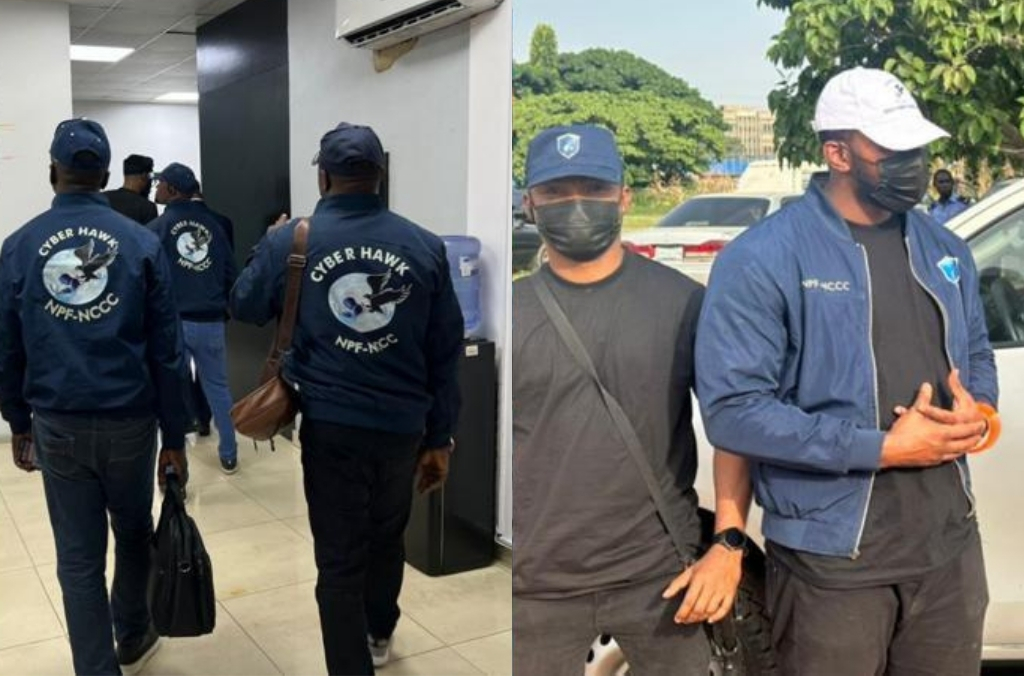
The International Criminal Police Organisation (Interpol) has said law enforcement agencies have arrested 651 suspects and recovered over $4.3 million during a major crackdown on online fraud across African countries, including Nigeria and Kenya.
According to the press statement issued on Thursday, February 19, 2026, the sting, codenamed Operation Red Card 2.0, ran from December 8, 2025, to January 30, 2026, targeting high-yield investment scams, mobile money fraud and fraudulent loan applications.
According to the press statement issued on Thursday, February 19, 2026, investigations during the operation uncovered scams linked to more than $45 million in financial losses and identified 1,217 victims, mostly from Africa.
“Law enforcement agencies from 16 African countries have made 651 arrests and recovered more than USD 4.3 million in an international cybercrime operation against online scams,” the statement read.
Operation Red Card 2.0 (8 December 2025 to 30 January 2026) targeted the infrastructure and actors behind high-yield investment scams, mobile money fraud and fraudulent mobile loan applications.
During the eight-week operation, investigations exposed scams linked to over USD 45 million in financial losses and identified 1,247 victims, predominantly from the African continent but also from other regions of the world.
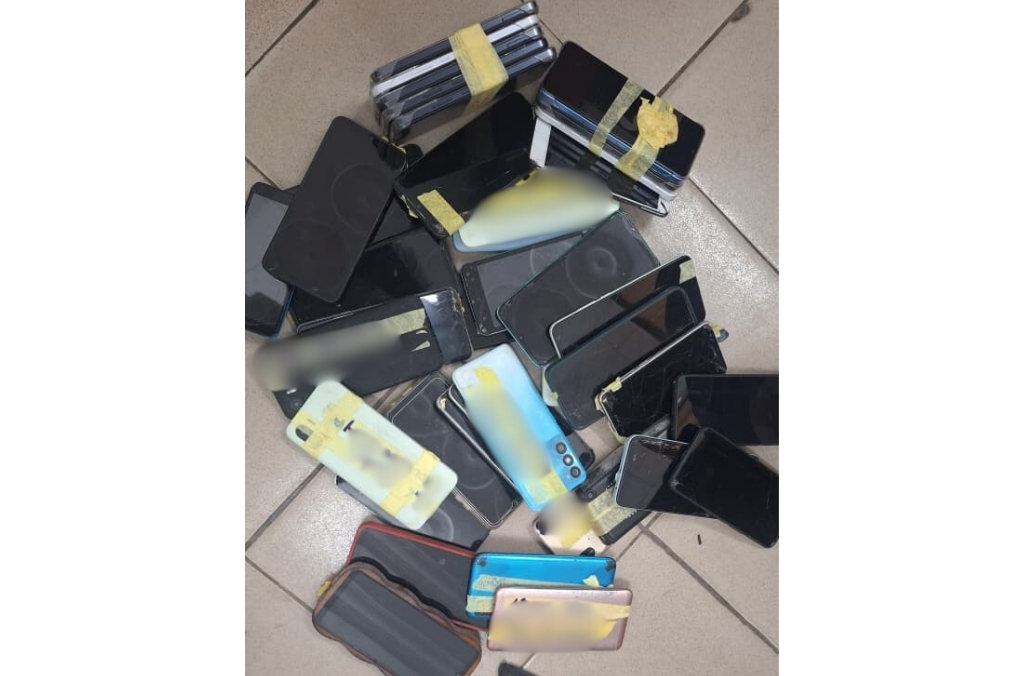
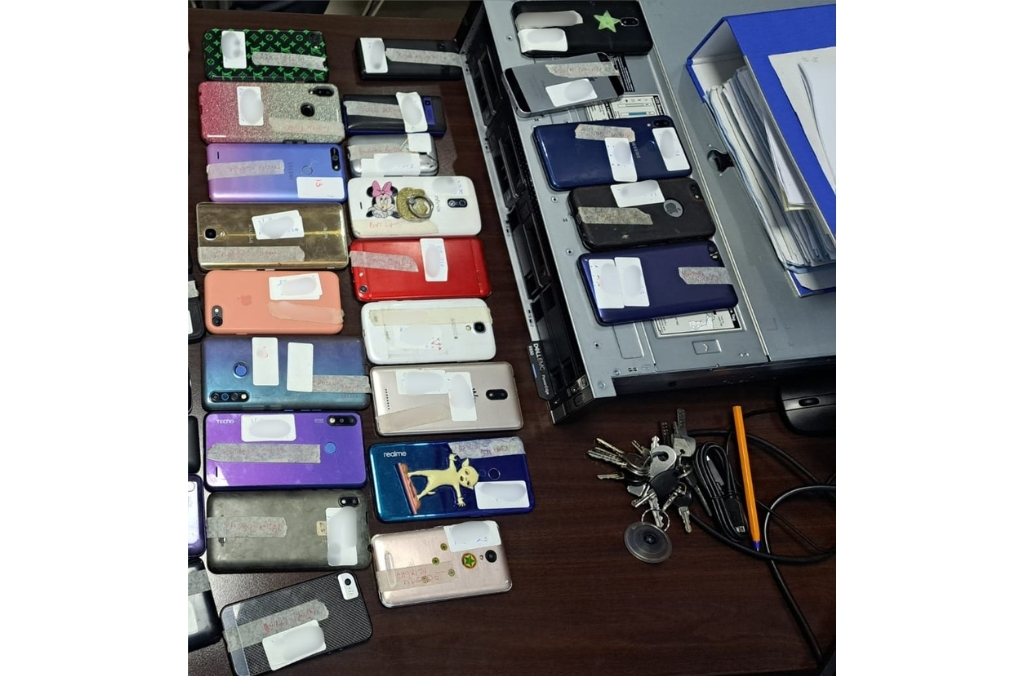
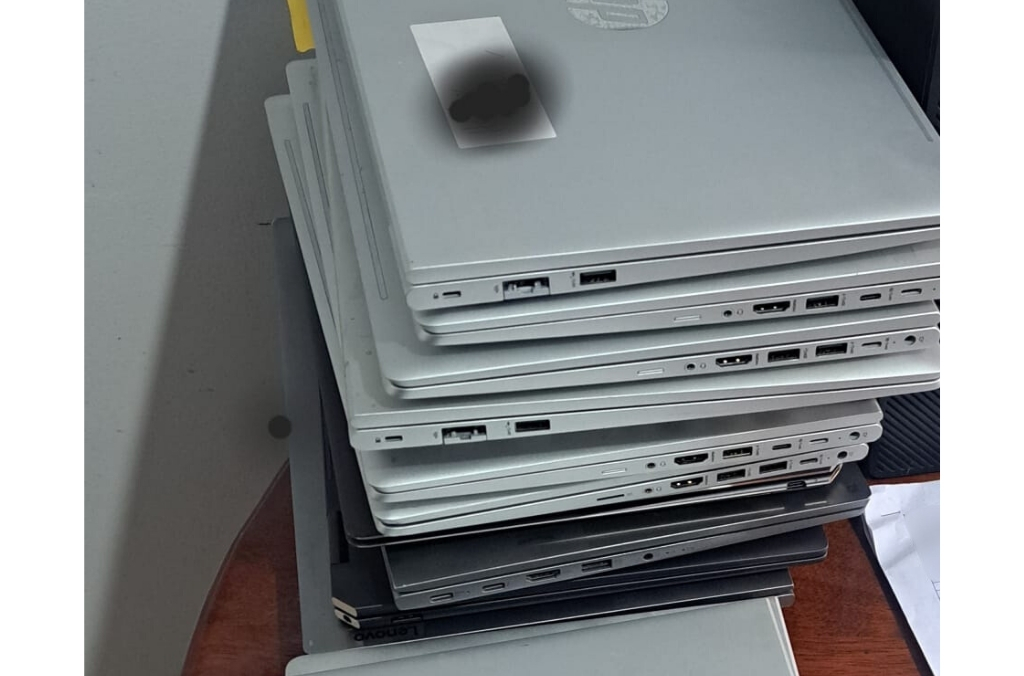
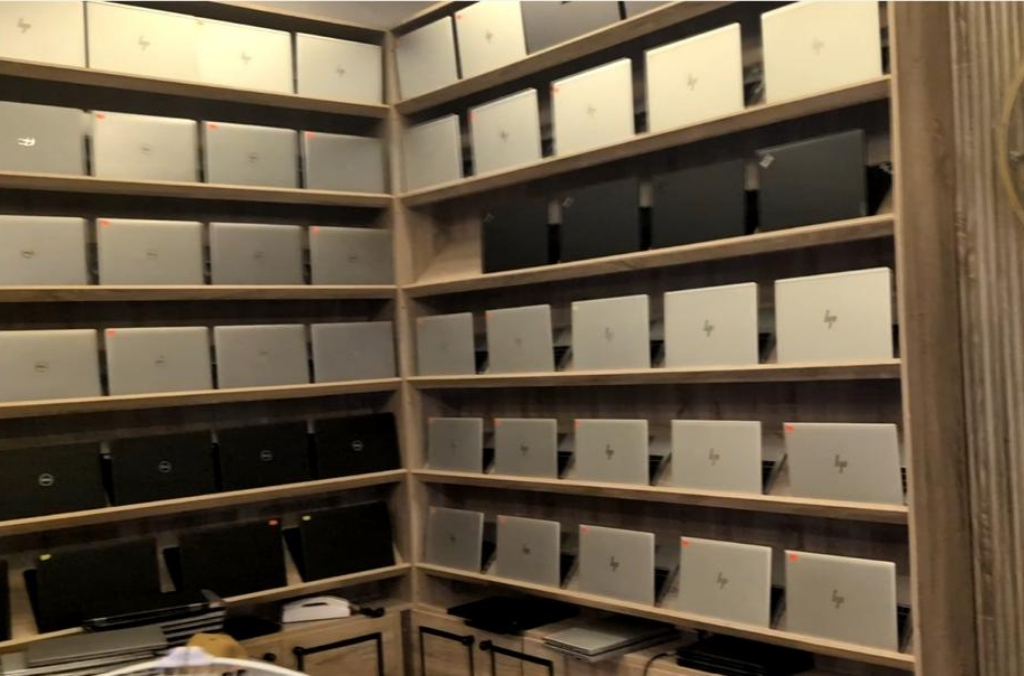
Authorities also seized 2,341 devices and took down 1,442 malicious IPs, domains and servers, as well as other related infrastructure.
INTERPOL supported the operation through critical intelligence sharing, real-time information exchange and capacity-building activities, including training on digital forensic tools.
“These organized cybercriminal syndicates inflict devastating financial and psychological harm on individuals, businesses and entire communities with their false promises. Operation Red Card highlights the importance of collaboration when combatting transnational cybercrime. I encourage all victims of cybercrime to reach out to law enforcement for help,” Neal Jetton, INTERPOL’s Director of the Cybercrime Directorate.
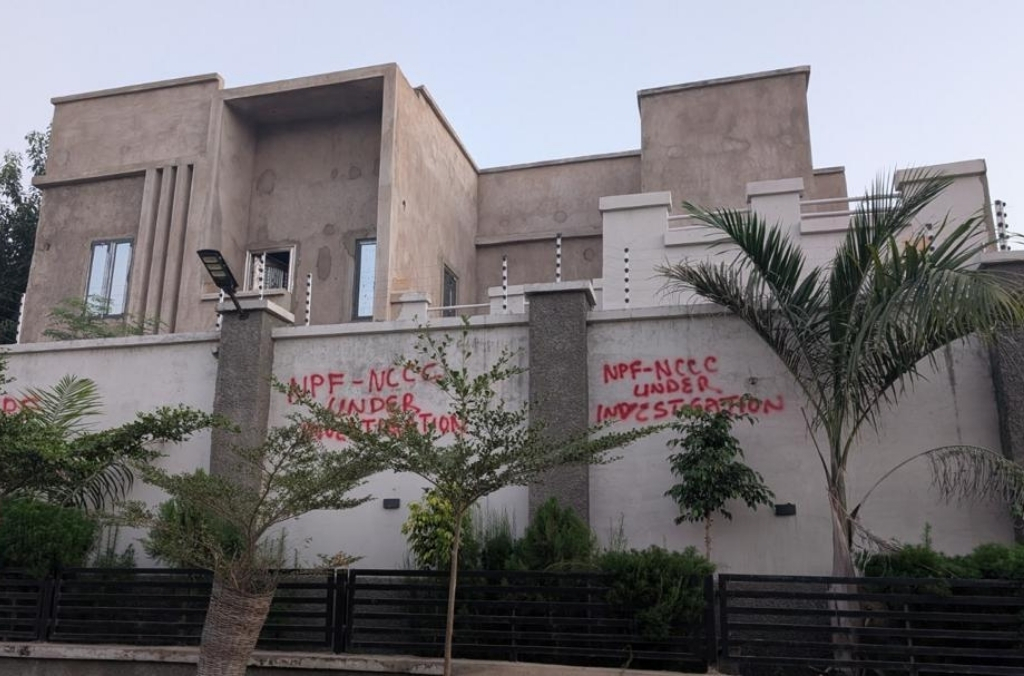
According to the statement, In Nigeria, police dismantled a high-yield investment fraud ring that recruited young individuals to carry out cyber-enabled crimes using phishing, identity theft, social engineering and fake digital asset investment schemes. Over 1,000 fraudulent social media accounts were taken down and investigators uncovered a residential property constructed by the syndicate ringleader to serve as the operational hub for the criminal activities.
In Kenya, authorities made 27 arrests linked to fraud schemes that used messaging apps, social media and fictitious testimonials to lure victims into making fake investments in reputable global corporations. Scammers solicited small initial investments ‒ as low as USD 50 ‒ with claims of lucrative returns. Victims were shown fabricated account statements or dashboards but withdrawal requests were systematically blocked.
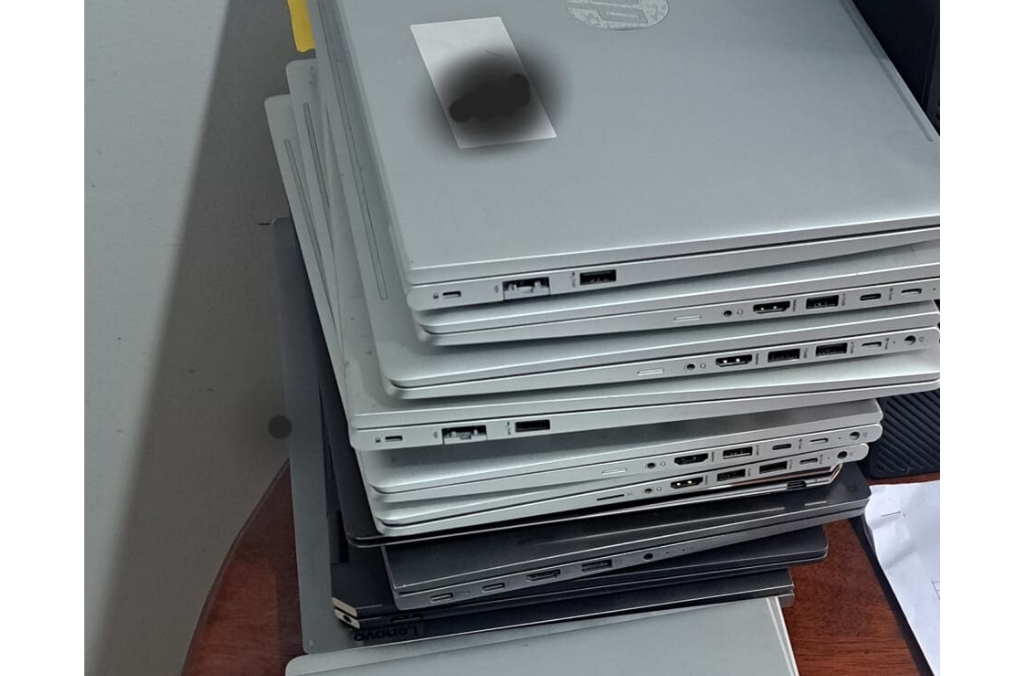
In Côte d’Ivoire, law enforcement made 58 arrests and seized 240 mobile phones, 25 laptops and over 300 SIM cards in a targeted operation against mobile loan fraud. These scams predominantly targeted vulnerable populations through deceptive mobile applications and messaging services, attracting victims with promises of quick, unsecured loans, only to impose fees, enforce abusive debt-collection practices and illicitly harvest sensitive personal and financial data.
In a separate major success for Nigerian authorities, six members of a sophisticated cybercrime syndicate were arrested for infiltrating the internal platform of a major telecommunications provider through compromised staff login credentials. An investigation led to the disruption of the scheme, which involved siphoning significant volumes of airtime and data for illegal resale.
During Operation Red Card 2.0, INTERPOL worked closely with its partners, Cybercrime Atlas, Team Cymru, Trend Micro, TRM Labs and Uppsala Security, leveraging their data and expertise to provide critical intelligence to participating countries.
The operation was conducted under the African Joint Operation against Cybercrime (AFJOC), an initiative funded by the UK’s Foreign, Commonwealth & Development Office.
The Global Action on Cybercrime Enhanced (GLACY-e) project, a joint initiative of the European Union and the Council of Europe, provided operation-specific support.
Participating member countries include, Angola, Benin, Cameroon, Côte d’Ivoire, Chad, Gabon, Gambia, Ghana, Kenya, Namibia, Nigeria, Rwanda, Senegal, Uganda, Zambia and Zimbabwe.
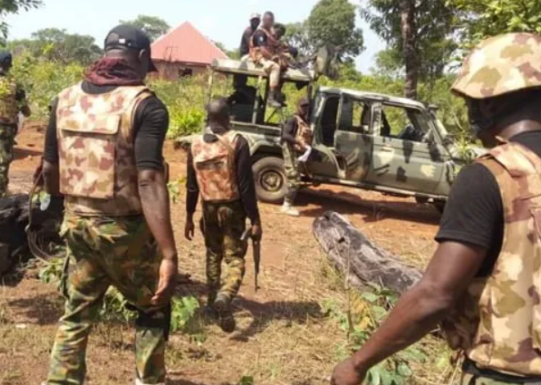
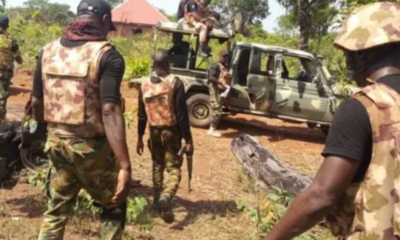
Troops of Operation Fansan Yamma have neutralised several Lakurawa terrorists and destroyed their camps during a clearance operation in Waria Forest, Tangaza Local Government Area of Sokoto State.
The operation, conducted on Thursday, October 15, also led to the recovery of weapons and five motorcycles from the terrorists’ enclave.
The Media Information Officer of the Joint Task Force North West, Operation Fansan Yamma, Lt Col Aliyu Danja, disclosed this in a statement issued on Thursday.
Danja said troops of Sector 2 advanced through identified terrorist hideouts around Alela, Bilange and Kandam villages towards Waria Forest, where they made contact with the armed group.
According to him, the troops engaged the terrorists in a firefight and overpowered them with superior firepower, forcing them to abandon their positions and flee deeper into the forest.
“Troops subsequently pursued the fleeing terrorists, neutralising some of them in the process,” he said.
Danja added that further exploitation of the area destroyed the terrorists’ camps and their life-support structures, alongside the recovery of weapons and five motorcycles.
He said troops had sustained their operational presence in the area through continued clearance and domination operations aimed at denying the terrorists freedom of movement and preventing them from using the forest as a haven.
“The latest success underscores the commitment of Operation Fansan Yamma to dismantling terrorist enclaves, denying terrorist elements safe havens and restoring lasting peace and security across the Joint Operations Area,” Danja said.
He commended the troops for their courage, resilience and sustained efforts, while urging residents to provide timely and credible information about suspicious movements and activities in their communities.
Adamawa State Governor, Ahmadu Fintiri, has warned that Boko Haram and the Islamic State West Africa Province remain major security threats in the sub-region, urging security chiefs to intensify efforts to combat insurgency.
Declaring open a two-day meeting of federal and state security administrators in Yola on Thursday, Fintiri said the threats posed by the groups remained persistent, dynamic and ideological.
“While our gallant armed forces have significantly degraded their conventional capabilities, these insurgents continue to exploit vast rural terrains, asymmetric tactics and cross-border vulnerabilities to strike at soft targets.
“However, let me speak with political candour: we cannot afford the luxury of premature victory speeches. Furthermore, we must confront emerging threats that endanger our socio-economic fabric,” he said.
The governor, who was represented by his deputy, Prof. Kaletapwa Farauta, said security was not merely about weapons but also grassroots presence, social justice and inclusive governance.
“It was this conviction that drove our historic decision to create seven new emirates and chiefdoms across Adamawa State,” he said.
Fintiri added that the battleground had shifted to digital spaces, where vulnerable youths were targeted for recruitment and misinformation.
He said the security of Adamawa State was inseparable from that of Nigeria and urged the Federal Government to urgently modernise the country’s international borders.
“We need the deployment of advanced surveillance technology, drone coverage, joint border patrols and the expedited establishment of one-stop border posts to control illegal cross-border migration, arms proliferation and smuggling,” he said.
The governor also urged the Federal Government to increase funding for security agencies to enable them to intensify the fight against insecurity.
“Our frontline officers, the police, the military, the Civil Defence, the DSS and Customs, are doing heroic work under difficult conditions.
“However, their operational funding, tactical equipment and welfare packages must be significantly upgraded by the Federal Government,” he said.
To defeat the insurgency, Fintiri called for genuine inter-agency cooperation and an end to rivalry among security services.
He said the operational disconnect between intelligence-gathering units and field tactical teams must be addressed.
“Victory belongs to unity, not institutional ego,” he said.
Fintiri added that hosting the meeting of the nation’s top security policy strategists reflected Adamawa’s progress in restoring peace and stability.
“For us in Adamawa State, hosting this august gathering of the nation’s top security policy strategists is not just an administrative assignment; it is a testament to our transformation.
“A few years ago, convening a gathering of this magnitude in the North-East was met with hesitation. Today, through visionary leadership, community resilience and divine grace, Adamawa stands tall as a beacon of relative peace, stability and democratic consolidation,” he said.
He challenged the security administrators to move beyond what he described as diagnostic speeches and develop an actionable, pragmatic roadmap to address security challenges in the sub-region.
He also advocated the adoption of unified digital freight and transit-tracking platforms across states and national transport corridors to eliminate illegal checkpoints, trace suspicious cargo and secure trade routes.
The governor donated 300 motorcycles and 16 security vehicles to support policing across the state’s 15 chiefdoms and 21 local government areas.
A car dealer, Chima Edmund, has accused the Lagos State Police Command of releasing a man suspected of attempting to steal a 2025 Toyota Tundra pickup worth about N130m from his showroom in the Victoria Garden City area of Lekki, Lagos State.
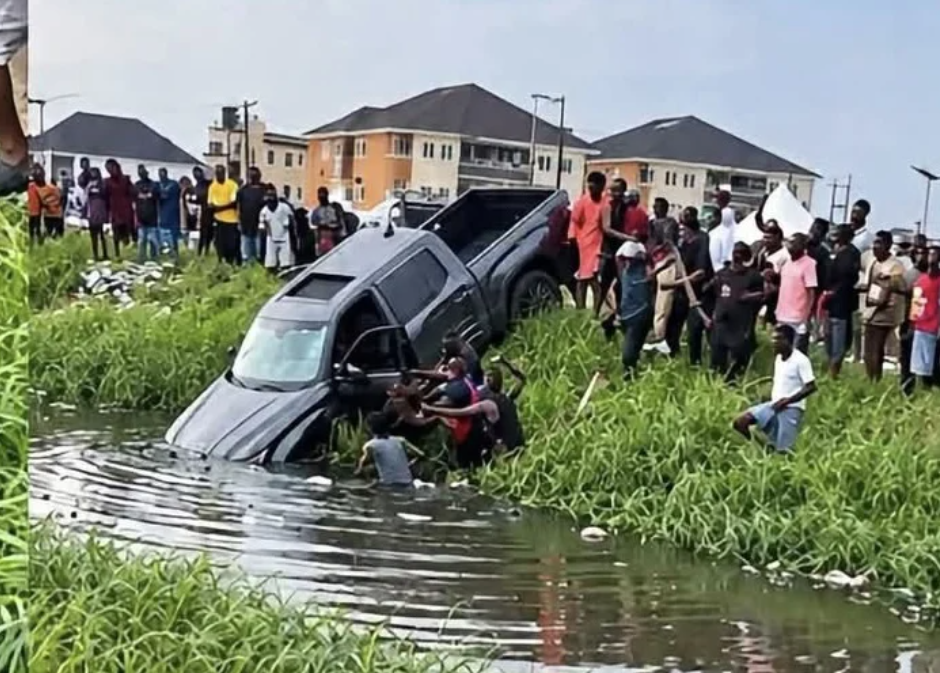
Edmund, founder of Mayor and Sheiks Autos, said the suspect allegedly drove the vehicle away from his showroom on Monday after posing as a prospective buyer but crashed it into a canal in the Ajiran area while attempting to escape.
The Toyota Tundra before the incident. Credit: Chima Edmund
The incident went viral on Tuesday, with the dealer estimating the cost of repairing the damaged vehicle at about N40m.
Speaking exclusively with PUNCH Metro on Thursday, Edmund said the suspect arrived at the dealership around 4pm carrying a bag and asked to inspect the pickup.
He said a junior staff member attended to the man, who requested the key to the unsold vehicle under the pretext of checking its engine.
The car dealer, Chima Edmund
“On Monday, the guy came to my outlet around 4pm. He met my junior staff and came in with a bag as a customer. He asked for the 2025 Toyota Tundra pickup, which costs around N130m, and demanded the key to check it. He dropped his bag inside it, and the staff watched him start the engine, thinking he only wanted to check it. But the man engaged the gear and drove off,” Edmund said.
According to him, the vehicle exited the dealership through a route that required a supporting slab because of the difference in elevation between the car stand and the main road.
He said the vehicle’s doors locked automatically when the suspect engaged the gear, after which he drove towards the VGC Bridge.
Edmund said his staff member pursued the vehicle but struggled to convince passers-by that the man behind the wheel was not the owner.
He alleged that the suspect drove through a residential estate in Ajah, damaged a barricade at the entrance and continued towards Chevron and Ebeano before heading to Ajiran.
“On getting to Ajiran, he could not find his way again. He realised he had driven to the end of the road, and when he could not proceed, he drove over the canal until the vehicle landed in it. That was when some boys dragged him out,” the dealer said.
Edmund said the escape attempt damaged the pickup and a barricade at the VGC entrance.
He added that he paid for repairs to the barricade and incurred expenses on the treatment of people injured during the incident, as well as the suspect’s feeding and other related costs.
The dealer said he also paid for the suspect’s medical treatment following the crash, adding that the man was not kept in a cell because of the injuries he sustained.
According to Edmund, the case was initially reported at the Ajah Police Division before being transferred to the State Criminal Investigation Department, Panti, Yaba, where two women who identified themselves as the suspect’s mother and sister visited him.
He said the women claimed to be from Agbor, Delta State, adding that he became concerned about recovering his expenses after learning that the suspect had been released on bail.
Edmund alleged that he was pressured to withdraw the case after investigators established that the suspect had a psychiatric condition.
“I am already suspecting foul play in the police dealings because I was hurried to close the case when the man was confirmed to be a psychiatric patient. Just yesterday evening, he had been released on bail.
“For somebody who caused me such heavy damage, how am I going to bear these losses alone, knowing that the culprit has been released? Somebody attempted to steal a car from my outlet. It is sad,” he said.
The dealer appealed for assistance in recovering from the financial losses, saying preliminary estimates put the cost of repairing the damaged Toyota Tundra at about N40m.
Edmund, who said he had been in the automobile business since 1996, described the incident as unprecedented in his nearly three decades in the trade.
He said he had operated in different parts of Lagos, including Berger and FESTAC, before relocating to VGC, adding that he had never experienced a similar incident despite attending to numerous customers over the years.
He said it was difficult to identify suspicious customers by their appearance, noting that some casually dressed clients had purchased vehicles worth more than N200m from his dealership.
Edmund also dismissed suggestions that the vehicle had been left unattended with the suspect, insisting that a proper test drive should involve at least two people accompanying a prospective buyer.
On why the pickup did not have a tracking device, he said it was a new vehicle that had not yet been sold.
According to him, installing a tracker before a vehicle is purchased could require interference with its wiring system and raise concerns among prospective buyers about whether it was a Nigerian-used vehicle.
He added that the pickup had a fuel tank capacity of about 130 litres, but its fuel gauge was already on red, indicating that approximately 30 litres remained when the suspect allegedly drove it away.
When contacted, the spokesperson for the Lagos State Police Command, SP Abimbola Adebisi, denied the allegation that the police had improperly released the suspect.
Adebisi said the suspect had been certified as a psychiatric patient by recognised government hospitals and competent courts, adding that the dealer withdrew the case after the information emerged during the investigation.
“The suspect is a psychiatric case, certified by recognised government hospitals and competent courts.
“All these were well known by the complainant in the course of our investigation. This prompted him to submit a withdrawal letter, whereupon the suspect was handed over to his mother for rehabilitation,” she said in a WhatsApp message to our correspondent.
However, PUNCH Metro could not independently verify the police spokesperson’s claims, as she did not provide the documents requested by the correspondent to substantiate the alleged medical certification and withdrawal of the complaint.