Connect with us

News

Defence minister rates Tinubu govt 70% on security

Published

on

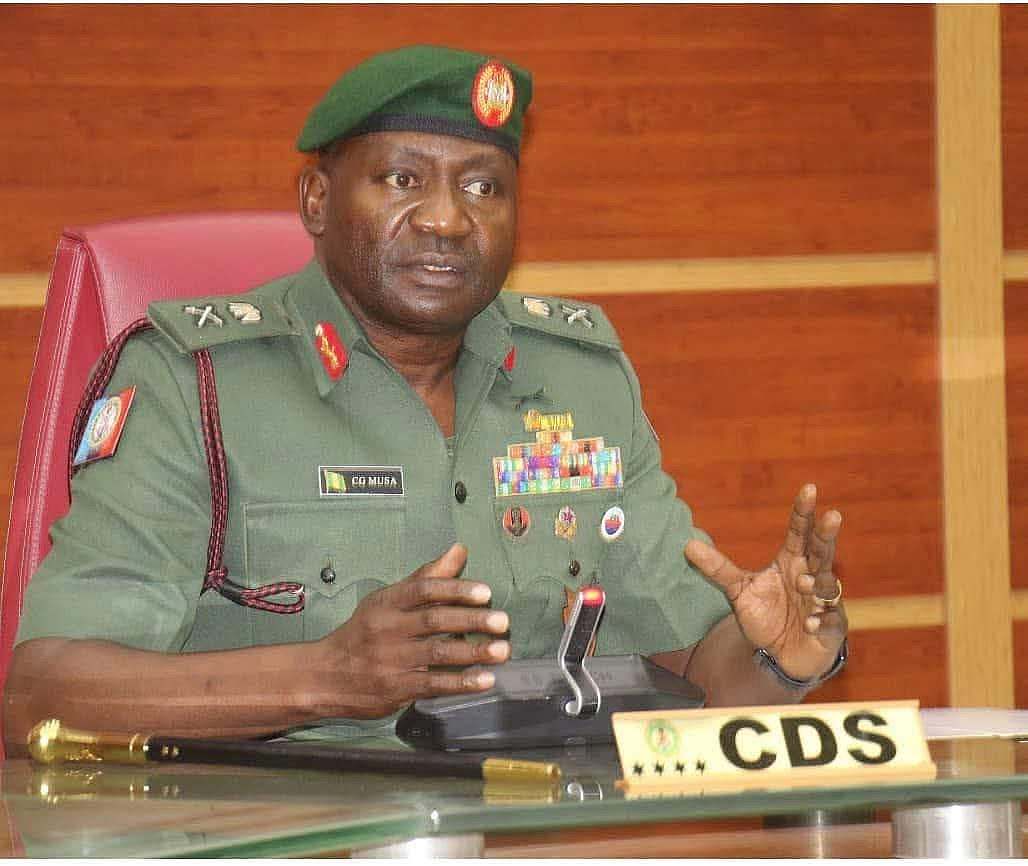
Defence Minister Christopher Musa has scored the Tinubu administration 65 to 70 per cent on security performance.

He said terrorism had been drastically reduced to isolated kidnapping incidents, even as a wave of school abductions across several states continues to be a big challenge for the nation.

Musa spoke on ARISE News on Friday to mark three years of the administration.

“I’ll give ourselves 65 to 70,” he said when asked to rate the government’s performance, adding that no nation was entirely free from crime.

“Yes. 65 to 70%. No nation is totally free from crime and criminality. I’m sure you are aware that the level of terrorism across the country has actually drastically reduced. Now we have acts of terrorism, and terrorism, like I said, is a social vice, a failure of family values,” he said.

The minister framed kidnapping largely as a societal crisis rather than a security failure, pointing to the breakdown of family structure as the root cause.

“We have fathers kidnapping children, children kidnapping each other, brothers kidnapping sisters. It tells you that something is wrong with the family, and we need to look inward to see how we can develop those aspects,” he said.

His comments come days after a wave of school abductions jolted the country.

At least 82 pupils were abducted between May 13 and 15 during separate attacks in Borno and Oyo states.

In Borno, 42 pupils were kidnapped after armed groups attacked schools in Askira Uba and Chibok local government areas on May 13 and 14.

See also  Sachet Alcohol Ban: CSOs back NAFDAC, dismiss 500,000 job loss fear

In Oyo, another 40 pupils were abducted on May 15 during coordinated attacks on Baptist Nursery and Primary School, Yawota, Community Grammar School, and L.A. Primary School, Esiele, in Oriire Local Government Area.

During the Oyo attack, mathematics teacher Michael Oyedokun was beheaded by the gunmen, a motorcyclist was killed, and a security operative died after running into improvised explosive devices planted by the abductors during early rescue attempts.

The Defence Headquarters attributed the Oyo kidnapping to terrorists of the JAS group that had been dislodged from other parts of the country due to high-intensity military operations.

Following the Borno attack, the state government temporarily closed and relocated Government Day Secondary School, Mussa, in Askira/Uba Local Government Area.

Amnesty International said at least 1,100 people had been abducted from January to April 2026 alone, describing the trend as a continuing failure of protection for vulnerable populations.

The Oyo and Borno abductions are the latest in a sustained pattern. In April, gunmen abducted 23 pupils and the wife of a school proprietor in an attack on an orphanage and school facility in the Zariagi area of Lokoja, Kogi State.

Troops of the 12 Brigade, Nigerian Army, subsequently rescued the remaining nine victims during coordinated operations on May 6, 2026, under Operation Tiger Paw II.

In November 2025, Nigeria also recorded a resurgence of mass abductions, with at least 145 people kidnapped in Kebbi, Niger, and Zamfara states within four days.

Among those incidents was a raid on a government secondary school in Maga, Kebbi State, in which bandits killed the vice principal and abducted 25 schoolgirls from their hostel.

See also  179 ASPs disqualified as police promote 952 officers

Musa said those engaged in kidnapping were driven by greed and a refusal to embrace honest labour, calling for a shift in values around wealth creation.

“People need to understand that to make money, you must work very hard. Don’t look for shortcuts. Most of those taking part in kidnappings and related crimes are looking for shortcuts,” he said.

The minister pointed to a recently executed covert operation as evidence of growing operational capacity, saying Nigerian forces had eliminated a deputy ISIS commander following months of careful tracking.

“The recent killing of that deputy ISIS commander was a painstaking operation that began since last year. We followed through, ensured we were certain of our target, and when we struck, we got them. That is what we are doing,” Musa said.

He said the security forces were receiving greater public cooperation than in previous years, which he described as a significant operational advantage.

“The level of support we’re getting is far better than it used to be, and we’re making more inroads. Nigerians are working with us, and I want to appreciate them,” he said.

Musa also highlighted deepening international partnerships, saying the United States, Britain, France, Brazil, and Turkey were actively contributing platforms and expertise to Nigeria’s counter-terrorism efforts.

“We are working with our partners, the Americans, the British, the French, all of them want Nigeria to succeed. They are bringing platforms we don’t have, and we are working together,” he said.

He warned that allowing terrorism to take root carried generational consequences, drawing on Turkey’s four-decade struggle as a cautionary example.

See also  Group champions rebirth of Igbo spirit, decries mass exodus from Igboland

“Do not allow asymmetric warfare to commence. Do not allow acts of terrorism to take root, it is extremely difficult to reverse. Look at Turkey. It took them 40 years, and it is only now that they are getting over it. We are learning from them, partnering with them, developing our special forces, and getting experience.

“We are also working with the French and the Brazilians. Everyone is putting hands on deck to ensure we achieve success,” Musa added.

punch.ng

FOLLOW US ON:

FACEBOOK

TWITTER

PINTEREST

TIKTOK

YOUTUBE

LINKEDIN

INSTAGRAM

News

Ukraine sets age requirements for foreigners seeking citizenship

Published

on

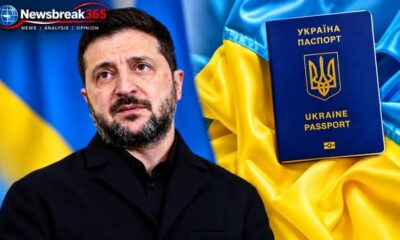
Ukraine has outlined age-based requirements for foreigners and stateless persons seeking citizenship, specifying who can apply and when minors must consent in person.

The State Migration Service of Ukraine published the guidelines in accordance with the Law of Ukraine on Ukrainian Citizenship and Presidential Decree No. 215 of March 27, 2001.

Under the requirements, as obtained by PUNCH Online on Wednesday from the state’s migration service of Ukraine’s website, foreigners and stateless persons aged 18 and above must personally submit their applications for Ukrainian citizenship.

For children below 18, applications must generally be submitted by their parents or legal representatives. However, minors aged between 14 and 17 must personally consent to acquiring Ukrainian citizenship.

This means parents or legal guardians cannot independently secure citizenship for teenagers within that age bracket without their consent.

The guidelines divide applicants into three categories based on age.

Children below 14 must have applications submitted on their behalf by a parent or legal representative, while those aged 14 to 17 must provide personal consent even though an adult handles the application.

Applicants aged 18 and above are required to submit their naturalisation applications independently.

The Ukrainian authorities have also outlined requirements for applicants who already hold citizenship of another country.

“Foreign nationals seeking Ukrainian citizenship under the procedure described by the migration authority must pledge to terminate their existing citizenship within two years of being registered as Ukrainian citizens.

“Applicants who make the required pledge are issued temporary Ukrainian identity cards valid for two years rather than full passports during the transitional period,” the migration service added.

See also  States demand forensic audit of $8.8bn crude-for-loan deals

A Ukrainian passport is issued after the individual has formally terminated their previous citizenship or submitted a written declaration renouncing it, in accordance with the applicable procedure.

However, stateless persons are exempt from the requirement to pledge to terminate another country’s citizenship and are not subject to the same two-year transitional arrangement.

The migration authority advised foreigners and stateless persons interested in acquiring Ukrainian citizenship to familiarise themselves with the relevant legal provisions and documentation requirements before commencing the application process.

Further information on citizenship applications and the required procedures is available through the official website of Ukraine’s State Migration Service.

FOLLOW US ON:

FACEBOOK

WHATSAPP CHANNEL

TWITTER

PINTEREST

TIKTOK

YOUTUBE

LINKEDIN

INSTAGRAM

Continue Reading

News

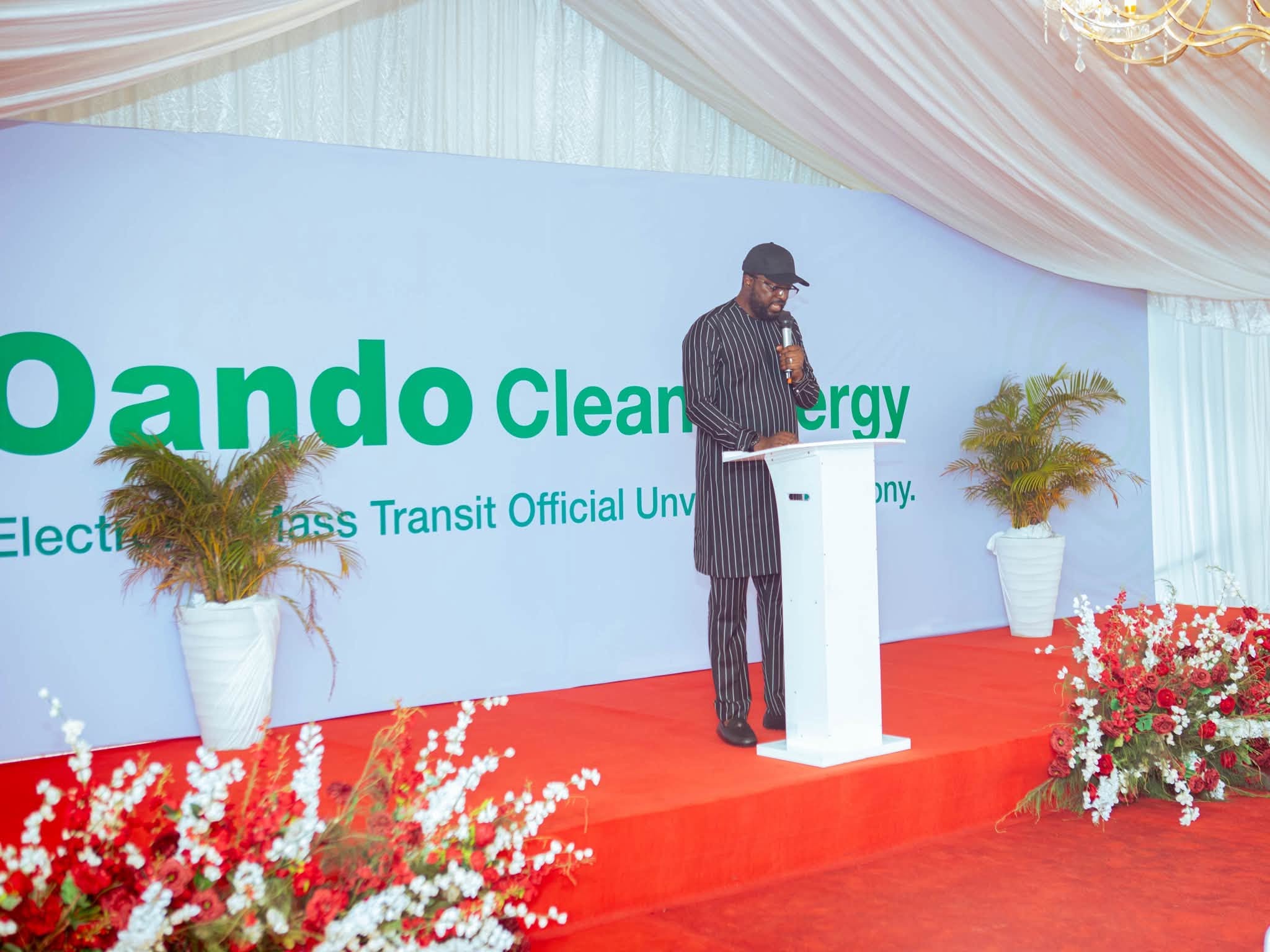
PHOTOS: LAGOS ADVANCES GREEN MOBILITY AS LAMATA, OANDO UNVEIL 11 NEW ELECTRIC BUSES

Published

on

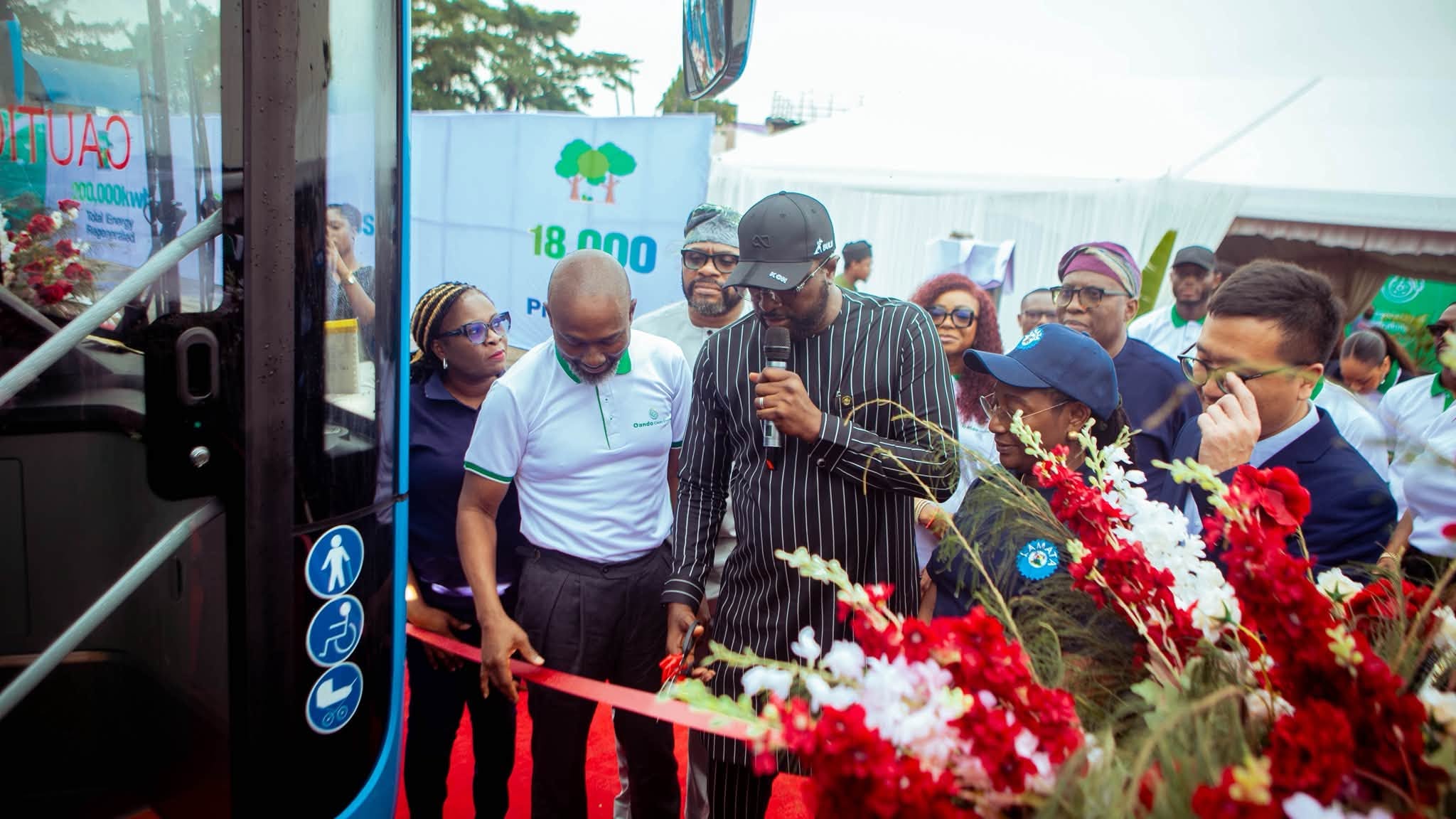
The Lagos State Government has taken another significant step towards transitioning to cleaner and more sustainable public transportation with the addition of 11 new electric buses (EVs) by Oando Clean Energy Limited (OCEL) under the regulation of the Lagos Metropolitan Area Transport Authority (LAMATA).

The presentation of the buses, the first batch of a set of 50-bus commitment under the current phase by Oando, represents a major expansion of the electric bus initiative, which began with two pioneer buses deployed for proof-of-concept operations in 2023.

The initiative is expected to pave the way for the eventual deployment of 552 electric buses across Lagos public transport corridors, reinforcing the state’s ambition to develop an environmentally sustainable and energy-efficient mass transit system.

Speaking at the event, the Commissioner for Transportation, Mr. Oluwaseun Osiyemi, said the transition to cleaner energy was essential to meeting the transportation needs of Lagos as its population and economic activities continue to expand.

He noted that the state government recognises that the future of transportation must be anchored on sustainability, energy efficiency, innovation and environmental responsibility.

According to him, Lagos is pursuing a progressive reduction in carbon emissions in line with the State Government’s net-zero ambitions by 2050.

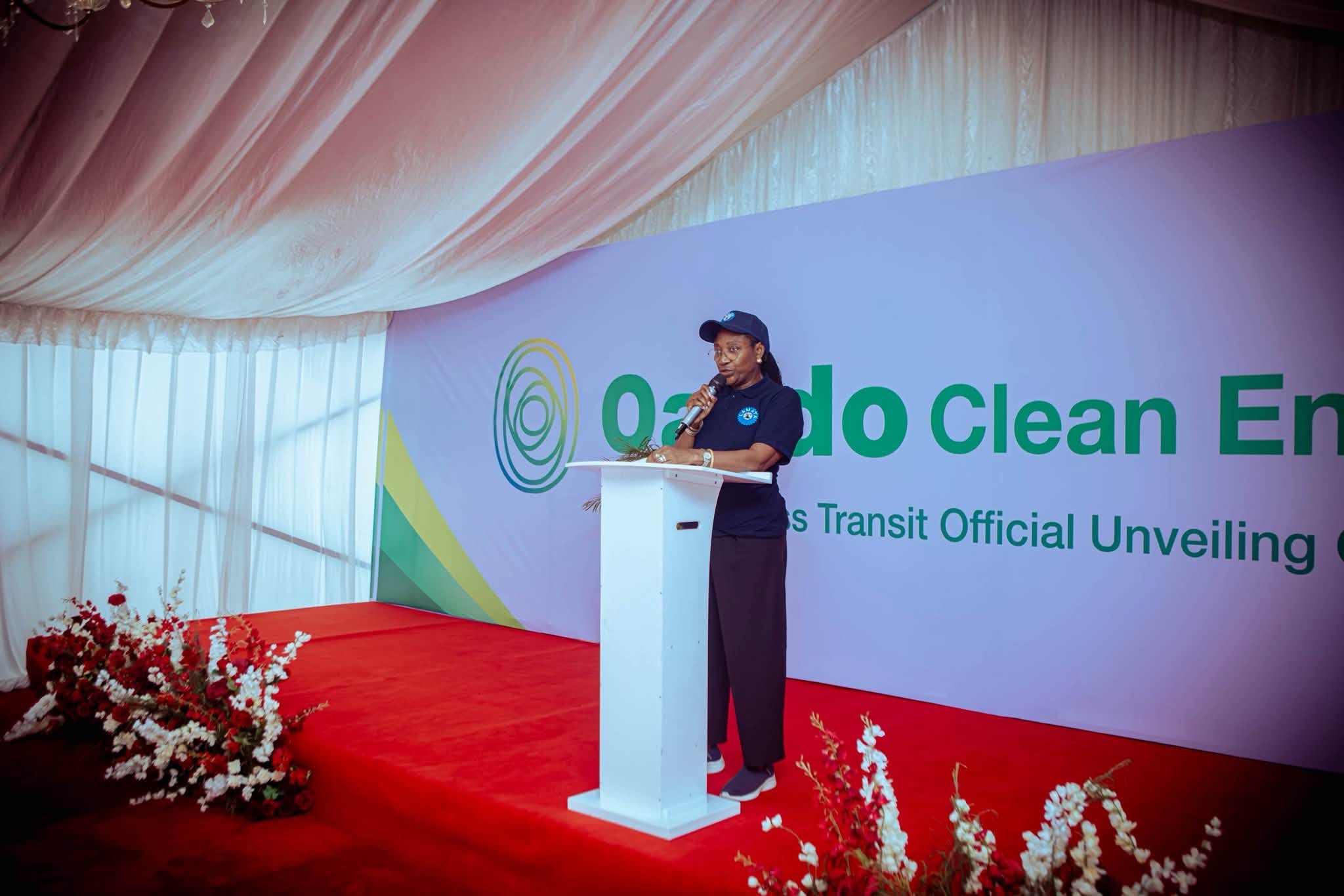
The Managing Director of LAMATA, Engr. Mrs. Abimbola Akinajo, described the presentation as evidence of the progress achieved through sustained collaboration between the state government and its private-sector partners.

She said electric buses offer significant environmental advantages, including reduced greenhouse gas emissions, improved air quality and lower noise pollution, while supporting the development of a more sustainable urban transport system.

See also  271 Nigerians evacuated from South Africa arrive Lagos

Akinajo noted that the partnership with Oando was translating a shared vision for cleaner transportation into practical results, adding that the deployment would strengthen Lagos’ efforts to modernise public transport operations.

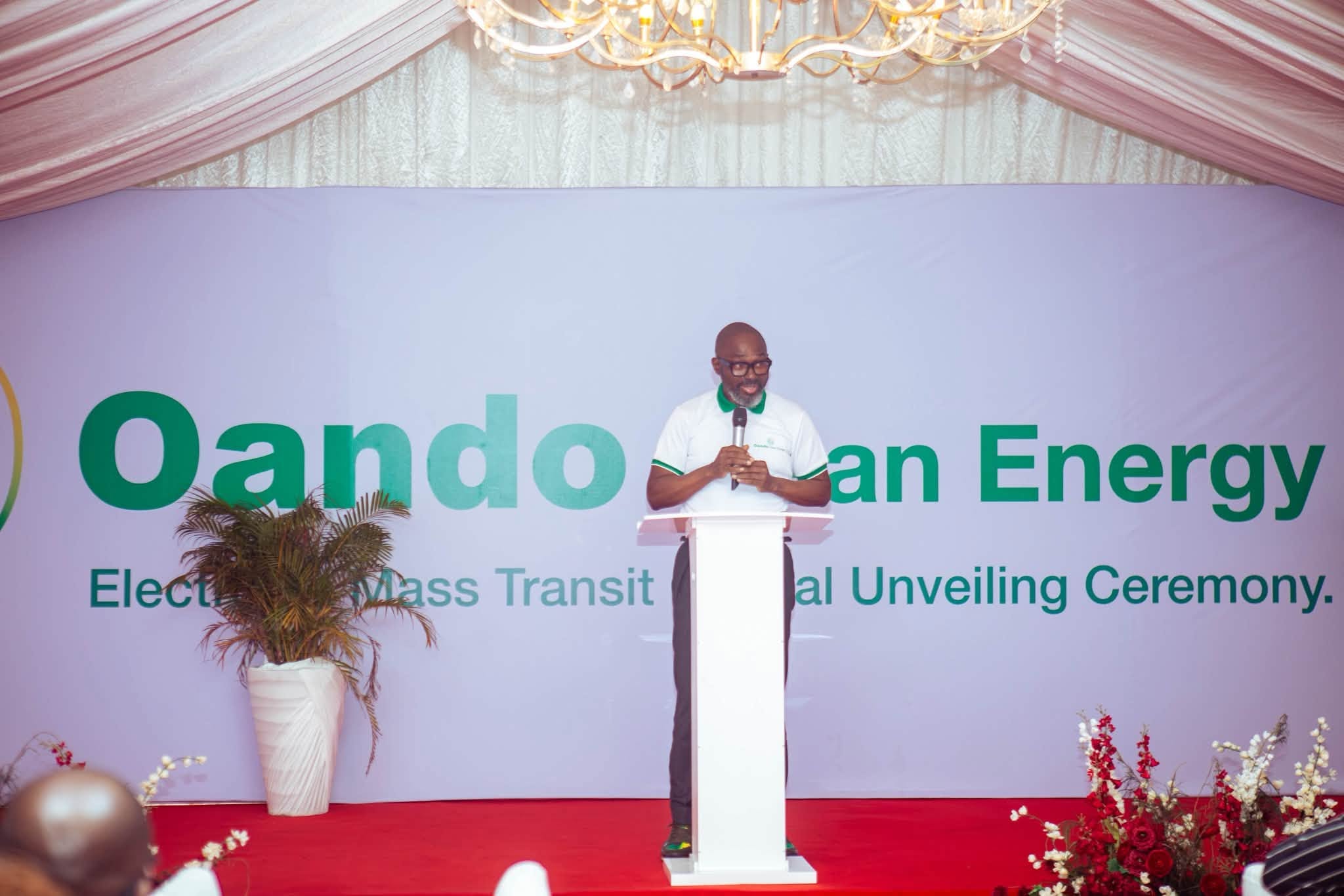
In his remarks, the President and Chief Executive Officer of Oando Clean Energy Limited, Mr. Ademola Ogunbanjo, described the initiative as a defining moment in the evolution of electric mobility in Nigeria and Africa.

He said the project went beyond the introduction of electric buses, representing the foundation of a cleaner, more efficient and sustainable transportation ecosystem that could be replicated across the country and the continent.

Ogunbanjo recalled that the partnership between LAMATA and Oando began with the signing of a Memorandum of Understanding in April 2022, followed by the deployment of two pioneer electric buses in 2023.

He explained that the intervening years had been devoted to testing the technology, evaluating its operational resilience, assessing environmental impact and gauging public acceptance.

According to him, the experience and data gathered over the period provided the necessary foundation for moving from proof-of-concept operations to a larger-scale deployment.

Beyond the supply of electric buses, Ogunbanjo said Oando’s ambition was to establish a comprehensive domestic electric mobility ecosystem comprising charging infrastructure, maintenance facilities, technical manpower development, spare-parts supply chains and, ultimately, local vehicle assembly.

He added that the initiative was being supported by financial and technical partners, including the Bank of Industry, Wema Bank and Yutong, with prospective funding partnerships involving the Africa Finance Corporation (AFC) and the International Finance Corporation (IFC).

The partnership reflects the growing importance of public-private collaboration in mobilising the investment, technology and expertise required to transform urban transportation.

See also  States demand forensic audit of $8.8bn crude-for-loan deals

The deployment of the additional buses is expected to provide further operational experience for the expansion of electric mobility across Lagos, while supporting the state’s broader climate action and sustainable development objectives.

Ogunbanjo expressed confidence in the scalability of the initiative, declaring that the success of electric mobility in Lagos could provide a model for other Nigerian cities.

“If it can work in Lagos, it can work anywhere in Nigeria. The future of mobility is electric, and that future is already taking shape here in Lagos,” he said.

The latest presentation reinforces Lagos State’s determination to position itself at the forefront of Africa’s transition to cleaner urban transportation, with electric mobility emerging as a critical component of its long-term public transport development strategy.

default

FOLLOW US ON:

FACEBOOK

WHATSAPP CHANNEL

TWITTER

PINTEREST

TIKTOK

YOUTUBE

LINKEDIN

INSTAGRAM

Continue Reading

News

Ebola updates: 28 contacts still under surveillance, 34 cleared, says NCDC

Published

on

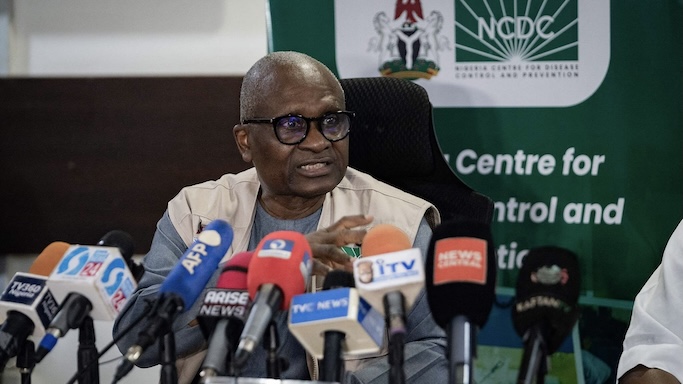
The Nigeria Centre for Disease Control and Prevention has said 28 people linked to the country’s imported Ebola case are still being monitored, while 34 others have completed the mandatory 21-day follow-up.

The Director-General of the NCDC, Dr. Jide Idris, disclosed this in the agency’s national health security update released on Tuesday.

He said Nigeria had continued to strengthen its response to the outbreak through coordinated efforts involving the Federal Ministry of Health and Social Welfare, the Federal Capital Territory Administration, state authorities and development partners.

According to Idris, the response measures include contact tracing, investigation of reported alerts, laboratory testing, infection prevention and control, safe clinical care and surveillance at points of entry.

“As of 9 November 2026, Nigeria had confirmed only one imported case of Bundibugyo virus disease, with no additional confirmed cases,” he said.

“We continue to investigate reported alerts and maintain heightened surveillance across the country to ensure that suspected cases are promptly identified and investigated.

“A total of 62 contacts have been identified. Of these, 34 have completed their individual 21-day follow-up, while the remaining 28 are still under monitoring.”

The NCDC chief clarified that being identified as a contact did not automatically mean that an individual had contracted the virus.

He explained that the 21-day monitoring period was designed to enable health officials to detect possible symptoms early and initiate appropriate medical interventions.

Idris also cautioned against confusing the monitoring period for individual contacts with the total number of days since the index case was confirmed.

See also  Tinubu clears 959 for national honours

Earlier in November, the NCDC projected that surveillance of all 62 contacts traced to the imported Ebola case would be concluded by November 13.

The agency had said, “Contacts are expected to complete follow-up by November. Expected completion dates range from 31 Oct to 13 Nov 2026.”

The Federal Government announced the confirmation of an Ebola case in the FCT in October.

The Coordinating Minister of Health and Social Welfare, Ali Pate, said 44 close contacts had initially been identified for tracing as part of efforts to prevent further transmission.


Pate disclosed that the index patient, a woman who recently arrived in Nigeria aboard an international flight from Uganda, was admitted to a private hospital in the FCT, where she received treatment for several days before the disease was confirmed.

The patient was subsequently evacuated to Switzerland for further medical care.

On October 31, the NCDC also announced the identification of two suspected Ebola cases in the North-East, prompting further surveillance and investigation.

Source: punchng.com

FOLLOW US ON:

FACEBOOK

WHATSAPP CHANNEL

TWITTER

PINTEREST

TIKTOK

YOUTUBE

LINKEDIN

INSTAGRAM

Continue Reading

Trending