Connect with us

Business

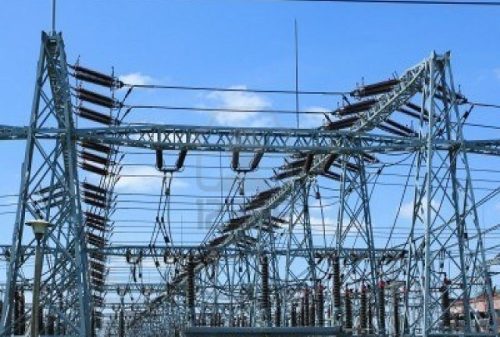
Companies sink N401bn into alternative power in three months due to blackouts

Published

on

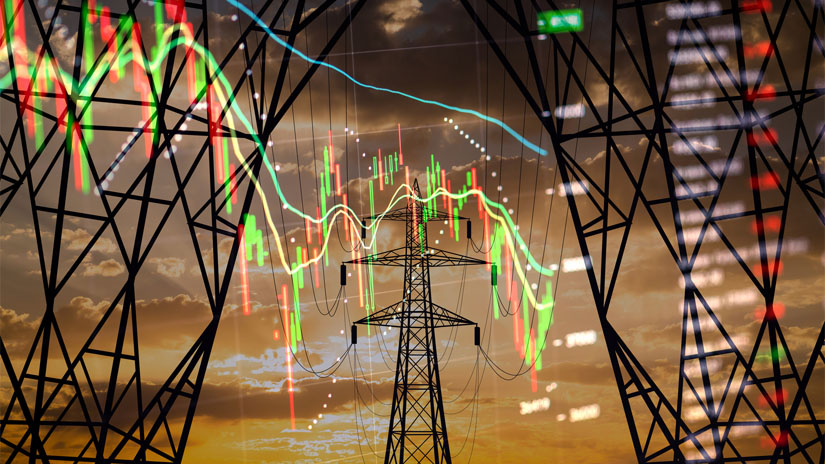
Companies listed on the Nigerian Exchange spent N400.83bn on alternative energy sources in the first quarter of 2026, reflecting the growing financial burden of the country’s unreliable electricity supply as businesses increasingly relied on diesel, gas and other self-generated power to sustain operations.

An analysis by The PUNCH  of the unaudited Q1 2026 financial statements of companies listed on the NGX Main Board showed that expenditure on alternative energy rose by 3.66 per cent from N386.67bn recorded in the corresponding period of 2025 to N400.83bn.

The analysis also showed that companies that separately disclosed electricity and power expenses recorded a steeper increase of 81.50 per cent, with total electricity costs rising from N3.85bn in Q1 2025 to N6.99bn in Q1 2026, reflecting the impact of higher electricity tariffs and continued dependence on alternative power sources.

The figures highlight the continued pressure energy costs are placing on businesses despite ongoing reforms in Nigeria’s electricity sector, with manufacturers and other large industrial users continuing to rely heavily on self-generated power to maintain production.

The review covered 24 companies that disclosed spending on alternative energy, including diesel, fuel, gas, and other power-related expenses, while 10 companies separately reported electricity and power costs.

Industrial goods companies accounted for the largest share of alternative energy spending, driven mainly by energy-intensive cement and manufacturing operations. Oil and gas firms, alongside financial institutions with extensive branch networks, also ranked among the biggest spenders.

Dangote Cement emerged as the largest spender on alternative energy after increasing its energy-related expenditure from N177.19bn in Q1 2025 to N184.87bn in Q1 2026, representing almost half of the total amount spent by all reporting companies.

BUA Cement followed with N67.34bn, although the company reduced its energy consumption costs from N74.75bn recorded a year earlier. Eterna posted N60.77bn, while United Bank for Africa spent N40.63bn under fuel, repairs and maintenance expenses, compared with N31.07bn in the corresponding period of 2025.

Zenith Bank recorded N22.71bn in alternative energy-related expenses despite reducing costs from N27.04bn in the previous year, while First HoldCo reported N9.92bn under communication, light and power expenses, up from N7.55bn.

Beta Glass spent N8.01bn on fuel, gas and electricity, while Transnational Corporation recorded N1.11bn after reducing its electricity and diesel costs from N1.36bn in Q1 2025.

Other notable spenders included Wema Bank, with N787.36m in diesel expenses; Aradel Holdings, with N3.99bn in diesel-related costs; and BUA Foods, with N214.71m on diesel and fuel purchases.

Although overall alternative energy expenditure increased moderately, individual companies recorded widely different outcomes. Union Dicon Salt posted the sharpest increase after fuel and diesel costs surged by almost 698 per cent from N0.40m to N3.18m, largely reflecting renewed operational activities alongside higher fuel prices.

See also  Why Sowore is being detained – CP

Aradel Holdings also recorded one of the strongest increases as diesel-related expenses rose from N320.80m to N3.99bn. Zichis Agro Allied Industries nearly doubled its diesel costs, with expenditure rising by 89.6 per cent from N0.93m to N1.76m.

By contrast, several firms succeeded in lowering energy expenses despite the difficult operating environment. BUA Cement reduced energy consumption costs by 9.9 per cent to N67.34bn even as revenue increased, suggesting improved operational efficiency and a better energy mix.

Transnational Corporation lowered electricity and diesel costs by 18.4 per cent from N1.36bn to N1.11bn, while Nigerian Flour Mills cut fuel, gas and oil expenses by more than half, from N55.62m to N27.11m. Beta Glass also reduced fuel, gas and electricity expenditure by 5.2 per cent, while Dangote Sugar Refinery marginally lowered petrol and oil costs by 1.5 per cent.

The pressure from grid electricity costs was even more pronounced among firms that separately disclosed electricity expenses. UAC of Nigeria recorded the biggest increase after electricity and power costs surged by 181.7 per cent from N1.67bn to N4.72bn. The increase appears to stem from the consolidation of newly acquired subsidiaries alongside higher energy costs.

BUA Foods recorded an 81.3 per cent increase in electricity expenses, which rose from N6.68m to N12.10m, while Fidelity Bank’s electricity bill increased by 12 per cent to N457m. Champion Breweries, Wema Bank, Vitafoam Nigeria, and Livestock Feeds also reported higher electricity costs during the period, reflecting the growing impact of tariff adjustments on corporate operating expenses.

Economist reacts

In a telephone interview with The PUNCH, the Professor of Economics and Public Policy at the University of Uyo, Akpan Ekpo, said the figures reinforced concerns over Nigeria’s high cost of doing business, warning that the country’s weak electricity supply continued to undermine industrial competitiveness.

“The cost of doing business in Nigeria is very high, and it is largely due to the cost of power. It’s not good because companies pass some of the cost to consumers. The sooner we fix Nigeria’s power system, the better. No country runs on generators. Companies are spending more on power because the grid is not working well, and that increases the cost of doing business,” Ekpo said.

He warned that the trend could discourage fresh investment in Nigeria’s productive sectors. “Companies moving out of the national grid is not a good signal to investors. Existing investors are trying to survive by putting more money into power, while new ones may choose other countries where they will not have to spend so much on electricity. Foreign direct investment remains low, and this will stunt growth and development,” he added.

See also  Tinubu has no plan to change Nigeria’s name, abolish Sharia law — Presidency 

The company-level figures suggest that while some firms have improved energy efficiency or diversified their energy mix, the broader corporate sector continues to devote significant resources to maintaining independent power supplies, particularly in manufacturing, banking, and oil and gas operations.

Sectoral analysis

The pattern of expenditure also showed that energy costs remained concentrated in a handful of sectors, with industrial goods companies accounting for the largest share of spending on alternative energy.

An analysis by The PUNCH showed that companies in the industrial goods sector spent about N260.34bn on alternative energy in the first quarter of 2026, representing nearly two-thirds of the N400.83bn total. The sector’s expenditure was driven largely by Dangote Cement’s N184.87bn energy bill, BUA Cement’s N67.34bn, and Beta Glass’ N8.01bn, highlighting the heavy energy requirements of cement and glass manufacturing.

The oil and gas sector ranked second with about N64.76bn, almost entirely driven by Eterna’s N60.77bn expenditure and Aradel Holdings’ N3.99bn. Financial services companies followed with approximately N74.16bn in alternative energy costs. United Bank for Africa accounted for the largest share at N40.63bn, followed by Zenith Bank’s N22.71bn, First HoldCo’s N9.92bn, and Wema Bank’s N787.36m.

At the other end of the scale, agriculture, healthcare, and construction recorded the lowest spending. However, companies in these sectors still reported increases in diesel and electricity costs, illustrating that rising energy expenses cut across virtually every segment of the economy.

Among companies that reduced alternative energy spending, Nigerian Flour Mills recorded one of the sharpest declines after fuel, gas, and oil expenses fell by 51.3 per cent to N27.11m. Cutix also reported a 55.7 per cent reduction in power charges for its latest financial year, while Transnational Corporation, BUA Cement and Beta Glass posted notable declines, suggesting that operational efficiencies, improved energy management and better electricity supply in some locations helped moderate costs.

Rising electricity costs

Despite those improvements, the broader trend pointed to rising electricity costs. Companies that disclosed electricity and power expenses collectively increased spending by 81.5 per cent to N6.99bn, driven by higher tariffs and the rising cost of maintaining business operations.

UAC of Nigeria recorded the largest increase after electricity and power costs climbed by more than N3bn to N4.72bn. Wema Bank’s electricity expenses rose slightly from N561.59m to N566.87m, although diesel expenses increased faster, climbing 9.1 per cent to N787.36m.

Livestock Feeds recorded a 2.7 per cent increase in electricity costs, with production accounting for almost all of its power expenditure, while Champion Breweries, Vitafoam Nigeria and Fidelity Bank also posted increases.

See also  Tinubu returns to Abuja after counterterrorism talks in Rome

These figures reinforce calls from multiple stakeholders to accelerate investment in renewable energy and decentralised electricity infrastructure to reduce businesses’ dependence on diesel-powered generators.

Renewable energy

Last week, in an address to a private sector gathering in Lagos, the Managing Director and Chief Executive Officer of the Rural Electrification Agency, Abba Aliyu, said renewable energy should no longer be viewed only as a rural electrification solution but as critical industrial infrastructure capable of improving productivity across the economy.

“When manufacturers depend on diesel, the cost is not only financial. It reduces margins, weakens competitiveness, increases emissions, and limits expansion. When agro-processors lack reliable power, crops are wasted, incomes fall, and value chains remain shallow. When digital infrastructure is power-constrained, our economy loses out on the next generation of data-driven services,” Aliyu said.

He added that renewable energy projects should increasingly be designed around productive economic activities such as agriculture, manufacturing, healthcare, education, and digital services to improve project sustainability and attract private investment.

The President of the Lagos Chamber of Commerce and Industry, Leye Kupoluyi, also called for greater investment in renewable energy, saying Nigeria possesses abundant natural gas and solar resources but continues to struggle with inadequate electricity supply.

“Energy is the foundation upon which modern economies are built. Sadly, Nigeria continues to face significant challenges in energy access and reliability that constrain productivity, increase operating costs, and limit business growth across sectors. For many enterprises, energy costs have become a major component of operating expenses. Renewable energy offers a pathway to energy security, economic diversification, and industrial development,” Kupoluyi said.

Similarly, the Chief Executive Officer of the Centre for the Promotion of Private Enterprise, Dr Muda Yusuf, said in a 2025 policy brief that Nigeria’s electricity sector required comprehensive structural reforms to improve efficiency and attract investment.

According to him, while government intervention remains necessary in the short term to sustain electricity supply, long-term improvements will depend on strengthening governance, addressing liquidity challenges, improving transmission infrastructure, supporting decentralised renewable energy projects and implementing a credible roadmap towards cost-reflective tariffs with adequate social protection.

The findings suggest that until grid electricity becomes more reliable and cost-efficient, many Nigerian companies will continue to rely heavily on diesel, gas and other alternative energy sources, keeping energy among the biggest operating expenses for corporate Nigeria.

punch.ng

FOLLOW US ON:

FACEBOOK

TWITTER

PINTEREST

TIKTOK

YOUTUBE

LINKEDIN

Continue Reading
Click to comment

Leave a Reply

Your email address will not be published. Required fields are marked *

Business

‘It’s not only akara,’ Remi Tinubu defends comments, says FG also supports tomato, pepper sellers

Published

on

The First Lady, Senator Oluremi Tinubu, has defended her earlier comments on small-scale businesses, saying the Federal Government’s empowerment programmes extend beyond akara sellers to include traders in tomatoes, pepper, vegetables and roasted plantain.

Tinubu spoke on Monday during the inauguration of the newly constructed Abubakar Maje Haruna Hall at the Emir of Hadejia’s Palace in Jigawa State, according to a video aired by TVC News.

Her remarks come days after comments she made about akara, roasted corn and kuli-kuli businesses sparked widespread backlash on social media, with many Nigerians accusing her of trivialising the country’s economic hardship.

Addressing the criticism directly, the First Lady said the Federal Government had donated N100m to the Jigawa State Government to empower 2,000 petty traders in the state.

“Because of the atmosphere, what is going on, I’ve told Her Excellency that we’ve already given, donated about 100 million to her to use to empower 2,000 petty traders.

“And I know they’ve been talking that I said akara. It’s not only akara, we also have tomato sellers. We have boole, and those also selling pepper, selling vegetables for us in the market.

“We will continue to empower them and add to their resources so that their trade can really be sustainable. So that is what we are doing,” she said.

Tinubu said the beneficiaries would each receive N50,000 to recapitalise their businesses.

“We continue to carry the capacity. We have the amount of 2,000 women who are already in small businesses. They will recapitalise their businesses with the N50,000 each. We’ve already given the N100 million,” she added.

See also  Opposition rift widens over sole presidential ticket

She maintained that the criticism trailing her earlier remarks would not deter the government from its empowerment programmes.

“I know all those people who are affected, they do appreciate it. And we are not intimidated by all those wrong reports. But we are forging ahead and making sure that our people, you know, are well cared for,” Mrs Tinubu said.

The First Lady also spoke about Nigeria’s untapped resources, citing an orange orchard she visited in Benue State, and expressed hope that young Nigerians would explore opportunities beyond oil.

“Nigeria is a really blessed country. I’ve been travelling, and I pray that our young people will see the resources we have in this nation. We have not even gone to explore yet because we are thinking it’s oil. But there are so many things,” she said.

punch.ng

FOLLOW US ON:
FACEBOOK

TWITTER

PINTEREST

TIKTOK

YOUTUBE

LINKEDIN

Continue Reading

Business

Local refineries import 2m barrels Libyan crude oil amid domestic shortage

Published

on

Nigeria imported an average of two million barrels of crude oil from Libya, the first of such imports from the North African country ever. Dangote Petroleum Refinery is the major importer of crude into Nigeria.

The import comes amid the high export of crude locally produced in Nigeria to other countries, leaving local refineries with no option but to seek feedstock elsewhere.

Libya Review, a local media outlet in the country, reports that Libya’s crude oil exports reached a new milestone after Nigeria imported Libyan oil for the first time on record, highlighting the growing role of Libyan supplies in regional energy markets amid ongoing disruptions to global trade flows.

According to data published by the Energy Research Unit, Nigeria imported around 64,500 barrels per day of Libyan crude in May 2026, equivalent to approximately two million barrels for the month.  “The shipment marks the first recorded Nigerian import of Libyan crude in available historical data dating back to 2013,” the report said.

Recall that there were reports in 2024 that the Dangote Petroleum Refinery was in talks with Libya for the purchase of crude oil. However, the Libyan oil corporation denied negotiating or entering into talks regarding the crude oil supply to any Nigerian refinery.

The statement, written in Arabic in 2024, translates, “The National Oil Corporation denies that it has negotiated or entered into any talks regarding the supply of crude oil to an oil refinery in Nigeria.”

The National Oil Corporation also confirmed then that it was committed to its contracts with its international partners and committed to the legal mechanism for selling Libyan oil raw materials and that it did not work with an immediate sales mechanism.

See also  Yuletide: Dangote assures Nigerians of stable fuel supply

“In addition, the process of determining raw material prices is carried out through a committee of experts and is approved by the corporation and the Ministry of Oil and Gas,” Libya said in July 2024.

But it appears the agreement has finally been concluded with the supply of 2 million barrels to the Dangote refinery in just one month. By ramping up capacity to 700,000 barrels per day and eyeing 1.4 million barrels per day in 2028, the Dangote refinery is increasingly in need of feedstock from multiple sources.

In 2026, the refinery has already imported cargoes of Angola’s Cabinda and Saxi Batuque crudes, Ghana’s Jubilee crude and, for the first time, Libyan and Guyanese supplies, all of the light sweet or medium sweet variety, according to S&P Global Energy data.

In Nigeria, local refiners have consistently complained of insufficient crude supply due to higher exports. Nigeria exported an estimated 148.9 million barrels of crude oil valued at about N20.22tn in the first five months of 2026, showcasing the scale of the country’s oil export despite persistent concerns over the domestic crude supply obligation.

The crude barrels were exported by both international and indigenous oil companies, including the Nigerian National Petroleum Company Limited.

The figures obtained from the Central Bank of Nigeria indicate that the total volume of crude oil produced by the country during the five-month review period in 2026 was 216.85 million barrels, out of which about 149 million barrels were exported.

Overall, Nigeria exported about 68.7 per cent of the crude oil it produced during the five months, leaving roughly 67.95 million barrels available for domestic refining, storage, operational use, and inventory adjustments.

See also  Oshiomhole seeks ban on MTN, DSTV, read why

The import of crude from Libya is coming as international oil markets continue to adjust to supply disruptions linked to the US-Iran conflict and the resulting challenges affecting energy shipments through the Gulf region. These conditions, it was learnt, have allowed Libyan crude to expand its presence in both African and European markets.

Libya is also strengthening energy ties with neighbouring countries while also competing with Nigeria for major oil investors.

It was gathered that Egypt imported approximately 33,000 barrels per day of Libyan crude in April 2026, following imports of 57,000 barrels per day in February. The purchases marked Egypt’s first imports of Libyan crude since 2019 and form part of efforts to secure alternative supplies following agreements to import more than one million barrels per month from Libya.

Tunisia also increased purchases of Libyan crude during 2026, importing around 19,000 barrels per day in March and 10,000 barrels per day in May, despite only occasionally buying Libyan oil in previous years.

Italy remained Libya’s largest customer, importing 348,000 barrels per day in May, accounting for roughly one-third of total Libyan crude exports. Greece, Spain and Turkey followed among the leading buyers of Libyan oil.

The Dangote refinery recently purchased two cargoes of crude oil from the United Arab Emirates, marking its first-ever procurement of Middle Eastern crude as it expands its feedstock sources amid persistent domestic supply constraints.

According to a report by S&P Global Commodity Insights, the two cargoes will be the first sourced by the refinery from any Middle Eastern supplier, signalling a shift from its traditional reliance on Nigerian, African, and United States crude grades.

punch.ng

FOLLOW US ON:

FACEBOOK

TWITTER

PINTEREST

TIKTOK

YOUTUBE

LINKEDIN

Continue Reading

Business

Cooking gas prices ease as supply improves

Published

on

Households across parts of the country are beginning to experience relief as retail prices of Liquefied Petroleum Gas, popularly known as cooking gas, decline following improved product supply and softer depot prices, The PUNCH reports.

The latest market update from gas marketers showed that retail LPG prices have started easing in major cities after weeks of elevated prices, although the reductions have not been uniform because of varying transportation costs, distance from supply depots and retailer margins.

Checks by marketers indicated that cooking gas is now selling for between N1,100 and N1,350 per kilogramme in Lagos, Ibadan and Abeokuta, while consumers in Benin City, Port Harcourt and Warri are paying between N1,150 and N1,400/kg.

In Onitsha and Enugu, retail prices range from N1,200 to N1,450/kg, while consumers in Abuja pay between N1,250 and N1,500/kg.

The National President of the Nigerian Association of Liquefied Petroleum Gas Marketers, Edu Inyang, told our correspondent that northern cities, including Kano and Kaduna, currently record prices of N1,300 to N1,550/kg, while consumers in Maiduguri and parts of the North-East still pay the highest prices, ranging from N1,350 to N1,650/kg, reflecting the additional logistics costs of transporting products to the region.

Overall, Inyang said the national retail price range now stands at approximately N1,100 to N1,650 per kilogramme, although some neighbourhood retailers continue to charge above the range where transportation and distribution costs remain elevated.

The improvement marks a reversal from the sharp increases witnessed from May, when supply tightness and rising depot prices pushed cooking gas costs significantly higher across several parts of the country.

See also  INEC begins nationwide voter registration August 18

According to the NALPGAM president, the latest decline follows improved product availability from both domestic production and imports, as well as lower depot prices. He also attributed the easing to increased competition among marketers and the disappearance of panic buying that had briefly tightened supplies.

“Following reports of improved LPG supply and softer depot prices in late June 2026, retail cooking gas prices have started easing in some markets, although the reduction has not been uniform across Nigeria. Transport costs, distance from depots, and retailer margins still create noticeable differences between cities.

“Overall, the national retail range is roughly N1,100 to N1,650 per kilogramme, with some neighbourhood retailers charging slightly above this range where logistics costs remain high. The recent easing reflects lower depot prices as supply improved, increased product availability from domestic sources and imports, reduced panic buying and hoarding after government market interventions, and more competition among marketers in major cities,” Inyang said.

The development is expected to provide some relief to households grappling with rising living costs, although industry players noted that prices may continue to differ from one location to another depending on local distribution expenses.

Based on the prevailing retail prices, a 5kg cylinder refill now costs between N5,500 and N8,250, while a 6kg refill ranges from N6,600 to N9,900. Inyang said consumers refilling a standard 12.5kg cylinder are expected to pay between N13,750 and N20,625, depending on location and retailer.

Despite the improvement, marketers cautioned that retail prices are yet to stabilise nationwide, noting that communities located farther from major LPG depots may continue to experience relatively higher prices because of transportation costs.

See also  Opposition rift widens over sole presidential ticket

Industry operators expressed optimism that sustained product availability from local producers, alongside steady imports, would further moderate prices in the coming weeks, provided there were no major disruptions to supply or logistics.

Also, the National Chairman of the Liquefied Petroleum Gas Retailers Branch of the Nigeria Union of Petroleum and Natural Gas Workers, Ayobami Olarinoye, told our correspondent that normalcy was gradually returning to the sector.

However, Olarinoye, whose members sell gas in neighbourhood shops, said they currently sell to consumers at prices ranging from N1,600 to N1,800/kg. “The inflow and supply are gradually getting back to normal. There is more availability.

“The price is also coming down gradually. As of today (Monday), we buy from between N1,300 and N1,500 per kg from the marketers (plant operators), depending on the locations, while we sell between N1,600 and N1,800 per kg to consumers. This also depends on the location and associated logistics.”

The PUNCH earlier reported that as cooking gas prices rose by about 140 per cent in many locations across the country, marketers finalised plans to import the product on a large scale to improve affordability and availability.

Cooking gas prices rose from an average of N1,000 per kilogramme in January and February this year to as high as N2,400 between May and June. Consequently, the regulator began issuing licences for the importation of LPG. This followed the inability of local LPG producers to meet domestic demand, according to industry operators.

Meanwhile, the Minister of Petroleum Resources (Gas), Ekperikpe Ekpo, intervened, warning operators against hoarding and profiteering.

See also  PHOTOS: FAAN Launches Nigeria’s First Fully Electric Airport Shuttle

punch.ng

FOLLOW US ON:

FACEBOOK

TWITTER

PINTEREST

TIKTOK

YOUTUBE

LINKEDIN

Continue Reading

Trending