Connect with us

Lifestyle

PHOTOS: Mid-Century African Wooden Antelope Sculpture and Its Global Appeal

Published

on

The wooden antelope sculpture pictured here represents a style of hand-carved African animal figures that gained international popularity as decorative art in Western homes from the 1950s through the 1970s. Its smooth form and warm natural finish made it a sought-after piece for mid-century interiors.

Origins and Craftsmanship

These sculptures were created not for ritual or ancestral purposes but for the growing tourist and export market. Skilled woodcarvers in regions such as Kenya, Tanzania, Nigeria and Ghana shaped elegant antelope figures to attract foreign buyers who wanted an “exotic” touch for their homes. This example, a hand-carved teak Eland antelope, shows the deep caramel color and streamlined form that appealed to mid-century modern tastes for natural materials and simple design.

Distinction from Traditional Tribal Art

It is important to distinguish these decorative carvings from traditional African art with sacred or ceremonial roles. For example, the Bamana Ci Wara headdresses of Mali carry spiritual significance in agricultural ceremonies. In contrast, the mid-century antelope carvings were commercial products reflecting the new global curiosity about African aesthetics during the post-colonial era.

Cultural Impact and Legacy

These tourist-market sculptures helped introduce African artistic styles to global audiences. Although they were not tied to ancestral rituals, they demonstrate cross-cultural exchange and the evolution of worldwide appreciation for African design. Today, collectors value such pieces both as vintage decorative objects and as evidence of the history of African art’s international reach.

Sources

Phillips, Ruth B. African Art and the Tourist Trade. Smithsonian Institution Press, 1995.
Mount, Marshall Ward. African Art: The Years Since 1920. Indiana University Press, 1973.

See also  TikToker Jarvis confirms breakup with Peller, urges public support

FOLLOW US ON:

FACEBOOK

TWITTER

PINTEREST

TIKTOK

YOUTUBE

LINKEDIN

TUMBLR

INSTAGRAM

Continue Reading
Click to comment

Leave a Reply

Your email address will not be published. Required fields are marked *

Lifestyle

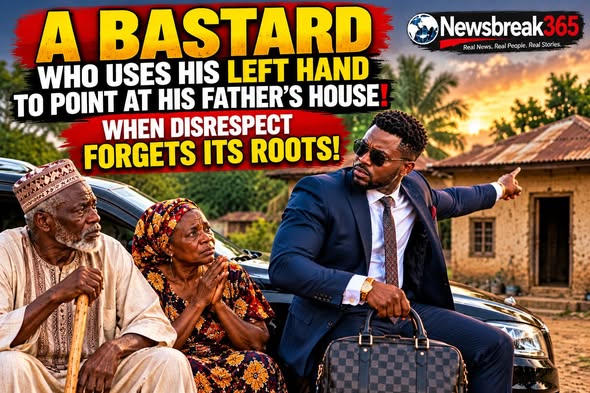
ỌMỌ ÀLÈ TÓ Ń FI ỌWỌ́ ÒSÌ JÚWE ILÉ BÀBÁ RẸ̀” — WHEN DISRESPECT BECOMES A SYMBOL OF FORGETTING YOUR ROOTS!
Published

on

In Yoruba society, **the way you speak, gesture, and conduct yourself can sometimes communicate more than the words that come out of your mouth.** But do we still understand the deeper values behind these cultural expressions, or have we reduced them to insults we throw at one another?

The Yoruba expression *“Ọmọ àlè tó ń fi ọwọ́ òsì júwe ilé bàbá rẹ̀”* evokes a picture of someone behaving disrespectfully toward their own roots. The phrase is deliberately provocative, using *ọmọ àlè*—a deeply insulting expression—to intensify its criticism. It should not be mistaken for a neutral description of someone’s birth or family background.

In many Yoruba families and social settings, using the left hand for certain gestures, especially when greeting, giving, receiving, or pointing in a formal context, may be considered impolite or disrespectful. However, **customs vary between families, communities, and situations.** Using the left hand is not automatically an insult in every circumstance, and left-handed people should not be judged simply for their natural hand preference.

The deeper lesson lies in the symbolism of the expression: **what happens when someone loses respect for the very people, values, and community from which they came?**

Think about it.

Someone struggles for years, receives help from relatives and friends, and eventually becomes successful. Suddenly, they begin to look down on the same people who supported them. They boast about their achievements but deny the sacrifices that helped them along the way.

They confuse wealth with wisdom, status with superiority, and independence with permission to humiliate others.

See also  Ìwòyè-Kétu: The Yoruba Town That Spans Two Nations and Lives by Ancient Taboos

They forget that success should not erase gratitude.

But here is another side to the argument: **respecting your roots does not mean accepting every family demand, defending every tradition, or remaining silent when you are treated unfairly.** A person can challenge harmful customs, establish healthy boundaries, and disagree with elders while still behaving with dignity.

That is the difference between rejecting injustice and rejecting your roots out of arrogance.

Yoruba cultural values are not merely about which hand you use. They also include *ìwà pẹ̀lẹ́*—good character, consideration, and decent conduct. A person may observe every outward gesture of respect and still behave cruelly toward others. Another may unintentionally breach a custom yet possess genuine kindness and integrity.

**So, which matters more: the outward signs of respect or the character behind them?**

Perhaps the real disgrace is not simply pointing at your father’s house with your left hand. It is forgetting the lessons of humility, gratitude, and good character while using cultural expressions to condemn others.

**LET’S DEBATE!**

Is this Yoruba expression a powerful lesson about respecting one’s roots, or can it become an unfair insult when used to shame people? And in today’s society, should cultural respect be judged mainly by traditional gestures or by a person’s character?

Share your thoughts respectfully.

#YorubaCulture #YorubaWisdom #IwaPele #AfricanTraditions #RespectYourRoots #Newsbreak365

FOLLOW US ON:

FACEBOOK

WHATSAPP CHANNEL

TWITTER

PINTEREST

TIKTOK

YOUTUBE

LINKEDIN

INSTAGRAM

Continue Reading

Lifestyle

READ THIS BEFORE YOU DESTROY SOMEONE WITH THE SAME PAIN THAT ONCE DESTROYED YOU

Published

on

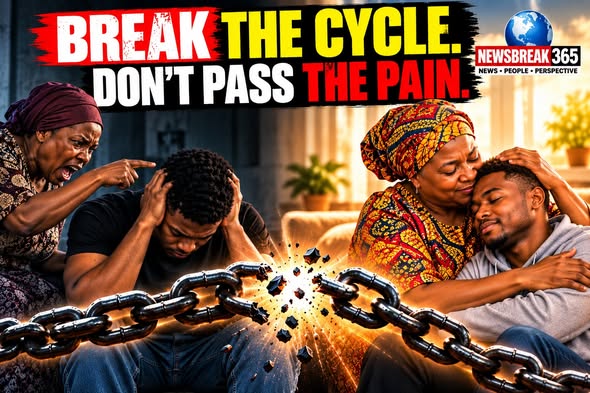
**BREAK THE CYCLE. DON’T PASS THE PAIN.**

You were hurt. So what gives you the right to hurt someone else?

You were abused. Does that give you permission to become an abuser?

You grew up in a home filled with fear, so why are you making your own children afraid of you?

You were humiliated, neglected, rejected, and broken by the very people who were supposed to protect you. Now, are you going to turn around and inflict those same wounds on innocent people who never caused your pain?

**STOP! THE CYCLE MUST END SOMEWHERE. WHY NOT WITH YOU?**

Too many people have mistaken trauma for tradition. They call emotional damage *discipline*, cruelty *tough love*, intimidation *respect*, and suffering *the way we were raised.*

But just because your parents did it doesn’t make it right. Just because you survived it doesn’t mean someone else should have to endure it.

**YOUR PAIN IS REAL. BUT IT MUST NOT BECOME SOMEBODY ELSE’S PRISON.**

Your childhood trauma may explain your behaviour, but it does not give you a lifetime licence to destroy other people’s peace.

Your wounds deserve healing, not an audience of new victims.

Your anger deserves understanding, not innocent people to punish.

And your story deserves a different ending.

You may not have chosen what happened to you, but you can choose whether the people who come after you will suffer the same fate.

Raise children who feel safe, not children who tremble when they hear your footsteps.

See also  Zita dethrones Koyin, emerges new Head of House in BBNaija S10

Build relationships where love is felt, not feared.

Learn to apologise. Learn to listen. Seek help. Do the uncomfortable work of healing, even when it means confronting the things your family has spent generations refusing to discuss.

Because **GENERATIONAL PAIN DOESN’T END JUST BECAUSE A GENERATION DIES. IT ENDS WHEN SOMEONE FINALLY DECIDES NOT TO REPEAT IT.**

Let that someone be YOU.

Let your children inherit your wisdom, not your wounds. Let your family remember you as the person who changed the story, not the person who continued the suffering.

**BREAK THE CYCLE. DON’T PASS THE PAIN.**

**BE THE REASON THE HURT ENDS. BE THE REASON HEALING BEGINS.**

📢 Share this message if you believe the next generation deserves better.

#BreakTheCycle #DontPassThePain #EndGenerationalTrauma #StopTheAbuse #HealingBeginsWithYou #ChooseToHeal

FOLLOW US ON:

FACEBOOK

WHATSAPP CHANNEL

TWITTER

PINTEREST

TIKTOK

YOUTUBE

LINKEDIN

INSTAGRAM

Continue Reading

Lifestyle

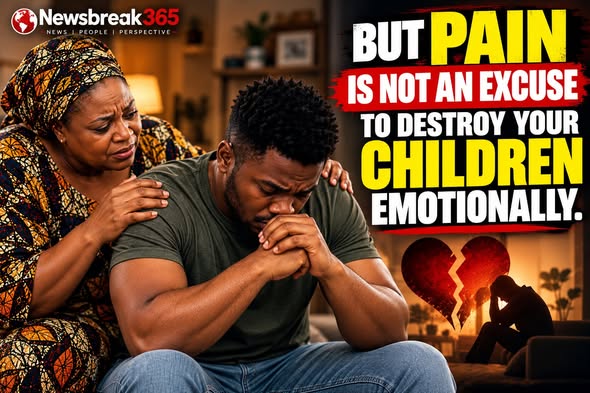
BUT PAIN IS NOT AN EXCUSE TO DESTROY YOUR CHILDREN EMOTIONALLY

Published

on

Some parents are silently bleeding from wounds they never healed. They were raised in homes where love was replaced with fear, where mistakes were punished with humiliation, where tears were called weakness, and where children were expected to suffer in silence.

Now, as adults, some of them unknowingly pass those same wounds to their own children.

They shout when they should listen. They insult when they should encourage. They compare their children to others, make them feel worthless, dismiss their feelings, and call it *discipline.*

But let us ask a painful question: **WHY SHOULD AN INNOCENT CHILD PAY THE PRICE FOR THE SUFFERING OF AN ADULT?**

Your child did not cause your childhood trauma.
Your child did not betray you in a past relationship.
Your child did not create your financial struggles.
Your child is not responsible for the disappointments life brought your way.

So why should they become the target of your anger, frustration, bitterness, and unresolved pain?

**A CHILD MAY FORGET THE EXACT WORDS YOU SPOKE, BUT THEY MAY CARRY THE FEELING OF BEING UNLOVED FOR YEARS.**

A child who constantly hears, *“You are useless,”* may grow up doubting their own worth.

A child who is always humiliated may grow up afraid to speak.

A child who receives affection only when they perform well may grow up believing that love must be earned.

And a child who is repeatedly told to stop crying may become an adult who struggles to express pain because nobody ever taught them that their feelings matter.

See also  TikToker Jarvis confirms breakup with Peller, urges public support

Then, years later, society wonders why so many adults struggle with confidence, emotional connection, trust, and self-worth.

Of course, not every adult’s struggle comes from childhood, and not every strict parent causes emotional harm. But **repeated humiliation, rejection, intimidation, and emotional cruelty should never be disguised as good parenting.**

Listen carefully: being a parent does not give you permission to destroy a child’s confidence. Providing food, clothing, shelter, and school fees is important, but children also need patience, affection, emotional safety, and respect.

You can correct a child without crushing their spirit.
You can enforce discipline without destroying their dignity.
You can be firm without making your child afraid of you.

And if your own childhood was painful, you deserve compassion too. You are not guilty of the wounds others inflicted on you. But when you become a parent, you have an opportunity to stop those wounds from becoming your children’s inheritance.

**HEAL YOUR PAIN. CONTROL YOUR ANGER. BREAK THE CYCLE.**

Your children should inherit your wisdom, not your bitterness; your strength, not your unresolved anger; and your love, not the emotional scars you never took the time to heal.

One day, your children will grow up and build lives of their own.

The question is: **WILL THEY REMEMBER YOUR HOME AS A PLACE WHERE THEY FELT SAFE, OR AS A PLACE THEY SPENT THEIR CHILDHOOD TRYING TO SURVIVE?**

**YOUR CHILDREN ARE NOT YOUR EMOTIONAL PUNCHING BAGS. THEY ARE HUMAN BEINGS WITH FEELINGS, DREAMS, AND HEARTS THAT CAN BREAK TOO.**

**BREAK THE CYCLE. DON’T PASS THE PAIN.**

See also  I’d rather chew grass than bite Portable — Charles Okocha

**LET’S DISCUSS: DO YOU BELIEVE SOME PARENTS ARE REPEATING THE SAME EMOTIONAL DAMAGE THEY EXPERIENCED AS CHILDREN, WITHOUT REALISING WHAT THEY ARE DOING?**

#Parenting #ChildhoodTrauma #EmotionalAbuse #MentalHealthAwareness #BreakTheCycle #ProtectOurChildren #Newsbreak365

FOLLOW US ON:

FACEBOOK

WHATSAPP CHANNEL

TWITTER

PINTEREST

TIKTOK

YOUTUBE

LINKEDIN

INSTAGRAM

Continue Reading

Trending