Connect with us

Business

Inflation drops to 18.02% in six-month streak

Published

on

Nigeria’s headline inflation rate eased to 18.02 per cent in September compared to 20.12 per cent in August 2025, indicating the sixth consecutive month of deceleration in inflation.

This was disclosed by the National Bureau of Statistics in the latest Consumer Price Index published on Wednesday. This also marked the first time in three years that inflation had fallen below the 20 per cent threshold.

The rebasing of the CPI has been a driver of the decline in inflation this year, which has resulted in the first rate cut by the Monetary Policy Committee of the Central Bank of Nigeria in years. The sustained dip in inflation supports the projection by economists that the MPC may still cut the benchmark rate.

According to NBS, the September 2025 headline inflation rate decreased by 2.1 per cent compared to the previous month. On a year-on-year basis, the headline inflation rate was 14.68 per cent lower than the rate recorded in September 2024 (32.70 per cent), marking a decrease compared to the same month in the preceding year.

“However, on a month-on-month basis, the headline inflation rate in September 2025 was 0.72 per cent, which was 0.02 per cent lower than the rate recorded in August 2025 (0.74 per cent). This means that in September 2025, the rate of increase in the average price level was lower than the rate of increase in the average price level in August 2025,” disclosed part of the report.

The food inflation rate in September 2025 was 16.87 per cent on a year-on-year basis. This was 20.9 percentage points lower compared to the rate recorded in September 2024 (37.77 per cent).

See also  Aiyedatiwa signs new Ondo electricity power sector law

NBS said that “The significant decline in the annual food inflation figure is technically due to the change in the base year.

However, on a month-on-month basis, the food inflation rate in September 2025 was -1.57 per cent, down by 3.22 per cent compared to August 2025 (1.65 per cent). The decrease can be attributed to the rate of decrease in the average prices of maize (corn) grains, garri, beans, millet, potatoes, onions, eggs, tomatoes, fresh pepper, etc.”

Core inflation, which is all items less farm produce and energy, stood at 19.53 per cent in September 2025. On a year-on-year basis, it declined by 7.9 per cent when compared to the 27.43 per cent recorded in September 2024.

On a month-on-month basis, the core inflation rate was 1.42 per cent in September 2025, down by 0.01 per cent compared to August 2025 (1.43 per cent). The average 12-month annual inflation rate was 22.39 per cent for the 12 months ending September 2025, which was 3.25 percentage points lower than the 25.64 per cent recorded in September 2024.

Urban inflation inched up month-on-month by 0.25 per cent to 0.74 per cent from 0.49 per cent in August. However, on a year-on-year basis, it stood at 17.50 per cent, which is about 17.63 percentage points lower compared to September 2024.

The rural inflation rate in September 2025 dipped on a yearly and monthly basis. It stood at 18.26 per cent (yearly) and 0.67 per cent (monthly).

At the state level, the headline inflation rate on a year-on-year basis was highest in Adamawa (23.69 per cent), Katsina (23.53 per cent), and Nasarawa (22.29 per cent), while Anambra (9.28 per cent), Niger (11.79 per cent), and Bauchi (12.36 per cent) recorded the lowest rise in headline inflation on a year-on-year basis. On a month-on-month basis, however, NBS said the highest increases were recorded in Zamfara (9.36 per cent), Adamawa (8.15 per cent) and Nasarawa (7.49 per cent), while Niger (-8.14 per cent), Oyo (-5.56 per cent) and Bayelsa (-4.61 per cent) recorded a decline.

See also  Ending over-the-counter antibiotics sales to tackle antimicrobial resistance

Year-on-year, food inflation was highest in Ekiti (28.68 per cent), Rivers (24.18 per cent), and Nasarawa (22.74 per cent), while Bauchi (2.81 per cent), Niger (8.38 per cent), and Anambra (8.41 per cent) recorded the slowest rise. On a month-on-month basis, food inflation was highest in Zamfara (15.62 per cent), Ekiti (12.77 per cent), and Sokoto (12.55 per cent) and lowest in Akwa Ibom (-12.97 per cent), Borno (-12.95 per cent), and Cross River (-10.36 per cent).

Ahead of the release of the inflation data, the Senior Research Analyst at FXTM, Lukman Otunuga, had projected an easing in the inflation to 18.8 per cent.

He had pegged his projection on “A combination of softer food prices and a strengthening naira may have tamed price pressures. Further signs of cooling price pressures may pave the way for further rate cuts by the CBN in November to stimulate economic growth.”

The experts at Arthur Steven Asset Management also affirmed the sentiments that the MPC may cut rates at its last meeting of the year, saying, “Nigeria’s inflation eased to 18.02 per cent in September, marking the sixth consecutive month of decline following the 50 bps MPR rate cut in September. The sustained disinflation trend strengthens expectations of a possible further rate reduction at the next MPC meeting in November.”

AIICO Capital, in their Inflation Watch, said that the decline in inflation reflects the positive impact of recent government policy reforms.

“Notably, the Consumer Price Index was rebased earlier in the year to a new 2024 base year with an updated basket of goods, contributing to the sustained moderation in inflation. In addition, energy prices and the FX rate have remained stable, with the naira appreciating by 2.9 per cent in September 2025, its strongest level in 15 months. Encouragingly, both annual and monthly inflation have trended downward, easing immediate price pressures.

See also  Nigeria’s external reserves hit $53.11bn, near 2009 record

“Furthermore, following the Monetary Policy Committee’s decision to cut the benchmark interest rate by 50 basis points to 27 per cent in September, the sharp decline in inflation, now approaching the 15 per cent budget benchmark, signals the possibility of further rate cuts in the Monetary Policy Rate before year-end. However, sustaining lasting price stability will require consistent policy discipline, strengthened food security measures, and continued stability in energy prices to guard against renewed volatility.”

Continue Reading
Click to comment

Leave a Reply

Your email address will not be published. Required fields are marked *

Business

11 firms spend N842bn on energy due to power crisis, read details

Published

on

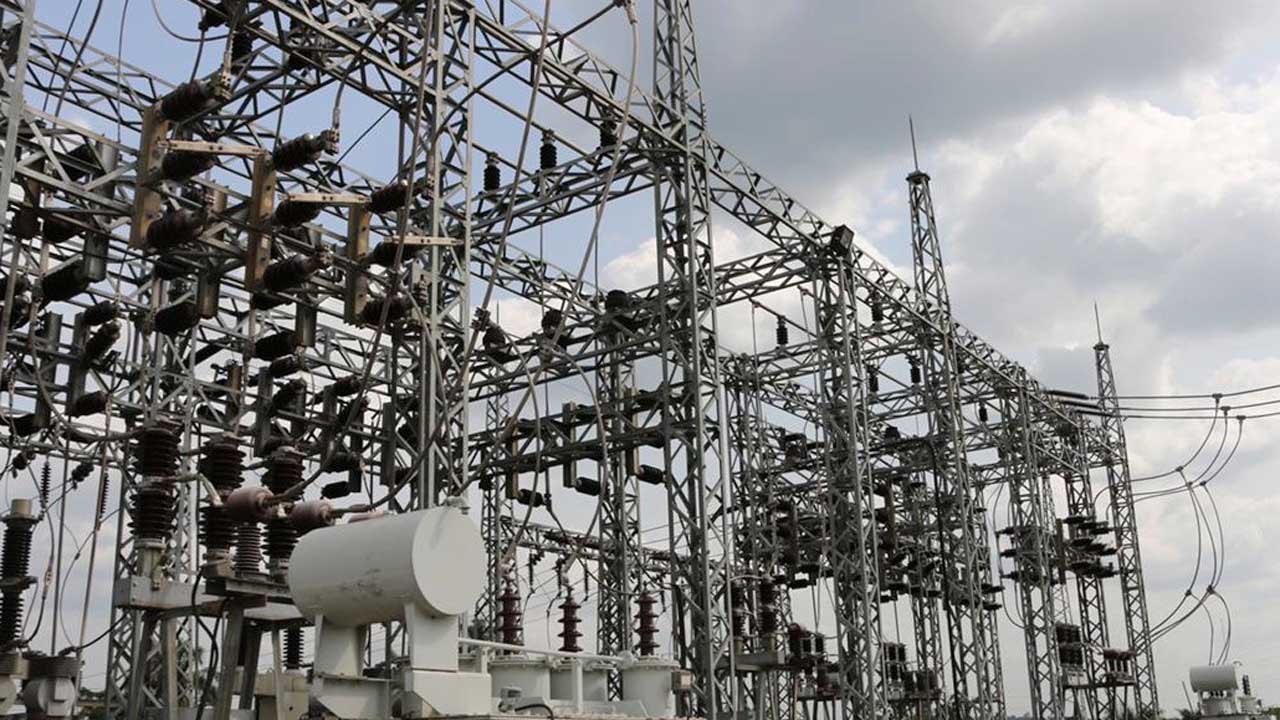
Eleven manufacturing firms listed on the Nigerian Exchange spent about N841.99bn on energy in the first nine months of 2026, up 7.4 per cent from N784.08bn in the corresponding period of 2025. This indicates energy cost challenges that have prevailed in the productive sector, leading manufacturers to decry the crisis.

The PUNCH analysed the companies’ unaudited financial statements for the period ended September 30, 2026, covering electricity, power, diesel, fuel, petrol, gas and energy lines in the firms’ factory and administrative costs.

Cement producers took most of the spending. Dangote Cement and BUA Cement together spent N797.44bn, or 94.7 per cent of the total, compared with N747.33bn a year earlier.

BUA Cement posted the biggest naira increase. Its energy bill rose by N38.59bn, or 21.6 per cent, to N216.95bn from N178.36bn. Its cost of sales took N216.62bn of that. The company also spent N329.58m on energy in administration, 161 per cent more than the N126.28m it spent in 2025.

Dangote Cement’s group fuel and power cost rose by two per cent to N580.49bn from N568.97bn.

Outside cement, the pressure was sharper. The other nine firms spent N44.55bn on energy, up 21.2 per cent from N36.75bn.

UAC of Nigeria recorded the steepest rise in percentage terms. Its electricity and power cost jumped 172.1 per cent to N13.24bn from N4.87bn.

BUA Foods spent 32.8 per cent more on diesel, fuel and electricity, at N938.98m against N707.13m. Meyer’s fuel and lubricants bill rose 23.8 per cent to N19.99m from N16.15m.

See also  PHOTOS: Agege Food Hub To Strengthen Lagos Food Distribution Network, Says Gov. Sanwo-Olu

Dangote Sugar Refinery’s petrol and oil cost climbed 22.3 per cent to N317.50m from N259.71m, while Champion Breweries’ energy and water cost rose 20.8 per cent to N2.54bn from N2.11bn.

NASCON Allied Industries’ petrol and oil spending edged up two per cent to N94.13m from N92.24m.

Three firms cut or held their energy spending. Beta Glass reduced its fuel, gas and electricity cost by 5.3 per cent to N23.22bn from N24.52bn.

Fidson Healthcare’s energy spending was flat at N4.18bn against N4.19bn. Its factory energy cost fell two per cent to N3.92bn, but its administrative diesel and fuel bill rose 37.4 per cent to N264.55m. MeCure Industries’ gas factory expense fell to N203,000 from N277,000.

Triple Gee and Company spent N62.03m on electricity and power in its period ended 30 September, 2026, up 60.4 per cent from N38.68m a year earlier. The firm’s financial year ended in March, so its figures are not comparable with the nine-month data and are excluded from the totals above. However, the spending still constitutes an energy cost.

The data matches manufacturers’ complaints that they bear the burden of unreliable grid supply.

The Director-General of the Manufacturers Association of Nigeria, Segun Ajayi-Kadir, said members’ spending on self-generated power rose every year from 2023 to 2025, despite the introduction of the Band A tariff category.

Ajayi-Kadir said MAN members spent less than N800bn on generating their own power in 2023. He said the figure rose to N1.1trn in 2024, when Band A took effect, and to N1.35trn in 2025.

He spoke recently as a panellist at the FATE Institute’s 12th Policy Dialogue Series on Leadership.

See also  Job losses loom as more Inland Container Terminals shut down

“So you can see progressively, Band A has not helped,” Ajayi-Kadir said.

He said manufacturers care less about the source of their power than about its terms. “To a manufacturer, it is irrelevant what kind of source of energy you are getting basically – either from the national grid or from gas or any other means. What is important is how reliable it is. Is it predictable?” Ajayi-Kadir remarked.

Source: punchng.com

FOLLOW US ON:

FACEBOOK

WHATSAPP CHANNEL

TWITTER

PINTEREST

TIKTOK

YOUTUBE

LINKEDIN

INSTAGRAM

Continue Reading

Business

FAAN reopens Owerri airport for flight operations, read details

Published

on

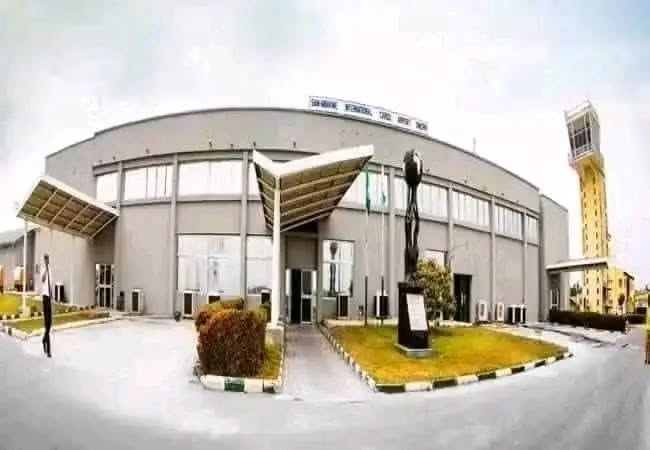
The Federal Airports Authority of Nigeria has reopened the Sam Mbakwe International Cargo Airport, Owerri, Imo State, for flight operations following the successful completion of runway rehabilitation works.

FAAN announced the reopening in a statement signed by its Director of Public Affairs and Consumer Protection, Henry Agbebire, and posted on its official X handle on Wednesday.

FAAN stated that the airport resumed operations on Wednesday, November 25, 2026, following approval by the Nigerian Civil Aviation Authority after post-rehabilitation technical assessments and inspections.

The runway was temporarily closed on October 20, 2026, to allow for rehabilitation works aimed at improving its condition, enhancing operational efficiency and ensuring compliance with aviation safety standards.

FAAN said, “Following post-rehabilitation technical assessments and inspections, the NCAA approved the reopening of Runway 17, subject to specified operational conditions.”

The authority also acknowledged the contributions of Imo State Governor, Hope Uzodimma, and the state government, particularly in extending the runway from 2,700 metres to 3,200 metres.

According to FAAN, the intervention underscores the importance of federal-state collaboration in advancing aviation infrastructure, improving air connectivity and stimulating regional economic development.

However, the authority said the initial resumption of flight operations would be limited to daytime services under Visual Flight Rules.

It added that night operations and other applicable instrument flight operations would commence after the completion and verification of outstanding runway lighting installations.

“Appropriate safety measures will remain in place around areas where associated works are ongoing, in line with NCAA requirements,” the statement added.

See also  US bans imports from Chinese genomics companies over forced labour concerns

FAAN also thanked airlines, passengers, host communities and other stakeholders for their patience and cooperation during the temporary closure.

The authority reaffirmed its commitment to providing safe, secure and efficient airport infrastructure in accordance with national and international aviation standards.

Continue Reading

Business

NGF distances self from $100m Paris Club refund dispute, read details

Published

on

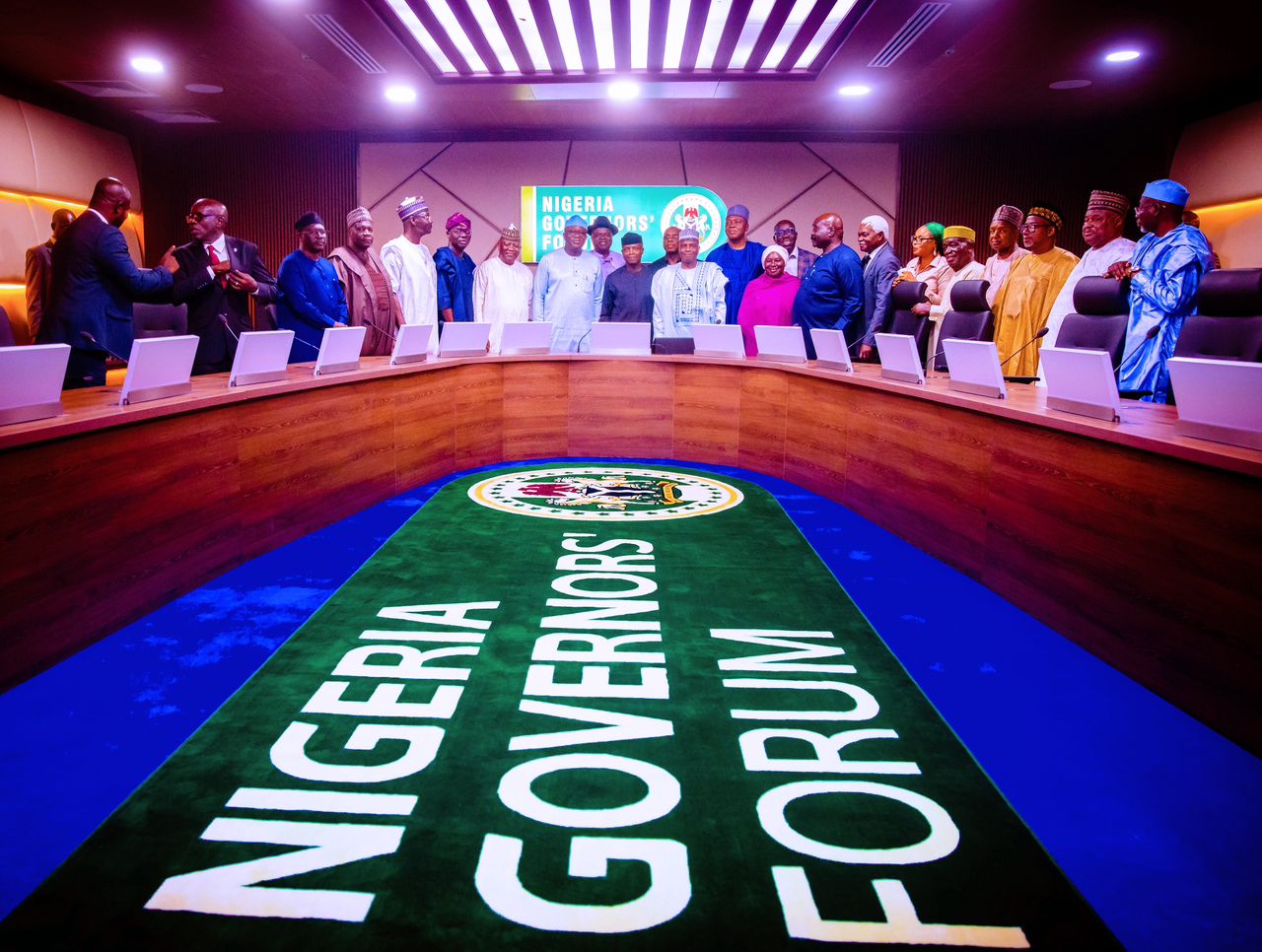
The Nigeria Governors’ Forum has distanced itself from the ongoing Paris Club refund suit, insisting that it was not involved in the transaction between the plaintiff, Dr Ted Iseghohi-Edwards, and the Association of Local Governments of Nigeria.

In a statement issued on Wednesday and signed by its Director of Media and Strategic Communications, Yunusa Abdullahi, the NGF said it neither participated in the transaction nor held any of the funds allegedly involved.

The development followed an interim order issued by the High Court of the Federal Capital Territory, Abuja, directing the freezing of $100m (about N135.58bn) allegedly held by the NGF over a dispute involving the Paris Club refunds and outstanding legal and consultancy fees.

Justice O.C. Agbaza granted the Mareva injunction on November 19, following an ex parte application filed by Iseghohi-Edwards against the Incorporated Trustees of the NGF and 29 commercial banks.

According to the Certified True Copy of the order obtained by The PUNCH on Tuesday, Iseghohi-Edwards is seeking to recover the money based on an alleged indemnity issued by the NGF on December 20, 2018.

The arrangement reportedly involved the Federal Government paying $100m to the forum as a stakeholder pending the determination of its liability for professional fees.

Reacting, the forum said the dispute originated from events in 2016, adding that its legal team was reviewing the court documents and would take appropriate steps in response.

The statement read, “The Nigeria Governors’ Forum is aware of recent media reports regarding the November 19, 2026 interim order, obtained ex parte, issued by the High Court of the Federal Capital Territory, Abuja, in the Paris Club refund suit filed by Dr Ted Iseghohi-Edwards over events that happened in 2016.

See also  Ajah-Lekki markets, facilities face waste compliance enforcement

“Please note that this issue emanated from allegations of transactions between the plaintiff and the Association of Local Governments of Nigeria. The Nigeria Governors’ Forum had no hand in that transaction and did not engage any party thereto, nor did it hold any such monies in its custody at any time.

“Meanwhile, the NGF’s legal team is currently reviewing the court processes and will respond accordingly.

“The forum reiterates its unwavering commitment to the rule of law, transparency and accountability.”

Source: punchng.com

FOLLOW US ON:

FACEBOOK

WHATSAPP CHANNEL

TWITTER

PINTEREST

TIKTOK

YOUTUBE

LINKEDIN

INSTAGRAM

Continue Reading

Trending