
Lifestyle
PHOTOS: HOW NIGERIA WAS SOLD TO THE BRITISH FOR £865,000 IN 1899

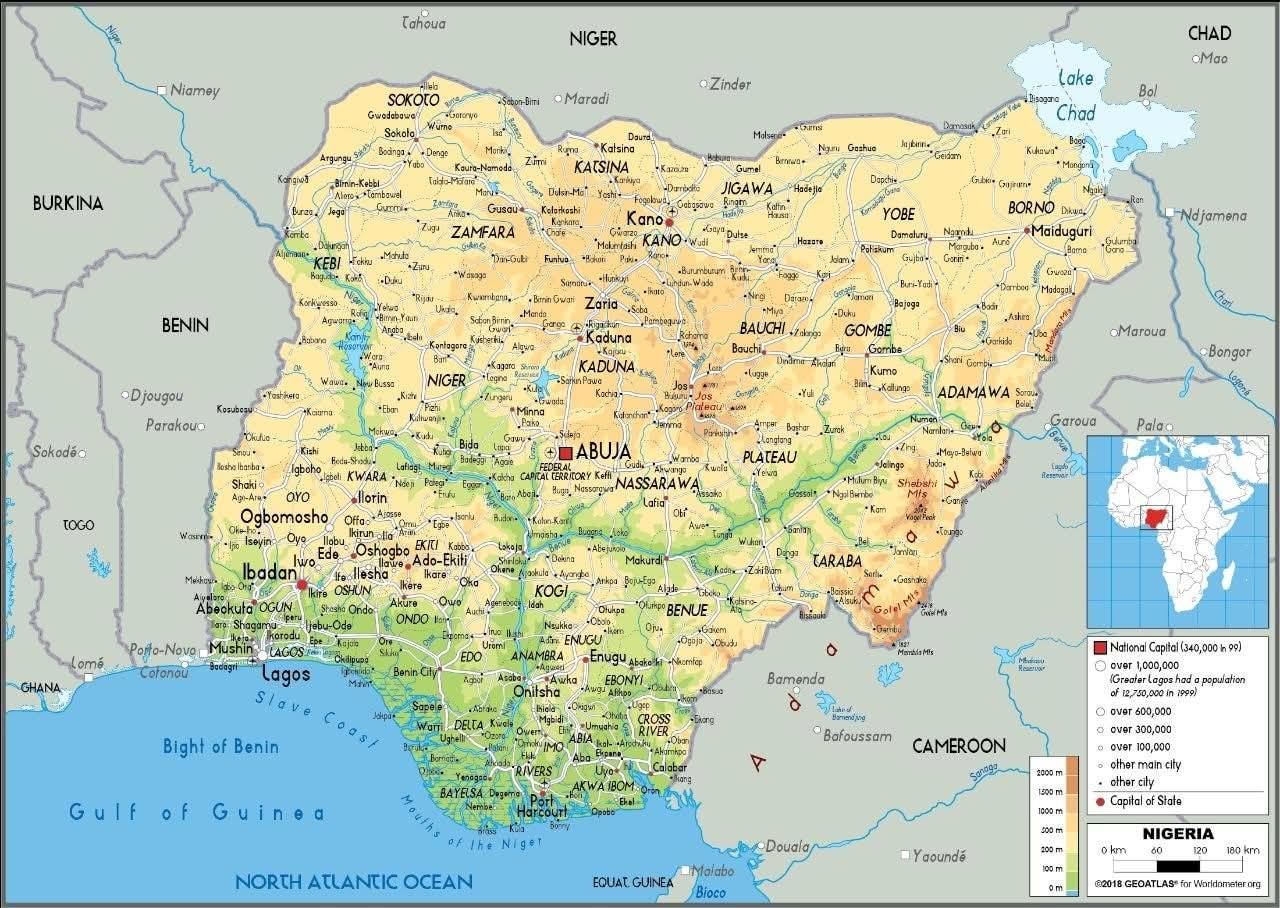
This is not just the story of colonial conquest. It is the story of the first OIL WAR, a war not fought over petroleum, but over palm oil, in the territories that would later become Nigeria.
Before the first drop of crude was ever drilled in Oloibiri, there was already a fierce battle for control over a different kind of oil: the red gold of the tropics.
In the 19th century, as the Industrial Revolution thundered across Britain and Europe, the demand for lubricants to keep machines running was insatiable. And at the heart of that demand was palm oil, a sticky red substance extracted from the fruit of a native African tree. This oil was used to grease machines, produce candles, soaps, etc.
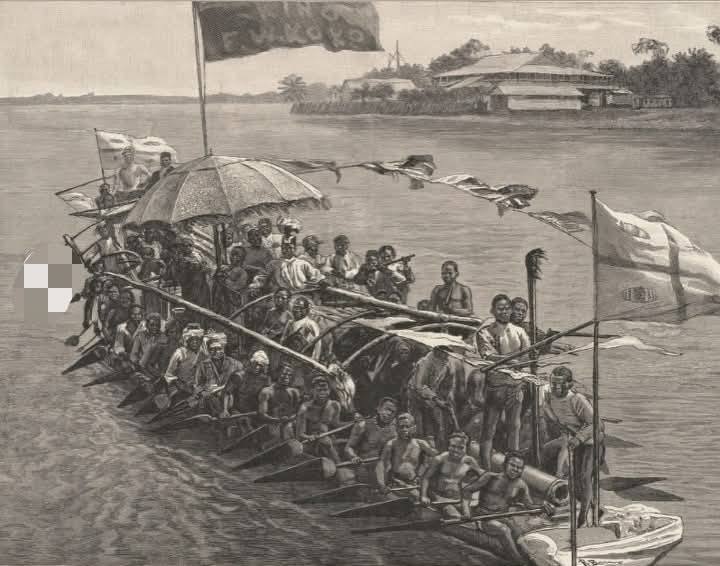
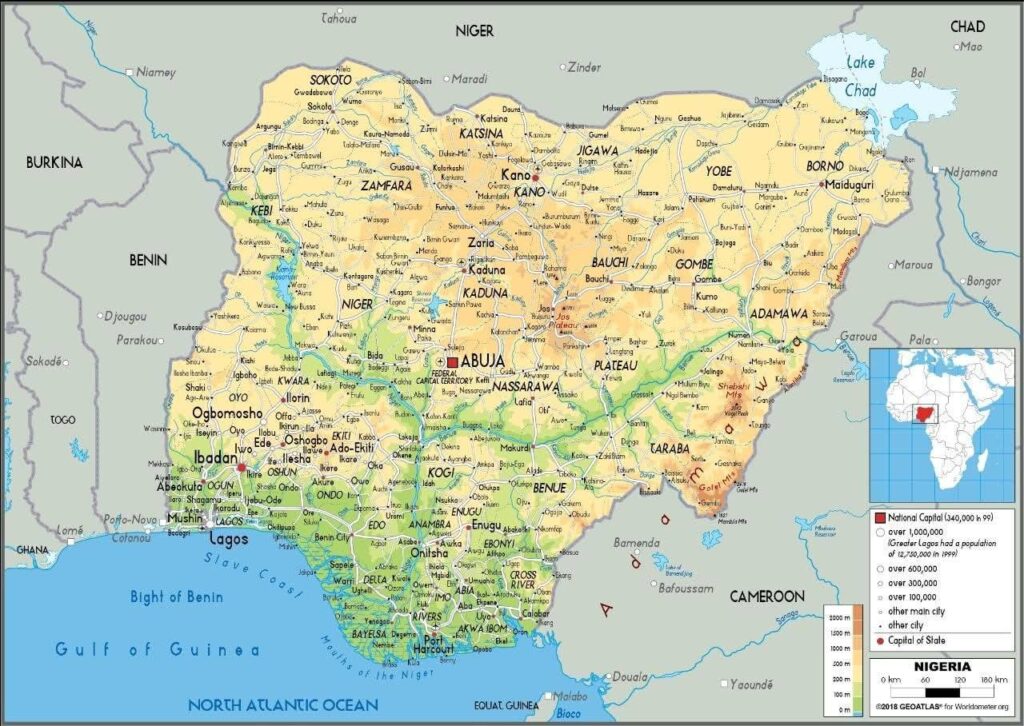
The Niger Delta, then part of the region Europeans called the “Oil Rivers,” was the world’s richest source of this commodity. For centuries, the same Delta had served as a major slave-exporting hub, but by the 1870s, as abolition gained ground, slaves were replaced by palm oil as the primary export. The coast once known for bondage was now valued for commerce. African traders, many of them former slaves or descendants of returnees, became immensely wealthy. One of the most famous among them was King Jaja of Opobo, a self-made merchant-king who built a thriving trade empire on the strength of palm oil and personal diplomacy. These African merchants understood global trade and negotiated directly with European companies.
But African prosperity was never allowed to grow unchecked for long. By the late 1800s, European commercial rivalry was boiling over into political intrigue. British, French, and German merchants vied for dominance in the West African market. In 1879, a Cornishman named George Taubman Goldie began consolidating several British trading firms into a single entity. He formed the United African Company (UAC). With this company, Goldie initially envisioned dominating the palm oil trade on the Niger River. After that, he envisioned something more than trade, he wanted sovereignty.
Through aggressive expansion, Goldie’s company secured treaties with local chiefs along the Niger and Benue Rivers, gaining de facto control of vast inland territories. By 1884, Goldie’s company operated about 30 trading posts and used its economic leverage to argue at the Berlin Conference (the infamous 1884–85 summit where European powers divided Africa among themselves) that Britain should be awarded exclusive rights to the Niger Basin.
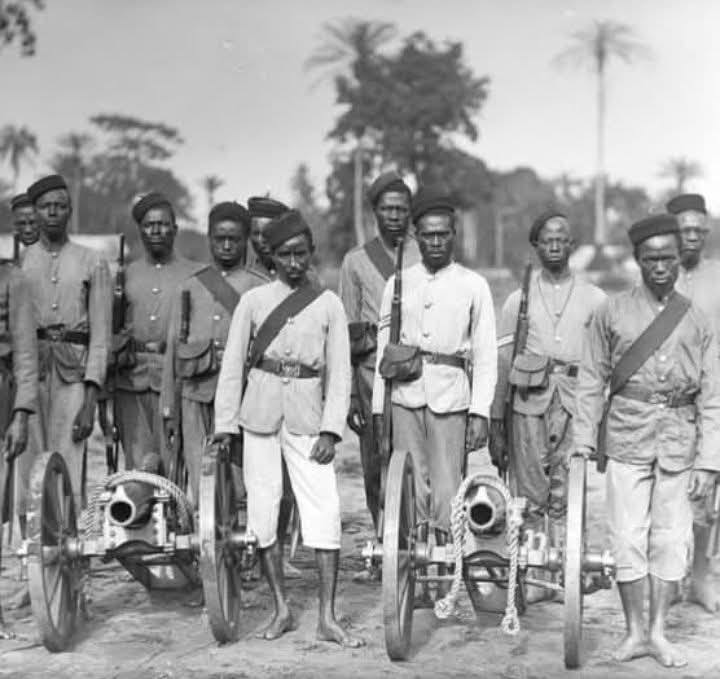
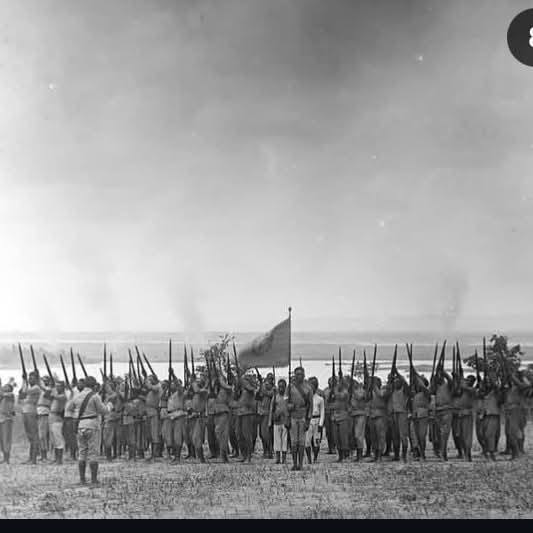
The British won the argument. The next year, in 1886, Goldie’s company received a Royal Charter from the British Crown, becoming the Royal Niger Company (RNC), a private corporation with governmental powers, similar to the old British East India Company. It could make treaties, raise its own military force, collect taxes, administer justice, and govern the vast areas along the Niger and Benue Rivers.
In effect, Nigeria was not yet a British colony, it was a private corporate colony ruled by a for-profit company headquartered in London.
To the local chiefs, the new company agents spoke of free trade and mutual prosperity. But behind these assurances were binding English contracts designed to establish monopolies, giving the company exclusive trading rights and ceding sovereignty to the British Crown. This meant the chiefs could only sell palm oil to the Royal Niger Company. Any attempt to export independently was treated as economic rebellion. Many chiefs, including King Jaja of Opobo, resisted.
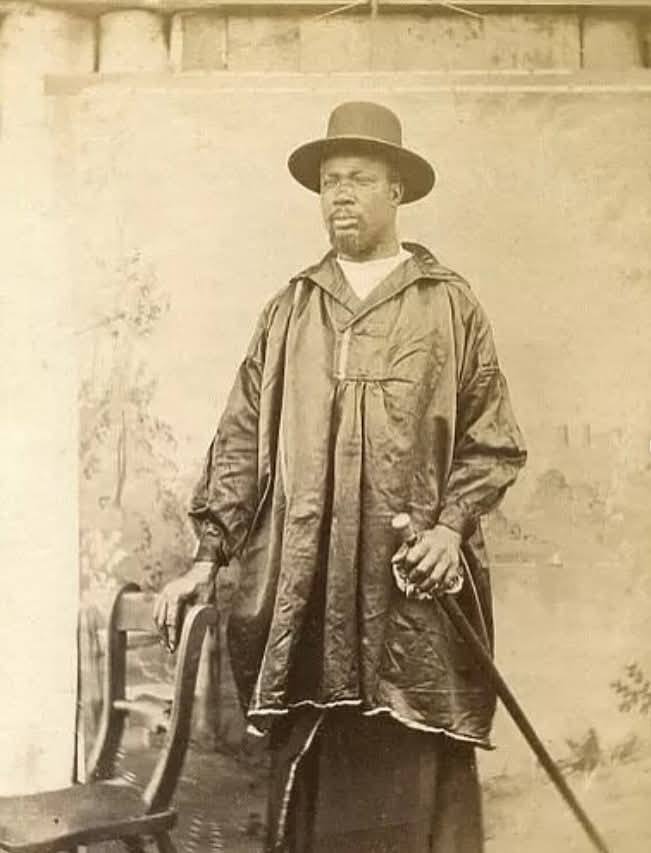
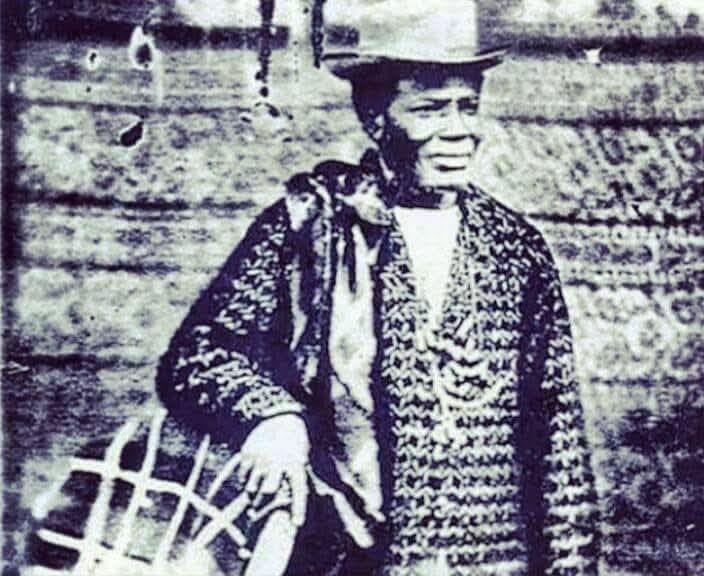
King Jaja of Opobo was one such rebel. Despite his previous cooperation with the British, he refused to be dictated to. When he began exporting palm oil directly to Liverpool merchants, he was arrested in 1887, exiled to the West Indies, and never saw his kingdom again. He died in 1891 on his way home, allegedly poisoned with a cup of tea.
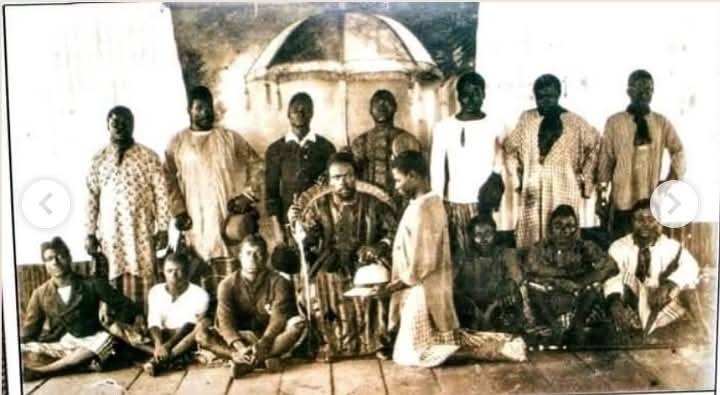
By the 1890s, resistance was rising. In the kingdom of Nembe, in today’s Bayelsa State, a new monarch, King Koko Mingi VIII, ascended the throne in 1889. Koko was an educated Christian convert and former schoolteacher. But he soon found himself at odds with the Royal Niger Company’s chokehold on trade. Like Jaja before him, he tried to bypass the company’s monopoly by seeking commercial ties with the Germans in Kamerun. But the company retaliated by blockading his kingdom from its traditional markets.
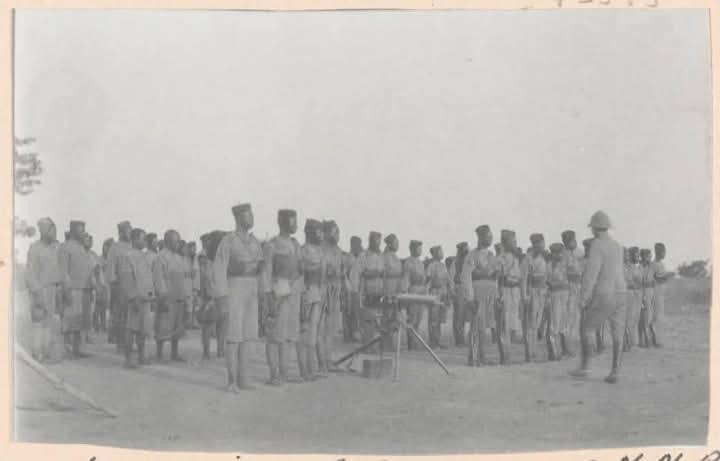
Tired of negotiations and betrayal, King Koko struck back. On 29 January 1895, before dawn, he led over 1,000 warriors in a surprise attack on the Royal Niger Company’s heavily guarded headquarters at Akassa. In what became known as the Brass Raid, Koko’s forces captured the station, seized arms and ammunition, including a Maxim machine gun, and took 60 European hostages. Koko demanded that the British lift their monopoly and allow Nembe to trade freely.
The British government refused to negotiate. In response, King Koko executed about forty of the hostages, an act the British termed cannibalism, a fabrication meant to justify vengeance.
On 20 February 1895, the Royal Navy retaliated under Admiral Frederick Bedford, launching a brutal punitive expedition. They bombarded Nembe town (Brass) and burned it to the ground. Hundreds were killed. Survivors suffered famine and diseases such as smallpox.
King Koko went into hiding. The town of Brass was fined £500, a fortune at the time, and forced to surrender weapons and surviving hostages.
In 1898, King Koko, declared an outlaw and unable to rally sufficient support for further resistance, died by suicide in exile. Around the same time, Oba Ovonramwen of Benin was also deposed following the Benin Punitive Expedition in 1897, signalling the final collapse of powerful indigenous resistance in southern Nigeria.
Back in London, the public outcry over the Brass Massacre and the RNC’s excesses led to parliamentary pressure. The British Parliament opened an inquiry, but rather than punish the Royal Niger Company, the Crown did something far more significant, it decided that a private corporation could no longer be trusted with the government of a people.
In 1899, the British revoked the Royal Charter of the Royal Niger Company. But it did not come for free.
The British bought out the company’s rights, territories, and infrastructure for the sum of £865,000, the equivalent of £108 million today. That was the price Britain paid to acquire the territory that would become Nigeria.
It was not a conquest in the conventional sense, it was a transaction. Nigeria was, quite literally, sold.
And who sold it?
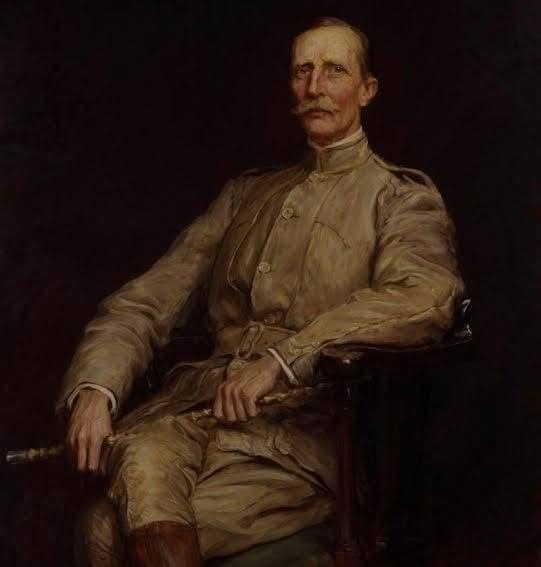
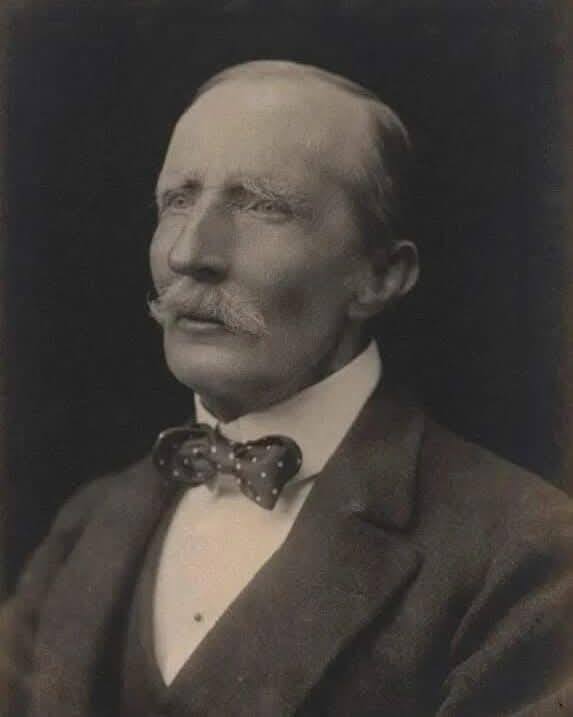
The man at the centre of the deal was Sir George Taubman Goldie, the imperialist who had envisioned and built the corporate company that took over Nigeria’s territories. In many ways, he was Nigeria’s unofficial founder, though he never ruled the colony formally. He sold Nigeria to the British Crown in 1899 for £865,000, and for his services to empire, he was later knighted.
On 1 January 1900, the Southern and Northern Protectorates were formally declared under British rule.
The company was gone. But its legacy of economic exploitation, monopolistic control, and indirect rule would persist.
The company itself didn’t die. It rebranded and evolved. The Royal Niger Company merged into what we know today as Unilever, a multinational that still trades in Africa.
This is not just a footnote in colonial history. It is the story of how an entire country people, kingdoms, resources, rivers, was commodified, negotiated, and sold. It reminds us that empire was not only built with gunboats, but also with contracts, shares, and profits.
Nigeria, long before independence, had already been bought and sold.
FOLLOW US ON:






FAKE IT TILL YOU MAKE IT — BUT AT WHAT COST?

“I MADE THIS PERSON WHO THEY ARE TODAY!” — REALLY?

SOME PEOPLE WILL DO ANYTHING — EVEN EVIL — JUST TO MAKE MONEY!

‘Sleeping Prince’ of Saudi Arabia dies after 20 years in coma

2027: Atiku delays ADC membership card collection amid rumoured Jonathan comeback

How A Class Of 24 Students Produced 2 Presidents, 4 Governors, 2 Ministers, 4 Emirs, 3 Justices, 4 Ambassadors and Other Influential Leaders


-

 News19 hours ago
Air chief pleads for patience as investigation begins on Ondo crash
-
News19 hours ago
INEC displays voter register, begins PVC distribution ahead of 2027 elections
-
News19 hours ago
Dapo Abiodun reveals that Nigeria needs 554,353 personnel for state police, read details
-
Business20 hours ago
FG’s 30-day petrol discount sparks opposition backlash
-
Sports19 hours ago
Adeniyi lauds Nigeria’s Veterans World Wrestling Champs medal
-
News18 hours ago
Trump rules out new Iran attack before US midterm elections
-
News19 hours ago
Gates Foundation director reveals that AI tools will help detect pregnancy complications early, read how
-
Business19 hours ago
Report reveals Nigeria leaves N40tn manufacturing opportunities untapped















