Connect with us

Lifestyle

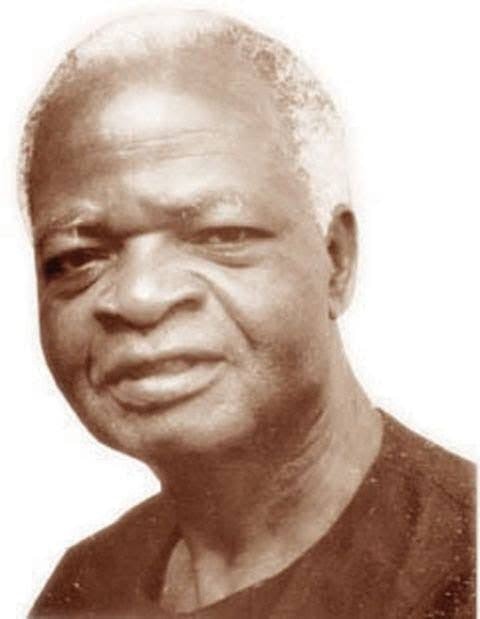
T. M. Aluko: The Nigerian Engineer–Novelist Who Bridged Tradition and Modernity

Published

on

Timothy Mofolorunso Aluko (July 14, 1918 – May 1, 2010) stands out as one of Nigeria’s rare figures who excelled in both technical and literary worlds. A civil engineer, public servant and acclaimed novelist, Aluko spent more than nine decades exploring how a nation can modernise without losing its cultural soul. His life and work continue to illuminate the tension—and the possibilities—between tradition and change.

Early Life and Education

Born in Ilesa, present-day Osun State, Aluko grew up in a Yoruba family that valued both learning and cultural heritage. He attended the prestigious Government College, Ibadan, where the disciplined environment of colonial-era schooling shaped his love for knowledge. After earning a scholarship to Britain, he trained as a civil engineer, gaining a professional foundation that would later guide Nigeria’s early infrastructure projects.

Career in Public Service and Academia

Returning home at the dawn of Nigeria’s political awakening, Aluko joined the Western Region’s Public Works Department, eventually becoming Director of Public Works in the 1950s and 1960s. His leadership helped lay the roads, water systems and municipal structures that supported the region’s post-colonial growth.

Aluko later moved into academia, earning a doctorate in municipal engineering and mentoring a generation of young engineers. His rare combination of field experience and scholarly depth made him a respected voice in both government and university circles.

Novelist of a Changing Nigeria

Alongside his technical career, Aluko emerged as one of the pioneers of modern Nigerian fiction in English. His novels marry gentle satire with keen social observation, capturing the friction between Yoruba traditions and the modern forces reshaping society.

See also  The Arrival of Nigerian Student Nurses in Britain (1946)

One Man, One Wife (1959): A humorous yet piercing look at polygamy and the shifting expectations of family life in a society balancing custom and Christianity.

One Man, One Matchet (1964): A critique of colonial bureaucracy and an exploration of the early nationalist spirit.

With accessible prose and memorable characters, Aluko’s fiction highlighted how communities wrestle with the promises and pitfalls of modernization.

Memoirs and Reflections

In later years, Aluko chronicled his professional and personal journey in works such as My Years of Service and The Story of My Life. These memoirs offer not only a personal narrative but also a valuable record of Nigeria’s transformation from colony to independent nation.

Family and Personal Life

Aluko was married and raised a family while maintaining close ties to his native Ilesa. He was known for humility and a quiet dedication to public service. He passed away in Lagos on May 1, 2010, at the age of 91, surrounded by the respect of both literary and engineering communities.

Enduring Legacy

More than a decade after his death, Aluko’s novels remain staples of African literature courses in Nigeria and abroad. His life’s work demonstrates that technical achievement and creative expression can reinforce one another. By building both physical infrastructure and enduring stories, T. M. Aluko showed how a society can embrace modernity without losing sight of its roots—a lesson as relevant today as it was in his lifetime.

Sources

Aluko, T. M. One Man, One Wife (1959); One Man, One Matchet (1964).

FOLLOW US ON:

FACEBOOK

TWITTER

PINTEREST

TIKTOK

YOUTUBE

LINKEDIN

TUMBLR

INSTAGRAM

Continue Reading
Click to comment

Leave a Reply

Your email address will not be published. Required fields are marked *

Lifestyle

NEVER CELEBRATE YOUR SUCCESS IF SOMEONE ELSE HAD TO SUFFER FOR IT!

Published

on

Success means little when it comes at the cost of another person’s pain.

In a world where wealth, fame, power, and social status are often celebrated as signs of achievement, one important question deserves our attention: What is the true cost of success?

Some people work hard, remain honest, and build their success through determination and integrity. Others, however, pursue their ambitions by betraying trusted friends, exploiting vulnerable people, denying others their rightful opportunities, or deliberately causing suffering to get ahead.

The troubling part is that the world may applaud the person who succeeds without ever asking who was hurt along the way.

Is Every Kind of Success Worth Celebrating?

Imagine a worker who loses a job because a colleague spreads lies to secure a promotion. Imagine a business partner who is cheated out of years of hard work while the other partner becomes wealthy. Or consider someone who destroys another person’s reputation simply to protect their own position.

The person who benefits may celebrate a new job, a bigger house, financial freedom, or public recognition. Meanwhile, the person who suffered may be left struggling to rebuild their life.

Should we celebrate the achievement without questioning the methods used to obtain it?

Success should never be measured by money and status alone. Character, fairness, honesty, and respect for others matter just as much.

You Can Succeed Without Destroying Others

There is nothing wrong with wanting to become wealthy, influential, respected, or successful. Ambition can inspire people to work harder, create opportunities, and improve their lives.

See also  Alaafin to install Seyi Tinubu as ‘Okanlomo of Yorubaland’ Saturday

The problem begins when ambition becomes an excuse for cruelty, dishonesty, exploitation, or betrayal.

You can compete without cheating. You can rise without pushing innocent people down. You can become wealthy without taking advantage of the vulnerable. And you can achieve your dreams without deliberately destroying someone else’s.

True success is not simply about reaching the top. It is also about the values you maintain while getting there.

The Question We Must Ask Ourselves

Before celebrating an achievement, it is worth reflecting on how it was obtained. Did you treat people fairly? Did you keep your promises? Did you take advantage of someone’s trust? Did your progress depend on deliberately preventing another person from succeeding?

Nobody is perfect, and not every setback someone experiences is another person’s fault. However, deliberately causing harm for personal gain should never be treated as a badge of honour.

Your success becomes more meaningful when you can celebrate it without carrying the burden of knowing that you deliberately destroyed someone else to get there.

At NewsBreak365, we believe this is a conversation worth having because the values we celebrate help shape the society we build.

What Do You Think?

If someone betrayed you, destroyed your opportunities, or caused you serious suffering just to become successful, would you still respect that person’s achievements?

Can someone truly be considered successful if their success was built on another person’s suffering?

Share your thoughts in the comments. Let us have an honest and respectful discussion.

NewsBreak365 — News | People | Perspectives

#Success #Integrity #Humanity #LifeLessons #NewsBreak365

FOLLOW US ON:

FACEBOOK

TWITTER

PINTEREST

TIKTOK

YOUTUBE

LINKEDIN

INSTAGRAM

Continue Reading

Lifestyle

Don’t Build Your Happiness on Someone Else’s Pain: A Lesson About Life, Love and Humanity

Published

on

True happiness should never depend on another person’s suffering. Discover why kindness, empathy, and integrity matter, and join the debate about forgiveness and consequences.

What kind of happiness can you truly enjoy when it comes at the expense of another person’s tears?

In a world where some people celebrate another person’s failure, take pleasure in heartbreak, or feel powerful by making others suffer, one important question deserves attention: Can happiness built on someone else’s pain ever be genuine happiness?

From romantic relationships and family disputes to friendships, workplaces, and everyday human interactions, people sometimes hurt others deliberately and move on as if nothing happened. The person who caused the pain may continue smiling, while the person who was hurt struggles to recover emotionally.

But success should not require cruelty, and happiness should never depend on another person’s suffering.

When Someone Else’s Pain Becomes Your Pleasure

Some people believe they have won when they make a rival fail, destroy a relationship, damage another person’s reputation, or watch someone who once trusted them suffer.

In relationships, betrayal can leave deep emotional wounds. In workplaces, jealousy and sabotage can undermine another person’s progress. Even among friends and family members, competition and resentment can turn ordinary disagreements into painful experiences.

The problem is not simply that people disagree or that relationships sometimes end. It is when someone deliberately seeks to humiliate, exploit, or emotionally destroy another person.

There is a difference between protecting your own happiness and deliberately destroying someone else’s.

You can walk away from a relationship without revenge. You can pursue success without sabotaging another person. And you can establish boundaries without treating others as if their feelings do not matter.

See also  The Arrival of Nigerian Student Nurses in Britain (1946)

Do Bad People Always Face the Consequences?

This is where the debate becomes complicated.

Many people believe that those who deliberately hurt others will eventually face the consequences of their actions. Sometimes, harmful behaviour damages relationships, destroys trust, or leads to serious personal and professional consequences.

However, life does not always provide immediate or visible justice. Some people appear to move forward without apologising, accepting responsibility, or showing remorse.

That reality can be painful for those who have been mistreated.

It is important, therefore, not to build your recovery around waiting for another person to suffer. Their future is beyond your control, but your decisions, boundaries, and healing are still yours to pursue.

Should You Forgive Someone Who Hurt You?

Forgiveness is a personal decision. For some people, it offers a path towards emotional freedom. For others, healing begins with distance, accountability, and refusing to allow the same person to cause further harm.

Forgiving someone does not necessarily mean trusting them again, forgetting what happened, or allowing them back into your life.

You can choose peace without accepting repeated mistreatment. You can move forward without revenge. And you can demand accountability without becoming cruel yourself.

Sometimes, moving on is not about pretending the pain never happened; it is about refusing to let that pain control the rest of your life.

The Question Everyone Should Consider

Imagine that someone deliberately breaks your heart, destroys an opportunity you worked hard for, or causes you serious emotional pain. That person then moves on, appears happy, and never apologises.

See also  Professor Theophilus Oladipo Ogunlesi: Nigeria’s First Professor of Medicine and Father of Postgraduate Medical Education (PHOTOS)

Would you forgive them and move forward, or would you feel that they should experience the same pain they caused you?

There is no single response that captures every situation. Some people will argue that forgiveness brings peace, while others will insist that accountability must come before reconciliation.

The important distinction is between seeking fair consequences and deliberately trying to make another person suffer.

Final Thoughts

Life is too short to measure your happiness by another person’s downfall. Treating people with dignity does not make you weak, and refusing revenge does not mean accepting injustice.

You may not control how others treat you, but you can decide whether their actions will determine the kind of person you become.

Never build your happiness on someone else’s pain. Build it on integrity, self-respect, compassion, and the ability to succeed without deliberately destroying another person’s peace.

NEWSBREAK365 ASKS: JOIN THE DEBATE

If someone deliberately destroys your happiness, breaks your heart, or ruins your life and then moves on happily without regret, should you forgive them and move on, or should they face the same pain they caused you?

Share your honest opinion in the comments. We want to hear different perspectives.

Follow Newsbreak365 for thought-provoking discussions about relationships, society, humanity, and everyday life.

#Newsbreak365 #LifeLessons #Relationships #Forgiveness #Humanity #SocialDebate

FOLLOW US ON:

FACEBOOK

TWITTER

PINTEREST

TIKTOK

YOUTUBE

LINKEDIN

INSTAGRAM

Continue Reading

Lifestyle

PUBLIC MONEY, PRIVATE POCKETS: CORRUPTION AND THE LOOTING OF NATIONAL WEALTH

Published

on

How can a country blessed with enormous natural resources and human potential still struggle to provide adequate healthcare, quality education, good roads, and economic opportunities for millions of its citizens?

This question continues to raise concerns about corruption, public accountability, and the management of national wealth.

When Public Wealth Fails to Benefit the Public

Public funds are meant to improve the lives of citizens. Money collected through taxes, oil revenue, and other government earnings should be invested in infrastructure, education, healthcare, security, and economic development.

However, when public money is mismanaged, diverted, or unlawfully taken for private benefit, the consequences can be devastating.

🏥 Healthcare: Poorly funded hospitals can leave patients struggling to access essential treatment.

🏫 Education: Inadequate facilities and resources can deprive children of the quality education they deserve.

🛣️ Infrastructure: Poor roads, unreliable public services, and abandoned projects can hold communities back.

👨‍👩‍👧‍👦 Ordinary citizens: Unemployment, poverty, and the rising cost of living can make everyday survival increasingly difficult.

Corruption is not simply about money lost from public accounts. It can also mean lost opportunities, weakened institutions, and delayed development.

Who Should Be Held Accountable?

Fighting corruption requires more than speeches and political promises. It requires transparent public spending, credible investigations, independent oversight, effective law enforcement, and consequences for proven wrongdoing.

Government contracts should be open to scrutiny, public projects should deliver measurable results, and public officials should be prepared to explain how taxpayers’ money is spent.

Citizens also have a role to play by asking questions, demanding transparency, and evaluating public officials based on their records and performance—not merely their political party, ethnic background, or religious affiliation.

See also  The Arrival of Nigerian Student Nurses in Britain (1946)

Public office is a responsibility, not a personal entitlement.

A nation’s resources should create opportunities and improve living standards for its people. When public wealth is not properly managed, the entire country can pay the price.

THE BIG QUESTION

If public money is meant to serve the people, why do so many communities continue to struggle with basic services and infrastructure?

Is corruption the biggest obstacle to Nigeria’s development, or must we also confront weak institutions, poor planning, wasteful spending, and inadequate accountability?

Share your opinion in the comments.

Share this post to encourage a meaningful conversation about transparency, public responsibility, and Nigeria’s future.

Newsbreak365 — Informing the Public, Encouraging Accountability.

#Newsbreak365 #Corruption #PublicAccountability #GoodGovernance #Nigeria #Transparency #NationalDevelopment

FOLLOW US ON:

FACEBOOK

TWITTER

PINTEREST

TIKTOK

YOUTUBE

LINKEDIN

INSTAGRAM

Continue Reading

Trending