Connect with us

Business

OPS reacts on CBN’s interest rates reduction

Published

on

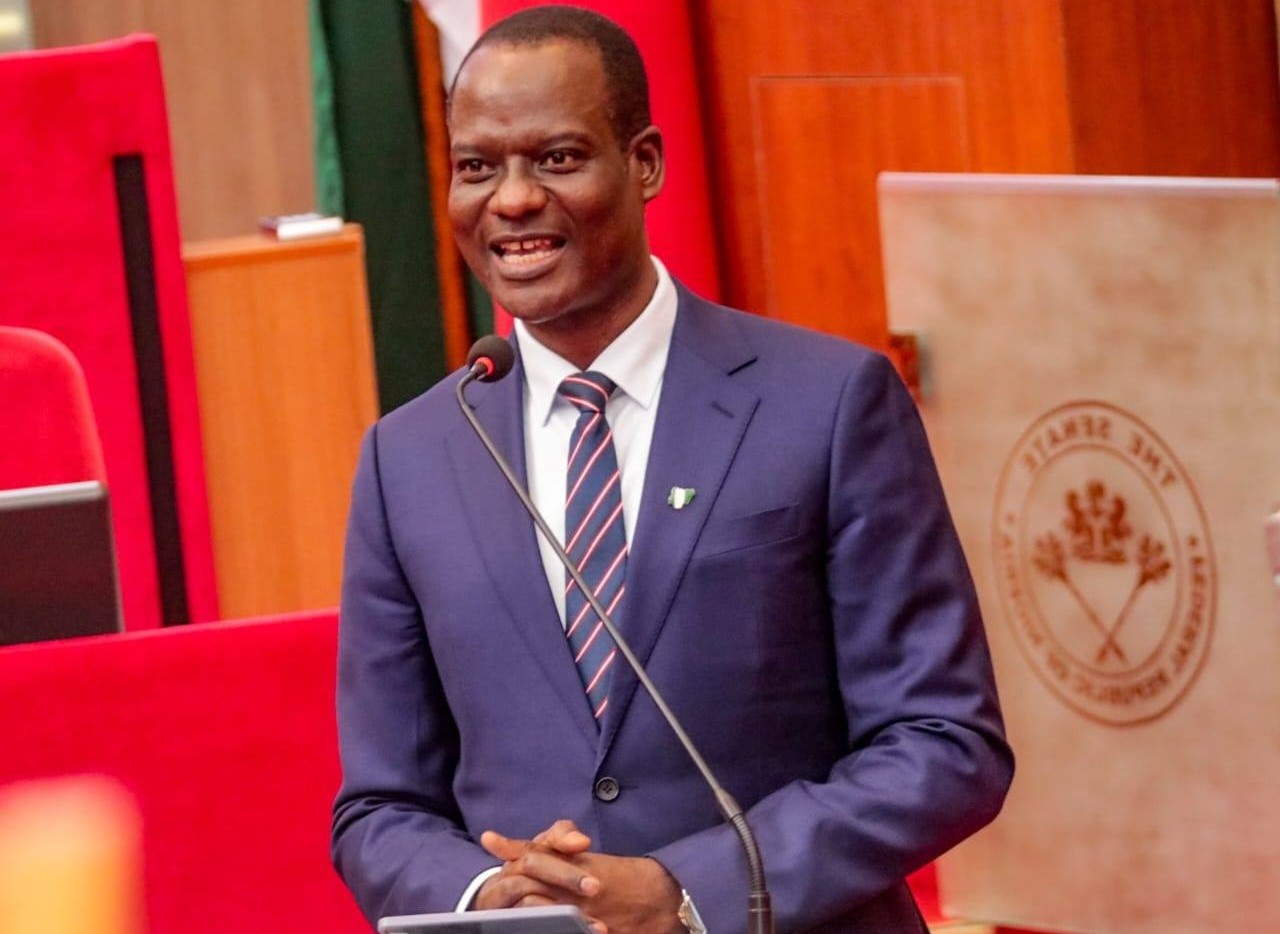
The Monetary Policy Committee of the Central Bank of Nigeria has reduced the country’s benchmark interest rate to 27.00 per cent, the first cut in 2025 after three consecutive pauses, signaling a shift in policy towards supporting economic recovery.

While welcoming the move, members of the Organised Private Sector argued that the reduction remains marginal and insufficient to ease the credit squeeze on manufacturers and small businesses.

Announcing the decision at a press briefing on Tuesday in Abuja after the committee’s 302nd meeting, CBN Governor Olayemi Cardoso said all 12 members voted in favour of a 50-basis point cut from 27.5 per cent.

The committee also adjusted the Standing Facilities corridor to +250/-250 basis points, raised the Cash Reserve Requirement for commercial banks to 45 per cent while retaining merchant banks at 16 per cent, and introduced a 75 per cent CRR on non-TSA public sector deposits. The Liquidity Ratio was left unchanged at 30 per cent.

Cardoso explained that the decision was underpinned by “sustained disinflation recorded in the past five months, projections of declining inflation for the rest of 2025, and the need to support economic recovery efforts.”

The MPC noted that headline inflation slowed to 20.12 per cent in August from 21.88 per cent in July. Food inflation fell to 21.87 per cent from 22.74 per cent, while core inflation eased to 20.33 per cent from 21.33 per cent. On a month-to-month basis, inflation dropped sharply to 0.74 per cent in August compared with 1.99 per cent in July.

“This reduction is the first under my leadership and the first in five years,” Cardoso noted. The last time Nigeria cut its policy rate was in September 2020, when it dropped from 12.5 per cent to 11.5 per cent.

Across Africa, a similar trend is unfolding. Just last week, Ghana slashed its policy rate by 350 basis points to 21.5 per cent, while Kenya reduced its benchmark to 9.5 per cent in August. Nigeria’s cut, however, still leaves it with one of the highest rates on the continent.

The MPC also highlighted positive macroeconomic trends, particularly Nigeria’s second-quarter GDP growth of 4.23 per cent, up from 3.13 per cent in the first quarter.

The rebound was largely driven by the oil sector, which expanded by 20.46 per cent compared with just 1.87 per cent in the previous quarter.

See also  FG reaffirms partnership with Taraba to unlock economic potential

The committee commended the Federal Government for improved security in oil-producing regions, noting that sustained production growth would strengthen external reserves and stabilize the naira.

Foreign reserves rose to $43.05bn as of September 11, 2025, up from $40.51bn at the end of July, providing an import cover of 8.28 months. The current account balance also recorded a surplus of $5.28bn in Q2, up from $2.85bn in Q1.

Cardoso disclosed that 14 banks had already met the new recapitalisation requirements, with the sector remaining resilient and financial soundness indicators within prudential benchmarks.

Looking ahead, the MPC projected continued disinflation, supported by exchange rate stability, declining petrol prices, and the harvest season. The next MPC meeting is scheduled for November 24–25, 2025.


OPS reacts

While the rate cut was widely acknowledged as a step in the right direction, members of the Organised Private Sector argued that the reduction remains marginal and insufficient to ease the credit squeeze on manufacturers and small businesses.

Director-General of the Manufacturers Association of Nigeria (MAN), Segun Ajayi-Kadir, described the cut as welcome but inadequate. “Virtually every time the MPC meets, what we anticipate is a reduction in rates. This is welcome, but it has not gotten us anywhere near our expectations. Manufacturers need to borrow at no more than five per cent for that borrowing to be supportive of production,” he said.

Ajayi-Kadir emphasised that no bank would lend at a rate below the MPR, meaning credit costs remain unaffordable. “It signals a rethinking by the CBN, but manufacturers still await a time when rates will be significantly lower,” he added.

Similarly, the Director-General of the Nigeria Employers’ Consultative Association (NECA), Adewale Oyerinde, warned that the cut’s impact might be undermined by other restrictive measures such as the high CRR. “If credit costs are lowered, businesses can access affordable financing, expand investments, and create jobs. But the persistently high CRR and liquidity restrictions risk limiting these outcomes,” Oyerinde said.

He pointed out that while inflation moderated in August, food inflation at 21.87 per cent continues to erode disposable incomes. “Macroeconomic stability must translate into tangible relief for Nigerians,” he added, urging the government to complement monetary policy with structural reforms.

The President of the Association of Small Business Owners of Nigeria, Dr Femi Egbesola, called the rate cut a “good start” but “insignificant” in the broader context. “Compared to other developing countries, ours still ranks among the highest. Access to finance remains the number one challenge of SMEs. A 0.5 reduction is insignificant compared to the pressure on the real sector,” he said.

See also  EU Provides N320.5B Credit Line to Boost Nigeria’s Agricultural Sector

Egbesola called for special credit windows at single-digit rates for small businesses, stressing that alternative funding sources beyond banks must also be explored.

The Centre for the Promotion of Private Enterprise echoed similar sentiments, commending the MPC’s move but stressing the need for complementary fiscal reforms.

Its Director, Dr Muda Yusuf, described the rate cut as “a welcome and timely intervention,” adding that the lower MPR combined with a reduced CRR should expand banks’ capacity to create credit and lower lending rates. This will support business expansion, stimulate output growth, and create jobs,” Yusuf said.

He, however, stressed that monetary easing alone is not enough. “Fiscal authorities must prioritise infrastructure to reduce production costs, strengthen the regulatory framework, and sustain fiscal consolidation to ensure macroeconomic stability and investor confidence,” he said.

Yusuf further urged the government to address insecurity, which continues to threaten private investment and rural productivity.

Observers agree that the CBN’s decision marks a significant shift in monetary policy, moving from stabilisation towards growth acceleration. Analysts note that while inflation remains elevated, the trend of disinflation provides room for cautious easing to support recovery.

For manufacturers, small businesses, and employers, the cut is a signal of intent but falls short of delivering immediate relief. The consensus across the OPS is that credit costs must drop significantly further, ideally into single digits, to unlock the full potential of Nigeria’s productive sectors.

As Yusuf summed it up: “If sustained and backed by fiscal and structural reforms, the new stance could stimulate growth, improve private sector performance, boost revenues, and moderate inflation sustainably in the medium to long term.”

On its part, the Nigeria Labour Congress described the CBN’s reduction of the Monetary Policy Rate from 27.50 per cent to 27 per cent as a step in the right direction, but cautioned that borrowing costs remain prohibitively high for businesses.

The Assistant Secretary-General of the NLC, Onyekachi Christopher, told The PUNCH that while it is encouraging that policymakers are considering rate reductions, the current level of 27 per cent remains very high.

See also  World’s largest tech expo opens in Dubai

“As an organisation advocating for the welfare of workers, we hope to see manufacturers gain better access to financing, produce more goods, hire additional employees, and contribute more meaningfully to the economy,” Onyekachi said. “Easier access to bank loans would support these goals, creating long-term benefits for both businesses and workers.”

Professor of Economics and former Vice-Chancellor of Crescent University, Abeokuta, Sheriffdeen Tella, said while interest rate theory is more applicable in advanced economies, it remains relevant for Nigeria.

“The CBN likely felt it could reduce rates now that inflation is coming down. High interest rates increase borrowing costs, which in turn raise production costs for businesses. At current levels, borrowing is still unattractive because profits rarely exceed 20–30 per cent annually, making loans hard to justify. Although the reduction is a positive start, rates remain relatively high,” he said.

Former Zenith Bank Chief Economist Marcel Okeke said the rate cut signals the beginning of a loosening in the CBN’s tight monetary stance. “The Monetary Policy Rate is largely indicative. It signals to commercial banks that they may start easing their lending rates rather than keeping them high continuously. Essentially, it shows that the CBN is beginning to loosen its tight monetary stance,” he said.

Okeke noted that historically, high lending rates were driven by the CBN’s tight policy, which pushed the MPR to around 27.5 per cent. “This reduction is the start of reversing that trend. Even if banks only reduce rates by 1–2 per cent, it is symbolic but meaningful. In the next CBN meeting in November, further reductions could follow if inflation continues to decline,” the economist added.

He highlighted that inflation has fallen from almost 35 per cent in December 2024 to about 20.13 per cent in August 2025. “If it continues to fall to around 17–18 per cent, the CBN is likely to reduce the NPR further.

“Lower interest rates make loans more affordable, increasing access to credit and stimulating economic activity. However, the effect isn’t immediate; there is a time lag between policy implementation and visible impact. Further cuts will also depend on exchange rate stability and inflation trends,” Okeke said.

punch.ng

FOLLOW US ON:

FACEBOOK

TWITTER

PINTEREST

TIKTOK

YOUTUBE

LINKEDIN

TUMBLR

INSTAGRAM

Continue Reading
Click to comment

Leave a Reply

Your email address will not be published. Required fields are marked *

Business

FG seeks $78.5bn for 65 projects, read details

Published

on

Nigeria is seeking $78.5bn in private capital to finance 65 projects across critical sectors of the economy, as the Federal Government steps up efforts to attract investors, expand productive capacity and create jobs.

The investment opportunities were presented by Finance Minister and Coordinating Minister of the Economy, Taiwo Oyedele, alongside Central Bank of Nigeria Governor, Olayemi Cardoso, at the ongoing IMF-World Bank Annual Meetings in Bangkok.

The projects cover oil and gas, electricity, manufacturing, mining, transportation, agriculture, technology, healthcare and urban development, according to details published on the Federal Ministry of Finance’s Projects Nigeria investment portal.

The government estimates that the proposed investments could generate 366,763 jobs, positioning the initiative as part of its efforts to stimulate economic growth through private-sector financing.

Oyedele said the government had established a dedicated Nigeria Deal Room to provide prospective investors with project information, financing requirements and direct access to relevant government authorities.

The energy sector accounts for the largest share of the investment pipeline, with 25 projects requiring funding, while industry, manufacturing and mining account for another 17.

Transport and maritime infrastructure have eight projects, while agriculture and agro-processing account for six. Technology, healthcare and urban services make up the remaining nine projects.

Among the proposed investments is Project Reliaxx, a crude oil evacuation and midstream infrastructure platform requiring $1.7bn.

The project is expected to address infrastructure needs in the oil industry, where evacuation constraints can affect production and revenue generation.

The proposed Lagos Greenline Railway requires $1.29bn, while the Multipurpose Industrial Platforms Limited ammonia and phosphate fertiliser project has an estimated funding requirement of $2.69bn.

See also  CBN warns that naira abuse is driving up printing costs

Other opportunities include the $1.25bn Premium Steel and Mines integrated steel upgrade, the $355.6m PELIA Flare-Gas AI Data Centre and a $105m agro-processing and cold-chain export hub in Giri, Abuja.

The proposed New Port City development also features in the portfolio, with an estimated capital requirement of $1.6bn.

Oyedele said the government planned further reforms to address obstacles to investment, including electricity pricing, transmission constraints, weak agricultural productivity and regulatory inefficiencies.

He also identified lower inflation, reduced borrowing costs and better coordination between fiscal and monetary policies as important conditions for sustained economic growth.

The minister highlighted the Economic Development Incentive, which provides tax credits to eligible businesses under Nigeria’s reformed tax framework, as part of the measures intended to encourage investment in productive sectors.

Cardoso, on his part, said reducing inflation remained essential to protecting household purchasing power, particularly among low-income Nigerians.

He also pointed to improvements in Nigeria’s capital market and banking system, noting that banks raised approximately N4.6tn during the recapitalisation exercise, with about 72 per cent of the funds coming from the domestic capital market.

The CBN governor said Nigeria was targeting economic growth of 7 per cent by 2027/2028, alongside higher oil production and increased infrastructure investment.

He said the country planned to raise crude oil production to three million barrels per day and increase its infrastructure stock to 75 per cent of gross domestic product.

Cardoso added that stronger external reserves had improved the country’s capacity to withstand external economic shocks.

“The country plans to raise oil production to three million barrels per day and increase its infrastructure stock to 75 per cent of Gross Domestic Product (GDP),” he said.

See also  Customs dismiss smuggling, revenue leakage allegations

The World Bank Group had earlier said it was helping mobilise up to $5.79bn in private financing for Nigeria in fiscal year 2026, with programmes expected to support about 850,000 direct and indirect jobs.

Source: punchng.com

FOLLOW US ON:

FACEBOOK

TWITTER

PINTEREST

TIKTOK

YOUTUBE

LINKEDIN

INSTAGRAM

Continue Reading

Business

FG approves new grid to curb collapses, read details

Published

on

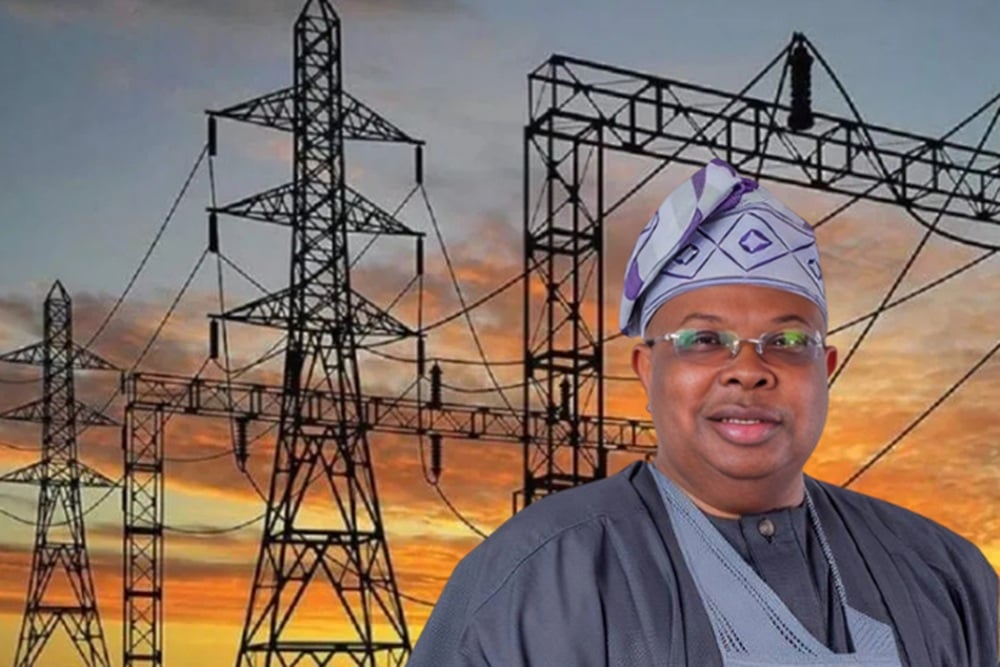
The Federal Government has approved plans to build a new Eastern-Western electricity grid as part of efforts to address Nigeria’s recurring power grid collapses.

The Minister of Power, Joseph Tegbe, disclosed this at the recent HBSAN energy conference in Lagos, where he outlined plans to address longstanding weaknesses in the country’s electricity transmission infrastructure.

Tegbe said the government is preparing to begin the procurement process for the projects, adding that Nigerians would begin to see their benefits in two to three years.

He revealed that the government has started a technical audit across the entire country to understand the issues with the power sector and to know what should be prioritised.

“We have clustered Nigeria into three energy zones. The first one is the one that demands 50 per cent. If you fix Lagos and you fix the Abuja corridors, you’ve solved more than half of the problem of Nigeria. Because you can’t do that alone based on operational efficiency, you also have to build out your grid.

The President has approved that we commence the process of building out the grid: East and Western grid. We’re going through the procurement process, but it’s something you’ll see the benefits in two to three years,” the Minister said.

The minister said the technical audit of electricity infrastructure is to identify faults and determine which facilities require urgent repairs or replacement.

He said the exercise was intended to ensure that interventions addressed the actual causes of problems rather than directing funds towards the wrong equipment.

“We have started a technical audit across the entire country to say where do we have issues, and what issues specifically do we have. I don’t want to fix transformer issues where I have conductor and relay problems. I don’t want to fix insulators where the challenges I actually have are towers. So, we will finish that technical audit in the next couple of weeks. When we finish it, we then target our prioritised areas,” he said.

See also  CBN warns that naira abuse is driving up printing costs

Tegbe attributed some of the challenges facing the transmission network to the age of its infrastructure, saying certain facilities dated back several decades.

He maintained that some transmission towers and lines were inherited from an era when the Electricity Company of Nigeria operated before the National Electric Power Authority.

“This government has inherited a problem of 50 years. Before I became the Minister of Power, honestly, I used to think that everybody in the power sector just didn’t know their left from right. But the reality is, some of the towers have gone down with some of the transmission lines there.

“When I went to the site, I saw some of them carrying the logo of ECN. Many people in this room might not know what ECN is. ECN predated NEPA. So, some of these things were built 50 years ago. That is the reality,” he stated.

Source: punchng.com

FOLLOW US ON:

FACEBOOK

TWITTER

PINTEREST

TIKTOK

YOUTUBE

LINKEDIN

INSTAGRAM

Continue Reading

Business

IMF advises Nigeria against restoring blanket petrol subsidy, read details

Published

on

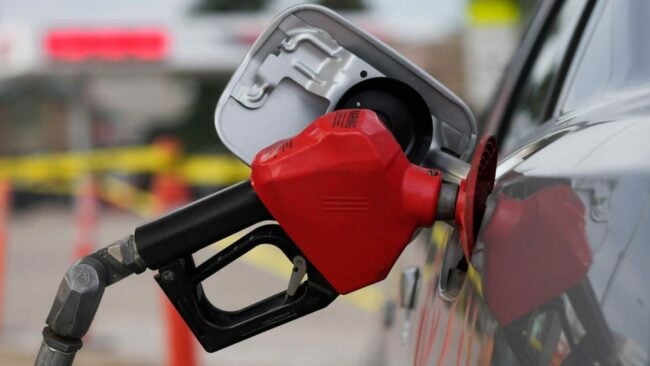
The International Monetary Fund has advised Nigeria against restoring blanket petrol subsidy, urging the Federal Government to channel support towards vulnerable citizens as rising energy costs put pressure on households.

The Director of the IMF’s Fiscal Affairs Department, Rodrigo Valdés, gave the advice on Wednesday while responding to a question about calls for the return of petrol subsidy in Nigeria ahead of elections, during the IMF and World Bank Group annual meetings in Bangkok, Thailand.

Valdés acknowledged the political pressure governments face when fuel prices rise but said blanket subsidies were costly and that available resources would be better used to support people most affected by higher energy prices.

He said, “At the end of the day, it’s very tempting politically speaking because it’s not trivial the political effect of the price of oil, of fuels, of gasoline, of diesel.

“But you have to explain that this is a global shock, first. Second, that it’s very, very expensive for the country not to recognise that shock.

“And third, it’s much better to use some of that money that would you spend in the subsidies channeled towards more vulnerable people.”

He added that targeted support was preferable to a blanket subsidy, saying: “Yeah, gasoline could go up and perhaps bus fees may be subsidised in a way. That is a much better policy at the end of the day than just a blanket subsidy for everybody.”

He said governments should consider targeted assistance rather than keeping fuel prices artificially low for all consumers.

See also  Experts task women on collaboration in events industry

The IMF has argued that broad-based fuel subsidies are expensive and often disproportionately benefit higher-income consumers, who tend to consume more fuel.

The advice comes as Nigeria faces renewed pressure over petrol prices following increases in global energy costs.

The Federal Government recently announced a 30-day petrol discount at Nigerian National Petroleum Company Limited retail stations, with priority for public transport operators, to cushion the impact on consumers.

Finance Minister Taiwo Oyedele said NNPC retail would sell petrol at cost by foregoing its retail profit margin, describing the measure as temporary relief rather than a return to petrol subsidy.

The government has also proposed negotiating a ceiling of N1,350 per litre on petrol’s ex-gantry or landing cost, subject to monthly reviews.

Valdés said fuel subsidies could also worsen global energy pressures by preventing demand from adjusting when supplies were constrained.

“When you subsidise, you don’t allow, at the end of the day, demand to adjust.

“And reality is that we have less fuels in the world economy. That means that someone else has to adjust more, and the market produces a higher price for that,” he said.

The IMF also recommended targeted interventions to cushion the impact of higher fuel prices on transportation costs.

A division chief in the fund’s Fiscal Affairs Department, Davide Furceri, suggested that governments could redirect resources from blanket subsidies towards support for public transport users and other vulnerable groups.

He also suggested measures such as school feeding programmes, geographical targeting and assistance for vulnerable farmers.

Furceri acknowledged that some countries lacked household registries and digital payment systems needed to deliver targeted assistance effectively, but said governments could adopt alternative approaches while developing stronger systems.

See also  Tax: ‘Give reprieve to people with low income’

He recommended that support should be limited, targeted and temporary.

Source: punchng.com

FOLLOW US ON:

FACEBOOK

TWITTER

PINTEREST

TIKTOK

YOUTUBE

LINKEDIN

INSTAGRAM

Continue Reading

Trending