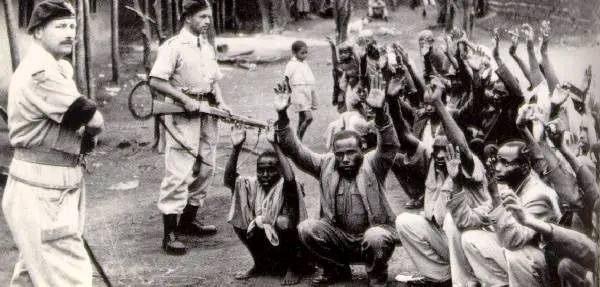
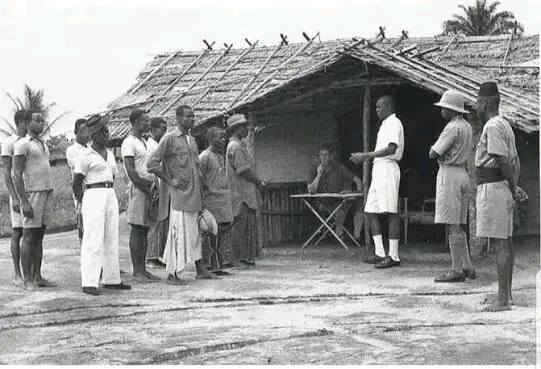
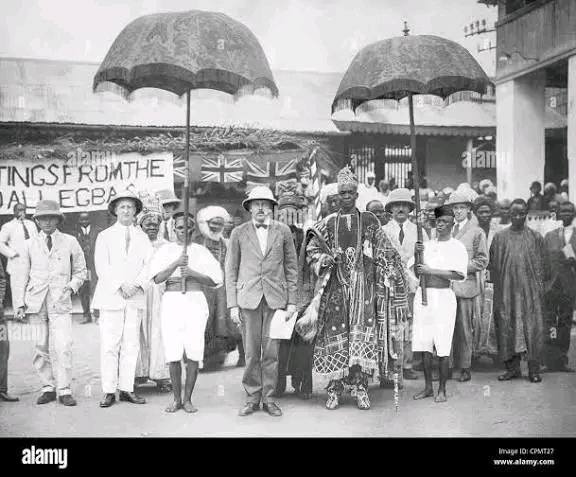
The story of colonial masters in Nigeria dates back to the late 19th century, when European powers—especially Britain—expanded their control across Africa. Before colonization, Nigeria was home to great civilizations like the Benin Kingdom, Oyo Empire, Sokoto Caliphate, and many independent ethnic groups with rich cultures and systems of governance.
⚓ The Beginning of British Influence
British contact began in the 15th century, initially focused on trade—especially in palm oil—after the abolition of the slave trade. By the mid-19th century, Britain had gained strong economic and political influence through trade agreements, treaties, and military power.
In 1861, Lagos was annexed as a British colony, marking the official start of British rule. From there, Britain expanded inland, conquering and subduing local kingdoms through both force and diplomacy.
🏛️ Formation of the Colony
By 1900, Britain had created three main territories:
The Colony of Lagos
The Southern Protectorate
The Northern Protectorate
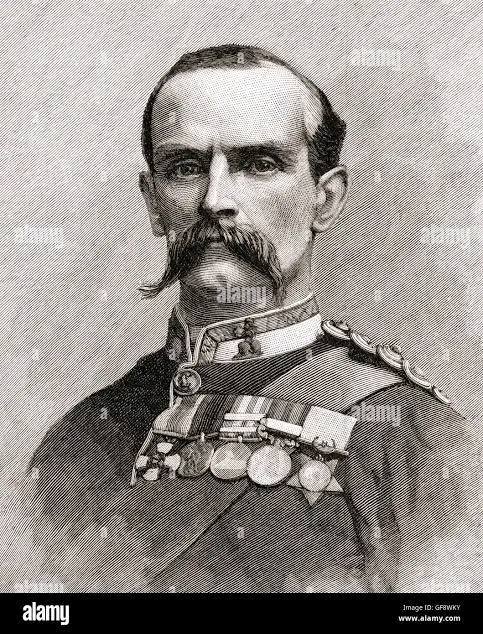
In 1914, under Lord Frederick Lugard, these regions were merged into one political entity—Nigeria—a name inspired by the River Niger. The amalgamation was done for British administrative convenience, not for the unity or benefit of the diverse ethnic groups.
💰 Colonial Administration and Exploitation
The British adopted indirect rule, especially in Northern Nigeria, using traditional rulers to govern on their behalf. While this system maintained order, it deepened regional inequality.
Colonial authorities focused on resource extraction—palm oil, cocoa, groundnuts, tin—feeding British industries while neglecting Nigerian education, infrastructure, and local empowerment.
Despite British dominance, Nigerians began to resist colonial rule. Educated elites and nationalists formed movements and parties like the NCNC and Action Group (AG), demanding self-governance.
Leaders such as Nnamdi Azikiwe, Obafemi Awolowo, and Ahmadu Bello became central figures in this struggle.
After decades of activism and political reform, Nigeria gained independence on October 1, 1960.
🕊️ Legacy of Colonial Rule
Colonialism left lasting marks on Nigeria—both positive and negative. It brought Western education, Christianity, and modern infrastructure, but also entrenched ethnic divisions, uneven development, and a political structure still influenced by British interests.
These legacies continue to shape Nigeria’s identity and challenges today.
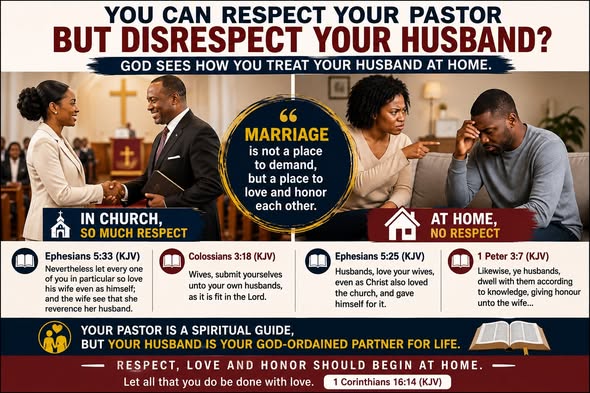
Some wives can stand before their pastor with a gentle voice, a respectful attitude, and complete attention. They will never speak to their pastor the way they speak to their husband at home.
But when they get home, the respect disappears.
Is that really the kind of Christian character God wants?
Before you get angry with this question, examine yourself.
📖 Ephesians 5:33 (KJV) says:
“…and the wife see that she reverence her husband.”
The Bible does not tell a wife to reverence her pastor while treating her husband with contempt.
But let us also be fair: God did not command husbands to demand respect while refusing to love their wives.
📖 Ephesians 5:25 (KJV):
“Husbands, love your wives, even as Christ also loved the church, and gave himself for it.”
Marriage is not a competition between husband and pastor.
Your pastor may preach to you, counsel you, and pray for you—but your husband is the person you chose to build a life with.
If you can speak politely to your pastor, why can’t you speak politely to your husband?
If you can listen patiently to your pastor, why can’t you listen patiently to your husband?
If you can honor your pastor publicly, why must your husband receive disrespect privately?
And husbands, this message is for you too:
You cannot demand the respect you refuse to give.
📖 1 Peter 3:7 (KJV):
“Likewise, ye husbands, dwell with them according to knowledge, giving honour unto the wife…”
A Christian home should not be a place where one person demands submission while the other refuses to show love.
Marriage is built on trust, honesty, communication, and unity. When one spouse begins making major decisions in secret—especially decisions involving money, family, relationships, property, or the future of the home—the damage can go deeper than the decision itself. Secrecy creates suspicion, suspicion weakens trust, and when trust disappears, the foundation of the marriage begins to crumble.
The Bible says:
“Wherefore putting away lying, speak every man truth with his neighbour: for we are members one of another.” — Ephesians 4:25 (KJV)
Husband and wife are no longer two separate people living independent lives; they have become one. Therefore, major decisions that affect the family should not be hidden from one another. Transparency is not weakness—it is a sign of respect and commitment.
The Bible declares:
“And they twain shall be one flesh: so then they are no more twain, but one flesh.” — Mark 10:8 (KJV)
If a decision will affect your spouse, your children, your finances, your home, or your future, your spouse deserves to know. A marriage cannot remain strong when one person knows the truth while the other is deliberately kept in the dark.
Scripture also teaches:
“The simple believeth every word: but the prudent man looketh well to his going.” — Proverbs 14:15 (KJV)
Wisdom requires communication before action. Before making major decisions, husband and wife should sit down, talk honestly, listen to each other, pray together, and seek understanding. A decision made secretly may appear successful for a moment, but the consequences of broken trust can remain for years.
“Can two walk together, except they be agreed?” — Amos 3:3 (KJV)
Agreement does not mean that husband and wife will always have the same opinion. It means they are willing to communicate, consider each other’s concerns, and work toward a common direction.
A marriage should not be a place where secrets are protected at the expense of trust. Privacy has its place, but deliberate secrecy about major matters can become destructive. If something is important enough to change the direction of the family, it is important enough to be discussed.
Remember:
A marriage does not usually collapse because of one big decision. Sometimes it begins to crumble through repeated secrecy, hidden actions, broken promises, and the gradual destruction of trust.
Therefore, husbands and wives should choose truth over deception, communication over silence, unity over selfishness, and wisdom over impulsive decisions.
“Two are better than one; because they have a good reward for their labour.” — Ecclesiastes 4:9 (KJV)
If you want your marriage to remain strong, do not make your spouse a stranger to decisions that shape the life you are supposed to build together. Talk. Listen. Pray. Be honest. Build trust before the cracks become too deep to repair.
Many people are careful about what they do when others are watching, but character is revealed by what a person does when nobody is watching. You may hide your actions from people, but nothing is hidden from God.
The Bible says:
“For there is nothing covered, that shall not be revealed; neither hid, that shall not be known.” — Luke 12:2 (KJV)
What you think is safely hidden today may become tomorrow’s testimony. Secret lies, secret corruption, secret betrayal, secret immorality, and secret wickedness may remain unknown to people for a while, but they do not remain hidden forever.
Numbers 32:23 warns:
“Be sure your sin will find you out.” — Numbers 32:23 (KJV)
Therefore, do not live two different lives—one before people and another behind closed doors. Do not build a public reputation while secretly destroying your character.
Jesus also said:
“For there is nothing covered, that shall not be revealed; neither hid, that shall not be known.” — Matthew 10:26 (KJV)
The best protection against public shame is private integrity. Do what is right even when nobody can see you. Speak the truth when lying would benefit you. Be faithful when nobody is checking. Refuse what is wrong even when you know you could get away with it.
God sees what people cannot see:
“For his eyes are upon the ways of man, and he seeth all his goings.” — Job 34:21 (KJV)
Remember, reputation is what people know about you, but character is who you really are when the doors are closed.
If you have something in your secret life that you would be ashamed for the whole world to discover, do not wait until it is exposed. Correct it now. Turn away from wrongdoing and choose righteousness.
“He that covereth his sins shall not prosper: but whoso confesseth and forsaketh them shall have mercy.” — Proverbs 28:13 (KJV)
What you do in secret can eventually shout in public. Therefore, live in such a way that your private life will not contradict your public image. Let your character be clean when nobody is watching, so you will have nothing to fear when everything is brought to light.
Live right. Be honest. Keep your heart clean. What is hidden from people is never hidden from God.