Lifestyle
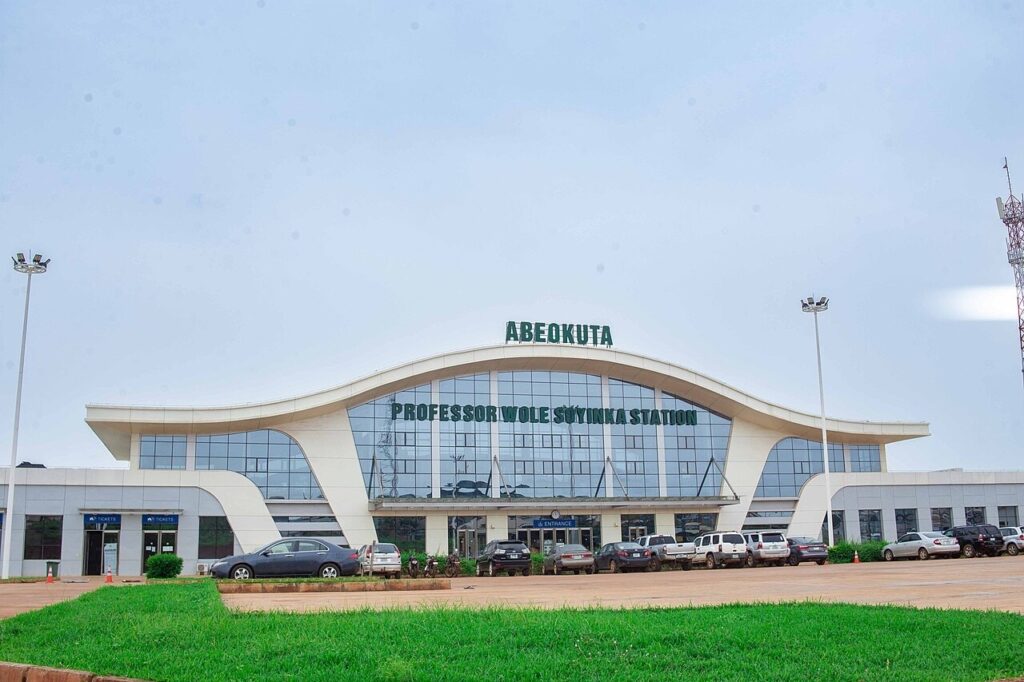
PHOTOS: Professor Wole Soyinka Train Station: A Modern Landmark Honouring a Literary Icon

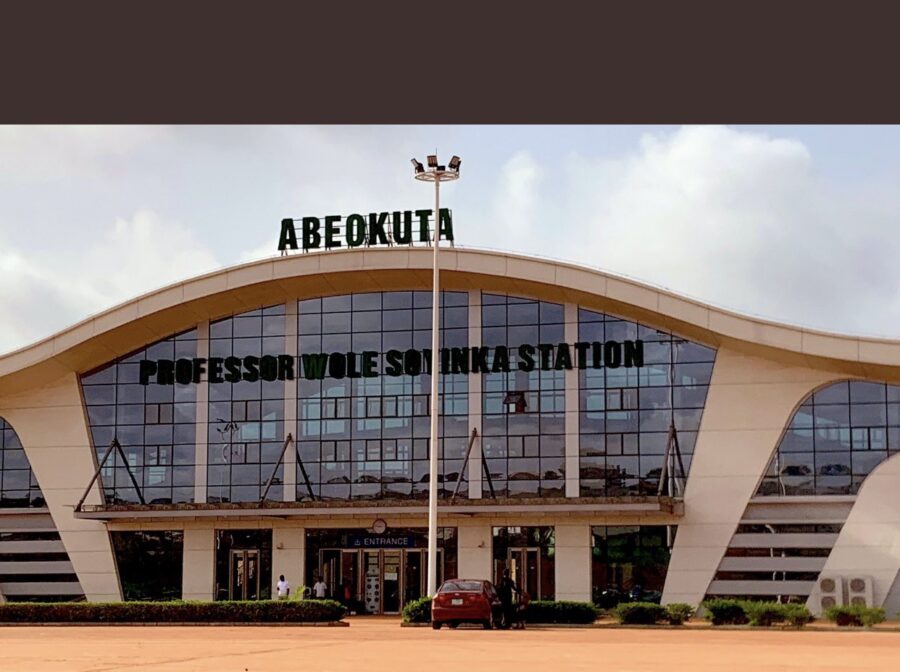
How Ogun State’s premier railway station celebrates Nigeria’s Nobel laureate while driving national connectivity.
Location: Laderin, Abeokuta, Ogun State, Nigeria
The Professor Wole Soyinka Train Station in Abeokuta, Ogun State, stands as both a tribute to Nigeria’s literary genius and a symbol of the country’s advancing transport infrastructure. Named in honour of Professor Wole Soyinka, Africa’s first Nobel laureate in Literature, the station merges modern engineering with cultural recognition, representing progress in both physical and intellectual journeys across Nigeria.
A Symbol of Honour and National Pride
Commissioned as part of the Lagos–Ibadan Standard Gauge Railway Line, the Professor Wole Soyinka Train Station forms one of the most significant railway developments in Nigeria’s modern history. The naming of the station after Professor Akinwande Oluwole Babatunde Soyinka, a native of Ogun State, was a deliberate decision to celebrate excellence, scholarship, and integrity — values Soyinka has embodied throughout his global literary career.
The gesture immortalises his contributions not only to literature and theatre but also to national activism and education. It reflects the Nigerian government’s broader commitment to recognising individuals who have brought prestige to the nation.
Strategic Location and Infrastructure
Located in the Laderin area of Abeokuta, the station serves as a central link between Lagos, Ibadan, and other major cities in Nigeria’s southwest. Its strategic position in Ogun State — a region long associated with education, industry, and innovation — makes it a vital hub for commuters, business travellers, and tourists alike.
The station is part of the Lagos–Ibadan Standard Gauge Railway, which was officially completed and opened for full commercial operations in 2021. The 156-kilometre line is one of the flagship projects under Nigeria’s national railway modernisation initiative, designed to improve mobility, reduce travel time, and stimulate economic growth across regions.
Architectural Design and Facilities
The Professor Wole Soyinka Train Station reflects the elegance of modern Nigerian architecture. Its clean lines, open spaces, and accessible design convey efficiency and comfort. The station features:
Spacious waiting lounges equipped with digital ticketing systems
Air-conditioned halls and modern restrooms
Electronic information boards and security screening units
Parking facilities for private vehicles and commercial taxis
Accessibility features for passengers with disabilities
The infrastructure is designed to accommodate hundreds of passengers daily, ensuring smooth operations and comfort for travellers along the Lagos–Abeokuta–Ibadan route.
Economic and Social Impact
The establishment of the Lagos–Ibadan rail line, and by extension the Wole Soyinka Station, has significantly boosted socio-economic activities across southwestern Nigeria. Businesses now benefit from faster and safer transport of goods, while residents enjoy affordable, efficient mobility between key cities.
For Ogun State, the presence of the station enhances tourism and commerce. Visitors from across Nigeria and abroad can easily access Abeokuta’s cultural and historical landmarks — including the Olusegun Obasanjo Presidential Library, Olumo Rock, and the Alake’s Palace — turning the city into a vibrant destination for learning and leisure.
A Fitting Tribute to a Global Icon
Naming the station after Professor Wole Soyinka holds deep symbolic significance. Born in Abeokuta, Ogun State, Soyinka has consistently used his literary voice to advocate for freedom, justice, and human dignity. His Nobel Prize in Literature, awarded in 1986, placed Nigeria and Africa on the global cultural map.
The train station thus becomes more than just a physical structure — it is a metaphor for Soyinka’s lifelong journey of enlightenment and progress. Just as trains connect cities and people, Soyinka’s words have bridged generations, ideologies, and cultures.
Looking Ahead: Connecting the Nation through Infrastructure and Inspiration
As Nigeria continues to expand its railway network, the Professor Wole Soyinka Train Station stands as a benchmark for excellence in infrastructure and heritage recognition. It is a reminder that progress is not only measured by steel and speed but also by the values and icons that inspire a nation’s collective journey.
For travellers arriving in Abeokuta, the station offers not just a gateway to the city — but also an invitation to reflect on the power of knowledge, creativity, and national identity embodied by one of Nigeria’s most distinguished sons.
References:
Nigerian Railway Corporation (NRC) Official Releases (2021–2022)
The Guardian Nigeria: “Lagos–Ibadan Railway and the Modernisation of Nigeria’s Transport” (2021)
Vanguard Nigeria: “Why Wole Soyinka’s Name Matters in Ogun’s Rail Legacy” (2022)
BBC News Africa Archives on Wole Soyinka (1986–2021)
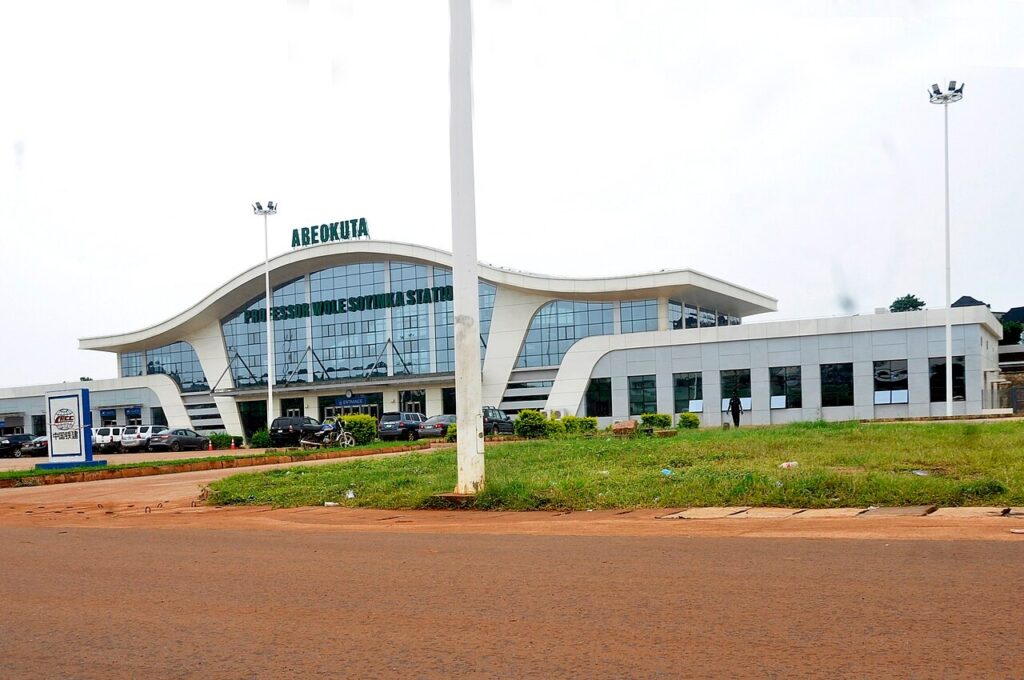
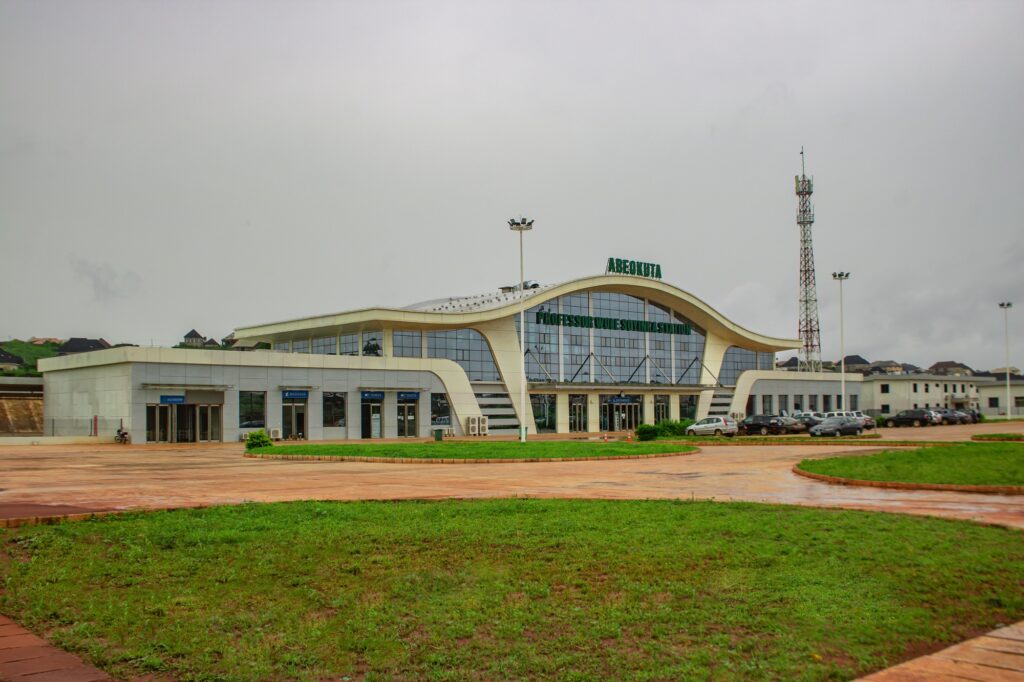
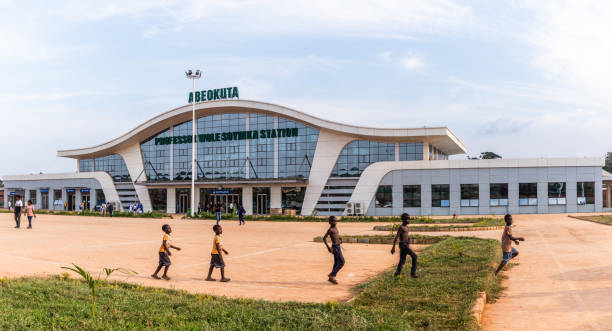
The new Abeokuta train Station. Named after Wole Soyinka. The station is located at Ori Osoko Community at the outskirt of Abeokuta, Ogun State.
FOLLOW US ON:

Lifestyle
A WIFE WHO WAS NOT PROPERLY PREPARED FOR MARRIAGE: WHEN PARENTING FAILS TO TEACH LIFE’S MOST IMPORTANT LESSONS

Lifestyle
SOME MEN GET MARRIED AS ADULTS BUT STILL BEHAVE LIKE CHILDREN — WHO FAILED TO PREPARE THEM FOR MARRIAGE?

Lifestyle
SOME PEOPLE HAVE BEEN BRAINWASHED SO DEEPLY THAT THEY HATE THEMSELVES WHILE CALLING IT CIVILISATION!



US department of justice charges 2 former FBI officials with lying to congress about Hunter Biden’s laptop

Tinubu doesn’t deserve second term — Kwankwaso

Supporting Tinubu’s re-election could pave way for Igbo presidency – Gov Soludo

‘Sleeping Prince’ of Saudi Arabia dies after 20 years in coma

2027: Atiku delays ADC membership card collection amid rumoured Jonathan comeback

How A Class Of 24 Students Produced 2 Presidents, 4 Governors, 2 Ministers, 4 Emirs, 3 Justices, 4 Ambassadors and Other Influential Leaders

🔥 “I NO DEY GIVE SHI SHI” ERA DON PASS? WOMAN RAISES ALARM OVER PETER OBI’S ₦10 MILLION DONATION! 🇳🇬

YORUBA NATION: KWARA STATE IS MORE THAN ILORIN! 🇳🇬 | LIST OF YORUBA OBA, TOWNS & TRADITIONAL TITLES

Sardauna Assures Ansarul: “No One Will Be Left Behind” | Senator We Need #IwajuLaNlo
-

 Business24 hours ago
Jide Kosoko laments debt following N300m movie cinema loss
-
Lifestyle14 hours ago
SOME MEN GET MARRIED AS ADULTS BUT STILL BEHAVE LIKE CHILDREN — WHO FAILED TO PREPARE THEM FOR MARRIAGE?
-
Lifestyle15 hours ago
SOME PEOPLE HAVE BEEN BRAINWASHED SO DEEPLY THAT THEY HATE THEMSELVES WHILE CALLING IT CIVILISATION!
-
News24 hours ago
Gbajabiamila reveals 24 state assemblies approve state police amendment
-
Lifestyle14 hours ago
A WIFE WHO WAS NOT PROPERLY PREPARED FOR MARRIAGE: WHEN PARENTING FAILS TO TEACH LIFE’S MOST IMPORTANT LESSONS
-
News47 minutes ago
‘I want to leave Aso Rock in 2031 to a Nigeria I can enjoy’ — Remi Tinubu
-
Politics17 minutes ago
Tinubu doesn’t deserve second term — Kwankwaso
-
Politics33 minutes ago
Supporting Tinubu’s re-election could pave way for Igbo presidency – Gov Soludo