Connect with us

News

Coup: Benin Republic arrests Ex-president’s son

Published

on

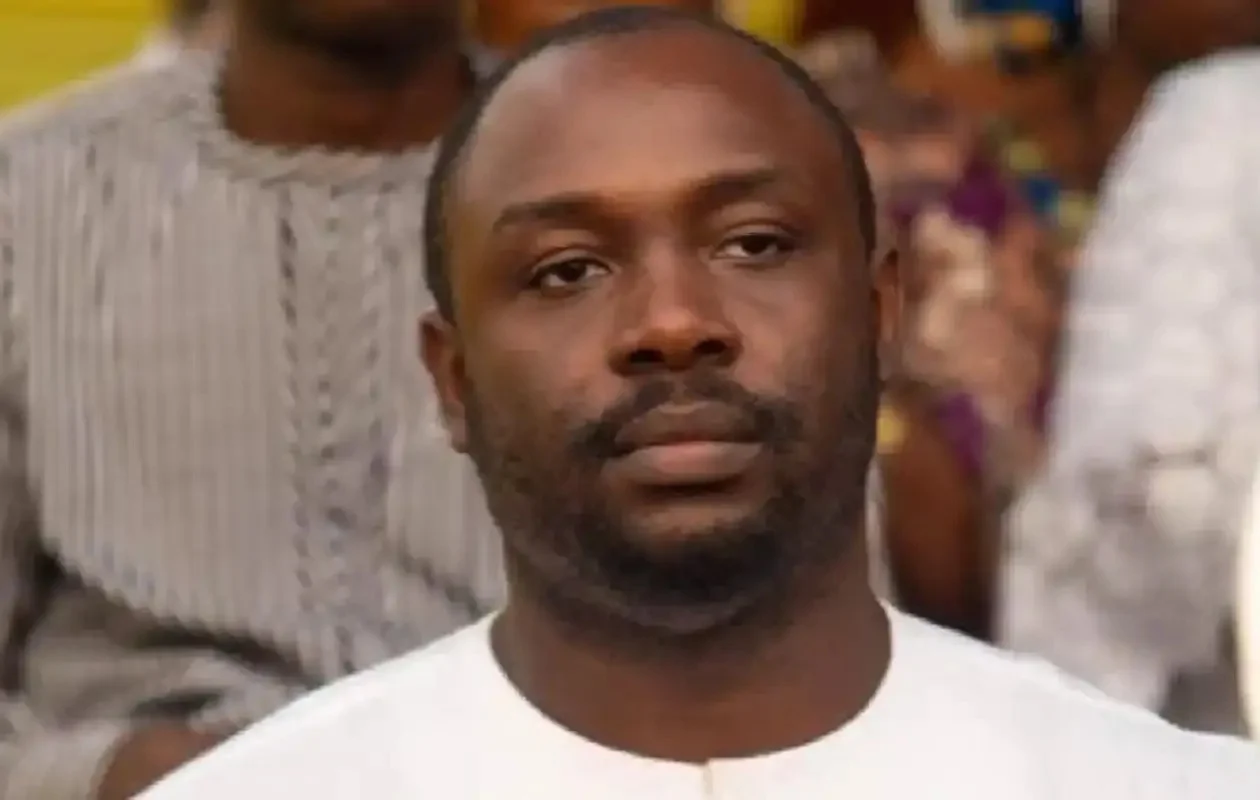
Chabi Yayi, the son of former Beninese president and current opposition figure, Thomas Boni Yayi, was arrested early Sunday at his home, according to several of his relatives.

No reason was given for the arrest, which comes a week after the foiled coup attempt there.

“At this time, we don’t know what he is accused of,” one relative told AFP.

“We don’t know if it is linked to the events of last Sunday,” said another close friend, a member of the Democrats party, the main opposition party, which Yahi heads.

Thomas Boni Yayi condemned the abortive coup in a video address two days later.

Several arrests have taken place since the December 7 putsch attempt.

They include alleged participants, the former minister of defence and key opposition figure, Candide Azannai.

Azannai was placed in police custody for “conspiracy against the authority of the State and incitement to rebellion”.

Benin has also issued an international arrest warrant against pan-Africanist and anti-Western influencer Kemi Seba, who on Sunday issued a defiant response on video.

In a seven-minute-long statement, Seba said he had taken precautions since the issuing of the warrant against him, though he did not say in which country he was.

“You can never stop us,” he added. “We will go to the end of our fight.”

Benin issued the warrant on Friday for “inciting rebellion” over his support for the coup bid, which he described as the country’s “day of liberation”.

Seba, whose real name is Stellio Gilles Robert Capo Chichi, 44, heads the NGO Pan-Africanist Emergency and is known for his hostile stance towards France and African governments allied with Paris.

See also  Implement our 15 demands to avoid strike, resident doctors tell FG

He has 1.5 million followers on social media. Born Franco-Beninese, Seba was stripped of his French nationality in 2024. He supports the military juntas that came to power through coups in the Sahel region — hostile to Paris and close to Russia.

He now travels on a passport issued by the military regime in Niger, which neighbours Benin.

Several of those who staged the failed coup, including their leader, Lieutenant Colonel Pascal Tigri, remain at large.

AFP

FOLLOW US ON:

FACEBOOK

TWITTER

PINTEREST

TIKTOK

YOUTUBE

LINKEDIN

TUMBLR

INSTAGRAM

Continue Reading
Click to comment

Leave a Reply

Your email address will not be published. Required fields are marked *

News

Hydrography vital for Nigeria’s maritime safety, blue economy — Hydrographer

Published

on

The Hydrographer of the Federation and Chief Executive Officer of the National Hydrographic Agency, Rear Admiral Olumide Fadahunsi, has said modern hydrography remains the bedrock of Nigeria’s maritime safety, ocean governance and environmental protection.

He warned that the country must urgently transform how it organises, standardises and shares ocean data to secure its Blue Economy future.

Fadahunsi stated this on Tuesday in Abuja during a press briefing marking the 2026 World Hydrography Day celebration, held at the National Hydrographic Agency Headquarters Complex.

“Hydrography remains the bedrock of maritime safety, ocean governance and environmental protection. Accurate charts and ocean-data products derived from modern surveys are essential for safe navigation, port development, offshore energy, submarine cable and pipeline routing, fisheries management and coastal-resilience planning,” he said.

He said Nigeria would formally commemorate the day on June 20, 2026, in Lagos in alignment with the International Hydrographic Organisation’s global agenda.

Speaking on the theme, he explained that it was deliberately framed in accessible language to draw in stakeholders beyond technical specialists.

“While the underlying focus is technical, the IHO has deliberately framed the theme in clear, non-technical language to engage a broad range of stakeholders beyond hydrographers and navigation specialists, including policymakers, industry, academia and the general public,” he said.

Fadahunsi said the theme specifically supports the planned uptake of S-100-based data services, with particular focus on S-101 Electronic Navigational Charts and S-102 Bathymetric Surface products, which underpin the International Maritime Organisation’s approved acceptance of S-100 ECDIS as a standard means of navigation in international shipping.

See also  Implement our 15 demands to avoid strike, resident doctors tell FG

“By transforming how ocean data is organised, standardised and shared, especially through S-100-compliant services, Nigeria can reduce navigational risk, support efficient maritime trade and contribute to regional and global efforts to keep sea lanes safe,” he added.

The centrepiece of Nigeria’s celebration will be a Plenary Session on June 20, which Fadahunsi said would bring together subject-matter experts, researchers, policy leaders, hydrographic authorities, industry partners and development agencies.

“The Plenary will bring together experts to examine how improved ocean-data sharing can strengthen navigation safety, maritime administration and Blue Economy growth in Nigeria and across Africa,” he said.

Fadahunsi said the session’s outcomes were expected to yield concrete deliverables for the nation’s maritime sector.

“We expect better national and regional understanding of the importance of transforming how ocean data is shared, stronger collaboration among hydrographic offices, maritime authorities, academic institutions, regulators and private-sector actors, and practical recommendations for enhancing the accessibility, interoperability and governance of ocean data,” he stated.

The Hydrographer of the Federation also situated Nigeria’s 2026 celebration within broader global frameworks, noting its alignment with the United Nations Sustainable Development Goal 14 on Life Below Water and the UN Decade of Ocean Science for Sustainable Development, which runs from 2021 to 2030.

“By embracing the IHO’s theme, Nigeria positions itself as an active contributor to global efforts to modernise ocean information systems for the benefit of shipping, coastal communities and the environment.

“We urge you to highlight the role of the NHA in implementing modern hydrographic standards, supporting S-100-based data services and partnering with regional and international organisations to transform how ocean data is shared for safety, security and sustainable development,” he said.

See also  Abducted Kwara monarch regains freedom after 25 days in captivity

World Hydrography Day is observed annually on June 21 and was established by the International Hydrographic Organisation to raise awareness of hydrography and its critical role in maritime safety, trade and environmental protection.

The IHO, which coordinates hydrographic surveying standards among its member states, designates a fresh theme each year to guide national celebrations globally.

punch.ng

FOLLOW US ON:

FACEBOOK

TWITTER

PINTEREST

TIKTOK

YOUTUBE

LINKEDIN

INSTAGRAM

Continue Reading

News

FG pushes intelligence-led border security, resilience

Published

on

The Federal Government has reiterated the need for stronger collaboration among federal agencies, border states, traditional institutions and neighbouring countries to improve border security and address cross-border threats.

The position was highlighted at a one-day national workshop on “Border Security, Resilience and Cross-Border Cooperation” organised by the National Boundary Commission in Abuja.

Representing the Minister of Defence, General Christopher Musa, at the event, the Special Adviser to the Minister, Rear Admiral Olusanya Bankole (retd.), said effective border management remains critical to national security and economic development.

He noted that Nigeria’s borders serve as important channels for trade, interaction and shared heritage, but also remain vulnerable to transnational crimes, irregular migration, smuggling and other security challenges.

Bankole said there was a need to move beyond traditional security approaches by adopting proactive measures such as early warning systems, technology-driven surveillance and stronger intelligence-sharing mechanisms with neighbouring countries.

According to him, “resilient borders are not only secured, but they are adaptive, inclusive and capable of withstanding security threats, climate change and economic disruptions.”

Earlier, the Director-General of the National Boundary Commission, Adamu Adaji, said border management requires coordinated action among multiple stakeholders. He noted that Nigeria shares about 4,454 kilometres of land borders with Benin, Niger, Chad and Cameroon, in addition to an approximately 853-kilometre coastline.

Adaji said the commission had established cross-border cooperation platforms involving border communities, traditional rulers, local authorities, security agencies and civil society organisations to support dialogue, information gathering and conflict prevention.

The workshop featured presentations on cross-border cooperation, maritime governance and the blue economy, as well as drone technology, border resilience and peacebuilding initiatives aimed at strengthening national security.

See also  US Suspends Legal Immigration Applications, Citizenship For Nigerians, Others

The Commandant of the National Defence College, Rear Admiral Abdullahi Ahmed, called for greater cooperation among countries, noting that border-related challenges cannot be effectively managed in isolation.

Deputy governors and chairmen of State Boundary Committees from Nigeria’s border states also commended the National Boundary Commission’s advocacy efforts and pledged support for initiatives aimed at improving border security and tackling transboundary crimes.

Traditional rulers from communities along Nigeria’s international borders urged the government to deepen engagement with traditional institutions. They described traditional rulers as the “first eyes and ears” of border communities and called for their inclusion in security coordination efforts.

The workshop concluded with stakeholders reaffirming their commitment to strengthening border security, improving resilience and promoting economic activities in border communities.

punch.ng

FOLLOW US ON:

FACEBOOK

TWITTER

PINTEREST

TIKTOK

YOUTUBE

LINKEDIN

INSTAGRAM

Continue Reading

News

IG directive: Police launch crackdown on unregistered number plates

Published

on

The Nigeria Police Force has commenced a coordinated enforcement exercise across the country, targeting vehicles operating with covered, obscured, altered, defaced or unregistered number plates as part of efforts to strengthen security and curb criminal activities.

The exercise, which follows a directive by the Inspector-General of Police, Olatunji Disu, is aimed at enhancing public safety, improving vehicle identification and preventing criminals from using untraceable vehicles to evade detection.

In Kogi State, the police command said it had begun a statewide operation against vehicles with covered, obscured, unauthorised, defaced or missing registration number plates.

A statement issued on Monday by the command’s spokesperson, ASP Afusat Oyiza, said the Commissioner of Police, Naziru Kankarofi, directed all Area Commanders, Divisional Police Officers and traffic personnel to ensure full compliance across the state.

She warned that vehicles found in violation would be impounded and subjected to investigation in accordance with extant laws.

Oyiza urged motorists, transport operators and fleet owners to ensure that their vehicles display valid and clearly visible number plates at all times and that all relevant documents are up to date and available for inspection.

She described the exercise as a proactive security measure designed to improve crime prevention and strengthen security operations across the state.

Similarly, the Delta State Police Command announced the commencement of a statewide enforcement operation against vehicles without registration number plates and those with concealed, altered, defaced or unreadable plates.

In a statement signed by the PPRO, SP Bright Edafe, the command said the operation was intended to enhance public safety and strengthen law enforcement’s ability to identify vehicles, prevent crime and apprehend offenders.

See also  Ex-Police IG, Solomon Arase, dies in Abuja hospital

“The command notes that vehicles without registration number plates or those deliberately concealed pose a significant security risk, as they are often difficult to trace and may be exploited by criminal elements to evade detection,” the statement said.

It advised motorists to remove any device, sticker, frame or cover obstructing the visibility of their number plates and immediately regularise vehicles operating without valid registration.

Delta State Commissioner of Police, Olufemi Oyeniyi, directed Area Commanders, DPOs, Tactical Commanders and patrol teams to ensure strict enforcement across the state.

He warned that vehicles without approved registration plates or with tampered registration details would be impounded and subjected to legal processes.

In Rivers State, the CP, Olugbenga Adepoju, personally led enforcement operations in Port Harcourt and its environs.

Accompanied by officers of the State Traffic Department and members of the command’s management team, Adepoju monitored compliance at strategic locations, including GRA Junction along Aba Road and Ikwerre Road.

Several offenders were arrested and arraigned before a mobile court sitting at the Police Traffic Section, Mile 1 Divisional Police Headquarters.

Speaking during the exercise, Adepoju said intelligence reports indicated that vehicles with obscured or unregistered number plates were frequently used in criminal activities, including kidnapping, armed robbery and the transportation of illegal arms.

“Vehicles operating without registration plates or with covered or obscured number plates will be impounded and their owners sanctioned accordingly,” he said.

He explained that visible registration plates remain critical to crime detection, vehicle recovery and the identification of suspects involved in criminal activities and hit-and-run incidents.

See also  Nigeria @65: The worst is over, hope rising for Nigeria – Tinubu

The Rivers police commissioner also cautioned officers against extorting motorists during the enforcement exercise and directed that the operation be carried out professionally.

Adepoju further clarified that the existing restriction on the operations of tricycles and motorcycles between 10 p.m. and 6 a.m. did not apply to minibuses, popularly known as Keke buses.

According to him, security data showed that tricycles and motorcycles were frequently used by “one-chance” robbery syndicates, necessitating the restriction.

“We do not want to inconvenience members of the public. Therefore, Keke buses are allowed to operate after 10 p.m., although they will be closely monitored by security personnel. The restriction applies only to tricycles and motorcycles,” he said.

punch.ng

FOLLOW US ON:

FACEBOOK

TWITTER

PINTEREST

TIKTOK

YOUTUBE

LINKEDIN

INSTAGRAM

Continue Reading

Trending