Connect with us

Business

FG woos Diaspora Nigerians for investments, knowledge transfer

Published

on

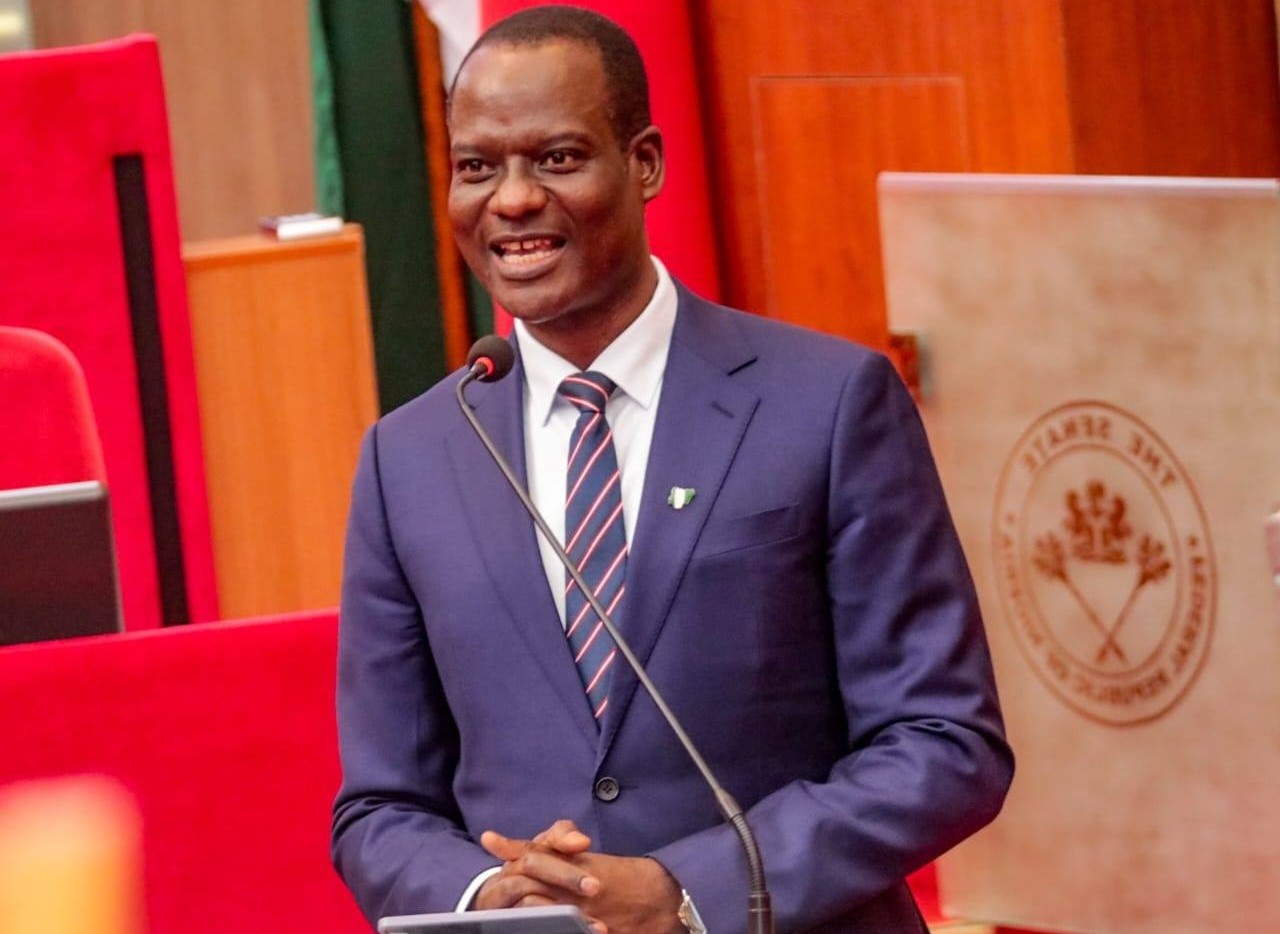
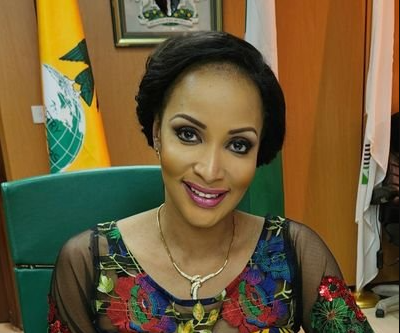
The Minister of Foreign Affairs, Amb Bianca Odumegwu-Ojukwu, has urged Nigerians in the Diaspora to deploy their expertise, investments, networks and global experience towards advancing Nigeria’s development.

Odumegwu-Ojukwu made the call at a town hall meeting with Nigerians in the Diaspora in New York on Wednesday evening, held on the sidelines of the United Nations General Assembly and attended by Vice President Kashim Shettima.

This was disclosed in a statement issued on Thursday in Abuja and signed by the Special Assistant on Communication and New Media to the minister, Magnus Eze.

According to the statement, the minister said the presence of the Vice President at the engagement underscored the importance the Federal Government attaches to Nigerians living abroad, their welfare, concerns and contributions to national development.

Odumegwu-Ojukwu described the Diaspora as an important pillar of Nigeria’s foreign policy, stressing that Nigerians abroad should be regarded as strategic partners rather than solely as contributors to the country’s economy through remittances.

“Nigerians abroad are more than a source of remittances. You are professionals, entrepreneurs, academics, innovators and important bridges between Nigeria and the international community,” the minister said.

She reaffirmed the Ministry of Foreign Affairs’ commitment to citizens diplomacy, which places the Nigerian citizen at the centre of the country’s diplomatic engagements.

She also directed Nigeria’s embassies, high commissions and consulates to remain accessible and responsive to Nigerians within their respective jurisdictions, particularly when citizens require legitimate consular assistance.

“The welfare of Nigerians abroad must remain a priority. Our missions must listen, engage and assist our citizens within the limits of international law and the laws of host countries,” she stated.

See also  Agency presents new regulatory laws to boost electricity

The minister, however, urged Nigerians in the Diaspora to respect the laws of their host countries and conduct themselves in ways that uphold the dignity and good name of Nigeria.

She called for stronger collaboration between the Federal Government and the Nigerian Diaspora in investment, innovation, knowledge transfer, mentorship and international business linkages.

“Your knowledge and international exposure are invaluable assets to our country. We want a stronger partnership with our Diaspora,” Odumegwu-Ojukwu said.

She encouraged Nigerians abroad to mentor young Nigerians, support innovation, establish partnerships with Nigerian institutions and connect Nigerian businesses and entrepreneurs to opportunities in international markets.

The minister described the town hall meeting as an important component of the government’s continuing dialogue with Nigerians abroad, noting that effective Diaspora engagement must be based on trust, openness and sustained communication.

She assured the gathering that the Ministry of Foreign Affairs would continue to work closely with the Nigerians in Diaspora Commission, Nigeria’s diplomatic missions and other relevant institutions to strengthen engagement with Nigerians overseas and advance their legitimate interests.

“Wherever you may reside, Nigeria remains our common heritage. Distance does not diminish citizenship. Where there are challenges, let us work together to address them; where there are opportunities, let us seize them together,” she said.

Odumegwu-Ojukwu further noted that Nigeria’s representation on the international stage extended beyond its diplomats, pointing to the millions of Nigerians whose achievements, professionalism and conduct contribute to the country’s global standing.

“Nigeria is represented internationally not only by its diplomats, but also by millions of Nigerians whose achievements, professionalism and character speak for our nation every day,” she said.

See also  DisCos reject FG’s free meter plan

The minister assured Nigerians in the Diaspora that the Federal Government would continue to strengthen mechanisms for engagement, consular support and collaboration while creating opportunities for them to contribute meaningfully to national development.

“You are an important part of Nigeria’s story, and you are indispensable to Nigeria’s future,” the Minister told the gathering.

Source: punchng.com

FOLLOW US ON:

FACEBOOK

TWITTER

PINTEREST

TIKTOK

YOUTUBE

LINKEDIN

INSTAGRAM

Continue Reading
Click to comment

Leave a Reply

Your email address will not be published. Required fields are marked *

Business

FG, NLC clash over minimum wage talks

Published

on

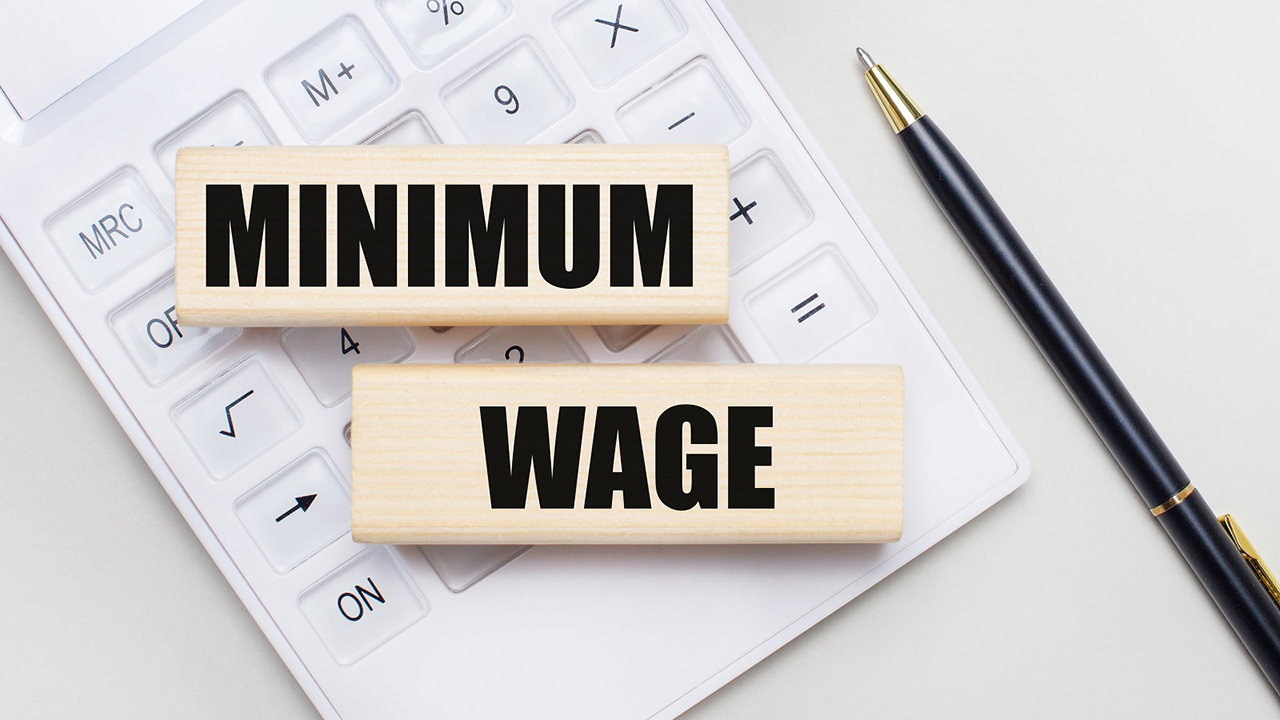
The Federal Government and the Nigeria Labour Congress have disagreed over when negotiations for a new national minimum wage should begin, with organised labour challenging the government’s interpretation of the law and demanding that preparations commence immediately.

The disagreement followed an exchange of letters between the Minister of Labour and Employment, Dr Muhammad Dingyadi, and NLC President, Joe Ajaero, over the timetable for reviewing the N70,000 minimum wage signed into law in July 2024.

In a letter dated 13 October, 2026, Ajaero rejected the government’s position that a fresh review would be premature, arguing that the statutory timetable under the original National Minimum Wage Act, 2019, remained relevant despite the 2024 amendment.

He said the government should begin the process by calling for nominations and inaugurating the National Minimum Wage Tripartite Committee, which brings together the government, organised labour and employers.

“The time is now. The appropriate time is now,” Ajaero wrote in the letter shared on Thursday, arguing that delaying the process would worsen the hardship facing Nigerian workers.

His response came a day after Dingyadi, in a letter dated October 12, acknowledged receipt of a communique issued after a joint meeting of the NLC’s Central Working Committee and National Executive Council.

The minister said the current minimum wage would become due for review on 1 June, 2027, and argued that commencing another review barely two years after the implementation of the N70,000 wage would be premature and disruptive to industrial relations.

The latest exchange comes amid growing pressure from the labour movement over the rising cost of living and the erosion of workers’ purchasing power.

See also  Capital Gains Tax: Taiwo Oyedele dismisses claims Nigerian investors are frustrated

In an Independence Day statement on 1 October, the country’s biggest labour union demanded an immediate reduction in petrol prices, a nationwide wage award and the commencement of negotiations for a new national minimum wage. The statement, signed by Ajaero and titled “Our Hope Depends on the Choices We Make and the Actions We Take”, linked rising transportation, food, rent and education costs to the declining value of workers’ earnings.

Workers also called for the implementation of tax relief measures agreed upon with the government in October 2023, arguing that the union should not continue to bear the burden of rising living costs without additional support.

The NLC demanded that petrol prices be reduced to the levels prevailing when the current minimum wage was signed into law in 2024, negotiations for a new wage begin before the end of October, and outstanding agreements with health and public sector workers be implemented.

It warned that failure to meet the demands within the stipulated period would compel it to take further action as directed by its relevant organs.

Against this backdrop, the minister’s October 12 letter rejected the call for an immediate review, prompting Ajaero’s response the following day.

The NLC president argued that the 2019 law, signed on 18 April of that year, had envisaged a review by April 2024. He said the 2024 amendment did not erase that original timetable, adding that a new wage should take effect by 17 April, 2027, under the timeline advanced by the union.

He said negotiations should begin at least six months before the relevant deadline to allow time for preparatory steps and avoid the accumulation of arrears. On that basis, the NLC said the process should commence by 17 October, 2026.

See also  FG rolls out new plans to tackle food shortage

The union maintained that it was not asking the government to implement a new wage immediately but to begin the administrative and negotiation process required to reach an agreement.

Dingyadi, however, said the National Minimum Wage Act, 2019, as amended by the National Minimum Wage (Amendment) Act, 2024, provided for a review every three years.

Source: punchng.com

FOLLOW US ON:

FACEBOOK

WHATSAPP CHANNEL

TWITTER

PINTEREST

TIKTOK

YOUTUBE

LINKEDIN

INSTAGRAM

Continue Reading

Business

Fani-Kayode defends Obasanjo over Nigeria Airways liquidation, read details

Published

on

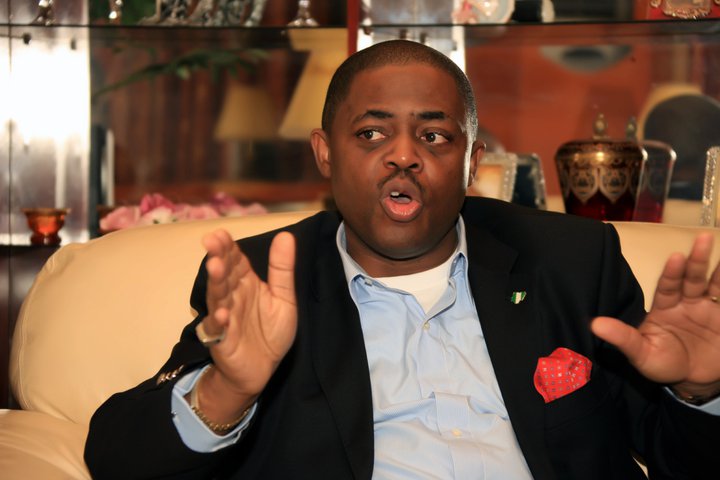
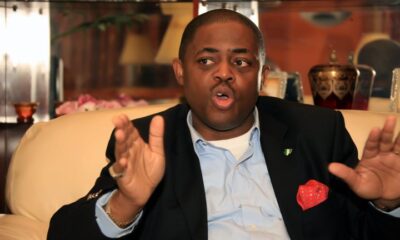
A former Minister of Aviation, Femi Fani-Kayode, has defended former President Olusegun Obasanjo over the liquidation of Nigeria Airways, insisting that the airline’s collapse resulted from years of mismanagement, corruption and mounting debts before Obasanjo returned to power in 1999.

Fani-Kayode, who served as the Minister of Aviation in 2006, said Obasanjo inherited a virtually collapsed airline and had little choice but to liquidate it in 2004.

He stated this in a post on his X account on Thursday while responding to the Minister of Aviation and Aerospace Development, Festus Keyamo, who had earlier accused former Vice-President Atiku Abubakar of hypocrisy over his comments on Nigeria’s economic hardship and insecurity.

In a post published on Wednesday, Keyamo accused the administration in which Atiku served as vice-president of liquidating Nigeria Airways in September 2004, leaving thousands of workers without jobs and their pensions and gratuities unpaid.

The minister said the outstanding entitlements had remained unresolved for years, claiming that some former workers died while waiting for their benefits.

He added that President Bola Tinubu had approved and released N36bn to settle the outstanding obligations, with beneficiaries already receiving payment alerts.

Keyamo also accused Atiku of taking credit for the achievements of the Obasanjo administration when convenient while distancing himself from controversial decisions.

Responding to the debate, Fani-Kayode said it was unfair to blame Obasanjo for the airline’s collapse, arguing that its decline had begun long before his return to office.

“In fairness to President Obasanjo the Nigeria Airways ‘mess’, as you have described it, was established before he came back to power in 1999.

See also  FG rolls out new plans to tackle food shortage

“And it was indeed a mess but it was not of Obasanjo’s making!

“He met it there after he was sworn in and what he found broke his heart,” Fani-Kayode wrote.

He recalled that when Obasanjo left office as military Head of State in 1979, Nigeria Airways had 32 functional aircraft, experienced pilots and crew members, a first-class management team and an accountable board of directors.

He described the airline at the time as “the pride of the nation”.

However, Fani-Kayode said the situation had deteriorated considerably by 1999, when Obasanjo returned as a civilian president.

“By the time Obasanjo came back to power in 1999, 20 years later, there was only one plane left and it was not functional.

“The rest had vanished together with virtually all of the company’s assets,” he said.

According to him, successive management teams and boards contributed to the airline’s decline through corruption and mismanagement between 1979 and 1999.

He said the company’s liquidation followed chronic insolvency, operational collapse and unsuccessful attempts to revive its operations, including privatisation advice from the International Finance Corporation, which later withdrew.

Fani-Kayode maintained that the Obasanjo administration was justified in refusing to continue providing public funds to the struggling airline.

“This is why Obasanjo liquidated it in 2004 and I believe that he had no choice,” he said.

“There was nothing left to save even though it was a painful decision given the fact that he was one of those that had done so much for that company when he was Military Head of State.”

See also  US-Iran crisis: Nigerian crude oil nears $120

The former minister said the payment of outstanding pensions became a major issue following the liquidation.

He recalled that a committee chaired by the then Head of Service of the Federation, Yayale Ahmed, recommended that funds be released to pay the pensioners.

Fani-Kayode said he subsequently presented a memo to the Federal Executive Council in 2006, advocating the payment of the outstanding entitlements.

However, he said the proposal was rejected because some cabinet members believed former management teams and board members were responsible for the airline’s destruction and did not deserve pensions.

“I did not share that view but sadly I and those that supported me were in a minority and we lost the debate,” he said.

He added that the matter was revisited under the administration of the late President Umaru Yar’Adua, which paid most of the pensioners, while the administration of former President Muhammadu Buhari also made payments.

Fani-Kayode commended Keyamo for ensuring that the remaining pension obligations were settled under the Tinubu administration.

“It is gratifying that under your leadership the remainder of the pensions have been paid. I only wish we had done that when we were in office,” he wrote.

“The pensioners suffered immensely over the years. I have always maintained that paying them was the right thing to do.”

He also referred to Atiku’s position during the Federal Executive Council deliberations on the pension payments but declined to disclose details of the former vice-president’s stance.

“As for His Excellency Waziri @atiku I know what side of the divide he was during that debate in council but I will not share that publicly because whatever decision was finally taken was a collective one,” he said.

See also  Nigeria’s foreign reserves highest since 2019 — Tinubu

Fani-Kayode added that members of the administration collectively bore responsibility for the decision and its consequences.

He concluded by commending Keyamo for completing the payment of the outstanding entitlements owed to former Nigeria Airways workers.

Source: punchng.com

FOLLOW US ON:

FACEBOOK

WHATSAPP CHANNEL

TWITTER

PINTEREST

TIKTOK

YOUTUBE

LINKEDIN

INSTAGRAM

Continue Reading

Business

FG seeks $78.5bn for 65 projects, read details

Published

on

Nigeria is seeking $78.5bn in private capital to finance 65 projects across critical sectors of the economy, as the Federal Government steps up efforts to attract investors, expand productive capacity and create jobs.

The investment opportunities were presented by Finance Minister and Coordinating Minister of the Economy, Taiwo Oyedele, alongside Central Bank of Nigeria Governor, Olayemi Cardoso, at the ongoing IMF-World Bank Annual Meetings in Bangkok.

The projects cover oil and gas, electricity, manufacturing, mining, transportation, agriculture, technology, healthcare and urban development, according to details published on the Federal Ministry of Finance’s Projects Nigeria investment portal.

The government estimates that the proposed investments could generate 366,763 jobs, positioning the initiative as part of its efforts to stimulate economic growth through private-sector financing.

Oyedele said the government had established a dedicated Nigeria Deal Room to provide prospective investors with project information, financing requirements and direct access to relevant government authorities.

The energy sector accounts for the largest share of the investment pipeline, with 25 projects requiring funding, while industry, manufacturing and mining account for another 17.

Transport and maritime infrastructure have eight projects, while agriculture and agro-processing account for six. Technology, healthcare and urban services make up the remaining nine projects.

Among the proposed investments is Project Reliaxx, a crude oil evacuation and midstream infrastructure platform requiring $1.7bn.

The project is expected to address infrastructure needs in the oil industry, where evacuation constraints can affect production and revenue generation.

The proposed Lagos Greenline Railway requires $1.29bn, while the Multipurpose Industrial Platforms Limited ammonia and phosphate fertiliser project has an estimated funding requirement of $2.69bn.

See also  UK bans over 100 jobs from foreign recruitment to curb migration

Other opportunities include the $1.25bn Premium Steel and Mines integrated steel upgrade, the $355.6m PELIA Flare-Gas AI Data Centre and a $105m agro-processing and cold-chain export hub in Giri, Abuja.

The proposed New Port City development also features in the portfolio, with an estimated capital requirement of $1.6bn.

Oyedele said the government planned further reforms to address obstacles to investment, including electricity pricing, transmission constraints, weak agricultural productivity and regulatory inefficiencies.

He also identified lower inflation, reduced borrowing costs and better coordination between fiscal and monetary policies as important conditions for sustained economic growth.

The minister highlighted the Economic Development Incentive, which provides tax credits to eligible businesses under Nigeria’s reformed tax framework, as part of the measures intended to encourage investment in productive sectors.

Cardoso, on his part, said reducing inflation remained essential to protecting household purchasing power, particularly among low-income Nigerians.

He also pointed to improvements in Nigeria’s capital market and banking system, noting that banks raised approximately N4.6tn during the recapitalisation exercise, with about 72 per cent of the funds coming from the domestic capital market.

The CBN governor said Nigeria was targeting economic growth of 7 per cent by 2027/2028, alongside higher oil production and increased infrastructure investment.

He said the country planned to raise crude oil production to three million barrels per day and increase its infrastructure stock to 75 per cent of gross domestic product.

Cardoso added that stronger external reserves had improved the country’s capacity to withstand external economic shocks.

“The country plans to raise oil production to three million barrels per day and increase its infrastructure stock to 75 per cent of Gross Domestic Product (GDP),” he said.

See also  Agency presents new regulatory laws to boost electricity

The World Bank Group had earlier said it was helping mobilise up to $5.79bn in private financing for Nigeria in fiscal year 2026, with programmes expected to support about 850,000 direct and indirect jobs.

Source: punchng.com

FOLLOW US ON:

FACEBOOK

TWITTER

PINTEREST

TIKTOK

YOUTUBE

LINKEDIN

INSTAGRAM

Continue Reading

Trending