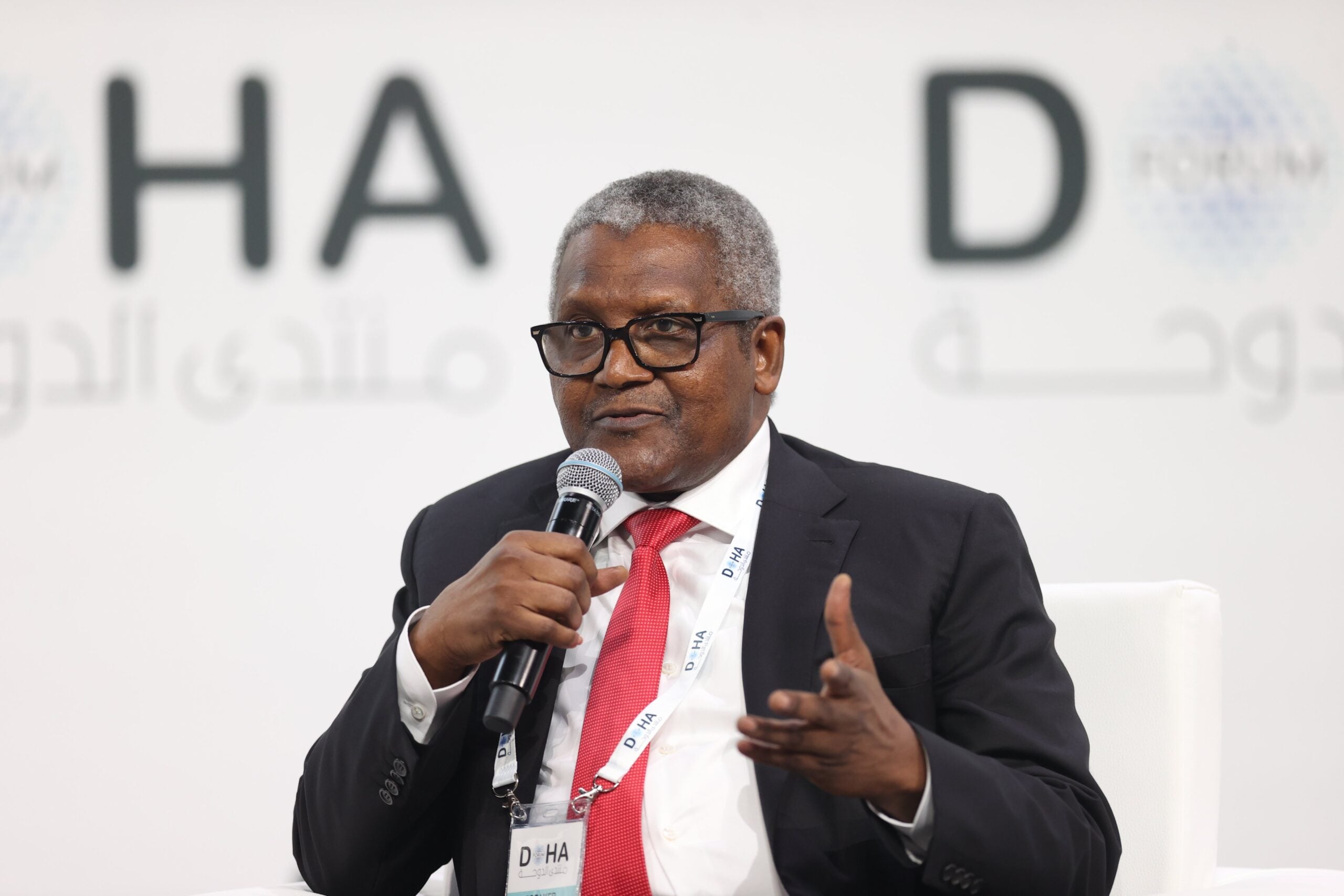
Chairman and CEO of Dangote Group, Aliko Dangote, has warned that the ongoing Middle East crisis could force Nigeria and other African countries to adopt COVID-era work-from-home restrictions if the conflict does not de-escalate.
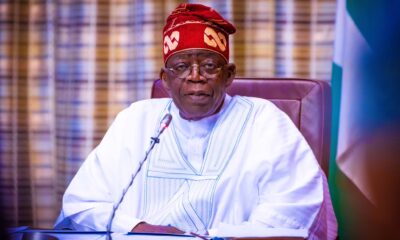
Dangote gave the warning on Monday after meeting with President Bola Tinubu at his Ikoyi residence in Lagos, expressing deep concern about the economic impact of oil price volatility on the continent already burdened by debt.
The industrialist stated, “If this thing doesn’t de-escalate, you know, normally we in Africa, we don’t have any reserves in terms of savings.
“And so, people normally go out and look for money for the next day or for even the same day. Some of them, if they don’t work that day, they won’t eat.”
He cited Indonesia’s response to energy crisis pressures, where authorities asked workers to operate only four days a week and are considering full work-from-home arrangements similar to the COVID-19 pandemic.
“In some countries today what they’ve done, they asked everybody to work from home because they cannot afford it.
“I think Indonesians also only go to work four days a week. And they will look at the situation if it doesn’t improve, they will ask everybody not to go to work anymore.
“We will do like that time of COVID, where people will work from home,” Dangote stated.
The billionaire businessman warned that Africa would pay a disproportionate price for a crisis in which the continent has no involvement.
“It’s not only energy. Some people will try and take a chance and say, ‘Ah, this is an opportunity. So, let me make money.’
“So, if this thing doesn’t de-escalate, it is going to keep going up and up and up, and governments cannot really and add to salaries.
“So, people will really, really feel the pinch,” he stated.
Dangote emphasised that the crisis would hit hardest at ordinary Africans operating small businesses, especially barbers, bread sellers, and industries dependent on generators for power.
“People who are barbers, people who make bread, people who have industries, who have to pay for their own generators, you know, I mean, you can see what is happening,” he said.
He called for urgent prayers and international intervention to end the conflict.
“We just need all hands-on deck to pray that this thing comes to an end,” the Dangote Group chairman stated.
Speaking on President Tinubu’s recent state visit to the United Kingdom, Dangote expressed optimism the trip will open doors for Nigerian business and investment.
He highlighted the £746m infrastructure agreement signed during the visit, describing it as significant beyond the monetary value.
“It has not been easy dealing with the British, getting this kind of money out of them. They too, they are struggling on their own. But I think this is to show confidence — it’s not about the money. It’s about the confidence in Nigeria,” Dangote said.
He predicted that the UK agreement would encourage other countries to follow suit.
“The moment that they do that, there will be other countries that will follow suit. Germany will come, others will line up and start coming up,” he stated.
Dangote also revealed that Nigerian investors could now access the UK Export Finance agency, a credit resource that has remained largely untapped for years.
“For Nigerian investors, it has shown that we can also go to the same agency and tap the resources. It means that the agency now is open for business for Nigerians, and we will go as private people to look for them to give us support,” he explained.
The infrastructure agreement signed during Tinubu’s UK visit focuses on port development and other critical areas, with funding from UK Export Finance.
Dangote said he visited the President to extend Eid-el-Fitr greetings and pay his respects following Tinubu’s return from the two-day state visit to the United Kingdom.
The Middle East crisis has triggered concerns about oil price volatility globally, with potential impacts on inflation, transportation costs, and energy-dependent sectors across Africa.
Nigeria, despite being an oil-producing nation, remains vulnerable to global oil price fluctuations due to its dependence on imported refined petroleum products.