Connect with us

News

FG insists Nigeria safe as US pulls embassy officials

Published

on

The Federal Government has reassured Nigerians and the international community that the country remains safe for residents and visitors, even as the United States ordered the evacuation of non-emergency staff and their families from its embassy in Abuja.

While the US cited security concerns across 23 states, the Federal Government, on Thursday, insisted that Nigeria continues to maintain a stable security environment and urged citizens to remain calm.

Earlier on Wednesday, the US Department of State authorised the departure of non-emergency government employees and their family members from the US Embassy in Abuja, citing a deteriorating security situation across Nigeria.

The embassy also closed for visa appointments in Abuja, asking applicants to check their email for details on rescheduled appointments.

The statement posted on its website, however, said visa operations at U.S. Consulate General Lagos would continue.

It added that American citizen services are available in emergencies and by appointment.

In an updated travel advisory posted on its official X account, the department said that, effective April 8, 2026, Americans should reconsider travel to Nigeria due to crime, terrorism, kidnapping and civil unrest.

The advisory maintained Nigeria’s overall status at “Level 3: Reconsider Travel,” while designating several states as “Level 4: Do Not Travel.”

States listed under Level 4 include those in the Middle Belt and northern parts of Nigeria.

The advisory urged US citizens to avoid travel to Borno, Yobe, Kogi, Kwara, Niger, Plateau, Taraba, Jigawa and northern Adamawa, due to terrorism, crime and kidnapping.

The department also highlighted Bauchi, Gombe, Kaduna, Kano, Katsina, Sokoto and Zamfara states as high-risk areas due to unrest, crime and kidnapping.

See also  PHOTOS: Colombian Vice President Arrives Nigeria For 3-Day Official Visit

In the southern and south-eastern regions, Americans were advised to avoid Abia, Anambra, Bayelsa, Delta, Enugu, Imo and Rivers states — except Port Harcourt — over similar security concerns.

Altogether, about 23 of Nigeria’s 36 states are affected by varying levels of travel restrictions.

“The security situation in these states is unstable and unpredictable due to civil unrest, inter-communal violence, and armed crime, including kidnapping and roadside banditry,” the advisory said.

“On April 8, 2026, the Department of State authorised non-emergency US government employees and family members to leave the US Embassy Abuja due to the deteriorating security situation.

“Reconsider travel to Nigeria due to crime, terrorism, unrest, kidnapping and inconsistent availability of healthcare services. Security operations to counter these threats may occur without warning,” it added.

The advisory noted that violent crimes such as armed robbery, carjacking and kidnapping for ransom are widespread, adding that US citizens are often perceived as wealthy and may be targeted.

It also warned that terrorist attacks remained a threat nationwide, including in markets, shopping centres, hotels, places of worship and public gatherings.

The department further described healthcare services in Nigeria as limited and inconsistent, noting that medical facilities often fell short of US or European standards.

It urged US citizens considering travel to Nigeria to enrol in the Smart Traveller Enrolment Programme for updates, avoid large gatherings and demonstrations, and establish personal safety measures, including “proof of life” protocols.

The Federal Government, however, assured Nigerians and the international community that the country remains secure and fully operational following a United States travel advisory urging non-emergency personnel to leave its embassy in Abuja.

See also  Army probes leaked DSS memo warning of Adamawa, Borno attacks

The US Department of State cited a deteriorating security situation across Nigeria in its advisory, which also advised American citizens to reconsider travel to the country due to crime, terrorism, kidnapping, and civil unrest.

In response, the Minister of Information and National Orientation, Mohammed Idris, in a statement issued by his media aide, Rabiu Ibrahim, said the advisory did not reflect the overall security situation in Nigeria.

Idris described the US decision as a precaution based on internal protocols rather than an indication of widespread insecurity.

The minister added, “While we acknowledge isolated security challenges in some areas, there is no general breakdown of law and order, and the vast majority of the country remains stable.”

He pointed to ongoing security operations across multiple regions, noting that coordinated military action, intelligence-led interventions, and closer inter-agency collaboration have produced measurable results.

“Our security agencies remain actively engaged in protecting lives and property, and the results of these efforts are increasingly evident,” he said, adding that these efforts had disrupted criminal networks, limited the activities of armed groups, and improved safety in vulnerable communities.

The minister also emphasised that Nigeria continues to welcome business, investment, and travel.

While recognising the right of other countries to issue travel advisories, Idris urged international partners to seek accurate and current information.

“We encourage our international partners to continuously engage with Nigerian authorities to obtain a more comprehensive and current understanding of the situation on the ground,” he said.

The government reaffirmed its commitment to sustaining security improvements, safeguarding citizens and visitors, and maintaining Nigeria as a safe and welcoming destination.

See also  Obaseki failed Edo, Oshiomhole replies PDP

The latest advisory by the US embassy is not the first in Nigeria.

In October 2022, the United States Embassy in Abuja issued an updated travel advisory for Nigeria, citing a heightened risk of terrorist attacks in Abuja.

The advisory warned U.S. citizens against travelling to the capital at that time and urged those already in the city to consider departing using available commercial options.

The notice followed a series of decisions by the U.S. Department of State.

On October 25, the Department authorised the departure of non-emergency U.S. government employees and their family members from Abuja.

Two days later, on October 27, it ordered the departure of family members of U.S. government employees due to the same heightened risk of terrorist attacks.

As part of the measures announced, the U.S. Embassy in Abuja limited its operations to emergency assistance for American citizens, while the U.S. Consulate General in Lagos took over the provision of routine and emergency services.

U.S. citizens who were unable to secure commercial travel arrangements were advised to contact the consulate in Lagos for assistance.

Continue Reading
Click to comment

Leave a Reply

Your email address will not be published. Required fields are marked *

News

Presidency closes public submissions on state police today

Published

on

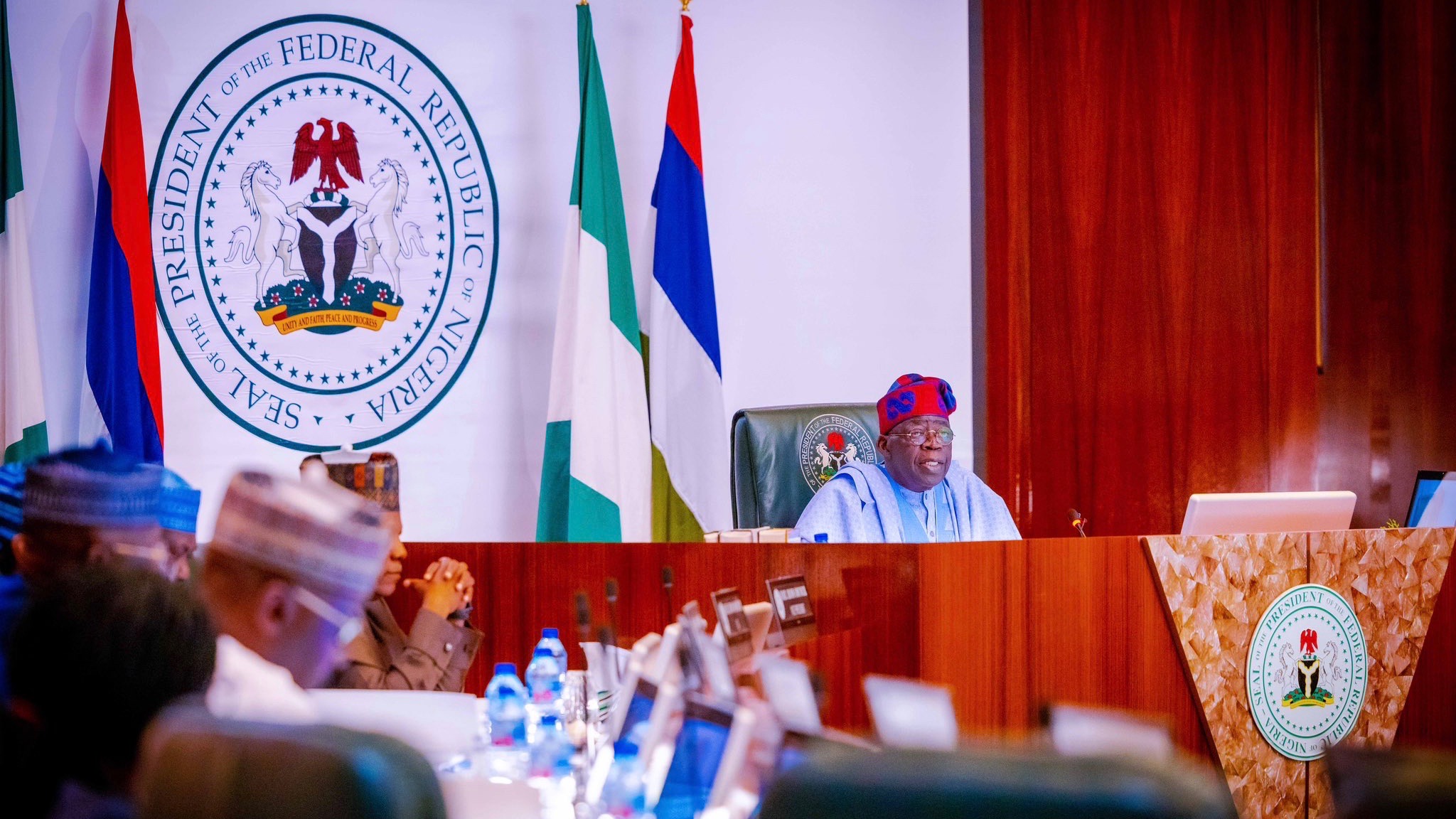
The Presidency has announced that public submissions on the proposed National Policing Bill will close by 5 pm on Thursday, August 13, 2026, urging Nigerians to submit their views on the planned establishment of state police.

The Chief of Staff to the President and Chairman of the Presidential Working Group on the National Policing Bill, Femi Gbajabiamila, disclosed this on Wednesday, saying the consultation was designed to incorporate the experiences and professional expertise of Nigerians into the proposed legislation.

He said the submissions would be particularly useful in addressing concerns over political interference, oversight, police misconduct and intelligence-sharing between federal and state police services.

He said the consultation would not replace the role of the National Assembly, which would retain the power to scrutinise, amend, reject or pass the Bill when transmitted.

Gbajabiamila urged Nigerians to contribute to the process, particularly on how police services could be protected from political interference, who should investigate serious misconduct and how federal and state forces could share intelligence across state boundaries.

He said, “For too long, the debate has been framed as a choice between effective local policing and protection from political abuse. Nigeria needs both.

“We can bring policing closer to the people while building strong national standards, independent oversight and firm safeguards for every citizen. The time to fix policing in Nigeria is now, and we must see the work through.”

Gbajabiamila also stressed that the proposed state police system must contain strong safeguards to prevent governors from using the force against political opponents, protesters, journalists, minority communities and other citizens.

See also  PDP crisis: Wike camp rejects zoning talks with Makinde, Diri

Gbajabiamila, a former Speaker of the House of Representatives, said although state police could bring policing closer to communities and improve responses to local security challenges, its proximity to state governments raised legitimate concerns about political interference and abuse of power.

He said, “But proximity does not guarantee justice. The concern that governors might use state police against political opponents, minority communities or dissenting voices is serious and must be answered in the design of the law.”

He added that state police services must have lawful authority within their jurisdictions while remaining subject to the constitution, human rights and the rule of law.

According to him, the proposed framework should ensure that police officers are properly recruited, trained, equipped and supervised, while citizens must have access to credible complaints and oversight mechanisms.

Gbajabiamila said the reforms were aimed at creating a policing system that was “closer, faster and better informed by local conditions,” noting that officers familiar with a community’s language, geography and crime patterns would be better positioned to gather intelligence and respond to security threats.

He, however, stressed that the reform must protect citizens from abuse regardless of their political affiliation.

“The law must protect citizens regardless of who holds office. It must protect opposition parties, peaceful protesters, journalists and minority communities.

“It must make unlawful orders easier to resist, misconduct easier to investigate and political interference harder to hide,” he said.

On the legislative process, Gbajabiamila explained that the constitution currently provides for only one police force, the Nigeria Police Force, under Section 214, making constitutional amendment necessary before state police could be established.

See also  Soludo orders suspension of absentee workers after surprise secretariat visit

He said both chambers of the National Assembly had approved proposed constitutional changes providing for a Federal Police Service and State Police Services, but the process was not yet complete.

According to him, the National Assembly must complete the remaining stages and transmit the amendment to the state Houses of Assembly, where it must be approved by at least 24 of the 36 state legislatures before it can proceed to the President for assent.

He stressed that until those steps were completed, state police remained a proposal.

Gbajabiamila also disclosed that the Presidential Working Group was preparing the National Policing Bill alongside the constitutional amendment process.

He said the Bill would establish national standards for recruitment, vetting, training, remuneration, pensions, equipment and professional conduct, as well as rules on the use of force, complaints, discipline, independent oversight, intelligence sharing and cooperation between federal and state police services.

He said state police would not automatically be established across the country even after the constitutional amendment and the National Policing Bill became law.

“Each state that chooses to establish a service will still need its own enabling law, institutions and funding. It must also meet the national conditions for operation before its officers can begin policing,” he said.

Gbajabiamila said a state that was not ready to establish its own police service would continue to be served by the Nigeria Police Force.

Source: punchng.com

FOLLOW US ON:

FACEBOOK

TWITTER

PINTEREST

TIKTOK

YOUTUBE

LINKEDIN

INSTAGRAM

Continue Reading

News

Yoruba gospel singer Evang. G.A. Idowu Aworinde d!es at 76

Published

on

Popular Yoruba gospel singer and evangelist, Evang. G.A. Idowu Aworinde, has reportedly d!ed at the age of 76.

Aworinde reportedly passed away on Monday, August 10, 2026. He was known for his Yoruba gospel songs and evangelism, with his music touching generations of Christian worshippers.

The visually impaired gospel minister was also a member of Victory Voices Spiritual Singers and was known for songs including Mo Ki Obi Mi.

FOLLOW US ON:

FACEBOOK

TWITTER

PINTEREST

TIKTOK

YOUTUBE

LINKEDIN

INSTAGRAM

See also  Delta reviews dress code for civil servants, bans bushy beards, artificial nails
Continue Reading

News

No legal basis for CJN’s ban on ‘Barrister’ title — Law society

Published

on

The Nigerian Law Society has rejected the directive of the Chief Justice of Nigeria, Justice Kudirat Kekere-Ekun, asking lawyers to stop using “Barrister” as a title and adopt “Esquire” instead.

The society argued that the directive has no clear basis in existing legislation.

Recall that the CJN directed lawyers and court officials to immediately discontinue the use of “Barrister” before their names in official engagements at the Supreme Court.

The directive was contained in a July 13, 2026 memo signed by the Chief Registrar of the Supreme Court, Kabir Akanbi, and addressed to legal practitioners, court registrars and other lawyers.]

The memo said the measure was intended to promote professional standards at the apex court.

However, the NLS, through its Executive Director, Dr Tonye Jaja, in a statement released on Wednesday, said the Legal Practitioners Act, 1962 recognises “Barrister” and “Solicitor of the Supreme Court of Nigeria” as titles applicable to lawyers called to the Nigerian Bar.

Jaja explained that although the use of “Barrister” alone does not capture the full professional title, “Esquire” is also not expressly provided for in the relevant legislation.

“Using ‘Barrister’ as a title is a half-truth that leaves out the title of ‘Solicitor’. As an alternative title, the title of ‘Esquire’ or its abbreviated version ‘Esq.’ was to be used as the appropriate suffix by Nigerian lawyers in their official correspondences to the Supreme Court of Nigeria,” Jaja observed.

He argued that the CJN’s directive could not be traced to any provision of the Legal Practitioners Act.

See also  US lawmakers urge sanctions on Miyetti Allah, others over alleged religious violations

“The problem with this recommended title of ‘Esquire’, or even other alternatives ‘Barrister-At-Law’ or ‘Attorney-At-Law’ is that they do not appear inside the Legal Practitioners Act, 1962,” Jaja said.

He added that, under the existing legal framework, neither the CJN, the Legal Practitioners Privileges Committee nor the Nigerian Bar Association could impose requirements on lawyers that were not expressly contained in the Act.

The NLS also challenged what it described as inconsistency in the treatment of the controversial “Blue Silks” rank of Senior Counsel of Nigeria, SCN.

The society faulted arguments by the LPPC and Justice James Omotosho of the Federal High Court in Abuja suggesting that the SCN title should not be recognised because it is not expressly provided for in the Legal Practitioners Act.

According to the NLS, the fact that the Senior Advocate of Nigeria, rank is expressly mentioned in the law does not automatically make other professional titles illegitimate.

Jaja accused the CJN and LPPC of applying different standards in dealing with professional titles.

He stated, “The Blue Silks rank of Senior Counsel of Nigeria, SCN, is not stated inside the Legal Practitioners Act, 1962. This is the more reason why neither the NBA nor the LPPC has any powers of regulation over the Blue Silks rank as per the judgment of Hon. Justice Mohammed Garba Umar of the Federal High Court Abuja.

“It is an act of contradiction and hypocrisy for both the CJN and the Chief Registrar of the Supreme Court of Nigeria to impose a ban upon a title ‘Barrister’ that is explicitly listed inside the Legal Practitioners Act, 1962 and replace it with alternatives that are not explicitly stated inside any statutes.

See also  Babachir Lawal dumps ADC, makes great revelation about Atiku’s primary win

“Another level of the hypocrisy and contradiction which is manifestly discriminatory in violation of Section 42 of the Constitution of the Federal Republic of Nigeria, 1999 is for the CJN and LPPC to permit Nigerian lawyers to use some titles (such as ‘Esquire’ for example) that do not appear in any statutes but attempt to ban the use of others (such as the Blue Silks rank of Senior Counsel of Nigeria-SCN).”

Jaja further argued that the SAN title itself evolved from the British King’s Counsel tradition rather than being created directly by Nigerian legislation.

He said Nigeria adopted the SAN title in 1975 after inheriting the King’s Counsel tradition, which dates back to the 1500s in Britain, with Francis Bacon identified as the first holder.

He also maintained that the absence of a title from a statute does not, in itself, make its use unlawful.

Jaja said the Senior Counsel of Nigeria title, conferred by the Nigerian Law Society and the Body of Senior Counsel of Nigeria, BOSCON, similarly derives its legitimacy from guidelines rather than direct statutory creation.

He argued that those guidelines were established pursuant to Section 40 of the Nigerian Constitution and Section 19 of the National Assembly Service Commission Act, 2014.

Source: punchng.com

FOLLOW US ON:

FACEBOOK

TWITTER

PINTEREST

TIKTOK

YOUTUBE

LINKEDIN

INSTAGRAM

Continue Reading

Trending