Connect with us

News

NASS sends state police bill to 36 states’ assemblies

Published

on

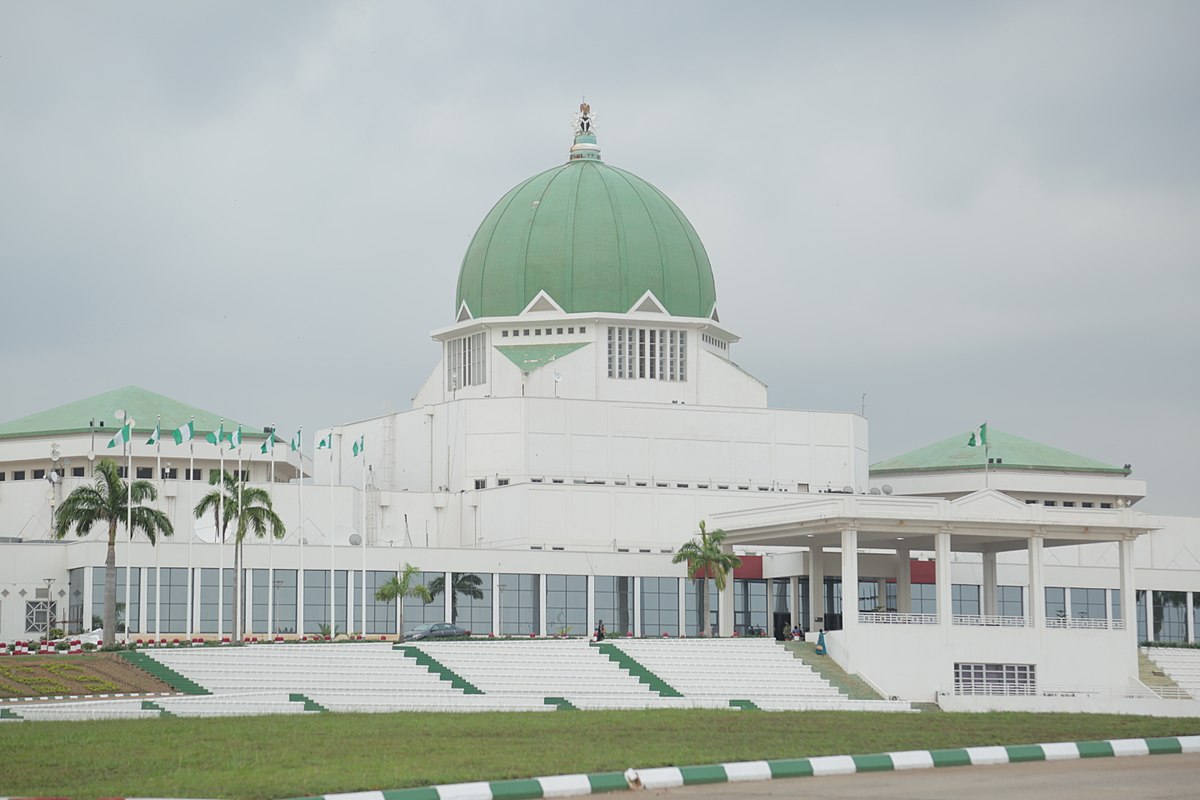
The National Assembly is set to transmit the Constitution Alteration Bill seeking the establishment of state police to the 36 state Houses of Assembly this week, marking the next critical stage of one of Nigeria’s most far-reaching security reforms.

The development comes days after the Senate passed the landmark constitutional amendment, with lawmakers now racing to secure the approval of at least 24 state legislatures before the bill can be transmitted to President Bola Tinubu for assent.

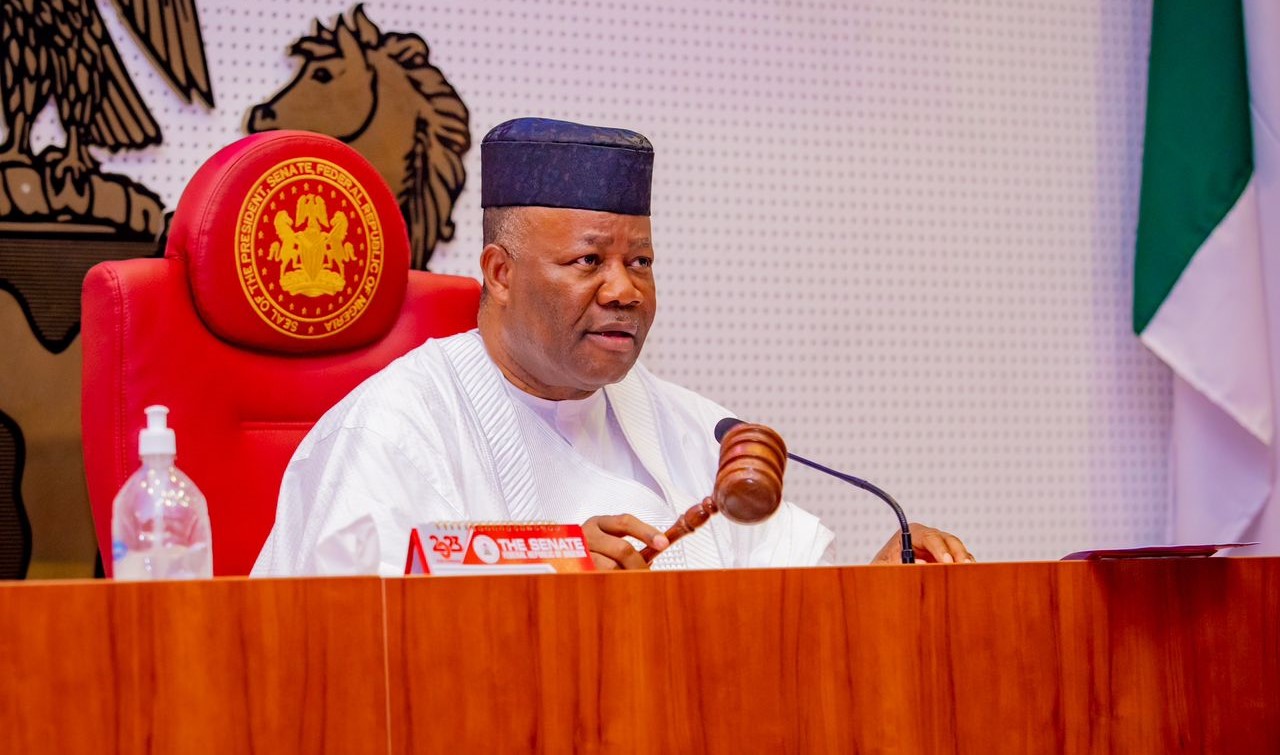
Chairman of the Senate Committee on Media and Publicity, Yemi Adaramodu, disclosed the development in an exclusive interview with The PUNCH on Sunday, saying all the necessary arrangements had been concluded for the transmission.

According to him, the state legislatures and governors were already awaiting the bill following consultations held ahead of its passage by the National Assembly.

“The bill for the creation of state police will get to the states this week. The states’ speakers have met and are awaiting the bill from the National Assembly.

“The state governors are expecting it too, even with their presence in the Senate chamber when the bill was being considered and passed,” Adaramodu said.

The planned transmission signals the beginning of the final constitutional hurdle for the proposed amendment, which requires endorsement by not less than two-thirds of the 36 state Houses of Assembly in line with Section 9 of the 1999 Constitution before it can become law.

Momentum has continued to build behind the proposal since the Senate approved the amendment after a clause-by-clause consideration of the report presented by the Senate Committee on the Review of the Constitution, chaired by Deputy Senate President Barau Jibrin.

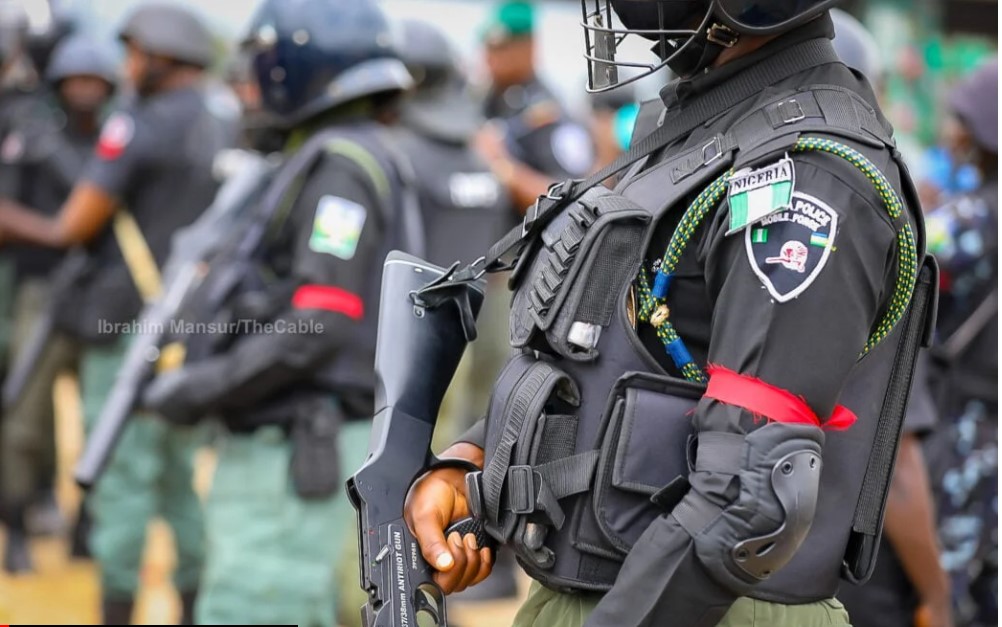
The legislation seeks to establish a dual policing structure that will empower state governments to establish and maintain police services within their jurisdictions while preserving the constitutional responsibilities of the Nigeria Police Force over national security matters such as terrorism, border security, cybercrime, arms trafficking and other federal offences.

To address longstanding concerns over possible abuse by state governments, lawmakers incorporated several safeguards into the bill, including provisions prohibiting state police authorities from targeting individuals or groups for criticising governments and empowering the Federal Government to intervene in cases involving threats to national security, breakdown of public order or violations of fundamental human rights.

See also  Alleged Corruption: ICPC invites Dangote over petition against ex-NMDPRA boss Farouk Ahmed

The proposed reform has received unprecedented backing from governors, speakers of state legislatures and major political stakeholders across the country.

The Conference of Speakers of State Legislatures in Nigeria had earlier endorsed the bill, with its Chairman and Speaker of the Delta State House of Assembly, Emomotimi Guwor, assuring Nigerians that all state houses of assembly would give the proposal diligent consideration.

Several governors have also welcomed the amendment, describing it as a timely response to worsening insecurity across the federation.

Among them, Benue State Governor, Hyacinth Alia, described the Senate’s passage of the bill as a landmark step towards strengthening Nigeria’s security architecture, arguing that state police would possess a better understanding of local terrain and community dynamics, thereby improving intelligence gathering and response to criminal activities.

Similarly, the Forum of Progressive Speakers of State Legislatures under the All Progressives Congress pledged to facilitate speedy ratification in APC-controlled houses of assembly while promising robust oversight mechanisms to ensure professionalism and respect for human rights.

The Labour Party also threw its weight behind the proposal, describing the Senate’s action as a significant milestone in the quest to strengthen internal security through community-based policing.

Though it acknowledged concerns over possible abuse by governors, the party expressed confidence in the constitutional safeguards embedded in the amendment.

The proposal also attracted opposition from the Peoples Redemption Party, which questioned the timing of the initiative and urged Nigerians to reject it, arguing that the current administration lacks the credibility to oversee such a fundamental restructuring of the country’s policing system.

Despite the reservations expressed by critics, the planned transmission of the bill to the states this week is expected to trigger deliberations across the 36 Houses of Assembly, where lawmakers will conduct public hearings, stakeholder engagements and legislative scrutiny before voting on the constitutional amendment.

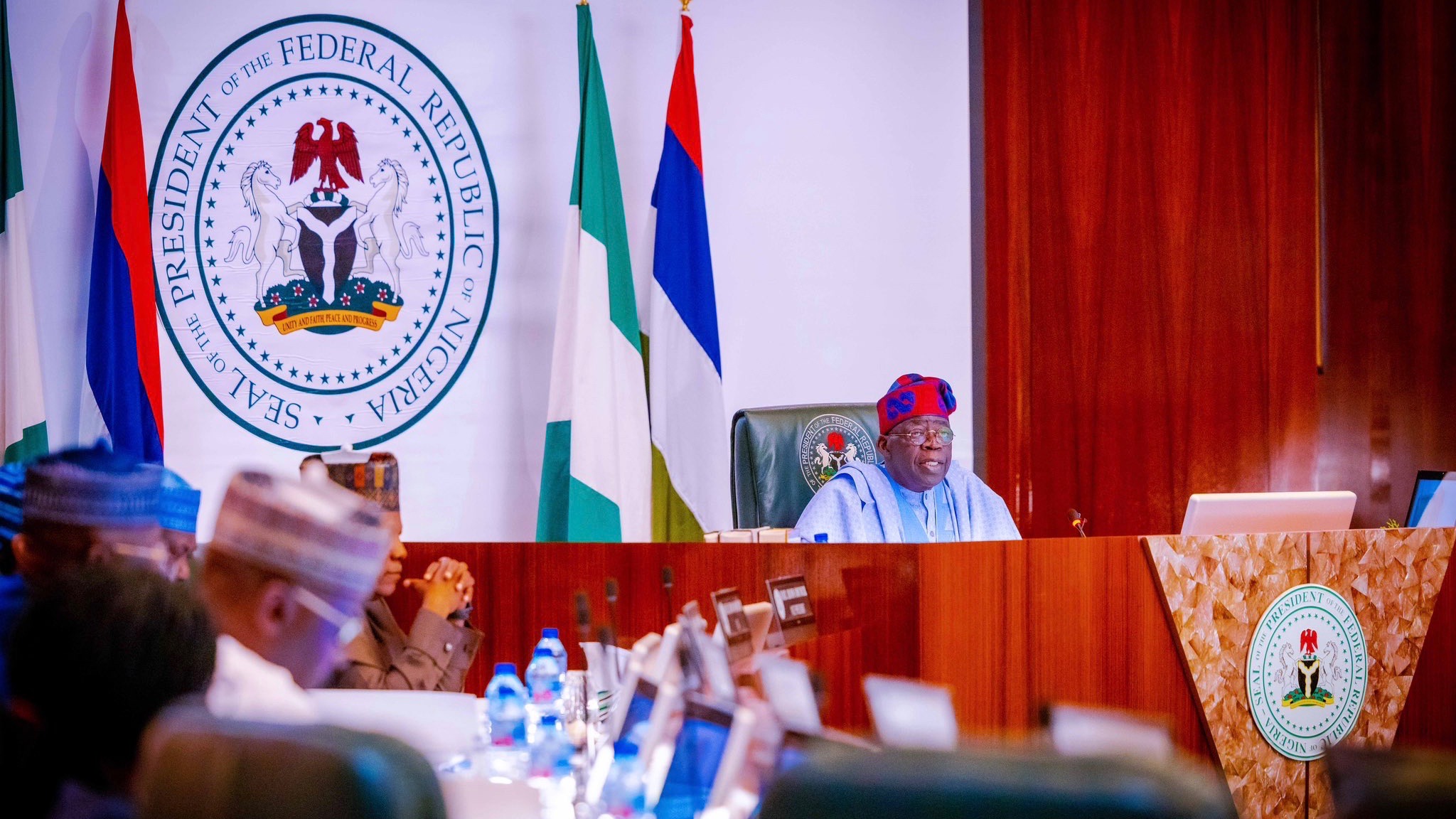
If at least 24 state assemblies endorse the proposal, it will pave the way for President Bola Tinubu’s assent, potentially ending decades of debate over the decentralisation of policing and ushering in what many stakeholders believe could be the most significant reform of Nigeria’s internal security architecture since the return to democratic rule in 1999.

See also  Freed 38 Kwara church worshippers still held in Ilorin

Meanwhile, the Senate on Sunday defended the passage of the state police bill, insisting that its passage, which 84 senators supported, is a response to Nigeria’s worsening security challenges.

The upper chamber said the bill emerged from years of consultations, public engagements, and broad national consensus, stressing that it would be wrong to delay the proposal for political calculations ahead of the 2027 general election.

The position comes amid growing debate over the constitutional amendment bill, with supporters arguing that decentralising policing will improve security at the grassroots, while critics fear that state police could be abused by governors to intimidate political opponents.

Defending the Senate’s decision in a statement issued by his media office on Sunday, the Leader of the Senate, Opeyemi Bamidele, said the proposal was “purely a child of necessity and not of political expediency as well as a product of national consensus and not of cynicism.”

He maintained that the establishment of state police had become a matter of urgent national importance that should not be sacrificed because of anyone’s political ambition.

According to him, the process leading to the passage of the bill did not begin recently but evolved through extensive constitutional review engagements involving key stakeholders across the country.

Despite some dissenting views, Bamidele said observations had shown that Nigerians largely welcomed the passage of the bill with the belief that it would significantly improve security at the sub-national level.

He said, “The state police proposal was part of memoranda submitted to the Senate Ad hoc Committee on the Review of the 1999 Constitution. The memorandum had been subjected to a rigorous process and multi-tiered consultation across the federation due to its sensitive nature.

“During this process, the National Assembly broadly consulted the executive, the Nigeria Governors’ Forum, the Conference of Speakers of the State Legislatures of Nigeria and the leadership of the Nigeria Police, among others.

“In July 2025, the National Assembly conducted public hearings in all geopolitical zones, and the participants overwhelmingly approved it.

“At each level of our consultation, nearly all stakeholders embraced the State Police Bill in the light of stark realities we are facing today.”

The Senate Leader said the Nigerian Police actively contributed to the drafting of the constitutional amendment by offering recommendations that helped lawmakers build safeguards against potential abuse of state police by political actors.

See also  Conference committee must retain electronic transmission – Dickson

According to him, those recommendations formed part of accountability and oversight mechanisms embedded in the legislation to ensure that state police operate within constitutional limits.

He added that the willingness of the Nigerian Police to support the proposal underscored its strategic importance in addressing insecurity at the local and state levels.

Beyond the contributions of the police hierarchy, Bamidele said the bill was subjected to extensive debates in both chambers of the National Assembly before its eventual passage.

He noted that support for the legislation cut across party lines.

He said: “Even though the APC is the majority, there are members of opposition parties – PDP, ADC, NDC and Labour Party – that exercised their discretion in favour of the Bill, mainly in the national interest and not on a parochial basis.

“In the Senate, for instance, 84 out of 109 members voted clause by clause in support of the Bill. This accounted for 77.06 per cent approval at the Senate alone.”

Bamidele argued that security should transcend political affiliations, noting that countries facing security threats often unite behind reforms aimed at strengthening national safety.

Globally, he said, security “is a collective public good that benefits citizenry across ethnic, political and religious divides.

“Political actors elsewhere always throw off their togas of partisanship and parochialism to support initiatives that will boost and reinforce national security.”

He, therefore, urged opposition parties to contribute constructive ideas that would strengthen peace and stability across the federation rather than oppose initiatives solely on political grounds.

Bamidele also challenged opposition parties and leaders to come forward with ideas that would deepen the peace and stability of the federation.

“Even when they disagree on some grounds, they are under obligations to provide credible and useful ideas that can make our nation better and greater. Unfortunately, they have not passed this critical test of opposition democracy,” Bamidele said.

punch.ng

FOLLOW US ON:

FACEBOOK

TWITTER

PINTEREST

TIKTOK

YOUTUBE

LINKEDIN

Continue Reading
Click to comment

Leave a Reply

Your email address will not be published. Required fields are marked *

News

Chaos as flooding shuts Lagos airport temporary terminal

Published

on

There was chaos at the temporary terminal of the Murtala Muhammed International Airport, Lagos, on Sunday after heavy rainfall caused severe flooding at the facility.

The departure hall, boarding gates, airline temporary offices, and other sections of the makeshift terminal were submerged. The situation forced the Federal Airports Authority of Nigeria to shut the terminal abruptly, as airlines operating from the facility could no longer process passengers.

As a result of the flooding, airlines, including Air France-KLM, Ethiopian Airlines, and Fly Gabon, were relocated from the terminal. According to officials, the terminal’s powerhouse was also flooded, forcing the authorities to switch off electricity.

Consequently, all airlines operating from the facility were moved to Terminal Two of the MMIA. FAAN officials alleged that the flooding was caused by blocked drainage channels, which they attributed to the Chinese company currently reconstructing the old international terminal.The incident came just months after FAAN shut the old MMIA terminal for a major reconstruction project estimated to cost more than N600bn. A few months ago, a fire also broke out at the old terminal, damaging parts of the facility.

Sources said the ongoing reconstruction of the old terminal by the Chinese contractor has caused several disruptions at the airport.

Reacting to Sunday’s flooding, FAAN spokesperson Henry Agbebire confirmed the incident, attributing it to the ongoing construction work at the airport.

According to Agbebire, the construction temporarily affected the drainage system, resulting in flooding. He said, “It was the construction works that affected the drainage. And for operational reasons, we have moved airlines operating from that terminal to Terminal 2, and the development has not really affected their operations.

See also  Alleged Corruption: ICPC invites Dangote over petition against ex-NMDPRA boss Farouk Ahmed

“There were no cancellations at all. We have taken immediate action to fix that problem to the extent that it doesn’t happen again. You can rest assured of that.”

punch.ng

FOLLOW US ON:

FACEBOOK

TWITTER

PINTEREST

TIKTOK

YOUTUBE

LINKEDIN

Continue Reading

News

1.34 million Nigerians denied UK visa in 21 years

Published

on

The United Kingdom rejected at least 1,344,595 Nigerian visa applications between 2005 and the first quarter of 2026, official Home Office data obtained by The PUNCH shows.

The rejection rate places Nigeria second globally in total visa refusals, behind only India and ahead of Pakistan and China, among others, as Nigerians alone accounted for 44.4 per cent of all UK visa rejections across Africa in the period.

Over the 21-year period, the UK also granted 2,723,558 visas to Nigerians, making it the third-highest total issued to any nationality in the world, behind only India and China.

The data showed that Nigeria was the largest single recipient of UK entry clearance visas in Africa, ahead of South Africa (1,638,538) and Egypt (695,606).

The figures are drawn from the UK Home Office’s entry clearance visa outcomes datasets, covering the first quarter of 2005 through the first quarter of 2026, obtained by The PUNCH from the UK government’s immigration system statistics data tables published in 2026.

The dataset covers all decisions across visitor, study, work, family, and other visa routes.

For Nigeria, the cumulative refusal rate over the 21-year period stood at 33.1 per cent, more than double the UK’s global average of 14.8 per cent.

Of the approximately 4.09 million Nigerian applications submitted, 4,068,153 received issued or refused decisions.

Nigeria’s 1.34 million refusals accounted for 15.2 per cent of all 8,829,638 UK visa refusals worldwide.

Over the two decades, approximately one in every seven UK visa rejections went to a Nigerian applicant, even as Nigerians submitted just 6.8 per cent of all global applications.

Visitor visas dominated both the grants and the rejections. Of the 1,344,595 refused applications for Nigerians, 1,127,088, or 83.8 per cent, fell in the visitor category, which carried a 37.1 per cent refusal rate over the full period.

See also  Edo final-year student dies in sign-out motorcade crash

Study visa rejections totalled 130,712 at a 20.5 per cent rate, work visa rejections amounted to 41,410 at 16 per cent, and family refusals were 12,217.

In 2025, visitor visa refusals alone stood at 66,143, against 105,039 issued, at a 38.6 per cent rejection rate.

By the first quarter of 2026, 13,779 visitor visa applications had already been refused at 37.5 per cent.

The period with the sharpest refusal rate was the mid-2000s, where, in 2006, the UK turned down 117,968 Nigerian applications, a rate of 49.6 per cent.

Refusals had also reached 111,058 in 2005 at a 44.4 per cent rate.

The numbers improved over the ensuing decade, with the refusal rate falling to 26.2 per cent in 2011 and eventually reaching its recent low of 21 per cent in 2023, when a post-pandemic surge drove a record 281,658 visa grants to Nigerian applicants.

It was the highest single-year total in the dataset, preceded by 249,332 grants in 2022.

However, the high acceptance rate did not last. In April 2024, the UK raised the minimum salary threshold for Skilled Worker visas from £26,200 to £38,700, a 48 per cent increase, and restricted dependent visa rights for students and care workers, which cut application volumes.

Nigeria’s work visa applications fell by about 68 per cent in 2024 after the salary threshold review rendered many previously qualifying roles ineligible, according to analysis by immigration research firm Intelpoint.

In 2024, 77,706 Nigerians were refused at a rate of 33.5 per cent, and in 2025, 77,571 were refused at 33.1 per cent.

By the first quarter of 2026, 16,692 had been refused at 35.4 per cent, higher than either of the preceding two full years.

See also  ''Act of National disgrace'- Omoyele Sowore reacts to DSS letter to X demanding the deactivation of his account

In Africa, Nigeria topped the list of nationalities with the most UK visa rejections.

Of the 3,027,198 total UK visa refusals for all African nationalities over the period, Nigeria’s 1,344,595 constituted 44.4 per cent.

Ghana ranked second among African countries with 374,108 refusals at a 40.5 per cent rate, followed by Algeria (191,903 refusals at 41.7 per cent rate), Egypt (134,055 at 16.2 per cent rate), Zimbabwe (102,246 at 26 per cent rate), Morocco (93,722 at 22.2 per cent rate), Kenya (75,973 at 18.8 per cent rate), Uganda (64,759 at 34.9 per cent rate), South Africa (61,521 at 3.6 per cent rate), and Sudan (59,069 at 31 per cent rate).

Across all nationalities, the UK processed 60,063,475 visa applications between 2005 and Q1 2026, issuing 50,873,344 and refusing 8,829,638.

African applicants submitted 11,433,508 of those visa requests, making up nine per cent of the global total, yet received 3,027,198 refusals, representing 34.3 per cent of all UK rejections worldwide.

African nations accounted for nearly double the share of applications, yet generated only about half the volume of refusals.

Nigeria alone submitted 35.7 per cent of all African applications and claimed 32.7 per cent of all UK visas issued to Africans.

The UK entry clearance visa system requires citizens of non-exempt countries, including Nigeria, to obtain formal permission before arrival.

Under the points-based immigration framework introduced in 2008 and expanded after Brexit, applicants must demonstrate financial solvency, genuine intent to visit, and sponsorship for work and study routes.

Visitor visa decisions, which remain the most contested category, depend on entry clearance officers’ assessment of financial evidence and the applicant’s ties to their home country.

See also  Lagos issues 72-Hour quit notice to street traders and illegal occupants at Alaba Rago

These criteria, reports say, have historically led to higher refusal rates among applicants from economies classified as high-emigration risk.

In the year ending September 2025, Nigerians ranked among the top five nationalities submitting asylum claims after entering the UK on a valid visa.

The Home Office said this pattern has led it to tighten controls on its visa and asylum grants to Nigerians.

Speaking to our correspondent, a former Nigerian Ambassador to Singapore, Ogbole Amedu-Ode, said the inclination to leave the country largely stems from Nigeria’s struggling economy, with many citizens taking the Japa route.

He argued that the japa trend may only be reduced by significant economic improvement in the nation.

“The urge to travel out of the country is, in itself, primarily a function of the performance of our national economy. The economic doldrums have pushed compatriots into Japa mode.

“The trend may, unfortunately, increase until there’s a turnaround in the performance of the national economy,” the ex-diplomat noted.

He said while the number of visa rejections is worrisome, the sheer volume of approvals balances it out.

Amedu-Ode added, “Even then, the simultaneous increase in approvals and rejection is a function of the spike in the number of our compatriots applying to travel to that zone of the world.”

punch.ng

FOLLOW US ON:

FACEBOOK

TWITTER

PINTEREST

TIKTOK

YOUTUBE

LINKEDIN

Continue Reading

News

Nigerian Injured In Qatar Gas Explosion – FG Confirms

Published

on

The Nigerians in Diaspora Commission (NiDCOM) has confirmed that a Nigerian national, Jubril Akorede Abdulrahman, who was injured in a gas facility explosion in Qatar, has been discharged from hospital and is recuperating.

This was disclosed in a statement sent to Naija News and signed by Abdur-Rahman Balogun, Director of Media, Public Relations and Protocols, NIDCOM.

The commission said Abdulrahman is currently recovering at accommodation provided by his employer.

The explosion occurred at the Barzan Gas Supply Facility in Ras Laffan, Qatar, on Sunday, June 21, 2026.

Nigeria’s Ambassador to Qatar, Prof. Mahmood Yakubu, confirmed that the explosion happened at about 10:30pm local time at the facility operated by Qatar Energy.

At a press conference in Doha on June 22, Qatar Energy said the explosion was accidental and not an act of sabotage or hostility.

The facility had reportedly been restarted recently after a planned operational shutdown that began in December 2025.

Emergency teams from Qatar Energy and Qatar Civil Defence were deployed and brought the fire under control.

The explosion left 66 people injured, including nationals of Qatar, Nigeria, Pakistan, Bangladesh, Kenya, Rwanda, Tanzania, India and Nepal.

NiDCOM said none of the injured persons was in a life-threatening condition.

The Chairman and Chief Executive Officer of NiDCOM, Abike Dabiri-Erewa, expressed relief over Abdulrahman’s discharge and sympathised with others still receiving treatment.

“We are glad that Jubril Abdulrahman is recovering and in safe hands. Our prayers are with him and with everyone still receiving treatment,” she said.

Dabiri-Erewa urged Qatar Energy to sustain support for all injured workers and ensure that Abdulrahman and others affected receive adequate care throughout their recovery.

See also  Paracetamol use in pregnancy does not cause Autism - WHO

The commission commended Ambassador Yakubu for his prompt intervention and monitoring of Abdulrahman’s condition after news of the incident broke.

NiDCOM said the ambassador’s action reflected the dedicated consular service Nigerians abroad deserve.

Source: naijanews.com

FOLLOW US ON:

FACEBOOK

TWITTER

PINTEREST

TIKTOK

YOUTUBE

LINKEDIN

INSTAGRAM

Continue Reading

Trending