Connect with us

Politics

Osun account freeze: EFCC boss faces public fury, as Tinubu reverses order

Published

on

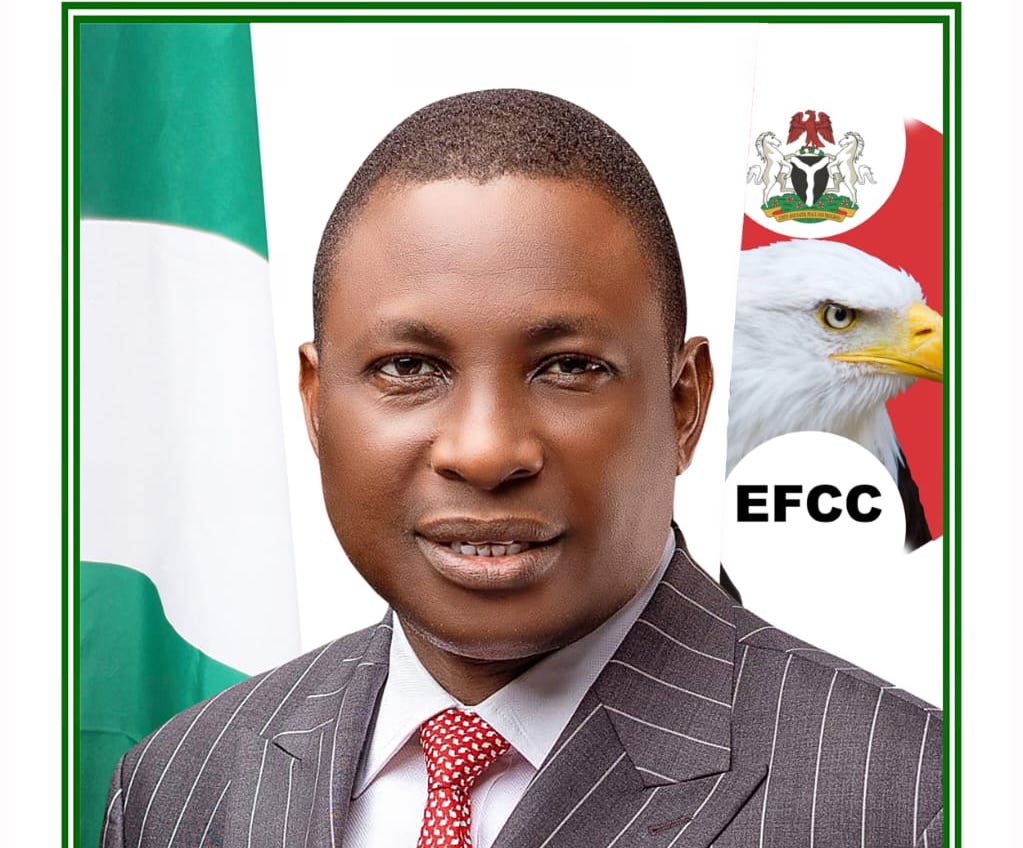
President Bola Tinubu’s directive ordering the Economic and Financial Crimes Commission to reverse the freezing of an Osun State Government account has triggered fresh political controversy, with opposition parties questioning the President’s explanation, lawyers and civil society groups backing the intervention, the Osun State Government dragging the commission to court, and scores of Nigerians on social media demanding the resignation or removal of the EFCC Chairman, Ola Olukoyede.

The EFCC on Wednesday directed that no money be withdrawn from the Osun State Government’s statutory allocation account as part of an ongoing investigation.

The anti-graft agency, in a statement, said the action followed suspicious movement of funds amid an ongoing investigation into alleged fraudulent handling of about N11billion in Ecology Funds, Intervention Funds and Federal Account Allocation Committee allocations.

Tinubu, in a personally signed statement on Thursday, directed the anti-graft agency to immediately approach the court to vacate the order freezing the account and discontinue the action, saying although he was yet to be fully briefed on the circumstances surrounding the case, the timing of the restriction was inappropriate given the August 15 Osun governorship election.

Reversing the agency’s decision, Tinubu, in the statement titled ‘President Tinubu Directs EFCC To Vacate The Court Order Freezing Osun Government Account’, said he felt “deeply embarrassed not by the EFCC’s exercise of its mandate backed by a court order, but by the timing of the agency’s action.”

The President said no action by any federal institution should create the impression that the Federal Government was attempting to influence the outcome of the poll.

“Osun State is only a few days away from its gubernatorial election. Therefore, nothing ought to be done to give an impression that the EFCC or indeed any other agency of the Federal Government is being used to interfere with the election,” the statement partly read.

“I am not in the slightest doubt that the timing of the action of EFCC is inauspicious,” Tinubu said, adding that while anti-corruption agencies must remain independent, preserving public confidence in the credibility and fairness of elections was paramount.

“Accordingly, I have directed the EFCC to immediately proceed to the court to vacate the order and discontinue whatever action it has instituted against the Osun State Government in this regard,” he added.

The directive followed the EFCC’s decision to restrict one of the state’s statutory allocation accounts over an investigation into the alleged diversion and laundering of about N11bn.

Defending the action earlier on Thursday, the EFCC’s Director of Public Affairs, Wilson Uwujaren, said the commission acted under Sections 34 of the EFCC Act and 7(6) of the Money Laundering (Prevention and Prohibition) Act, 2022, which empowered it to place a temporary restriction on suspicious accounts for up to 72 hours before obtaining a court order where necessary.

Uwujaren insisted the commission did not freeze all Osun State accounts but only placed a temporary restriction on one statutory account after detecting what it described as suspicious transactions.

He disclosed that investigations into the state began in March and that intelligence gathered from August 2 necessitated urgent intervention to preserve public funds, adding that similar action was taken in Edo State before its governorship election.

The EFCC maintained that its action was unrelated to politics and was purely driven by its statutory anti-corruption mandate.

Legal tussle

In response to the EFCC’s actions, the Osun State Government on Thursday, filed a suit against the commission, seeking to nullify the account freeze and asking the court to award N2bn in exemplary damages against the commission.

The suit, marked FHC/ABJ/CS/1762/2026, was filed on August 5 (Wednesday) before the Federal High Court in Abuja.

Governor Ademola Adeleke, the state’s Attorney-General and the state’s Accountant-General are listed as plaintiffs, while the EFCC, its Executive Chairman and First Bank of Nigeria Limited are named as defendants.

The state is asking the court to determine whether the anti-graft agency’s directive to First Bank to freeze the account “does not constitute an egregious act of executive lawlessness, an unlawful resort to self-help, a flagrant abuse of statutory powers, an unlawful suppression of the constitutional powers and functions of the plaintiffs, a threat to the constitutional and corporate existence of Osun State, a brazen and unlawful denial of the democratic rights and dividends of the people of Osun State, and a direct violation of the fundamental constitutional principles of due process, the rule of law, and the financial autonomy of a federating unit?”

According to the originating summons, the EFCC had, in a letter dated August 5, 2026, with reference number CR:3000/EFCC/ABJ/HQ/PFS/TA/OSUN/VOL.17/666, directed First Bank to freeze the state’s statutory allocation account.

See also  2027: Atiku delays ADC membership card collection amid rumoured Jonathan comeback

The plaintiffs contend that neither the EFCC nor the bank can lawfully restrict access to the account without a subsisting court order.

Among the reliefs sought, Osun is asking the court to declare the freeze unlawful, unconstitutional, null and void; to declare that the EFCC cannot restrict a state’s statutory account by mere administrative directive; to set aside the freeze; to issue perpetual injunctions restraining further interference with the account without judicial authorisation; and to award N2bn as exemplary and aggravated damages for what it described as unlawful interference with public funds.

Adeleke is seeking re-election for a second term on the platform of the Accord Party.

In recent weeks, the state has witnessed heated exchanges between the governor’s supporters and those of the All Progressives Congress, which is seeking to reclaim the state after four years.

The governor’s camp has accused the APC of using federal agencies, including the police and the EFCC, to intimidate Accord Party supporters ahead of the poll — a claim the APC has denied.

Osun denies allegation

The Osun State Government dismissed the commission’s claim that the restriction was linked to the alleged diversion of N11bn, describing the allegation as an afterthought intended to justify an illegal action.

In a statement by the state Commissioner for Information and Public Enlightenment, Kolapo Alimi, the government alleged that the real reason the EFCC froze the account on the order of a former governor of the state, Gboyega Oyetola, was to stop the payment of palliatives the state government had promised workers some months ago.

The state also accused the EFCC of conducting what it described as a witch-hunt since March without finding any evidence against government officials, insisting that Osun had consistently maintained high standards of fiscal transparency.

Governor Adeleke had earlier challenged the EFCC chairman Ola Olukoyede to explain why the account was frozen, insisting the action was taken without a court order and amounted to an assault on democracy.

Atiku faults Tinubu

The opposition African Democratic Congress welcomed Tinubu’s decision to reverse the EFCC action but argued that the President’s explanation had raised more questions than it answered.

In a statement by its National Publicity Secretary, Bolaji Abdullahi, the party challenged Tinubu to explain his repeated references to an alleged court order authorising the account freeze, insisting that the EFCC never mentioned obtaining such an order in any of its public statements.

“What we find most curious about the statement is the President’s repeated reference to an alleged court order authorising the freezing of the Osun State Government’s accounts,” the statement said.

“In all of its public statements on this matter, the EFCC never once claimed that it had obtained a court order. The commission consistently defended its actions on the basis of its statutory powers and what it described as its preventive mandate. At no point did it inform Nigerians that a court had authorised its actions,” Abdullahi said.

The ADC argued that if the President could direct the EFCC to discontinue proceedings, then the long-standing claim that anti-corruption agencies operated independently of the Presidency had effectively collapsed.

It also questioned why the President personally signed the statement announcing the directive and urged him to exercise similar authority by directing the ICPC to stop opposing the bail application of former Kaduna State Governor, Nasir El-Rufai.

“The President also insists that he does not interfere in the operational activities of anti-corruption agencies, yet, in the same statement, he publicly announces that he has directed the EFCC to approach the court, vacate the alleged order and discontinue its case.”

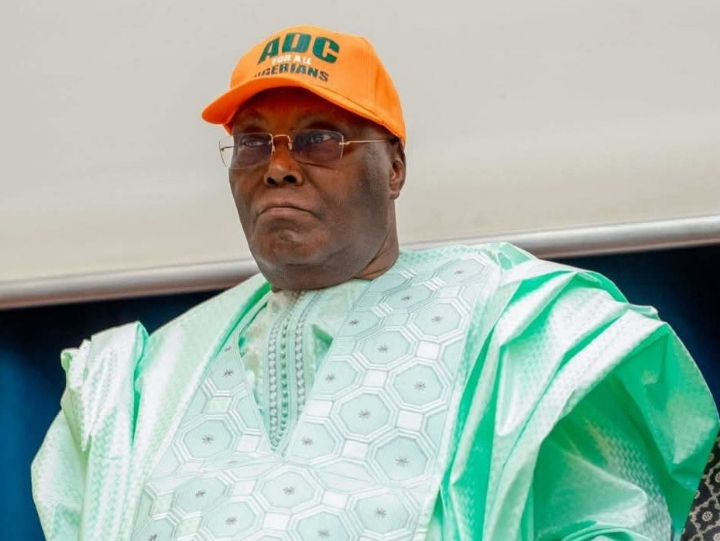
Former Vice President Atiku Abubakar also stated that Tinubu’s directive had exposed presidential control over anti-corruption agencies.

In a statement by his spokesman, Phrank Shaibu, Atiku said the President could no longer claim the EFCC was operationally independent after publicly directing it to withdraw from court proceedings.

“It is impossible to ignore the implications of freezing a state’s principal operational account on the eve of a governorship election. Such an action could disrupt governance, delay salary payments, impede essential public services and create an atmosphere of intimidation that has no place in a democratic society,” Atiku said.

He maintained that if Tinubu could intervene in the EFCC matter involving Osun, he should equally direct the ICPC in the El-Rufai case.

Earlier, Atiku had accused the Federal Government of weaponising the EFCC against opposition-controlled states, warning that freezing Osun’s statutory allocation account days before the election amounted to intimidation capable of undermining confidence in the poll.

See also  PDP factions open peace talks as Wike denies split

“If the President possesses the authority to direct the EFCC to withdraw from court proceedings because the political consequences may affect an election, then it follows that he possesses the authority to direct the commission in other operational matters as well.

“If there are legitimate concerns requiring investigation, the law provides due process. Anti-corruption agencies must not conduct themselves in a manner that creates the perception that they are being deployed to influence political outcomes or weaken elected governments at critical electoral moments.

“The selective and politically convenient deployment of state institutions diminishes public trust and weakens the democratic order. Institutions established to enforce the law must never become instruments for creating fear or conferring political advantage” he added.

Olukoyede under fire

Beyond the legal and political arguments, the controversy also sparked widespread criticism of EFCC chairman Ola Olukoyede across X and Facebook, with many users demanding his resignation or removal.

On X, @Otunse1 wrote that Olukoyede should immediately tender his resignation letter, describing his continued stay in office as “clear evidence that he is being influenced.”

A.M. Temidayo (@AnewNaija) alleged that the EFCC chairman had presided over the erosion of the commission’s credibility, stating “By the time Ola Olukoyede exits the EFCC, his departure will be the most ignominious in the commission’s history.  When the records are written, he will not be remembered as an anti-corruption czar. Under his watch, an institution meant to fight corruption became an instrument for settling political scores. That is the legacy he is carving for himself.”

Samuel Omogor (@SamuelOmogor) accused the commission of selectively targeting opposition-controlled states, while Nefertiti (@firstladyship) said Olukoyede had abused his office and should honourably step aside.

Political commentator J.J. Omojuwa (@omojuwa) also described the entire EFCC-Osun controversy as a mess, adding that there was “only one solution.”

Several citizens also expressed similar sentiments on Facebook, venting their anger on Olukoyede.

Gbenga Shoyemi argued that if Tinubu truly had no prior knowledge of the EFCC’s action, Olukoyede should be removed for embarrassing the country’s democratic system.

“If President Bola Ahmed Tinubu was truly unaware of Ola Olukoyede and his team’s nebulous decision to freeze the Osun State Government’s account, then the EFCC chairman, Ola Olukoyede, should be sacked immediately for actions that have brought embarrassment to our democratic system,” he wrote.

Onatoye Temitope Michael questioned the chairman’s integrity and capacity, stating that Olukoyede “doesn’t have the integrity and capacity to remain as the boss.”

In a short post, Segun Ben-Ajayi said Tinubu had effectively thrown the EFCC chairman under the bus, adding that the President had shown more integrity than Olukoyede, a Pastor with the Redeemed Christian Church of God.

“If Tinubu is more ethical than you (Olukoyede) as a pastor, then you are worse than Judas Iscariot,” he stated.

Deji Fasusi argued that Olukoyede should honourably resign following the President’s intervention, saying the commission’s conduct amounted to an abuse of public institutions.

Another Facebook user, Dada Bukola Francis, called on the EFCC to restore public confidence by demonstrating fairness and transparency, while Francis Gbenga Silas urged that Olukoyede be reprimanded over what he described as interference in Osun State affairs ahead of the election.

Lawyers, CSOs react

Constitutional lawyer and Principal Partner at Liberty Semper Fidelis LP, Tokunbo Afikuyomi, commended Tinubu’s intervention, describing it as a demonstration of commitment to constitutional democracy and electoral fairness.

Afikuyomi, however, stressed that while the President acted appropriately, the EFCC must return to court to seek the discharge of the freezing order rather than relying on executive fiat.

He said the President’s approach respected the constitutional doctrine of separation of powers by allowing the judiciary to determine the matter.

The lawyer also urged all institutions involved in the Osun governorship election, including security agencies, the Independent National Electoral Commission, political parties, the media and the judiciary to emulate the President’s commitment to protecting the integrity of the electoral process.

Earlier, the President of the Nigerian Bar Association, Afam Osigwe (SAN), faulted the reported freezing of Osun State accounts, warning that any blanket restriction on a state’s finances without due legal process could cripple governance and amount to an abuse of power.

Also reacting, the Executive Director of the Civil Society Legislative Advocacy Centre, Auwal Musa Rafsanjani, said the controversy highlighted the need to harmonise constitutional provisions with statutes establishing anti-corruption agencies to eliminate legal overlaps.

See also  See the travails of Nigerian parents struggling to raise children abroad

He said while the EFCC appeared to have acted within the powers conferred on it by law, the Osun State Government was equally entitled to challenge what it considered an encroachment on its constitutional autonomy.

Rafsanjani described Tinubu’s intervention as a political solution prompted by public pressure but maintained that preventive action remained an important component of anti-corruption efforts.

He said, “The EFCC has done what it has done based on the powers it has, and the state is also right to protest what it considers an encroachment on its autonomy. What we need is to harmonise the legal provisions so there is no contradiction.

He added that anti-corruption agencies should continue taking preventive measures to safeguard public funds but must ensure that every action conforms with the Constitution and the country’s federal structure.

Rafsanjani also warned that public resources at both the federal and state levels must not be deployed for election campaigns, stressing that the same standard should apply across the country irrespective of which political party controlled a state.

Similarly, the Executive Chairman of the Centre for Anti-Corruption and Open Leadership, Debo Adeniran, said Tinubu’s intervention appeared to have been prompted more by public outcry over the timing of the account restriction than by any conclusion that the EFCC acted unlawfully.

He said the President’s decision was aimed at protecting public confidence in the electoral process and distancing himself from allegations of political interference.

According to him, while the EFCC may have had legitimate reasons to investigate the transactions, enforcement actions capable of disrupting governance should have been delayed until after the governorship election.

“The President has just done the right thing by listening to the voice of the majority of Nigerians. If there are genuine reasons to investigate, the commission can continue monitoring the account and take appropriate action after the election,” Adeniran said.

He, however, maintained that state governments must not deploy public funds for electioneering, urging the EFCC to continue monitoring suspicious financial transactions while avoiding actions that could create the impression of interference in the electoral process.”

The controversy has deepened political tensions ahead of the August 15 governorship election, with the EFCC insisting it merely discharged its statutory responsibilities, the Osun Government now pursuing the matter in court, and opposition parties questioning the independence of anti-graft agencies.

‘Apologise to Tinubu’

Meanwhile, the Osun State chapter of the All Progressives Congress on Thursday called on Governor Adeleke to apologise to President Tinubu and the Minister of Marine and Blue Economy, Adegboyega Oyetola, over what it described as false accusations following the restrictions placed on the Osun State Government’s accounts by the EFCC.

Reacting to President Tinubu’s explanation on the matter, the Osun APC, in a statement signed by its spokesperson, Kola Olabisi, said the President did not absolve the Osun State Government of alleged complicity in the issues that led to the EFCC’s action.

The party said the President merely expressed concern over the timing of the EFCC’s action against the Osun State Government, noting that it had created room for political interpretations.

“The confused and frustrated Governor Ademola Adeleke and his misdirected political co-travellers must apologise to President Bola Ahmed Tinubu and Minister Gboyega Oyetola for wrongfully accusing them and the All Progressives Congress of setting the anti-graft agency against the Accord Party and Governor Adeleke.

“It should be noted that President Tinubu did not absolve the Osun State Government of being complicit in the raging EFCC allegations against Governor Adeleke and his administration. What the President frowned on was the timing of the EFCC’s action against the Osun State Government to prevent political meanings from being read into it.

“The development is a lesson for the Accord Party and its governorship candidate on the need to demonstrate political maturity by carefully processing their thoughts before making public statements. Enough of the needless gibberish directed at President Tinubu, Alhaji Oyetola and other APC leaders and members in Osun State,” the statement read.

The party further stated that President Tinubu’s directive on the EFCC-Osun State matter demonstrated his disposition as a father of the nation.

“We hope Governor Adeleke will learn from President Tinubu’s large-heartedness by withdrawing the political charges against the newly sworn-in executives of the National Union of Road Transport Workers. After all, one good turn deserves another,” the statement added.

punch.ng

FOLLOW US ON:

FACEBOOK

TWITTER

PINTEREST

TIKTOK

YOUTUBE

LINKEDIN

Continue Reading
Click to comment

Leave a Reply

Your email address will not be published. Required fields are marked *

Politics

Presidency dares Peter Obi to quit presidential race over Anambra debt controversy, read details  

Published

on

The Presidency has reacted to the ongoing dispute between former Anambra State Governor and presidential candidate of the Nigeria Democratic Congress, Peter Obi, and the state government over the state’s debts and financial liabilities.

Special Adviser to President Bola Tinubu on Information and Strategy, Bayo Onanuga, in a post on X on Wednesday, said Obi had claimed to have left Anambra without debt and challenged him to follow through on his pledge to quit the presidential race if his claim was disproved.

Bayo Onanuga. US
File: Special Adviser to President Bola Tinubu on Information and Strategy, Bayo Onanuga.

Onanuga wrote, “Peter Obi claimed he left Anambra with a clean slate of debt and even threatened to quit the presidential race if his claims were proven otherwise.”

He added that the Anambra State Government had responded with claims concerning liabilities allegedly left by the former governor’s administration.

“Now, the Anambra government has confronted him with facts and figures showing he owed Water Corporation workers, teachers, and pension and gratuities, and had also borrowed for frivolous things,” Onanuga said.

“The ball is back in his court. Will he follow through on his threat by quitting the race?” he asked.

The reaction followed a fresh response by the Anambra State Government to Obi’s Tuesday denial of claims that his administration left behind inherited debts, including a ₦2bn ecological fund, contractor liabilities and unpaid salaries, gratuities and pensions.

Obi had said his administration cleared more than ₦35bn in historical gratuities and arrears and left office without outstanding salary, pension or gratuity obligations.

He also disputed the government’s claim concerning the ecological fund, saying more than ₦2.13bn was left untouched in a First Bank account for the Oko/Umuchiana erosion crisis.

See also  Kwara APC backs Danladi for 2027 governorship race

However, in a statement on Wednesday, Anambra State Commissioner for Information and Value Reformation, Law Mefor, disputed Obi’s account, saying the account he identified was an Internally Generated Revenue Consolidated Revenue Account and not an ecological fund account.

Mefor said the government obtained a certified printout of the account and claimed that “from 2011 when the account was opened until date, there has never been any such amount—whether as inflow or balance—in the account.”

Obi had challenged anyone who could establish that his account of the state’s finances was incorrect, saying, “If anybody can establish anything to the contrary, I will stop campaigning.”

Source: punchng.com

FOLLOW US ON:
FACEBOOK

TWITTER

PINTEREST

TIKTOK

YOUTUBE

LINKEDIN

INSTAGRAM

Continue Reading

Politics

See INEC final list for 2027 Senate elections

Published

on

The release of the final list of candidates for the 2027 general elections by the Independent National Electoral Commission has heightened the battle for the 109 senatorial seats across the country.

With the publication of the list, political parties and their candidates now have a clearer picture of the contenders for the Senate, setting the stage for a fierce contest for the legislative seats in the February 2027 elections.

The senatorial race is expected to attract prominent politicians, including governors who will serve out their terms in 2027, serving and former lawmakers, political newcomers and other aspirants seeking to influence the composition of the 10th National Assembly.

The final list also formally puts the candidates in the spotlight, with parties expected to intensify their campaigns and mobilisation efforts ahead of the poll.

For Abia North, Kalu Orji Uzor, the current occupant, will contest on the platform of the All Progressives Congress against Okoronkwo Godswill of the African Democratic Congress, Nkole Ndukwe of the Nigeria Democratic Congress and Udeachara Jude of the Peoples Democratic Party.

Abia Central will have Atuma Emeka of the APC, Austine Akobundu of the ADC, Nkechi Nwaogu of the NDC and Ogu Bob of the PDP.

Abia South will parade Ikonne Paul of the APC, Isiguzor Victor of the ADC, Enyinna Michael of the NDC, Onuoha Chinyere of the PDP and Enyinnaya Abaribe of the Labour Party.

For Adamawa North, Governor Ahmadu Fintiri will vie on the platform of the APC, Iya Umar for ADC, Abubakar Rabiu for NDC and Lawan Ribado for the PDP, while Adamawa South will parade Tangwami Bilishan of the APC, Binos Yaroe of the AC, Peter Barata of the NDC and Ahmed Hassan of the PDP.

Adamawa Central has Salihu Mustapha (APC), Ibrahim Mustapha (ADC), Ahmed Abdullahi Musa (NDC) and Attah Mohammed Ibrahim of NDC.

Akwa Ibom North East has Aniekan Etim (APC), Sunday Etim Umoren (ADC), Afia Ekere S (NDC) and Udobang Cletus Kufre (PDP).

Akwa Ibom North West will parade Akpabio Godswill (APC), Akpabio Ibanga Obot (ADC), Inemeh Patty Etete (NDC), while PDP has no candidate.

Akwa Ibom South will feature Akpan Ekong Sampson (APC), Louis Paul Udoh (ADC), Frank Okon Daniel (NDC) and Isong Etim (PDP).

Anambra North has Nnalue Kingsley (APC), Udedibia Sunday Ikenna (ADC), Nwoye Tony Okechukwu (NDC) and Oliatachinenye Edith (PDP); Anambra Central – Ekwunife Uche Lilian (APC) Nwobu Geoffery Ndubuisi (ADC), Umeh Victor (NDC) and Ughamadu Lawrence Chijioke (PDP), while Anambra South has Benson-Oraelosi Maryanne (APC), Anagwu Fredrick Emeka (ADC), Onunkwo Ebuka Josephat (NDC) and Nwosu Ikechukwu Samben (PDP).

In Bauchi South, Governor Bala Mohammed of the Allied People’s Movement, will vie the seat against Shehu Abdullahi of the APC, Garba Dahiru of the ADC, and Dabo Danjuma Adamu of the PDP.

Bauchi Central will parade Misau Isah Hamma (APC), Abdul Ahmed Ningi (ADC), and Aliyu Bello of the PDP, while Bauchi North will have Baba Ibrahim Mohammed (APC) against Suleiman Mohammed Nazif (ADC), and Adamu Abdulkadir of PDP.

In Bayelsa East, Sunny-Golu Israel (APC), Sylva Ngo Nathaniel (ADC), Tekenah Dau Kenny (NDC) and Joseph Ateki Boabofa (PDP) will slug it out, while Benson Friday Konbowei (APC), Aistine Inei Asamaowei (ADC), Okoyareuben Boutuaowei (NDC) and Akinaka Erepamo Richard will slug it out for Bayelsa Central.

In Bayelsa West, the national leader of the NDC, Seriake Dickson will contest against Agbiki Fidelis (APC), Ogola Christopher (ADC), and Ebebi Onduakpo Polycarp (PDP)

Benue North East will have Udende Emmanuel Memga (APC), Tyough Robert Aondona (ADC), and Unongo Thomas Tyolumun (PDP); Benue North West, Zam Titus Tartenger (APC), Tsegba Terngu (ADC), Utaan Conrad Terhide (NDC) and Ortom Eunice Erdoo (PDP), while Benue South will feature Agbo Frances Ottah (APC), Olofu David Adejo (ADC), Onjeh Daniel Donal (NDC) and Moro Abba Patrick (PDP).

See also  Rivers LG poll - Atiku demands annulment as Wike reasserts control

For Borno North, Monguno Mohammed Tahir (APC), will slug it with Abdullahi Modu Kura (ADC), Abubakar Tijjani (NDC) and Kareto Mohammed Abdullah (PDP); Lawan Kaka Shehu (APC), Baba Gana Zannah (ADC), Abdulkadir Fema (NDC) and Kyari Alhaji Grema will slug it out at Borno Central, while Ndume Mohammed Ali (APC), Idris Mamman Gatumbwa (ADC), Kwajafailliya Habu (NDC) and Apaguaminu Mallum (PDP), will slug it out in Borno Central.

Cross River North will have Jarigbe Jarigbe Agom (APC), Ugbong Casmir (ADC) and Ake Abuashe Grace (NDC); Cross River Central – Ewa Oden Ibiang (APC), Akin Rickett (ADC), Ewa Bassey Eko (NDC) and John Ifere (PDP), while Cross River South will have Ekpenyong Asuquo (APC), Edet Joseph (ADC), Egwu Egwu Arong (NDC) and Inyang Florence (PDP).

In Delta Central, the current occupant, Dafinone Ede (APC), will contest against Ewhrudjakpor Benjamin (ADC), Omo-Agege Ovie (NDC) and Arhagba Ighogbedjere (PDP);  Delta North – former Governor Okowa Ifeanyi (APC), Ogoliegbune Valentine Chibuzor (ADC), Ochei Victor Onyekachi (NDC) and Ogannah Onyeama Austyn (PDP), while for Delta South, Joel-Onowakpo Thomas Ewomazino (APC), will contest against Adhekpukoli Elo (NDC) and Otuaro Kingley Burutu (PDP).

Ebonyi North parades Nwebonyi Onyeka Peter (APC), Ikeria Chibuike Solomon (ADC), Nwite James (NDC) and Opoke Sunday Andrew (PDP); Ebonyi Central – Eze Kenneth Emeka (APC), Ugo Maginus Kel (ADC), Odoh Benard Ifeanyi (NDC) and Ngwuta Elechi Christopher (PDP) while Ebonyi South will have Ani Anthony Okorie (APC), Silas Joseph Onu (ADC), Ndubuisi Emmanuel (NDC) and Nwachi Maria Ude (PDP).

Edo North will have former governor and current occupant, Adams Oshiomhole (APC) against Aruna Abubakari (ADC), Oisamoje Maria Evuarherhe (NDC) and Momoh-Dejih Bashir Eugine; Edo Central – Ikpea Joseph (APC), Okonofua Herberta (ADC), Inemezele Ikpea Igiagbe Joseph (NDC) and Edo South –

Ogbeide-Ihama Omoregie (APC), Iduoriyekemwen Matthew Aigbuhuenze (ADC), Epelle-Asemota Bridgitte (NDC) and Ojediamen Benjamin Ehichioya (PDP).

For Ekiti North, Oguntoye Ayobami Samuel (APC), will contest with Ayeni Funso (ADC), Oguntoye Ayobami (NDC); Ekiti Central has the current Senate Leader, Opeyemi Bamidele (APC) against Akinyemi Victor (ADC), Omolayotaiwo Oluwagbenga (NDC) and Fatuyi-Olajuyigbe Monica Adesola (PDP), while Ekiti South has the Senate Spokesman, Adaramodu Adeyemi (APC) against Kolawole Job Nathaniel (ADC) and Ayeni Oye Olabisi (PDP).

Enugu East has Chukwu Kelvin (APC), Idoko Mechika (ADC), Asadu Patrick (NDC) and Ukwueke Kingsley; Enugu West – Ngwu Osita (APC), Ani Juliet Nkechi (ADC), Eneh Kingsley (NDC) and Amadi Dennis (PDP); Enugu North – Asogwa Ikeje Israel (APC), Chika Idoko Emmanuel (ADC), Asadu Patrick Oziokoja (NDC) and Ezeme Nestor Chika (PDP).

Federal Capital Territory has Philip Aduda (APC) against Ireti Kingibe (ADC), Austen Peters-Pam Amanda (NDC) and Angulu Bako (PDP).

Gombe North has Governor Yahaya Muhammed Inuwa (APC), Mustapha Mohammed Aliyu (ADC), Mohammed Dukku (NDC) and Dankwambo Ibrahim Hassan (PDP); Gombe Central – Mohammed Ahmed (APC), Idris Audu Umar (ADC), Kabiru Mohammed (NDC) and Hammadu Aliyu, while Gombe South has Hamma Tabitha (APC), Mela Audu Nunghe (ADC), Amos Bulus Kilawangs (NDC) and Siyako Anthony Yaro (PDP).

Imo East has Uzodinma Ezebuihe Anayochukwu (APC), Ofoegbu Uchenna Daniel (ADC), Onyeagocha Uchechukwu (NDC) and Madume Prince Eze (PDP); Imo West – Governor Uzodimma Goodhope (APC), Iwuchukwu Vincent (ADC), Nwogu Nze Ndieze (NDC) and Onyereri Chukwudi Victor (PDP), while Imo North has Ndubueze Patrick (APC), Ibekwe Nkiru (ADC), Omegara Mathew (NDC) and Ejiogu Micheal Duru (PDP).

See also  Oyinlola reveals why he backed APC’s Oyebamiji over Adeleke

Jigawa South-West has Ibraheem Sani Garba (APC), Ahmed Isah Dutse (ADC), Aminu Mustapha (NDC) and Suleiman Abba (PDP); Jigawa North-East, Madori Ahmed Abdulhamid Malam Ali (APC), Muhammad Ubali Shitu (ADC) and Salisu Mamuda (PDP), while Jigawa North-West has Hussaini Babangida Uba (APC), Ahmed Mahmud Gumel (ADC), Sabo Salisu (NDC) and Abdullahi Aminu Taura (PDP).

Kaduna North has Yero Mukhtar Ramalan (APC), Khalid Ibrahim Mustapha (ADC), Sha’aban Mohammad Turad (NDC) and Ahmed Abdullahi Zubairu (PDP), Kaduna Central – Sani Shehu (APC), Lawal Adamu Usman (ADC), Adamu Haruna (NDC) and Ibrahim Usman (PDP) and Kaduna South, Marshall Sunday Katung (APC),  Godfrey Ali Gaiya (ADC) and Gumbari Joseph Mataimaki (PDP).

For Kano Central, Shekarau Ibrahim (APC) will contest against Samaila Abdullahi Mukhtar (ADC), Yusuf Nasiru Gawuna (NDC) and Sankara Nafiu Danladi; Kano North – Deputy Senate President, Barau I. Jibrin (APC), Saleh Shehu Kudawa (ADC), Usman Sunusi Danbatta (NDC) and Sagir Abdulkadir Ahmad (PDP); Kano South has Kawa Suleiman Abdurrahaman (APC), Baba Aminu Zubair (ADC), Ibrahim Kassim Bataiya (NDC) and Isa Umar Sambo (PDP).

Katsina North has Yahaya Nasir (APC), Lawal Sani (ADC), Yahaya Aminu (NDC) and Daura Umar Dauda (PDP); Katsina Central – Abubakar Sadiq Yar’Adua (APC), Lawal Sani (ADC), and Abdulaziz Amina Lawal Rafindadi (PDP); Katsina South has Dandutse Muntari Mohammed (APC), Lawal Umar (ADC), Hussain Ishaq Suleim (NDC) and Bawa Rabiu (PDP).

Kebbi North – Adamu Muhammad Aliero (APC), Mera Ibrahim Mohammed (ADC), Abdurrahaman Aliyu (NDC) and Mukhtar Mohammed Tafarki (PDP); Kebbi Central, Adamu Mohammed Aliero (APC), Aminu Bande (ADC), Umar Yarotela (NDC) and Andarai Haruna Saidu (PDP) and Kebbi South, Muhammed Ja’afaru Ngaski (APC), Maidoki Garba Musa (ADC), Hassan Mustapha (NDC) and Abubakar Hamza (PDP).

For Kogi Central, former Governor Bello Yahaya (APC), while contest against Ogembe Salau Ahmed (ADC), Salau Muritala Audu (NDC) and Natasha Akpoti-Uduaghan (PDP); Kogi East – Ameh Erico Joseph (APC), Abubakar Aminu Suleiman (ADC), Ameh Peter Ojonugwa (NDC) and Muhammed Abdullahi (PDP) and Kogi West – Karimi Sunday (APC), Musa Ibrahim Ahmadu (ADC), Fatosa Olumuyiwa Adedokun (NDC) and Yusuf Ayo Tajudeen (PDP).

Kwara Central has Governor AbdulRahman AbdulRazaq (APC) against Abdulahi Risikat Motunrayo (ADC), Suleiman Abdulrasheed Olufemi Omoda (NDC) and Saliu Mustapha (PDP); Kwara North – Umar Sadiq (APC), Bala Taoheed Usman (ADC), Gana Thomas Audu (NDC) and Kolo Baba Jiya (PDP) and Kwara South, Adewoye Olalekan (APC), Oyedepo Iyiola (ADC), Oni Samuel Omoniyi (NDC) and Popoola Adekeye Lekan Saheed (PDP).

Lagos Central has Sanni Eshilokun Wasiu (APC) against Abayomi Idowu Omotayo (ADC), Johnson Lawrence Adeniyi Oladipupo (NDC) and Dakova-Vaughan Kolawole David (PDP); Lagos East – Abiru Adetokunbo Mukhail (APC), Moshood Babatunde Olanrewaju (ADC), Adebanjo Adeola Damilola (NDC) and Adeniji Victoria (PDP) an Lagos West – Adebule Idiat Oluranti (APC), Bello Owolabi Hafis (ADC), Salvador Adegoke Moshood (NDC) and Phillips Adebiyi Abiodun (PDP).

Nasarawa North has Governor Sule Abdullahi (APC), Victor Affiku Tsaku (ADC), Danladi James (NDC) and Madaki Benbella Anthony (PDP); Nasarawa West – Haruna Dauda (APC), Umar Musa Galadima (ADC), Adamu Auta Umar Farouq (NDC) and Kaura Danlami Kefas (PDP) and Nasarawa South – Abdul Ibrahim Baba (APC), Hassan Abubakar Nalaraba (ADC), Baba Ayinwulu (NDC) and Agbo-Omeri Mike (PDP).

Niger East has Musa Mohammed Sani (APC), Ahmed Mohammed Mukhtar (ADC), Bawa John Agmada (NDC); Niger North – Bello Abubakar Sani (APC), Abdullahi Shehu Mohammed (ADC), Bawa Joshua Nuhu (NDC) and Abdullahi Yahaya (PDP) and Niger South – Idris Mohammed Sani (APC), Umar Danjuma Emimaru (ADC), Sadiq Mohammed Rabiu (NDC) and Jiya Peter Ndalikali (PDP).

See also  Many abandoned estates in Abuja owned by civil servants who stole public funds - EFCC boss, Ola Olukoyede

Ogun Central has Salisu Shuaibu Afolabi (APC), Samuel Oluwafemi Abiodun-Oni (ADC), George-Taylor Oluwadurotimi (NDC) and Obasanjo Iyabo (PDP); Ogun East – Governor Abiodun Adedapo Olusegun (APC), Adebanjo Babatunde Olalekan (ADC), Shokoya Adewale Oluwasegun (NDC) and Omotayo Oluwafemi Abdulhameed (PDP) and Ogun West – Ojugbele Jimo Olusola (APC), Olanrewaju Abdul-Lateef Ajani (ADC), Abioro Itunu (NDC) and Ogunola Babatunde (PDP).

Ondo North has Ipinsagba Olajide Emmanuel (APC), Foluso Mayowa Felix Adefemi (ADC), Daodu Babatunde (NDC) and Adenekan Olateru Olagbegi (PDP); Ondo Central – Adegbonmire Adeniyi Ayodele (APC), Akinyelure Patrick Ayo (ADC), Falaiye Olugbenga (NDC) and Ondo South- Kekemeke Duerimini Isaacs (APC), Tofowomo Gbadamosi Tola (ADC), Nejo Myson Adeyemi (NDC) and Oyerinmade Mathew Oye (PDP)

Osun Central – Adegoke Rasheed Adekunle (APC), Olaoye Akeem (ADC), Oduyemi Morenikeji Nathaniel (NDC), Fadeyi Olubiyi Oluwole (PDP) and Ganiyu Ayobami Olaoluwa (Accord); Osun East – Fadahunsi Francis Adenigba (APC), Babatunde Olaniyi Loye (ADC), Derin-Ologbenla Charles Adewale (NDC) and Fadipe Ibukun Isola (Accord); Osun West – Ogunbiyi Akinade Akanmu (APC), Oriolowo Adelere (ADC), Ayoola Alaba (NDC and Oyewumi Kamorudeen Olalere (Accord).

Oyo Central has Akintunde Yunus Abiodun (APC), Kamil Akinlabi (ADC), Salawu Akeem (NDC), Olunloyo Ayobami (PDP) and Olufemi Ajadi (APM); Oyo North – Ogunesan Hannah Olawumi (APC), Agoro Lanre Adehirah (ADC), Ojekunle Abigail Olanike (NDC), Adeoye Beulah Olufemi (PDP) and Sina Peller (APM); Oyo South – Oseni Abasi Aderemi (APC), Lukman Adeola Adetunji (ADC), Abdulateef Gbolagade (NDC), Adeleke Kehinde Saheed (PDP) and Adedeji Dhikrullahi Olajide (APM).

Plateau North has Mwadkwon Simon Davou (APC), Rose Bitrus Mwanti (ADC), Bature Musa Jonathan (NDC) and Gwottson Dalyop; Plateau Central, Kasuwa Bitrus David (APC), Yusuf Bello (ADC), Yusuf Ishaku (NDC) and Goliath Timothy (PDP); Plateau South – Lalong Simon Bako (APC), Solomon Selcap Dalung (ADC), Kefas Peter Dandam (NDC) and Shekarau Johnbull (PDP).

Rivers East has Onyesoh Allwell Iheacho (APC), Agwor Samuel Ndubuisi (ADC), Okwuwolu Wolu Benjamin (NDC) and Anele Akor Wisdom (PDP), Rivers South-East – Osarosaka Ebenezer Erewari (APC), Ikuru Tele Betram (ADC), Abiante Awaji-Inombek (NDC) and Nwogu Olaka (PDP); Rivers West – Obuah Amechi Felix (APC), Otto Josiah (ADC), Ogbobula Isaac (NDC) and Job Vincent (PDP).

Sokoto North has Wamakko Aliyu Magatakarda (APC), Maishinko Mani Katami (ADC), Abubakar Mainasara Sani (NDC) and Maccido Ahmed (PDP); Sokoto East – Tukur Muhammad (APC), Hassan Muhammad (ADC), Ummar Maisalati (NDC) and Umar Abubakar (PDP) and Sokoto South – Abdullahi Ibrahim Danbaba (APC),  Yabo Faruk Malami (ADC), Tanimu Bodinga (NDC) and Yusuf Dahiru (PDP).

Taraba North – Lau Shuaibu Isa (APC), Maigari Kasimu Bello (ADC), Bandawa Anfani (NDC) and Bubajoda Hilkiah (PDP); Taraba Central – Manu Haruna (APC), Ahmadu Benni Umaru Salim (ADC), Nyan-Ganji Gilbert Gills (NDC) and Iliyasu Goje (PDP); Taraba South – Aliyu Yusuf (APC), Afiniki Yarima (ADC), Ezekiel Yakubu Ambo (NDC) and Istifanus Musa (PDP).

Yobe North – Lawan Ahmad Ibrahim (APC), Imamuddeen Ahmad Abubakar Talba (ADC), Abubakar Chigari (PDP); Yobe East – Governor Buni Mai Mala (APC), Kale Kawu (ADC), and Mustapha Maigoro (PDP); Yobe South – Bomai Ibrahim Mohammed (APC), Gambo Jajere Baba (ADC), Hassan Mohammed (NDC) and Hamma Ibrahim Barde (PDP).

Zamfara North has Sahabi Ya’u (APC), Shehu Rafi (ADC), Nasiru Garba (NDC) and Musa Hanafi Moriki (PDP); Zamfara Central – Bilbis Ikra Aliyu (APC), Abubakar Atiku Sale (ADC), Ibrahim Sanusi (NDC), Bala Sanusi (PDP) and Zamfara West – Abdulaziz Yari (APC), Ibrahim Mikailu Barau (ADC), Abdullahi Hassan Anka (NDC) and Lawal Faru (PDP).

Source: punchng.com

FOLLOW US ON:

FACEBOOK

TWITTER

PINTEREST

TIKTOK

YOUTUBE

LINKEDIN

INSTAGRAM

Continue Reading

Politics

Atiku asks Tinubu to account for subsidy savings amid ASUU strike threat

Published

on

Former Vice President Atiku Abubakar has called on the Tinubu administration to provide clarity on how savings from the removal of fuel subsidy have been applied, following renewed concerns raised by the Academic Staff Union of Universities (ASUU) over unpaid entitlements and unresolved agreements.

Speaking on Sunday through his Senior Special Assistant on Public Communication, Phrank Shaibu, Atiku said the subsidy removal imposed significant costs on households through higher fuel prices, transport fares, food prices and school fees.

The presidential candidate of the African Democratic Congress (ADC) noted that the policy was also presented to Nigerians as a step that would release resources for education, healthcare, infrastructure and other essential services.

“If the subsidy has been removed and Nigerians have borne the attendant costs, then Nigerians deserve a clear explanation of how the savings are being applied,” Atiku said.

He said public universities continue to face funding challenges, with lecturers raising concerns about unpaid entitlements and outstanding agreements, while students face the risk of disruptions to the academic calendar.

Atiku added that the administration has cited increased allocations to state governments as part of the benefits of subsidy removal.

He, however, asked why public education across the federation still faces severe pressure, with both federal and state-owned universities experiencing industrial disputes and infrastructure gaps.

“If more resources are reaching the federal government and states, citizens are entitled to ask how those resources are translating into improved classrooms, laboratories, hostels and teaching facilities,” he said.

The former vice president also raised questions about the government’s student loan scheme, NELFUND.

See also  Many abandoned estates in Abuja owned by civil servants who stole public funds - EFCC boss, Ola Olukoyede

He said the rising cost of education has put additional strain on families and that the loan programme should be matched with measures to expand access and reduce the cost burden.

“Every year, more young Nigerians seek university education. The physical capacity of the system needs to expand to meet that demand. We need to see more classrooms, laboratories, hostels and expanded admission spaces,” he said.

Atiku further said that while government has asked citizens to make sacrifices, it must also ensure transparency and equity in the application of public resources, including the use of waivers and concessions.

He called for accountability in the management of proceeds from subsidy removal, and urged the government to prioritise investment in education, healthcare and infrastructure.

“ASUU is again raising concerns over unpaid entitlements and outstanding agreements. State universities have also experienced disruptions. Students are taking loans to fund education, while infrastructure in many universities remains inadequate.

“The sacrifice has been made by Nigerians. The expected improvements in public services must now be seen and felt,” he said.

Atiku urged President Bola Ahmed Tinubu to address the concerns raised by ASUU and other stakeholders, and to ensure that commitments made at the time of subsidy removal are fulfilled.

Source: tribuneonlineng.com

FOLLOW US ON:

FACEBOOK

TWITTER

PINTEREST

TIKTOK

YOUTUBE

LINKEDIN

INSTAGRAM

Continue Reading

Trending