Connect with us

Politics

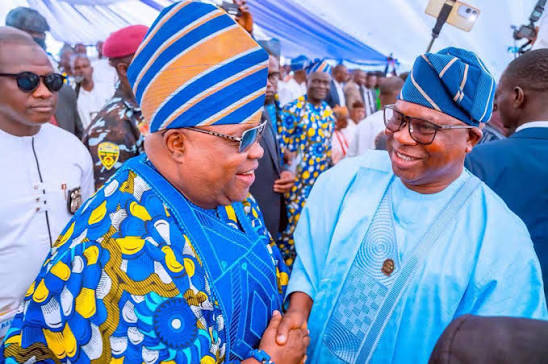
Adeleke commends Oyebamiji’s call for peace

Published

on

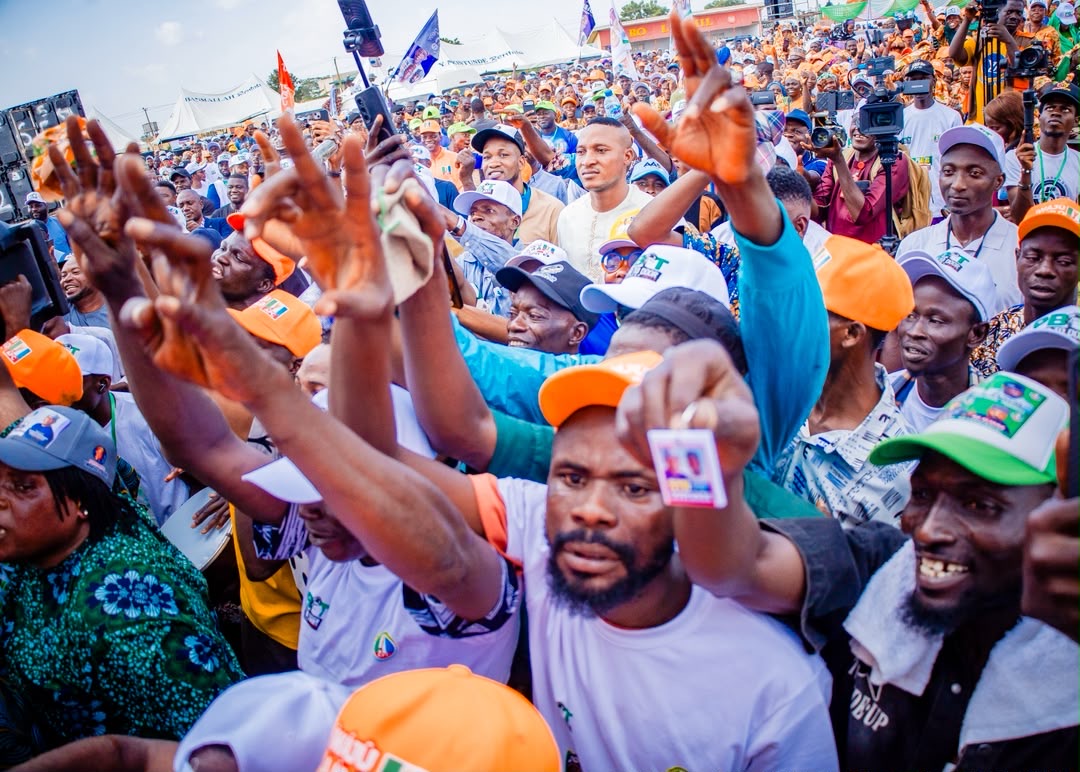
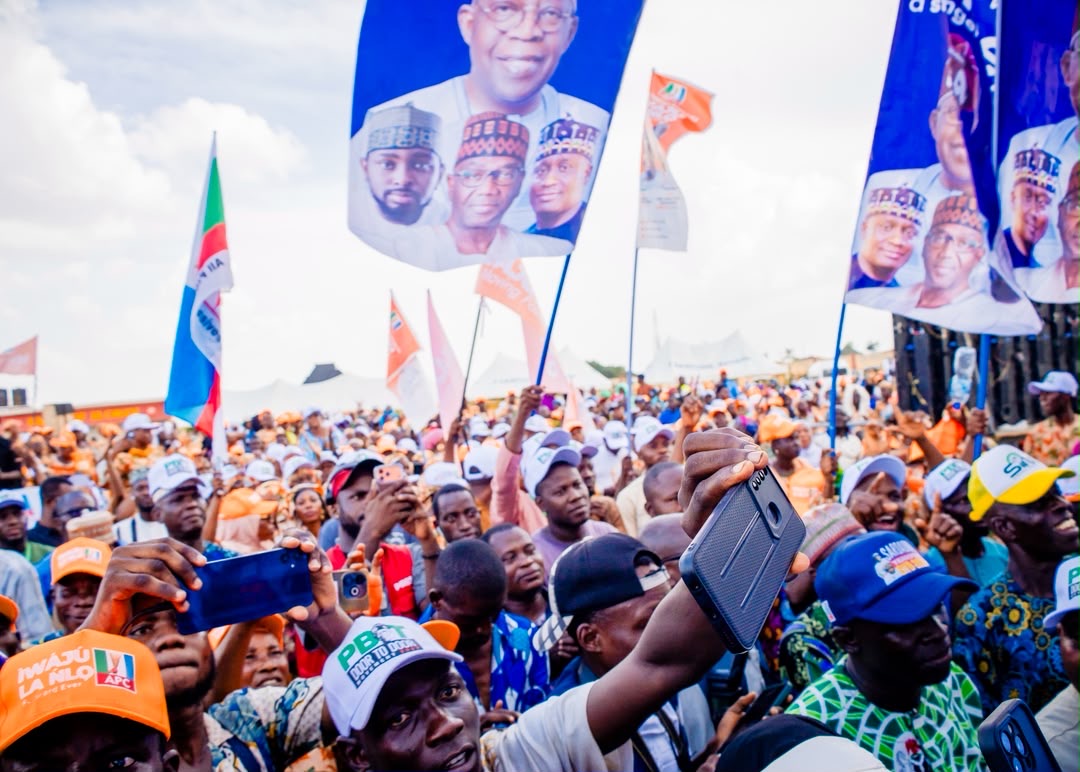
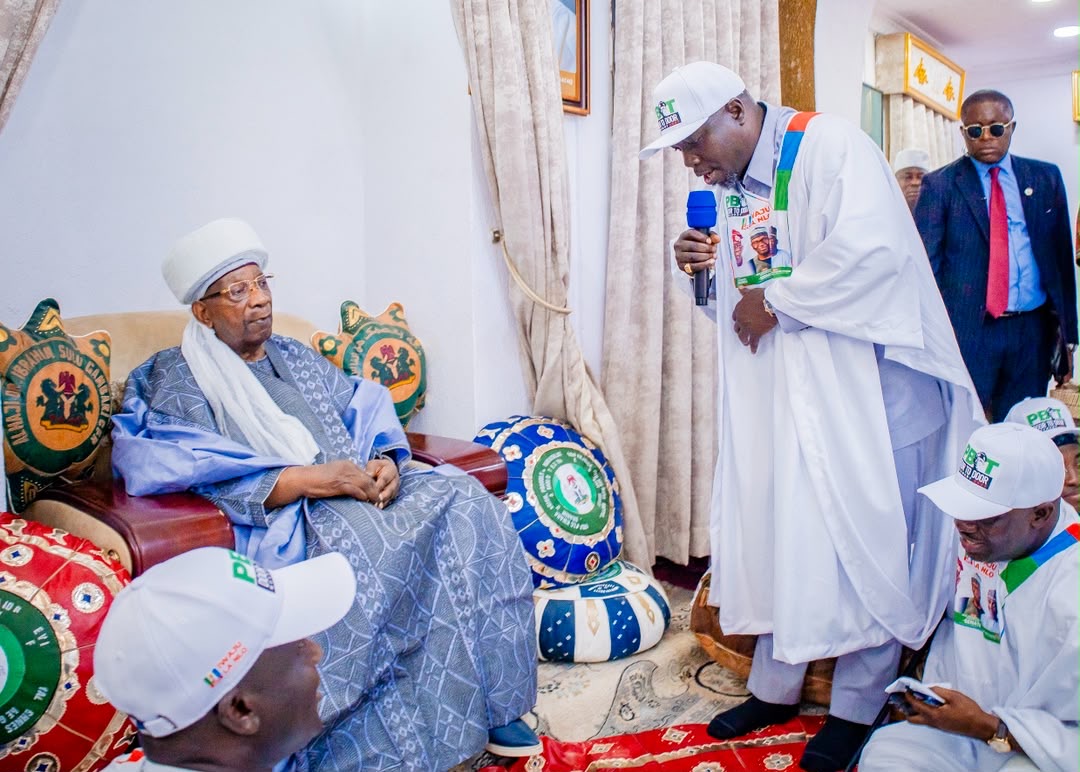
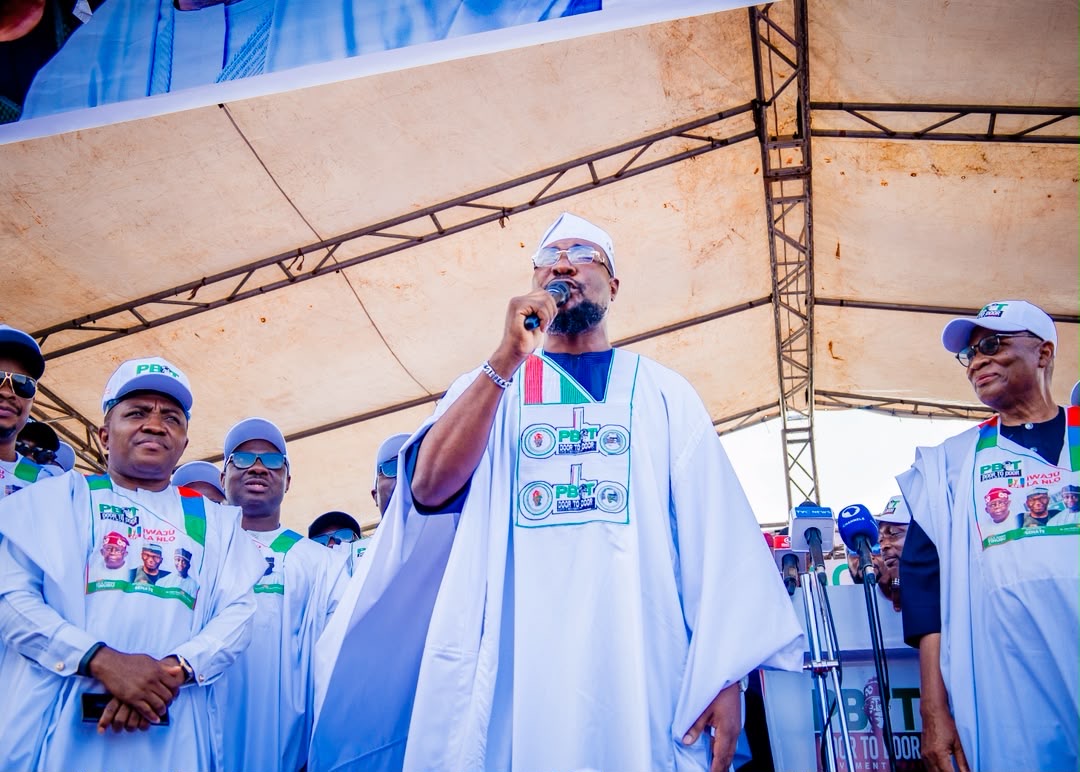
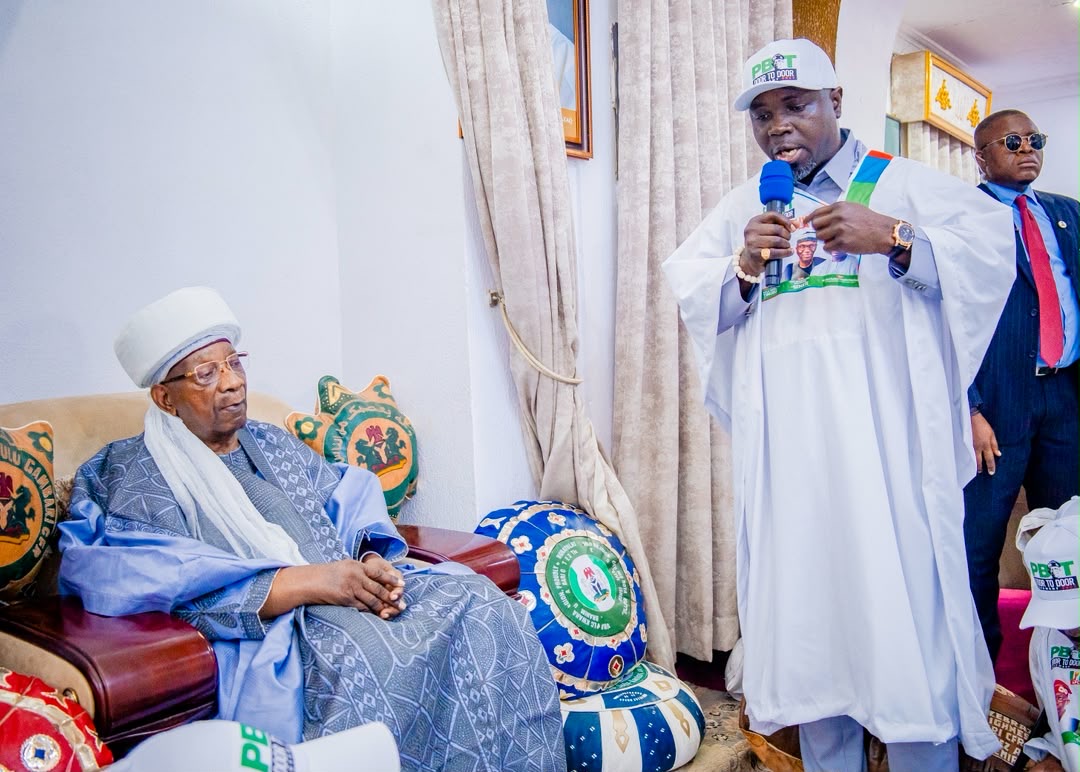
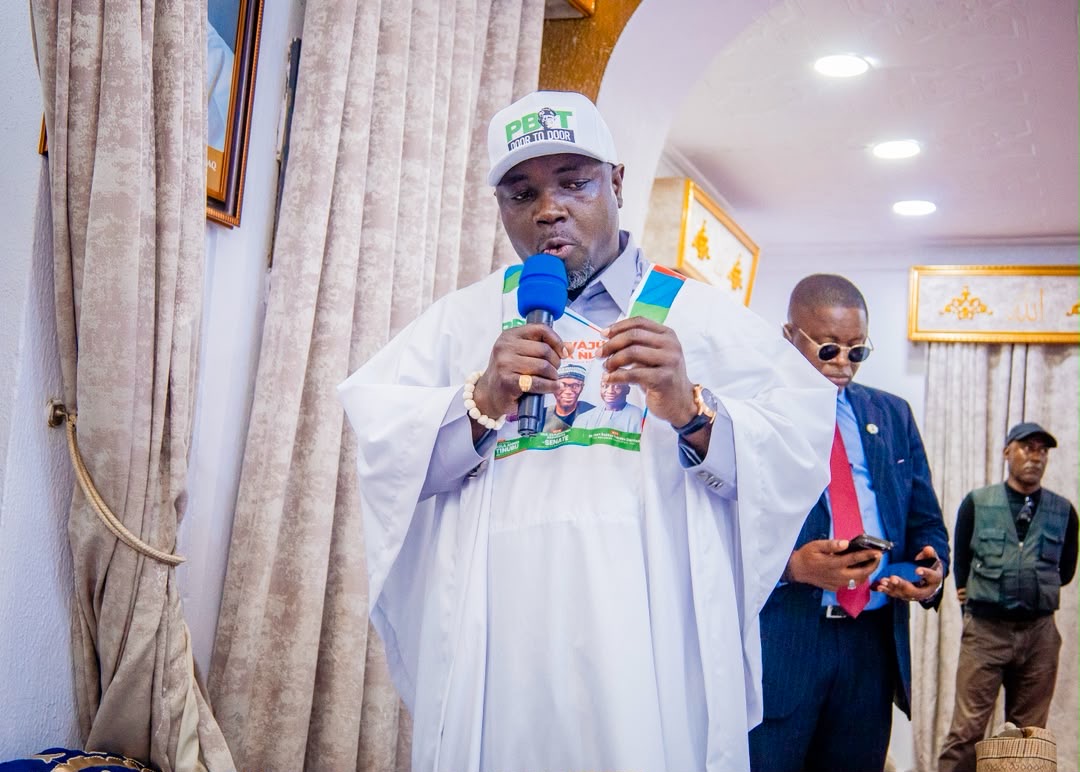
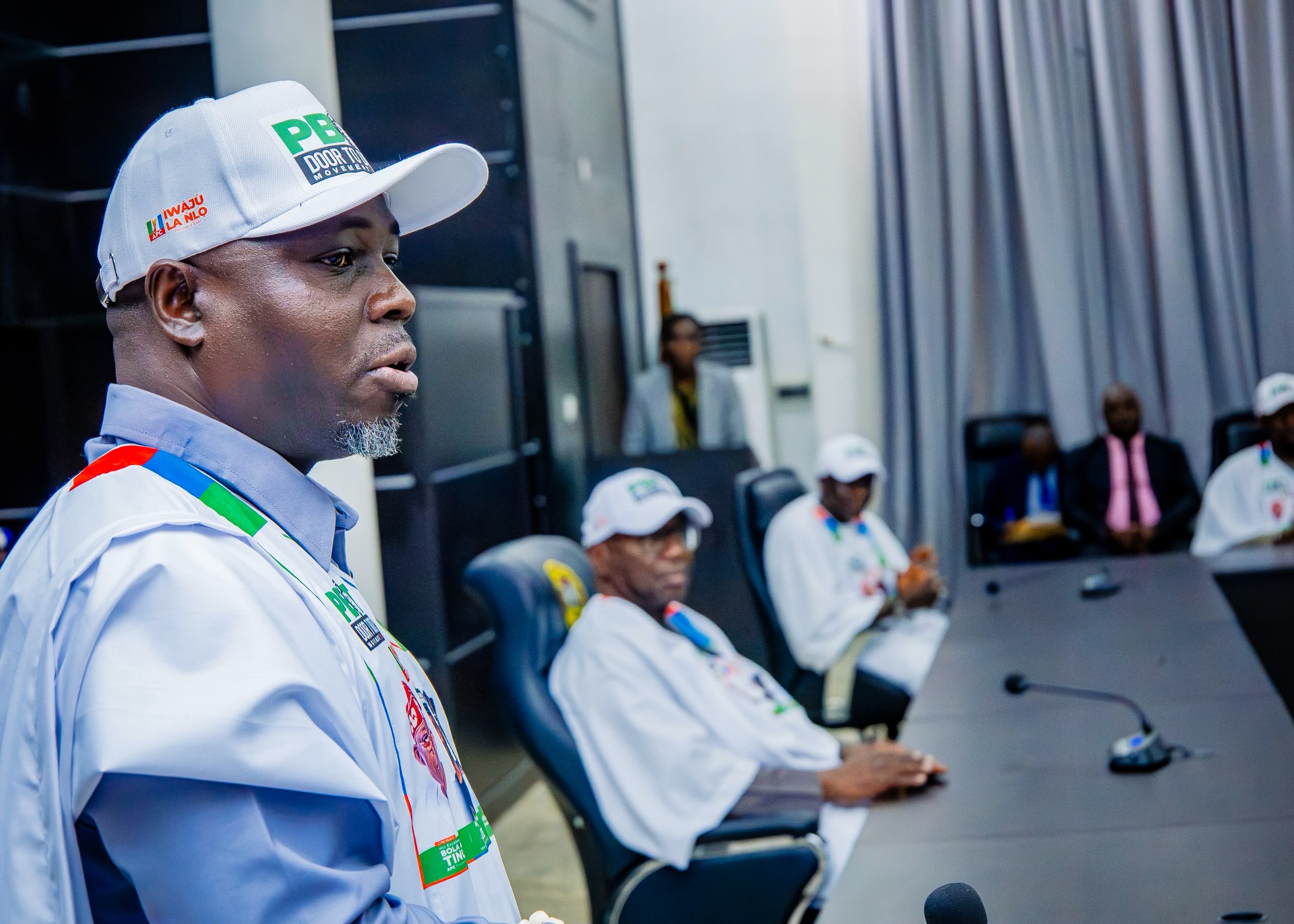
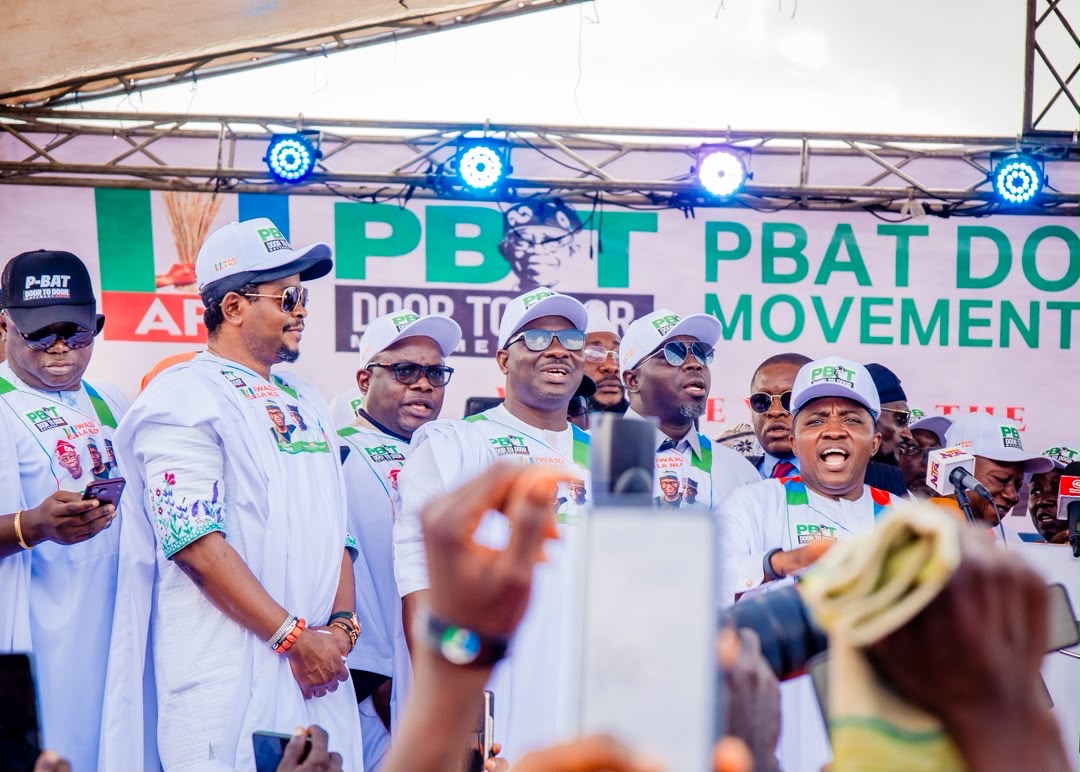
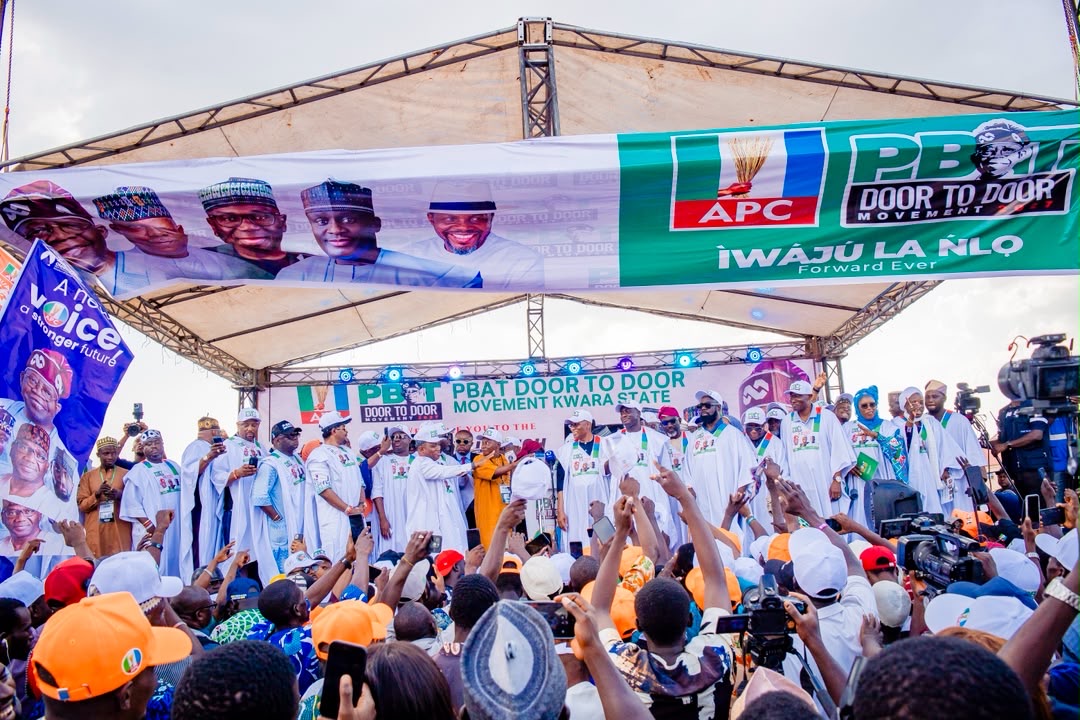
The Osun State Governor, Ademola Adeleke, has commended the governorship candidate of the All Progressives Congress in last Saturday’s poll, Bola Oyebamiji, for calling for peace in the state after visiting President Bola Tinubu in Abuja.

In a statement by the governor’s spokesperson, Olawale Rasheed, obtained in Osogbo on Friday, Adeleke said Oyebamiji’s demand for peace remained “a positive tone after weeks of heated campaign and election season.”

The statement said the governor, who earlier met with Tinubu on Thursday, described the peace advocacy by the APC candidate as “a good development for the Osun people,” who experienced trauma and violence in the last two months ahead of last Saturday’s elections.

Noting the call for restraint by all political parties, the statement said the governor had reviewed the pre-election climate of fear and conflict and indicated that his team had never subscribed to violence as a weapon of political campaign, even when under severe pressure in the countdown to the poll.

Rasheed said the governor recounted the pain he went through to restrain his supporters from retaliating against attacks, adding that Accord lost 15 members, with 20 injured and scores in police detention.

“I am forever a man of peace. It is heartwarming that my brother, Oyebamiji, is also preaching peace. I assure him that my supporters have not and will not attack APC members.

“Elections have come and gone and we are all winners. The common task for us all is to sustain delivery of democratic dividends and good governance to the good people of Osun State.

See also  Peter Obi defeated Tinubu in Lagos because of naira redesign policy - Oshiomhole

“I welcome Mr Gboyega Oyetola, Bola Oyebamiji and other opposition leaders to join hands with me to take Osun to greater heights. We are all important stakeholders in this Osun project,” Adeleke said.

The PUNCH reports that the incumbent Osun State Governor, Ademola Adeleke, was declared elected by the State Returning Officer of the Independent National Electoral Commission on Sunday, Prof. Joshua Ogunwole.

Adeleke won the governorship poll with a total of 511,067 votes to defeat Bola Oyebamiji of the All Progressives Congress, who polled 444,815 votes.

Source: punchng.com

FOLLOW US ON:

FACEBOOK

TWITTER

PINTEREST

TIKTOK

YOUTUBE

LINKEDIN

INSTAGRAM

Continue Reading
Click to comment

Leave a Reply

Your email address will not be published. Required fields are marked *

Politics

I’m now alone, Isaac Fayose laments abandonment by politicians he supported

Published

on

Isaac Fayose, younger brother of a former Ekiti State Governor, Ayo Fayose, has lamented being abandoned by politicians he backed in past elections.

He said he now felt like “a lonely voice in the wilderness” after years of personal and financial sacrifice for figures who later turned their backs on him.

The businessman made this known in a video shared on his Instagram page on Friday. He spoke in a mix of Pidgin English and Yoruba.

“Nigeria is a bad country. Very bad. I’m now like an orphan. I’m now like a lonely voice in the wilderness,” he said.

Fayose recalled his ordeal from 2018, when he stood by his brother during the latter’s face-off with the Economic and Financial Crimes Commission.

He said he personally confronted the then acting EFCC chairman, Ibrahim Magu, over the matter.

“I struggled with my brother. No, no, no, no, we won’t agree. I even followed him to EFCC. We shouted, ‘Magu, Ole! Magu, Ole!’ Magu said, ‘Who is this boy calling me Ole? They should go and look for anything to rope him.” he said.

Ayo Fayose was arraigned by the EFCC in 2018 over alleged fraud linked to his tenure as governor and later regained his freedom on bail.

He was succeeded that October by Kayode Fayemi of the All Progressives Congress, who defeated the PDP’s candidate in the governorship election.

Isaac said the matter was still trailing him in court to this day, even as his brother’s child was set to be sworn in as a member of the Ekiti State House of Assembly.

See also  ‘I’ll Serve For One-term’ – Peter Obi Insists, Fires Gov Soludo

“Up till today, they still rope me into a matter that I am still going to court for. That my brother now has taken an appointment. His child is about to be a member of the House of Assembly in Ekiti.

“I’m now on my own, facing my problem. They said, ‘We told you, Isaac, keep quiet, keep quiet.’ You didn’t listen,” he said.

He also spoke about the personal cost of his political involvement, saying he cut short his mourning to answer a call for help ahead of Ekiti’s 2026 governorship election.

“What a pity. See Ekiti. I went to bury my wife. Where I was, Oluyede called me. He said, ‘Please, please, let’s take our state back.’ I see how people are suffering. I said no, I was coming.

“I quickly buried my wife and hurriedly ran home. I got home, spent my money, did everything, election eve,” he said.

He was referring to Wole Oluyede, the PDP governorship candidate for the June 20, 2026 Ekiti election.

Oluyede’s path to the poll has been turbulent, his November 2025 primary win was nullified by a Federal High Court, and INEC later excluded his name from its candidate lists over the PDP’s national leadership crisis, though his camp has gone to court to compel its inclusion.

He is running against the incumbent, Biodun Oyebanji of the APC, who is seeking a second term.

Isaac said the associate had since distanced himself from him.

“They were calling me, ‘Oga is here, Oga wants to talk.’ Oluyede has not come to greet me since that time. He has gone back to the President. And even the governor that I was fighting, they are taking pictures together. They are now friends,” he said.

See also  PDP chaos: Wike, Makinde forces revive war over INEC’s nod

Isaac also referenced Osun State’s governorship politics, recalling both the 2022 election and the more recent one held on August 15, 2026.

“Look at Osun, 2022. I nearly removed my head,” he said, referring to the personal toll of his involvement that year, when Ademola Adeleke first won the governorship on the platform of the PDP, defeating the then-incumbent, Gboyega Oyetola of the APC.

He said he was drawn into the governor’s re-election bid this time as well, despite being in Australia when the call came.

“This time too, as I was in Australia, the governor of Osun called me, Governor Adeleke. He said, ‘Isaac, we need you on board the election.’ I put everything on my head. We won’t agree, we won’t agree,” he said.

Adeleke, who has since defected from the PDP to the Accord Party, was declared winner of the August 15 election by INEC, polling 511,067 votes to defeat the APC’s Bola Oyebamiji, who scored 444,815.

Isaac said the governor travelled to Abuja shortly after his victory to show his certificate of return to President Bola Tinubu, a gesture he described as a betrayal of the loyalty he had shown during the campaign.

“Six days after, the governor is in Abuja, showing his certificate, his return certificate, to the President. It’s like I’m alone. What a pity,” he said.

Drawing a comparison with reconciliations elsewhere, he cited the public rapprochement between singer Davido and Rivers State Federal Capital Territory Minister, Nyesom Wike.

“Davido that we were shouting, he and Wike are now hugging each other. Everybody is now smiling with each other together,” he said.

See also  PDP rejects Lamido’s call for NWC dissolution

Isaac said he had turned down cash and a Mercedes-Benz G-Wagon offered to him during past elections, insisting that his interest was in the welfare of his people rather than personal gain.

He, however, decried the culture of vote-selling among the electorate, saying many still sold their votes despite the sacrifices made on their behalf.

“They came to meet me, they gave me money, I said I don’t want. They gave me G-Wagon, I said I don’t want. I want my people to go. Even the people I was fighting for, election day, they will sell their vote again,” he said.

He said he was alone in recognising the state of affairs in the country, but described himself as isolated in speaking out against it.

“It’s now like I’m the only one seeing the rubbish going on in my country. I am now alone, now looking like a zombie. It’s lonely at the top,” he said.

Source: punchng.com

FOLLOW US ON:
FACEBOOK

TWITTER

PINTEREST

TIKTOK

YOUTUBE

LINKEDIN

INSTAGRAM

Continue Reading

Politics

Adeleke gets certificate, unveils N500m victims’ fund after Osun poll

Published

on

Osun State Governor, Ademola Adeleke, on Wednesday received his certificate of return from the Independent National Electoral Commission and announced plans to establish a N500m election violence victims endowment fund.

The certificate was presented to him by the Independent National Electoral Commission National Commissioner representing the South-West, Prof Kunle Ajayi, at an event attended by political associates of the governor and members of his cabinet.

The PUNCH reports that Adeleke was declared winner of the governorship election by the State Returning Officer of INEC, Prof Joshua Ogunwole, on Sunday.

Adeleke polled 511,067 votes to defeat the All Progressives Congress candidate, Bola Oyebamiji, who scored 444,815 votes.

Speaking during the ceremony, Adeleke lauded the roles played by different segments of the state in his victory at the poll.

He said, “This certificate does not belong to Ademola Adeleke alone. It belongs to the people of Osun State: our workers, market men and women, youths, traditional and religious leaders, and every citizen who participated in this democratic process.

“I am deeply humbled by the confidence you have renewed in me.”

Speaking on those injured and killed in the build-up to the election, the governor said a verification and relief committee, to be chaired by the Speaker of the state House of Assembly, Adewale Egbedun, would administer the fund and oversee the transparent identification of victims and equitable distribution of support.

“But even in victory, we must be sober in reflection. Citizens were injured, properties and livelihoods were destroyed and, most painfully, precious lives were lost.

“It is deeply painful that any family should have to bury a loved one because of politics. No election, political office or ambition is worth the life of a single citizen.

“We remember Ezekiel Olapade, Aderogba Ajayi, Remi Abass, Kolade Eluyera, and every other victim of electoral violence.

“Regardless of political affiliation, they were first our brothers, sisters and fellow citizens. To their families, your pain is our pain, and your loved ones will never be reduced to mere statistics,” the governor added.

See also  APC, opposition list expectations for next INEC chair ahead of 2027

He said his family, through the Springtime Development Foundation, would provide full scholarships up to university level for the children and dependants of those who lost their lives.

“The Osun State Government will also establish a N500m election violence victims endowment fund to support verified victims and affected families.

“A verification and relief committee, chaired by the Speaker of the Osun State House of Assembly, Rt Hon Adewale Olumide Egbedun, will oversee the transparent identification of victims and equitable distribution of support.

“This is not a political intervention. It is a humanitarian responsibility.

“No eligible victim will be excluded because of political affiliation, religion, ethnicity, gender or social status. In grief, there is no political party. In our common humanity, we are one people,” he said.

Gunshots at Ataoja palace

Meanwhile, gunshots rang out near the palace of the Ataoja of Osogbo for about 15 minutes on Wednesday following an attack on the governor’s convoy during a visit to the monarch.

The nephew of the governor and Afrobeats star, David Adeleke, popularly known as Davido, however, said the incident had nothing to do with him or his uncle.

The incident occurred between 3:50 pm and 4:10 pm, shortly after Adeleke had left the hall where the Ataoja hosted him.

The governor, in a large motorcade of about 20 vehicles, had arrived at the palace at about 3:15 pm after leaving the Osun State headquarters of INEC, where he received his certificate of return.

An eyewitness, who craved anonymity for security reasons, told The PUNCH during a telephone interview that Adeleke and his team were received in the palace hall by Oba Oyetunji, where the governor reportedly presented his certificate of return to the monarch.

The source confirmed that Adeleke and his team had left the palace before the ensuing gunshots.

See also  PDP rejects Lamido’s call for NWC dissolution

“He was already in the bus that brought him and his close aides to the palace when we started hearing heavy gunshots.

“The shooting lasted about 12 to 15 minutes before the governor’s convoy eventually left the palace,” the source said.

A trader near the palace, identified simply as Munirat, said the attackers might have learnt of the governor’s visit to the monarch.

When contacted, the Commissioner for Information and Public Enlightenment, Kolapo Alimi, confirmed the attack.

“They are hoodlums, and the governor’s security repelled them. They attacked the governor’s convoy in Ataoja’s palace. No casualty,” Alimi said.

As of 4:45 pm when our correspondent left the scene, many business owners had hurriedly closed their shops to avoid being caught in the attack.

Making a clarification in a post on his official X account on Wednesday, Davido said the attack occurred outside the palace of the Ataoja of Osogbo and had nothing to do with him or his uncle.

“It was a fight outside the palace that had nothing to do with us,” the singer wrote.

Police confirm one dead

The state police command, however, confirmed one resident, Tajudeen Yusuf, was shot dead during the ensuing melee, as it commenced a probe into the incident.

Giving updates on the incident in a statement obtained in Osogbo on Wednesday, the state Police Public Relations Officer, Abiodun Ojelabi, said one Adebayo Taoreed, popularly known as “Small Rugged,” an ex-convict, a suspected thug and a member of eye confraternity allegedly attempted to gain access to the Afrobeats star, Davido who had accompanied the governor to the palace, but was resisted by members of his security team.

Ojelabi said, “On Wednesday, 19th August 2026, at about 1600hrs, the command received information that one Tajudeen Yusuf, male, aged 60 years, of Oke-Ayepe area, Osogbo, was shot by suspected hoodlums at Itaolokan area of Osogbo.

“Preliminary investigation revealed that earlier in the day, His Excellency, the Executive Governor of Osun State, Senator Ademola Adeleke, accompanied by his nephew, David Adeleke, popularly known as Davido, paid a courtesy visit to the Ataoja of Osogbo, Oba Jimoh Olanipekun, at the palace.

See also  ‘I’ll Serve For One-term’ – Peter Obi Insists, Fires Gov Soludo

“Immediately after the visit, one Adebayo Taoreed, popularly known as ‘Small Rugged’, an ex-convict, a suspected notorious thug and a member of the Eye confraternity, allegedly attempted to gain access to Davido but was resisted by members of his security Team.

“The ensuing confrontation reportedly attracted other suspected gang members in the vicinity, who temporarily blocked the entrance to the palace and obstructed the movement. The convoy eventually left the area safely.

“Shortly afterwards, the suspected gang members reportedly departed the vicinity; however, on their way, they allegedly shot Tajudeen Yusuf at Itaolokan area of Osogbo.”

He further said that upon receiving the information, the police immediately mobilised a patrol team to the scene, where the victim was found lying in a pool of blood,  adding that he was promptly rushed to the University Teaching Hospital, Osogbo, for medical attention, where he was pronounced dead by the doctors on duty.

He said the command has commenced a full-scale investigation into the incident and intensified efforts to identify, apprehend and bring the fleeing suspects to justice.

Reacting through the statement, the Commissioner of Police (Election), Osun State Command, Mr Samuel Etaifo, condemned the killing and assured members of the public that the command would deploy all available resources to apprehend those responsible.

“The command therefore urges anyone with useful information that could assist the investigation to promptly approach the nearest police station or contact the command through its official channels. Members of the public are also advised to remain calm and refrain from taking the law into their own hands,” the statement further read.

Source: punchng.com

FOLLOW US ON:
FACEBOOK

TWITTER

PINTEREST

TIKTOK

YOUTUBE

LINKEDIN

INSTAGRAM

Continue Reading

Politics

N571bn campaign spending limit for presidential, gov candidates ahead of 2027 poll

Published

on

No fewer than 146 candidates currently in the race for the 2027 presidential and governorship elections could collectively spend up to N571bn under the campaign expenditure limits prescribed by the Electoral Act 2026.

The figure comprises 19 presidential candidates, each with a campaign spending ceiling of N10bn, and 127 governorship candidates, each allowed to spend a maximum of N3bn under Section 92 of the new Electoral Act.

The 19 presidential candidates alone have a combined spending ceiling of N190bn, while the 127 governorship candidates could collectively spend up to N381bn.

The combined ceiling for the two categories therefore stands at N571bn, although the amount represents the maximum permissible expenditure and not money guaranteed to, or actually received by the candidates.

The development comes as the Independent National Electoral Commission published the personal particulars and credentials of the 19 presidential candidates and their running mates ahead of the 2027 poll, paving the way for the commencement of the presidential campaign on Wednesday, August 19, 2026.

According to the election tracker NGelections.com, 127 candidates across 28 states will be running for governor in 2027. Of the number, 122 have been nominated, four have declared, and one is still being monitored.

A check on the INEC website showed that the commission had yet to publish the total number of 2027 governorship candidates, with its official 2027 election page stating under the list of candidates that “This will be available soon.”

INEC has confirmed that governorship elections will be held in 28 states in 2027, with Anambra, Bayelsa, Edo, Ekiti, Imo, Kogi, Ondo and Osun excluded because they are on the off-cycle schedule.

The commission had fixed January 16, 2027, for the presidential and National Assembly elections, while the governorship and State House of Assembly elections are scheduled for February 6, 2027.

New spending limits

Section 92 of the Electoral Act 2026 substantially raises the amount candidates are permitted to spend on election campaigns compared with the previous statutory limits.

Under the new law, a presidential candidate may spend up to N10bn, while a governorship candidate is limited to N3bn.

For the National Assembly, the ceiling is N500m for a senatorial candidate and N250m for a House of Representatives candidate.

A candidate seeking election to a State House of Assembly may spend up to N100m, the same ceiling prescribed for an Area Council chairmanship candidate, while the maximum campaign expenditure for an Area Council councillorship election is N10m.

The law also places a ceiling on individual contributions to candidates, providing that no individual donor may contribute more than N500m to a single candidate.

Section 92 further provides sanctions for candidates who knowingly exceed the prescribed limits.

Such a candidate faces a fine equivalent to one per cent of the permitted expenditure limit, or imprisonment for up to 12 months, or both.

The provision makes compliance with the new spending thresholds a statutory obligation rather than a voluntary guideline.

The PUNCH could not confirm if INEC has successfully prosecuted and secured a conviction against a Nigerian politician specifically for exceeding the statutory election/campaign spending limit.

Also, there is no reported case of a politician or party being prosecuted for exceeding campaign-spending limits.

When asked how INEC would enforce the spending limits, the INEC National Commissioner and Chairman Information/Voter Education Committee, Mohammed Haruna, simply stated, ‘’It’s the Commission’s statutory responsibility to monitor the campaign finance of all political parties.’’

See also  Power rotation debate heats up as North reviews Tinubu’s scorecard

The anti-graft agencies are expected to collaborate with the INEC in monitoring and enforcing the spending limits.

The restriction on individual donations means that while a presidential candidate can spend as much as N10bn, a single donor cannot contribute more than N500m.

Similarly, a governorship candidate’s N3bn spending ceiling is six times the maximum individual donation.

Presidential race

The presidential race features incumbent President Bola Tinubu of the All Progressives Congress; former Vice-President Atiku Abubakar of the African Democratic Congress; and former Anambra State Governor Peter Obi of the Nigeria Democratic Congress, among 16 other candidates.

INEC’s published list includes 19 presidential candidates and their running mates, with the commission making their personal information and credentials available for public scrutiny in accordance with the Electoral Act.

The field also includes PDP candidate Sandy Onor, African Action Congress candidate Omoyele Sowore, Peoples Redemption Party candidate Donald Duke, Social Democratic Party candidate Adewole Adebayo and Allied Peoples Movement candidate Seyi Makinde.

Other candidates are from the National Democratic Party, Young Progressives Party, Action Alliance, Boot Party, Democratic Liberty Alliance, Zenith Labour Party, Labour Party, National Rescue Movement, Action Democratic Party, New Nigeria Peoples Party and Action Peoples Party.

With each presidential candidate permitted to spend up to N10bn, the 19-man field represents a theoretical campaign expenditure ceiling of N190bn.

127 governorship candidates

At the state level, the number of candidates is considerably higher. The latest election data currently tracks 127 governorship candidates from 18 political parties across the 28 states scheduled to hold governorship elections in 2027.

The APC and PDP have the largest number of candidates, with 28 each, followed by the ADC with 21, Labour Party with 16 and NDC with nine.

The SDP has six candidates, while APM, PRP and Accord have three each. Other parties have a smaller number of candidates.

At N3bn per candidate, the 127 governorship candidates have a collective statutory spending ceiling of N381bn. When added to the N190bn available to the 19 presidential candidates, the potential maximum expenditure rises to N571bn.

The figure should not, however, be interpreted as an indication that N571bn will actually be spent during the campaigns. It represents the aggregate amount that the candidates could lawfully spend if each candidate reached the maximum permitted under Section 92.

CSOs raise concerns

Civil society organisations warned that the effectiveness of the new campaign spending limits will depend largely on enforcement, monitoring and the willingness of political actors to obey the law.

The Executive Director of the Civil Society Legislative Advocacy Centre, Auwal Musa Rafsanjani, said the major challenge was not the existence of spending limits, but the ability and willingness of electoral authorities and political parties to enforce them.

He stated, “The law is very clear; political parties or candidates are not expected to go beyond certain thresholds. But looking at the amount and looking at the capacity to impose this, it is very doubtful because the people that will help support and host this are not likely to comply with this.

See also  Why Buhari Appointed Me As Minister – Lai Mohammed

“If the ruling party members will not comply with this, then it becomes difficult for INEC to take appropriate action against other political parties. So it is important that all the ruling party and opposition political parties, and other stakeholders, sit down and have a good understanding of what is feasible, what is possible, and that everyone should abide by that.”

Rafsanjani urged the media and civil society to expose candidates and political parties that violate campaign finance regulations, arguing that INEC could not achieve compliance alone.

On his part, the Executive Director of the Centre for Anti-Corruption and Open Leadership, Debo Adeniran, said monitoring campaign expenditure would require cooperation between INEC, the media, civil society organisations and anti-corruption agencies.

“If INEC wants to monitor, they will need the help of the rest of us. Those of you in the media and those of us in civil society have roles to play. We are supposed to document what constitutes adverts, what constitutes procurements for each of the candidates.

“Media houses should set up teams that will monitor adverts both in the print and electronic media, as well as social media. All of these have costs that are verifiable. Billboard costs can be monitored. Television adverts can be monitored. Newspaper adverts can be monitored. Social media can also be monitored.”

Adeniran also pointed out that financial transactions, campaign staff payments, billboards, posters, campaign venues and other major expenditure could be monitored through existing financial and technological systems.

He advocated lower spending limits and tougher sanctions, including possible deregistration of parties and disqualification of candidates who violate the rules.

“It will give a level playing field if the limit of how far you can go in your campaign spending is imposed on all the candidates and their political parties, with a threat that whoever violates such rules and regulations will be deregistered,” he said.

The Country Director, ActionAid Nigeria, Andrew Mamedu, affirmed that campaign spending limits were necessary to prevent wealthy candidates from effectively buying political positions.

He said, “Campaign limits and campaign funding are needed for several reasons. The major reason is to ensure that candidates do not just come and buy positions, and spend so much resources to the detriment of other candidates that might not have similar resources.”

Mamedu said the major challenge remained how campaign spending would be measured, noting that INEC lacked the capacity to adequately track expenditure.

He called for legal reforms, stronger sanctions and a dedicated mechanism for tracking political party finances.

The country director said sanctions should be strong enough to serve as a deterrent, including banning politicians or political parties that breach spending limits from contesting elections for at least two electoral cycles.

Mamedu also warned that excessive campaign spending could deepen corruption because wealthy politicians and their financiers could expect contracts and other benefits in return for their support.

He said the huge resources deployed during campaigns could give an incumbent an unfair advantage over other contestants, while also discouraging people without substantial financial backing from seeking elective office.

See also  APC, opposition list expectations for next INEC chair ahead of 2027

NBC warns media

The campaign finance debate comes as the National Broadcasting Commission warned broadcasters, online publishers, bloggers and other participants in Nigeria’s information ecosystem against using their platforms to spread misinformation, hate speech, inflammatory material and other content capable of undermining peaceful elections.

The warning followed the commencement of political campaigns for the 2027 presidential and National Assembly elections on Wednesday.

In a statement released by Moses Jolayemi, Technical Adviser to the NBC Director-General, Charles Ebuebu, the commission said the commencement of campaigns placed an even greater responsibility on information disseminators to uphold accuracy, fairness, professionalism and responsibility.

The NBC directed broadcasters to ensure fair, balanced and equitable political coverage and warned against using their platforms to promote or suppress particular political parties, candidates or political viewpoints.

It also cautioned against presenting unverified political claims, allegations, statistics or assertions as facts.

According to the statement, ‘’Allegations involving corruption, criminality, electoral manipulation, misconduct and other issues capable of damaging the reputation of individuals or institutions must be subjected to appropriate editorial verification before being broadcast. The right of reply must be respected where a person or organisation has been genuinely misrepresented.’’

The NBC further cautioned presenters, anchors, reporters, producers and hosts of political programmes against allowing personal political views to be presented as facts.

The NBC warned presenters, anchors, reporters, producers and hosts against presenting personal political views as facts, intimidating guests, suppressing opposing viewpoints or manipulating discussions in favour of particular political interests.

It said responsibility for what goes on air remains with the broadcaster, including material introduced by guests, callers and panellists during live or interactive programmes.

The commission also directed broadcasters to maintain accurate records showing the dates, programmes and duration of political airtime allocated to parties and candidates.

It stressed that political advertising must remain clearly distinguishable from news, editorial content, analysis and independent programming and must comply with the Nigeria Broadcasting Code.

Of particular concern to the commission was the use of broadcast, digital and social media platforms to spread inflammatory and divisive political content.

The NBC warned against content capable of inciting violence, promoting hatred, threatening public order or deepening ethnic, religious, regional or political divisions.

It also cautioned broadcasters and other information disseminators against spreading election results or projections from unofficial sources.

The commission said collated figures from polling stations, exit polls and other unofficial sources must not be used to project or speculate on which candidate was leading or likely to win.

Election results and declarations of winners, it stressed, should only be broadcast as announced by the duly authorised electoral officer.

The NBC said its monitoring of political broadcasts would be intensified throughout the electioneering period, covering paid political advertisements, news bulletins, current affairs programmes, debates, phone-ins, interviews, commentaries, sponsored programmes, live broadcasts and other political content.

It also urged online publishers, bloggers, social media commentators and other content creators to exercise the highest degree of responsibility in the interest of national peace and democratic stability.

Source: punchng.com

FOLLOW US ON:
FACEBOOK

TWITTER

PINTEREST

TIKTOK

YOUTUBE

LINKEDIN

INSTAGRAM

Continue Reading

Trending