Connect with us

Business

Read facts about ending Nigeria’s endless electricity challenges

Published

on

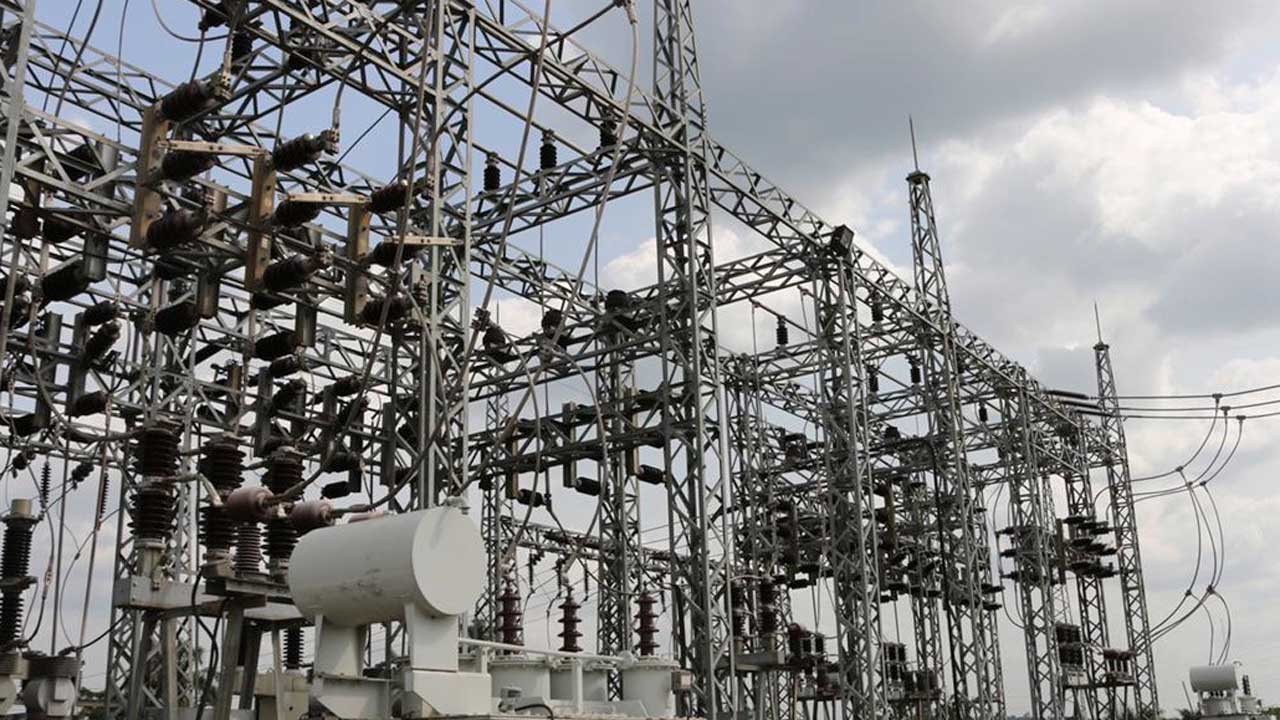
Nigeria’s electricity crisis is no longer merely an infrastructure problem. It is a national emergency that constrains economic growth, destroys jobs, deepens poverty and weakens public confidence in government. For Africa’s most populous country, generating roughly 3,500 to 4,500 megawatts for more than 200 million people is indefensible — especially when installed generation capacity exceeds 13,000MW.

The power sector was privatised in 2013 with the expectation that private capital and commercial discipline would improve electricity supply. More than a decade later, that promise remains largely unfulfilled. Households still endure prolonged outages, businesses spend heavily on diesel and petrol generators, and “national grid collapse” has become a familiar phrase. Privatisation may have changed ownership structures, but it has not delivered the reliable electricity Nigerians were promised.

The consequences are severe. Manufacturers struggle with high production costs, small businesses lose revenue, hospitals cannot depend on uninterrupted supply, and students often study in darkness. Nigeria cannot industrialise, compete internationally or create enough jobs while electricity remains unreliable and expensive. Every failed megawatt translates into lost productivity and diminished opportunity.

The crisis persists because every part of the electricity value chain is impaired. Gas-fired power plants face inadequate fuel supplies, pipeline vandalism and weak commercial terms that discourage investment. Generation companies contend with ageing plants, stranded capacity and unpaid bills. A thermal-heavy generation mix also leaves the system dangerously dependent on gas.

Transmission remains another critical weakness. Ageing and overstretched infrastructure, vandalised towers, inadequate spinning reserves and poor regional balance make the grid vulnerable to repeated disturbances. Without modern control systems, functioning relays and full implementation of Supervisory Control and Data Acquisition (SCADA) technology, operators cannot manage the network efficiently.

See also  Again, Petrol Stations Increase Fuel Prices

Distribution companies are equally troubled. Aggregate technical, commercial and collection losses reportedly range between 30 and 40 per cent. Millions of customers remain without meters and are subjected to estimated bills that undermine trust and payment discipline. Electricity theft, vandalism, inaccurate customer records and inadequate investment further weaken the market.

The government must now treat electricity reform as a measurable national mission, not an endless policy conversation. It should establish clear deadlines, publish performance data and hold public and private operators accountable.

First, gas supply to power plants must be secured. The domestic supply obligation for gas-to-power should be strengthened, while credible payment guarantees must protect suppliers. Security agencies must also act decisively against pipeline, tower and cable vandalism. Such attacks should be investigated and prosecuted as economic sabotage.

Second, idle and gas-constrained plants should be restored. Nigeria must diversify its energy mix through gas, hydro and solar power, reducing dependence on one source.

Sector debts also require transparent resolution. Payment assurance mechanisms and relevant power-sector recovery bonds should clear verified obligations. Debt net-offs involving company income tax and customs liabilities could provide relief, while responsible asset consolidation and balance-sheet financing may unlock new investment.

Third, transmission upgrades must target the grid’s weakest points. Nigeria urgently needs spinning reserves, automated operations, modern relays and expedited implementation of SCADA. Expansion must also correct regional imbalances and accommodate renewable generation.

Finally, distribution reform must focus on customers. Metering should be accelerated, customer databases cleaned and feeder-level commercial maps completed. Specialised or mobile courts could speed up prosecution of electricity theft, provided consumer rights are protected. Rural access must expand through grid extensions and decentralised renewable systems.

See also  States hosting IDPs eye $12m World Bank loan

Nigeria does not lack diagnoses, policies or committees. It lacks disciplined implementation and accountability. The government must set public milestones for gas supply, generation recovery, transmission upgrades, metering and loss reduction — and sanction operators that repeatedly fail.

Reliable electricity is the foundation of a productive economy. Nigeria’s leaders must act with the urgency the crisis demands. The country cannot power its future with excuses.

Source: punchng.com

FOLLOW US ON:

FACEBOOK

TWITTER

PINTEREST

TIKTOK

YOUTUBE

LINKEDIN

INSTAGRAM

Continue Reading
Click to comment

Leave a Reply

Your email address will not be published. Required fields are marked *

Business

IMF warns poverty risks persist despite Nigeria’s economic stability

Published

on

The International Monetary Fund has warned that rising prices of essential goods could worsen poverty and food insecurity in Nigeria despite improvements in the country’s macroeconomic stability and favourable external trade conditions.

The IMF disclosed this in its October 2026 World Economic Outlook report, titled ‘Resilience Under Strain, Urgent Choices’, published on Tuesday, highlighting the growing disconnect between improvements in economic indicators and the living conditions of vulnerable households.

“Nigeria is supported by improved macroeconomic stability and favourable terms-of-trade effects, though higher prices for essentials are expected to further aggravate poverty and food insecurity,” the Fund stated.

The assessment suggests that Nigeria’s recent economic stabilisation efforts have strengthened its economic outlook but have yet to eliminate the pressures facing households, particularly those struggling with the rising cost of food and other basic necessities.

According to the IMF, Nigeria is among the larger economies in sub-Saharan Africa benefiting from earlier stabilisation measures and economic reforms, although the region remains exposed to commodity price volatility, climate shocks and limited access to external financing.

The report projected that economic growth in sub-Saharan Africa would remain stable at 4.5 per cent in 2026, reflecting differences in policy implementation, fiscal capacity and exposure to global economic disruptions.

It stated, “Growth in sub-Saharan Africa is expected to remain stable at 4.5 per cent in 2026, though this masks some substantial divergence across countries.”

The IMF explained that while oil-importing and non-resource-intensive economies were facing greater pressure from rising energy and food prices, some larger economies were benefiting from earlier reforms and improved economic conditions.

See also  Federal Govt Secures €21m German Funding For Clean Energy Transition

Nigeria’s favourable terms-of-trade position provides some support to economic activity, particularly amid changes in international commodity prices.

However, the Fund’s assessment indicates that stronger macroeconomic fundamentals do not automatically translate into improved household welfare, especially when the cost of essential commodities continues to rise.

The report also identified declining official development assistance and limited participation in the global artificial intelligence investment boom as challenges facing several African economies.

The IMF’s country-specific projections showed that Nigeria’s economy is expected to expand by 4.2 per cent in 2026, compared with an estimated 4.0 per cent in 2025, before accelerating to 4.3 per cent in 2027.

The 2026 forecast represents an upward revision of 0.1 percentage point from the Fund’s April projection, while the 2027 estimate was also raised by 0.1 percentage point.

On inflation, the IMF projected that Nigeria’s average consumer price inflation would decline from 23.0 per cent in 2025 to 15.6 per cent in 2026 and 14.7 per cent in 2027.

The report also projected Nigeria’s current account surplus at 7.0 per cent of Gross Domestic Product in 2026, compared with 4.8 per cent in 2025, before moderating to 4.4 per cent in 2027.

These projections suggest a stronger external position in 2026, although the expected decline in the surplus next year points to a moderation in external balances.

The IMF further warned that persistent geopolitical tensions, higher food and energy prices and tighter global financing conditions could undermine economic growth, particularly in developing countries.

It stated, “Risks are skewed to the downside,” identifying a prolonged Middle East conflict and further disruptions to energy infrastructure as potential threats to global economic stability.

See also  Govt eyes N1.49tn electricity export revenue

To cushion vulnerable households, the Fund recommended temporary and targeted financial support rather than broad measures that could undermine fiscal sustainability.

It said governments should “rely primarily on temporary, targeted income support for the most vulnerable,” while strengthening social protection systems to respond more effectively to future economic shocks.

PUNCH Online earlier reported that Nigeria recorded the world’s largest increase in the number of people living in multidimensional poverty, with an additional 17.9 million Nigerians falling into poverty between 2021 and 2024, according to the 2026 Global Multidimensional Poverty Index.

The report, published on Monday by the United Nations Development Programme and the Oxford Poverty and Human Development Initiative, showed that Nigeria experienced a reversal in poverty reduction after recording improvements between 2018 and 2021.

The findings placed Nigeria ahead of Afghanistan, which recorded an increase of 5.3 million poor people during its latest assessment period.

Source: punchng.com

FOLLOW US ON:

FACEBOOK

TWITTER

PINTEREST

TIKTOK

YOUTUBE

LINKEDIN

INSTAGRAM

Continue Reading

Business

Indonesia promises Nigerian investors special incentives

Published

on

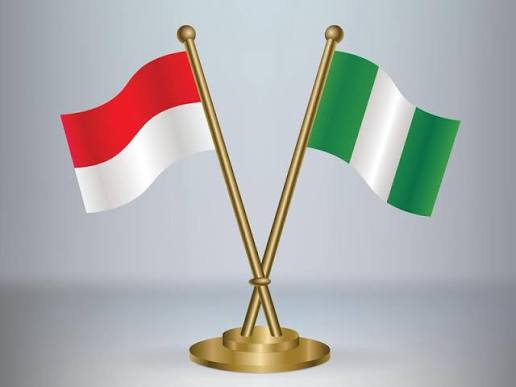
Indonesia has promised special privileges and incentives to Nigerian investors looking to set up businesses in Southeast Asia, including potential tax benefits and preferential treatment for investment-related processes.

A senior trade analyst with Indonesia’s trade promotion authorities, Iska Huberta Sinural, disclosed this on Tuesday, while addressing journalists from Nigeria in Jakarta ahead of the 41st Trade Expo Indonesia, saying the country was seeking to deepen its commercial relationship with Nigeria through increased trade, investment and business partnerships.

Sinural said Nigerian investors could explore opportunities in Indonesia, adding that investment-related incentives could include tax benefits and other forms of preferential treatment.

“There will be special treatment actually when you have to invest here. For the investment, we will give special or privilege. The visa for investors will be a bit different.

“The tax and also other things will be incentives,” she said.

According to Sinurat, Nigeria has consistently ranked among the leading countries whose buyers and visitors participate in the annual Indonesian trade exhibition, making it an important market for the country’s exporters.

She said Nigeria ranked fourth among buyers in 2022, third in 2024 and fourth in 2025, while its position among the top five buyers had been relatively consistent over the years.

“We have data on every time you come here to do some business and we also do some trade mission to your country,” she said.

The 41st Trade Expo, 2926, will Kickstart Wednesday October 14, till 18. The Trade Expo Indonesia is intended to bring together exporters, international buyers, investors and government representatives to facilitate commercial transactions and develop partnerships across multiple sectors.

Sinural speaking further, said, Indonesia was seeking to move beyond conventional buyer-seller transactions to establish longer-term partnerships, including investments by Nigerian businesses in Indonesian manufacturing, agriculture and other sectors.

See also  States hosting IDPs eye $12m World Bank loan

“I mean, this is bilateral. It’s not always you buying from us, you can also invest in us. We also welcome you to introduce us to your product,” she said.

She argued that Nigerian investments in Indonesia could help businesses secure more reliable access to products, reduce the difficulties associated with shipping and build closer links with Indonesian manufacturers.

“The option of shipping, is a bit hard. So why don’t you invest here? And then it will be easy for us to get the products when you invest here,” she said.

Sinurat added that Indonesia could offer competitive labour and access to agricultural resources, while investors could explore opportunities to manufacture goods for the Nigerian market.

The trade analyst also encouraged Nigerian businesses to introduce locally produced food and beverages to Indonesian consumers, suggesting that product adaptation and cultural exchange could help Nigerian brands gain acceptance.

“For us to understand ourselves better, I guess one of the key points to explore is export things from Nigeria to Indonesia like food, beverages,” she said.

She added that Nigerian businesses could introduce speciality foods, coffee and beverages while adapting flavours, packaging and product sizes to Indonesian preferences.

Sinural said Indonesia was also interested in attracting Nigerian investors into sectors beyond merchandise trade, particularly where long-term partnerships could generate economic benefits for both countries.

Sinural said the 2026 Trade Expo Indonesia had exceeded its initial exhibitor target, with about 1,600 exhibitors registered against a target of 1,500.

She said the transaction target for this year’s exhibition was $17.5bn, compared with $16bn set for the previous edition.

She explained that the objective was not limited to increasing transaction values but also to attracting buyers from a wider range of countries, strengthening business networks and encouraging investment in Indonesia.

See also  NISO cuts transmission losses to 7% from 10% in one year

“It’s not only to have the transaction, but also to have a relationship and we also hope, in this condition, that more investments can be made during this trade expo in Indonesia,” she said.

Sinurat said the organisers were particularly interested in expanding participation from non-traditional markets in Asia, Africa and the Middle East.

She added that invitations had been extended to at least 30 countries as Indonesia sought to strengthen government-to-government engagement alongside business-to-business transactions.

“This year, actually, we sent an invitation to at least 30 countries. Because this year, we want to have a government G2G relationship,” she said.

The exhibition’s major sectors include food, beverages and agricultural products; manufacturing; industrial estates and services; fashion and handicrafts; and furniture and home décor.

On his part, the Export Enhancement Division representative of the Indonesian Chamber of Commerce and Industry, Muhammad Alpvy, said there was considerable untapped potential in trade and investment between Indonesia and African countries, including Nigeria.

Alpvy, said Indonesia was seeking to expand exports beyond existing product categories and strengthen cooperation in food processing, agricultural commodities, furniture, manufacturing and renewable energy.

He said Nigerian businesses could explore opportunities in Indonesia while Indonesian companies could also establish manufacturing operations in Nigeria, creating a more sustainable commercial relationship.

According to him, trade between the two countries could expand significantly if the growing number of Nigerian visitors and business delegations translated into more concrete transactions and investment agreements.

Alpvy, estimated that Nigeria’s delegation to Indonesia had grown from between 100 and 150 participants in the previous year to about 250 in 2026, representing an increase of approximately 40 per cent based on the figures he cited.

See also  Police, military women join Dangote share grant beneficiaries

He said the larger delegation presented an opportunity to expand transactions, although the actual value would depend on the products involved, the quantities purchased and the agreements concluded.

Alpvy, said Nigeria and Indonesia could also strengthen cooperation in palm oil, rubber products, healthcare manufacturing, agricultural processing and renewable energy.

He identified shipping costs and trade barriers as factors that could limit the expansion of bilateral commerce between Nigeria and Indonesia, adding that investment and local manufacturing arrangements could help businesses overcome some of the difficulties associated with direct exports.

“I believe some of the African countries already have this kind of trade agreements with Indonesia, but still ongoing,” he said.

Encouraging Nigeria to make its trade process less cumbersome while he stressed that tariffs and shipping costs were among the areas requiring further attention.

Alpvy, also highlighted opportunities in waste management and green energy, including the conversion of agricultural and animal waste into alternatives to coal.

He said Nigerian and Indonesian businesses had previously discussed cooperation in renewable energy and the establishment of factories, but further discussions were needed to determine the appropriate investment arrangements.

“First thing first about the investment is to make the format, how we can collaborate,” he said.

Alpvy, urged Nigerian investors to consider Indonesia as a destination for long-term business partnerships, while encouraging Indonesian companies to explore opportunities in Nigeria.

He said both countries stood to benefit from cooperation that went beyond seasonal trading and focused on sustained investment, local production and technology transfer.

Source: punchng.com

FOLLOW US ON:

FACEBOOK

TWITTER

PINTEREST

TIKTOK

YOUTUBE

LINKEDIN

INSTAGRAM

Continue Reading

Business

Musk spends $276m backing Republicans in midterms — Report reveals

Published

on

Tech billionaire Elon Musk, the world’s richest man, has contributed $276 million to organisations boosting the campaigns of right-wing American candidates ahead of upcoming midterm elections, US media reported Monday.

The sum, all contributed since July, positions Musk as the largest single donor for the November 3 elections, according to the New York Times. He has spent a total of $366 million this election cycle.

The largest funding recipient was the Republican’s Senate Leadership Fund, receiving $158 million, aimed at maintaining the party’s control of the upper house of Congress despite a slim margin.

The SpaceX and Tesla boss is no stranger to massive US election spending, having contributed $`290 million in 2024 to help US President Donald Trump win reelection.

Trump allowed Musk to work in the White House for several months overseeing his cost-cutting Department of Government Efficiency (DOGE) venture, but exited the role after a public falling out with the president.

They’ve since reconciled, and Trump awarded Musk the National Medal of Science at an event in DC last week.

Though individual campaign donations in the United States are capped at `$3,300 per person, loopholes in the US campaign finance system allow political mega donors to contribute to funds known as political action committees or “PACs,” which support candidates.

Musk donated $76 million this summer to his own America PAC, the New York Times reported.

Other recipients of Musk’s political funding include $20 million to the Republican’s Congressional Leadership Fund, $10 million each to the Republican Governors Association and the Lone Star Liberty PAC, and $2 million to the Republican Attorneys General Association.

See also  Police, military women join Dangote share grant beneficiaries

AFP

Source: punchng.com

FOLLOW US ON:

FACEBOOK

TWITTER

PINTEREST

TIKTOK

YOUTUBE

LINKEDIN

INSTAGRAM

Continue Reading

Trending