Connect with us

Business

FX reserves to hit $51bn by 2026 — CBN

Published

on

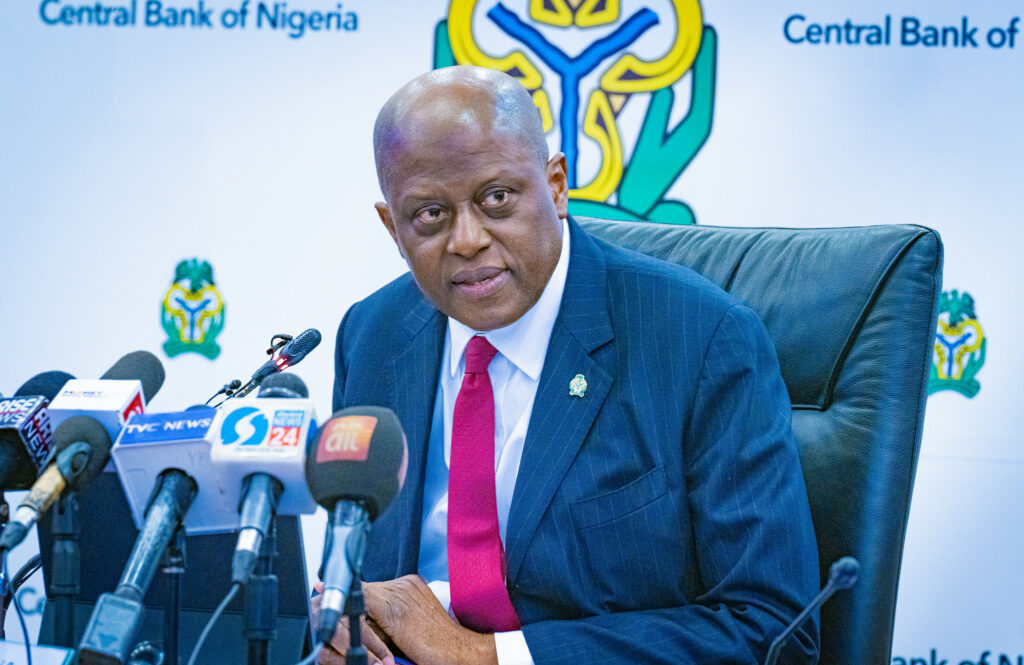
The Central Bank of Nigeria predicts external reserves will climb to $51.04bn in 2026, up from $45bn in 2025.

This projection was contained in the Macroeconomic Outlook for Nigeria, 2026, titled ‘Consolidating Macroeconomic Stability Amid Global Uncertainty’, published by the CBN on Tuesday.

The PUNCH reported that Nigeria’s external reserves as of Monday, 29 December 2025, stood at $45.45bn, following days of steady accretion.

“The external reserves are projected at $51.04bn in 2026, compared with $45.01bn in 2025. The external reserves are expected to be boosted by reduced pressure in the FX market based on the anticipated rise in oil earnings, sovereign bond issuance, and diaspora remittance inflows.

“Additionally, Dangote refinery’s expansion of its nameplate capacity to 700,000 bpd from 650,000 bpd in 2025 and eventually to 1.4 million bpd in the medium term would further support the growth in external reserves,” the report read.

In the FX market, the apex bank noted that reforms are expected to further enhance efficiency and transparency, narrow the premium between the Nigerian Foreign Exchange Market and Bureau de Change rates, and sustain exchange rate stability. In addition, improved domestic oil refining capacity is expected to reduce foreign exchange demand for fuel imports.

On inflation, the CBN anticipates that headline inflation will decelerate further to 12.94 per cent in 2026, driven by a combination of factors, and is expected to come down to 10.75 per cent in 2027.

According to data from the National Bureau of Statistics, inflation has been falling for consecutive months, supported by the base-year effect.

See also  Lady sues Peller, demands N395m for filming her without consent

As of November, headline inflation had dropped to 14.45 per cent, relative to the October 2025 headline inflation rate of 16.05 per cent. However, the NBS said the Consumer Price Index rose to 130.5 points in November 2025 from 128.9 points in October, reflecting a 1.6-point increase month-on-month.

The CBN stated, “Inflation is expected to continue its downward trend in 2026. The inflation outlook is predicated on continued stability in the foreign exchange and energy markets, the lagged effect of previous rate hikes, and improved policy coordination. Headline inflation is projected to further decelerate to 12.94 per cent in 2026 from 21.26 per cent estimated for 2025. The anticipated moderation would be driven by declining food and premium motor spirit prices. The expected deceleration in PMS prices would be driven by increasing competition within the midstream segment of the oil industry.

“Furthermore, the anticipated faster decline in food prices is expected to drive the slower pace of inflation. This would be on account of the expected increase in food supply following the launch of various agriculture sector-based policies, improved security in major food-producing regions, and favourable weather conditions.”

The CBN also added that in the transition phase, monetary policy will be flexible to balance price stability and growth objectives. Hence, the Monetary Policy Rate, the Cash Reserve Ratio and other instruments would be adjusted appropriately to manage the growth in money supply and attain a non-accelerating inflation growth path.

On projected monetary conditions in 2026, the CBN said they are expected to be relatively loose in view of the macroeconomic stability observed in 2025, as inflation and exchange rate risks continue to subside.

See also  Dangote Refinery stops sales to unregistered marketers

“In line with its price stability mandate, the Bank will deploy appropriate tools to anchor expectations, foster financial stability, and promote confidence in the economy. The trajectory of monetary aggregates in 2026 is expected to be influenced by external conditions and fiscal operations. Changes in the naira value of foreign currency deposits, arising from exchange rate movements, will continue to influence monetary aggregates. Nevertheless, the Bank’s policy stance, complemented by measures to stabilise the foreign exchange market, is expected to moderate the growth rate of monetary aggregates in 2026,” the bank said.

On the fiscal front, the apex bank noted that the outlook for 2026 is broadly positive, buoyed by sustained improvements in domestic crude oil production and the phased implementation of the Nigeria Tax Act, 2025, which is expected to strengthen non-oil revenue mobilisation.

“However, downside risks persist. A sustained decline in global oil prices below the budget benchmark and an unexpected reduction in oil production could undermine projected oil revenues. Elevated debt service obligations, extra-budgetary spending, and a potential rise in statutory transfers due to pre-election spending could further constrain the fiscal space. The fiscal outlook for 2026 is vulnerable to various risk factors. Notably, a budget risk could crystallise if crude oil prices and domestic production fall below benchmarks, thereby dampening the optimism about oil revenue contribution (57.01 per cent) to the total revenue outcome in 2026.

“Although crude oil production is expected to ramp up in the near term, the domestic oil sector remains sensitive to global shocks. The expectation of a strong non-oil revenue performance in 2026 is hinged on the successful implementation of the Nigeria Tax Act, 2025, and the sustenance of the ongoing tax effort. However, low tax awareness and compliance levels, as well as gaps in tax administration systems, remain significant risks to tax revenue projections,” the bank noted.

See also  FG unveils N54.43tn budget as debt service gulps N15.91tn

In the financial sector, the CBN expressed concerns about rising non-performing loans and their impact on banks, saying, “Rising NPLs pose a direct threat to banks’ profitability, credit availability, and overall risk-bearing capacity. This underscores the need to sustain measures to ensure that worsening NPLs do not weaken banks’ balance sheets, impair asset quality, and trigger systemic contagion. Although recent gains in capital adequacy and liquidity ratios provide a buffer, these indicators remain susceptible to unforeseen macroeconomic shocks.

“An increase in credit losses or foreign exchange illiquidity could erode capital reserves, breach prudential thresholds, and strain liquidity coverage. These conditions could disrupt financial intermediation, diminish market confidence, and amplify vulnerabilities across the banking sector.”


Continue Reading
Click to comment

Leave a Reply

Your email address will not be published. Required fields are marked *

Business

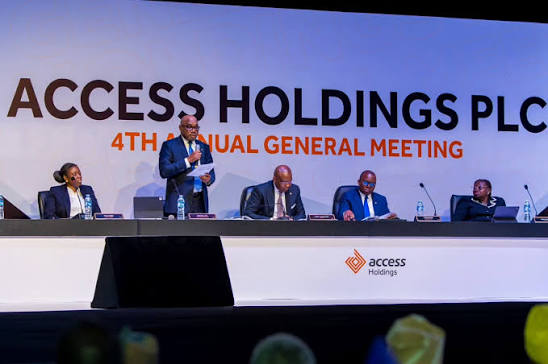
Access Holdings Board approves H1 2026 financials

Published

on

The Board of Directors of Access Holdings Plc has approved the Group’s audited interim consolidated and separate financial statements for the half-year ended 30 June 2026.

The decision was taken during the board’s meeting held on 27 August 2026, marking a significant step in the group’s financial reporting calendar.

“The financial statements were considered and approved by the Board at its meeting held on 27 August 2026 and will now proceed through the required regulatory process, including approval by the Central Bank of Nigeria,” the company announced in a statement following the meeting.

The approval clears the path for the financial institution to move into the final administrative phase of its mid-year audit process, as the group must secure statutory sign-off from the apex bank before the results can be released to the investing public.

“Following receipt of the CBN’s approval, Access Holdings will publish the audited financial statements through the Nigerian Exchange Limited and make them available to shareholders, investors and other stakeholders through the Group’s established communication channels,” the company added.

Outlining the core principles driving its financial disclosure, the group emphasised its commitment to regulatory compliance and operational transparency across its global operations.

“The process reflects Access Holdings’ commitment to strong governance, regulatory compliance and transparent engagement with its stakeholders as it continues to build a more connected and resilient financial services group serving Africa and its international markets,” the statement noted.

In adherence to capital market rules, Access Holdings confirmed that restrictions on share trading by internal stakeholders remain strictly in force.

See also  See how Dangote refinery and marketers fuel deal crashed

“In accordance with the NGX Issuers’ Rules, Access Holdings will remain in a closed period until 24 hours after the audited financial statements have been released to the public,” the company stated.

The institution concluded with a clear directive regarding trading boundaries for key insiders: “During this period, directors, insiders and their connected persons are prohibited from dealing, directly or indirectly, in the securities of Access Holdings Plc.”

The public market release of the audited statements on the NGX is expected shortly following the completion of the CBN’s review process.

In the Nigerian banking sector, Tier-1 financial institutions like Access Holdings are subject to regulatory oversight by the CBN and the NGX, requiring commercial banks and holding companies to submit interim and annual financial statements to the apex bank for formal review and approval before public dissemination.

This vetting process ensures systemic risk management, compliance with capital adequacy standards and accurate representation of non-performing loans across multi-jurisdictional operations.

Capital market rules enforced by the NGX also require listed entities to observe a closed period prohibiting directors, key management personnel and connected insiders from trading the company’s shares to prevent insider trading and ensure market fairness while price-sensitive financial information awaits regulatory clearance.

Source: punchng.com

FOLLOW US ON:

FACEBOOK

TWITTER

PINTEREST

TIKTOK

YOUTUBE

LINKEDIN

INSTAGRAM

Continue Reading

Business

Pension inflows surge 42% despite idle accounts

Published

on

Quarterly contributions into the Personal Pension Plan rose 42.46 per cent to N147.16m in the first quarter of 2026, up from N103.30m recorded in the fourth quarter of 2025, The PUNCH has learned.

Data obtained from the National Pension Commission’s Q1 2026 pension industry report revealed that the N43.86m surge pushed cumulative contributions under the scheme to N1.66bn since inception.

Reacting to the increase in revenue despite low participation, Lagos-based stock market trader and pension analyst Ade Ojapa said the figures highlight both progress and persistent structural challenges.

“The 42 per cent increase in quarterly inflows demonstrates that active participants are beginning to deposit larger volumes, but the sheer volume of dormant accounts shows that initial onboarding is failing to translate into financial commitment,” Ojapa said.

However, the PenCom report highlighted a severe structural deficit, revealing that 91.4 per cent of registered accounts under the scheme remain dormant.

Out of 219,316 total registrations recorded from inception to Q1 2026, only 18,811 accounts (8.6 per cent) were funded with active Retirement Savings Accounts.

Conversely, 200,505 registered accounts have received zero financial contributions.

The figures underscore a persistent hurdle for the regulator: converting initial registrations into active, recurring pension contributions among informal sector participants.

Explaining the operational realities behind the figures, a member of the Pension Fund Operators Association of Nigeria noted that economic conditions heavily dictate compliance among informal workers.

“Unlike formal sector employees whose contributions are deducted at source by employers, informal workers must manually transfer funds while managing unpredictable daily incomes,” the official said, requesting anonymity. “When headline inflation squeezes household budgets, voluntary long-term savings are usually the first casualty.”

See also  Kano proposes bill to criminalise same-sex marriage, ‘immoral practices’

Launched under the Micro Pension Plan framework, the initiative was designed by PenCom to extend the Contributory Pension Scheme to self-employed individuals and workers operating within Nigeria’s vast informal economy.

Unlike formal sector employees who benefit from mandatory employer-employee co-contributions under the Pension Reform Act 2014, informal sector contributors participate voluntarily. To encourage uptake, the plan allows flexible contribution schedules and grants contributors access to 40 per cent of their accumulated funds for contingent withdrawals prior to retirement, while the remaining 60 per cent is locked strictly for retirement benefits.

Nigeria’s informal sector accounts for an estimated 80 per cent of the national workforce, representing a critical frontier for pension expansion and financial inclusion.

Offering a path forward for the regulator and operators, financial inclusion advocate and economist, Dr. Kemi Ojo, emphasised the need for technological integration and field-level engagement.

“To convert those 200,000 dormant accounts into active income streams, PenCom and PFAs must partner with microfinance institutions and trade unions to automate micro-deductions. Mobile USSD channels and daily micro-contributions are essential if we expect informal earners to build lasting retirement safety nets,” Ojo asserted.

While the 42.46 per cent quarterly jump in contributions signals encouraging momentum among active depositors, stakeholders emphasise that aggressive sensitisation and digitised collection channels will be crucial to activating the 200,505 idle accounts across the country.

Source: punchng.com

FOLLOW US ON:

FACEBOOK

TWITTER

PINTEREST

TIKTOK

YOUTUBE

LINKEDIN

INSTAGRAM

Continue Reading

Business

Ajah-Lekki markets, facilities face waste compliance enforcement

Published

on

The Lagos Waste Management Authority has identified a number of markets, commercial and institutional facilities across the Ajah-Lekki Axis for compliance enforcement over persistent violations of waste management requirements and other environmental regulations.

The Director of Public Affairs at LAWMA, Mukaila Sanusi, disclosed this in a recent statement obtained by The PUNCH.

Speaking on the development, the Managing Director/Chief Executive Officer of LAWMA, Dr Muyiwa Gbadegesin, disclosed that the identified facilities include Kodak Moment, Bayrock Lifestyle, Caelum Nigeria Ltd, Alpha Pharmacy, Amazon Farm, Ramayaa Mall, Simply Africa Place, Aries Safia, Wolly Mall, Delightful Toy Shop and New Creation Church.

“Others include The Logic Church, Dow Eye Clinic, Time Oak Hotel, L OMP, Furniture House, Fashion Design Factory, De Phantom Hotel, Elizade Motors, Trinity, Living Faith Church, Premium Rentals, Christ Chapel Church and QMB Mart,” Gbadegesin said.

He added that the facilities had been identified for compliance enforcement following observed violations.

“We have continued to engage and monitor facilities to secure compliance, but where establishments continue to default after being given the opportunity to comply, we will take the necessary enforcement measures. Our responsibility is to ensure that commercial activities do not compromise proper waste management or the right of residents to a clean and orderly environment,” he stressed.

Gbadegesin said that LAWMA would continue to combine engagement and improved waste management services with firm compliance enforcement.

He stressed that operators within the corridor were expected to meet their waste management obligations.

He urged businesses, markets, institutions and residents to comply with approved waste management requirements and cooperate with LAWMA’s enforcement teams.

See also  Airlines struggle as losses hit N150bn in two months

The LAWMA boss noted that sustained compliance was essential to preventing indiscriminate dumping, protecting public spaces and maintaining a cleaner environment.

He reaffirmed LAWMA’s commitment to sustained monitoring, enforcement and stakeholder engagement to promote proper waste management and environmental compliance across Lagos State.

The development followed a monitoring and enforcement exercise conducted on Tuesday, 25 August 2026, by the LAWMA Project WISE team in collaboration with officials of the Kick Against Indiscipline, military personnel and the Nigeria Police at the Eleganza and Issa Imamu Market areas of Ajah.

At Eleganza, the enforcement team dislodged illegal structures erected along road corridors and pedestrian walkways by traders, which had obstructed the movement of motorists and pedestrians, while Issa Imamu Market was sealed following persistent indiscriminate disposal of waste along the roadside.

Source: punchng.com

FOLLOW US ON:

FACEBOOK

TWITTER

PINTEREST

TIKTOK

YOUTUBE

LINKEDIN

INSTAGRAM

Continue Reading

Trending