Connect with us

Politics

A three-horse race as Ekiti goes to poll

Published

on

Just days to the June 20 governorship election in Ekiti State, the political atmosphere is steadily reaching a crescendo as parties intensify last-minute campaigns and voter mobilisation efforts across the 16 local government areas of the state. In this report, ’YOMI AYELESO examines the factors likely to shape the outcome of the election, the strengths and challenges confronting the leading political parties.

The people of Ekiti State will on Saturday, June 20, head to the polls to elect a governor who will steer the affairs of the state for another four-year term beginning from October 16, 2026. Following months of political campaigns, consultations, grassroots engagements and strategic mobilisation, candidates and political parties are now making final efforts to consolidate support and secure victory.

Unlike previous governorship contests in the state, particularly the fiercely contested 2022 election, developments in the months preceding this year’s exercise suggest a different political reality. While the contest remains open, many political observers and analysts believe the incumbent governor enjoys a considerable advantage heading into the election.

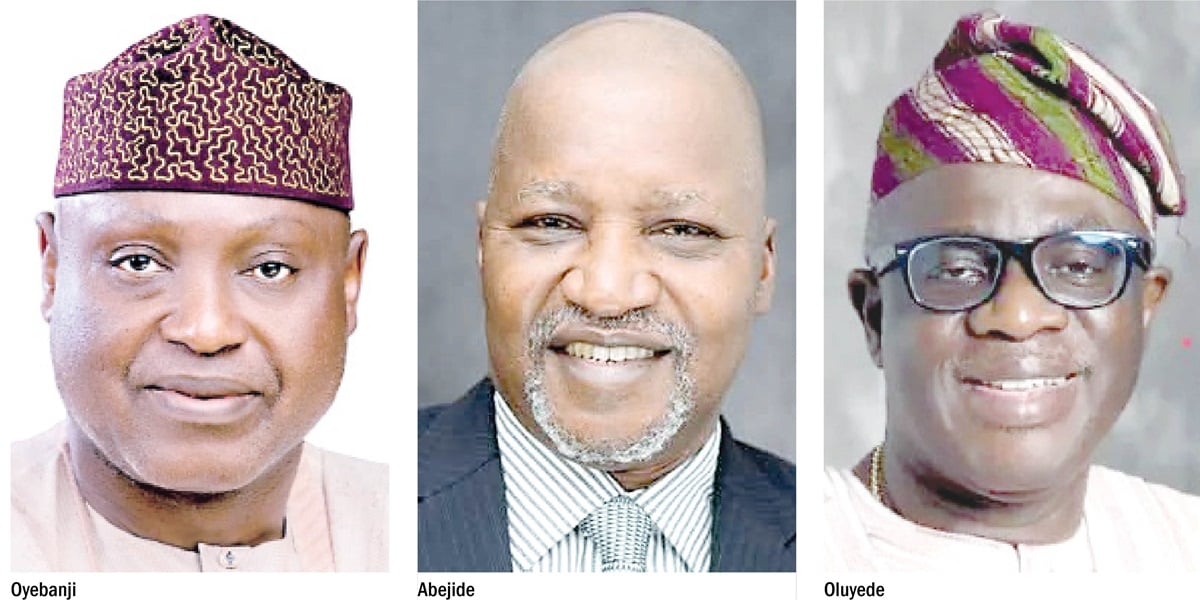
Governor Biodun Abayomi Oyebanji of the All Progressives Congress (APC), popularly known as BAO, secured his first term in office in 2022 after defeating former Governor Segun Oni of the then Social Democratic Party (SDP) and Bisi Kolawole of the Peoples Democratic Party (PDP). Oyebanji polled 187,057 votes, representing 53 per cent of the valid votes cast. Segun Oni garnered 82,211 votes, representing 23 per cent, while Kolawole scored 67,457 votes, accounting for 19 per cent of the votes.

As the state prepares for another election cycle, the political dynamics have shifted. While the Independent National Electoral Commission (INEC) has confirmed that 15 political parties are participating in the poll, prevailing political realities indicate that the contest has largely narrowed to three parties — the APC, the PDP and the African Democratic Congress (ADC).

• APC and Oyebanji’s quest for continuity

There is little doubt that Governor Oyebanji enters the election as the candidate to beat. In the last three years and eight months, the governor, who hails from Ikogosi-Ekiti in Ekiti Central Senatorial District, has carved a reputation for inclusive governance and a leadership style that many residents describe as markedly different from those of his predecessors. His administration’s six-point Shared Prosperity Agenda has become the central pillar of his re-election campaign.

See also  Kayode Fayemi debunks claim of closed-door meeting with Kwankwaso

Across critical sectors including education, healthcare, infrastructure, agriculture, economic development and social investment, the administration has implemented programmes aimed at improving the welfare of residents. The impact of these interventions has been felt among civil servants, pensioners, artisans, women, transport workers, youths and vulnerable groups across the state.

The governor’s achievements and consensus-building approach to governance have attracted endorsements from across political divides. Notably, four former governors of the state, Adeniyi Adebayo, Ayodele Fayose, Dr Kayode Fayemi and Chief Segun Oni, have publicly expressed support for his re-election bid. Influential figures within the state’s elite class, including legal luminaries such as Chief Afe Babalola, SAN and Chief Wole Olanipekun, SAN, have also identified with the administration.

Beyond elite endorsements, the APC enjoys significant structural advantages. The party controls all nine National Assembly seats from the state, 26 seats in the Ekiti State House of Assembly, the 16 local government councils and the 22 Local Council Development Areas (LCDAs). Over the past three years, more than 300 groups, associations, communities and traditional institutions across the state have declared support for Oyebanji’s second-term ambition. These factors have strengthened the belief among APC supporters that the party is on course for a convincing victory.

However, despite the favourable outlook, challenges remain. One factor capable of creating some internal discomfort is the outcome of the recently concluded APC State and National Assembly primaries. Of the six House of Representatives members currently serving, only three secured return tickets, while three lost out. Similarly, 20 out of the 26 members of the State House of Assembly failed to obtain tickets for another term, leaving pockets of dissatisfaction within the party.

Should Governor Oyebanji secure victory on Saturday, he would set a new political record as the first governor in Ekiti State’s history to win two consecutive terms in office.

• PDP’s Oluyede and the narrow road to victory

See also  Night of terror in Zamfara

For the PDP, the June 20 election presents both an opportunity and a formidable challenge. The party enters the race weakened by years of internal divisions and factional disputes that have affected its cohesion and electoral strength. Nonetheless, its candidate, Dr Wole Oluyede, remains optimistic about his chances and has continued to project confidence throughout the campaign.

Oluyede, an indigene of Ikere-Ekiti in Ekiti South Senatorial District, is no stranger to Ekiti politics. He contested the APC governorship primary in 2018, later emerged as the ADC governorship candidate in 2022, and is now flying the PDP flag in the current contest. His repeated participation in Ekiti’s electoral cycles has helped maintain his visibility among voters.

His home town of Ikere-Ekiti, one of the state’s largest voting blocs after Ado-Ekiti, could provide a significant electoral base. The argument in some quarters that the community should produce a governor rather than continue occupying the deputy governor’s office may resonate with sections of the electorate.

The broader agitation for an Ekiti South governor also remains a factor. Since the creation of the state and the return to democratic governance in 1999, no governor has emerged from the southern senatorial district. Although zoning is not dominating campaign conversations as strongly as in previous elections, many residents of the zone still believe the time has come for power to shift southward.

However, any sentiment favouring the South Senatorial District may not exclusively benefit Oluyede, as ADC candidate Ambassador Dare Bejide also comes from the same zone.

Perhaps the biggest challenge confronting the PDP is the position of former Governor Ayodele Fayose, widely regarded as the party’s most influential figure in Ekiti politics. Fayose has openly endorsed Governor Oyebanji’s re-election and has consistently mobilised support for the APC candidate. Given Fayose’s enduring influence among party faithful and sections of the PDP structure, political observers believe his stance has significantly complicated the PDP’s pathway to victory.

The party’s deputy governorship candidate, Deji Ogunsakin from Ado-Ekiti, is expected to help galvanise support in the state capital, which remains the largest voting centre in Ekiti.

See also  He must be mad – Oyedepo reacts to Sheikh Jingir’s controversial Muslim-Muslim ticket remarks

• ADC battles structural limitations despite growing appeal

The ADC has also emerged as a notable contender in the election. Its candidate, Ambassador Dare Bejide, is a familiar face in Ekiti politics, having served as Secretary to the State Government and Nigeria’s Ambassador to Canada. The seasoned politician and elder statesman from Ilawe-Ekiti has positioned himself as a credible alternative to both the APC and PDP.

The ADC gained momentum following the influx of prominent opposition politicians who adopted the party as a coalition platform last year. This development generated expectations that the party could become a major force in the governorship race but happenings in recent weeks and months are suggesting the fact that the ADC might not constitute threat for the office.

Among its notable figures are former Deputy Governor Professor Kolapo Olusola-Eleka, former Commissioner for Information Akin Omole, philanthropist Funsho Ayeni and several other influential politicians. Despite these strengths, the ADC faces a significant challenge: the absence of an extensive grassroots structure comparable to those of the APC and PDP.

Political observers argue that while the party enjoys visibility among politically active groups and sections of urban voters, translating that goodwill into votes across thousands of polling units may prove difficult.

The party’s deputy governorship candidate, Ayodeji Babatola, a former APC chieftain from Ado-Ekiti, is expected to strengthen ADC’s appeal in the state capital.

• The final verdict

As Ekiti voters prepare to make their choices, the election appears, on the surface, to favour the incumbent governor and the APC, buoyed by widespread endorsements, strong grassroots structures and the advantages of incumbency, including achievements in office. Yet elections are ultimately decided by voters, and the level of turnout, voter sentiment and election-day dynamics will play crucial roles in determining the final outcome.

Beyond the contest itself, the June 20 governorship election will serve as an important test for Nigeria’s electoral process under the new Electoral Act 2026 and a major indicator of political trends ahead of the 2027 general elections.

tribuneonlineng.com

FOLLOW US ON:

FACEBOOK

TWITTER

PINTEREST

TIKTOK

YOUTUBE

LINKEDIN

INSTAGRAM

Continue Reading
Click to comment

Leave a Reply

Your email address will not be published. Required fields are marked *

Politics

Wike, Adeleke, Soludo, others make APC revised campaign council list

Published

on

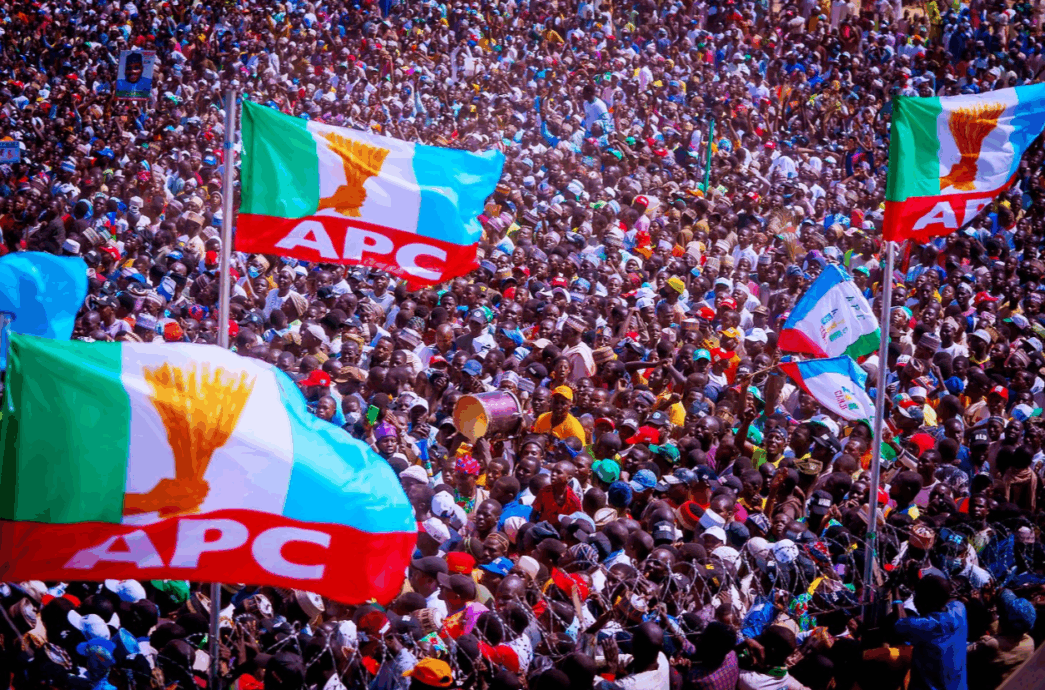
The revised All Progressives Congress Presidential Campaign Council list for the 2027 general election has named the Minister of the Federal Capital Territory, Nyesom Wike; Osun State Governor, Ademola Adeleke; Delta State Governor, Sheriff Oborevwori; Anambra State Governor, Chukwuma Soludo; former Lagos State Governor, Babatunde Fashola; and Minister of Aviation, Festus Keyamo, among its members.

Under the revised list made available to journalists on Tuesday, President Bola Tinubu will head the campaign council, with Vice-President Kashim Shettima and APC National Chairman, Prof. Nentawe Yilwatda, serving as vice-chairmen.

Senate President Godswill Akpabio, Speaker of the House of Representatives Tajudeen Abbas and Kwara State Governor AbdulRahman AbdulRazaq are also listed as vice-chairmen.

The council names Senator Abdulaziz Yari as Director-General, with Yobe State Governor Mai Mala Buni, Senate Leader Opeyemi Bamidele, Deputy Senate President Barau Jibrin and Deputy Speaker Benjamin Kalu among the deputy directors-general. Senator Adams Oshiomhole is listed as Deputy Director-General, Mobilisation.

Other officials include Femi Gbajabiamila, who will oversee administration; Ibrahim Kabir Masari, in charge of logistics and operations; former Speaker Aminu Masari, Deputy Director-General, Parliament Mobilisation; and David Umahi, who will oversee infrastructure mobilisation and sensitisation.

James Faleke will handle election planning, coordination and monitoring.

Imo State Governor Hope Uzodimma will serve as secretary of the council, with Senator Ajibola Basiru as deputy secretary and Hadiza Bala Usman as assistant secretary.

The council has also appointed zonal campaign coordinators and co-coordinators across the six geopolitical zones.

Those listed include Governor Bassey Otu and Victor Giadom for the South-South; Enugu State Governor Peter Mbah and Tjeoma Arodiogbu for the South-East; Lagos State Governor Babajide Sanwo-Olu and Prince Oladiran Iyantan for the South-West; Muazu Bawa Rijau and Niger State Governor Umar Bago for the North-Central; Kaduna State Governor Uba Sani and Garba Datti Muhammad for the North-West; and former Borno State Governor Ali Modu Sheriff and Idris Suhaibu for the North-East.

At the state level, the list names governors and other political figures as campaign coordinators. They include Ahmadu Fintiri for Adamawa, Umo Eno for Akwa Ibom, Chukwuma Soludo for Anambra, Babagana Zulum for Borno, Sheriff Oborevwori for Delta, Hope Uzodimma for Imo, Abba Kabir Yusuf for Kano, Dapo Abiodun for Ogun, Ademola Adeleke for Osun, Nyesom Wike for Rivers and the Federal Capital Territory, and Dauda Lawal for Zamfara.

See also  Wike vs APC govs: Tinubu may broker truce in France

The council also includes former governors and party chieftains as advisers.

They include former APC national chairmen Adebisi Akande and Abdullahi Adamu; former Ogun State Governor Ibikunle Amosun; former Osun State Governor Iyiola Omisore; Senator Ibrahim Dankwambo; Senator George Akume; former Ogun State Governor Segun Osoba; and Wale Edun. Obafemi George is listed as an adviser on media.

The Directorate of Election Planning, Coordination, Monitoring and Mobilisation, established ahead of the 2027 general election, has Faleke as Deputy Director-General, with Stella Okotete and Engr. Abdullahi Garba Ramat serving as Secretary I and Secretary II, respectively. Audu Maikori is also listed as a secretary.

Other members of the directorate include Soares Omotola, Bashir Dabo, Sheriff Mohammed Usman, Jibrin Bancir, Ayoola Peter Olajolo, Abubakar Sadiq Sada and Princess Folasade Ogunbiyi.

In the Directorate of General Logistics and Operations, Masari has been appointed Deputy Director-General, while Adeniyi Tinubu and Barr. Yakub Bashir Bello will serve as deputies. Prof. Kabiru Isa was named secretary.

Members of the logistics and operations directorate include Ekene Nwokoro Ogbonaya, Prof. Vincent Weli, Ambassador Olusola Iji, Amina Bello, Ahmed Zibiri, Annabel Isenyo, Terrence Kuanum, Prof. Latif Babatunde Ayeleru, Amarachi Ejike, Dr Aminu Ibrahim Tsanyawa and Prof. Shuaibu Abdullahi.

Others are Senator Bello Tukur, Senator Adegbonmire Adeniyi Ayodele, Taiwo Adebowale, Sunusi Muhammad Abdullahi, Wasiu Olaomo Ayeola, Chief Isaac Ijwo, Garba Gololo Mohammed, Biodun Ogunbi, Ayuba Ganiyu Adele, High Chief Edem Duke, Yusuf Capt. Buba, Oden Ewa, Prince Ademuviwa Adex, Makinde Peter Abiola, Chief Solomon Ogba, Senator Lawal Hassan Dan Iya, Ambassador Kelvin Peter, Maggadas Mohammed Muazu and Victor Agwu.

See also  Wike-led PDP faction expels Makinde, Bode George, others

The appointments form part of the APC’s preparations for the 2027 presidential election campaign.

Source: punchng.com

FOLLOW US ON:

FACEBOOK

TWITTER

PINTEREST

TIKTOK

YOUTUBE

LINKEDIN

INSTAGRAM

Continue Reading

Politics

Wike declares self Tinubu FCT ‘campaign commander’ ahead of 2027 elections, read details

Published

on

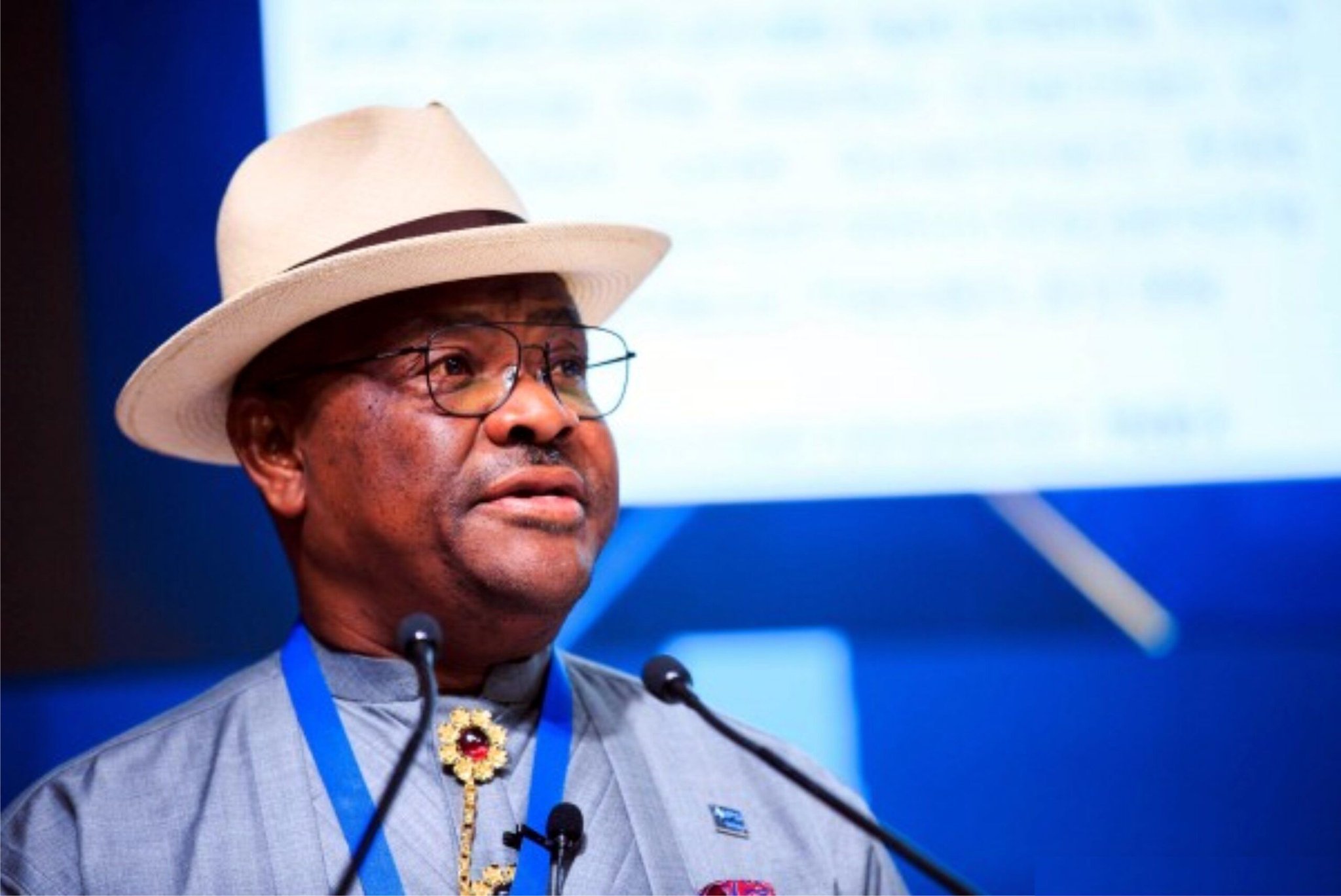
The Minister of the Federal Capital Territory, Nyesom Wike, on Monday declared himself the field commander of President Bola Tinubu’s re-election campaign in the FCT, pledging to coordinate the president’s campaign in the territory and Rivers State ahead of the 2027 general elections.

Wike made the declaration at a Rainbow Coalition stakeholders’ meeting in Abuja, where he unveiled a cross-party mobilisation strategy involving members of the All Progressives Congress and the Peoples Democratic Party to secure Tinubu’s re-election.

The meeting also saw PDP National Assembly candidates in the FCT declare support for their APC counterparts, with Wike saying the coalition had agreed to work together for Tinubu’s re-election and the success of APC candidates in the National Assembly elections.

“For the Presidency, all of us have agreed that it is Bola Ahmed Tinubu. I will coordinate the FCT and Rivers State. So you can imagine how important it is.

“I am in charge of the FCT election. I am the commander of field operations as far as the FCT election is concerned,” the minister said.

The meeting was attended by APC and PDP stakeholders, including party chairmen, serving and former senators, National Assembly candidates and political leaders from the FCT’s six area councils.

Tinubu
File photo: President Bola Tinubu. State House

Wike said the gathering was intended to establish a common political front ahead of the elections, regardless of the parties to which the participants might belong.

“I want to let all of you know that we are going to work together. Nobody should say, ‘I am PDP’ or ‘I am APC.’ For the purpose of this election, we are together,” he said.

See also  Osun 2026: Oyinlola-led PDP faction dumps Adeleke, backs APC’s Oyebamiji

The former Rivers State governor cited the 2024 Edo State governorship election as an example of how political alliances could influence electoral outcomes.

He claimed that cooperation between elements of the APC and PDP had helped prevent the incumbent governor from installing a successor, arguing that political differences could be set aside when stakeholders shared a common objective.

Wike, however, clarified that the coalition’s arrangement was primarily focused on the presidential election, leaving participating parties to determine their positions on other contests.

Making a case for Tinubu’s re-election, the minister challenged political leaders to identify any of the FCT’s six area councils that had not benefited from infrastructure projects and institutional reforms under the current administration.

He cited the establishment of the FCT Civil Service Commission, the appointment of a Head of the Civil Service from within the territory’s workforce and the creation of the Women Affairs and Youth Development secretariats as evidence of the administration’s achievements.

According to Wike, the reforms had created opportunities for career progression among FCT civil servants and expanded participation in governance.

He also listed road construction and rehabilitation, school renovations, police stations and other public facilities among projects being executed across the territory.

The minister expressed confidence that the administration’s performance would provide a basis for mobilising FCT residents to support Tinubu in 2027.

Wike also defended the President’s economic reforms, acknowledging that some policies had imposed hardship but arguing that difficult decisions were necessary to address longstanding economic challenges.

“Changing the economy of a country is not like a prayer,” he said, adding that the benefits of economic reforms might not be immediate.

See also  Report reveals 68 pledges unmet as 10th National Assembly nears end; read details

He further expressed support for the proposed establishment of state police, describing it as an important measure for addressing Nigeria’s security challenges.

Source: punchng.com

FOLLOW US ON:

FACEBOOK

TWITTER

PINTEREST

TIKTOK

YOUTUBE

LINKEDIN

INSTAGRAM

Continue Reading

Politics

2027: PWD group pledges five million votes for Tinubu, Kano gov

Published

on

The Society for People with Disability Forum in the North-West has pledged to mobilise five million votes for President Bola Tinubu and Kano State Governor Abba Yusuf in the 2027 general elections.

The forum announced its endorsement of the two leaders on Sunday during a sensitisation programme in Kano aimed at encouraging persons with disabilities to participate in the elections.

The forum’s National Chairman, Yarima Suleiman, said the endorsement was based on what the group described as the contributions of the All Progressives Congress-led governments to the welfare of persons with disabilities.

“As a forum, we are committed to mobilising five million votes for President Bola Ahmed Tinubu and Governor Abba Kabir Yusuf in the 2027 general elections.

“Today, we call our people with disabilities from 19 states, including Abuja, to show our interest in voting for President Bola Tinubu for a second term, for what the APC has done for us,” Suleiman said.

He cited the establishment of the National Commission for Persons with Disabilities and the appointment of a Senior Special Assistant to the President on disability matters as some of the initiatives the group considered significant.

Suleiman said the forum expected greater representation in government if Tinubu won re-election in 2027.

“I am assuring you that if President Bola Ahmed Tinubu wins the 2027 election, we are going to get more appointments in the Federal Government,” he said.

He added that the group was seeking the implementation of a five per cent appointment allocation for persons with disabilities across ministries, departments and agencies.

The chairman also claimed that the forum had reached an agreement with Yusuf on appointments in Kano State in exchange for its support for his re-election bid.

See also  FG tells marketers to reflect global oil price drop in petrol prices

The forum’s state chairman, Sa’adu Ibrahim, said members had benefited from welfare programmes introduced by the Federal and state governments under the APC.

He urged persons with disabilities to participate actively in the 2027 elections, saying the group intended to reciprocate what it described as government support by voting for APC candidates at both levels.

In his remarks, Yusuf reaffirmed his administration’s commitment to disability inclusion. He was represented by the Commissioner for Women Affairs, Children and People with Special Needs, Hajiya Amina Sani-Abdullahi.

The governor said his administration had introduced practical interventions to improve the lives of persons with disabilities, including providing wheelchairs to people with spinal cord injuries and promoting para-sports.

“We have provided wheelchairs to spinal cord injury patients, restoring mobility, independence and dignity,” he said.

He added that para-sports activities had created opportunities for persons with disabilities to showcase their talents, build confidence and participate in recreational and competitive sports.

“Persons with disabilities should not be treated merely as beneficiaries of government policies but recognised as active contributors to the state’s development,” he added.

The forum’s endorsement comes as political mobilisation gathers momentum ahead of the 2027 elections. Its pledge to mobilise five million votes represents the group’s stated target, rather than a verified estimate of its membership or voting strength.

Source: punchng.com

FOLLOW US ON:

FACEBOOK

TWITTER

PINTEREST

TIKTOK

YOUTUBE

LINKEDIN

INSTAGRAM

Continue Reading

Trending