Connect with us

Business

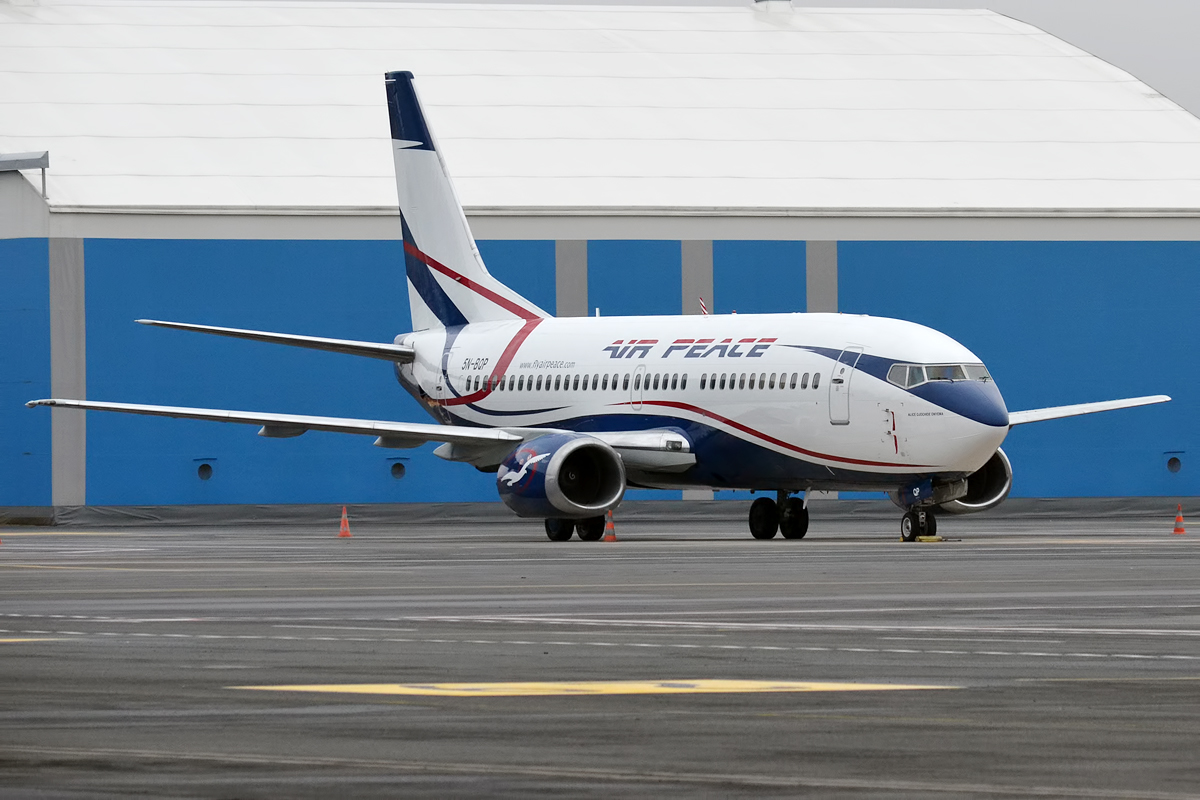
Passengers stranded as unions ground Air Peace flights

Published

on

Passengers were left stranded in Abuja and Lagos on Tuesday as aviation unions shut down operations of Air Peace over allegations that the airline was frustrating workers’ unionisation and withholding ticket sales charges owed to the Nigerian Civil Aviation Authority.

This was as an Air Peace driver may also face prosecution after allegedly driving a large bus onto the airside during a picketing exercise by aviation unions that grounded about 70 flights on Tuesday.

The Nigeria Civil Aviation Authority confirmed the incident and said the driver could face prosecution over the action, which allegedly obstructed movement within the airside and forced the Federal Airports Authority of Nigeria to tow the vehicle away.

NCAA Director of Public Affairs and Consumer Protection, Michael Achimugu, said the authority had ordered that the driver be identified and arrested.

The NCAA publicist said, “During the enforcement of the picketing, a driver drove the large bus to the runway, parked and left the place. We have ordered that the driver in question be identified and arrested for onward prosecution. How can somebody block the runway? That is seriously uncalled for. We will investigate, and the necessary portions of the Act will be invoked.”

When asked why the driver had blocked the runway, Air Peace spokesman, Efe Whiskey-Osifo, dismissed the allegation, saying the bus never blocked the runway.

The incident occurred as the National Union of Air Transport Employees, Air Transport Services Senior Staff Association of Nigeria and National Association of Aircraft Pilots and Engineers, backed by the Nigeria Labour Congress and Trade Union Congress, commenced picketing of Air Peace over alleged non-remittance of the five per cent Ticket Sales Charge and claims that the airline was frustrating workers’ attempts to unionise.

See also  Nigeria Secures $2Bn Shell Gas Investment in New Offshore Gas Project

The industrial action disrupted flights in Lagos, Abuja and Enugu, leaving passengers stranded and grounding about 70 flights. A NUATE official who confided in one of our correspondents said the total TSC debt allegedly owed by members of the Airline Operators of Nigeria stood at about N25bn, with Air Peace accounting for approximately N15bn.

The official said, “There’s a meeting between the airline operators association. You are aware of the cause of the strike: TSC issues amounting to about N25bn. The total accrued to AON is N25bn.

“Air Peace is having the highest amount of N15bn, and secondly, they are denying airline workers of organising and to form unions, which is a fundamental right. Those are the two things that we are fighting for.”

The unions had threatened to picket Air Peace after issuing three warnings to airlines over the alleged non-remittance of the charge.

Five per cent Ticket Sales Charge is a percentage paid by passengers on every ticket bought from airlines. Aviation law provides that airlines collect the money and remit it to the Nigeria Civil Aviation Authority to be shared among agencies to meet operational needs.

Air Peace, however, rejected the allegations, insisting that it had remitted the five per cent TSC to the NCAA and questioning why its operations were singled out for disruption. Air Peace spokesperson, Efe Whiskey-Osifo, said the unions targeted the airline’s major operational hubs in Lagos, Abuja and Enugu, effectively paralysing its network.

He lamented that, “The unions picketed our operations across board. Lagos, Enugu, Abuja, stopping those places, which are our hubs, those places where we do night stops. So they basically grounded all our operations.”

See also  OPS reacts on CBN's interest rates reduction

“They stated that they were going to picket all Nigerian airlines. However, the likes of Ibom Air, Enugu Air, even Aero, operated flights today. And you solely picked on only Air Peace, disrupting flights, the first flight out of Lagos, Abuja, and Enugu.”

He further claimed that Air Peace workers had deliberately chosen not to belong to the unions. “The reason why they are singling out Air Peace is that Air Peace staff, number one, don’t want to join the unions. We don’t want to join at all,” he said.

Whiskey-Osifo said workers had staged a peaceful protest against unionisation but alleged that union members later infiltrated the demonstration and caused a confrontation. “We came out to protest peacefully, but unfortunately, they hampered our operations,” he said.

The unions, however, maintained that the right of workers to organise was non-negotiable. They said the AON had appealed for the picketing to be suspended to allow for a meeting with the affected airlines, particularly Air Peace, whose chairman is also a top executive of the AON.

“The AON pleaded with the unions to suspend it while they schedule a meeting, especially with Air Peace management,” the NCAA spokesperson further said. He added that the unions had been informed that a meeting could take place on Wednesday.

Achimugu said the industrial action affected several airlines operating from particular terminals in Lagos and Abuja. “I know that a number of airlines operating from specific terminals in Lagos and Abuja were disrupted. Take, for instance, in Abuja, a terminal that was shut down; it affected airlines like Air Peace, Aero and a host of others.”

See also  Despite xenophobia, South African investors pour nearly $1bn into Nigeria

By Tuesday evening, Air Peace said it had begun restoring its operations. “We are operating flights already. Flights will operate today irrespective of the situation,” the airline said.

Also, The PUNCH observed that operations had resumed on a skeletal basis, particularly from Lagos.

Source: punchng.com

FOLLOW US ON:

FACEBOOK

TWITTER

PINTEREST

TIKTOK

YOUTUBE

LINKEDIN

INSTAGRAM

Continue Reading
Click to comment

Leave a Reply

Your email address will not be published. Required fields are marked *

Business

Petrol imports jump 47% despite local refining

Published

on

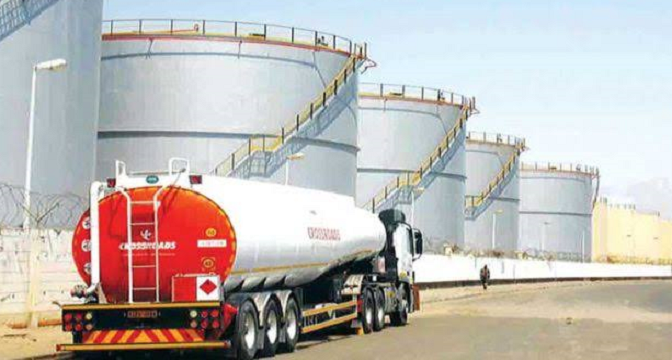
Nigeria’s petrol imports rebounded by 47 per cent in October to 15 million litres per day, reversing the decline recorded in the previous month and raising fresh concerns about the country’s dependence on foreign supplies despite the expansion of domestic refining.

The latest figures released by the Nigerian Midstream and Downstream Petroleum Regulatory Authority on Friday showed that petrol imports increased from 10.2 million litres per day in September to 15 million litres in October, representing an additional 4.8 million litres daily.

Although domestic refineries remained the country’s largest source of petrol, their contribution also increased at a slower rate of 12 per cent, from 28.5 million litres per day in September to 31.9 million litres in October.

The October figures mean imported petrol accounted for approximately 32 per cent of the 46.9 million litres received daily, compared with 26.4 per cent in September. Domestic supply represented the remaining 68 per cent.

The development highlights the fragile nature of Nigeria’s emerging fuel self-sufficiency, as the recovery in domestic refining has not completely eliminated the need for imported petroleum products.

The NMDPRA disclosed the figures in its October 2026 fact sheet, which showed that total petrol receipts rose by 21 per cent from 38.7 million litres per day in September to 46.9 million litres in October.

The increase represented an additional 8.2 million litres daily, comprising 4.8 million litres from imports and 3.4 million litres from domestic refineries.

A month-by-month examination of the authority’s figures showed that petrol imports initially dominated supply in the final quarter of 2025 before domestic refining gained ground following the commissioning and expansion of local refining capacity.

See also  Bread prices: No significant drop in flour price, variables — Bakers

In October 2025, domestic refineries supplied 17.1 million litres daily, while imports accounted for 28.9 million litres, bringing total receipts to 46 million litres per day.

In November 2025, domestic supply increased to 19.5 million litres, while imports rose to 32 million litres, pushing total receipts to 51.5 million litres daily.

The highest supply during the 13-month period was recorded in December 2025, when domestic refineries supplied 32 million litres and imports contributed 42.2 million litres, bringing total receipts to 74.2 million litres daily.

However, the pattern changed in January 2026 as domestic supply surged to 40.1 million litres daily, overtaking imports, which declined to 24.8 million litres. Total receipts stood at 64.9 million litres.

The decline in imports became more pronounced in February, when foreign supplies fell to just three million litres daily, compared with 29.4 million litres from domestic refineries. Total petrol receipts consequently dropped to 32.4 million litres per day.

In March, domestic supply recovered to 34.2 million litres, while imports increased slightly to 5.9 million litres, bringing total receipts to 40.1 million litres.

April recorded domestic supply of 40.7 million litres against imports of 3.7 million litres, with total receipts standing at 44.4 million litres daily.

The trend continued in May, when local refineries supplied 41.5 million litres, while imports contributed 5.9 million litres. Total receipts increased to 47.4 million litres.

However, imports began regaining ground in June, rising sharply to 18.1 million litres daily, while domestic supply declined to 32.5 million litres. Total receipts stood at 50.6 million litres.

See also  Despite xenophobia, South African investors pour nearly $1bn into Nigeria

In July, domestic supply fell further to 25.8 million litres, while imports increased to 19.7 million litres, bringing total receipts to 45.5 million litres.

August saw domestic supply recover to 35.9 million litres, while imports declined to 14.6 million litres. Total receipts rose to 50.5 million litres.

In September, domestic supply dropped to 28.5 million litres, while imports declined to 10.2 million litres, resulting in total receipts of 38.7 million litres.

The October figures subsequently showed a recovery in both supply channels, with domestic deliveries rising to 31.9 million litres and imports increasing to 15 million litres, bringing total receipts to 46.9 million litres daily.

The 13-month data showed that domestic refineries supplied an average of 31.5 million litres daily, representing 62.6 per cent of total petrol receipts, while imports averaged 18.8 million litres, accounting for 37.4 per cent.

Despite the October rebound, imported petrol volumes remained below the 13-month average of 18.8 million litres daily. Domestic supply, however, was slightly above its 13-month average of 31.5 million litres.

A year-on-year comparison also showed that domestic supply increased by 86.5 per cent, from 17.1 million litres daily in October 2025 to 31.9 million litres in October 2026.

Conversely, imports declined by 48.1 per cent from 28.9 million litres to 15 million litres over the same period. Total petrol receipts increased marginally by 1.96 per cent, from 46 million litres to 46.9 million litres daily.

The October recovery in imports was accompanied by deterioration in petrol stock sufficiency, which measures the number of days existing inventories can sustain consumption.

See also  World's Top 100 Biggest Economies in 2026

Source: punchng.com

FOLLOW US ON:

FACEBOOK

WHATSAPP CHANNEL

TWITTER

PINTEREST

TIKTOK

YOUTUBE

LINKEDIN

INSTAGRAM

Continue Reading

Business

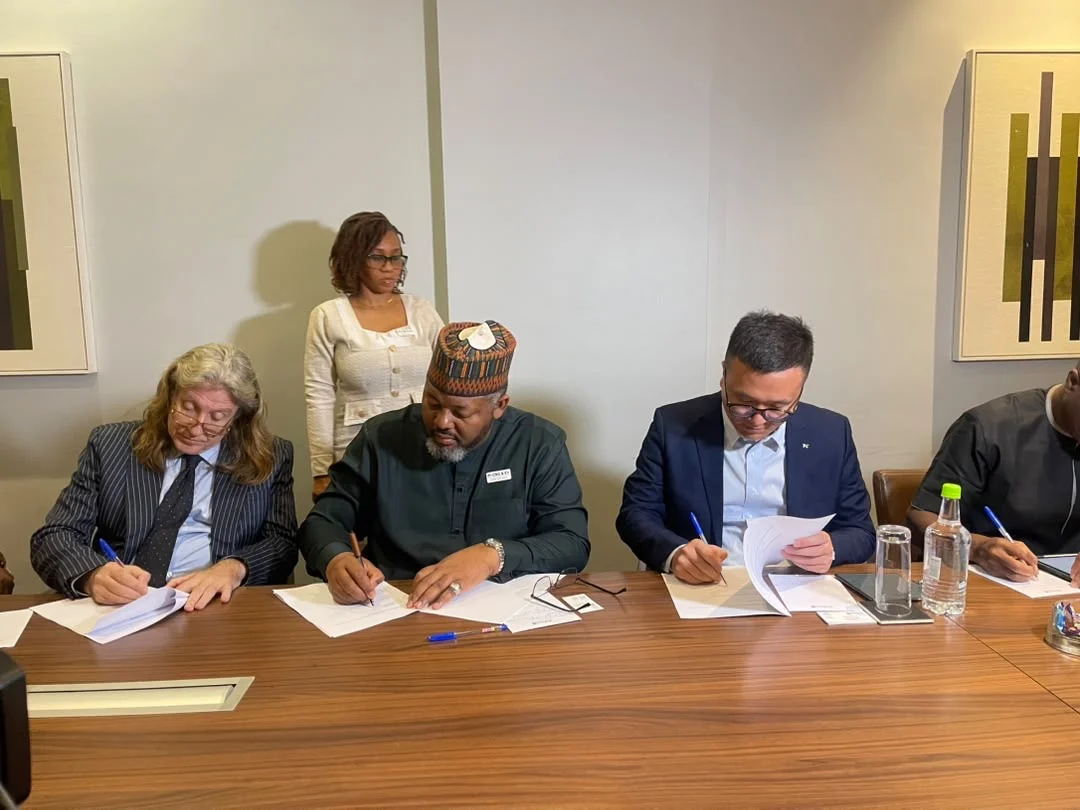
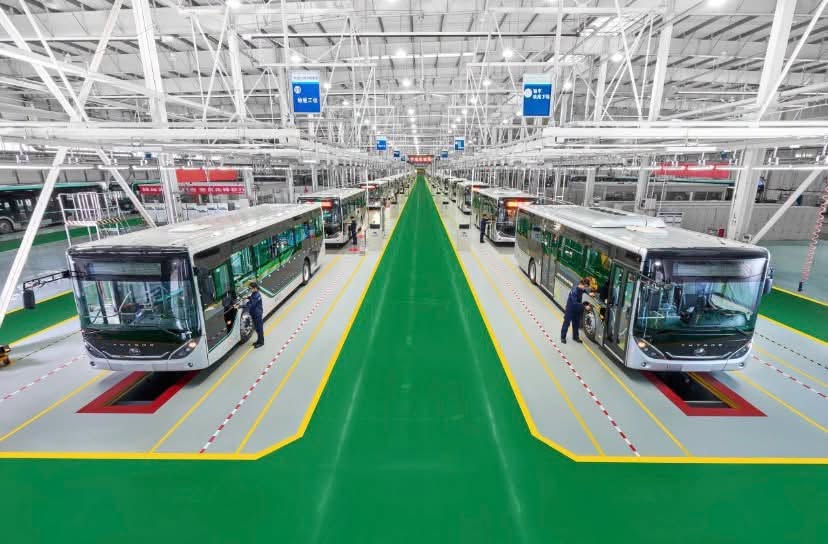
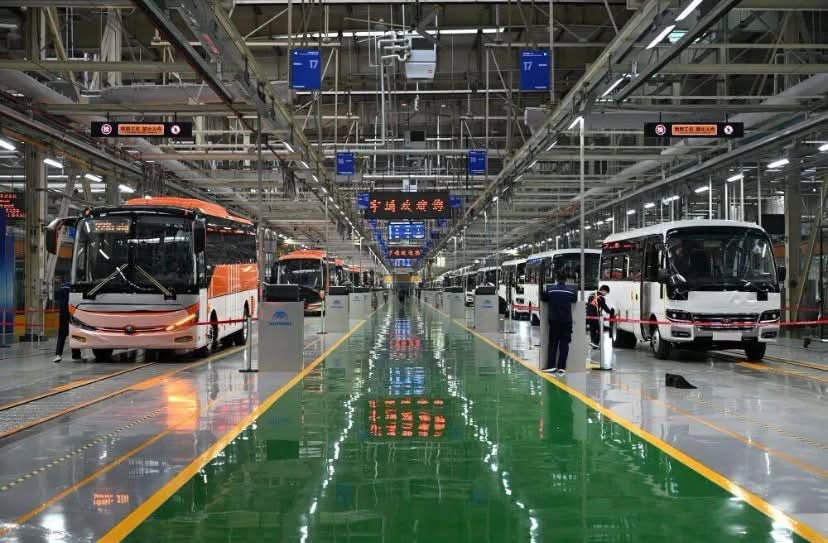
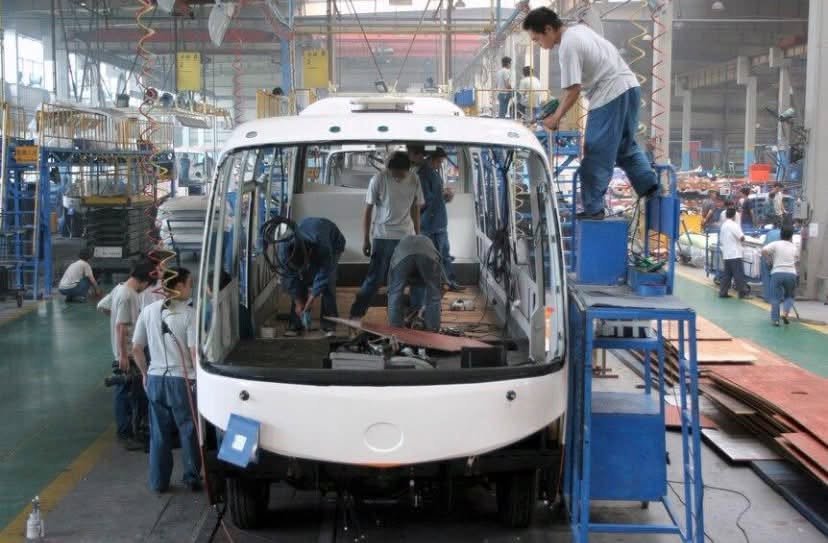
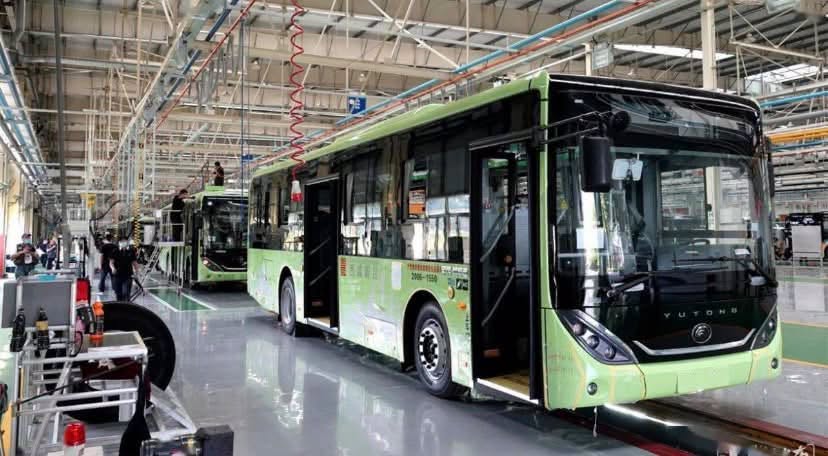
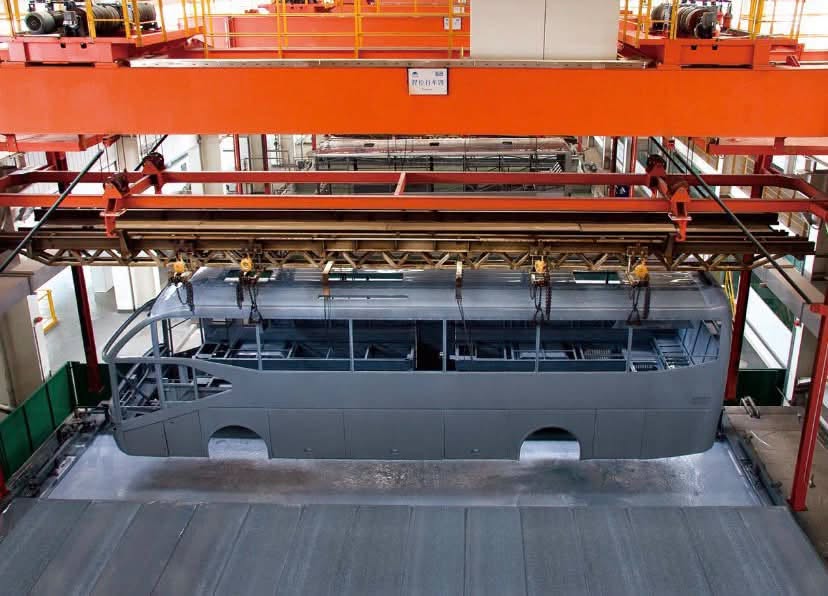
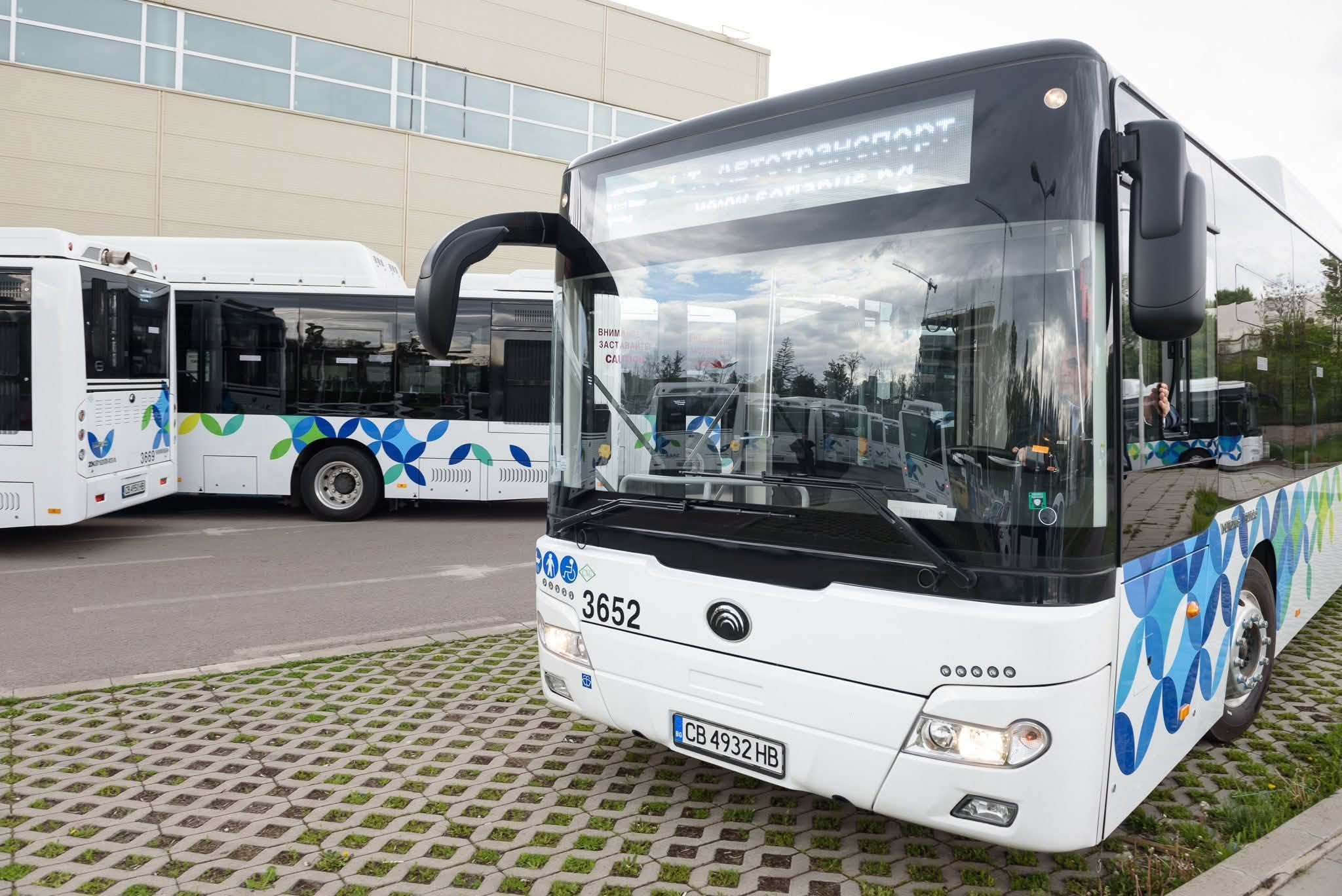
PHOTOS: Yutong To Establish CNG Bus Assembly Plant In Ibadan At Former Leyland Facility, Oyo State

Published

on

The Federal Government has signed an agreement with China’s Yutong Bus Company and Nigerian partner YP Automobile to introduce compressed natural gas-powered buses and establish a local assembly plant, as part of efforts to reduce transportation costs.

The agreement, signed in Lagos on Thursday through the Presidential Initiative on Compressed Natural Gas and Electric Vehicles (Pi-CNG & EV), includes a proposed project to assemble CNG buses in Nigeria, while Leyland Nigeria in Ibadan, Oyo State capital is expected to host the new assembly investment.

The project is expected to create jobs in vehicle assembly, maintenance and the supply chain, while giving Nigerian workers access to technical skills and technology used in commercial vehicle manufacturing.

Unlike arrangements that focus mainly on importing finished buses, the new partnership is intended to develop local capacity to assemble the vehicles, although details of the plant’s investment value, construction schedule and production commencement date were not disclosed at the signing.

Executive Chairman of Pi-CNG & EV, Ismaeel Ahmed, said the agreement was designed to combine the deployment of CNG buses with local industrial development.

“Not only are we now bringing in the buses, in huge numbers, but they are going to set up an assembly plant so that our people will get jobs and we’ll have the transfer of technology to be able to do it ourselves and within country,” he said.

Ahmed said the partnership involved YP Automobile, which he described as having operated in Nigeria’s mass commercial transport market for at least 15 years, and Yutong, one of China’s leading bus manufacturers.

See also  Nigeria Secures $2Bn Shell Gas Investment in New Offshore Gas Project

He said Nigeria had about 210 trillion cubic feet of proven natural gas reserves, arguing that the country could use the resource to reduce its reliance on petrol in the transportation sector.

Africa’s most populous nation has been promoting compressed natural gas as an alternative fuel following the removal of petrol subsidies, which increased the cost of transportation for households and businesses in 2023. The government has consequently pursued the deployment of CNG-powered vehicles as a way of lowering the operating expenses of transport operators and easing the pressure on commuters.

Through the National Affordable CNG Transit Programme, the government is seeking to expand access to cheaper public transportation using natural gas and electric vehicles.

Ahmed said the latest agreement would support that objective while creating opportunities for local manufacturing.

Chief Operating Officer of YP Automobile, Panagiotis Marris, said the partnership brought together Nigerian investors and Yutong, which he described as the world’s largest bus producer.

He said the arrangement could help rebuild Nigeria’s automotive manufacturing capacity and restore technical expertise that had been lost over the years.

“It’s a milestone in a sense that we’re reviving the Nigerian manufacturing auto industry, and we’ll create the know-how that we missed over the last 20 years,” Marris said.

He added that high transportation costs remained an obstacle to economic development, while the adoption of CNG-powered buses could also help reduce the environmental impact of public transportation.

Yutong Bus Company Account Manager, Damian Li, said the manufacturer had delivered more than 1,400 buses to Nigeria and understood the country’s transport market and operating requirements.

See also  Boko Haram, banditry, clashes driving poverty across North — Report reveals

He said the company planned to work with its Nigerian partners on the local assembly of 1,000 CNG buses, with the project expected to gradually increase domestic production capacity and develop a sustainable bus industry.

“We plan to cooperate with the local partners and to start local bus assembly project of the thousand CNG buses,” Li said.

Chairman of Leyland Nigeria, Yemi Idowu, said the company would host the proposed assembly investment, adding that the project would create employment opportunities beyond the factory.

He said the production and maintenance of the buses would require mechanics, workshop assistants, sub-assembly partners and supply chain operators.

According to him, each bus could remain in operation for more than 15 years, creating sustained demand for servicing, repairs and technical support throughout its working life.

“There’s going to be a lot of transfer of technology, new technology in bus manufacturing and maintenance,” Idowu said.

He added that Yutong would manage the plant’s operations under an original equipment manufacturer arrangement involving Nigerian partners, with its personnel participating in the operation.

Beyond the buses and assembly facility, the agreement also includes a digital payment component aimed at ensuring that commuters benefit from any reduction in transportation costs.

Chief Executive Officer of Touch and Pay Technologies Limited, Olamide Afolabi, said the company would provide electronic payment infrastructure, revenue assurance and accountability systems to support the programme.

He explained that the technology would enable transport authorities to monitor fares, track payments and assess whether savings from the use of cheaper CNG fuel were being passed on to passengers.

See also  Despite xenophobia, South African investors pour nearly $1bn into Nigeria

“We are providing the technology, we are providing the revenue assurance, we are providing accountability to ensure that it works, so that the reduced cost of energy because of CNG is felt by anybody, is felt by the general public,” Afolabi said.

He said the payment system would give regulators greater oversight of transport fares and help commuters experience the benefits of the government’s investment in alternative-energy transportation.

FOLLOW US ON:

FACEBOOK

WHATSAPP CHANNEL

TWITTER

PINTEREST

TIKTOK

YOUTUBE

LINKEDIN

INSTAGRAM

Continue Reading

Business

Tinubu in fresh move to cut transport fares for Nigerians, read full details

Published

on

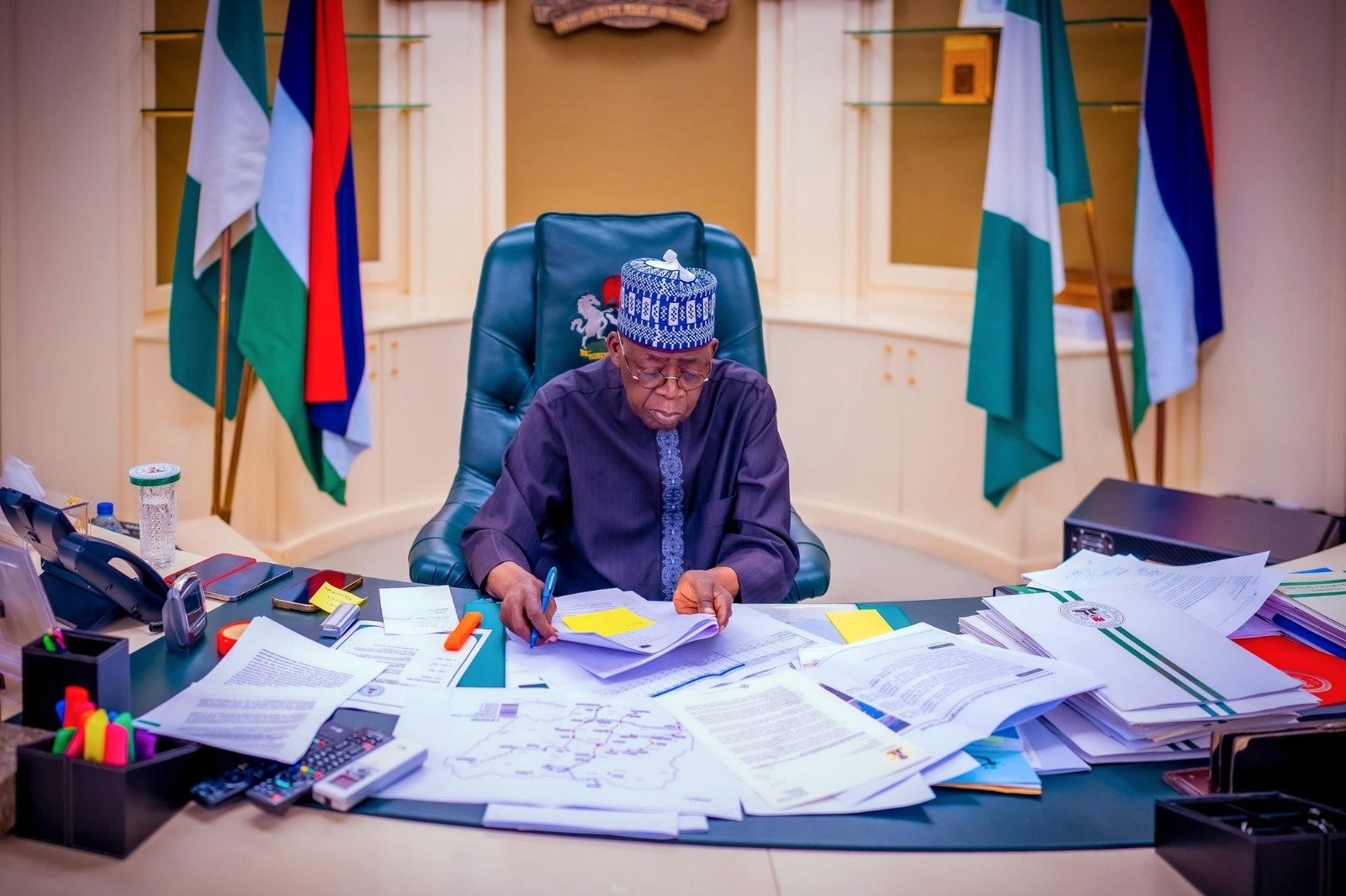
President Bola Ahmed Tinubu has welcomed plans by Yutong, the world’s largest bus manufacturer and a global producer of electric and CNG-powered buses, to establish a CNG bus assembly plant in Nigeria as part of efforts to support affordable mass transportation across the country.

The Special Adviser to the President on Information and Strategy, Bayo Onanuga, disclosed this in a statement on Thursday.

Under the agreement with the Presidential Initiative on Compressed Natural Gas and Electric Vehicles (Pi-CNG & EV), Yutong will supply an initial 300 CNG-powered buses, with the first 100 expected to arrive in Lagos by the end of December.

According to Onanuga, subsequent buses will be assembled in Nigeria through YP Automobiles Bus Assembly at the former Leyland Automotive plant in Ibadan, Oyo State.

He said the arrangement would revive local industrial capacity, reduce dependence on imported vehicles and create employment opportunities for Nigerian engineers, technicians and other workers.

The agreement was signed in Lagos on Thursday.

The investment is aimed at supporting the National Affordable CNG Transit Programme (NACTP) in collaboration with state governments. The programme targets transport fare reductions of approximately 40 per cent on participating routes, in line with President Tinubu’s Renewed Hope Agenda 2.0 for 2027–2031.

Tinubu, who acknowledged the acceptance of the CNG scheme, expressed confidence that the agreement with Yutong would boost the expansion of refuelling infrastructure through Pi-CNG & EV, the Midstream and Downstream Gas Infrastructure Fund (MDGIF) and private sector investors.

The statement said the interventions included deploying Mobile Refuelling Units (MRUs) and the President’s directive for 2,000 additional CNG refuelling infrastructure units nationwide, laying the foundation for a wider rollout of affordable commercial buses.

See also  World's Top 100 Biggest Economies in 2026

It maintained that the Tinubu administration’s commitment to reducing the daily cost of transportation for Nigerians remained the central objective of the investments.

The statement further read:

“The President notes that millions of Nigerians depend on commercial transportation to get to work, take their children to school, travel to markets and move goods between communities. For many households, transportation consumes a significant portion of their daily earnings.

“He stresses that the lower operating costs of CNG-powered vehicles must translate into lower fares for passengers, allowing workers, traders and families to retain more of their income for food, education and other essential needs.

“The President points to the approximately 40 per cent fare-reduction target under the NACTP, as outlined in his Renewed Hope Agenda 2.0, and reiterates his administration’s determination to work with state governments and transport operators to extend affordable CNG transportation to more routes nationwide.

“He welcomes Yutong’s decision to establish local assembly capacity in Nigeria, noting that the investment will help sustain the supply of affordable commercial buses while facilitating technology transfer, creating skilled employment and strengthening the country’s automotive industry.

“President Tinubu reiterates that the success of the CNG programme must ultimately be measured by how much Nigerians save on transportation, and assures citizens of his administration’s continued commitment to reducing living costs through practical investments in infrastructure, manufacturing and affordable mass transit.”

Source: tribuneonlineng.com

FOLLOW US ON:

FACEBOOK

WHATSAPP CHANNEL

TWITTER

PINTEREST

TIKTOK

YOUTUBE

LINKEDIN

INSTAGRAM

Continue Reading

Trending