A Compilation of Traditional Royal Titles Across Nigeria and Yoruba-Linked Communities
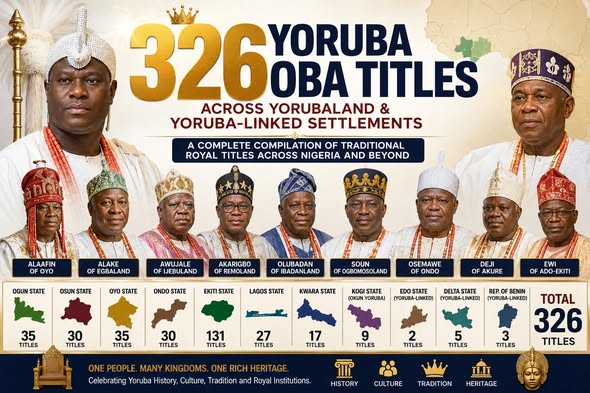
The Yoruba people have one of Africa’s most diverse and historically rich traditional institutions. Across Yorubaland and Yoruba-linked communities, traditional rulers bear different titles reflecting the history, traditions, kingdoms, towns and royal institutions of their respective communities.
From the Ooni of Ife, Alaafin of Oyo, Alake of Egbaland, Awujale of Ijebuland, Akarigbo of Remoland, Olubadan of Ibadanland, Soun of Ogbomosoland, Osemawe of Ondo, Deji of Akure, Olowo of Owo, Ewi of Ado-Ekiti and many others, each title has its own historical and cultural significance.
Below is a compilation of Yoruba Oba titles across Yorubaland and Yoruba-linked settlements in Nigeria and neighbouring areas.
📍 OGUN STATE
ABEOKUTA — Alake of Egbaland
SAGAMU — Akarigbo of Remoland
SANGO-OTA — Olota of Ota
IGBESA — Onigbesi of Igbesa
IPERU-REMO — Oba of Iperu
IKORODU — Ayangburen of Ikorodu
ISHARA-REMO — Onishara of Ishara
IJEBU-ODE — Awujale of Ijebuland
IJEBU-IGBO — Orimolusi of Ijebu-Igbo
ITELE-IJEBU — Onitele of Itele
ODOGBOLU — Osile of Oodogbolu
OGERE-REMO — Oba of Ogere
IROLU-REMO — Oba of Irolu
IPARA-REMO — Olofin of Ipara
ILISAN-REMO — Onishan of Ilisan
IKENNE — Oniwere of Ikenne
OMU — Oloomu of Omu
ILARO — Olu of Ilaro
OKEHO — Onjo of Okeho
ADO-ODO — Alado of Ado-Odo
ITORI — Olu of Itori
AYETORO — Olu of Aiyetoro
MAGBON — Onimagbon of Magbon
OFFIN — Onioffin of Offin
EMUREN — Ologere of Emuren
IBONWON — Oba of Ibonwon
IPOJI — Oba of Ipoji
IWOYE-KETU — Oloomu of Iwoye-Ketu
IMEKO — Onimeko of Imeko
IRANIKIN — Oniranikin of Iranikin
ODE-REMO — Oba of Ode-Remo
AKAKA-REMO — Oba of Akaka-Remo
ILARA-REMO — Oba of Ilara-Remo
OFADA — Oba of Ofada
OWODE-REMO — Oba of Owode-Remo
📍 OSUN STATE
ILE-IFE — Ooni of Ife
OSOGBO — Ataoja of Osogbo
ILESA — Owa Obokun of Ijesaland
MODAKEKE — Ogunsua of Modakeke
IWO — Oluwo of Iwo
IKIRE — Akire of Ikire
IKIRUN — Akinrun of Ikirun
EDE — Timi of Ede
ILA-ORANGUN — Orangun of Ila
EJIGBO — Ogiyan of Ejigbo
ESA-OKE — Owamiran of Esa-Oke
IREE — Aree of Iree
ILOBU — Olobu of Ilobu
GBONGAN — Akinrun of Gbongan
IRESI — Alana of Iresi
ERIN-OSUN — Elerin of Erin-Osun
KUTA — Alakuta of Kuta
IPETU-IJESA — Olipetu of Ipetu-Ijesa
ORILE-OWU — Olowu of Orile-Owu
AWO — Oloawo of Awo
ODE-OMU — Olomu of Omu
IPETUMODU — Ooni of Ipetumodu
IFE-ODAN — Ooni of Ife-Odan
OKUKU — Akosin of Okuku
OKE-ILA — Orangun of Oke-Ila
IKONIFIN — Oba of Ikonifin
IGBODI — Oba of Igbodi
ILA-ORANGUN — Orangun of Ila
IGBAYO — Oba of Igbayo
OKE-IMO — Oba of Oke-Imo
📍 OYO STATE
OYO — Alaafin of Oyo
IBADAN — Olubadan of Ibadanland
OGBOMOSO — Soun of Ogbomosoland
ISEYIN — Aseyin of Iseyin
SHAKI — Okere of Shaki
ERUWA — Eleruwa of Eruwa
IGBOHO — Onigboho of Igboho
IGBETI — Onibeti of Igbeti
ADO-AWAYE — Onjo of Ado-Awaye
IGBO-ORA — Eleruwa of Igbo-Ora
OKEHO — Onjo of Okeho
IJIO — Onijio of Ijio
IGBO-IFA — Onigbo-Ifa of Igbo-Ifa
IRAYE — Oniraye of Iraye
ORILE-IGBON — Olugbon of Orile-Igbon
IJERU — Onpetu of Ijeru
ILORA — Akinbio of Ilora
FIDITI — Onifiditi of Fiditi
AAWE — Alaawe of Aawe
TAPA — Elempe of Tapa
OJONGBOUDU — Oloodu of Ojongbodu
AGUO — Alaguo of Aguo
AJAGBA — Alajagba of Ajagba
ISOKUN — Ona Isokun of Isokun
GUDUGBU — Onigudugbu of Gudugbu
AKEETAN — Alakeetan of Akeetan
ISEKE — Elepe of Iseke
IDODE — Onidode of Idode
APAARA — Alapaara of Apaara
OTEFON — Olotefon of Otefon
IMELEKE — Onimeleke of Imeleke
OKE-OGUN — Various traditional rulers
TESHIE — Traditional ruler of Teshie
FASOLA — Traditional ruler of Fasola
KISHI — Iba of Kishi
📍 ONDO STATE
AKURE — Deji of Akure
OWO — Olowo of Owo
ONDO — Osemawe of Ondo
OKE-IGBO — Oniro of Oke-Igbo
ODE-UGBO — Olugbo of Ugbo
ODE-MAHIN — Olumahin of Mahin
IKARE-AKOKO — Owa of Ikare
OKA-AKOKO — Olubaka of Oka
IRELE — Olofun of Irele
OKITIPUPA — Traditional ruler of Ikale
ILARA-MOKIN — Alara of Ilara-Mokin
IGBARA-OKE — Olowa of Igbara-Oke
IDANRE — Owa of Idanre
ILE-OLUJI — Jegun of Ile-Oluji
ODE-AYE — Onikeye of Aye
ODE-ERINJE — Onierinje of Erinje
ARAROMI-OBU — Olobu of Araromi-Obu
IGBADO — Asafunrin of Igbado
IGUNSIN — Alara of Igunsin
ATOSIN — Awosunye of Atosin
OBA — Oloba of Oba
SUPARE — Olusupare of Supare
AKUNGBA — Alale of Akungba
IKUN — Onikun of Ikun
IGBOKODA — Ayangburen of Igbokoda
ILU-TITUN — Majuwa of Ilutitun
IGBODIGO — Obagberume of Igbodigo
MAHIN — Olumahin of Mahin
AYE — Onikeye of Aye
ILAJE — Various traditional rulers
📍 EKITI STATE
ADO-EKITI — Ewi of Ado
IGEDE-EKITI — Onigede of Igede
IJERO-EKITI — Ajero of Ijero
IKERE-EKITI — Ogoga of Ikere
IKOLE-EKITI — Elekole of Ikole
ISE-EKITI — Arinjale of Ise
EFON-ALAAYE — Alaaye of Efon-Alaaye
OTUN-EKITI — Oore of Otun
ILAWE-EKITI — Alawe of Ilawe
IGBARA-ODO — Arajaka of Igbara-Odo
ARAMOKO-EKITI — Alara of Aramoko
IDO-EKITI — Olojudo of Ido
ISAN-EKITI — Onisan of Isan
OYE-EKITI — Oloye of Oye
OGOTUN-EKITI — Ologotun of Ogotun
ITAJI-EKITI — Onitaji of Itaji
OKEMESI-EKITI — Owa-Ooye of Okemesi
AIYEDE-EKITI — Attah of Aiyede
EMURE-EKITI — Elemure of Emure
OMUO-EKITI — Olomuo of Omuo
OSI-EKITI — Olosi of Osi
IDO-ILE-EKITI — Olojudo of Ido-Ile
IYIN-EKITI — Oluyin of Iyin
ARE-EKITI — Alare of Are
IYE-EKITI — Oniye of Iye
ODE-EKITI — Olode of Ode
IKORO-EKITI — Olukoro of Ikoro
ISINBODE-EKITI — Onisin of Isinbode
OTUNJA-EKITI — Olootunja of Otunja
OKE-AYEDUN-EKITI — Alaaye of Oke-Ayedun
ERINMOPE-EKITI — Obaleo of Erinmope
EDA-ONIYO-EKITI — Eleda of Eda-Oniyo
IGOGO-EKITI — Onigogo of Igogo
ILASA-EKITI — Alasa of Ilasa
ILORO-EKITI — Oluloro of Iloro
IPOTI-EKITI — Olupoti of Ipoti
IMESI-EKITI — Onimesi of Imesi
OSAN-EKITI — Olosan of Osan
USIN-EKITI — Olusin of Usin
AISEGBA-EKITI — Apalufin of Aisegba
EWU-EKITI — Elewu of Ewu
ODO-ORO-EKITI — Onise of Odo-Oro
AWO-EKITI — Alawo of Awo
AYEGUNLE-EKITI — Alayegunle of Ayegunle
AYETORO-EKITI — Alayetoro of Ayetoro
ERIO-EKITI — Elerio of Erio
ERINJIYAN-EKITI — Olohan of Erinjiyan
IFAKI-EKITI — Olufaki of Ifaki
IGBEMO-EKITI — Onigbemo of Igbemo
IJURIN-EKITI — Ojurin of Ijurin
ILUPEJU-EKITI — Apeju of Ilupeju
ISABA-EKITI — Asaba of Isaba
IROPORA-EKITI — Oniropora of Iropora
ITAPA-EKITI — Owatapa of Itapa
IWOROKO-EKITI — Alaworoko of Iworoko
ODO-AYEDUN-EKITI — Owa of Odo-Ayedun
ODO-OWA-EKITI — Olowa of Odo-Owa
EGBE-EKITI — Owa-Egbe of Egbe
IJAN-EKITI — Onijan of Ijan
ORUN-EKITI — Olowuro of Orun
IPOLE-ILORO-EKITI — Olupole of Ipole-Iloro
IKUN-AMURE-EKITI — Onikun of Ikun-Amure
AGBAADO-EKITI — Owa-Oroo of Agbado
ARA-EKITI — Alara of Ara
ILOGBO-EKITI — Owalogbo of Ilogbo
ILUDUN-EKITI — Owa of Iludun
IPAO-EKITI — Obanla of Ipao
ORIN-ODO-EKITI — Olorin of Orin-Odo
ITAPAJI-EKITI — Olu of Itapaji
AFAO-EKITI — Alafao of Afao
EYIO-EKITI — Eleyio of Eyio
ESURE-EKITI — Elesure of Esure
IPERE-EKITI — Onipere of Ipere
AAYE-OJA-EKITI — Alaaye of Aaye-Oja
OLOJE-EKITI — Obaloja of Oloje
IMOJO-EKITI — Olumojo of Imojo
ESUN-EKITI — Elesun of Esun
IKOGOSI-EKITI — Oloja of Ikogosi
IKOSUN-EKITI — Obanikosu of Ikosun
ILAFON-EKITI — Alafon of Ilafon
AAYE-EKITI — Alaaye of Aaye
ARAROMI-OKE-EKITI — Oloja of Araromi-Oke
ASIN-EKITI — Alasin of Asin
AYEGBAJU-EKITI — Owa of Ayegbaju
IGBOLE-EKITI — Olugbole of Igbole
IJESAMODU-EKITI — Onijesa of Ijesamodu
IJELU-EKITI — Elejelu of Ijelu
IKOYI-EKITI — Onikoyi of Ikoyi
IKUN-OBA-EKITI — Onikun of Ikun-Oba
ILU-OMOBA-EKITI — Ajagun of Ilu-Omoba
IROKO-EKITI — Oluroye of Iroko
OMU-EKITI — Owajumu of Omu
OSIN-EKITI — Olosin of Osin
KOTA-EKITI — Elekota of Kota
OMUO-OKE-EKITI — Olomuo-Oke of Omuo-Oke
ILEMESO-EKITI — Obadu of Ilemeso
IFISIN-EKITI — Onifisin of Ifisin
ARAROMI-EKITI — Alararomi of Araromi
ARAROMI-OBO-EKITI — Odolofin of Araromi-Obo
AYEBODE-EKITI — Owa of Ayebode
EDA-ILE-EKITI — Eleda-Ile of Eda-Ile
EPE-EKITI — Elepe of Epe
OKE-ORO-EKITI — Owa of Oke-Oro
IGBONA-EKITI — Obaloke of Igbona
IKUNRI-EKITI — Eleri of Ikunri
ILAMO-EKITI — Alamo of Ilamo
ILOGUN-EKITI — Obalogun of Ilogun
ILUKUNO-EKITI — Eesalokun of Ilukuno
IRARE-EKITI — Onirare of Irare
IRELE-EKITI — Onirele of Irele
IRO-EKITI — Oniro of Iro
ISA-OYE-EKITI — Obasaoye of Isa-Oye
IYEMERO-EKITI — Olu of Iyemero
ODO-ORA-EKITI — Obalemo of Odo-Ora
OKE-AKO-EKITI — Owa of Oke-Ako
OKE-IJEBU-EKITI — Oloojebu of Oke-Ijebu
OKE-ORA-EKITI — Olora of Oke-Ora
ORIN-EKITI — Olorin of Orin
TEMIDIRE-EKITI — Onikun of Temidire
IRA-EKITI — Eisa of Ira
EJIYAN-EKITI — Obalaye of Ejiyan
IJARO-EKITI — Onijaro of Ijaro
ARAROMI-UGBESHI-EKITI — Owa Eleshi of Araromi-Ugbeshi
The Ekiti State Government’s published traditional-ruler records confirm many of these titles, including Ewi, Ajero, Alaaye, Ogoga, Elekole, Oore, Alawe, Arinjale, Owa-Ooye, Onisan, Onitaji, Olojudo and others.
📍 LAGOS STATE
LAGOS/EKO — Oba of Lagos
IRU — Oniru of Iruland
IKATE — Elegushi of Ikate
IKOYI — Onikoyi of Ikoyi
IBA — Oniba of Iba
IGBEJU-LEKKI — Onibeju of Ibeju
LEKKI — Onilekki of Lekki
EPE — Olu of Epe
ORIMEDU — Onimedu of Orimedu
POKA — Alade Uraka of Poka
OKE-ODO-IWEREKUN — Onitedo of Oke-Odo-Iwerekun
IKOTUN — Onikotun of Ikotun
IKOSI — Onikosi of Ikosi
IBESHE — Olubeshe of Ibeshe
ODO-AVANDELU — Alayandelu of Odo-Avandelu
AJAH — Ojomu of Ajah
IJORA — Ojora of Ijora
EJIGBO — Elejigbo of Ejigbo
ISOLO — Osolo of Isolo
IGANDO — Onigando of Igando
IJEGUN — Onijegun of Ijegun
ITIRE — Onitire of Itire
ELEKO — Eleko of Eleko
AKESAN — Onikesan of Akesan
IKEJA — Onikeja of Ikeja
OGBA — Onigba of Ogba
OSHODI — Traditional ruler of Oshodi
📍 KWARA STATE
ILORIN — Emir of Ilorin
OFFA — Olofa of Offa
AJASE-IPO — Olupo of Ajase-Ipo
ESIE — Olori-Esie of Esie
OMU-ARAN — Olomu of Omu-Aran
IWOYE-AYEDUN — Onigede of Iwoye-Ayedun
IRAA — Oniraa of Iraa
SHARE — Olupako of Share
IGBAJA — Elese of Igbaja
ORA — Olora of Ora
IKOSIN — Olukosin of Ikosin
IJAGBO — Onijagbo of Ijagbo
ERIN-ILE — Elerin of Erin-Ile
ISANLU-ISIN — Olusin of Isanlu-Isin
IJARA-ISIN — Olusin of Ijara-Isin
ILUPEJU — Onilupeju of Ilupeju
OKE-OPIN — Oloke of Oke-Opin
MASUDO — Onimosudo of Masudo
📍 KOGI STATE — OKUN YORUBA
KABBA — Obaro of Kabba
IFE-OLUKOTUN — Ajalorun of Ife-Olukotun
EKINRIN-ADDE — Oba of Ekinrin-Adde
OGIDI — Oba of Ogidi
IYARA — Oba of Iyara
IYAH-GBEDDE — Oba of Iyah-Gbedde
ISANLU — Oba of Isanlu
IYAMOYE — Oba of Iyamoye
ODO-ERE — Oba of Odo-Ere
📍 EDO STATE — YORUBA-LINKED SETTLEMENTS
USEN — Elawure of Usen
EGBETA — Oba of Egbeta
📍 DELTA STATE — YORUBA-LINKED SETTLEMENTS
WARRI — Olu of Warri
UGBORODO — Traditional ruler of Ugborodo
OGIDIGBEN — Traditional ruler of Ogidigben
INORIN — Traditional ruler of Inorin
UREJU — Traditional ruler of Ureju
OMADINO — Traditional ruler of Omadino
📍 REPUBLIC OF BENIN
KETU — Ahosu of Ketu
DASSA-ZOUME / IGBO-IDAASHA — King of Igbo-Idaasha
SHABE / ILE-SHABE — King of Shabe
👑 THE RICHNESS OF YORUBA ROYAL TRADITION
One of the remarkable features of Yoruba traditional society is that there is no single title used by every Yoruba monarch. Different kingdoms, towns and communities have developed their own royal titles over centuries.
For example, the Ooni is associated with Ile-Ife, the Alaafin with Oyo, the Alake with Egbaland, the Awujale with Ijebuland, the Akarigbo with Remoland, the Olubadan with Ibadanland, the Olowo with Owo, the Osemawe with Ondo, the Deji with Akure and the Ewi with Ado-Ekiti.
These titles are more than names. They are connected to the history, political organization, migration traditions, royal families, ancestral institutions and cultural identity of individual Yoruba communities.
⚠️ EDITORIAL NOTE
This compilation is intended as a reference list of Yoruba and Yoruba-linked royal titles. Traditional institutions can change over time, and spellings, titles, classifications and the status of particular communities may differ between official government records, palace records, historical sources and local usage.
There are also repeated names or titles in the original compilation, and some communities listed as Yoruba-linked settlements have complex historical and ethnic relationships that deserve further research. Therefore, readers and traditional institutions are encouraged to provide corrections, additions or clarifications where necessary.
For example, official Ekiti State records provide a government-maintained classification of traditional rulers and show that several titles in this compilation have established official recognition.
This list should therefore be regarded as a living compilation rather than a final ranking of Yoruba monarchs.
🗣️ WHAT DO YOU THINK?
Which Yoruba Oba title is the oldest?
Which Yoruba traditional ruler has the most historically influential kingdom?
Which Oba title did we miss?
Drop your answer in the comments and share this list with others interested in Yoruba history, culture and traditional institutions.
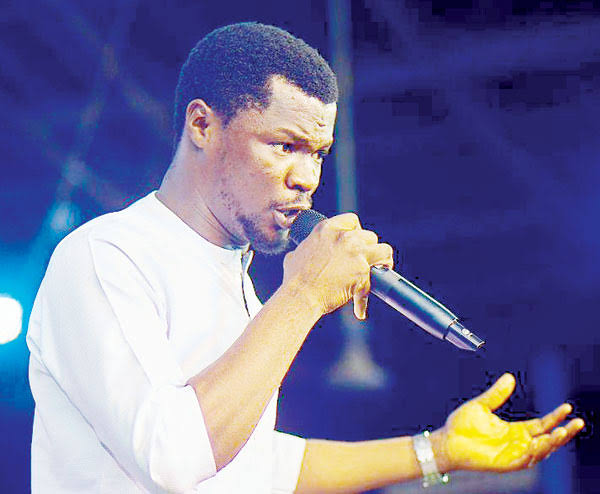
Friends, family members, colleagues, and members of the Christian community are set to hold a night of tributes in honour of late gospel minister Olayemi Bayonle Bolaji, popularly known as Toluwanisings.
The event is scheduled for Tuesday, October 27, at 3 p.m. at the Hall of Grace, Jogor Centre, Ibadan, Oyo State.
The programme will provide an opportunity for loved ones and admirers to celebrate the life and legacy of the late gospel singer through tributes, reflections, cherished memories, and thanksgiving to God.
In an announcement inviting the public to the event obtained from his Instagram account on Wednesday, the organisers described Toluwanisings as a beloved brother, friend and gospel minister whose life and ministry touched many people.
The invite read, “Some lives leave footprints that time can never erase. Some voices may fall silent, but their songs, impact, and memories will forever echo in our hearts.
“With heavy hearts, yet in gratitude to God for a life that touched many, we invite you to join us for a Night of Tributes in honour of our beloved brother, friend, and gospel minister, Olayemi Bayonle Bolaji, fondly known as Toluwanisings.
“It will be a night of love, reflection, heartfelt tributes, cherished memories, and thanksgiving to God for the life he lived and the legacy he leaves behind.
“Though we mourn his departure, we hold firmly to the hope we have in Christ Jesus. His earthly journey may have ended, but the impact of his life and ministry will continue to speak. Come, let us stand together as family, friends, colleagues, and the body of Christ to celebrate a life that mattered,” the post read.
They expressed gratitude to God for his life, noting that although his passing had brought sorrow, the impact of his ministry and the memories he left behind would continue to inspire generations.
The organisers also urged family members, friends, colleagues and members of the body of Christ to come together to honour the deceased and celebrate his contributions to gospel music and Christian ministry.
They further called on well-wishers seeking to support the programme to contact them through direct messages.
The Night of Tributes is expected to bring together people whose lives were touched by the late minister to reflect on his legacy and pay their final respects.
The announcement concluded with a prayer for God’s blessings upon all those mourning his death.
The Federal Government has confirmed a case of Ebola disease in the Federal Capital Territory, Abuja, and commenced contact tracing to prevent further transmission of the infection.
The Minister of Health and Social Welfare, Prof. Ali Pate, disclosed this on Tuesday, following laboratory confirmation of the case involving a woman who recently arrived in Nigeria on an international flight from Uganda.
The woman was admitted to a private hospital in the FCT, where she received treatment for several days before the infection was confirmed.
She is currently in isolation and receiving medical care, according to the Federal Government.
The government said 44 contacts had been identified, including healthcare workers, patients, caregivers and travel contacts.
Public health teams are working to identify and monitor other people who may have been exposed to the infection.
The government has intensified surveillance and urged public and private health facilities to remain on high alert, promptly identify and isolate suspected cases, observe strict infection prevention and control measures, and report suspected infections to public health authorities.
Pate also appealed to people contacted by public health teams, including passengers who may have travelled with the patient, to cooperate with the tracing exercise.
The government advised Nigerians to remain calm, wash their hands regularly and avoid contact with the blood or other body fluids of anyone suspected of having Ebola.
Against the backdrop of the confirmed case, PUNCH Online revisited the World Health Organisation’s fact sheet on Ebola disease and its guidance on contact tracing to sensitise Nigerians on how the infection spreads and the precautions they can take to reduce the risk of infection.
According to the WHO’s “Ebola disease fact sheet”, people can contract the disease through direct contact, through broken skin or mucous membranes, with the blood or other body fluids of a person who is sick with or has died from Ebola.
The virus can also spread through objects and surfaces contaminated with infected body fluids, including blood, faeces and vomit.
WHO says people cannot transmit the disease before they develop symptoms, but they remain infectious for as long as the virus is present in their blood.
Human infection can also occur through contact with infected animals, including fruit bats and certain wild animals, particularly when people handle or consume infected animals.
The global health agency advises avoiding contact with sick or dead wild animals and not eating their raw meat.
Precautions Nigerians should take
The WHO advises people to avoid close physical contact with anyone suspected or confirmed to have Ebola, particularly contact with their body fluids.
Suspected and confirmed patients should be isolated in designated treatment facilities where they can receive appropriate care and where infection-control measures can be applied.
People should maintain good hand hygiene and keep their surroundings clean.
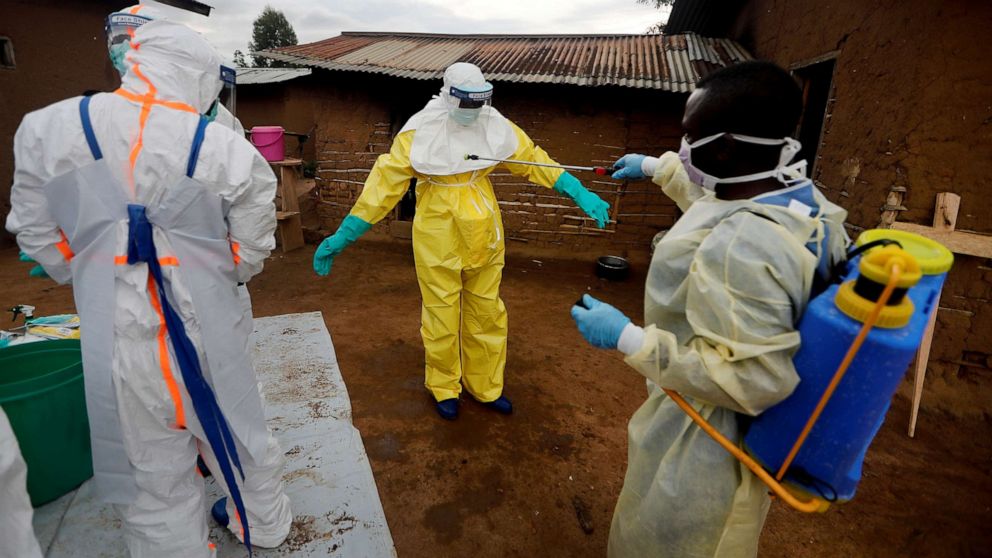
Healthcare workers must use appropriate personal protective equipment and follow infection prevention and control procedures when caring for suspected or confirmed cases, especially when there is a risk of exposure to blood, body fluids or contaminated materials.
Ebola
The WHO also advises communities to ensure that burials are conducted safely and with dignity.
Traditional or funeral practices involving direct contact with the body of someone who died from Ebola can expose others to infection.
The WHO says Ebola symptoms may appear between two and 21 days after infection.
Early symptoms can include fever, fatigue, muscle pain, headache and sore throat.
These may be followed by vomiting, diarrhoea, abdominal pain and other complications.
However, the WHO cautions that Ebola can be difficult to distinguish from other illnesses, including malaria and typhoid fever, based on symptoms alone.
Anyone who develops symptoms after a possible exposure should seek urgent medical assessment and inform healthcare workers about the possible contact.
People should not attempt to diagnose or treat suspected Ebola at home.
Why contact tracing matters
Contact tracing involves identifying people who may have been exposed to an infected person and following up on their health.
WHO says this helps contacts access care promptly if symptoms develop and helps public health authorities interrupt further transmission.
The organisation recommends monitoring the health of people who may have been exposed for 21 days, corresponding to the maximum known incubation period.
Anyone contacted by public health authorities should provide accurate information and follow the instructions given by health officials.
Nigerians who suspect an exposure should cooperate with public health teams rather than conceal information or avoid follow-up.
The Federal Government has also provided the Nigeria Centre for Disease Control and Prevention’s toll-free call centre, 6232, for information and reports of suspected cases.
Healthworkers in Ebola kits
The WHO says early supportive care, including rehydration and treatment of symptoms, can improve survival.
Prompt reporting, early medical care, cooperation with contact tracing and consistent infection-control practices are therefore important in limiting the risk of further transmission.
How far would you go to become rich? Would you betray a friend, destroy a family, abandon your principles, or watch another human being suffer just to protect your wealth?**
These are uncomfortable questions, but they reflect a reality that society can no longer afford to ignore.
In a world increasingly obsessed with money, status, power, and material possessions, the spirit of greed appears to be taking over hearts and minds. The desire to succeed is not the problem. The problem begins when the hunger for more becomes so powerful that compassion, honesty, loyalty, and human dignity no longer matter.
## When Money Becomes More Valuable Than People
Look around you. Families that once lived in peace are fighting over inheritance. Friends who once supported each other are becoming enemies over financial interests. Some people forget those who helped them when they finally acquire wealth.
In business, politics, relationships, and even within religious institutions, the temptation to put personal gain above the welfare of others can have devastating consequences.
The tragedy is not that people want to become wealthy. Everyone deserves the opportunity to improve their lives. The tragedy is when people become willing to destroy other lives to achieve their own ambitions.
**When your wealth grows but your humanity disappears, what have you truly gained?**
## The Endless Hunger for More
One of the most dangerous characteristics of greed is that it rarely recognises the word *enough*.
A person can own a beautiful house and still envy someone else’s mansion. Someone can drive an expensive car and still feel inferior to a neighbour with a more luxurious vehicle. A powerful individual can occupy the highest position and still crave greater control.
Eventually, life becomes a competition in which happiness is measured by what we own rather than who we are. People begin chasing the appearance of success while neglecting the relationships, values, and peace that give life meaning.
## The Human Cost of Greed
Behind every act of exploitation is a human consequence. Workers may be underpaid while profits rise. Vulnerable people may be manipulated for financial gain. Families may remain divided for years because nobody is willing to compromise over property.
And when greed enters leadership, the consequences can reach entire communities. Public resources that should improve people’s lives may be diverted for private benefit, while ordinary citizens continue struggling for basic necessities.
The cost is not always measured in money. Sometimes it is measured in broken trust, lost opportunities, suffering, and lives that could have been better.
## Wealth Is Not the Enemy—Greed Is
There is nothing wrong with working hard, building businesses, investing wisely, or aspiring to financial freedom. Wealth can create jobs, support families, fund education, and transform communities.
But money should remain a tool, not become a person’s master.
True success should not be measured only by the size of a bank account, the number of properties someone owns, or the attention their lifestyle attracts. It should also be measured by integrity, kindness, fairness, and the positive difference a person makes in the lives of others.
We all leave this world eventually. The possessions we spend our lives accumulating cannot accompany us. What remains is the impact we have made and the memories we leave behind.
**A person can be rich in money and poor in character. A society can be wealthy in resources and impoverished in compassion.**
Perhaps the most important question is not how much money we can accumulate, but how much of our humanity we are willing to preserve while pursuing it.
—
NEWSBREAK365 ASKS: HAS GREED BECOME ONE OF SOCIETY’S BIGGEST PROBLEMS?
Is the desire for money destroying families, friendships, leadership, and our sense of humanity? Or is greed simply part of human nature that society must learn to control?
**Join the conversation. Share your thoughts in the comments.**
*NewsBreak365 — News | People | Society | Development*