Connect with us

Business

Read facts about ending Nigeria’s endless electricity challenges

Published

on

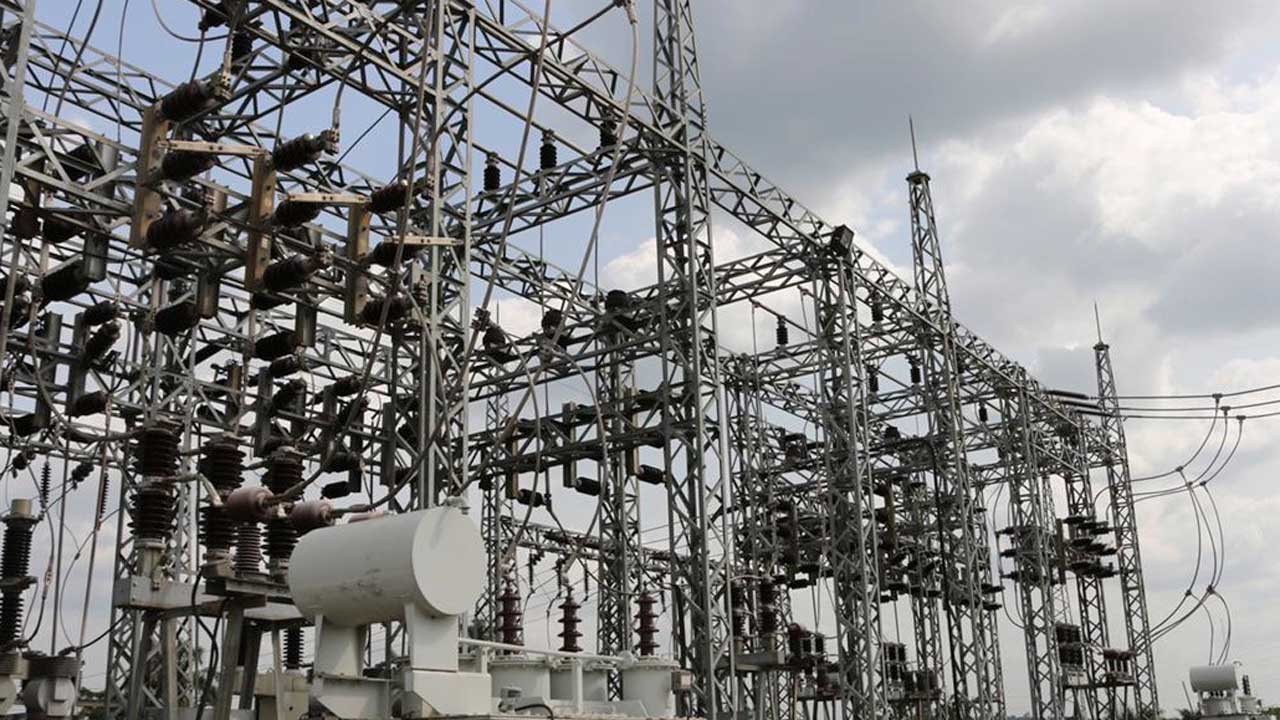
Nigeria’s electricity crisis is no longer merely an infrastructure problem. It is a national emergency that constrains economic growth, destroys jobs, deepens poverty and weakens public confidence in government. For Africa’s most populous country, generating roughly 3,500 to 4,500 megawatts for more than 200 million people is indefensible — especially when installed generation capacity exceeds 13,000MW.

The power sector was privatised in 2013 with the expectation that private capital and commercial discipline would improve electricity supply. More than a decade later, that promise remains largely unfulfilled. Households still endure prolonged outages, businesses spend heavily on diesel and petrol generators, and “national grid collapse” has become a familiar phrase. Privatisation may have changed ownership structures, but it has not delivered the reliable electricity Nigerians were promised.

The consequences are severe. Manufacturers struggle with high production costs, small businesses lose revenue, hospitals cannot depend on uninterrupted supply, and students often study in darkness. Nigeria cannot industrialise, compete internationally or create enough jobs while electricity remains unreliable and expensive. Every failed megawatt translates into lost productivity and diminished opportunity.

The crisis persists because every part of the electricity value chain is impaired. Gas-fired power plants face inadequate fuel supplies, pipeline vandalism and weak commercial terms that discourage investment. Generation companies contend with ageing plants, stranded capacity and unpaid bills. A thermal-heavy generation mix also leaves the system dangerously dependent on gas.

Transmission remains another critical weakness. Ageing and overstretched infrastructure, vandalised towers, inadequate spinning reserves and poor regional balance make the grid vulnerable to repeated disturbances. Without modern control systems, functioning relays and full implementation of Supervisory Control and Data Acquisition (SCADA) technology, operators cannot manage the network efficiently.

See also  Court orders NNPC to disclose details of $3bn crude-for-cash loan

Distribution companies are equally troubled. Aggregate technical, commercial and collection losses reportedly range between 30 and 40 per cent. Millions of customers remain without meters and are subjected to estimated bills that undermine trust and payment discipline. Electricity theft, vandalism, inaccurate customer records and inadequate investment further weaken the market.

The government must now treat electricity reform as a measurable national mission, not an endless policy conversation. It should establish clear deadlines, publish performance data and hold public and private operators accountable.

First, gas supply to power plants must be secured. The domestic supply obligation for gas-to-power should be strengthened, while credible payment guarantees must protect suppliers. Security agencies must also act decisively against pipeline, tower and cable vandalism. Such attacks should be investigated and prosecuted as economic sabotage.

Second, idle and gas-constrained plants should be restored. Nigeria must diversify its energy mix through gas, hydro and solar power, reducing dependence on one source.

Sector debts also require transparent resolution. Payment assurance mechanisms and relevant power-sector recovery bonds should clear verified obligations. Debt net-offs involving company income tax and customs liabilities could provide relief, while responsible asset consolidation and balance-sheet financing may unlock new investment.

Third, transmission upgrades must target the grid’s weakest points. Nigeria urgently needs spinning reserves, automated operations, modern relays and expedited implementation of SCADA. Expansion must also correct regional imbalances and accommodate renewable generation.

Finally, distribution reform must focus on customers. Metering should be accelerated, customer databases cleaned and feeder-level commercial maps completed. Specialised or mobile courts could speed up prosecution of electricity theft, provided consumer rights are protected. Rural access must expand through grid extensions and decentralised renewable systems.

See also  Firm partners Hilda Baci for world’s largest jollof rice cook-off

Nigeria does not lack diagnoses, policies or committees. It lacks disciplined implementation and accountability. The government must set public milestones for gas supply, generation recovery, transmission upgrades, metering and loss reduction — and sanction operators that repeatedly fail.

Reliable electricity is the foundation of a productive economy. Nigeria’s leaders must act with the urgency the crisis demands. The country cannot power its future with excuses.

Source: punchng.com

FOLLOW US ON:

FACEBOOK

TWITTER

PINTEREST

TIKTOK

YOUTUBE

LINKEDIN

INSTAGRAM

Continue Reading
Click to comment

Leave a Reply

Your email address will not be published. Required fields are marked *

Business

Dangote, marketers cut petrol prices as crude falls

Published

on

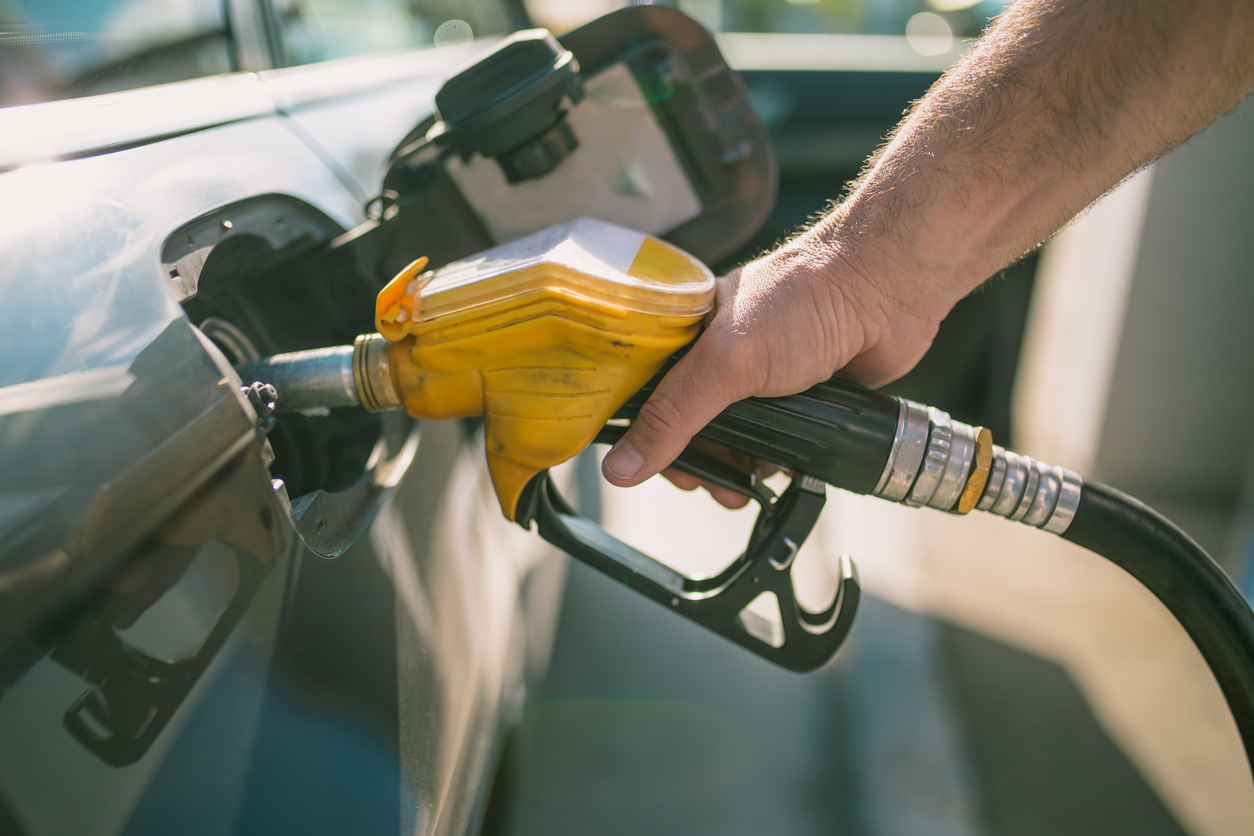
The Dangote Petroleum Refinery and other petroleum marketers have reduced the prices of Premium Motor Spirit (petrol) across major depots in Lagos, Port Harcourt, Calabar and Warri, following a decline in international crude oil prices.

The reductions were recorded in the latest depot price report published by Petroleumprice.ng, with the biggest adjustments seen in Lagos, where several operators cut their petrol prices by between N20 and N24 per litre.

The reductions came as Brent crude traded below $100 per barrel, while the United States benchmark, West Texas Intermediate, also declined to $91.17 per barrel.

In Lagos, the Dangote Refinery reduced its PMS price from N1,350 to N1,325 per litre, representing a N25 reduction. Ascon, Integrated, Pinnacle and Sahara also cut their prices by N24, with their products now selling between N1,326 and N1,327 per litre.

MRS reduced its petrol price by N20 to N1,332 per litre, while Wosbab recorded a current price of N1,330.

The latest reductions followed a mixed movement in the international crude market.

According to Oilprice.com, Brent crude fell to $99.77 per barrel, while WTI dropped by $1.20, or 1.30 per cent, to $91.17 per barrel. Recall that Brent hit $109 last week.

However, Murban crude moved in the opposite direction, gaining $4.18, or 3.80 per cent, to $114.20 per barrel.

The movement in crude prices is significant for Nigeria’s downstream petroleum market because international oil prices influence the cost of imported refined products and the pricing of locally refined petroleum products.

The softer Brent and WTI prices provided room for downward adjustments in depot prices.

See also  Elon Musk becomes first person in history to be worth $500,000,000,000

The decline in petrol prices was also recorded outside Lagos. In Port Harcourt, Masters reduced its PMS price by N2 to N1,328 per litre, while Stockgap recorded a N7 reduction to N1,323. Bulk Strategic and Sigmund listed petrol at N1,328, while Matrix retained its price at N1,330.

In Calabar, Mainland recorded the lowest petrol price among the locations covered, reducing its rate by N7 to N1,320 per litre.

Alkanes cut its price by N2 to N1,325, while Matrix maintained N1,330. Sobaz, however, increased its price marginally by N1 to N1,328. In Warri, mixed movements were also recorded, although most of the changes were downward.

Keonamex reduced its PMS price by N3 to N1,327, while Nepal and Prudent cut their prices by N1 and N2, respectively, to N1,329 and N1,328. Matrix and Optima, however, increased their petrol prices by N3 and N1, respectively, taking them to N1,330 and N1,328.

On the automotive gas oil market, commonly known as diesel, prices also declined in some locations. In Lagos, Chipet reduced its AGO price by N15 to N1,815 per litre, while Ascon, Duport and Integrated each cut their prices by N5 to the same level.

Ibachem, Ibeto, Dangote, Obat and Pinnacle offered diesel prices at between N1,815 and N1,860 per litre. Port Harcourt recorded a sharper movement in diesel prices, with Masters reducing its AGO price by N35 to N1,900 per litre.

In Warri, Matrix cut its AGO price by N50 to N2,000 per litre, while Prudent and Rain Oil reduced theirs by N10 to N1,940.

See also  Obasanjo reveals why NNPC refineries will never work again; read details

The latest depot price movements come amid continued volatility in the international oil market, with crude benchmarks responding differently to developments affecting global supply and demand.

Natural gas prices also moved higher, gaining 2.96 per cent to $2.92, according to the market data.

The latest PMS adjustments suggest that the recent decline in crude prices is beginning to filter into the domestic wholesale market, although the extent of further reductions will depend on movements in crude prices, foreign exchange and the cost of refined petroleum products.

The lower depot prices could also influence retail petrol prices as marketers replenish their stocks at the reduced rates, although pump prices vary according to location, transportation costs and individual marketers’ margins. Petrol now trades between N1,370 and N1,450, depending on the location.

Source: punchng.com

FOLLOW US ON:

FACEBOOK

TWITTER

PINTEREST

TIKTOK

YOUTUBE

LINKEDIN

INSTAGRAM

Continue Reading

Business

FTSE re-entry triggers foreign demand for Nigerian equities

Published

on

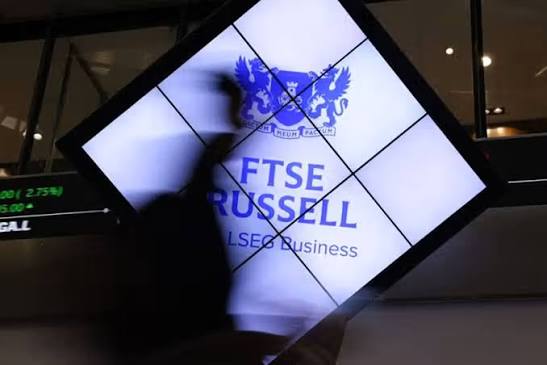
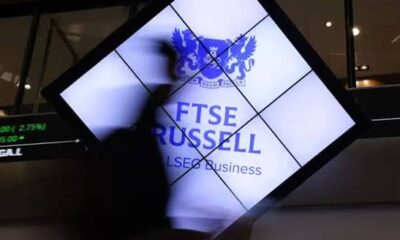
Foreign and institutional investors have returned to Nigerian equities following the country’s official re-entry into FTSE Russell’s Frontier Market indexes, triggering a sharp uptick in trading activity across major banking tickers on Monday.

The reclassification comes after a challenging period for the nation’s capital market. In September 2023, FTSE Russell downgraded Nigeria to “Unclassified” status due to severe foreign-exchange illiquidity, trapped capital and multi-billion-dollar FX backlogs that prevented foreign portfolio managers from repatriating funds.

Following extensive structural reforms by the Central Bank of Nigeria to clear verified foreign-exchange backlogs, stabilise the naira and enhance market infrastructure, including the migration to a T+1 settlement cycle in June, FTSE Russell confirmed that Nigeria satisfied all five quality-of-markets criteria, paving the way for its official readmission.

Zenith Bank Plc, Guaranty Trust Holding Company Plc and FirstHoldCo Plc emerged as the primary targets of initial demand, reflecting selective portfolio rebalancing as index managers regained direct access to the Nigerian exchange after a three-year hiatus forced by foreign-exchange and capital-repatriation bottlenecks.

The market reclassification took effect at the opening of trading, following FTSE Russell’s confirmation that Nigeria satisfied all five quality-of-markets criteria. With large-cap, liquid financial institutions historically leading macroeconomic normalisation cycles, market analysts anticipate sustained portfolio tracking flows as international benchmark funds complete their portfolio adjustments.

Meanwhile, the relatively high yield on eligible Federal Government of Nigeria bonds, at around 17.10 per cent, provides an attractive carry opportunity for foreign investors and further strengthens the overall appeal of the domestic capital market.

See also  NNPC eyes 20% stake in Dangote refinery

This timing comes as FTSE Russell is also set to include Nigerian equities in its Frontier Index, giving Nigeria dual representation across both fixed-income and equity benchmarks.

An analyst at Meristem Securities Limited noted, “We expect the inclusion to increase foreign demand for naira-denominated government securities as benchmarked investors begin to allocate to Nigerian bonds. This should deepen the investor base, improve secondary-market liquidity and, if inflows are sustained, support lower bond yields.

“It could also improve FX liquidity through increased foreign inflows. However, greater foreign participation may increase the market’s sensitivity to global risk sentiment and exchange-rate movements, raising reversal risks during periods of stress.”

Research analysts at Coronation highlighted that “We expect the positive sentiment to persist in the near term, supported by potential passive fund inflows following Nigeria’s reclassification to frontier market status by FTSE Russell, which takes effect on September 21.

“The reclassification could drive additional demand from funds tracking relevant FTSE Russell indices and provide a near-term catalyst for market performance.”

Commenting on the development, the Group Managing Director and Chief Executive Officer, NGX Group, Temi Popoola, noted, “Nigeria’s restoration to FTSE Russell’s Frontier Market status is an important recognition of the progress made in our capital market and the strengthening of the infrastructure that supports it.

“Reclassification, however, is not the destination; it is a gateway. It opens the door to greater international attention on Nigeria and the chance to translate that visibility into meaningful, long-term investment.

“The timing is particularly significant. We are seeing renewed interest from major Nigerian businesses in the capital market as a route to mobilise capital and broaden ownership. Our responsibility is to ensure that the market has the efficiency, accessibility and depth investors need to participate with confidence.

See also  Dangote resigns as chairman of cement company

“At NGX Group, we remain focused on strengthening the connections between Nigerian enterprise and capital, at home, across Africa and around the world. The next chapter is about turning renewed global interest into greater capital formation, broader participation and a market that can play an even more significant role in financing Nigeria’s growth.”

Source: punchng.com

FOLLOW US ON:

FACEBOOK

TWITTER

PINTEREST

TIKTOK

YOUTUBE

LINKEDIN

INSTAGRAM

Continue Reading

Business

Dangote plans $10bn investment to tackle power crisis

Published

on

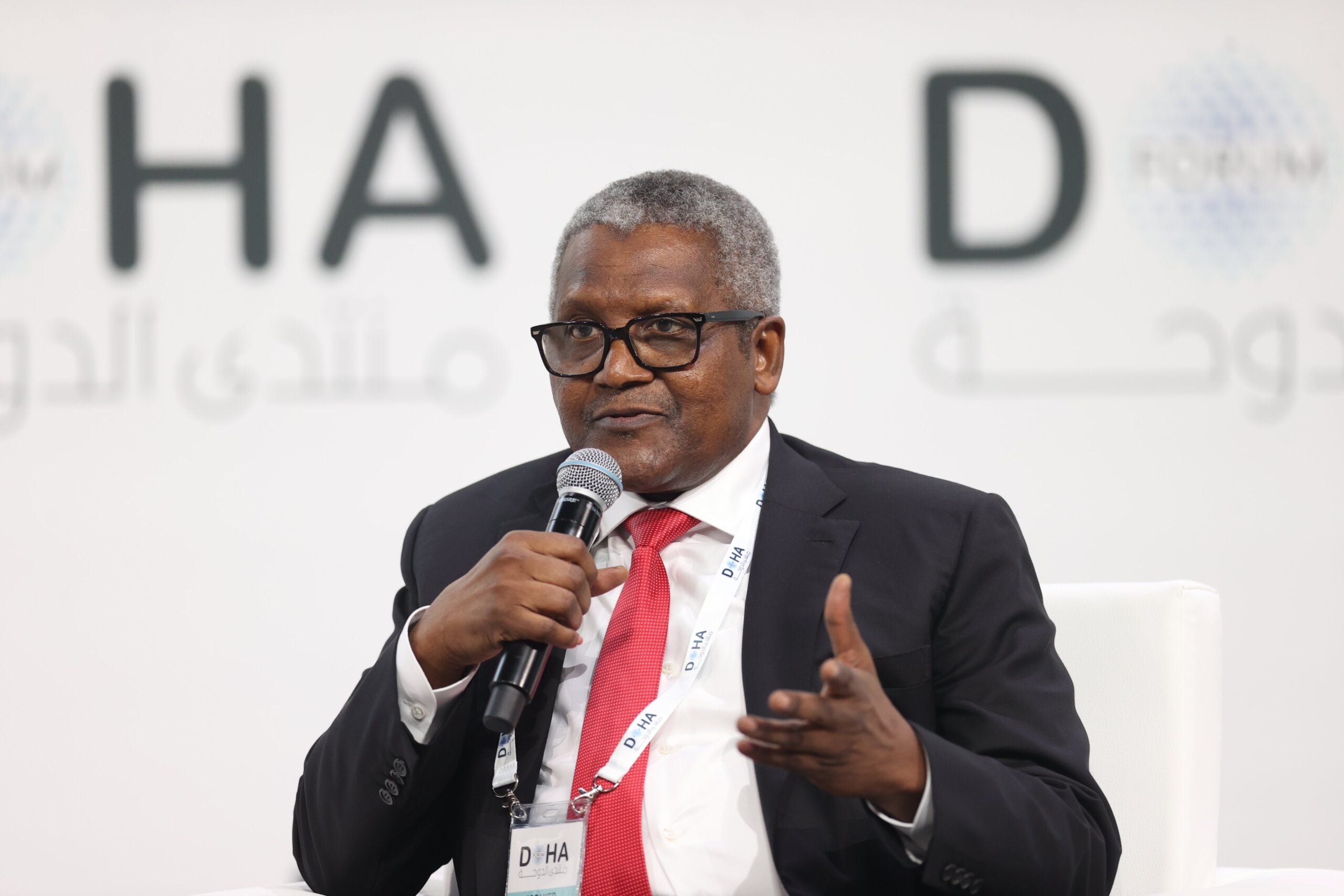
Africa’s richest man, Aliko Dangote, has said his conglomerate plans to invest over $10bn in the power sector to address the electricity crisis in Nigeria and drive industrialisation.

Dangote stated this during an interview with Al Jazeera, where he identified inconsistent government policies and inadequate electricity supply as major challenges discouraging Africans from investing in the continent.

He disclosed that the group is considering redirecting funds from certain businesses, including steel, towards electricity generation and other power-related investments.

“And I’m telling you in the next three to four years, there will be a major transformation in Africa, and that’s why we’re looking at power. We are going to invest in power. There are one or two businesses that we might cancel, like steel, and we will put the money in power. We want to invest over $10bn alone in power.”

He expressed concern that more than 600 million Africans continued to live without electricity, describing the situation as one that the continent must address, saying, “We Africans should not really allow over 600 million of our people to remain in darkness.”

The industrialist linked electricity supply to economic development and argued that governments that successfully deliver power to their citizens may not need to go for campaigns again during elections.

“You know, if some politicians work hard and have a plan, when you deliver power, you don’t need to go for a campaign when you’re going for an election. Power is key; we will never create growth without power. That’s why they say power is growth. When I say power, I mean electricity is growth.”

He said Africa would be unable to create jobs and achieve sustainable economic growth without industrialisation, stressing that the continent must reduce its dependence on imported goods.

On what some are saying about not investing in Africa, he said, “The problem really is, it takes two to tango. I think in the past, there’s been a lot of flip-flops in government policies. Government policies were changing every day, and then, the lack of electricity is also there.

See also  Banks sent pretty ladies to woo me for deposits – Otedola

“So, these two issues haven’t gone away. They are still there. But for some of us that really mean business, we are here, and we know that yes, without our intervention, Africa will never be able to create jobs. If there’s no industrialisation, how do you create jobs? You can’t,” he said.

Dangote warned that Africa could eventually lack the financial resources to continue importing the goods it consumes, making industrial development and local production necessary for the continent’s future.

“One day we will not have money to import what we are consuming. So how can we remain an import continent? It has to change. But that change can only happen when Africans believe in Africa, and they invest in Africa,” he stated.

According to the businessman, a growing number of investors are showing interest in supporting African businesses because of the opportunities available on the continent. He added that his investment approach was focused on spreading wealth, expanding participation in businesses and strengthening corporate governance.

“We want to make sure it’s about spreading the wealth. It’s about getting more people in the business. It’s also about corporate governance. So that’s the direction.”

Responding to accusations that his business activities were creating a monopoly, Dangote said he would remain focused on his objectives rather than be distracted by his critics.

He used football star Lionel Messi as an example, explaining that a player must concentrate on the ball rather than the audience while playing.

“Well, you know, if I’m going to listen to that, have you ever seen a footballer looking at the audience? He has to continue looking at the ball. If I’m Messi, for example, I’m kicking the ball, and I’m looking at the audience, do you think I won’t miss the ball? I will miss the ball,” he stated.

Dangote argued that people would not always be satisfied with the activities of businesses, adding that accusations of monopoly would not stop him from pursuing his investment plans.

See also  Court orders NNPC to disclose details of $3bn crude-for-cash loan

“If I’m going to make my continent great and people want to call me a monopoly for no reason, so be it. I mean, it’s not going to reduce the colour of my face or whatever. You can call me whatever you want to call me; I didn’t stop anybody; it is an opportunity given to everybody, every one of us has that opportunity whether Africans, foreigners or whoever,” he stressed.

He said the government had not granted his businesses exclusive rights to operate in any sector, maintaining that opportunities were available to investors who were willing to participate.

“There’s nothing that the government gave us and say, ‘this is only for Dangote ’. The government will create a policy around a sector, and they will blow a whistle and say, ‘ Yes, this is it,” he noted.

Using a 100-metre race as an illustration, Dangote said investors who had chosen not to participate should not blame those who entered and won.

“If there’s a 100-metre race, some people were on the bench while I’m on the track, and I agreed to run that race, and I won that race alone, are you going to blame me or are you going to blame people who just sat on the bench?” he asked.

The businessman added that businesses and individuals needed to believe in Africa and invest in its development if they want to benefit from the continent’s economic opportunities.

“They’re not ready, they’re not prepared, they don’t even believe in Africa itself. If you don’t invest, you are not going to get fruit of that labour,” he replied to those accusing him of monopoly.

See also  Obasanjo reveals why NNPC refineries will never work again; read details

Addressing his critics, Dangote said opposition and distractions would continue but maintained that his businesses would remain committed to their objectives.

He said he considered the industrial development of Africa a responsibility that required determination, adding that he was willing to make personal sacrifices towards achieving the goal.

“The distraction will continue. But we have what you call a very thick skin. No matter what you do, even if you take bullets, you are hitting our body with it; we’re not going to stop. We have a target, and we’re getting to our target.

“And if we don’t do it, believe me honestly, Africa will be in trouble. And I would rather save my continent at the expense of even my life. This continent must get to the promised land,” he declared.

Dangote further called for increased processing of Africa’s raw materials within the continent, arguing that local value addition would help retain economic benefits and promote industrial development.

He added that African governments could eventually adopt measures to encourage local processing once the continent demonstrated the benefits of transforming raw materials before exporting them.

“Eventually they (foreigners) will stop taking our raw materials. They must produce on our own continent.

“You see, once we show people how to do all these, even the governments themselves will start saying, no, you can’t take our cocoa, process it here and add value, then you take it out,” he stated.

Source: punchng.com

FOLLOW US ON:

FACEBOOK

TWITTER

PINTEREST

TIKTOK

YOUTUBE

LINKEDIN

INSTAGRAM

Continue Reading

Trending