Lifestyle
PHOTOS: Imoleboja Rock Shelter: Kwara State’s Natural Cathedral of Stone

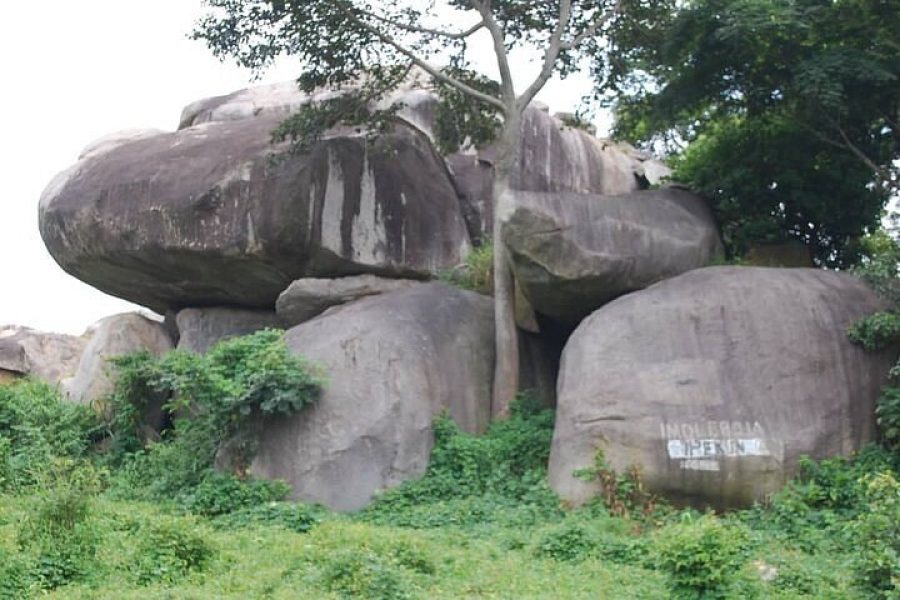
A sacred and historic rock formation in Kajola, Nigeria, where nature and spirituality meet in harmony
A Natural Wonder in Kwara State
Nestled in Kajola, a quiet community in Kwara State, Nigeria, lies one of the state’s most awe-inspiring natural formations — the Imoleboja Rock Shelter. This geological marvel, whose name translates to “God has built a house” in the local dialect, is a symbol of both nature’s artistry and divine mystery.
The Imoleboja Rock Shelter is not merely a collection of stones; it is a majestic structure of interconnected rock chambers that form what appears to be a naturally constructed house. Locals and visitors alike marvel at the way enormous boulders lean against each other to create enclosed spaces — as though purposefully designed by a divine architect.
Meaning and Cultural Significance
The name Imoleboja derives from Yoruba and local expressions of gratitude and reverence for divine creation. To many indigenes of Kwara and neighbouring communities, the site symbolises spiritual refuge and divine craftsmanship. The phrase “God has built a house” reflects the belief that only a supernatural force could have arranged the rocks in such perfect harmony.
Historically, the rock shelter served as a hideout and place of safety for villagers during periods of conflict. Its naturally fortified structure, with several narrow entrances and spacious inner chambers, provided an ideal refuge for entire families and even livestock. Oral traditions suggest that during the inter-tribal wars of the 19th century, residents of nearby communities sought protection within these rocky walls.
A Geological and Architectural Marvel
The Imoleboja Rock Shelter features several chambers, including a large central hall that can comfortably accommodate between 50 and 100 people. The formation is made up of massive granite rocks that appear to be delicately balanced, creating a labyrinth of tunnels and openings.
Visitors describe the site as resembling a natural cathedral — with stone “walls,” “ceilings,” and “rooms” formed entirely by the forces of erosion, wind, and time. The cool interior temperature and echoing acoustics give the space an almost sacred ambience, making it an ideal destination for meditation and quiet reflection.
A Place of Tourism and Tranquility
Today, the Imoleboja Rock Shelter is one of Kwara State’s most visited natural attractions, drawing hikers, nature enthusiasts, researchers, and cultural tourists. The site’s expansive view of the surrounding landscape offers visitors a panoramic glimpse of Nigeria’s north-central highlands.
It has become a popular picnic and hiking destination, where visitors can explore the various chambers, enjoy the serenity of nature, and connect with the region’s cultural history. Local tour guides often share stories of the site’s spiritual symbolism and the legends surrounding its discovery.
The Kwara State Tourism Board continues to promote the Imoleboja Rock Shelter as part of its broader initiative to showcase the state’s natural heritage — alongside other landmarks such as Owu Waterfalls and Esie Stone Images.
Preserving a Sacred Heritage
Efforts are ongoing to preserve the Imoleboja Rock Shelter as both a natural and cultural monument. Local authorities and community leaders have emphasised the need for sustainable tourism, ensuring that the site remains unspoiled for future generations.
Beyond its physical beauty, Imoleboja stands as a spiritual metaphor — a reminder of nature’s resilience and the human connection to divine creation. For many visitors, entering the rock’s chambers feels like stepping into a temple crafted by the hands of time and faith.
References:
Kwara State Tourism Board archives (2023)
Oral History of Kajola Community, Kwara State
National Commission for Museums and Monuments, Nigeria (NCMM)
“Kwara Tourism Guide: Natural Attractions and Cultural Heritage” (2022)
FOLLOW US ON:






A WORD OF WARNING: NEVER LET YOUR SUCCESS MAKE YOU LOOK DOWN ON PEOPLE.

BEING EDUCATED SHOULD NEVER MAKE YOU LOOK DOWN ON AN UNEDUCATED PERSON.

2027: Wike To Lead Campaign Team For Tinubu’s Re-election

‘Sleeping Prince’ of Saudi Arabia dies after 20 years in coma

2027: Atiku delays ADC membership card collection amid rumoured Jonathan comeback

How A Class Of 24 Students Produced 2 Presidents, 4 Governors, 2 Ministers, 4 Emirs, 3 Justices, 4 Ambassadors and Other Influential Leaders


-

 Politics9 hours ago
I’ll never abuse Tinubu, he has my respect – Peter Obi
-
News9 hours ago
Court rejects suit seeking fresh police investigation into late singer Mohbad’s death
-
News9 hours ago
VIDEO: Police identify officer in viral video saying Obi can never be President
-
Crime9 hours ago
PHOTOS: Police arrest suspect over de@th of Delta Education Director; launch manhunt for fleeing suspects
-
Lifestyle21 hours ago
Many Parents Nowadays Are Failing to Give Their Children Proper Home Training — Why?
-
Politics7 hours ago
Tinubu Makes Demands From Nigerians Over 2027 Election
-
Politics7 hours ago
PHOTOS: Full List Of Children Of Ex-Presidents, Govs, Lawmaker Seeking NASS Seat
-
Crime8 hours ago
PHOTOS: Police arrest suspected child trafficker, rescue two-month-old baby in Niger State