Lifestyle
PHOTOS: The issue of Deborah Samuel Yakubu is one of the most tragic and controversial religious-related incidents in recent Nigerian history.

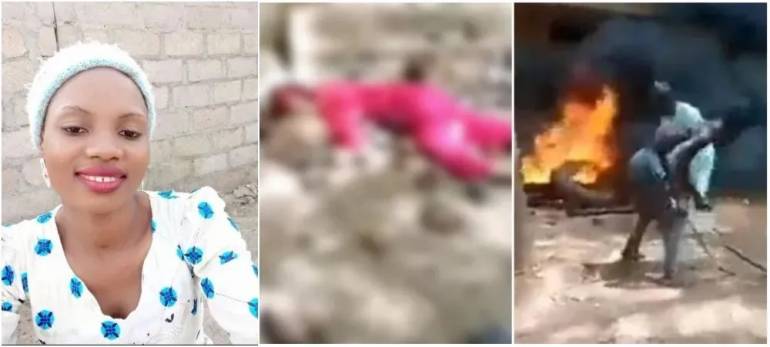
The issue of Deborah Samuel Yakubu is one of the most tragic and controversial religious-related incidents in recent Nigerian history. It highlights deep tensions around religious intolerance, mob justice, and the misuse of social media in the country.
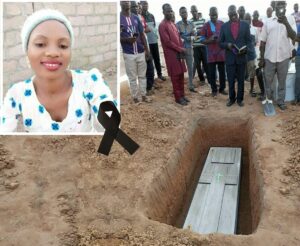
Deborah Samuel Yakubu was a 200-level Home Economics student at Shehu Shagari College of Education in Sokoto State, Nigeria. She was a Christian from Niger State. On May 12, 2022, Deborah was brutally killed by a mob of fellow students who accused her of blasphemy against the Prophet Muhammad.
The incident reportedly began on the class’s WhatsApp group where students used to share academic information. During one of the discussions, Deborah reportedly expressed frustration over religious messages being shared in the group chat, insisting that it was meant only for academic purposes. Some of her Muslim classmates considered her comment to be disrespectful and blasphemous toward Islam. The message quickly spread beyond the group, sparking anger among students.
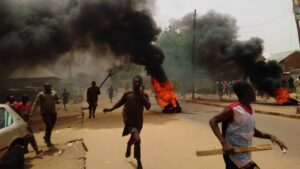
A violent mob formed within the school premises, dragged Deborah out of the security room where she was temporarily sheltered, stoned her to death, and set her body on fire. Videos of the killing circulated widely on social media, causing outrage both within and outside Nigeria. The gruesome footage showed some people proudly claiming responsibility for the act, saying it was justified under Islamic law.
The Sokoto State Police Command later confirmed the incident and announced that two suspects had been arrested in connection with the killing. However, many Nigerians and human rights organizations criticized the authorities for not doing enough to prosecute all those involved in the mob action. The federal and state governments condemned the killing, calling it a criminal act that could not be justified under any religion or law.
The Sultan of Sokoto, Muhammadu Sa’ad Abubakar III, and several Islamic scholars also condemned the act, stating that the Prophet Muhammad himself would not have supported such violence. Christian leaders, including the Christian Association of Nigeria (CAN), demanded justice and urged the government to ensure the protection of religious minorities in the country.
Deborah’s killing sparked nationwide protests, international condemnation, and renewed debates about blasphemy laws, religious intolerance, and freedom of speech in Nigeria. In Sokoto and other parts of Northern Nigeria, protests broke out after the arrest of the suspects, with demonstrators demanding their release. In contrast, across Southern Nigeria and in the international community, vigils and memorials were held to honor Deborah’s memory.
The Nigerian government faced strong criticism for failing to prevent such acts of mob violence, which have occurred several times in parts of the country. Many activists and human rights organizations, such as Amnesty International, urged the government to take decisive action to end the culture of impunity surrounding religious killings.
Deborah Samuel’s death remains a symbol of the urgent need for stronger laws against mob justice and greater protection for freedom of religion and expression in Nigeria. Her story is a painful reminder of the dangers of religious intolerance and the misuse of social media to incite violence.
In the years following her death, calls for justice continued, though there has been little public progress in prosecuting those responsible. Her family relocated for safety reasons after facing threats, and several groups have offered them support. Deborah’s legacy endures as a voice for justice, tolerance, and peaceful coexistence among Nigeria’s diverse religious communities.
FOLLOW US ON:






STOP BLEACHING AFRICA OUT OF YOUR SKIN.

FULL LIST: NAF Releases Names Of 25 Crew, Passengers Killed In 931 Aircraft Crash

AFRICA, WHY ARE WE SO DESPERATE TO LOOK LIKE SOMEONE ELSE?

‘Sleeping Prince’ of Saudi Arabia dies after 20 years in coma

2027: Atiku delays ADC membership card collection amid rumoured Jonathan comeback

How A Class Of 24 Students Produced 2 Presidents, 4 Governors, 2 Ministers, 4 Emirs, 3 Justices, 4 Ambassadors and Other Influential Leaders


-

 Videos24 hours ago
🚨 PARENTS, PLEASE PAY ATTENTION TO YOUR CHILDREN! | A SERIOUS WARNING FOR EVERY FAMILY
-
Politics23 hours ago
Peter Obi makes U-turn, vows to return subsidy if elected
-
Politics23 hours ago
Again, Lagos tops INEC register with 7.4m voters ahead of 2027 elections
-
Business23 hours ago
Consolidated Hallmark, CHI Life Assurance seek deeper broker partnerships
-
News24 hours ago
Military air crashes: 10 incidents in five years trigger calls for reforms
-
Business23 hours ago
Alakija, Okoli urge women to create value, make impact
-
Crime22 hours ago
EFCC witness narrates how Taraba officials lodged funds into his personal accounts, read full details
-
Business23 hours ago
World Bank raises Nigeria growth forecast