




Connect with us

Business

PHOTOS: History of Money in Nigeria

Published

on

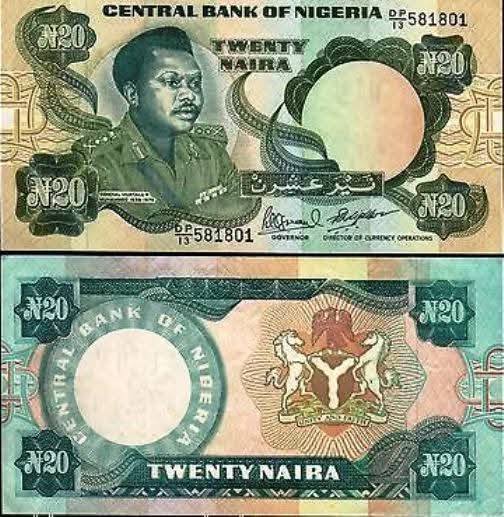
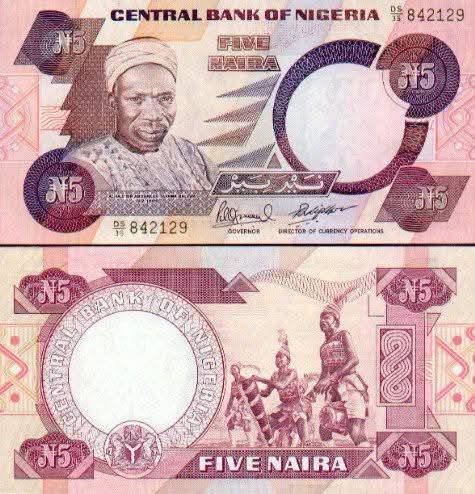
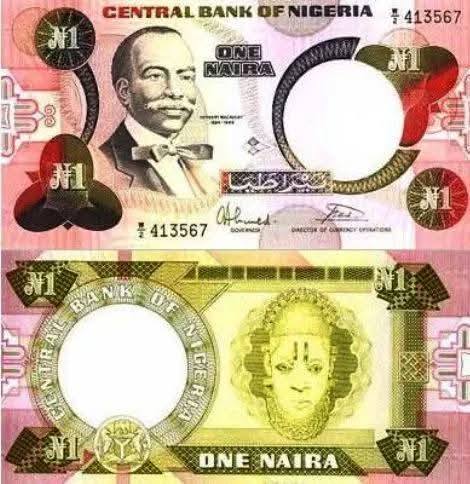
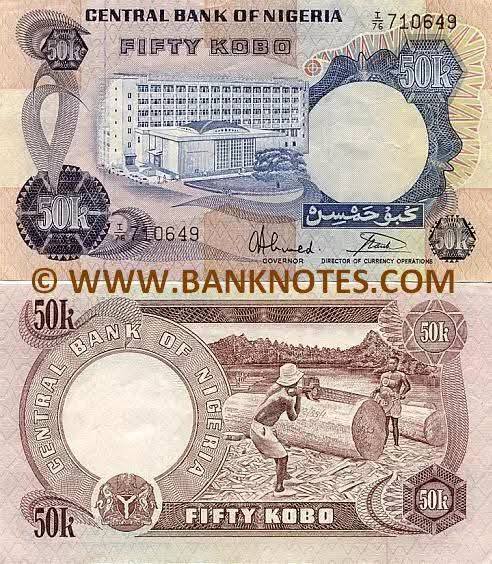
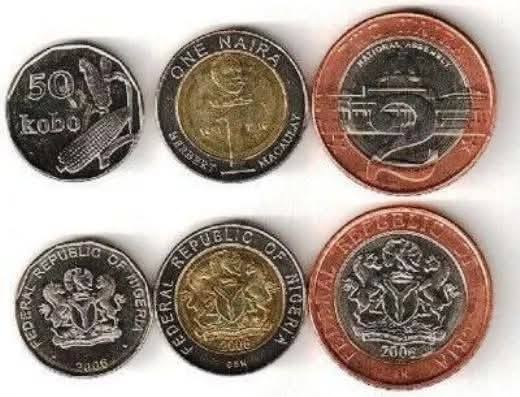
The Naira (₦) is Nigeria’s official currency today, but many people don’t realize that Nigerians didn’t start using the Naira until 13 years after gaining independence in 1960.

Before Colonial Currency:

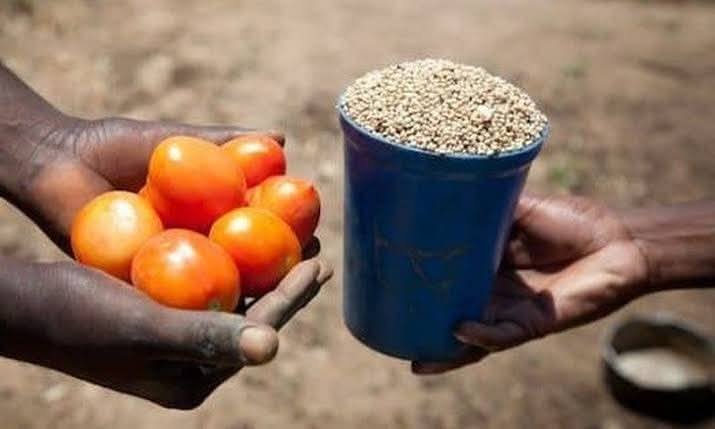
Long before the colonial era, Nigerians had their own systems of trade. The most common method was trade by barter, where people exchanged goods and services directly. If you wanted yams, for instance, you had to offer something of value in return such as ivory, salt, cotton, tobacco, beads, gin, or fish.

Over time, Nigerians adopted traditional forms of money that were easier to exchange. These included:
Cowries (shells), Beads, Brass rods and manillas (metal money used particularly in the coastal and riverine areas)

These items served as early currencies and are used in trade across different Nigerian kingdoms and empires.

British Colonial Era:

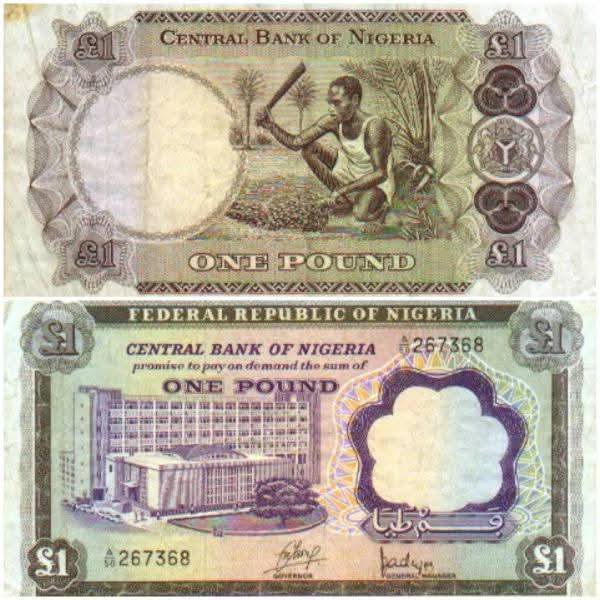
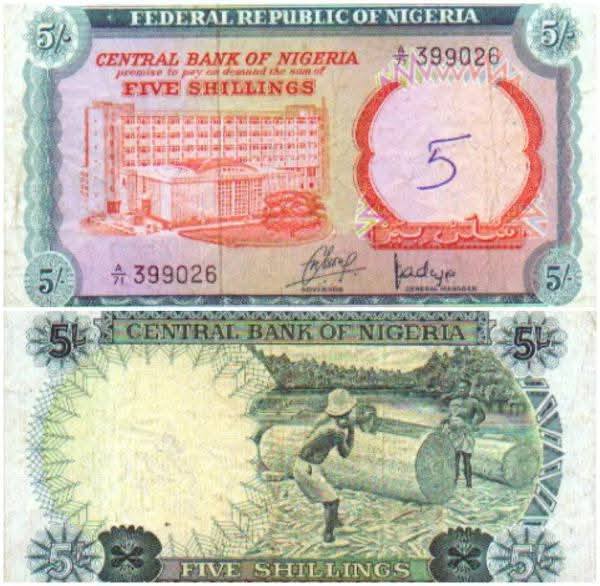
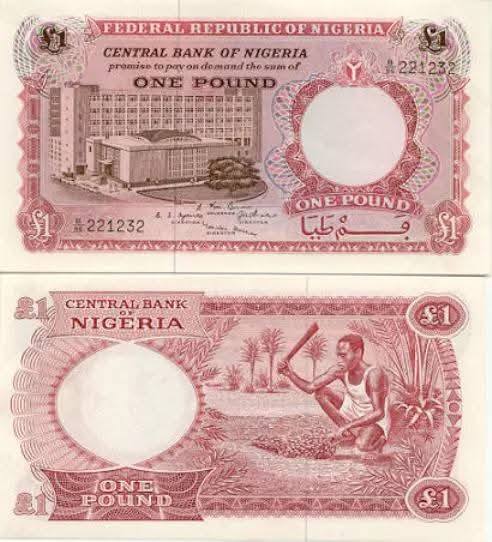
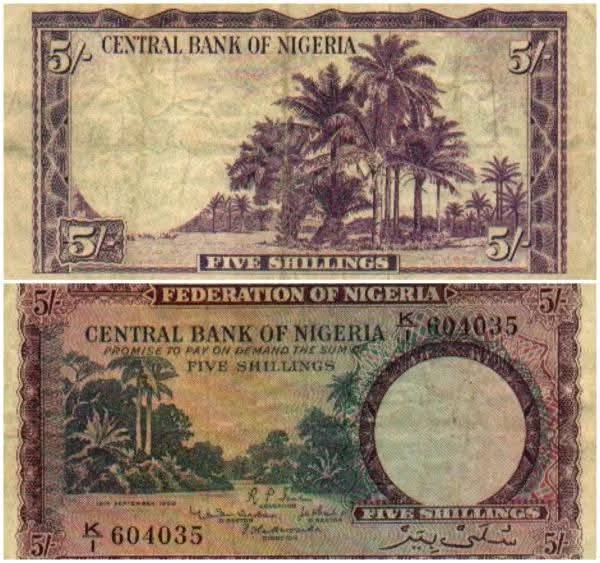
With the arrival of the British in the 19th century and the eventual colonization of Nigeria, traditional systems gradually gave way to Western monetary concepts. The British introduced the use of coins and paper money.

By the early 20th century, Nigeria had adopted the British West African Pound, using pounds (£), shillings (s), and pence (d), the same monetary system used in Britain.

Post-Independence: The Naira is Born:

Even though Nigeria became independent in 1960 and had already established the Central Bank of Nigeria (CBN) in 1958, the country continued to use the British-style Pound Sterling system until the early 1970s.

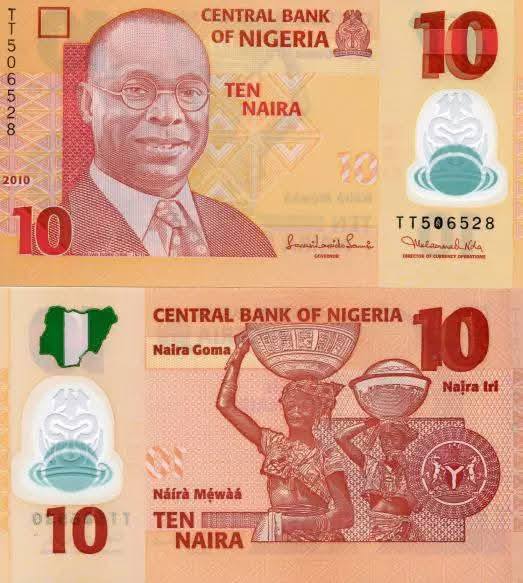
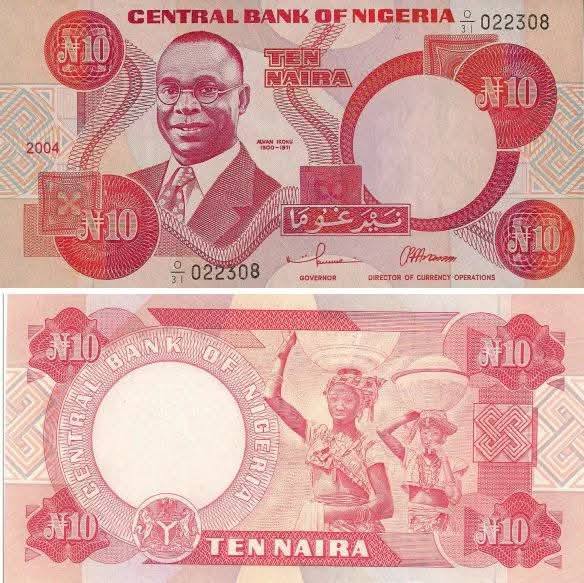
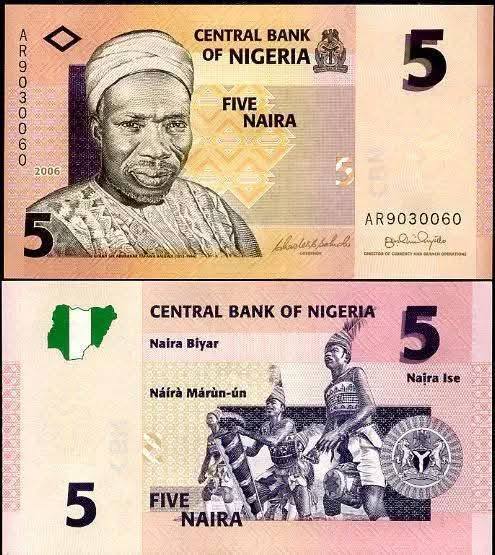
On April 1971, the Nigerian government announced plans to adopt a decimal currency system, and the change officially took place on January 1, 1973. This was a major shift in Nigeria’s economic identity.
The new currency was named the Naira (₦), a name coined by Chief Obafemi Awolowo, then Federal Commissioner for Finance. The currency was subdivided into 100 kobo.

See also  CBN reduces interest rate to 27%

The First Naira and Kobo:

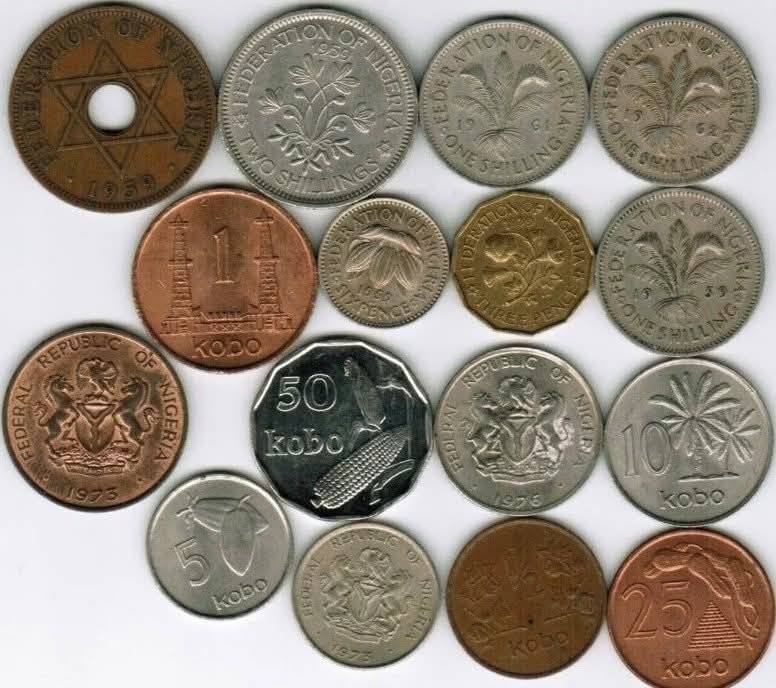
At the time of the currency changeover in 1973, the following denominations were introduced:
Coins:

½ kobo, 1 kobo, 5 kobo, 10 kobo, 25 kobo and 50 kobo

Banknotes:

₦1, ₦5, ₦10 and (₦20 was later introduced)
The Central Bank of Nigeria is responsible for issuing and regulating the Naira. The official currency code is NGN.

Expansion of Naira Denominations:

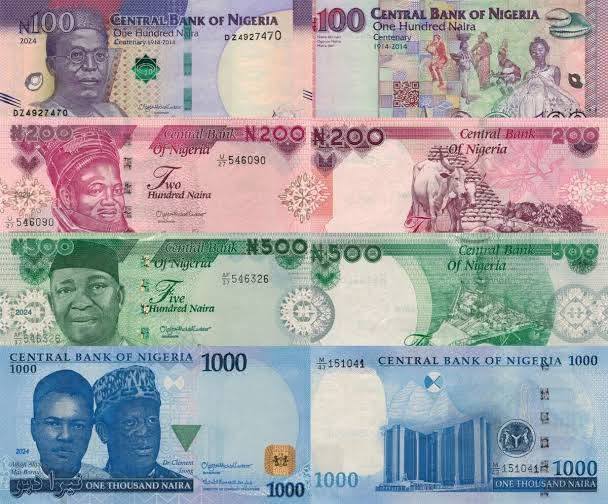
Over the years, higher denominations were introduced to keep pace with inflation and economic needs:

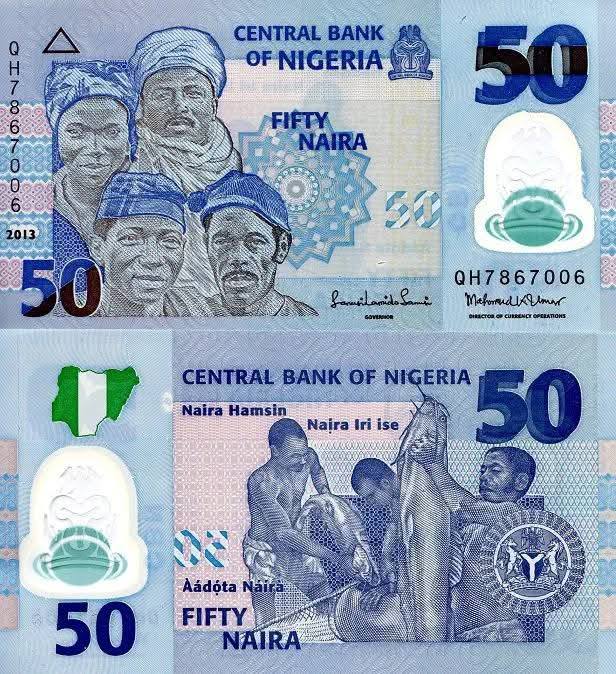
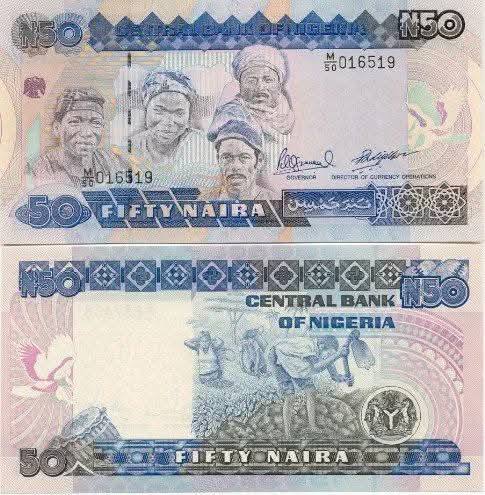
₦50 note was introduced in 1991
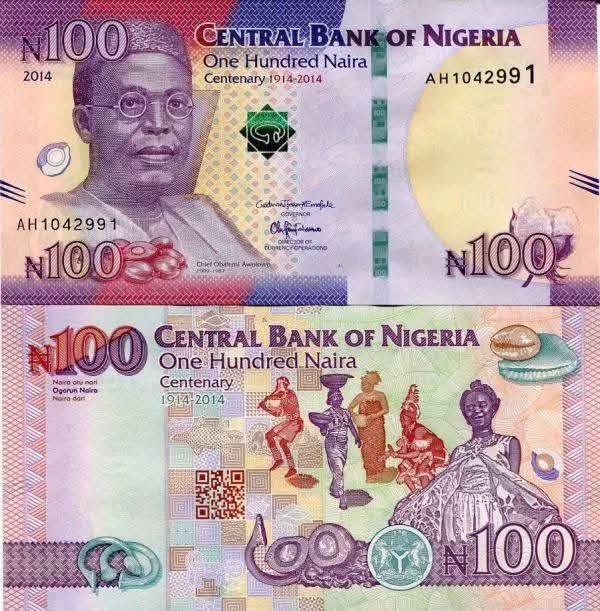
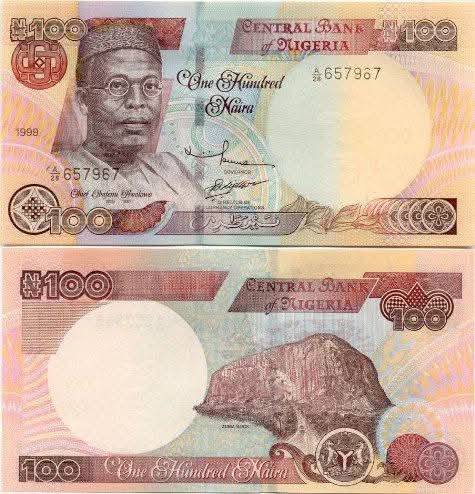
₦100 note was introduced in 1999
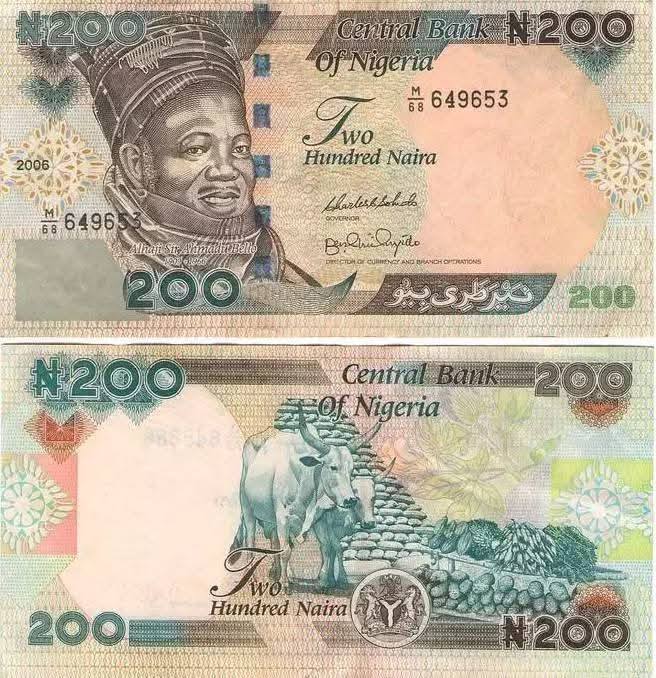
₦200 note was introduced in 2000
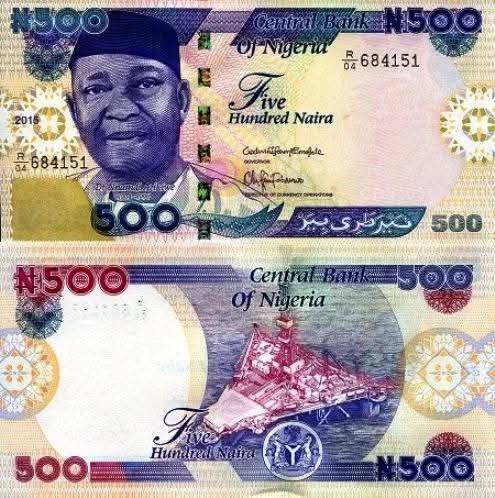
₦500 note was introduced in 2001 and lastly
₦1000 note was introduced in 2005

FOLLOW US ON:

FACEBOOK

TWITTER

PINTEREST

TIKTOK

YOUTUBE

LINKEDIN

TUMBLR

INSTAGRAM

Continue Reading
Click to comment

Leave a Reply

Your email address will not be published. Required fields are marked *

Business

Nigerian states’ revenues rise 93%, but education spending drops — World Bank

Published

on

The World Bank says Nigeria’s 36 states recorded a 93 per cent increase in revenues between 2023 and 2025 but education received a declining share of the sector’s expenditure.

The bank disclosed this in its latest Nigeria Development Update, which examined how increased public revenues have influenced spending priorities across the federation.

The report was made available to the News Agency of Nigeria by the World Bank in Washington D.C.

According to the report, states’ aggregate revenues rose by approximately 93 per cent in real terms, while expenditure increased by 92 per cent during the period.

The report attributed the improvement partly to exchange-rate reforms, petrol subsidy removal, stronger revenue administration and increased allocations from the federation account.

It said states also benefited from refunds, settlement of longstanding federal obligations, intervention funds, and stronger Value Added Tax collections.

However, education’s share of total state expenditure declined from 14.9 per cent in 2021 to 12.1 per cent in 2025, according to the report.

Health expenditure remained broadly stable at approximately seven per cent, while social protection’s share increased from 1.4 per cent to 4.4 per cent.

The bank said capital expenditure increased significantly, accounting for 61 per cent of state spending, compared with 46 per cent previously.

Transport infrastructure recorded the largest increase, alongside substantial spending on housing, agriculture and other economic investments.

The report quoted Mathew Verghis, the World Bank Country Director for Nigeria, as saying that increased revenues provided the opportunity to improve infrastructure, education, healthcare, and water services.

See also  PENGASSAN stops gas, crude supply to Dangote refinery

He said greater spending efficiency, accountability and improved service delivery were essential to ensuring that additional public resources benefited Nigerians.

The bank acknowledged improvements in states’ fiscal reporting, transparency and internally generated revenue.

It, however, stressed that stronger investment in human capital was necessary to translate economic reforms into sustainable employment and improved living standards.

The report also projected average economic growth of 4.4 per cent between 2026 and 2028, subject to sustained reforms and improved service delivery.

It urged federal and state authorities to ensure that increased public revenues translated into tangible improvements in Nigerians’ welfare.

NAN

Source: punchng.com

FOLLOW US ON:

FACEBOOK

TWITTER

PINTEREST

TIKTOK

YOUTUBE

LINKEDIN

INSTAGRAM

Continue Reading

Business

Nigeria promotes investment without building production capacity – UNILAG don

Published

on

A professor of Comparative Political Economy at the University of Lagos, Adelaja Odukoya, has asserted that Nigeria’s economic policies promote investment without sufficiently strengthening domestic production.

Odukoya argued that the contradiction had weakened the country’s productive foundations, with policies encouraging investment and entrepreneurship while failing to create the technological capacity, productive employment and processing industries needed to drive sustainable development.

Odukoya spoke at the maiden edition of the Adeleke University Toyin Falola Annual Lecture, held on Thursday at the Performing Arts Theatre, Adeleke University, Ede.

The lecture had as its theme, “History, Power and Accumulation: Reimagining Africa in the Globally Disorderly Order.”

Odukoya identified several contradictions in the way the Nigerian state manages economic activity.

He said, “The state promotes investment without creating conditions for technological transfer. It encourages entrepreneurship without generating sufficient productive employment.

“It expands primary-product exports while leaving processing capacity undeveloped. It constructs infrastructure without establishing strong linkages with domestic production.”

According to him, the contradictions explain why increased economic activity and accumulation do not necessarily translate into development.

“Accumulation is not synonymous with development,” Odukoya stated.

He argued that genuine development should be measured by the expansion of productive, technological, institutional and human capabilities.

“A country could attract investment, export minerals and agricultural commodities and record economic activity while still failing to build the domestic industries and technological capabilities required for long-term development,” he said.

His argument was echoed by Prof Toyin Falola, who said Africa’s vast natural resources would continue to reinforce dependency unless governments developed the industrial, technological and institutional capacity to transform them into productive power.

See also  We’re Ready For Nigeria-Ghana Flight — United Nigeria Airlines

Falola said Africa’s resource problem was not simply one of historical exploitation, but also the continent’s failure to convert its resource endowments into power.

“The issue, however, is not just to repeat the history of exploitation. It is more important to know how Africa turns its great resources into power,” Falola said.

He argued that Africa could not afford to remain a spectator as global economic and geopolitical arrangements continued to change, stressing that resource ownership without the capacity to add value would not guarantee influence.

Falola said the continent required a combination of knowledge, government policy and industrial capacity to change its economic position.

“There must be universities that generate new knowledge; there must be governments that translate this knowledge into policies; there must be industries that add value to the continent’s natural resources,” he said.

He added that Africa needed more than improved infrastructure and stronger economies if it wanted to exercise greater influence in the global system.

“The future of the continent will require more than just better infrastructure, improved economies, and more effective political institutions,” Falola said.

Source: punchng.com

FOLLOW US ON:

FACEBOOK

TWITTER

PINTEREST

TIKTOK

YOUTUBE

LINKEDIN

INSTAGRAM

Continue Reading

Business

Import waivers, insecurity end two-year agric trade surplus

Published

on

Import waivers meant to ease hunger and insecurity on farms have led to a deficit, ending a two-year run of surpluses, as Nigeria’s agricultural trade balance swung from a N740.27bn surplus in the first half of 2025 to a N56.13bn deficit in H1 2026, according to agriculture and trade experts.

Recent foreign trade data from the National Bureau of Statistics showed that agricultural exports fell by 33.28 per cent, or N985.14bn, to N1.98tn in H1 2026 from N2.96tn in H1 2025.

Agricultural imports fell by only 8.50 per cent, or N188.74bn, to N2.03tn from N2.22tn over the same period. The gap between the two movements produced a N796.40bn swing in the trade balance.

Nigeria recorded a N365.74bn deficit in H1 2023, when imports of N926.25bn far exceeded exports of N560.51bn. The balance then turned to a N194.92bn surplus in H1 2024 before it widened to N740.27bn in H1 2025.

In separate phone interviews with The PUNCH, Agribusiness experts, including the Chairman of the Lagos Chamber of Commerce and Industry’s Agricultural and Allied Group, Tunde Banjoko, explained that recent government policy led to the shift.

Banjoko said, “Some waivers were given for products like palm oil and rice, and the import tariffs were drastically reduced. It became more favourable for people to import than to patronise local producers.”

He said the waivers on food commodities hurt domestic producers, even though lower tariffs on tractors and manufacturing equipment helped them.

According to Banjoko, “The effect is that our imports will rise above our exports. Second, we will discourage local production. Thirdly, we will be reducing employment, because some factories will shut down if they are not able to compete.”

See also  Manufacturers invest N6.8tn as weak customer demand bites

Banjoko also said weak funding for processors compounds the problem. He said foreign direct investment flows mainly into the capital market rather than into production and processing, so local processors cannot scale.

He urged the Federal Government to speed up the Special Agro-Industrial Processing Zones programme. “We should speed up such projects where we can produce enough for our country and start exporting, not look for shortcuts by reducing prices,” Banjoko added.

Meanwhile, the Chief Executive Officer of the Centre for the Promotion of Private Enterprise, Dr Muda Yusuf, identified two major factors behind the deficit. He said the first was the Federal Government’s decision to allow some food imports to tackle runaway inflation.

Yusuf said, “The first is the decision of the government to allow for some food imports as a result of the challenges of food inflation, which at a point was getting almost completely out of hand.”

He added that insecurity worsened the supply gap and cut export capacity, stating, “Insecurity led many farmers to leave their farms. Many of them have ended up in IDP camps, and quite a number have completely abandoned farming.”

He added that farmers cannot export without output. Yusuf said, “You can only export when you have the output.”

Yusuf also said high input costs and falling produce prices have discouraged farming. He said, “Most of these inputs are imported, so the exchange rate situation has seriously affected the cost of inputs, and the prices of produce have gone down.”

He urged the Federal Government to cut the cost of fertiliser, agrochemicals, machinery and improved seedlings. He also called for a minimum guaranteed price for agricultural produce.

See also  NNPC sets 36-year oil production record at 355,000bpd

Yusuf said, “The government can establish a threshold below which, if prices fall, it will give farmers some compensation. That is the way it is done in many other economies.”

Source: punchng.com

FOLLOW US ON:

FACEBOOK

TWITTER

PINTEREST

TIKTOK

YOUTUBE

LINKEDIN

INSTAGRAM

Continue Reading

Trending