Connect with us

Lifestyle

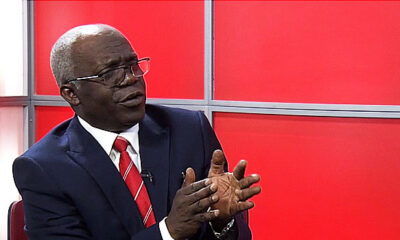
Ngozi Nwosu (born August 1, 1963)

Published

on

Early Life and Background

Ngozi Nwosu was born on August 1, 1963, in Lagos, Nigeria, though she is originally from Arochukwu in Abia State, in southeastern Nigeria. She grew up in a culturally vibrant environment and developed an early passion for the performing arts. This passion led her to pursue a career in acting at a time when Nollywood was still in its formative years.

She studied at the Nigeria Television Authority (NTA) training school, where she received professional training in drama, stage performance, and television production, setting the foundation for her long career.

Career in Acting

Ngozi Nwosu’s career spans over three decades and cuts across stage, television, and film.

Stage Career: She began acting on stage, working with theatre groups and performing in Yoruba and English productions. She is known to be fluent in both Yoruba and Igbo, which gave her versatility in Nollywood.

Film Career: She rose to prominence in the early Nollywood era, acting in popular Yoruba movies such as Living in Bondage (often considered the film that launched Nollywood in 1992) and other classics of the 1990s.

Television Stardom: Her breakout television role came in “Fuji House of Commotion,” a sitcom created by Amaka Igwe. In it, she played the lively, hilarious character Peaceful Peace, one of Chief Fuji’s wives. The sitcom, which ran in the late 1990s and early 2000s, made her a household name across Nigeria.

Later Works: She has featured in numerous Nollywood films and TV series, including Adesuwa, Stigma, Skinny Girl in Transit, Chief Daddy, The Wedding Party, and Lockdown. Her adaptability has kept her relevant across generations of Nigerian film.

See also  Sir Samuel Layinka Ayodeji Manuwa (1903–1976): Nigeria’s Pioneer of Modern Surgery and Medical Administration

Personal Life and Health Challenges

Ngozi Nwosu has faced both highs and lows in her personal journey:

In the early 2010s, she battled a severe kidney and heart-related illness that nearly cost her life. With the support of fans, colleagues, and government intervention, she traveled to the UK for treatment in 2013 and successfully recovered.

She has openly shared her struggles, using her story to inspire others to prioritize health and resilience.
Legacy and Impact

Pioneer: Ngozi is regarded as one of Nollywood’s pioneers, having been active since the industry’s earliest days.

Comedy Queen: Her role in Fuji House of Commotion remains iconic, influencing sitcoms and comic storytelling in Nigerian TV.

Role Model: She has inspired younger actors and actresses with her versatility, professionalism, and survival story.

Cultural Bridge: With fluency in Yoruba and Igbo, she has acted in productions across both cultures, symbolizing Nollywood’s diversity.
Recognition

Ngozi Nwosu has received multiple award nominations and honors, including recognition at the Africa Magic Viewers’ Choice Awards (AMVCA) and Best of Nollywood Awards. She is celebrated as a veteran actress and living legend in Nollywood.

FOLLOW US ON:

FACEBOOK

TWITTER

PINTEREST

TIKTOK

YOUTUBE

LINKEDIN

TUMBLR

INSTAGRAM

Continue Reading
Click to comment

Leave a Reply

Your email address will not be published. Required fields are marked *

Lifestyle

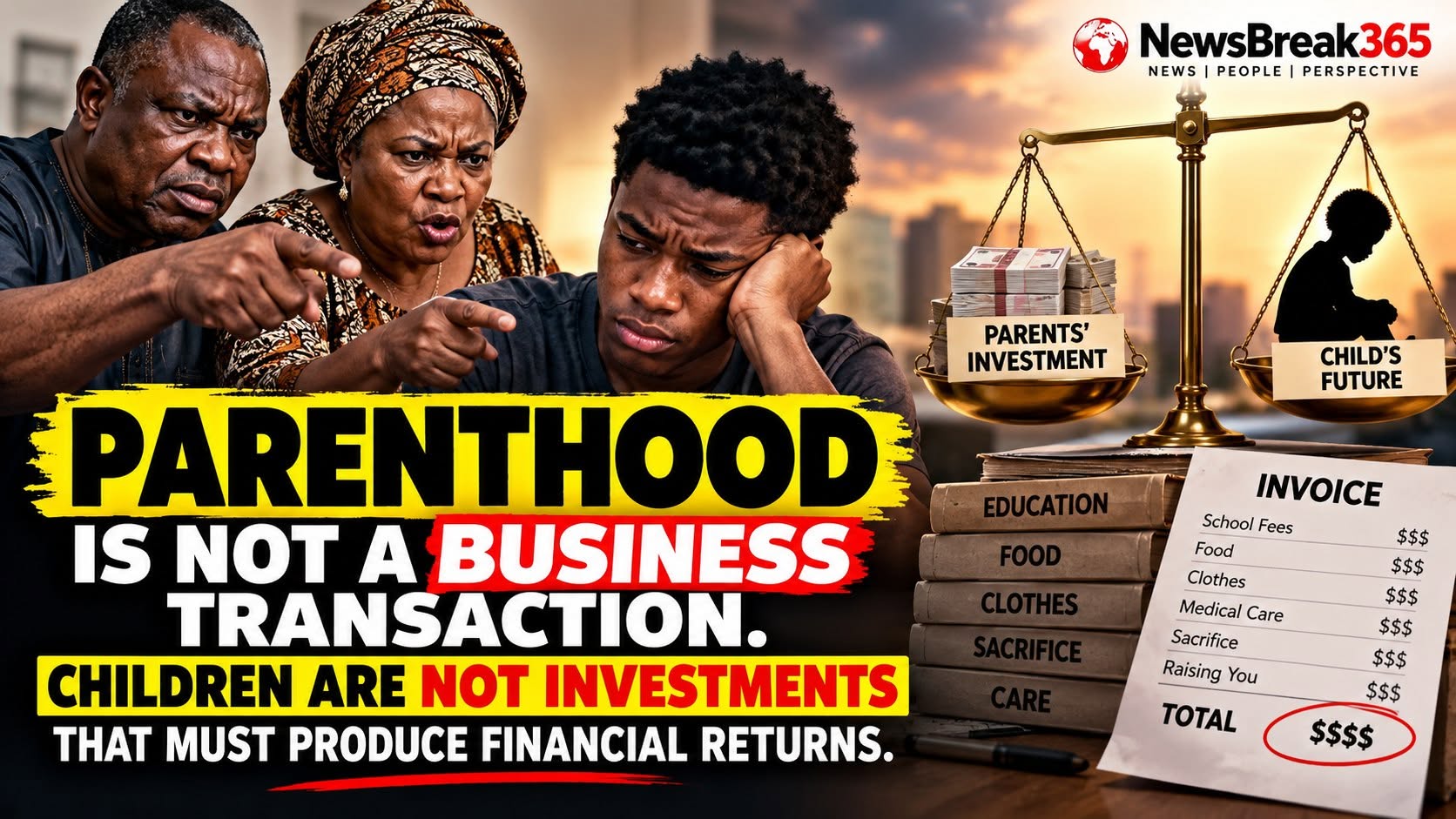
PARENTHOOD IS NOT A BUSINESS TRANSACTION. CHILDREN ARE NOT INVESTMENTS THAT MUST PRODUCE FINANCIAL RETURNS

Published

on

One of the biggest misconceptions in society is the belief that because parents gave birth to children, fed them, clothed them, educated them and sacrificed for them, those children automatically owe them a financial repayment for the rest of their lives.

**But who signed that agreement?**

Did the child ask to be born? Did the child negotiate the conditions of birth? Did the child sit down with the parents and promise to become their retirement plan?

No!

Parenthood is a responsibility voluntarily undertaken by adults. Children do not choose to enter this world. Therefore, raising them should not be treated as a financial investment with guaranteed returns.

Some parents raise children with love, only to turn around years later and demand repayment as if they had given out a bank loan.

Every sacrifice becomes a debt. Every school fee becomes an invoice. Every meal becomes evidence of an obligation. Every parental responsibility is eventually presented as a reason why the child must surrender their financial freedom.

**THIS IS NOT LOVE. THIS IS FINANCIAL ENTITLEMENT!**

Of course, children should appreciate their parents. They should show kindness, gratitude, compassion and support whenever they are able to do so.

But appreciation is not the same as lifelong financial slavery.

There is a difference between voluntarily supporting your parents and being emotionally blackmailed into funding their lifestyle.

Parents must also understand that their children have their own lives to build, their own families to support, their own dreams to pursue and their own financial responsibilities.

See also  Awujale: Fusengbuwa heads sue 12 over leadership dispute, demand N1bn

**GIVING BIRTH DOES NOT GIVE YOU OWNERSHIP OVER ANOTHER HUMAN BEING’S FUTURE!**

If your primary reason for having children is to secure your old age, provide lifelong financial support or guarantee wealth for yourself, perhaps you need to reconsider your understanding of parenthood.

Raise children to become independent, responsible and compassionate human beings, not financial assets waiting to mature.

Love your children without presenting them with an invoice for their existence.

**A CHILD IS A HUMAN BEING, NOT A RETIREMENT PLAN. PARENTHOOD IS A RESPONSIBILITY, NOT A BUSINESS INVESTMENT!**

**LET’S DEBATE:**

Should children be financially obligated to repay their parents for the cost of raising them, or should supporting parents be a voluntary act of love and appreciation?

Drop your opinion in the comments.

#Parenthood #Parenting #ChildrenAreNotInvestments #FinancialEntitlement #FamilyValues #ParentalResponsibility #SocialDebate #Newsbreak365

FOLLOW US ON:

FACEBOOK

WHATSAPP CHANNEL

TWITTER

PINTEREST

TIKTOK

YOUTUBE

LINKEDIN

INSTAGRAM

Continue Reading

Lifestyle

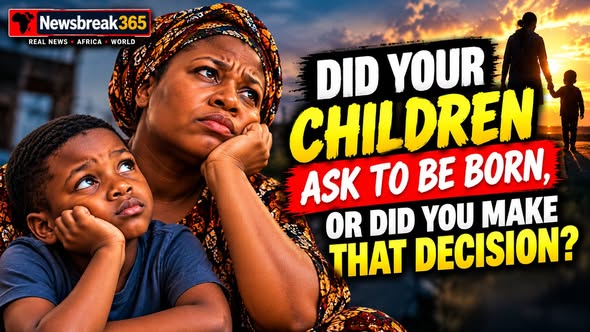
DID YOUR CHILDREN ASK TO BE BORN, OR DID YOU MAKE THAT DECISION? THE UNCOMFORTABLE TRUTH ABOUT PARENTHOOD

Published

on

Parenthood is a choice made by adults, but why are some children expected to spend their entire lives repaying their parents for a decision they never made?**

There is a difficult conversation many families, particularly in African societies, need to have.

**Did your children ask to be born, or did you make that decision for them?**

Before bringing a child into this world, nobody asks the unborn child whether they want to be born. Parents make that decision themselves. They decide to have children, accept the responsibilities that come with parenthood and take on the obligation of providing care, protection, education and guidance.

Yet, as those children grow older, some parents begin presenting their sacrifices as unpaid debts.

Suddenly, raising children becomes an investment that must produce financial returns.

A child gets a job, and the expectations begin. A child earns a good salary, and the demands increase. A child gets married, and suddenly there are new financial obligations.

Some parents expect their children to buy houses, purchase cars, provide monthly allowances and finance their lifestyles simply because they gave birth to them.

But when does parental responsibility become financial entitlement?

### WHEN PARENTAL SACRIFICE BECOMES EMOTIONAL BLACKMAIL

How many children have been made to feel guilty because they cannot meet their parents’ financial expectations?

How many have heard statements such as:

– “After everything I suffered to raise you!”
– “I sacrificed my entire life for you!”
– “You must take care of me because I took care of you.”
– “You are enjoying your life today because of my sacrifices.”

See also  Protest in Sokoto over court order remanding Islamic cleric

Of course, parents make sacrifices. Raising children requires time, money, patience and enormous commitment.

But those sacrifices should not become weapons for emotional manipulation.

A child should not have to live with the constant fear of being labelled ungrateful simply because they cannot afford to meet every financial demand.

### CHILDREN ARE NOT RETIREMENT PLANS

One of the biggest problems with this mentality is the belief that children are investments whose purpose is to secure their parents’ financial future.

Some people have children with the expectation that those children will eventually become wealthy, build houses for them, provide financial security and rescue them from poverty.

But what happens when a child does not become wealthy?

What happens when that child struggles financially, loses a job, faces personal challenges or simply cannot afford to provide the lifestyle their parents expect?

Does that make the child a failure?

Children are human beings with their own dreams, responsibilities, struggles and financial limitations. They are not investment portfolios, retirement accounts or lifelong debtors.

### GRATITUDE SHOULD COME FROM LOVE, NOT FEAR

This conversation is not an argument against respecting parents or supporting elderly family members.

Parents deserve appreciation, kindness, dignity and support. Children should recognise genuine sacrifices and help their parents whenever they are able to do so.

However, there is a difference between supporting your parents out of love and being forced to finance their expectations through guilt, intimidation and emotional pressure.

True gratitude cannot be manufactured through threats.

A healthy parent-child relationship should be built on mutual respect, love, understanding and compassion.

See also  Awujale: Fusengbuwa heads sue 12 over leadership dispute, demand N1bn

### THE QUESTION EVERY PARENT SHOULD CONSIDER

If your child never becomes rich, never buys you a mansion, never purchases an expensive car and never gives you large amounts of money, would you still consider that child a blessing?

Can you love your children without measuring their worth by how much money they give you?

And can you raise children without treating their future success as repayment for your decision to bring them into this world?

These are uncomfortable questions, but they deserve honest answers.

**THE BOTTOM LINE**

You made the decision to become a parent. Your children did not negotiate a financial contract with you before being born.

Raise them with love. Give them guidance. Prepare them for life. Teach them responsibility and independence.

When they become adults, allow them to build their own lives without turning your sacrifices into lifelong financial invoices.

**PARENTHOOD IS A RESPONSIBILITY, NOT A BUSINESS TRANSACTION. CHILDREN ARE BLESSINGS, NOT INVESTMENTS THAT MUST PRODUCE FINANCIAL RETURNS.**

—

### WHAT DO YOU THINK?

Should adult children be financially responsible for repaying their parents for raising them, or should supporting parents be a voluntary expression of love and gratitude?

Is it wrong for parents to expect financial returns from their children because they sacrificed to raise them?

**Let’s have an honest conversation.**

*Newsbreak365 — Real News. Africa. World.*

#Parenthood #AfricanParents #FamilyValues #ParentingDebate #ChildrensRights #FamilyResponsibility #Newsbreak365

FOLLOW US ON:

FACEBOOK

WHATSAPP CHANNEL

TWITTER

PINTEREST

TIKTOK

YOUTUBE

LINKEDIN

INSTAGRAM

Continue Reading

Lifestyle

PARENTS, STOP CONFUSING YOUR RESPONSIBILITY WITH YOUR CHILDREN’S DEBT

Published

on

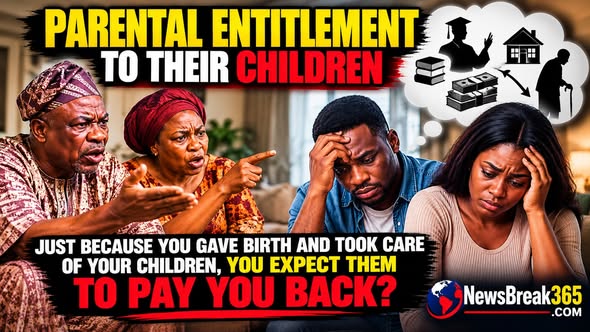
Some parents don’t just want appreciation from their children; they want repayment for bringing them into this world!

They gave birth to them, fed them, sent them to school, provided shelter and sacrificed to give them a better future. All these are part of parental responsibilities.

But somewhere along the line, some parents begin to treat their children as personal investments.

Suddenly, every sacrifice becomes a debt.

Every school fee becomes an invoice.

Every meal becomes a reminder.

Every act of parental care becomes a weapon of emotional manipulation.

They make their children feel guilty for pursuing their dreams, building their own families, enjoying their hard-earned money or making decisions that do not favour their parents.

**BUT LET’S ASK A VERY IMPORTANT QUESTION: DID YOU GIVE BIRTH TO YOUR CHILDREN TO RAISE THEM, OR DID YOU RAISE THEM TO BECOME YOUR PERSONAL RETIREMENT PLAN?**

Let’s be clear: children should appreciate their parents. Supporting ageing parents, showing kindness and giving back when financially capable are beautiful expressions of love.

However, gratitude should come from genuine love, not fear, intimidation, manipulation or endless guilt.

Parents must understand that their children are human beings with their own dreams, responsibilities, families and financial struggles.

You cannot demand that your children destroy their own future just to prove that they appreciate your sacrifices.

**PARENTHOOD IS NOT A BUSINESS TRANSACTION. CHILDREN ARE NOT INVESTMENTS THAT MUST PRODUCE FINANCIAL RETURNS.**

Raise children with love, discipline and wisdom. Allow them to grow into independent adults, not lifelong debtors.

See also  Shamelessness as virtue - Kunle Somorin

**LET’S HEAR YOUR OPINION:**

1. Do children owe their parents financial repayment simply because they were raised?
2. Should parents expect their children to sacrifice their own happiness to satisfy them?
3. Where should gratitude end and parental entitlement begin?

**BE HONEST. THIS CONVERSATION NEEDS TO HAPPEN!**

#Parenting #ParentalEntitlement #FamilyValues #AfricanFamilies #ParentChildRelationship #LifeLessons #SocialDebate #NewsBreak365

FOLLOW US ON:

FACEBOOK

WHATSAPP CHANNEL

TWITTER

PINTEREST

TIKTOK

YOUTUBE

LINKEDIN

INSTAGRAM

Continue Reading

Trending