
Lifestyle
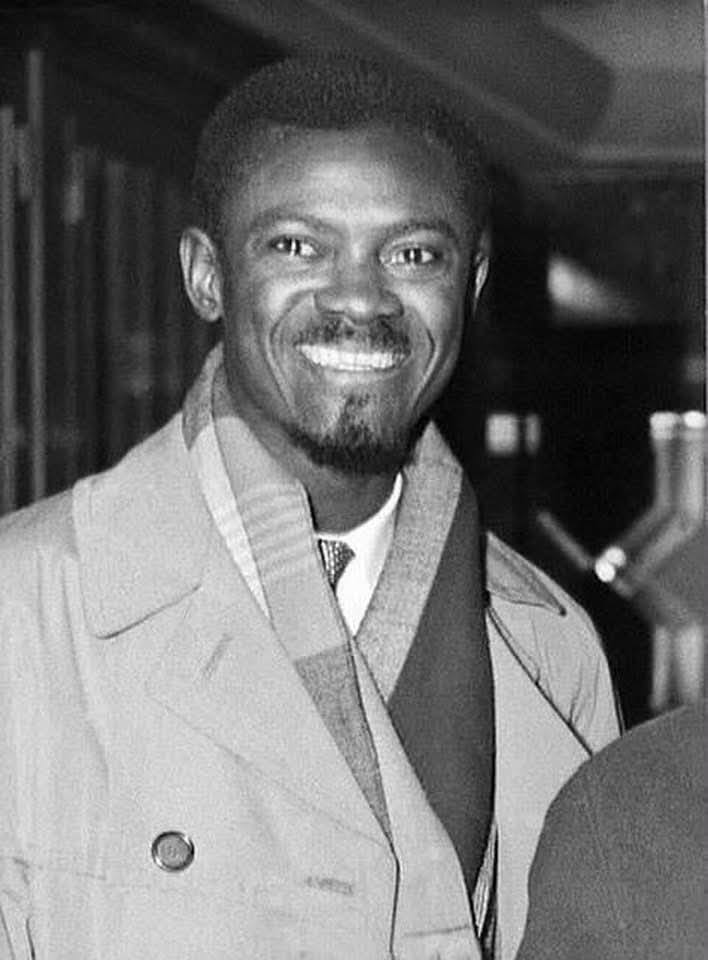
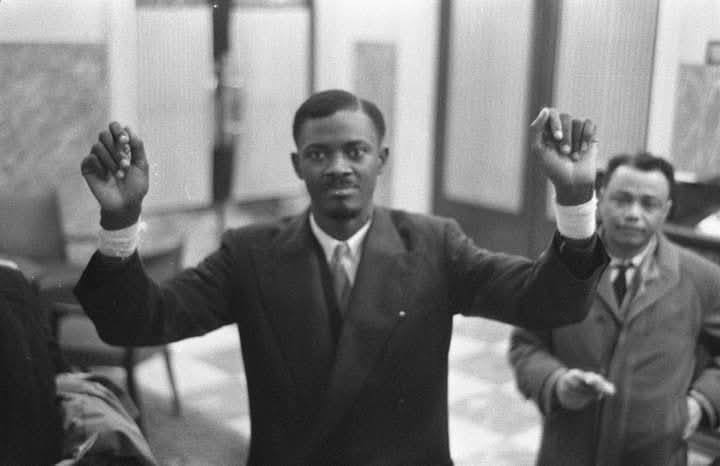
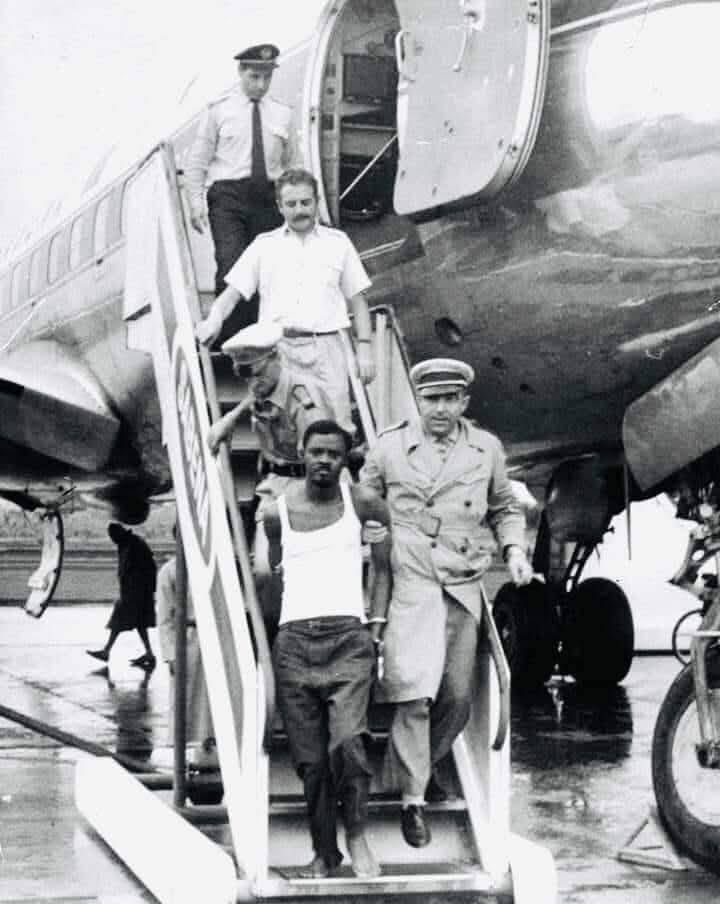
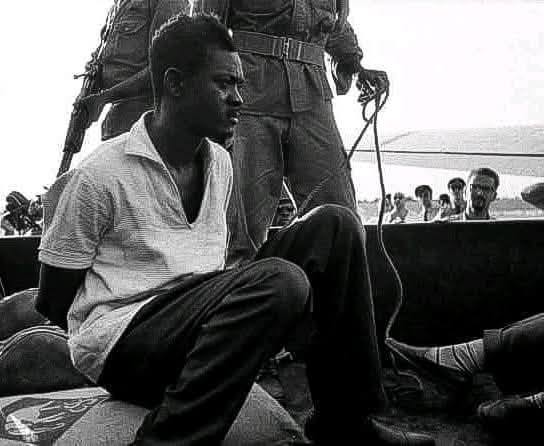
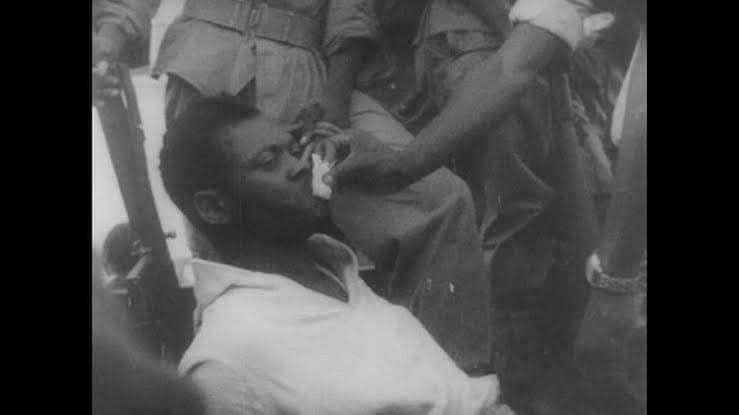
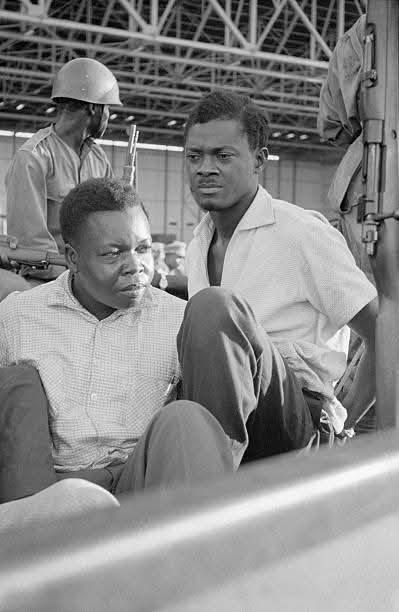
PHOTOS: Haunting photographs of Patrice Lumumba, Congo’s first Prime Minister, alongside his closest allies, Maurice Mpolo and Joseph Okito

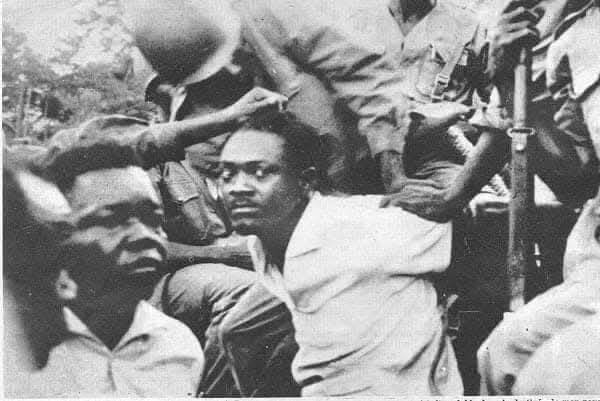
Haunting photographs of Patrice Lumumba, Congo’s first Prime Minister, alongside his closest allies, Maurice Mpolo and Joseph Okito, under guard as they await their fate, January 1961
It was not merely the image of three men under arrest, but of a young nation’s dream being strangled before it could take root.
Patrice Émery Lumumba was born on 2 July 1925 in Onalua, Kasai Province, in the Belgian Congo. By the late 1950s, as the winds of independence swept across Africa, he emerged as one of the sharpest voices against colonial domination. In 1958, he co-founded the Mouvement National Congolais (MNC), the first truly national party calling for unity in a country divided by ethnicity, class, and Belgian influence.
When Congo held its first elections in May 1960, Lumumba’s party triumphed, and on 24 June 1960, at just 34 years old, he was sworn in as the country’s first Prime Minister. At the independence ceremony on 30 June, before King Baudouin of Belgium and international dignitaries, Lumumba refuses to follow the expected script of polite gratitude. Instead, he delivered a speech that resonated with Africans everywhere and unsettled the colonial establishment. He spoke openly about the hardships of Belgian rule and reminded his people that independence had been won “through struggle and sacrifice, not a gracious gift.” That moment marked him as a symbol of African pride, and a target for those who opposed his vision.
Barely weeks after independence, Congo plunged into crisis. The army mutinied, their colonial officers supported the secession of the mineral-rich province of Katanga under Moïse Tshombe, and chaos spread. Lumumba turned to the United Nations, appealing for help to preserve Congolese sovereignty. But the UN limited its role to peacekeeping without challenging their colonizers involvement directly.
This left Lumumba increasingly isolated as his opponents consolidated power.
Seeking assistance elsewhere, Lumumba approached the Soviet Union. In the Cold War climate, this move raised concern in Western capitals. Western officials described Lumumba as a serious risk to Western interests, and their colonizers also worked with Katangan leaders to weaken him.
Internal betrayal cut deepest. Joseph Kasavubu, the ceremonial President meant to share power with Lumumba, announced Lumumba’s dismissal on 5 September 1960. Lumumba refused to step down, insisting on his legitimacy as the elected head of government. But days later, on 14 September, Colonel Joseph-Désiré Mobutu, an officer Lumumba himself had elevated seized power in a coup. Mobutu presented himself as neutral, but he was aligned with external backers. Lumumba was placed under house arrest by the very men he had trusted.
Still defiant, Lumumba attempted to escape in early December 1960 to Stanleyville (Kisangani), where his supporters had declared the Free Republic of the Congo. Betrayed en route, he was captured on 1 December by Mobutu’s soldiers. His humiliation began immediately: soldiers mocked him, paraded him through villages, and, according to some accounts, even forced him to swallow the written text of one of his own speeches.
On 17 January 1961, Lumumba and his closest allies; Maurice Mpolo and Joseph Okito were flown under guard to Katanga, then controlled by his rivals. During the flight, they were beaten by Congolese soldiers. In Élisabethville (today Lubumbashi), they were taken to a villa where Moïse Tshombe, Katangan officials, and colonial authorities awaited. That night, they were executed by firing squad.
In the days that followed, efforts were made to conceal what had happened. The authorities initially claimed that Lumumba had escaped custody and been killed by villagers. Few believed this, and when the truth emerged, it triggered outrage across the globe.
Protests and demonstrations broke out in many countries. In Belgrade, Yugoslavia (now Serbia), crowds gathered outside the Belgian embassy chanting slogans in Lumumba’s honor.
In Nigeria, demonstrations erupted in Lagos, Enugu, and Onitsha. In Lagos, protesters converged at Rowe Park in Yaba, and anger spilled over into attacks on foreign-owned businesses before being dispersed by police. Across Africa and beyond, Patrice Lumumba had become more than a man, he was a symbol of independence and dignity.
Even in his final hours, Lumumba remained unbowed. In his last letter to his wife Pauline, he declared that though he might not survive, the Congo’s dignity and freedom would endure. He wrote that history would not be written in Brussels, Washington, or Paris, but in Africa itself, by peoples who had thrown off colonial chains. “Africa,” he promised, “will write its own history, a history of glory and dignity.”
Patrice Lumumba was only 35 when his life was cut short. His death was the result of a web of betrayals: by Kasavubu, who dismissed him; by Mobutu, whom he had promoted but who seized power; by the United Nations, which failed to intervene; and by foreign powers who opposed his leadership. Yet in death, he rose higher than his enemies. His name adorned streets and monuments from Lagos to Belgrade, Accra to Cairo, and beyond.
For decades, his family pleaded for the return of his remains. In 2002, Belgium formally acknowledged its role in his killing, but no amount of recognition could erase the injustice. In 2022 they handed back one of his teeth, the last physical fragment of the man.
Patrice Lumumba’s life was brief, his time in office shorter still, but his vision for an Africa united in dignity and independence endures. He remains not only Congo’s first prime minister, but one of the immortal martyrs of African freedom.
FOLLOW US ON:



FAKE IT TILL YOU MAKE IT — BUT AT WHAT COST?

“I MADE THIS PERSON WHO THEY ARE TODAY!” — REALLY?

SOME PEOPLE WILL DO ANYTHING — EVEN EVIL — JUST TO MAKE MONEY!

‘Sleeping Prince’ of Saudi Arabia dies after 20 years in coma

2027: Atiku delays ADC membership card collection amid rumoured Jonathan comeback

How A Class Of 24 Students Produced 2 Presidents, 4 Governors, 2 Ministers, 4 Emirs, 3 Justices, 4 Ambassadors and Other Influential Leaders


-

 News19 hours ago
Air chief pleads for patience as investigation begins on Ondo crash
-
News19 hours ago
Dapo Abiodun reveals that Nigeria needs 554,353 personnel for state police, read details
-
News18 hours ago
INEC displays voter register, begins PVC distribution ahead of 2027 elections
-
Business19 hours ago
FG’s 30-day petrol discount sparks opposition backlash
-
Sports18 hours ago
Adeniyi lauds Nigeria’s Veterans World Wrestling Champs medal
-
News17 hours ago
Trump rules out new Iran attack before US midterm elections
-
News18 hours ago
Gates Foundation director reveals that AI tools will help detect pregnancy complications early, read how
-
Business18 hours ago
Report reveals Nigeria leaves N40tn manufacturing opportunities untapped















