Connect with us

Lifestyle

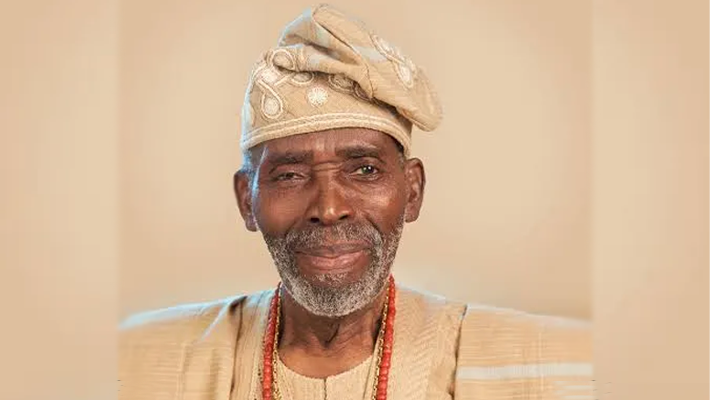
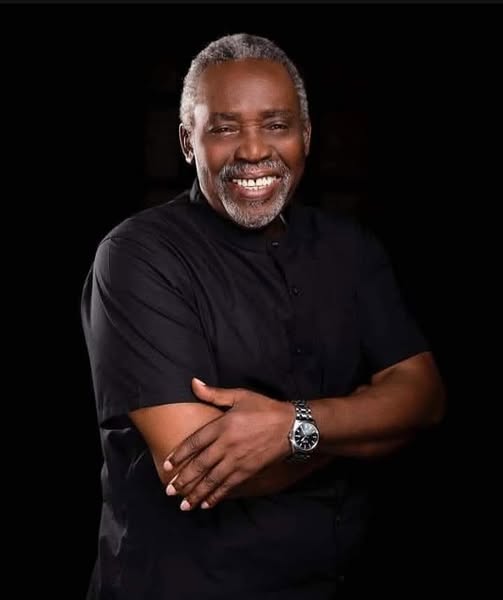
Olu Jacobs: The Godfather of Nollywood (PHOTOS)

Published

on

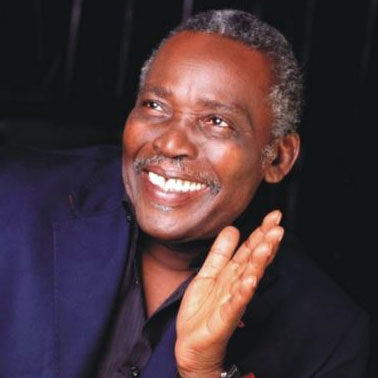
Oludotun Baiyewu Jacobs (born 11 July 1942)—popularly known as Olu Jacobs—is one of Nigeria’s most celebrated actors and film executives. Widely regarded as a godfather of Nollywood, his career spans more than five decades and has made him a cornerstone of African cinema and theatre.

Early Life and Training

Born in Abeokuta, Ogun State, Olu Jacobs developed a passion for drama while growing up in southwestern Nigeria. In pursuit of professional training, he travelled to the United Kingdom and studied at the prestigious Royal Academy of Dramatic Art (RADA) in London. This classical training equipped him with world-class stage and screen techniques that would later define his acting style.

Career in Theatre and British Television

Before returning to Nigeria, Jacobs enjoyed a thriving career in the United Kingdom. He performed in numerous British theatre productions and appeared on television series such as The Goodies and Till Death Us Do Part in the 1970s. He also featured in international films including the action-adventure Ashanti (1979) and the war drama The Dogs of War (1980), gaining valuable experience that broadened his craft and international appeal.

Nollywood Stardom

After decades abroad, Jacobs returned home and became one of the defining faces of Nollywood. Over the years he has appeared in more than 120 Nigerian films, where his deep, commanding voice and magnetic presence made him the preferred choice for roles as a patriarch, elder statesman, king, or political leader. Among his notable Nigerian works are Mirror of Beauty (2004) and Adesuwa (2012). His performances consistently blend gravitas with subtle emotional depth, shaping the standard for character acting in Nigeria’s film industry.

See also  Soyinka decries Seyi Tinubu’s ‘excessive’ security escort

Awards and Recognition

Jacobs’ achievements have earned him some of the industry’s highest honors. In 2007, he won the Africa Movie Academy Award (AMAA) for Best Actor in a Leading Role for his performance in Dancing Heart. In 2013, he received the Industry Merit Award at the Africa Magic Viewers’ Choice Awards (AMVCA), a lifetime honor recognizing his pioneering role and mentorship in Nollywood.

Legacy and Mentorship

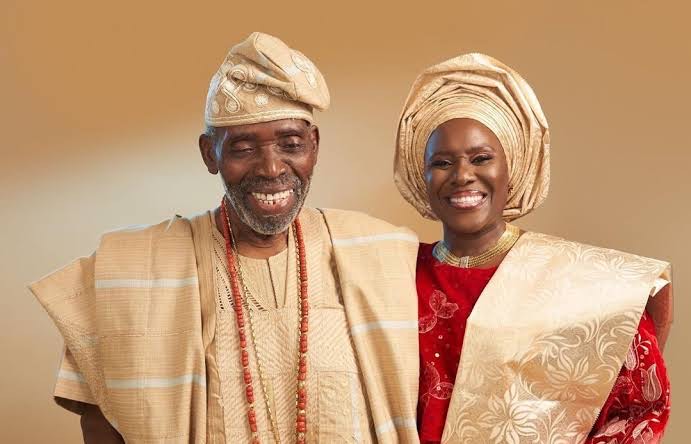
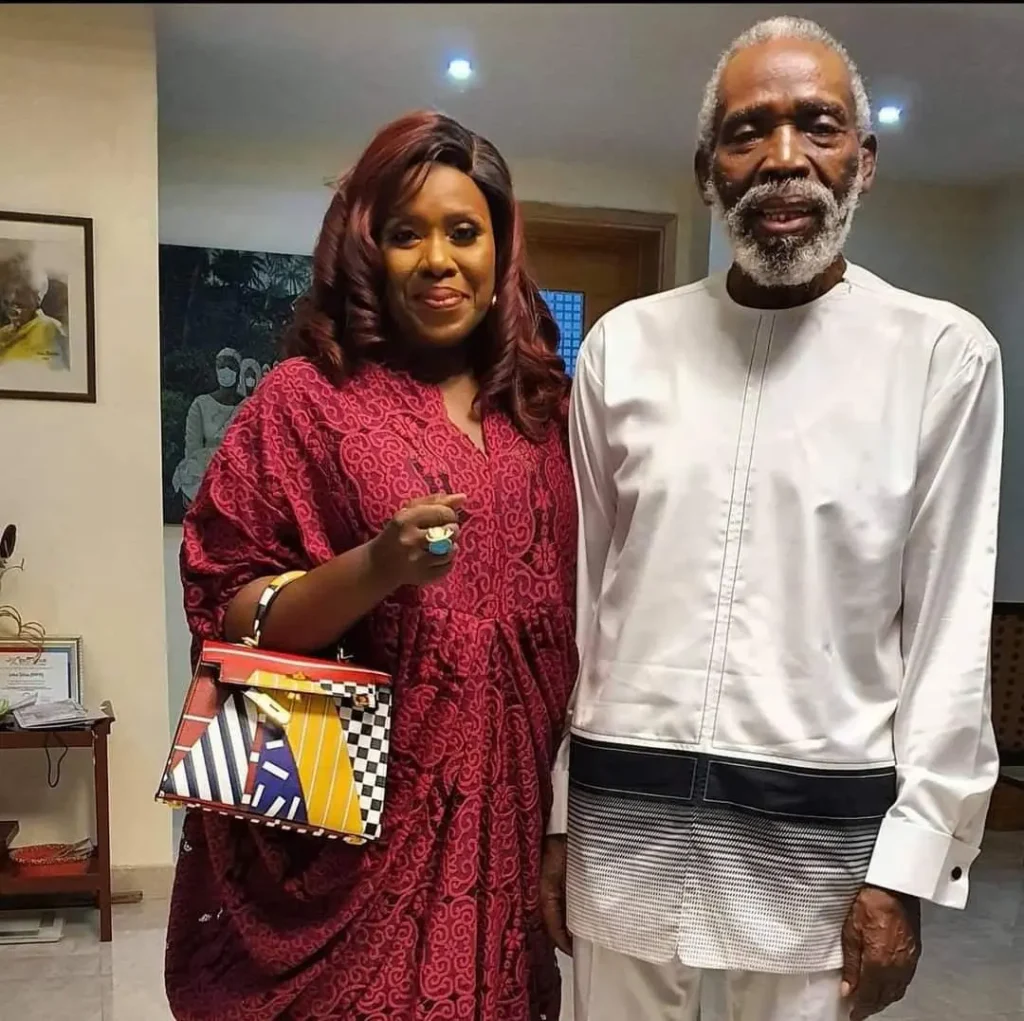
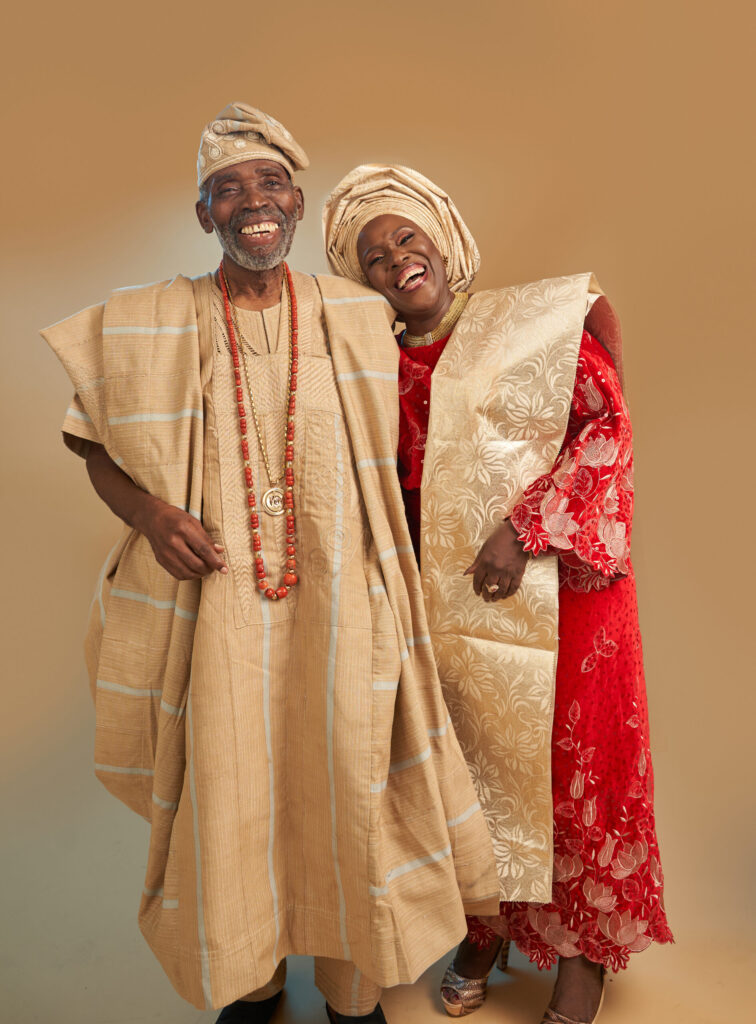
Beyond his on-screen work, Jacobs is celebrated as a mentor and symbol of professionalism. Together with his wife—veteran actress Joke Silva—he co-founded the Lufodo Academy of Performing Arts, which trains and inspires the next generation of African actors. His dedication to nurturing talent has helped institutionalize high standards of acting and production in Nigeria.

Olu Jacobs’ journey—from Abeokuta to London’s RADA and back to Nigeria—reflects a lifelong passion for the arts that has reshaped African cinema. Revered by peers and audiences alike, he remains a living legend whose presence continues to inspire respect, admiration, and excellence in storytelling.

Sources
Vanguard Nigeria, “Olu Jacobs: A Living Legend of Nollywood,” 2013.
FOLLOW US ON:

FACEBOOK

TWITTER

PINTEREST

TIKTOK

YOUTUBE

LINKEDIN

TUMBLR

INSTAGRAM

Continue Reading
Click to comment

Leave a Reply

Your email address will not be published. Required fields are marked *

Lifestyle

LACK OF TRUST IN MARRIAGE

Published

on

A marriage can survive difficult times, financial struggles, and disagreements—but when trust disappears, the relationship begins to lose its foundation.

When a husband no longer trusts his wife, or a wife no longer trusts her husband, even innocent actions can become suspicious. A simple phone call becomes a question. Coming home late becomes an accusation. A private conversation becomes a source of fear and jealousy.

Lack of trust creates emotional distance.

It produces constant suspicion, arguments, insecurity, resentment, and sometimes secretive behaviour. Instead of feeling safe with each other, couples begin to feel like enemies living under the same roof.

Trust is not built by controlling your spouse, checking their phone every minute, or constantly demanding explanations. Trust is built through honesty, faithfulness, transparency, consistency, and keeping your word.

If trust has been broken, don’t pretend everything is fine. Talk about it. Admit mistakes. Forgive where possible. Set healthy boundaries. And be willing to rebuild what has been damaged.

Remember: love may bring two people together, but trust helps keep them together.

💔 Don’t allow suspicion to destroy what communication and honesty can repair.

BUILD TRUST. BE FAITHFUL. BE HONEST. PROTECT YOUR MARRIAGE.

“Wherefore putting away lying, speak every man truth with his neighbour.”
— Ephesians 4:25 (KJV)

FOLLOW US ON:

FACEBOOK

TWITTER

PINTEREST

TIKTOK

YOUTUBE

LINKEDIN

INSTAGRAM

See also  PHOTOS: After Three Years Together, Nigerian Activist Edafe Okporo and Husband Nick Announce Divorce
Continue Reading

Lifestyle

LACK OF OPENNESS IN MARRIAGE

Published

on

A marriage can look beautiful on the outside and still be struggling on the inside when there is no openness between husband and wife.

When couples stop communicating honestly, keep secrets, hide their feelings, or are afraid to discuss important issues, emotional distance begins to grow. What starts as “I don’t want to cause a problem” can eventually become mistrust, resentment, loneliness, and constant misunderstanding.

Openness does not mean telling your spouse everything in a hurtful or careless way. It means creating a safe relationship where both partners can honestly talk about their feelings, concerns, mistakes, finances, expectations, struggles, and dreams without fear of unnecessary humiliation or condemnation.

A strong marriage requires:

• Honest communication — Talk about problems instead of allowing them to grow in silence.
• Trust and transparency — Avoid unnecessary secrecy that can damage confidence in the relationship.
• Active listening — Listen to understand, not simply to respond or attack.
• Emotional vulnerability — Let your spouse know when you are hurting, worried, disappointed, or afraid.
• Respect — Honesty should never become an excuse for insults, threats, or emotional abuse.
• Forgiveness — When mistakes are acknowledged, work together toward healing and restoration.

The Bible says:

“Where no counsel is, the people fall: but in the multitude of counsellors there is safety.” — Proverbs 11:14 (KJV)

And:

“Let every man be swift to hear, slow to speak, slow to wrath.” — James 1:19 (KJV)

Marriage should be a place where two people can feel safe enough to communicate, honest enough to admit their weaknesses, and humble enough to work through their differences.

See also  Toyin Abraham denies payment claims amid rift with protégé, Abike Shugaa

Don’t allow silence, secrets, and suspicion to build walls between you and your spouse. Talk. Listen. Understand. Forgive. Grow together.

❤️ Openness builds trust. Trust strengthens intimacy. And healthy communication helps build a stronger marriage.

FOLLOW US ON:

FACEBOOK

TWITTER

PINTEREST

TIKTOK

YOUTUBE

LINKEDIN

INSTAGRAM

Continue Reading

Lifestyle

THE EFFECT OF LAYING CURSES ON YOUR CHILDREN

Published

on

Be careful with the words you speak to your children.

A child should not grow up hearing, “You will never succeed,” “You are useless,” “Nothing good will come from you,” or “You will suffer in life.” Words spoken repeatedly by a parent can deeply affect a child’s emotions, confidence, and relationship with the family.

Even when spoken in anger, such words can become negative messages that a child may carry for many years.

SOME EFFECTS OF CONSTANTLY CURSING YOUR CHILDREN:

1. It can destroy their confidence.
Children need encouragement and guidance. Constant insults and negative declarations can make them believe they are not good enough.

2. It can create fear and insecurity.
A child who is constantly threatened or cursed may become afraid of making mistakes, expressing themselves, or trying new things.

3. It can damage the parent-child relationship.
Instead of seeing the parent as a source of love and protection, the child may grow resentful, distant, or bitter.

4. It can affect their emotional well-being.
Repeated humiliation, rejection, and negative words can contribute to sadness, anxiety, low self-worth, and emotional distress.

5. It can influence how they see themselves.
Children often believe what the people closest to them repeatedly tell them. Speak to the potential you want them to develop—not the failure you fear.

6. It can teach them to use hurtful words themselves.
Children learn from what they experience. If they grow up hearing curses and insults, they may eventually speak to others in the same way.

CORRECT YOUR CHILDREN, BUT DON’T DESTROY THEM.

See also  Soyinka decries Seyi Tinubu’s ‘excessive’ security escort

Discipline is necessary, but discipline should teach—not humiliate. Correct their mistakes, set boundaries, explain consequences, and show them how to do better.

The Bible says:

“Death and life are in the power of the tongue: and they that love it shall eat the fruit thereof.”
— Proverbs 18:21 (KJV)

And:

“And, ye fathers, provoke not your children to wrath: but bring them up in the nurture and admonition of the Lord.”
— Ephesians 6:4 (KJV)

Your child may make mistakes today, but that does not mean their future is ruined.

Don’t curse your children. Correct them with wisdom. Pray for them. Encourage them. Bless them. Speak words that build their character, strengthen their confidence, and remind them that they are loved.

YOUR WORDS CAN LEAVE A SCAR OR BUILD A FUTURE.
CHOOSE YOUR WORDS WISELY.

FOLLOW US ON:

FACEBOOK

TWITTER

PINTEREST

TIKTOK

YOUTUBE

LINKEDIN

INSTAGRAM

Continue Reading

Trending