Connect with us

Lifestyle

Vintage Enamelware Pots: A Glimpse into Nigeria’s Culinary and Cultural Heritage (PHOTOS)

Published

on

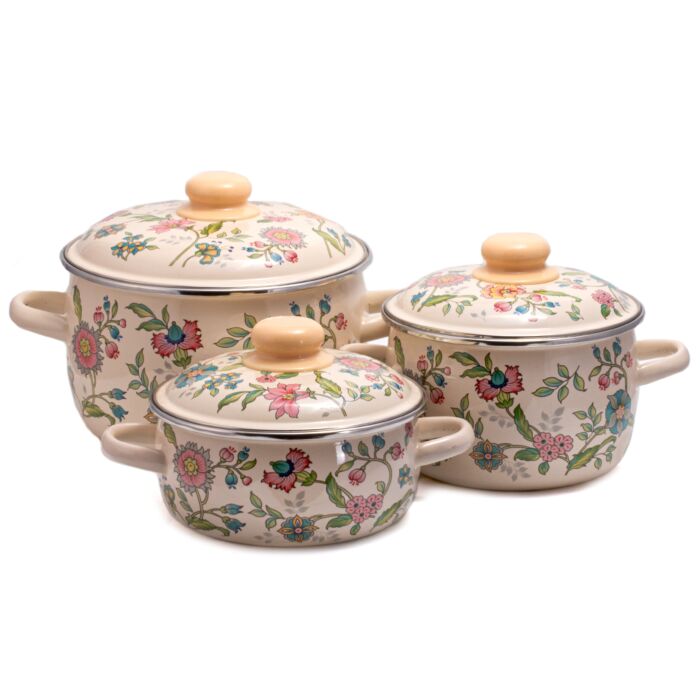
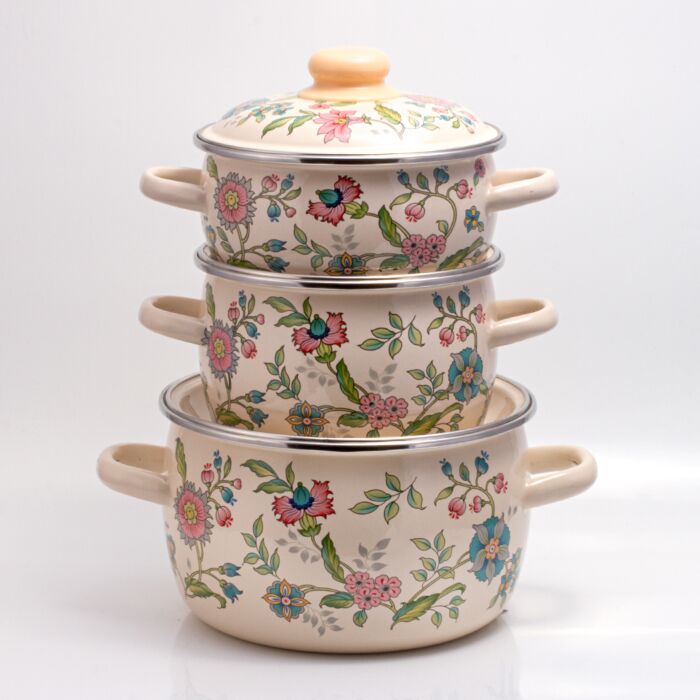
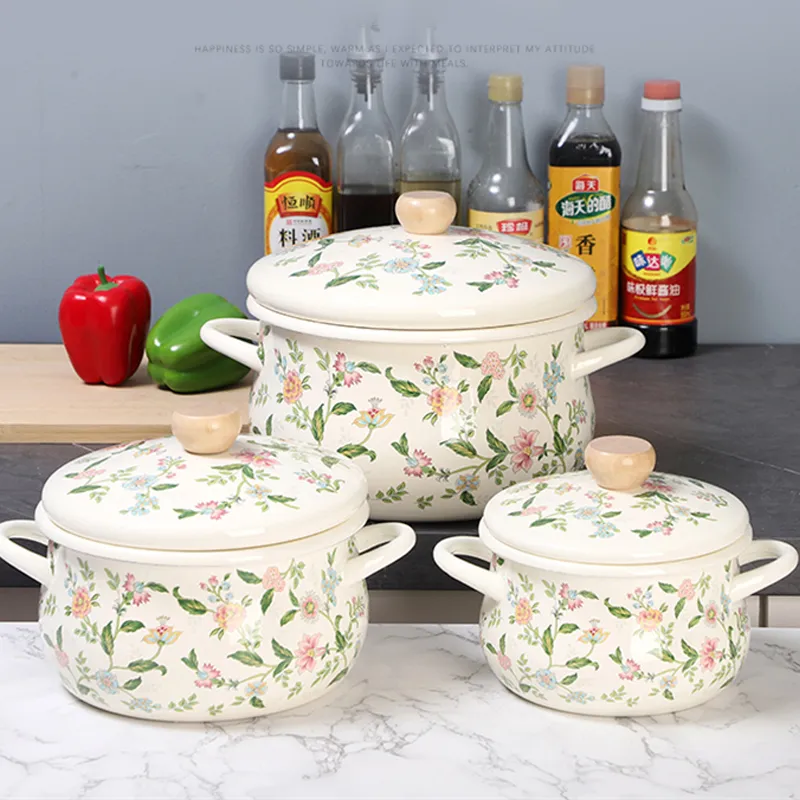
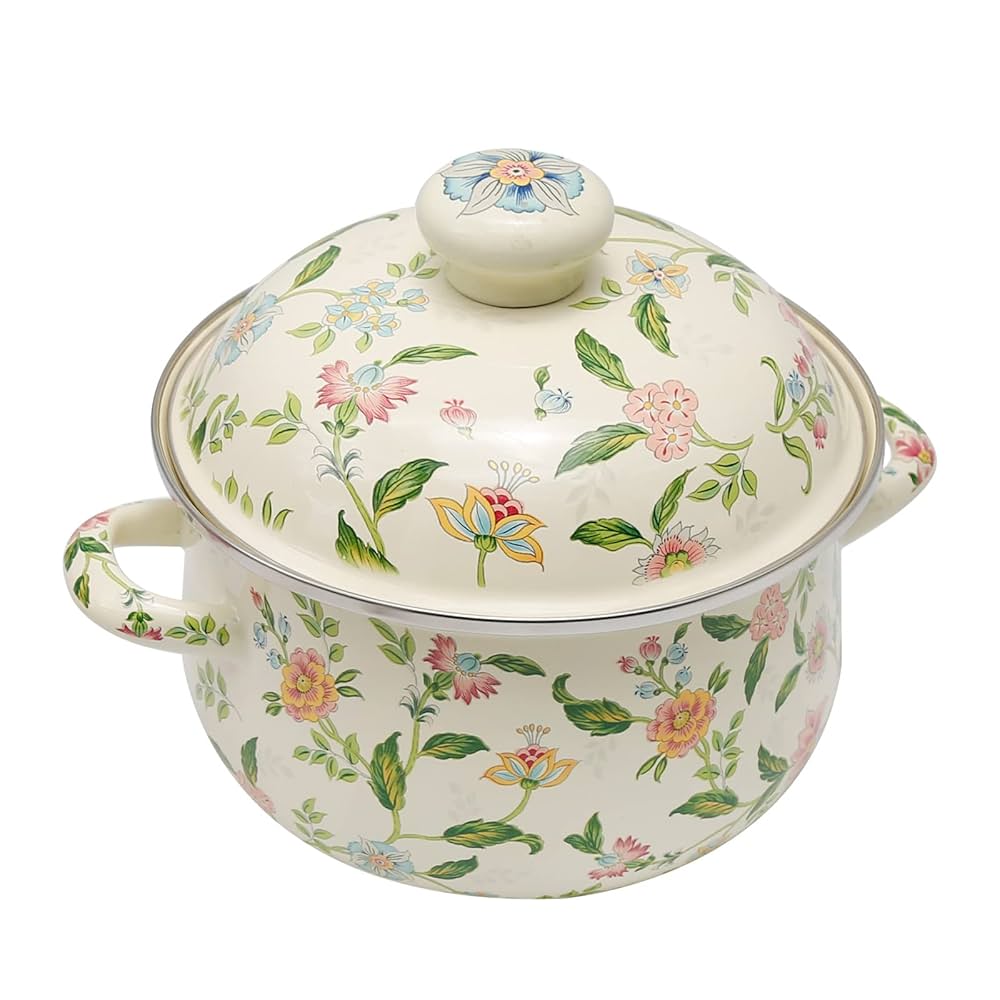
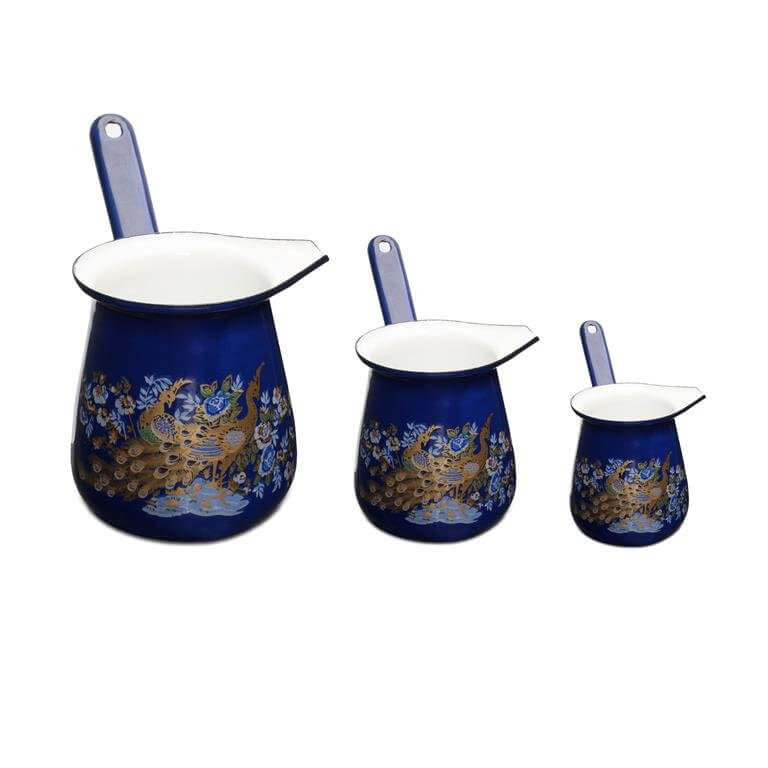
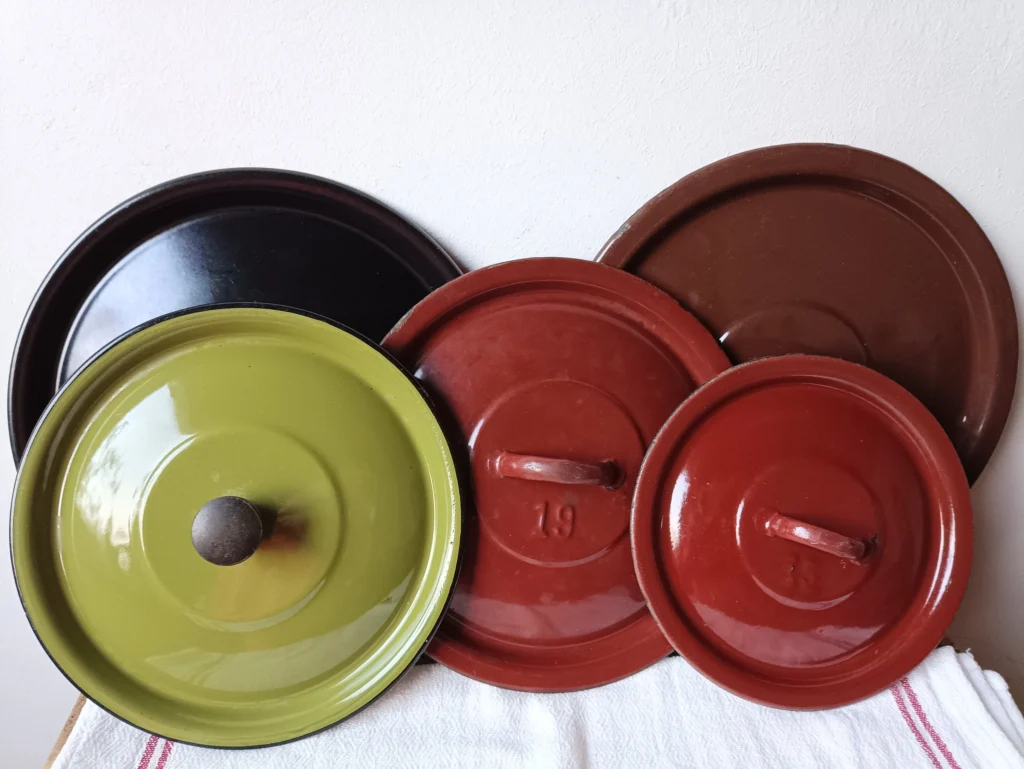
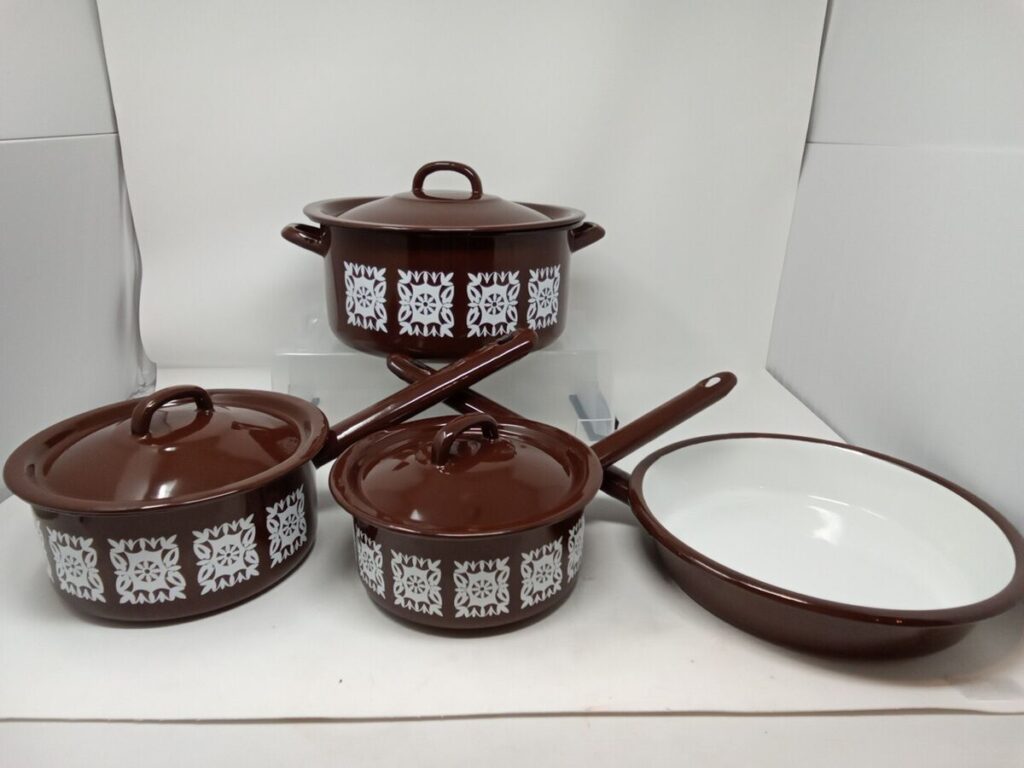
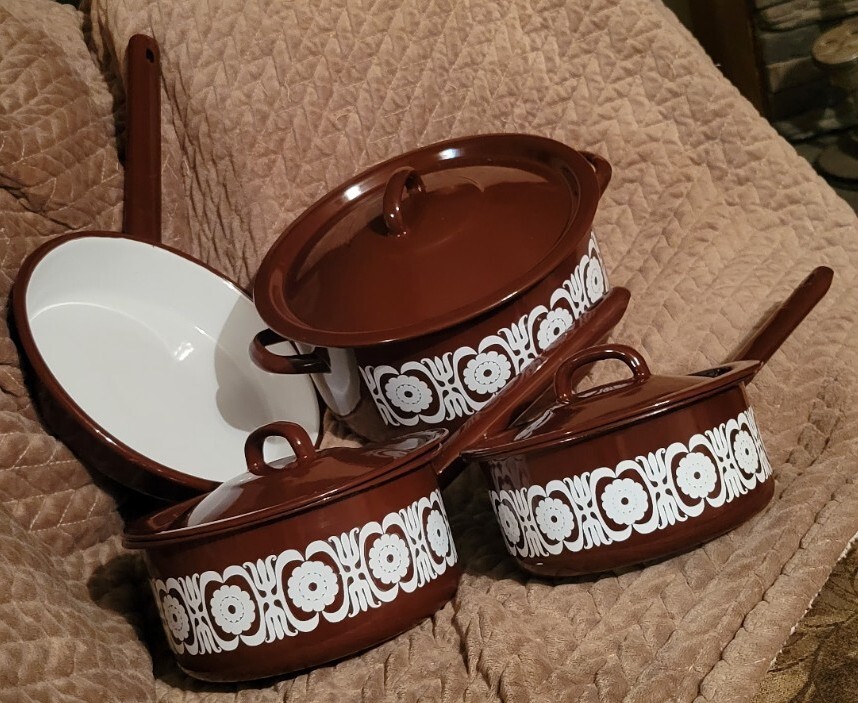
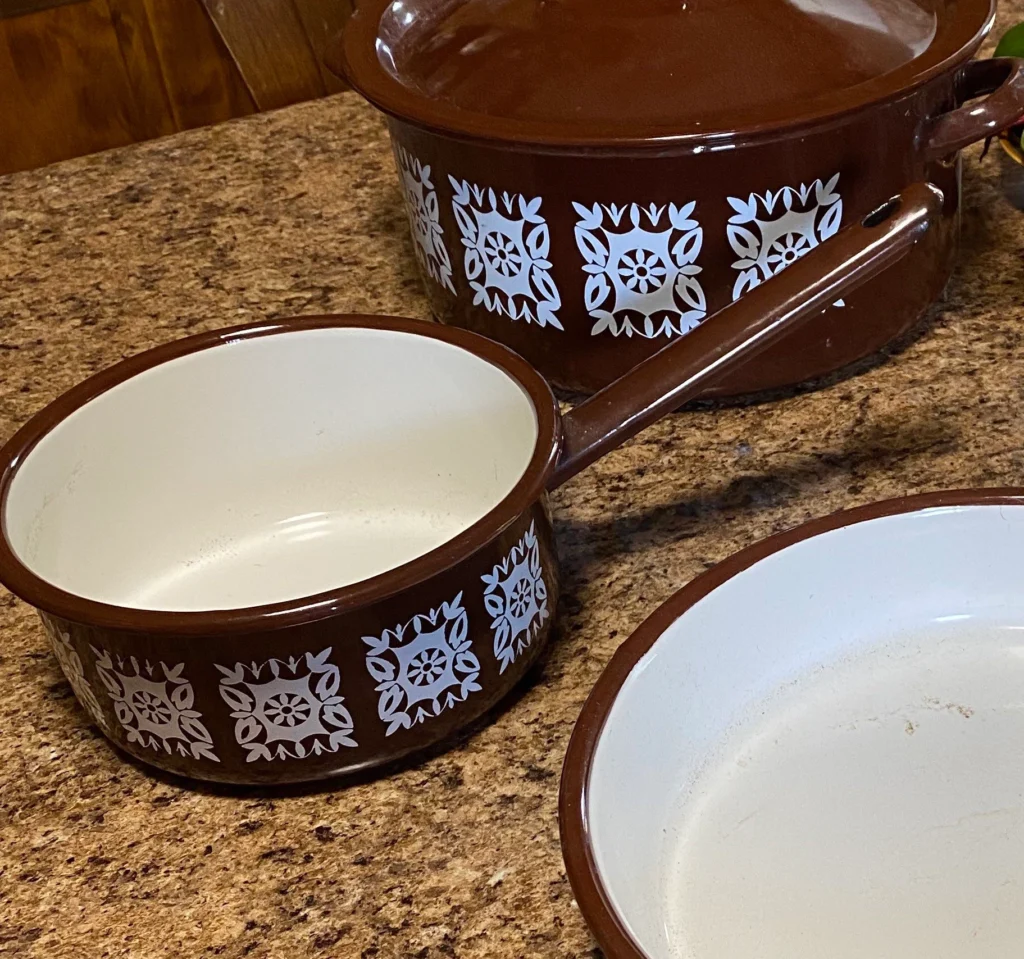
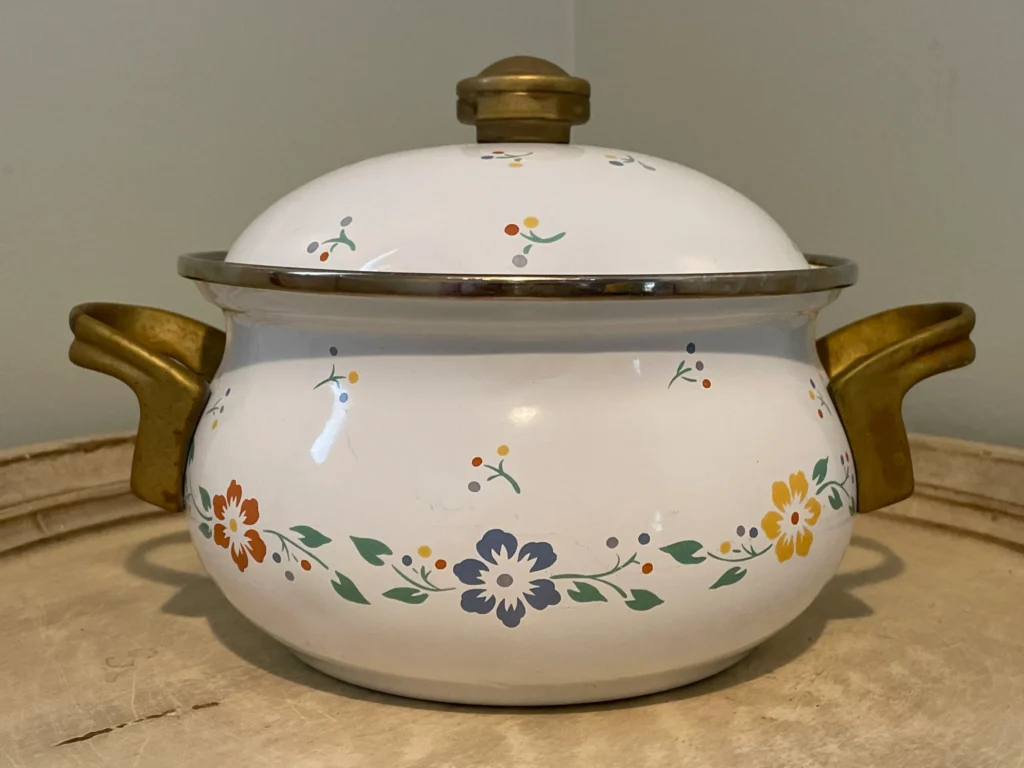
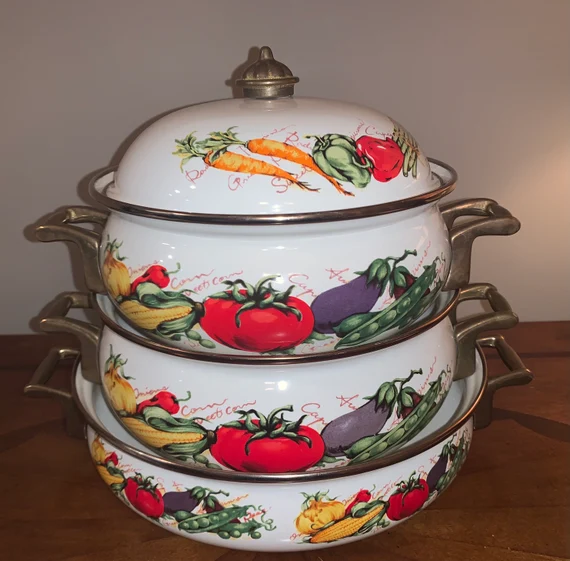
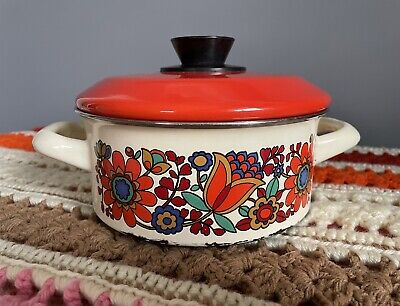
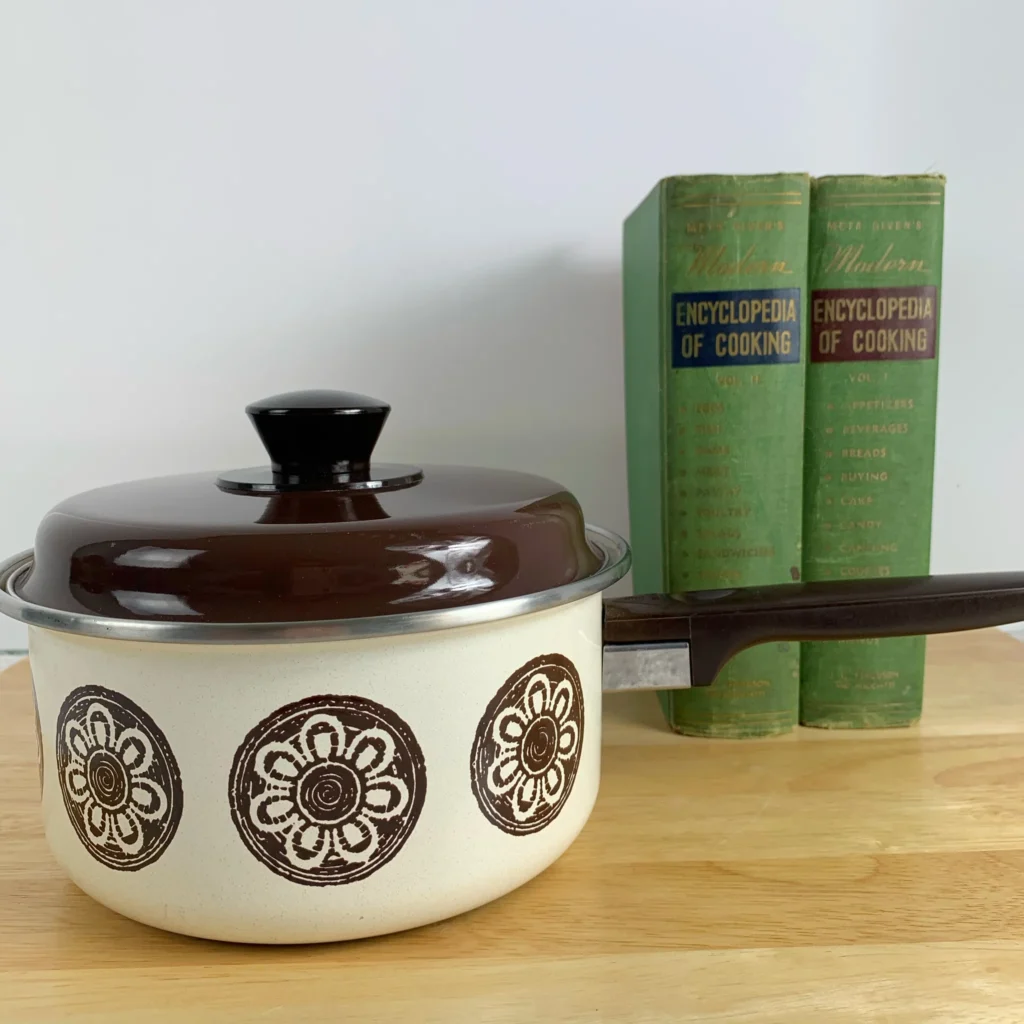
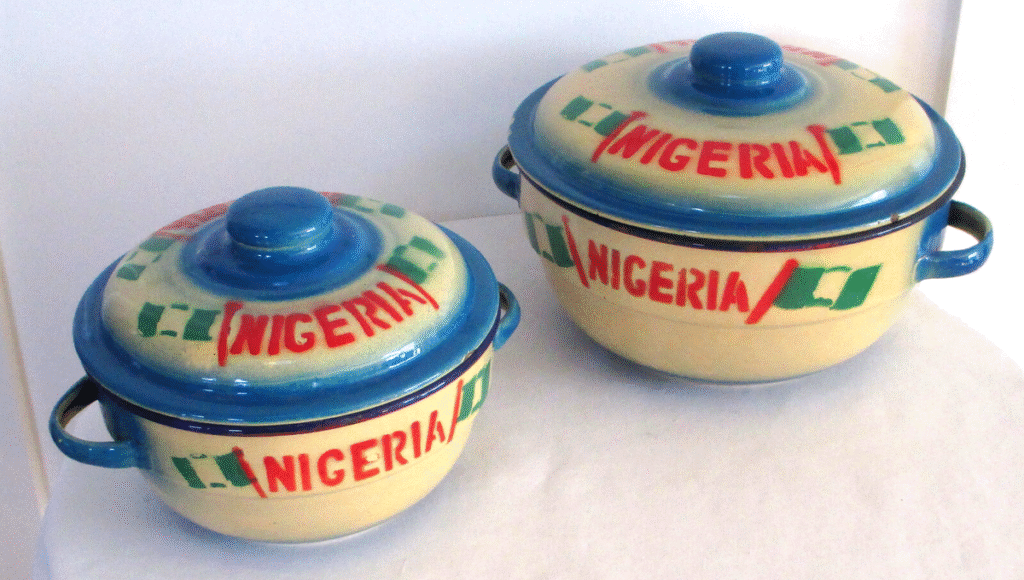
Enamelware pots—brightly colored, enamel-coated metal cooking vessels—were once a familiar sight in Nigerian kitchens. Before the arrival of modern non-stick cookware, these durable pieces were prized for their ability to withstand daily use while retaining heat, making them ideal for preparing the hearty soups, stews and casseroles that anchor Nigerian cuisine.

A Household Essential of the Mid-20th Century

From roughly the 1950s through the 1970s, enamelware was common across many Nigerian homes. The glossy coating protected the underlying metal from rust and gave the pots a smooth surface that was easy to clean. Families used them to cook and also to serve meals at the dining table, where their vibrant colors added a festive touch to everyday meals and large gatherings alike.

Decorative Storytelling on Everyday Items

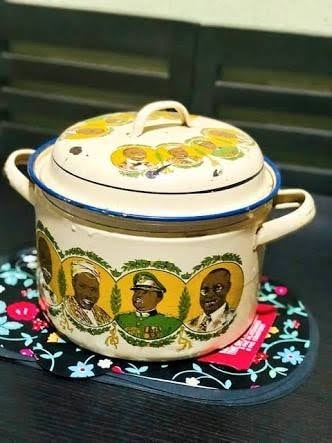
Some enamelware pieces went beyond pure utility and doubled as cultural artifacts. The example in the image is a lidded pot decorated with portraits of notable figures—possibly political leaders, cultural icons, or other public personalities of its era. Without verified archival records it is difficult to identify the individuals precisely, but the design reflects a common mid-century trend: using household objects to celebrate national pride, commemorate events, or honor admired personalities.

Symbol of Nostalgia and Identity

For many Nigerians, these enamel pots are more than vintage collectibles; they are reminders of childhood kitchens and family traditions. Their enduring presence in open-air markets and antique collections evokes memories of communal meals and the ingenuity of mid-20th-century household life. Today, collectors and cultural historians view them as both functional artifacts and tangible links to Nigeria’s social history.

See also  Frank Edoho and estranged wife spill dirty extra-marital secrets

National Museum, Lagos: Domestic Artifacts of 20th-Century Nigeria (exhibition catalogue).
FOLLOW US ON:

FACEBOOK

TWITTER

PINTEREST

TIKTOK

YOUTUBE

LINKEDIN

TUMBLR

INSTAGRAM

Continue Reading
Click to comment

Leave a Reply

Your email address will not be published. Required fields are marked *

Lifestyle

Pride Before Everything Can Lead to a Fall

Published

on

Pride can quietly take control of a person’s life. When pride becomes more important than humility, wisdom, correction, and respect for others, it can eventually lead to failure and destruction.

The Bible gives us a clear warning:

“Pride goeth before destruction, and an haughty spirit before a fall.”
— Proverbs 16:18 (KJV)

Pride can make a person believe they are always right, refuse correction, look down on others, and ignore wise counsel. But true strength is not found in arrogance; it is found in humility, wisdom, and self-control.

“Before destruction the heart of man is haughty, and before honour is humility.”
— Proverbs 18:12 (KJV)

We should never allow success, wealth, position, intelligence, beauty, or influence to make us feel superior to others.

“Let nothing be done through strife or vainglory; but in lowliness of mind let each esteem other better than themselves.”
— Philippians 2:3 (KJV)

Being humble does not mean thinking you are worthless. It means recognizing that you are not above others and remaining willing to learn, listen, and accept correction.

“For all that is in the world, the lust of the flesh, and the lust of the eyes, and the pride of life, is not of the Father, but is of the world.”
— 1 John 2:16 (KJV)

Never let pride come before everything else. A person may stand tall today, but pride can make them blind to the very things that could bring them down tomorrow.

Choose humility over arrogance, wisdom over stubbornness, and kindness over superiority.

See also  Overly Possessive About Money

Remember: Pride may lift you up in your own eyes, but humility prepares you for lasting honour.

FOLLOW US ON:

FACEBOOK

TWITTER

PINTEREST

TIKTOK

YOUTUBE

LINKEDIN

INSTAGRAM

Continue Reading

Lifestyle

Bullying Is Never Acceptable

Published

on

Bullying others is never acceptable. Every person deserves to be treated with respect, kindness, dignity, and compassion. Words and actions can deeply hurt others, so we should choose to encourage rather than humiliate, support rather than intimidate, and show kindness rather than cruelty.

The Bible teaches us:

“And as ye would that men should do to you, do ye also to them likewise.”
— Luke 6:31 (KJV)

This is the Golden Rule: treat others the way you would want to be treated.

“Be kindly affectioned one to another with brotherly love; in honour preferring one another.”
— Romans 12:10 (KJV)

We are called to show genuine care and respect for one another.

“Let no corrupt communication proceed out of your mouth, but that which is good to the use of edifying…”
— Ephesians 4:29 (KJV)

Our words should build people up, not tear them down.

“And be ye kind one to another, tenderhearted, forgiving one another…”
— Ephesians 4:32 (KJV)

Bullying is not strength. Kindness is strength. You never know what someone else may be going through, so choose your words carefully, stand against bullying, and treat everyone with the respect and kindness they deserve.

FOLLOW US ON:

FACEBOOK

TWITTER

PINTEREST

TIKTOK

YOUTUBE

LINKEDIN

INSTAGRAM

See also  Chief George Sodeinde Sowemimo, GCON (8 November 1920 – 29 November 1997)
Continue Reading

Lifestyle

Some People Know Very Little, Yet They Behave as Though They Know Everything

Published

on

There is a difference between having confidence and having wisdom.

Some people have very little knowledge or experience about a subject, yet they speak with absolute certainty. They interrupt those with more experience, reject correction, and behave as though there is nothing left for them to learn.

The problem is not that someone is inexperienced. Everyone starts somewhere. The real problem is refusing to learn while believing you already know everything.

The Bible has a lot to say about this kind of attitude.

1. A wise person knows that there is more to learn

“The fear of the LORD is the beginning of knowledge: but fools despise wisdom and instruction.”
— Proverbs 1:7 (KJV)

A person who wants to become wise must be willing to receive instruction. Nobody becomes knowledgeable by pretending to know everything.

2. Listen before you speak

Some people are quick to give opinions but slow to listen. They speak confidently even when they have not taken the time to understand the subject.

The Bible says:

“Wherefore, my beloved brethren, let every man be swift to hear, slow to speak, slow to wrath.”
— James 1:19 (KJV)

Listening is not a sign of weakness. It is one of the ways we learn.

3. Thinking you know everything can lead to mistakes

A person who believes they cannot be wrong will rarely examine their own thinking.

“Seest thou a man wise in his own conceit? there is more hope of a fool than of him.”
— Proverbs 26:12 (KJV)

Being “wise in your own conceit” means having an exaggerated opinion of your own wisdom.

See also  Chief George Sodeinde Sowemimo, GCON (8 November 1920 – 29 November 1997)

Confidence without knowledge can be dangerous because it may cause someone to make decisions without understanding the consequences.

4. Don’t reject correction

One of the clearest signs of wisdom is the ability to accept correction.

“The ear that heareth the reproof of life abideth among the wise.”
— Proverbs 15:31 (KJV)

If someone corrects you and you discover that they are right, there is no shame in changing your position.

Admitting that you don’t know something is not ignorance. Refusing to learn is.

5. Experience matters

A person who has spent years studying, working, practicing, or dealing with a particular subject has accumulated experience that cannot be acquired simply by having an opinion.

The Bible says:

“Wisdom is with the aged, and understanding in length of days.”
— Job 12:12 (KJV)

This does not mean that older people are automatically right about everything. It means experience can provide valuable wisdom.

We should therefore learn from people who have knowledge and experience rather than assuming that our limited understanding is complete.

6. Don’t confuse confidence with wisdom

Someone can speak loudly, argue strongly and appear extremely confident while still being completely mistaken.

True wisdom is different.

A wise person can say:

“I don’t know.”
“Let me learn.”
“I may be wrong.”
“Show me the evidence.”

That kind of humility creates room for growth.

“Before honour is humility.”
— Proverbs 15:33 (KJV)

Final Thought

You don’t have to know everything to be respected.

In fact, one of the most intelligent things a person can say is:

See also  See what a terror-free Nigeria supposed to look like

“I don’t know, but I’m willing to learn.”

Never be ashamed of being a beginner. Everyone who is an expert today was once a novice.

The danger begins when a person knows very little but refuses to learn because they believe they already know everything.

“Pride goeth before destruction, and an haughty spirit before a fall.”
— Proverbs 16:18 (KJV)

Be confident, but remain teachable. Speak when you have something valuable to contribute, listen when you have something to learn, and never let pride convince you that there is nothing more for you to understand.

FOLLOW US ON:

FACEBOOK

TWITTER

PINTEREST

TIKTOK

YOUTUBE

LINKEDIN

INSTAGRAM

Continue Reading

Trending